
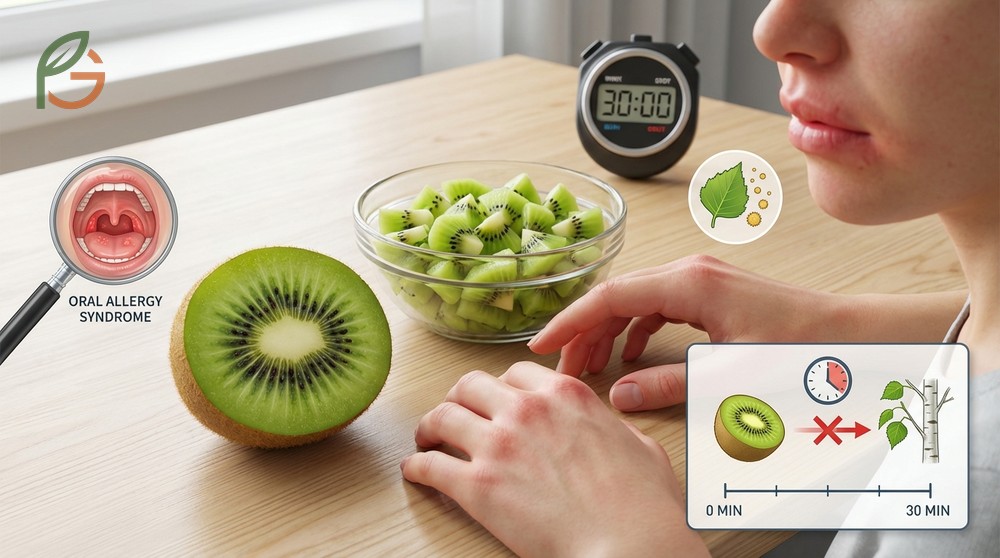
Kiwi allergy symptoms affect millions of people worldwide, ranging from mild oral tingling to life-threatening anaphylaxis. Research shows that kiwifruit has been recognized as an allergenic food for over 30 years, with reactions typically appearing within 30 minutes of exposure[1]. Most symptoms involve oral allergy syndrome, where your mouth and throat itch immediately after eating raw kiwi due to cross-reactivity with birch pollen proteins[2]. FruitGarden synthesizes current allergic reaction data and clinical research to help you understand symptoms, identify triggers, and manage this increasingly common fruit allergy.
Quick Answer
- Oral symptoms appear within 2 hours of kiwi exposure, typically involving itching and tingling[1]
- 30-50% of latex-allergic patients also react to kiwi through cross-reactivity[1]
- Actinidin (Act c 1) is the major allergen, a 30 kd protein resistant to digestion[3]
- Children develop systemic reactions more frequently than adults who typically experience milder oral symptoms[1]
Kiwi Allergy Symptoms

Kiwifruit allergies produce a wide spectrum of reactions that vary significantly between individuals. Clinical data shows symptoms typically manifest within 2 hours after exposure, whether through ingestion or direct skin contact[1]. The reaction pattern differs notably between age groups, with children more likely to develop systemic responses involving multiple organ systems simultaneously.
Studies across pediatric and adult populations reveal that children with kiwi allergy often present with more severe symptoms than adults. Evidence from Italian research with 25 pediatric patients found that primary sensitization to kiwifruit produces stronger reactions in childhood, including urticaria, angioedema, and respiratory involvement[1]. Adults tend to experience localized oral symptoms rather than whole-body responses.
What determines reaction severity is the specific allergen protein involved. Actinidin, the major kiwi allergen designated Act c 1, is a 30 kilodalton proteolytic enzyme that resists breakdown during digestion[3]. This stability allows the protein to trigger immune responses even after partial digestion.
Mild to Moderate Symptoms
Mild reactions typically involve localized discomfort without progressing to systemic involvement. These symptoms resolve within several hours without medical intervention in most cases[1].
The hallmark of oral allergy syndrome is immediate itching or tingling that begins as soon as raw kiwi touches oral tissues. Many people describe this sensation as irritation starting almost instantly after consumption[4].
- Itching or tingling of lips, tongue, and oral mucosa appearing within minutes
- Mild swelling of the tongue or lips without breathing difficulty
- Skin rashes or hives localized to areas that contacted kiwi
- Scratchy throat sensation that resolves within 1-2 hours
- Localized contact dermatitis from handling kiwifruit flesh or skin
- Mild gastrointestinal discomfort without severe pain or vomiting
Important Note: Cooking kiwi changes the protein structure and often eliminates allergic triggers. Many people who react to raw kiwi can tolerate cooked or canned forms without symptoms[5].
Severe Allergic Reactions
Severe kiwi reactions involve multiple systems and require immediate medical attention. Research documents that approximately 20-40% of kiwi-allergic individuals experience wheezing, facial swelling, or respiratory symptoms[6]. Younger children show higher rates of serious reactions affecting breathing or circulation.
Anaphylaxis represents the most dangerous outcome, though it remains relatively uncommon. Case reports document children developing hypotensive shock after merely handling kiwifruit, demonstrating the potential severity in highly sensitized individuals[1].
- Difficulty breathing, wheezing, or asthma-like symptoms requiring intervention
- Laryngeal swelling that narrows airways and affects voice or breathing
- Widespread urticaria or angioedema beyond the contact area
- Severe abdominal pain, vomiting, or persistent diarrhea
- Hypotension or drop in blood pressure leading to dizziness
- Loss of consciousness or anaphylactic shock requiring epinephrine
- Cyanosis (bluish skin discoloration) indicating oxygen deprivation
Oral Allergy Syndrome
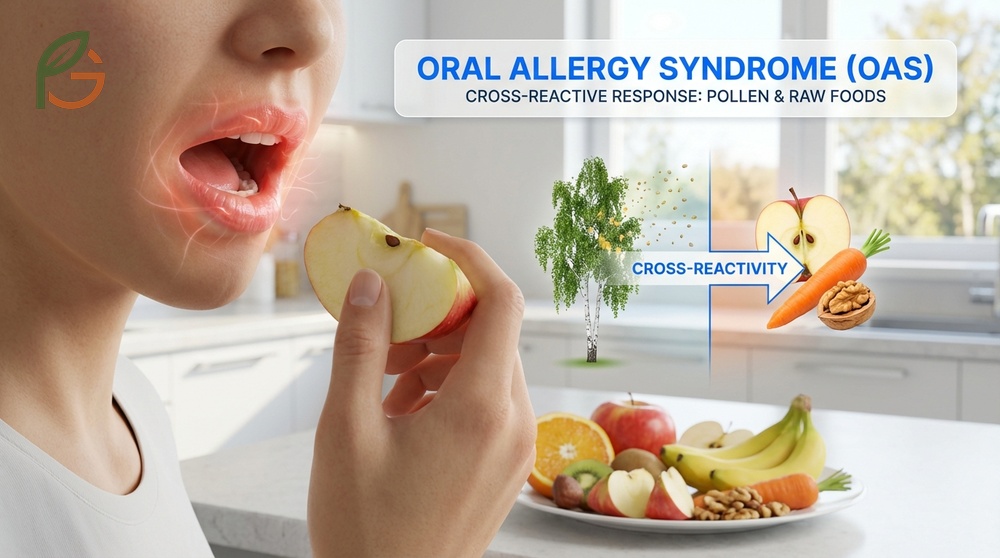
Oral allergy syndrome (OAS), also called pollen-food syndrome, is a contact allergic reaction that occurs when raw fruits, vegetables, or nuts touch your mouth[7]. This condition affects people with environmental pollen allergies who develop cross-reactive responses to structurally similar proteins in certain foods. Symptoms appear at the site of food contact in the oropharynx rather than systemically.
Research shows that OAS typically produces milder symptoms than primary food allergies. The reaction stays localized because digestive enzymes break down the offending proteins before they can enter the bloodstream and trigger widespread responses[2]. This explains why cooking eliminates most OAS reactions—heat denatures the proteins, rendering them non-allergenic.
Current data indicates that adults with birch pollen allergies who develop OAS to kiwi generally experience only oral symptoms. In contrast, individuals with kiwi allergy who don’t have associated pollen allergies face higher risk for systemic reactions and anaphylaxis[1].
Mechanism and Cross-Reactivity
Cross-reactivity occurs when your immune system mistakes food proteins for pollen allergens due to structural similarities. The body produces IgE antibodies against pollen allergens, and these same antibodies recognize similar protein sequences in certain foods[2].
Kiwifruit contains Act d 8, a PR-10 protein that’s structurally homologous to Bet v 1, the major birch pollen allergen. People sensitized to birch pollen often react to this shared protein structure when eating raw kiwi[1]. Japanese research on pediatric patients found that children without Act d 8 sensitization faced higher risk for severe reactions, suggesting this protein primarily drives mild OAS symptoms.
- Latex products (30-50% cross-reactivity rate in latex-allergic patients)
- Avocado and banana through latex-fruit syndrome
- Birch pollen and related tree pollens
- Hazelnut due to shared PR-10 proteins
- Apple, peach, and other stone fruits in birch-endemic areas
- Grass pollens in some geographic regions
Latex-Fruit Syndrome: Healthcare workers, dental professionals, and others with frequent latex exposure show elevated rates of kiwi allergy. This occurs because latex and kiwifruit share common protein epitopes that trigger cross-reactive immune responses[1].
Birch Pollen Connection
The association between birch pollen allergy and kiwi sensitivity is well-documented in regions where birch trees are prevalent. Studies show that pre-sensitization to birch pollen predisposes individuals to develop kiwi allergy, primarily through sensitization to Act d 8[1]. This pattern appears most commonly in Northern European and North American populations.
Research involving oral allergy syndrome in birch pollen-sensitized patients reveals that symptoms manifest in the oropharynx at the site of food contact. Patients experience itching of lips, tongue, and throat, sometimes with swelling of lips and tongue[7]. The reaction results from inflammatory triggers caused by cross-reactivity between birch pollen allergens and kiwi proteins.
Kiwi Allergic Reactions

Clinical patterns of kiwi allergic reactions vary significantly based on age, geography, and prior sensitization. Evidence demonstrates that timing of symptom onset is remarkably consistent, with most reactions occurring within 30 minutes of kiwi exposure[6]. Complete resolution typically happens within several hours without intervention for mild cases.
Studies analyzing reaction types reveal distinct patterns across populations. Italian research documented that the most frequent symptoms are angioedema and urticaria, followed by oral allergy syndrome, gastrointestinal symptoms, rhinoconjunctivitis, cough, and dyspnea[1]. Anaphylaxis occurred in six of 25 pediatric patients in this cohort, representing approximately 24% of cases.
Geographic differences in reaction patterns relate to local pollen exposure. Patients from birch-free areas who develop kiwi allergy show different allergen recognition patterns and higher rates of systemic symptoms. Research indicates that one in five kiwi-allergic patients lacks pollen allergy, and this group faces the highest risk for severe systemic reactions[1].
This table compares symptom frequency percentages from clinical studies on kiwifruit allergic reactions in pediatric patients
| Symptom Type | Frequency (%) | Severity Level |
|---|---|---|
| Itching/tingling (oral) | 60-70%[4] | Mild |
| Swelling (tongue/lips) | 40%[6] | Mild-Moderate |
| Facial swelling | 25%[6] | Moderate |
| Skin rash (hives) | 20%[6] | Mild-Moderate |
| Wheezing/breathing difficulty | 15%[6] | Severe |
| Anaphylaxis/collapse | 3-5%[6] | Life-threatening |
- Young children (under age 5) with kiwi allergy show higher rates of systemic symptoms
- Absence of birch pollen sensitization increases risk for anaphylaxis
- Concomitant latex allergy raises likelihood of severe reactions
- History of atopic dermatitis or other allergic conditions
- Prior anaphylactic reaction to any food allergen
- Asthma increases risk for respiratory complications during reactions
Allergic to Kiwi

Diagnosing kiwi allergy involves clinical history, skin testing, and specific IgE blood tests. Allergists assess your symptom patterns and potential cross-reactivities to determine whether you’re experiencing true kiwi allergy or oral allergy syndrome[1]. The distinction matters because management strategies differ between these conditions.
Skin prick testing with kiwi extract provides rapid results, typically showing positive wheals within 15-20 minutes in allergic individuals. Blood tests measure kiwi-specific IgE antibodies, with higher levels generally correlating with more severe symptoms[1]. Spanish research found that high IgE levels against Act d 1 and Act d 3 associate with severe symptomatology.
Component-resolved diagnostics now allow testing for specific kiwi allergens. Identifying which proteins trigger your reaction helps predict symptom severity and cross-reactivity risks. Patients with Act d 8 sensitization typically experience mild oral symptoms, while those reactive to actinidin (Act c 1) without Act d 8 face higher risk for systemic reactions[1].
Management strategies center on avoidance, though approaches vary based on symptom severity. Most allergists recommend complete kiwi avoidance for individuals with history of severe reactions or anaphylaxis. For mild OAS cases, some people tolerate cooked kiwi or choose to avoid it only during peak pollen seasons[5].
- Read ingredient labels carefully, as kiwi appears in smoothies, fruit salads, and desserts
- Carry antihistamines for immediate symptom relief after accidental exposure
- Obtain epinephrine auto-injector prescription if you’ve had severe reactions
- Wear medical alert jewelry identifying your kiwi allergy
- Inform restaurants and food preparers about your allergy before ordering
- Consider allergy immunotherapy for underlying pollen allergies to reduce OAS symptoms
- Peel fruits and vegetables that cross-react, as allergens concentrate in the skin
Treatment Options: Antihistamines taken immediately after symptoms begin can reduce itching and swelling. However, pre-medicating with antihistamines before eating kiwi hasn’t proven completely effective at preventing reactions[5]. Avoidance remains the most reliable strategy.
Kiwi Allergy Signs
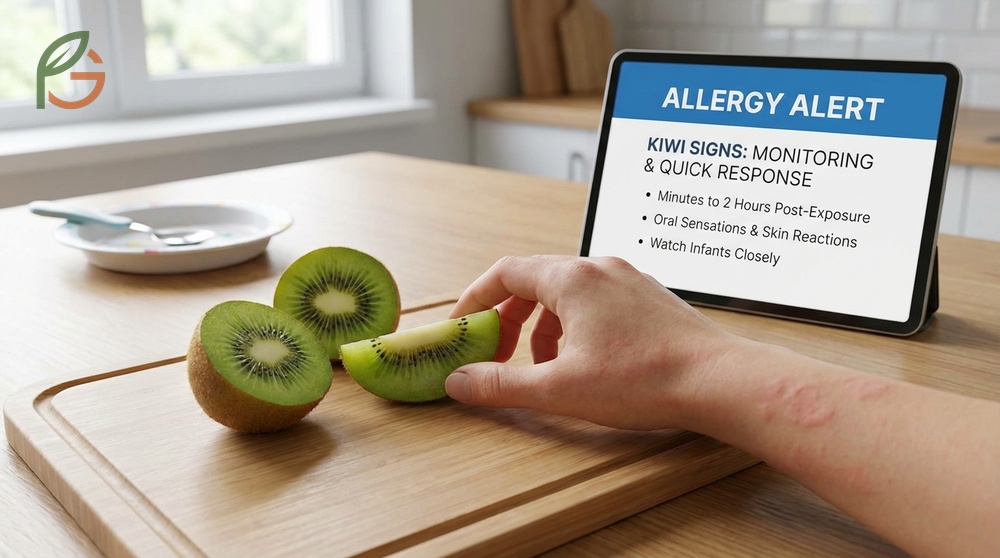
Recognizing early warning signs of kiwi allergy helps you respond quickly and appropriately. Initial symptoms typically appear within minutes after your mouth contacts kiwi, though some reactions develop up to 2 hours post-exposure[1]. Parents should watch infants and toddlers closely during first kiwi exposures, as children often can’t articulate oral sensations.
Contact reactions from handling kiwifruit provide important diagnostic clues. Some individuals develop urticaria or dermatitis on hands after peeling or cutting kiwi, indicating sensitization even without ingestion[1]. These contact symptoms suggest higher likelihood of oral or systemic reactions if the fruit is eaten.
Progressive symptom escalation signals potentially dangerous reactions requiring emergency intervention. Warning signs include symptoms spreading beyond the mouth to involve throat tightness, chest pressure, or difficulty swallowing. Any respiratory involvement, voice changes, or facial swelling beyond the lips warrants immediate medical evaluation[4].
- Symptoms progressing from oral area to throat, chest, or distant body parts
- Breathing changes including wheezing, shortness of breath, or rapid breathing
- Hoarse voice, difficulty speaking, or sensation of throat closing
- Widespread hives appearing beyond areas that contacted kiwi
- Abdominal cramping accompanied by vomiting or diarrhea
- Dizziness, confusion, or feeling faint indicating blood pressure changes
- Symptoms in infants who can’t communicate discomfort (crying, refusal to eat, drooling)
Conclusion
The evidence is clear: kiwi allergy symptoms range from mild oral tingling to life-threatening anaphylaxis, with reaction patterns determined by age, allergen type, and cross-reactivity factors. Research demonstrates that understanding your specific sensitization profile—whether to actinidin, PR-10 proteins, or both—helps predict symptom severity and manage exposure risks effectively. Children face higher rates of systemic reactions, while adults with birch pollen allergies typically experience localized oral symptoms that respond well to simple avoidance strategies.
Current guidance emphasizes personalized management based on reaction history and component diagnostics. FruitGarden synthesizes clinical research to help you recognize symptoms early, understand cross-reactivity patterns with latex and pollen, and implement evidence-based prevention strategies that keep you safe while maintaining nutritional variety in your diet.
Medical Disclaimer
Important Medical Disclaimer: This content is for informational and educational purposes only. It is not intended as a substitute for professional medical advice, diagnosis, or treatment. Always consult a qualified healthcare professional or board-certified allergist before making any changes to your diet, medication, or allergy management routine, especially if you have experienced allergic reactions or carry epinephrine auto-injectors. Kiwi allergy can cause severe reactions including anaphylaxis. If you experience difficulty breathing, throat swelling, or other emergency symptoms, call 911 immediately.
Frequently Asked Questions
What Are the First Signs of Kiwi Allergy?
The first signs typically involve itching or tingling in your mouth, lips, and tongue within minutes of eating raw kiwi. This sensation results from oral allergy syndrome, where proteins in kiwi trigger immune responses similar to pollen allergies. Some people notice mild swelling of lips or tongue, while others experience throat irritation that feels scratchy or uncomfortable.
Can You Develop Kiwi Allergy Later in Life?
Yes, kiwi allergy can develop at any age, even if you’ve eaten kiwi without problems for years. Adult-onset kiwi allergy often occurs in people who develop birch pollen allergies or latex sensitivity, which cross-react with kiwi proteins. Research shows that new environmental exposures or changes in immune function can trigger sensitization to foods you previously tolerated.
How Long Do Kiwi Allergy Symptoms Last?
Mild oral allergy syndrome symptoms typically resolve within 1-2 hours without treatment. More significant reactions involving hives, swelling, or gastrointestinal symptoms may persist for several hours but usually clear completely within 24 hours. Severe reactions requiring epinephrine or emergency care need medical monitoring until symptoms fully stabilize.
Is Kiwi Allergy Related to Latex Allergy?
Yes, kiwi allergy shows strong association with latex allergy through latex-fruit syndrome. Studies document that 30-50% of latex-allergic individuals also react to kiwifruit because both contain similar protein structures. Healthcare workers and others with frequent latex glove exposure face elevated risk for developing kiwi sensitivity due to cross-reactive immune responses.
Can Cooking Kiwi Prevent Allergic Reactions?
Cooking kiwi can reduce or eliminate reactions for people with oral allergy syndrome because heat denatures the PR-10 proteins responsible for mild symptoms. However, actinidin (the major kiwi allergen) is relatively heat-stable, so individuals with severe kiwi allergy or history of anaphylaxis should avoid cooked kiwi as well. Always consult your allergist before trying cooked forms.
What Foods Should You Avoid with Kiwi Allergy?
People with kiwi allergy often cross-react with latex products, bananas, avocados, and hazelnuts due to shared protein structures. Those with birch pollen-related kiwi allergy may also react to apples, peaches, cherries, and other stone fruits. Component-resolved diagnostics help identify your specific cross-reactivity pattern so you can avoid problematic foods while safely enjoying others.
Do Children Outgrow Kiwi Allergy?
Limited research exists on kiwi allergy natural history in children, making it difficult to predict who will outgrow the condition. Some food allergies resolve as the immune system matures, but kiwi allergy persistence rates aren’t well-documented. Children with kiwi allergy triggered by birch pollen cross-reactivity may see symptoms fluctuate with pollen seasons rather than completely resolving.





