
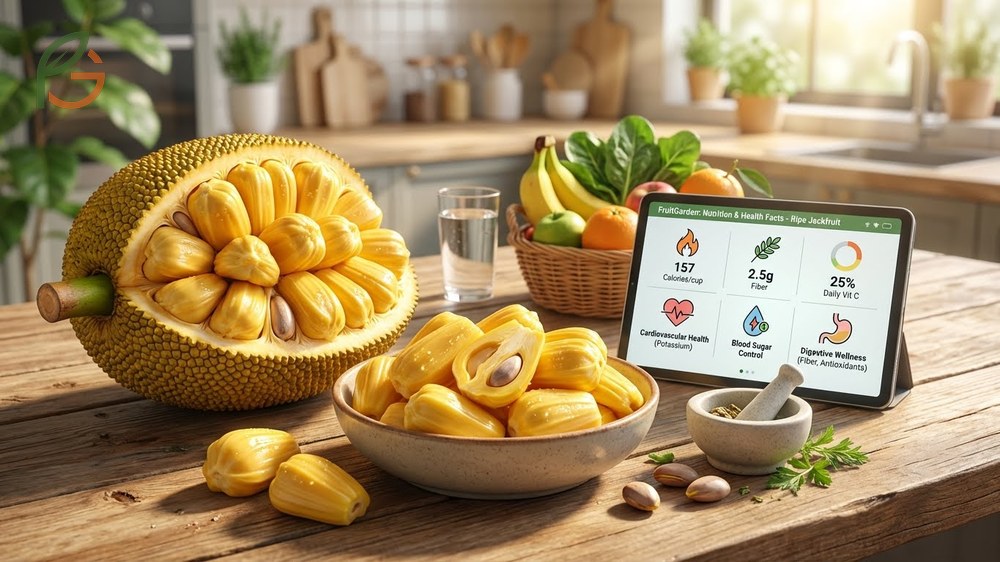
Benefit of ripe jackfruit includes providing 157 calories, 2.5g fiber, and 25% of your daily vitamin C in just one cup[1]. Research shows this tropical fruit supports cardiovascular health, blood sugar control, and digestive wellness through its potassium, fiber, and antioxidant content[2]. FruitGarden synthesizes current agricultural research and clinical studies to help you understand how jackfruit fits into a health-conscious diet.
Quick Answer
- One cup provides 157 calories with 38.3g carbs and 2.8g protein[1]
- Contains 25% daily vitamin C, 16% potassium, and 14% copper[1]
- Studies show jackfruit flour reduced HbA1c by 0.25% in diabetic patients over 12 weeks[3]
- Potassium content (676mg per cup) helps regulate blood pressure and reduces sodium retention[4]
Benefit of Ripe Jackfruit
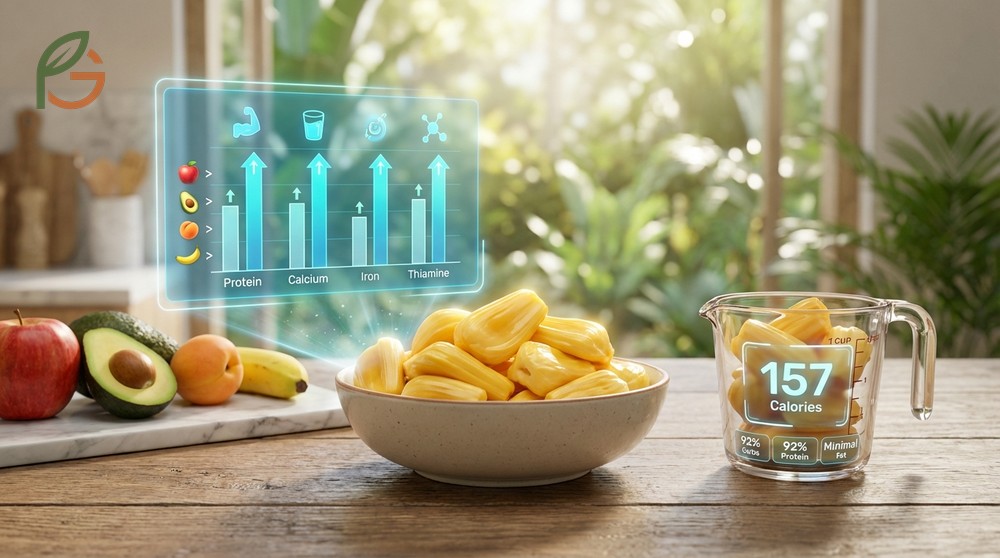
Ripe jackfruit delivers impressive nutritional value with a moderate calorie profile that fits most dietary plans. One cup of sliced jackfruit provides 157 calories, with 92% coming from carbohydrates and the remainder from protein and minimal fat[1]. Studies demonstrate that when compared with other tropical fruits, jackfruit flesh contains more protein, calcium, iron, and thiamine[2].
Current data indicates ripe jackfruit surpasses apples, apricots, avocados, and bananas in several key minerals and vitamins[2]. The fruit’s natural sweetness develops as it ripens, making it a satisfying whole-food option for those reducing processed sugar intake. Research shows the chemical composition varies by variety, but all types offer substantial nutritional benefits.
Evidence suggests consuming jackfruit as part of regular meals can contribute to improved metabolic markers. A clinical trial found that replacing equal volumes of rice or wheat flour with jackfruit flour in daily meals significantly lowered HbA1c, fasting plasma glucose, and postprandial glucose in patients with type 2 diabetes[3].
Nutritional Profile of Jackfruit
The macronutrient balance in jackfruit makes it suitable for various eating patterns. One 165-gram serving contains 38.3g carbohydrates, 2.8g protein, and just trace amounts of fat[1]. The carbohydrate content includes 2.5g of dietary fiber, which supports digestive health and promotes feelings of fullness.
Agricultural data shows ripe jackfruit contains 16.0-25.4g carbohydrates per 100g, with fiber ranging from 1.0-1.5g depending on cultivar[2]. Protein content in ripe flesh reaches 1.9g per 100g, while jackfruit seeds contain 5.3-6.8% protein. The seeds represent an often-overlooked nutritional component that can be roasted, boiled, or ground into flour.
Important Note: Jackfruit’s glycemic index varies between fresh fruit and processed forms. Green (unripe) jackfruit has lower sugar content than ripe fruit, making it more suitable for those managing blood glucose levels.
Key Vitamins and Minerals
Ripe jackfruit stands out for its vitamin C concentration, providing 25% of the daily value in a single cup[1]. This water-soluble antioxidant supports immune function, collagen synthesis, and iron absorption. The fruit also delivers 16% of daily potassium needs and 14% of copper requirements[1].
Research across global nutrition databases confirms jackfruit provides meaningful amounts of magnesium (11% DV), riboflavin (7% DV), and additional B vitamins[1]. The mineral profile includes 20.0-57.2mg phosphorus, 287-323mg potassium, and 0.4-1.9mg iron per 100g, with vitamin A content ranging from 30-175 IU depending on ripeness[2].
- Vitamin C: 12.0-14.0mg per 100g supports antioxidant defense and immune function
- Potassium: 287-323mg per 100g regulates fluid balance and blood pressure
- Magnesium: 11% daily value supports muscle and nerve function
- Copper: 14% daily value aids iron metabolism and connective tissue formation
- Riboflavin (Vitamin B2): 7% daily value contributes to energy production
- Phosphorus: 20.0-57.2mg per 100g essential for bone health and cellular energy
- Thiamine (Vitamin B1): 0.05-0.15mg per 100g supports carbohydrate metabolism
Health Benefits of Jackfruit
Clinical evidence demonstrates that jackfruit consumption offers multiple health advantages beyond basic nutrition. Studies show the fruit exhibits antimicrobial, antioxidant, antidiabetic, anti-inflammatory, and immunomodulatory activities based on preclinical research[5]. These effects result from bioactive compounds including flavonoids, carotenoids, and various phytochemicals concentrated in the fruit’s flesh and seeds.
Research shows jackfruit’s high potassium levels give it strong antihypertensive properties that support cardiovascular wellness[4]. The fruit’s fiber content contributes additional heart benefits, with studies finding that consuming just 5 extra grams of fiber daily can reduce systolic blood pressure by 2.8 mmHg and diastolic pressure by 2.1 mmHg[4].
Current guidance emphasizes jackfruit’s potential for blood sugar management. A 12-week randomized controlled trial involving 40 diabetic patients showed that those consuming 30g jackfruit flour daily experienced significant reductions in HbA1c (-0.25%), fasting plasma glucose, and postprandial glucose compared to placebo[3]. Most patients find this approach practical since the flour can be incorporated into rotis, porridge, or pancakes without changing eating habits.
Digestive Wellness
The fiber in jackfruit supports multiple aspects of digestive function. With 2.5g fiber per cup, the fruit helps maintain regular bowel movements and feeds beneficial gut bacteria[1]. Agricultural data indicates fiber content can reach 2.6-3.6g per 100g in unripe jackfruit, which is higher than the ripe variety[2].
Evidence suggests the mucilaginous polysaccharides in jackfruit coat and protect the gastrointestinal tract. Traditional medicine systems have used unripe jackfruit decoctions to strengthen digestive fire and address acid reflux, with a 2012 study finding that bark extract inhibited Helicobacter pylori growth[5].
Immune System Support
Jackfruit’s vitamin C concentration directly supports immune cell function and antibody production. Research shows that adequate vitamin C intake enhances the body’s ability to fight infections and reduces oxidative stress[1]. The fruit also contains vitamin A precursors that maintain mucous membrane integrity, forming the first line of defense against pathogens.
Current data indicates jackfruit’s antioxidant compounds neutralize harmful free radicals that can damage cells. Studies demonstrate these phytonutrients work synergistically to reduce inflammation and support overall immune resilience[2].
Jackfruit Benefits for Blood Pressure
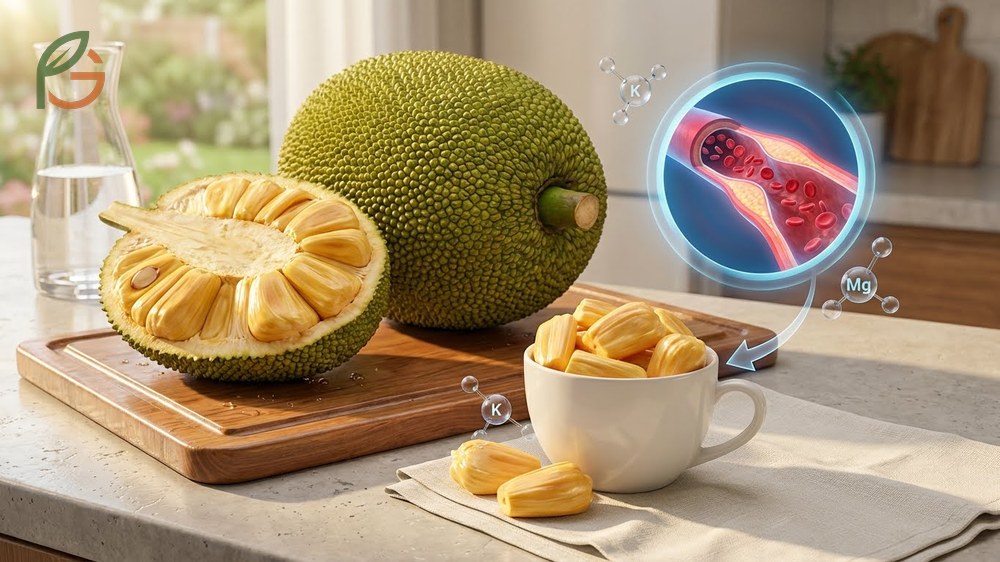
Potassium plays a crucial role in cardiovascular health by helping the body excrete excess sodium and easing tension in blood vessel walls. One cup of raw jackfruit provides 676mg of potassium, which represents a significant portion of the 2,600-3,400mg daily recommendation for adults[4]. This mineral acts as a natural vasodilator, allowing blood to flow more freely through arteries.
Research shows the combination of potassium, magnesium (44mg per cup), and fiber (2.26g per cup) creates a synergistic effect for blood pressure management[4]. Studies indicate that increasing dietary fiber intake by just 5g daily can produce measurable reductions in both systolic and diastolic pressure readings. What often gets overlooked is that regular consumption matters more than occasional large servings.
Evidence suggests jackfruit may help manage cholesterol levels alongside blood pressure. The fruit contains compounds that may lower LDL cholesterol while increasing HDL cholesterol, a balance crucial for preventing atherosclerosis[5]. This multi-faceted approach to cardiovascular wellness makes jackfruit a valuable addition to heart-healthy eating patterns.
Important Consideration: If you’re taking blood pressure medications, consult your healthcare provider before significantly increasing jackfruit intake. The potassium content may interact with certain diuretics or ACE inhibitors.
- Potassium counteracts sodium’s effects by promoting urinary excretion and reducing fluid retention
- Magnesium relaxes blood vessel smooth muscle, improving arterial flexibility
- Dietary fiber reduces cholesterol absorption and supports healthy weight management
- Antioxidants protect blood vessel lining from oxidative damage
- Low sodium content (3.0-35.0mg per 100g) doesn’t contribute to hypertension risk
Jackfruit Anticancer Properties
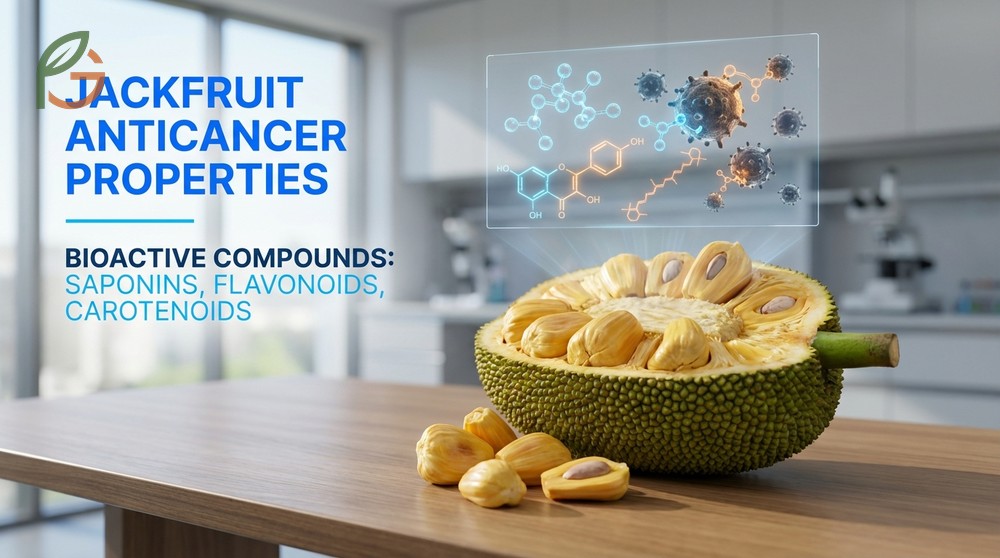
Emerging research demonstrates that bioactive compounds in jackfruit show promise for cancer prevention and treatment support. The fruit contains saponins, flavonoids, and carotenoids that function as potent anticancer substances by neutralizing dangerous free radicals linked to chronic disease development[5]. Saponins specifically interact with cancer cells’ outer membranes, gripping them and inhibiting proliferation.
Studies show jackfruit seeds contain the carbohydrate-binding protein jacalin, which exhibits potent anticancer activity against colon cancer, blood cancer, and breast cancer cells. Research published in Scientific Reports found that when mice with induced colon cancer received jackfruit extract high in artocarpin as part of their daily diet, tumor numbers within the colon were suppressed[6]. This reduction came with decreased expression of pro-inflammatory cytokines and pro-tumourigenic markers.
Current data indicates jackfruit extract can repress enzymes involved in colon tumor formation, suggesting a preventive role. The artocarpin compound works through multiple pathways, affecting gene expression related to inflammation and cellular growth[6]. Most research remains at the preclinical stage, but findings support jackfruit’s potential place in dietary strategies for cancer risk reduction.
This table lists bioactive compounds in jackfruit with documented anticancer effects, including their primary sources within the plant and specific cancer types studied in research
| Compound | Source in Plant | Cancer Types Studied | Mechanism |
|---|---|---|---|
| Jacalin | Seeds[6] | Colon, blood, breast cancer | Protein binding, apoptosis induction |
| Artocarpin | Wood, bark[6] | Colon cancer | Enzyme inhibition, anti-inflammatory |
| Saponins | Fruit bulbs[5] | Multiple cell lines | Cell membrane interaction, growth arrest |
| Flavonoids | Flesh, leaves[5] | Various cancers | Antioxidant, anti-proliferative |
| Carotenoids | Ripe fruit[2] | Multiple cancers | Free radical scavenging, immune modulation |
- Jacalin protein shows selective toxicity toward cancer cells while sparing healthy tissue
- Artocarpin suppresses tumor formation by inhibiting specific enzymes in cancer pathways
- Flavonoid antioxidants neutralize free radicals before they damage cellular DNA
- Saponins disrupt cancer cell membranes and trigger programmed cell death (apoptosis)
- Anti-inflammatory compounds reduce chronic inflammation that promotes tumor growth
Ayurvedic Benefits of Jackfruit

Traditional Ayurvedic medicine has valued jackfruit (Panasa phala in Sanskrit) for centuries as both food and therapeutic agent. Classical texts describe the fruit as reducing Pitta and Vata doshas while increasing strength, promoting semen production, and providing deep nourishment[5]. Practitioners historically recommended unripe jackfruit decoctions to strengthen Agni (digestive fire) and address various gastrointestinal complaints.
Research shows the mucilaginous polysaccharides in jackfruit coat and protect the digestive tract lining. A pilot clinical study conducted at a Kerala hospital in 2018 demonstrated that unripe jackfruit extract reduced bloating and improved stool consistency in patients with mild irritable bowel syndrome over a 4-week period[5]. This aligns with traditional use for strengthening digestion and addressing acid reflux symptoms.
Evidence suggests jackfruit’s topical applications hold therapeutic value. Ayurvedic practitioners have applied latex and bark poultices to wounds for centuries, with a 2015 animal study revealing faster wound closure and increased collagen deposition when treated with jackfruit leaf extract ointment[5]. Water boiled with jackfruit leaves is used in traditional bathing practices to reduce Vata imbalances in the body.
- Ripe fruit flesh consumed to increase body strength and vitality
- Unripe fruit decoction used to strengthen digestive capacity and reduce gas
- Bark extract applied topically for wound healing and skin conditions
- Leaf infusions used in therapeutic baths to balance Vata dosha
- Seeds roasted and consumed as nutritive tonic for building tissues
- Latex applied to abscesses and skin inflammations as antimicrobial agent
Jackfruit for Muscle Building
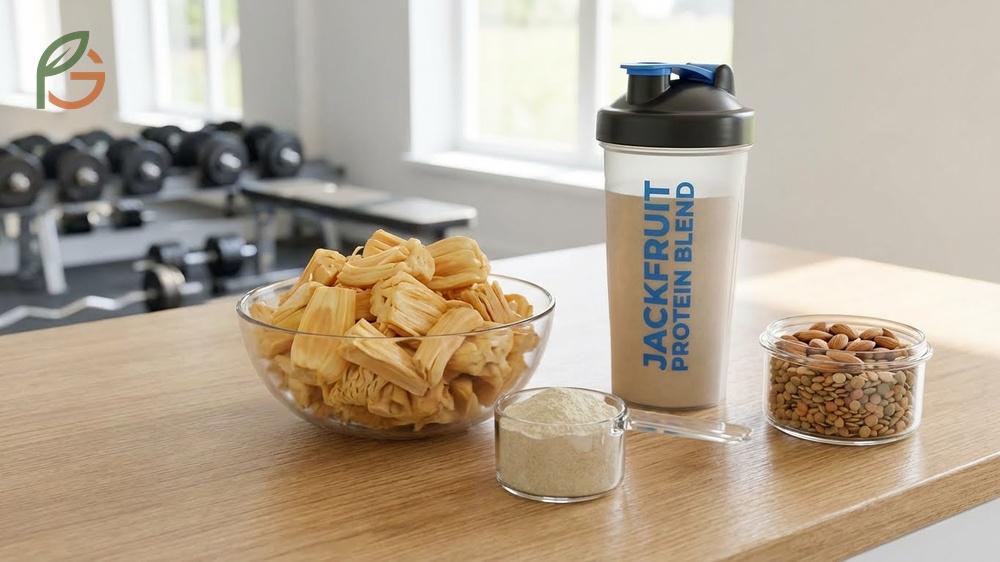
While jackfruit contains less protein than animal sources, it provides more than most fruits at 2.8g per cup[1]. The fruit offers all essential amino acids, though not in optimal ratios for muscle protein synthesis when consumed alone. Research shows jackfruit contains histidine, isoleucine, leucine, lysine, methionine, phenylalanine, threonine, tryptophan, and valine in measurable amounts.
Studies demonstrate that combining jackfruit with complementary protein sources creates complete amino acid profiles. Pairing the fruit with Greek yogurt, nuts, or legumes provides the full spectrum of amino acids needed for muscle repair and growth. What matters most is total daily protein intake rather than the source of any single meal or snack.
Current guidance emphasizes jackfruit seeds as a more concentrated protein source, containing 5.3-6.8% protein compared to 1.9g per 100g in ripe flesh[2]. Roasted or boiled seeds can be added to meals as a plant-based protein boost. The fruit’s carbohydrate content (38.3g per cup) supports glycogen replenishment after resistance training, making it useful for post-workout recovery when paired with adequate protein.
| Amino Acid | Amount (mg) | % Daily Value |
|---|---|---|
| Histidine | 56 | 8% |
| Isoleucine | 114 | 8% |
| Leucine | 170 | 6% |
| Lysine | 114 | 5% |
| Methionine | 56 | 8% |
| Phenylalanine | 86 | 10% |
| Threonine | 142 | 14% |
| Tryptophan | 56 | 20% |
| Valine | 142 | 8% |
Conclusion
The evidence is clear: benefit of ripe jackfruit extends well beyond basic nutrition to include cardiovascular support, blood sugar management, digestive wellness, and potential cancer-preventive properties. With 157 calories, 2.5g fiber, and 25% daily vitamin C per cup, this tropical fruit delivers substantial nutritional value without excessive caloric load[1]. Research demonstrates measurable health benefits when jackfruit is integrated into regular eating patterns, particularly for individuals managing metabolic conditions.
Current agricultural and clinical research emphasizes sustainable cultivation methods that preserve jackfruit’s nutritional integrity while supporting food security in tropical regions. FruitGarden continues to synthesize emerging studies on jackfruit’s therapeutic potential, helping readers make informed decisions about incorporating this versatile fruit into health-conscious diets.
Medical Disclaimer
Important Medical Disclaimer: This content is for informational and educational purposes only. It’s not intended as a substitute for professional medical advice, diagnosis, or treatment. Always consult a qualified healthcare professional before making any changes to your diet, medication, or health routine, especially if you have diabetes, cardiovascular conditions, or other medical concerns. Individual responses to dietary changes vary, and what works for one person may not be appropriate for another.
Frequently Asked Questions
Is Jackfruit Good for You?
Yes, jackfruit is good for you when consumed as part of a balanced diet. Research shows it provides essential vitamins (particularly vitamin C at 25% DV per cup), minerals like potassium and copper, and beneficial fiber while remaining relatively low in calories at 157 per cup. Studies demonstrate jackfruit supports cardiovascular health, blood sugar management, and digestive wellness through its nutrient profile and bioactive compounds.
What Is Jackfruit Good For?
Jackfruit is good for supporting multiple health functions including cardiovascular wellness, blood pressure regulation, blood sugar control, digestive health, and immune system function. Clinical studies show it can help reduce HbA1c in diabetic patients, lower blood pressure through potassium content, and provide antioxidant protection against cellular damage. Traditional medicine systems also value jackfruit for digestive support and wound healing applications.
Is Jackfruit Good for Diabetes?
Research suggests jackfruit can be beneficial for diabetes management when consumed appropriately. A 12-week clinical trial found that jackfruit flour (30g daily) significantly reduced HbA1c by 0.25%, fasting plasma glucose, and postprandial glucose in patients with type 2 diabetes. However, ripe jackfruit contains natural sugars, so portion control matters. Unripe (green) jackfruit has lower sugar content and may be more suitable for those with diabetes.
What Are Jackfruit Benefits for Female Health?
Jackfruit offers several benefits particularly relevant to female health. The iron content (0.4-1.9mg per 100g) helps prevent anemia, especially important during menstruation and pregnancy. Vitamin C enhances iron absorption and supports collagen production for skin health. The fruit’s fiber promotes digestive regularity, while potassium helps reduce bloating. However, pregnant or nursing women should consult healthcare providers about appropriate intake levels.
Are Benefits of Jackfruit Seeds Different From the Fruit?
Yes, jackfruit seeds provide different nutritional benefits than the flesh. Seeds contain higher protein concentration (5.3-6.8%) compared to ripe flesh (1.9g per 100g), making them more valuable for plant-based protein intake. Seeds also contain the anticancer protein jacalin, which shows activity against colon, blood, and breast cancer cells in research studies. When roasted or boiled, seeds offer a nutritious, filling snack or meal component.
What Is the Nutritional Value of Jackfruit Compared to Other Tropical Fruits?
Jackfruit surpasses many tropical fruits in specific nutrients. Research shows it contains more protein, calcium, iron, and thiamine than most other tropical varieties. When compared to apples, apricots, avocados, and bananas, jackfruit delivers higher amounts of several minerals and vitamins. One cup provides 157 calories with 38.3g carbs and 2.8g protein, offering better satiety than many fruits due to its fiber and protein combination.
What Is the Scientific Name of the Jackfruit Tree?
The scientific name of the jackfruit tree is Artocarpus heterophyllus Lam., belonging to the family Moraceae. It’s a tropical tree native to India and now common throughout Asia, Africa, and parts of South America. The tree produces one of the largest edible fruits in the world, with individual fruits weighing up to 80 pounds (36 kg) in some varieties.





