
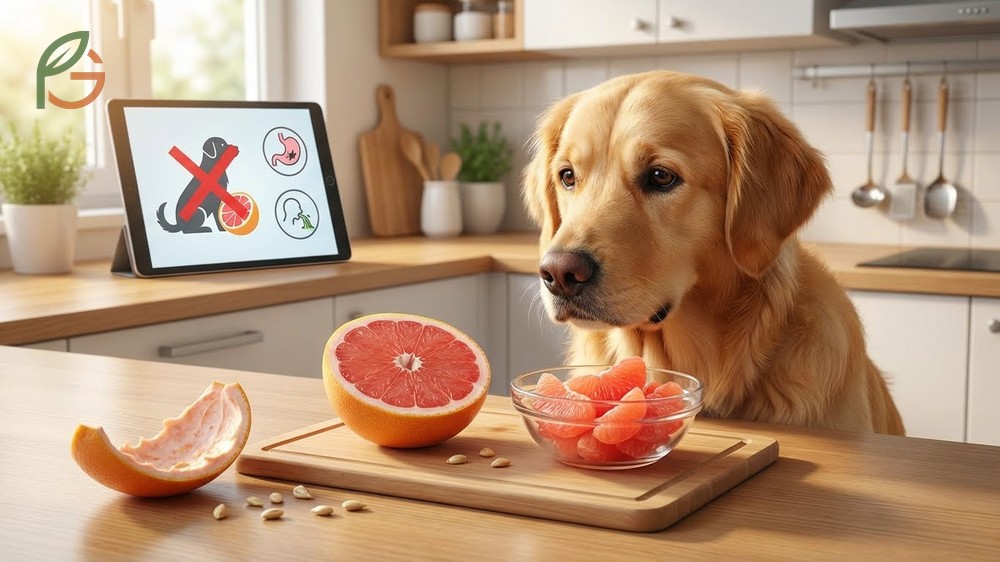
Can dogs eat grapefruit? No, it’s not recommended. While a small amount of grapefruit flesh might not immediately harm your dog, the risks far outweigh any benefits since grapefruit peels, rinds, and seeds contain psoralen—a toxic compound that causes vomiting, diarrhea, and serious health issues[1]. FruitGarden provides research-based guidance to help fruit enthusiasts understand which citrus fruits pose risks to their pets.
Quick Answer
- Grapefruit isn’t safe for dogs—the peel and seeds contain toxic psoralen[1]
- Even grapefruit flesh offers no nutritional benefits to dogs and can cause stomach upset[1]
- Symptoms include vomiting, diarrhea, depression, and photosensitivity[2]
- Contact your veterinarian immediately if your dog eats grapefruit peel or seeds[3]
Can Dogs Eat Grapefruit
Research shows that dogs shouldn’t eat grapefruit because it offers no nutritional value and carries significant health risks[1]. While the flesh might not cause immediate toxicity in tiny amounts, veterinarians advise against feeding grapefruit to dogs altogether. Most dogs won’t naturally seek out citrus fruits anyway since they find the sour taste and strong smell unappealing.
Unlike fruits that benefit canine health, grapefruit doesn’t provide vitamins or minerals that dogs can’t get from their regular diet. The risks of gastrointestinal upset, potential allergic reactions, and accidental consumption of toxic parts make this citrus fruit a poor choice for pet treats.
Current veterinary guidance emphasizes that any potential benefit from grapefruit flesh is negated by the danger of dogs accessing the peel, seeds, or rind[3]. Since grapefruit requires careful preparation to remove all toxic parts, it’s simpler and safer to choose dog-friendly fruits instead.
Why Grapefruit Flesh Isn’t Recommended
Even when properly peeled, grapefruit flesh contains high levels of citric acid that can irritate your dog’s digestive system. Studies demonstrate that excessive citric acid causes stomach upset, leading to vomiting and diarrhea in sensitive dogs. The acidic nature of grapefruit can also trigger discomfort in dogs with existing gastrointestinal conditions.
Dogs metabolize citrus compounds differently than humans do. What seems like a refreshing snack to you can overwhelm your dog’s system, especially smaller breeds. The sharp, bitter taste also means most dogs will resist eating grapefruit unless they accidentally consume it.
The Psoralen Problem
Psoralen is a naturally occurring compound in grapefruit that’s highly concentrated in the peel, rind, seeds, and white pith[1]. This organic compound belongs to a class of chemicals called furanocoumarins that can’t be properly metabolized by dogs. When dogs ingest psoralen, it accumulates in their system and interferes with normal cellular function.
Research indicates that psoralen causes photosensitivity reactions, making dogs abnormally sensitive to sunlight. Dogs exposed to psoralen toxicity can develop skin rashes, blistering, and severe discomfort when exposed to UV light. The compound also disrupts kidney function and causes gastrointestinal inflammation.
Important Note: Even small amounts of grapefruit peel can contain enough psoralen to make your dog sick. Always dispose of grapefruit rinds in secure trash containers that your dog can’t access.
Is Grapefruit Toxic to Dogs
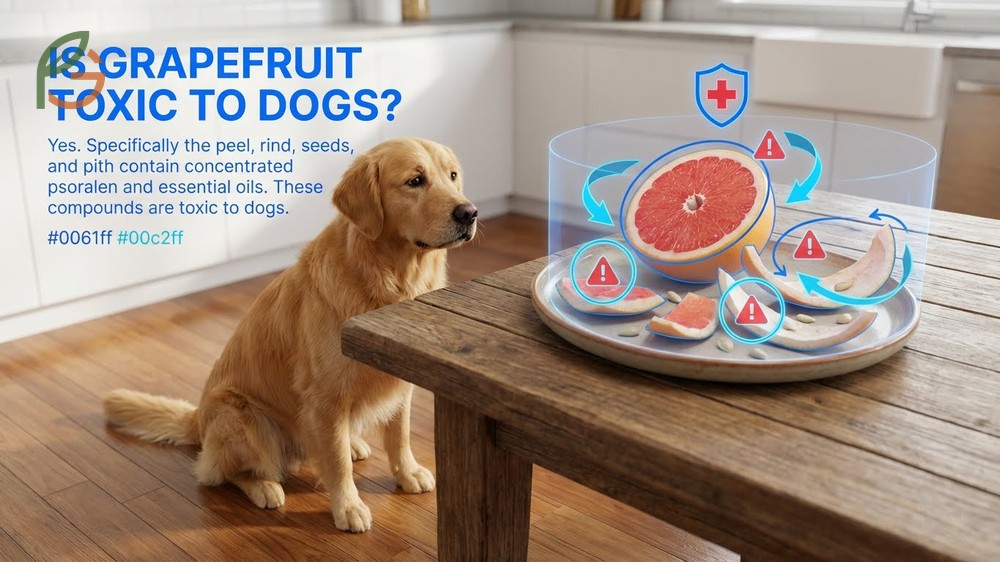
Yes, grapefruit is toxic to dogs—specifically the peel, rind, seeds, and white pith that contain concentrated psoralen and essential oils[3]. Veterinary toxicology reports confirm that grapefruit belongs to the Citrus paradisii family, which produces natural defensive compounds that protect the fruit from pests but harm dogs when ingested. These compounds can’t be broken down efficiently by canine digestive systems.
The toxicity level depends on how much your dog consumes and which parts they eat. Dogs that eat large amounts of grapefruit flesh might experience stomach upset, while those that consume peel or seeds face serious health risks including kidney damage. Current veterinary data shows that even grapefruit essential oils used in aromatherapy can cause respiratory irritation and toxicity in dogs.
What makes grapefruit particularly dangerous is that dogs might find discarded peels attractive due to their strong scent. Pet owners who juice grapefruit or use it in cooking need to be especially vigilant about disposal. The concentrated essential oils in grapefruit skin are absorbed quickly through the gastrointestinal tract, leading to rapid onset of symptoms.
Toxic Parts of Grapefruit
The peel contains the highest concentration of psoralen and essential oils, making it the most dangerous part[1]. Seeds harbor toxic compounds that can cause intestinal blockages in addition to chemical toxicity. The white pith—the spongy layer between the peel and flesh—contains moderate levels of harmful substances.
Evidence indicates that grapefruit leaves and plant material also contain toxins if you’re growing grapefruit trees at home. Dogs that chew on branches or consume fallen leaves can experience similar symptoms to those who eat the fruit parts.
- Peel and rind: Highest psoralen concentration, causes severe toxicity and photosensitivity
- Seeds: Contains toxins plus poses choking and intestinal blockage risk
- White pith: Moderate toxin levels, causes digestive upset
- Essential oils: Concentrated in skin, toxic when inhaled or ingested
- Leaves and stems: Contains plant compounds harmful to dogs if chewed
How Psoralen Affects Dogs
Psoralen disrupts cellular function by binding to DNA when activated by light, causing cellular damage throughout the dog’s body[2]. This photosensitizing effect means dogs become abnormally reactive to sunlight, developing painful skin conditions when exposed to UV rays. The compound also causes direct kidney stress by interfering with normal filtration processes.
Current veterinary research shows that psoralen accumulates in tissues over time with repeated exposure. Dogs don’t have the liver enzymes needed to efficiently break down this compound, leading to prolonged toxicity. Even after symptoms resolve, residual psoralen can remain in the system for several days.
Symptoms of Grapefruit Toxicity in Dogs
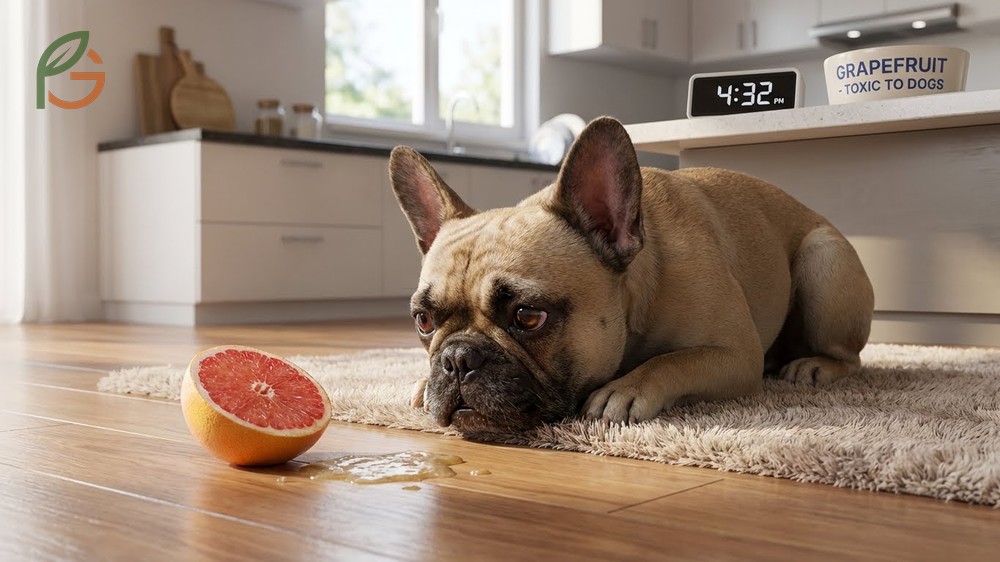
Symptoms of grapefruit toxicity typically appear within 2-6 hours after ingestion, though some effects may take 12-24 hours to manifest[2]. The severity depends on your dog’s size, the amount consumed, and which parts they ate. Small dogs face greater risks since even tiny amounts of toxins can overwhelm their systems.
Research shows that gastrointestinal symptoms appear first, followed by systemic effects as the toxins enter the bloodstream. Dogs may display one or multiple symptoms depending on toxicity levels. Pet owners should monitor their dogs closely for at least 24 hours after any suspected grapefruit ingestion.
What distinguishes grapefruit toxicity from other digestive upsets is the combination of photosensitivity and neurological symptoms. Dogs may become unusually lethargic or show signs of discomfort when exposed to bright light. These unique symptoms help veterinarians diagnose psoralen poisoning versus other causes.
Immediate Symptoms
Vomiting usually occurs first as the dog’s body attempts to expel the toxic substance[2]. Diarrhea follows shortly after, sometimes containing traces of blood if the grapefruit caused intestinal irritation. Dogs often show signs of nausea including excessive drooling, lip licking, and reluctance to eat.
Current veterinary observations note that dogs display behavioral changes like restlessness, pacing, or seeking isolated spaces. Some dogs develop abdominal pain indicated by a hunched posture or sensitivity when their belly is touched. These immediate symptoms require prompt attention, especially if they persist beyond a few hours.
- Vomiting: Often the first sign, may occur multiple times
- Diarrhea: Can be watery or contain blood in severe cases
- Excessive drooling: Indicates nausea and mouth irritation
- Loss of appetite: Dogs refuse food and treats
- Abdominal pain: Shown through hunched posture and sensitivity to touch
- Lethargy: Unusual tiredness and reluctance to move
- Depression: Withdrawn behavior and lack of interest in activities
Long-Term Effects
Photosensitivity reactions can develop 12-48 hours after ingestion, causing skin redness, rashes, and blistering in areas exposed to sunlight. Dogs may develop dermatitis that persists for several days, requiring ongoing treatment. The skin becomes abnormally sensitive, and even indoor lighting can trigger discomfort in severe cases.
Evidence suggests that kidney function can be compromised with significant psoralen exposure, though this typically requires consuming large amounts of grapefruit peel. Dogs may show increased thirst, changes in urination frequency, or signs of kidney stress. Weight loss can occur if toxicity causes prolonged digestive issues that prevent proper nutrient absorption.
Warning: If your dog shows signs of photosensitivity—like avoiding light, developing skin rashes, or exhibiting unusual sensitivity to bright areas—contact your veterinarian immediately. These symptoms indicate serious psoralen toxicity requiring professional treatment.
What to Do If Your Dog Ate Grapefruit
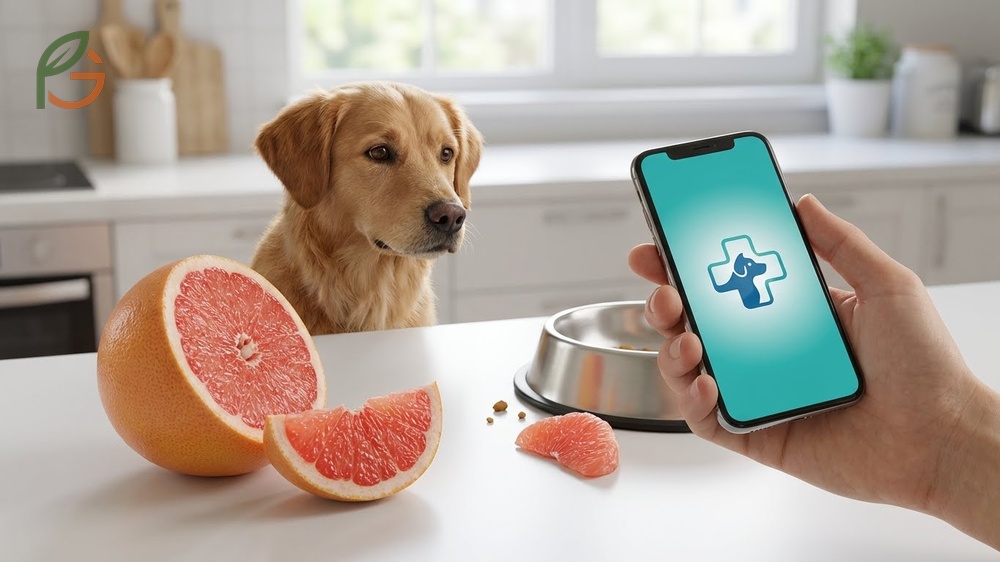
Your response should depend on what parts of the grapefruit your dog consumed and how much they ate[3]. If your dog only licked a small piece of grapefruit flesh, you can monitor them at home for signs of stomach upset. However, if they ate peel, rind, seeds, or a large amount of flesh, immediate veterinary contact is necessary.
Don’t attempt to induce vomiting unless specifically instructed by a veterinarian, as this can sometimes cause more harm than good. Instead, remove any remaining grapefruit from your dog’s reach and gather information about what they ate. Note the time of ingestion, estimated amount, and which parts they consumed to help your vet assess the situation.
Research shows that prompt veterinary intervention significantly improves outcomes for dogs with citrus toxicity. Veterinarians can administer activated charcoal to absorb toxins, provide IV fluids to support kidney function, and offer medications to control vomiting and diarrhea. Early treatment prevents complications and reduces recovery time.
Emergency Steps
First, remove your dog from the area where they accessed the grapefruit to prevent further consumption. Check their mouth for any remaining pieces and gently remove them if safe to do so. Keep your dog calm and comfortable while you assess the situation.
Gather information about the exposure including what time it occurred, approximately how much grapefruit your dog ate, and which parts (flesh, peel, seeds). This information is critical for your veterinarian to determine appropriate treatment. If possible, save a sample of what your dog ate to show the vet.
- Remove access: Take away any remaining grapefruit immediately
- Check mouth: Look for pieces stuck in teeth or gums and remove safely
- Note details: Record time, amount, and parts consumed
- Call veterinarian: Contact your vet or emergency clinic right away
- Don’t induce vomiting: Only do this if specifically instructed by a professional
- Monitor closely: Watch for symptoms like vomiting, diarrhea, or lethargy
- Keep dog comfortable: Provide a quiet, calm environment while waiting for guidance
When to Call the Vet
Contact your veterinarian immediately if your dog ate any amount of grapefruit peel, rind, or seeds[3]. These parts contain toxic levels of psoralen that require professional medical attention. Even if your dog seems fine initially, toxins can cause delayed symptoms that worsen without treatment.
Call your vet if your dog consumed a large amount of grapefruit flesh, especially if they’re a small breed or puppy. Young dogs and smaller breeds are more vulnerable to toxicity since they have lower body weight and less developed detoxification systems. Current veterinary protocols recommend erring on the side of caution with citrus ingestion.
Seek immediate emergency care if your dog shows severe symptoms like repeated vomiting, bloody diarrhea, extreme lethargy, difficulty breathing, seizures, or collapse. These signs indicate serious toxicity requiring urgent intervention. Many veterinary practices offer 24/7 poison control hotlines for emergency consultations.
Safe Fruits for Dogs to Eat

Instead of risking grapefruit toxicity, choose dog-safe fruits that provide nutritional benefits without harmful compounds[4]. Research shows that several fruits make excellent occasional treats when prepared properly and fed in moderation. The key is following the 10% rule—treats should make up no more than 10% of your dog’s daily caloric intake[4].
Safe fruits provide vitamins, minerals, fiber, and antioxidants that support your dog’s health when given appropriately. Unlike grapefruit, these fruits don’t contain toxic compounds that harm canine systems. Always introduce new fruits gradually and watch for any digestive upset or allergic reactions.
Current veterinary nutrition guidance emphasizes that fruits should complement—not replace—your dog’s complete and balanced diet. Even safe fruits contain natural sugars that can contribute to weight gain if overfed. Proper portion control ensures your dog gets nutritional benefits without health risks.
This table compares nutritional benefits, preparation requirements, and serving guidelines for five safe fruits that dogs can eat including apples, blueberries, bananas, watermelon, and strawberries
| Fruit | Key Benefits | Preparation | Serving Size |
|---|---|---|---|
| Apples | High in fiber and vitamin C, low in fat[5] | Remove seeds and core completely | 1-2 slices for small dogs, 3-4 for large dogs |
| Blueberries | Rich in antioxidants and fiber[5] | Serve fresh or frozen, no prep needed | 2-3 berries for small dogs, 5-8 for large dogs |
| Bananas | High in potassium and vitamins B6 and C[4] | Peel and slice, don’t feed the peel | 1-inch chunks, limit due to sugar content |
| Watermelon | Hydrating, contains vitamins A, B6, and C | Remove all seeds and rind | Small cubes, 1-2 pieces for treats |
| Strawberries | High in fiber and vitamin C, supports immune system | Remove stems, slice for small dogs | 1-2 berries depending on dog size |
- Grapes and raisins: Cause acute kidney failure, even small amounts are dangerous[5]
- Cherries: Pits, stems, and leaves contain cyanide which is highly toxic[5]
- Avocados: Contain persin toxin that causes vomiting and diarrhea[5]
- Citrus fruits: High citric acid content causes digestive upset, peels are toxic
- Tomatoes: Green parts contain solanine, a toxic compound harmful to dogs
Conclusion
The evidence is clear: grapefruit isn’t safe for dogs due to toxic psoralen in peels and seeds, plus the lack of any nutritional benefits that justify the risk[1]. While a tiny lick of grapefruit flesh might not cause immediate harm, the potential for accidental consumption of toxic parts makes this citrus fruit a poor choice. Current veterinary guidance emphasizes choosing proven safe alternatives like apples, blueberries, and bananas that provide genuine health benefits without toxicity risks.
If you’re growing grapefruit trees or enjoy fresh citrus at home, keep all parts securely away from your dog and dispose of peels in pet-proof containers. FruitGarden recommends consulting your veterinarian about appropriate fruit treats tailored to your dog’s specific health needs and dietary requirements.
Medical Disclaimer
Important Medical Disclaimer: This content is for informational and educational purposes only. It is not intended as a substitute for professional veterinary advice, diagnosis, or treatment. Always consult a qualified veterinarian before making any changes to your pet’s diet or if you suspect your dog has consumed toxic substances. Individual dogs may have unique health conditions that require specialized guidance. In case of emergency or suspected poisoning, contact your veterinarian or an emergency veterinary clinic immediately.
Frequently Asked Questions
Can Dogs Have Grapefruit Juice?
No, dogs shouldn’t have grapefruit juice. The juice contains concentrated citric acid and may include traces of psoralen from the peel during extraction, both of which can cause stomach upset and toxicity. Even pure grapefruit juice offers no nutritional value for dogs and can trigger vomiting or diarrhea.
What Happens If My Dog Licks Grapefruit?
If your dog licks a small amount of grapefruit flesh, they’ll likely be fine but may experience mild stomach upset. Monitor them for signs of digestive distress like vomiting or diarrhea. If they licked the peel or consumed more than a lick, contact your veterinarian since this increases toxicity risk.
Is Grapefruit Essential Oil Safe for Dogs?
No, grapefruit essential oil is toxic to dogs whether inhaled, ingested, or applied to skin. Dogs metabolize essential oils differently than humans, and citrus oils can cause respiratory irritation, skin sensitivity, digestive upset, and even liver damage. Avoid using grapefruit oil in diffusers or topical products around dogs.
Can Dogs Eat Other Citrus Fruits Like Oranges or Lemons?
Most citrus fruits aren’t recommended for dogs due to high citric acid content that causes digestive upset. While orange flesh in tiny amounts is less toxic than grapefruit, the peels of all citrus fruits contain harmful essential oils. It’s safer to choose non-citrus fruits like apples or berries for your dog.
How Long Does Grapefruit Toxicity Last in Dogs?
Symptoms of grapefruit toxicity typically appear within 2-6 hours and can last 24-48 hours depending on the amount consumed. Photosensitivity reactions may persist for several days as psoralen clears from the system. With proper veterinary treatment, most dogs recover fully within 2-3 days, though severe cases may require longer recovery.
What Should I Do If My Dog Ate Grapefruit Peel?
Call your veterinarian or emergency veterinary clinic immediately if your dog ate grapefruit peel, as it contains the highest concentration of toxic psoralen. Don’t induce vomiting unless instructed by a professional. Remove any remaining peel from your dog’s reach and monitor for symptoms while you wait for veterinary guidance on next steps.
Are Pink and Red Grapefruits More Toxic Than White Grapefruits?
No, all grapefruit varieties—pink, red, white, or yellow—contain similar levels of psoralen and essential oils that are toxic to dogs. The color difference comes from varying antioxidant content that affects humans differently, but toxicity to dogs remains consistent across all grapefruit types. Avoid feeding any grapefruit variety to your dog.





