
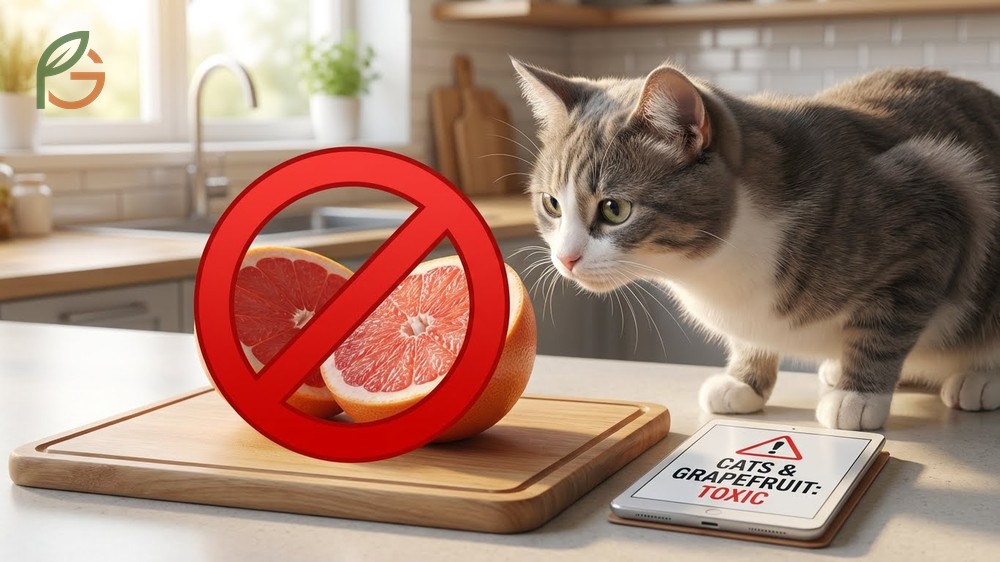
Can cats eat grapefruit? No, cats should never eat grapefruit because all parts of this citrus fruit are toxic to felines. Research shows that grapefruit contains psoralens and essential oils that can cause severe reactions ranging from gastrointestinal upset to neurological symptoms[1]. FruitGarden synthesizes current veterinary research and toxicology data to help pet owners understand which fruits pose risks to their feline companions.
Quick Answer
- Grapefruit is highly toxic to cats[1] due to psoralens and essential oils present in all parts
- Symptoms include vomiting, diarrhea, tremors, and photosensitivity[2] that can appear within hours
- Even small amounts of grapefruit flesh, peel, seeds, or oils can cause severe reactions[3]
- Contact your veterinarian immediately if your cat consumes any grapefruit or shows poisoning symptoms
Can Cats Eat Grapefruit
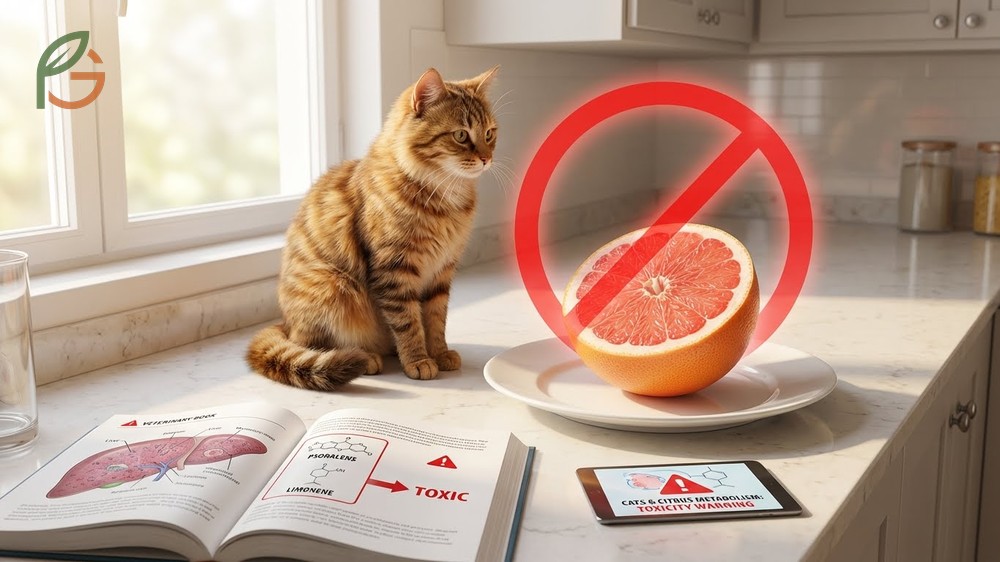
Cats should never eat grapefruit under any circumstances. Studies demonstrate that grapefruit contains two primary toxic compounds—psoralens and essential oils like limonene—that cats’ livers cannot properly metabolize[1]. These substances accumulate in the cat’s system and interfere with liver enzyme function.
Unlike humans who can safely enjoy grapefruit, cats lack the specific enzymes needed to break down citrus compounds. Research shows this metabolic deficiency makes even small quantities dangerous[3]. A cat that consumes grapefruit may experience reactions ranging from mild gastrointestinal upset to severe neurological symptoms.
What often gets overlooked is that grapefruit toxicity isn’t limited to ingestion. Cats can absorb essential oils through their skin or respiratory system when exposed to grapefruit peels, diffusers, or cleaning products[2].
Toxic Compounds in Grapefruit
Grapefruit’s toxic effects come from two distinct chemical groups. Psoralens cause photosensitivity reactions where a cat’s skin becomes hypersensitive to sunlight, potentially leading to burns and blisters. Essential oils—particularly limonene and linalool—irritate digestive tissues and disrupt nervous system function.
Current veterinary data indicates these compounds concentrate differently throughout the fruit. The peel contains the highest levels of essential oils, while psoralens distribute evenly across flesh, seeds, and rind[1]. This means no part of grapefruit is safe for cats.
Why Cats Cannot Metabolize Grapefruit
Cats are obligate carnivores with livers adapted exclusively for processing animal proteins and fats. Evidence suggests their hepatic system lacks glucuronyl transferase enzymes that metabolize plant-based toxins[3]. Without these enzymes, toxic compounds accumulate instead of being eliminated.
This metabolic limitation affects how cats process many substances beyond grapefruit. Dogs and horses also lack full capacity to break down citrus compounds, though cats show the highest sensitivity. Most people don’t realize that what seems like a tiny taste to humans represents a significant toxic dose for a cat’s smaller body mass.
Is Grapefruit Toxic to Cats
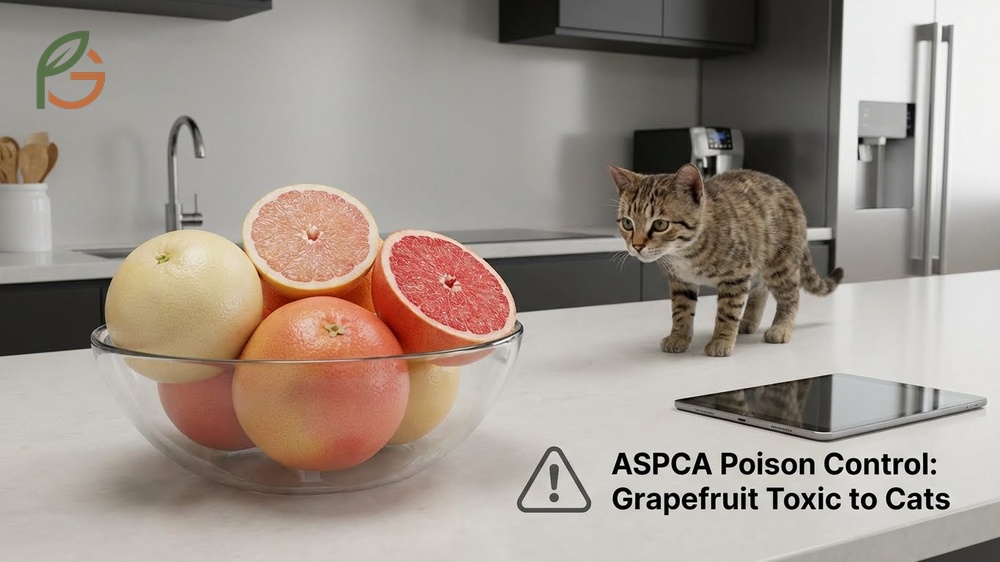
Yes, grapefruit is highly toxic to cats according to the ASPCA Poison Control Center[1]. The toxicity applies to all varieties including white, pink, and red grapefruit. Research shows that toxicity doesn’t depend on ripeness—green, ripe, or overripe grapefruits all pose equal danger.
The severity of grapefruit poisoning depends on several factors. Body weight matters most, with smaller cats experiencing more severe reactions from equivalent doses. A cat that consumes a large amount of grapefruit can suffer potentially fatal poisoning[3].
Agricultural data shows grapefruit cultivation has increased globally, making accidental exposure more common. Pet owners who juice grapefruit at home or use grapefruit-scented products create additional risk scenarios. Even well-intentioned sharing of “healthy” human foods can lead to emergency vet visits.
All Grapefruit Parts Are Dangerous
Every component of the grapefruit plant contains toxic substances. The flesh contains lower concentrations of essential oils but still holds dangerous levels of psoralens. Peels and rinds concentrate the highest amounts of limonene and other volatile oils[2].
Seeds present a dual danger—they contain toxins plus pose choking and intestinal blockage risks. The white pith between peel and flesh also harbors significant toxin levels. Even grapefruit juice isn’t safe since it contains dissolved psoralens and essential oil compounds.
Important Warning: Grapefruit seed extract, often marketed as a natural supplement, is extremely dangerous for cats. Don’t use it in or around your pet, and store all grapefruit-derived products securely away from curious cats.
Pomelo and Other Citrus Fruits
Pomelo, grapefruit’s larger citrus relative, is equally toxic to cats[4]. All citrus fruits share similar toxic compounds, making oranges, lemons, limes, and tangerines dangerous for felines. The concentration of essential oils varies by citrus type, but none are safe for cat consumption.
Studies demonstrate that cats naturally avoid citrus due to their strong scent. This instinctive aversion evolved because wild cats don’t encounter citrus in their natural habitats. However, curious kittens or cats attracted to moving objects may accidentally ingest citrus despite their instincts.
Symptoms of Citrus Poisoning in Cats
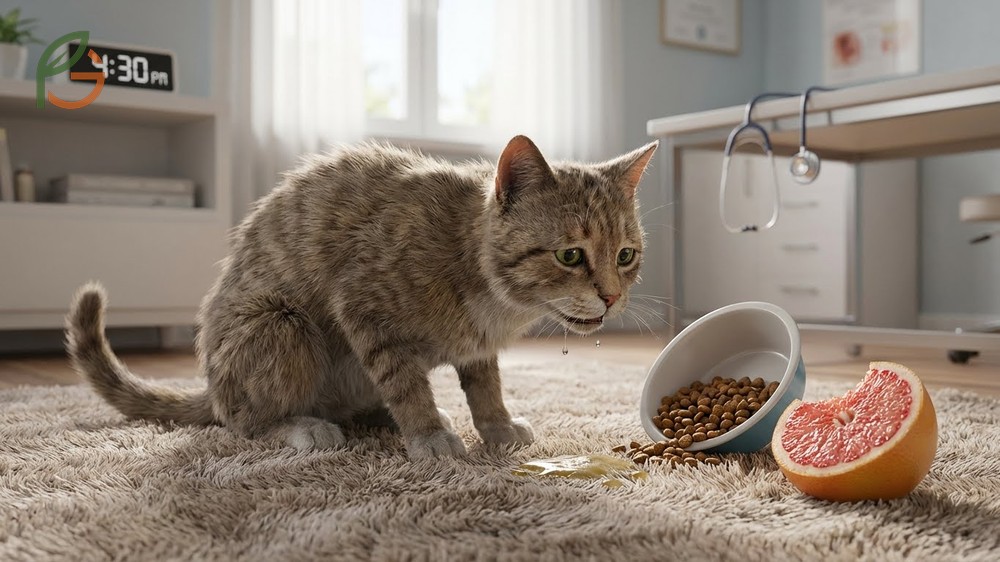
Citrus poisoning symptoms typically appear within 2-12 hours of grapefruit exposure[2]. Early signs include excessive drooling, vomiting, and diarrhea as the cat’s body attempts to expel toxins. These gastrointestinal symptoms often progress to more serious neurological effects if left untreated.
Research shows cats with citrus poisoning display a characteristic set of clinical signs. Veterinarians look for combinations of symptoms rather than isolated indicators. The severity escalates based on the amount consumed and the cat’s individual sensitivity.
Current veterinary guidance emphasizes monitoring for symptom progression. What starts as mild lethargy can quickly advance to tremors or seizures in severe cases. Photosensitivity may not become apparent until the cat spends time in sunlight, causing delayed reactions.
- Vomiting and diarrhea that may contain blood or unusual coloration
- Excessive drooling or foaming at the mouth
- Depression, lethargy, or unusual hiding behavior
- Weakness, loss of coordination, or difficulty walking
- Trembling, muscle twitches, or seizures in severe cases
- Photosensitivity causing skin redness, irritation, or blistering after sun exposure
- Loss of appetite or refusal to eat
- Allergic dermatitis with skin inflammation or rash
Emergency Signs: Seizures, collapse, severe tremors, or difficulty breathing require immediate emergency veterinary care. Don’t wait to see if symptoms improve—these signs indicate life-threatening toxicity.
What to Do If Cat Eats Grapefruit

Contact your veterinarian or an animal poison control center immediately if your cat consumes any amount of grapefruit[1]. Don’t wait for symptoms to appear—early intervention significantly improves outcomes. Have information ready about how much grapefruit your cat ate and when consumption occurred.
Studies show that prompt veterinary treatment reduces the severity of citrus poisoning. Your vet may induce vomiting if ingestion occurred within the past two hours. For later presentations, treatment focuses on managing symptoms and supporting liver function while the cat’s body processes toxins.
Never attempt home remedies or induce vomiting without veterinary guidance. Some well-meaning interventions can worsen the situation. Evidence indicates professional medical management provides the best chance for full recovery[2].
- Remove any remaining grapefruit from your cat’s reach immediately
- Note the approximate amount consumed and what parts (flesh, peel, juice)
- Call your veterinarian or ASPCA Poison Control at (888) 426-4435
- Follow professional instructions exactly—don’t attempt home treatments
- Transport your cat to the emergency vet if symptoms appear
- Monitor for symptom development over the next 24 hours even after vet consultation
- Keep your cat indoors to prevent photosensitivity reactions from sunlight exposure
Most cats recover fully from grapefruit poisoning with appropriate veterinary care. Treatment typically includes IV fluids to flush toxins, anti-nausea medications, and liver support supplements. Hospitalization may be necessary for severe cases requiring intensive monitoring.
Is Grapefruit Scent Safe for Cats
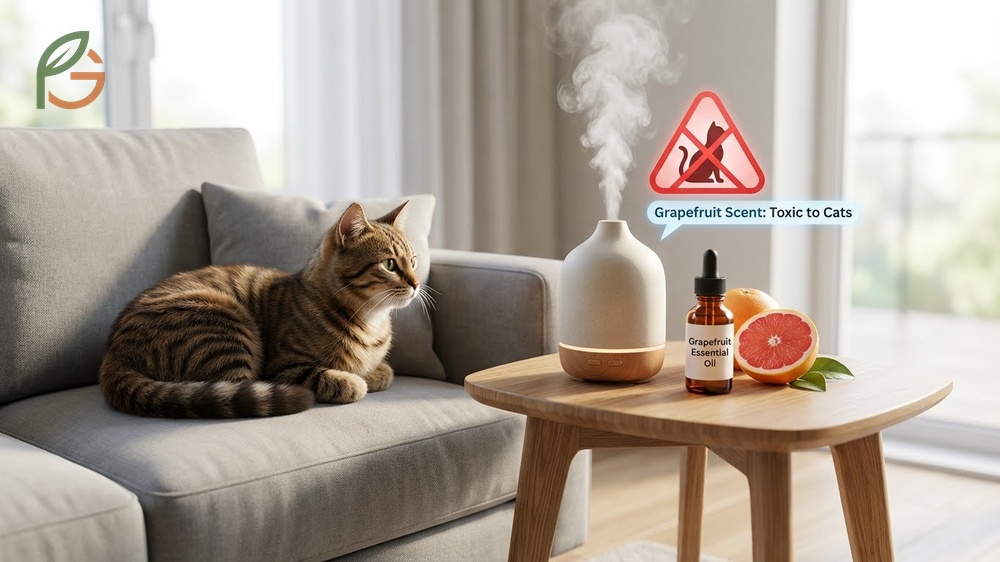
Grapefruit scent from essential oils is not safe for cats[5]. Diffusers, air fresheners, and cleaning products containing grapefruit essential oil expose cats to the same toxic compounds found in the fruit. Research shows cats can absorb these oils through their respiratory system and skin, leading to poisoning without direct ingestion.
Current veterinary guidance warns against using citrus essential oils in homes with cats. Even diluted oils or products with “natural grapefruit scent” pose risks. What often surprises pet owners is that passive exposure through breathing can cause symptoms similar to eating grapefruit.
Studies demonstrate that essential oil diffusers create particularly high concentrations in enclosed spaces. Cats spend much of their time indoors and can’t escape continuous exposure. Multiple health organizations now recommend avoiding all citrus-based aromatherapy products in cat households[5].
- Grapefruit oil and all citrus essential oils (orange, lemon, lime)
- Tea tree oil (melaleuca)
- Peppermint and spearmint oils
- Pine and eucalyptus oils
- Cinnamon and clove oils
- Lavender, ylang ylang, and wintergreen oils
- Pennyroyal oil
If you’ve used grapefruit-scented products around your cat, watch for respiratory symptoms, excessive grooming, or drooling. Cats may paw at their faces or show distress when exposed to strong essential oil scents. Discontinue use immediately and ventilate your home if you notice any concerning behaviors.
Fruits Safe for Cats
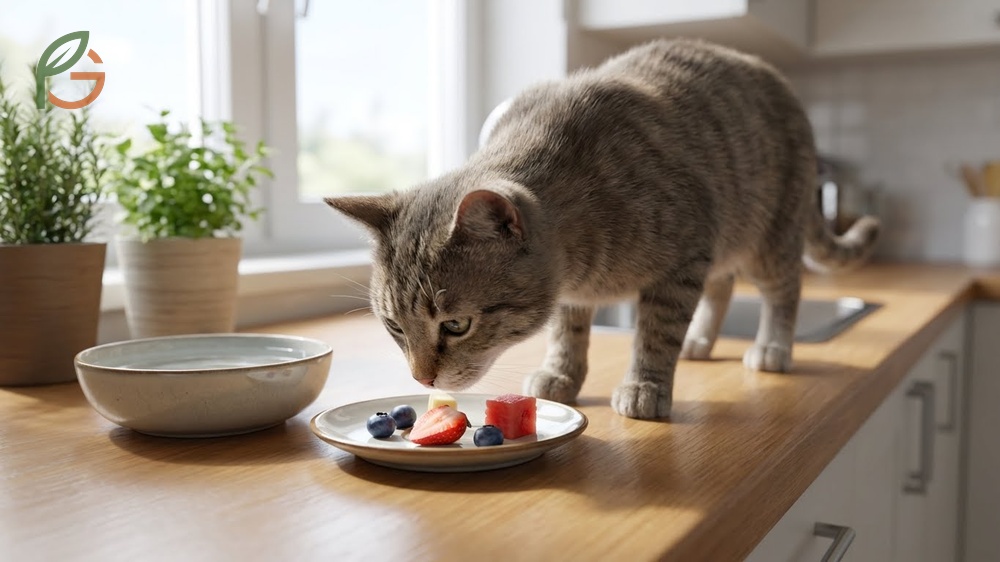
While grapefruit is dangerous, several fruits are safe for cats in small amounts[6]. These should only be occasional treats, not dietary staples, since cats are obligate carnivores requiring primarily meat-based nutrition. Research shows that fruits should comprise less than 10% of a cat’s daily caloric intake.
Current nutritional guidance emphasizes that cats don’t need fruit to thrive. However, small amounts of safe fruits can provide antioxidants and hydration. Always introduce new foods gradually and watch for digestive upset or allergic reactions.
This table compares safe fruits for cats including their key nutrients and recommended serving sizes
| Fruit | Key Nutrients | Serving Size | Benefits |
|---|---|---|---|
| Blueberries | Antioxidants, fiber, vitamins C and K[6] | 2-3 berries | Immune support, antioxidant protection |
| Strawberries | Vitamin C, manganese, folate[6] | 1 small slice | Anti-inflammatory, fiber for digestion |
| Watermelon | Vitamins A and C, hydration[6] | 1-inch cube (seedless) | Hydration, low calorie |
| Bananas | Potassium, vitamins B6 and C[6] | Small slice | Heart health, muscle function |
| Cantaloupe | Beta-carotene, vitamins A and C | Small cube | Eye health, immune support |
Preparation Tips: Always remove seeds, pits, and peels before offering fruit to cats. Wash thoroughly to eliminate pesticides, and cut into small pieces to prevent choking. Never force a cat to eat fruit—many cats show no interest, which is perfectly normal.
- All citrus fruits: grapefruit, oranges, lemons, limes, pomelo, tangerines
- Grapes and raisins (can cause kidney failure)
- Cherries, apricots, and plums (pits contain cyanide compounds)
- Persimmons (can cause intestinal blockages)
- Unripe tomatoes and tomato plants (green parts contain solanine)
Conclusion
The evidence is clear: can cats eat grapefruit has a definitive answer—no, never under any circumstances. Grapefruit’s toxic compounds pose serious health risks ranging from gastrointestinal distress to life-threatening neurological symptoms. Current veterinary guidance emphasizes prevention through secure storage of citrus fruits and avoidance of grapefruit-scented products in cat households.
Pet owners should focus on species-appropriate nutrition rather than sharing human foods with their feline companions. FruitGarden encourages readers to consult veterinary professionals before introducing any new foods to their cats’ diets, ensuring both safety and optimal nutrition for their beloved pets.
Medical Disclaimer
Important Veterinary Disclaimer: This content is for informational and educational purposes only. It’s not intended as a substitute for professional veterinary advice, diagnosis, or treatment. Always consult a qualified veterinarian before making any changes to your cat’s diet, medication, or health routine, especially if your cat has existing medical conditions or shows signs of illness. If you suspect your cat has consumed grapefruit or any toxic substance, contact your veterinarian or animal poison control center immediately.
Frequently Asked Questions
Can cats have grapefruit juice?
No, cats should never have grapefruit juice. The juice contains dissolved psoralens and essential oils that are just as toxic as the whole fruit. Even diluted juice poses serious health risks and can cause vomiting, diarrhea, and neurological symptoms in cats.
What happens if my cat licked grapefruit?
If your cat licked grapefruit, monitor closely for symptoms over the next 12-24 hours including drooling, vomiting, or lethargy. A single lick typically causes mild symptoms, but contact your veterinarian if you notice any concerning behaviors. Keep your cat indoors to prevent photosensitivity reactions.
Is grapefruit seed extract safe for cats?
No, grapefruit seed extract is extremely dangerous for cats. Studies show it contains concentrated essential oils and psoralens that are highly toxic to felines. Never use grapefruit seed extract as a supplement or remedy for cats, and store it securely away from pets.
Can cats eat pomelo or other citrus fruits?
No, cats cannot eat pomelo or any citrus fruits. Research demonstrates that all citrus varieties—including oranges, lemons, limes, tangerines, and pomelo—contain the same toxic compounds as grapefruit. These essential oils and psoralens pose equal dangers regardless of citrus type.
What essential oils are safe for cats?
Very few essential oils are considered safe for cats, and current veterinary guidance recommends avoiding all essential oils around felines. Cats lack enzymes to metabolize most plant compounds, making nearly all essential oils potentially toxic. If you must use aromatherapy, consult a veterinarian first.
How long does citrus poisoning last in cats?
Citrus poisoning symptoms typically last 24-48 hours with veterinary treatment. Mild cases may resolve within 12-24 hours, while severe poisoning can require several days of hospitalization. Recovery time depends on the amount consumed, how quickly treatment began, and the cat’s overall health.
Can grapefruit plants harm cats?
Yes, grapefruit trees and plants are toxic to cats. The leaves, stems, and bark contain the same psoralens and essential oils found in the fruit. Cats that chew on grapefruit plants can experience poisoning symptoms. Keep indoor grapefruit trees and outdoor citrus gardens inaccessible to cats.





