
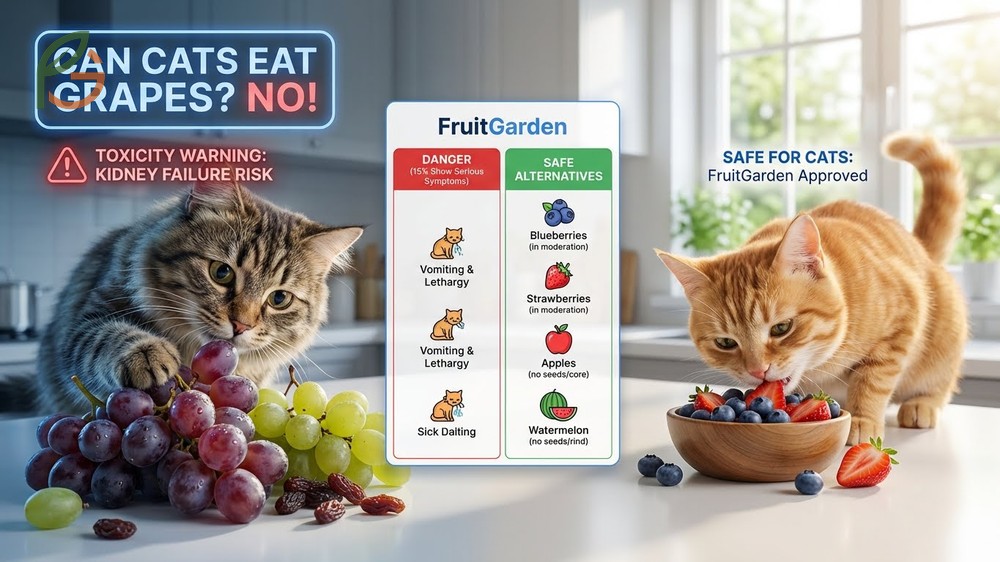
Can cats eat grapes? No, absolutely not. Research shows grapes and raisins are highly toxic to cats and can cause acute kidney failure, even in small amounts[1]. Studies demonstrate that approximately 15% of cats exposed to grapes show serious symptoms like vomiting and lethargy[2]. FruitGarden synthesizes current veterinary research to help pet owners understand which fruits pose serious health risks and which ones are safe alternatives for cats.
Quick Answer
Can Cats Eat Grapes
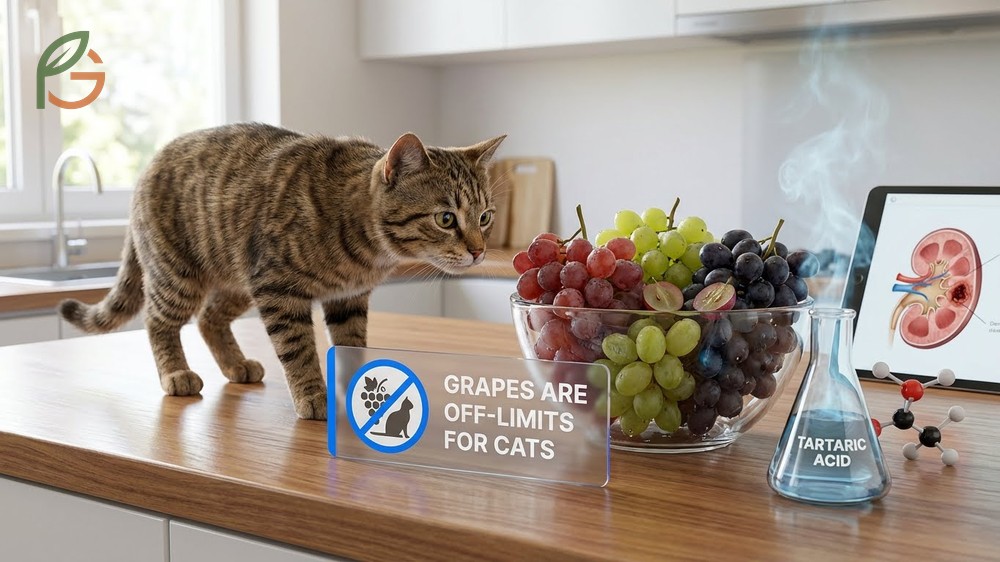
Grapes are completely off-limits for cats, period. Veterinary researchers have identified tartaric acid as the toxic component responsible for kidney damage in pets[3]. This compound exists in all varieties of grapes—red, green, seedless, and seeded.
Unlike dogs where grape toxicity is well-documented, fewer cat cases get reported because cats rarely eat fruit. But when they do, the consequences can be just as severe. Current veterinary data shows that cats who ingest grapes develop acute kidney injury that progresses rapidly without treatment[4].
Most people don’t realize that raisins are even more dangerous than fresh grapes. The drying process concentrates the tartaric acid, making raisins gram-for-gram more toxic. A single raisin contains the same amount of toxin as one grape but in a much smaller package that’s easier for cats to accidentally consume.
Important Note: Even if you’ve heard stories about cats eating grapes without problems, don’t take the risk. Toxicity varies unpredictably between individual cats—what doesn’t harm one cat can cause kidney failure in another.
Are Grapes Toxic to Cats
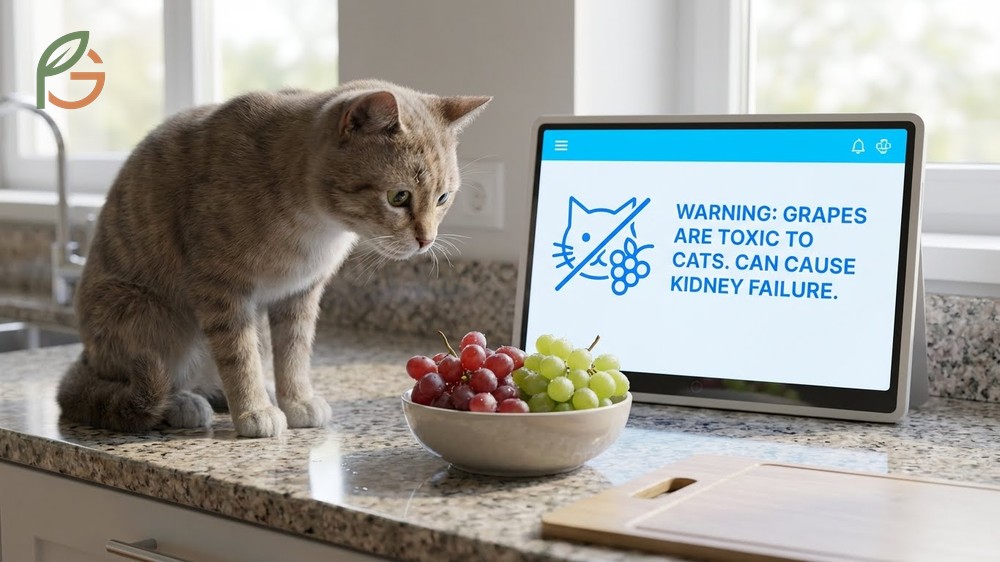
Evidence confirms grapes are toxic to cats, though documented cases occur less frequently than in dogs. Research shows approximately 15% of cats who eat grapes develop visible symptoms[2]. The ASPCA Animal Poison Control Center warns that grape toxicity can lead to kidney failure and permanent kidney damage[3].
The toxic mechanism works quickly once ingested. Tartaric acid gets absorbed through the digestive tract and travels to the kidneys, where it causes cellular damage. Kidney cells begin dying within hours, which is why immediate veterinary intervention matters so much.
Why Grapes Harm Cats
Scientists have identified tartaric acid as the likely culprit behind grape toxicity in pets. This water-soluble compound naturally occurs in grapes at varying concentrations depending on the variety and ripeness. Studies show tartaric acid levels fluctuate significantly between different grape types, which explains why toxicity appears unpredictable[4].
Current research indicates tartaric acid damages kidney tubules where blood filtration occurs. When these tubules fail, waste products build up in the bloodstream instead of being eliminated through urine. This cascade leads to acute kidney injury that can become irreversible without prompt treatment.
All Grape Types Are Dangerous
Don’t assume certain grape varieties are safer than others. Veterinary toxicology reports confirm that red grapes, green grapes, black grapes, seedless grapes, and seeded varieties all contain tartaric acid[3]. Even organic grapes grown without pesticides pose the same risk.
Grape products present equal danger to fresh fruit. Wine, grape juice, grape jelly, trail mix with raisins, and baked goods containing raisins should all be kept away from cats. The toxic compound remains stable through cooking, baking, and fermentation processes.
- Fresh grapes (all colors and varieties)
- Raisins and dried currants
- Grape juice and wine
- Grape jelly and preserves
- Trail mix containing raisins
- Baked goods with raisins (cookies, bread, cakes)
- Grape seed extract supplements
Symptoms of Grape Poisoning in Cats
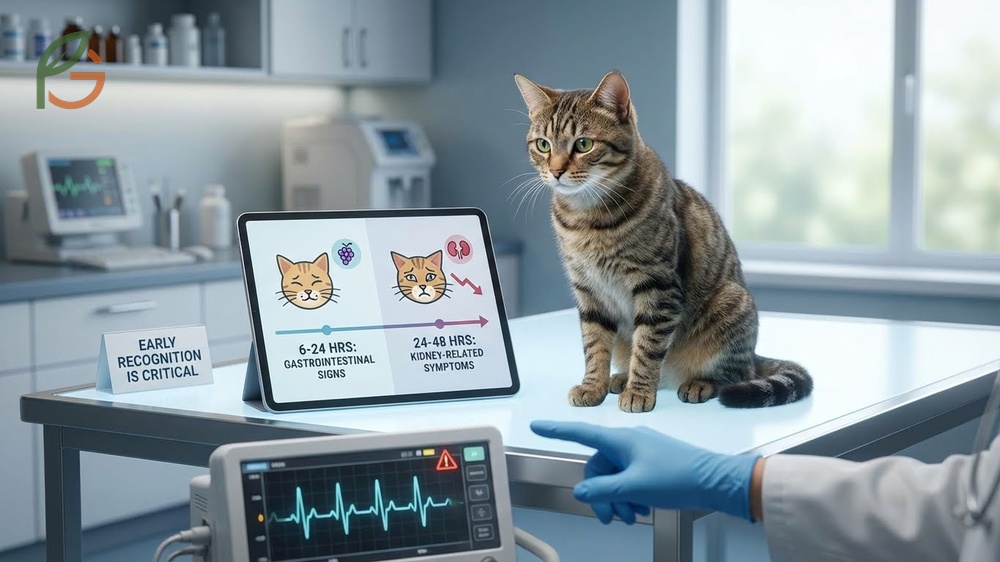
Grape poisoning symptoms typically appear within 6-24 hours after ingestion[2]. The first signs start with gastrointestinal distress, then progress to more serious kidney-related symptoms over the following 24-48 hours. Early recognition dramatically improves treatment outcomes.
What makes grape toxicity dangerous is how rapidly it escalates. A cat may seem only mildly ill at first, then deteriorate quickly as kidney damage progresses. Veterinarians emphasize that any grape ingestion requires immediate evaluation, even before symptoms appear.
Early Warning Signs
Vomiting is usually the first symptom to emerge, often within the first 12 hours. Your cat may vomit multiple times and show signs of nausea like drooling or lip-smacking. Lethargy and decreased appetite typically accompany the vomiting.
Other early indicators include abdominal discomfort and weakness. Your cat might cry when you touch their belly area or walk with a hunched posture. Some cats become unusually quiet and seek isolated spots to hide.
- Vomiting (often within 6-12 hours)
- Diarrhea or loose stools
- Lethargy and decreased activity
- Loss of appetite
- Abdominal pain (hunched posture, crying when touched)
- Drooling or excessive salivation
- Trembling or shivering
Advanced Kidney Failure Symptoms
As kidney damage progresses 24-72 hours after ingestion, more severe symptoms emerge. Increased thirst paired with decreased urination signals kidney failure is developing. You might notice your cat drinking excessively but producing little to no urine.
Advanced kidney failure causes toxins to accumulate in the bloodstream. This creates a characteristic ammonia-like breath odor. Neurological symptoms like seizures, tremors, or coma indicate critical kidney failure requiring emergency intervention[2].
This table shows grape poisoning symptoms in cats organized by timeframe, from initial signs within 6-12 hours through advanced kidney failure at 48-72 hours
| Timeframe | Symptoms | Severity Level |
|---|---|---|
| 6-12 hours | Vomiting, diarrhea, drooling, lethargy | Moderate – requires immediate vet visit |
| 12-24 hours | Abdominal pain, loss of appetite, weakness, dehydration | Serious – kidney damage beginning |
| 24-48 hours | Increased thirst, decreased urination, bad breath | Severe – acute kidney injury developing[4] |
| 48-72 hours | Little/no urine production, seizures, tremors, possible coma | Critical – kidney failure, life-threatening |
Emergency Warning: If your cat shows decreased urination combined with increased thirst, this indicates kidney failure is progressing. Contact an emergency veterinary hospital immediately—don’t wait until morning or for regular office hours.
What to Do If Cat Eats Grape

Time matters critically when your cat eats grapes. Veterinarians emphasize that treatment within the first 12 hours offers the best chance of preventing permanent kidney damage[2]. Don’t adopt a “wait and see” approach—kidney injury can begin before visible symptoms appear.
Most cat owners panic when they discover their pet ate grapes, but staying calm helps you take effective action. The steps you follow in the first hour significantly impact your cat’s prognosis and recovery chances.
Immediate Emergency Steps
Call your veterinarian or an emergency animal hospital right away—don’t wait for symptoms to develop. Explain exactly what happened: how many grapes your cat ate, what type (fresh or raisin), and when ingestion occurred. This information helps the vet prepare appropriate treatment before you arrive.
Don’t try to induce vomiting at home unless explicitly instructed by a veterinarian. Improper vomiting induction can cause aspiration pneumonia or other complications. Professional veterinary staff use safer methods and can monitor your cat during the process.
- Call your vet or emergency animal hospital immediately
- Note the number of grapes eaten and time of ingestion
- Don’t induce vomiting unless directed by a veterinarian
- Remove all grapes and raisins from your cat’s access
- Prepare to transport your cat to the clinic right away
- Bring any packaging or remaining grapes with you
- Keep your cat calm and comfortable during transport
Veterinary Treatment Process
Veterinarians typically start with decontamination if you arrive within 2-6 hours of ingestion. They’ll induce vomiting to remove undigested grapes, then administer activated charcoal to bind any remaining toxins in the digestive tract. Blood and urine tests establish baseline kidney function for monitoring.
The primary treatment involves aggressive intravenous fluid therapy for 48-72 hours. IV fluids help flush toxins through the kidneys and maintain adequate urine production[4]. Your vet will run follow-up blood tests every 12-24 hours to track kidney values and adjust treatment as needed.
Hospitalization length depends on symptom severity and kidney function test results. Cats caught early before symptoms develop often go home after 24-48 hours of monitoring. Those with established kidney damage may require 3-5 days of intensive treatment, and some need ongoing kidney support therapy.
Treatment Cost Tip: Emergency grape toxicity treatment typically costs $500-$2,000 depending on hospitalization length and complications. Pet insurance usually covers accidental poisoning, so check your policy. Many clinics offer payment plans for emergency situations.
Safe Fruits for Cats
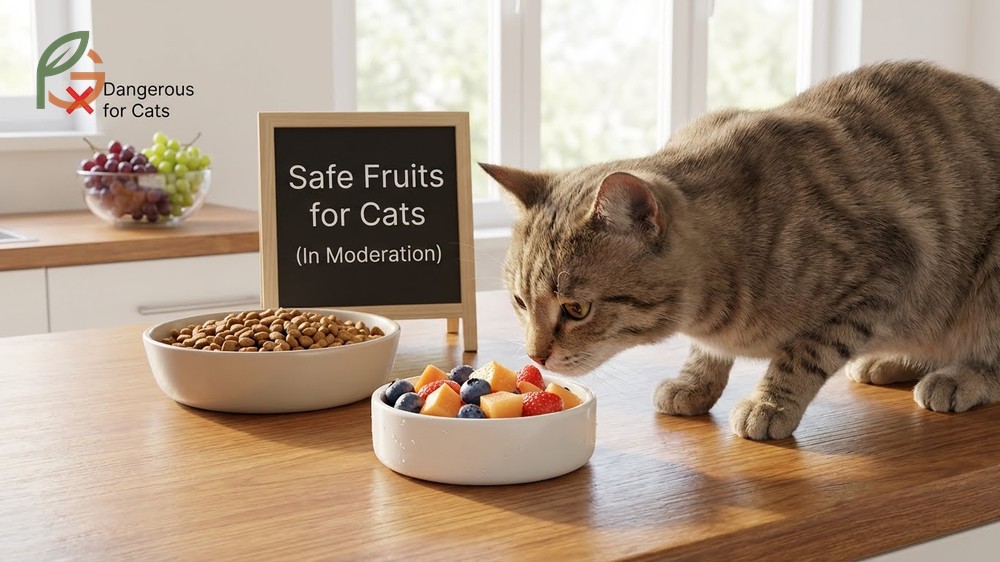
While grapes are dangerous, several fruits make safe occasional treats for cats in moderation. Research shows cats can enjoy small amounts of certain fruits that provide vitamins and fiber without toxicity risks[5]. Remember that cats are obligate carnivores, so fruit should only be an occasional treat, not a dietary staple.
When introducing new fruits, start with tiny portions to check for digestive tolerance. Some cats experience diarrhea or upset stomach from fruit sugars. Always remove seeds, pits, and rinds before offering fruit to your cat.
Veterinary nutritionists recommend keeping fruit treats under 10% of your cat’s daily caloric intake. For most adult cats, this means no more than 1-2 small pieces of fruit per day. Too much fruit can cause digestive upset and contributes unnecessary sugar to your cat’s diet.
- Blueberries – packed with antioxidants, serve fresh or frozen[5]
- Bananas – high in potassium, give small slices only due to sugar content[5]
- Strawberries – rich in vitamin C, remove stems and cut into small pieces[5]
- Watermelon – hydrating treat, remove all seeds and rind
- Cantaloupe – beta-carotene source, offer small cubes only
- Apples – remove core and seeds, serve small pieces of flesh only[5]
- Pineapple – contains digestive enzymes, feed tiny amounts
| Toxic Food | Primary Danger | Symptoms |
|---|---|---|
| Grapes & Raisins | Kidney failure[1] | Vomiting, lethargy, decreased urination |
| Onions & Garlic | Anemia | Weakness, pale gums, rapid breathing |
| Chocolate | Cardiac & neurological damage | Restlessness, tremors, seizures |
| Xylitol | Liver failure | Vomiting, lethargy, seizures |
| Citrus Fruits | Digestive upset | Vomiting, diarrhea, depression |
Feeding Tip: Cats don’t need fruit in their diet at all. If your cat shows zero interest in fruit treats, that’s completely normal and healthy. High-quality cat food provides all the nutrition they need.
Conclusion
The evidence is clear: can cats eat grapes has a definitive answer of no, never. Grapes and raisins pose serious toxicity risks that can result in acute kidney failure and permanent kidney damage. Current veterinary guidance emphasizes complete avoidance of all grape products, including fresh grapes, raisins, grape juice, and foods containing these ingredients.
If your cat accidentally ingests grapes, immediate veterinary care offers the best chance for full recovery. FruitGarden provides evidence-based information to help pet owners make informed decisions about safe and dangerous foods, ensuring cats stay healthy while you enjoy your fruit garden.
Medical Disclaimer
Important Medical Disclaimer: This content is for informational and educational purposes only. It’s not intended as a substitute for professional veterinary advice, diagnosis, or treatment. Always consult a qualified veterinarian before making any changes to your cat’s diet or if you suspect your cat has ingested toxic substances. If your cat eats grapes, contact your veterinarian or an emergency animal hospital immediately—don’t wait for symptoms to develop.
Frequently Asked Questions
Can one grape kill a cat?
Yes, even a single grape can cause serious harm or death in cats. The toxic dose varies unpredictably between individual cats, so any amount poses risk. Immediate veterinary care is essential if your cat eats any grapes or raisins, regardless of quantity.
Are green grapes safer than red grapes for cats?
No, all grape varieties are equally toxic to cats. Research shows tartaric acid—the toxic compound—exists in red, green, black, seeded, and seedless grapes. Color and variety don’t affect toxicity levels, so keep all types away from your cat.
What should I do if my cat licked grape juice?
Contact your veterinarian immediately if your cat licked grape juice. While a tiny lick may contain less toxin than eating whole grapes, it still poses risk. Your vet can assess the situation and recommend monitoring or treatment based on the amount ingested.
How long after eating grapes will a cat show symptoms?
Symptoms typically appear within 6-24 hours of grape ingestion. Early signs include vomiting and lethargy. Kidney failure symptoms like decreased urination develop 24-72 hours after eating grapes. Don’t wait for symptoms—seek veterinary care immediately after any grape ingestion.
Can cats eat raisins instead of fresh grapes?
Absolutely not. Raisins are even more dangerous than fresh grapes because the drying process concentrates tartaric acid. A single raisin contains the same toxic amount as one grape but in a smaller, easier-to-eat package. Keep all raisin products away from cats.
What fruits are safe alternatives to grapes for cats?
Safe fruit options include blueberries, small banana slices, strawberries (stems removed), and seedless watermelon. Always serve fruits in tiny portions as occasional treats only. Cats are obligate carnivores and don’t require fruit in their diet.
Will my cat recover from eating grapes if treated quickly?
Early treatment significantly improves recovery chances. Cats treated within 6-12 hours of grape ingestion—before kidney damage begins—often recover fully. Treatment includes IV fluids, activated charcoal, and monitoring. Delayed treatment can result in permanent kidney damage or death.





