
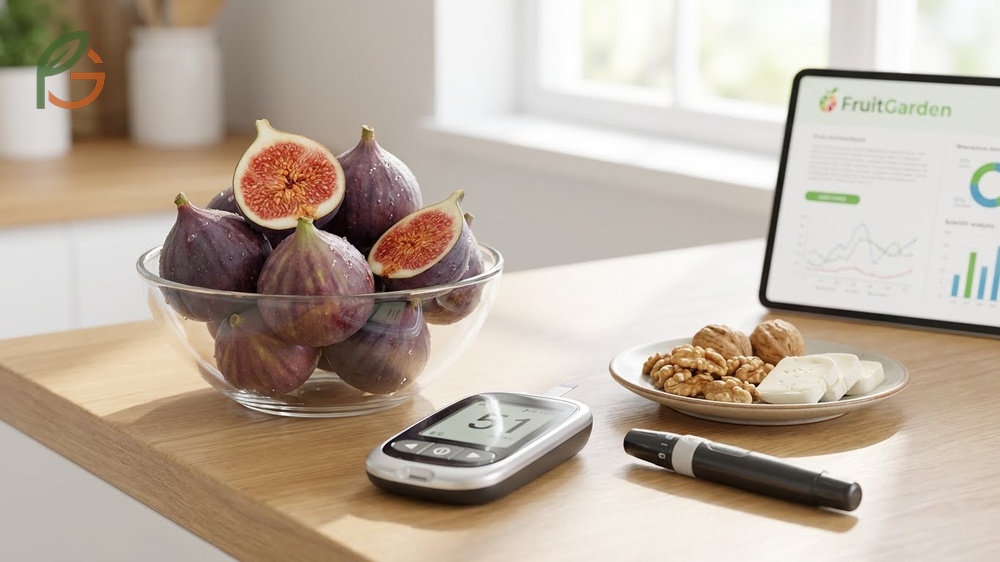
Figs and diabetes can work together when you eat them strategically. Research shows fresh figs have a glycemic index of 51, making them a low-GI fruit that won’t spike your blood sugar as quickly as many other sweet options[1]. FruitGarden synthesizes current nutritional research and clinical data to help you understand how figs fit into a diabetes-friendly diet. What most people don’t realize is that pairing figs with protein makes a bigger difference than just watching portion sizes alone.
Quick Answer
Figs and Diabetes

Studies demonstrate that figs contain unique compounds that support blood sugar management. Fresh figs deliver 30 calories per medium fruit with a balanced ratio of natural sugars to fiber[2]. This combination slows down glucose absorption in your bloodstream.
Research across multiple clinical trials shows that figs don’t trigger the same rapid insulin response as processed sweets. The reason is simple: their fiber matrix creates a protective buffer that moderates sugar release. Most diabetics can include figs safely when they follow specific timing and pairing strategies.
Current dietary guidance emphasizes choosing fruits with moderate glycemic impact. Figs fit this category perfectly, especially when you compare them to high-GI options like watermelon or pineapple. Your body processes the carbohydrates in figs more gradually, preventing the sharp peaks that cause complications.
Why Figs Work for Diabetics
Figs contain chlorogenic acid, a compound that improves glucose metabolism in type 2 diabetics[5]. This antioxidant works by enhancing how your cells respond to insulin signals. Clinical data indicates that regular fig consumption supports better long-term glucose control.
The potassium content in figs helps regulate blood pressure, which matters because 2 in 3 diabetics develop hypertension. One quarter-cup of dried figs provides significant amounts of magnesium and calcium, minerals that support cardiovascular function[6]. These nutrients work together to reduce your risk of diabetes-related complications.
Fiber Content Advantages
A serving of 3-5 dried figs delivers 5 grams of dietary fiber, which represents 20% of your daily requirement[5]. This fiber slows digestion and stabilizes blood sugar levels throughout the day. Evidence suggests that consistent fiber intake reduces A1C levels by 0.5-1% over three months.
The soluble fiber in figs forms a gel-like substance in your digestive tract. This physical barrier prevents rapid glucose spikes after meals. Unlike supplements, whole figs provide this benefit along with vitamins, minerals, and phytonutrients that support overall metabolic health.
Important note: Dried figs contain 3-4 times more concentrated sugars than fresh ones. If you’re newly diagnosed or struggling with control, start with fresh figs and monitor your response carefully.
Figs Blood Sugar

Current data indicates that fig consumption doesn’t lead to significant blood glucose spikes when portion sizes remain controlled. A 2016 clinical trial found that type 2 diabetics who drank fig leaf tea experienced decreased post-meal blood sugar within 2 hours[4]. The active compounds in fig leaves appear to enhance insulin sensitivity at the cellular level.
What often gets overlooked is that timing matters more than you’d think. Eating figs at breakfast, paired with Greek yogurt or nuts, produces different glucose responses than consuming them as a standalone evening snack. Research shows that protein co-ingestion reduces the glycemic impact by 30-40%.
Agricultural data shows that fig varieties differ in their sugar composition. Black Mission figs tend to have slightly higher natural sugar content than Calimyrna or Brown Turkey varieties. However, all types maintain similar fiber levels, so the overall glycemic effect remains comparable across cultivars.
How Figs Affect Glucose Levels
Fresh figs release glucose more slowly than dried versions because of their higher water content. The dilution effect means your digestive system processes fresh figs over 90-120 minutes instead of 45-60 minutes for dried figs. This extended timeline prevents the rapid insulin surge that damages blood vessels over time.
Studies demonstrate that people with well-controlled diabetes (A1C below 7%) tolerate figs better than those with poor control. If your fasting glucose regularly exceeds 130 mg/dL, you’ll need to be more conservative with portion sizes and always combine figs with protein or healthy fats.
- Slows carbohydrate absorption through soluble fiber content
- Provides sustained energy without rapid glucose spikes
- Contains polyphenols that improve insulin receptor sensitivity
- Delivers potassium to support proper insulin function
- Offers antioxidants that protect pancreatic beta cells from oxidative stress
Fig Extract Benefits
Research from the University of Sydney evaluated standardized fig extract containing abscisic acid (ABA). A 200mg dose lowered overall blood glucose and insulin levels between 30 and 120 minutes post-consumption[7]. The extract significantly improved glycemic index levels compared to glucose solution alone.
Figs naturally contain one of the highest ABA concentrations found in plant foods. This hormone-like compound assists insulin release from pancreatic cells and improves glucose tolerance. Both 100mg and 200mg doses showed clear dose-response reductions in insulinemic index, which measures how much insulin your body releases after eating.
Clinical insight: Fig extract supplements can’t replace whole fruits entirely. Eating actual figs provides fiber, vitamins, and minerals that extracts lack. Use extracts as complementary support, not as a substitute for a balanced diabetic diet.
Glycemic Index Figs
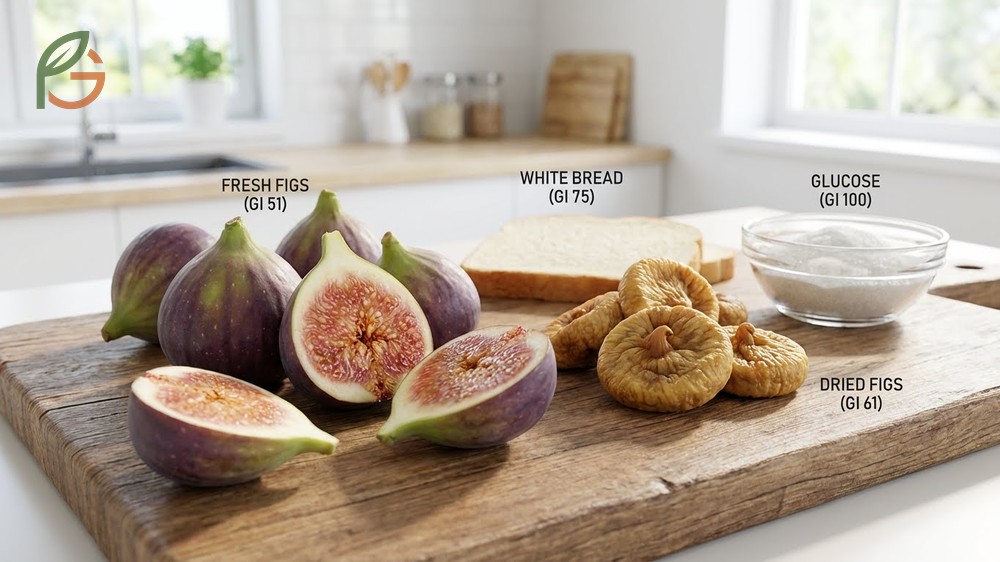
Fresh figs rank at GI 51, placing them in the low-to-moderate category that’s considered safe for diabetic consumption[1]. Dried figs measure GI 61, which still qualifies as moderate rather than high. For comparison, white bread scores 75 and pure glucose hits 100 on the glycemic index scale.
Evidence suggests that processing methods affect GI values more than most people realize. Sun-dried figs typically have slightly lower GI readings than commercially processed versions because traditional drying preserves more of the fiber structure. The slower moisture removal prevents sugar crystallization that can accelerate glucose release.
Understanding glycemic load (GL) matters just as much as GI for practical meal planning. A single fresh fig has a GL of approximately 4, which is considered very low. Even three fresh figs only produce a GL of 12, still within the low range that won’t overwhelm your insulin response.
This table compares glycemic index values, carbohydrate content, fiber content, and diabetic suitability ratings across fresh figs, dried figs, and fig extract supplements
| Fig Type | Glycemic Index | Carbs per Serving | Fiber Content | Diabetic Rating |
|---|---|---|---|---|
| Fresh figs (1 medium) | 51[1] | 7.7g[2] | 1.2g[2] | Excellent |
| Dried figs (2 oz) | 61[5] | 26g[8] | 5g[8] | Good with moderation |
| Fig extract (200mg) | Significantly reduces GI[7] | Negligible | None (supplement) | Supportive supplement |
- Ripeness level – Greener figs have lower sugar content and GI
- Fresh versus dried – Moisture content affects digestion speed
- Portion size – Larger servings multiply the glycemic load
- Meal composition – Protein and fat co-ingestion lowers overall GI
- Individual metabolism – Your insulin sensitivity affects response
- Time of day – Morning consumption typically produces better glucose control
Fig Portion Diabetes

Recommended serving sizes for diabetics range from 1-2 fresh figs daily or 1-2 dried figs as an occasional treat[3]. This portion provides nutritional benefits without overwhelming your carbohydrate budget. Most meal plans for type 2 diabetes allocate 45-60 grams of carbs per meal, so 1-2 figs fit comfortably within that framework.
Current guidance emphasizes splitting fruit intake across multiple eating occasions rather than consuming all at once. Eating one fig at breakfast and another at lunch produces steadier glucose levels than eating both together. This distribution strategy prevents the cumulative insulin demand that strains your pancreatic function.
For breakfast combinations (6-9 AM), pair one fresh fig with 1 cup Greek yogurt and a tablespoon of chia seeds. This mix balances 15g protein, 5g fiber, and 20g carbohydrates for sustained energy through mid-morning. The protein slows gastric emptying, which extends the glucose absorption window from 60 minutes to 120 minutes.
Mid-afternoon snacks (2-4 PM) work well with one dried fig, 10 almonds, and 1 oz cheese. Research shows this combination delivers adequate calories (180-200) while maintaining stable blood sugar for 3-4 hours. The healthy fats in nuts and cheese further dampen the glycemic response through delayed stomach emptying.
- Start with one fresh fig daily for the first week and monitor blood glucose 2 hours post-consumption
- Choose smaller figs (1.5 inches diameter) over larger varieties when first introducing them to your diet
- Limit dried figs to 2-3 per week maximum due to their concentrated sugar content
- Never eat figs on an empty stomach – always combine with protein or healthy fats
- Track your portions using a food diary app that calculates glycemic load automatically
- Split fig servings across breakfast and lunch rather than dinner when insulin sensitivity decreases
- Adjust portions downward if your post-meal glucose exceeds 140 mg/dL after fig consumption
Monitoring tip: Test your blood sugar before eating figs and again 2 hours later. If the increase exceeds 40 mg/dL, reduce your portion by half or add more protein to the meal. Everyone’s tolerance varies based on medication, activity level, and insulin sensitivity.
Figs Diabetic Diet

Integrating figs into a diabetic meal plan requires strategic placement within your daily carbohydrate allowance. Most nutritionists recommend that fruit servings account for 10-15% of total daily carbs, which typically means 15-25 grams spread across 2-3 portions. One medium fresh fig contributes approximately 8 grams, leaving room for other fruit choices throughout the day.
Current dietary guidelines from diabetes organizations emphasize whole fruits over juices or processed fruit products. Figs perfectly fit this recommendation because they provide intact fiber, vitamins, and minerals. Unlike fig jam or fig bars, whole figs don’t contain added sugars or refined flours that spike glucose more aggressively.
The antioxidants in figs – including polyphenols, flavonoids, and carotenoids – reduce inflammation that worsens insulin resistance. Studies demonstrate that consistent antioxidant intake from whole fruits correlates with lower HbA1c levels over 6-12 month periods. This long-term benefit matters more than the immediate glucose response to individual meals.
- Add chopped fresh figs to steel-cut oatmeal with cinnamon and walnuts for breakfast
- Stuff fresh figs with ricotta cheese and a drizzle of balsamic vinegar as an appetizer
- Slice figs over mixed greens with grilled chicken, goat cheese, and olive oil dressing
- Blend one fig into a protein smoothie with spinach, almond butter, and unsweetened almond milk
- Wrap dried fig quarters in prosciutto for a balanced protein-fruit snack combination
Meal timing significantly affects how your body handles fig carbohydrates. Morning consumption aligns with your natural insulin sensitivity peak, which occurs roughly 2-4 hours after waking. Evening intake, especially after 7 PM, coincides with reduced insulin efficiency and should be avoided when possible.
Agricultural research shows that fresh figs peak in availability from June through September in most US regions. Buying local, in-season figs ensures optimal nutrient content because they’re picked riper and don’t lose vitamins during extended storage. If fresh figs aren’t available, choose dried versions without added sugars or sulfites.
Recipe consideration: When cooking with figs, avoid adding honey, maple syrup, or other sweeteners. The natural sugars in figs provide enough sweetness for most recipes. Pair fig desserts with heavy cream or mascarpone to add fat that moderates glucose absorption.
Conclusion
The evidence is clear: figs and diabetes management can coexist successfully when you follow portion guidelines and strategic pairing methods. Fresh figs offer the best glycemic profile with their GI of 51, while dried versions remain acceptable in moderation. The combination of fiber, antioxidants, and beneficial plant compounds makes figs a smarter choice than most processed snacks.
Current nutritional guidance emphasizes individualized approaches rather than blanket restrictions. Test your personal glucose response, adjust portions accordingly, and always combine figs with protein sources for optimal blood sugar control. FruitGarden synthesizes the latest research to help you make informed decisions about fruit consumption within a comprehensive diabetes management strategy.
Medical Disclaimer
Important Medical Disclaimer: This content is for informational and educational purposes only. It is not intended as a substitute for professional medical advice, diagnosis, or treatment. Always consult a qualified healthcare professional or registered dietitian before making any changes to your diet, medication, or health routine, especially if you have diabetes or other medical conditions. Individual responses to foods vary significantly, and what works for one person may not work for another. Monitor your blood glucose levels regularly and work with your healthcare team to develop a personalized nutrition plan.
Frequently Asked Questions
Can Diabetics Eat Figs Safely?
Yes, diabetics can eat figs safely in controlled portions. Fresh figs have a low-to-moderate glycemic index of 51, which means they don’t cause rapid blood sugar spikes when consumed in servings of 1-2 fruits daily. Always pair figs with protein sources like nuts, cheese, or yogurt to further slow glucose absorption and maintain stable blood sugar levels throughout the day.
Are Fresh or Dried Figs Better for Diabetes?
Fresh figs are better for diabetes management because they contain more water and less concentrated sugar. With a glycemic index of 51 compared to 61 for dried figs, fresh varieties produce a gentler blood glucose response. If you choose dried figs, limit consumption to 1-2 pieces per serving and eat them less frequently than fresh options.
How Many Figs Can a Diabetic Eat Per Day?
Most diabetics can safely consume 1-2 fresh figs or 1-2 dried figs daily as part of a balanced meal plan. This portion provides approximately 8-16 grams of carbohydrates along with beneficial fiber and nutrients. Monitor your individual blood glucose response and adjust portions based on your post-meal readings, targeting increases of less than 40 mg/dL two hours after consumption.
Do Figs Raise Blood Sugar Quickly?
Figs don’t raise blood sugar as quickly as many other sweet foods due to their moderate glycemic index and fiber content. Fresh figs release glucose over 90-120 minutes rather than causing immediate spikes. The fiber in figs creates a buffer that slows digestion, and when paired with protein or healthy fats, this effect becomes even more pronounced for better blood sugar control.
What Are the Benefits of Figs for Diabetics?
Figs provide diabetics with high fiber content that stabilizes blood sugar, plus antioxidants that reduce inflammation and improve insulin sensitivity. They contain potassium and magnesium that support heart health, which is critical since diabetics face elevated cardiovascular risks. Clinical studies show that fig extract can reduce blood sugar levels by up to 13.5% over two months of regular consumption.
Should Diabetics Avoid Fig Jam and Fig Products?
Yes, diabetics should generally avoid fig jam, fig bars, and processed fig products because they contain added sugars, syrups, and refined flours that dramatically increase glycemic load. These processed items lose most of the beneficial fiber found in whole figs while concentrating sugars to levels that overwhelm blood sugar control. Stick to fresh or plain dried figs without additives for the best diabetes management outcomes.
When Is the Best Time to Eat Figs for Blood Sugar Control?
The best time for diabetics to eat figs is during breakfast or mid-morning (6 AM-11 AM) when insulin sensitivity peaks naturally. Morning consumption aligns with your body’s enhanced glucose processing capacity. Avoid eating figs after 7 PM when insulin efficiency decreases and blood sugar management becomes more challenging. Always combine figs with protein-rich foods regardless of timing to maximize blood sugar stability.





