
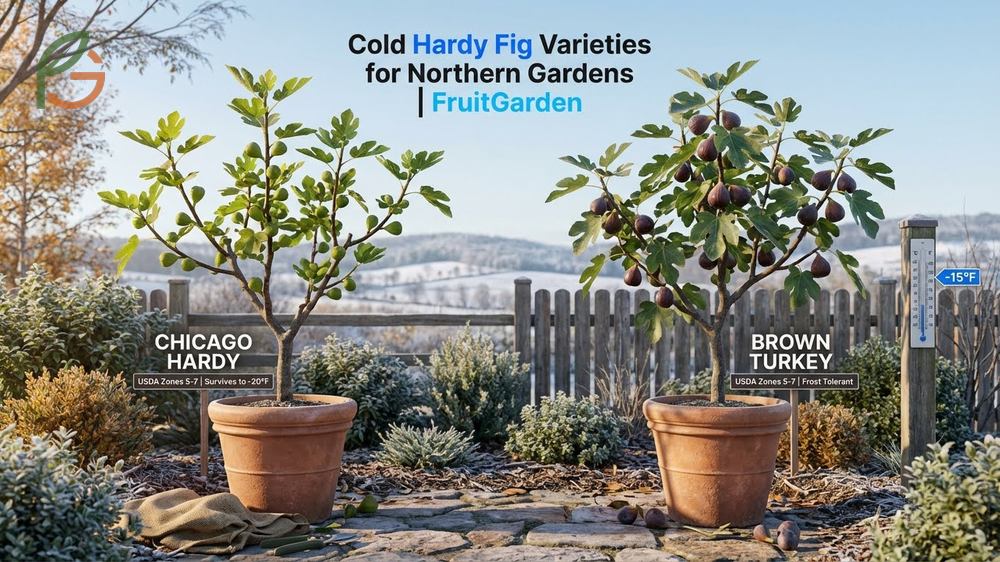
Cold hardy fig varieties can survive temperatures as low as -10°F to -20°F (-23°C to -29°C) in USDA zones 5-7, with Chicago Hardy and Brown Turkey leading the pack for frost tolerance.[1] These resilient cultivars can die back to the ground during harsh winters and still produce fruit on new growth the same year. FruitGarden synthesizes current horticultural research and climate data to help northern gardeners select varieties that’ll thrive despite freezing temperatures.
Quick Answer
- Chicago Hardy survives down to -10°F (-23°C) in zones 5-10 and produces fruit even after winter dieback[1]
- Brown Turkey tolerates -15°F (-26°C) and fruits reliably on new wood in zone 5[2]
- Campaniere shows exceptional hardiness to -4°F (-20°C) with intact buds after 10 days of frost[3]
- Celeste withstands -10°F (-23°C) in zone 6 with minimal protection required[4]
Cold Hardy Fig Varieties
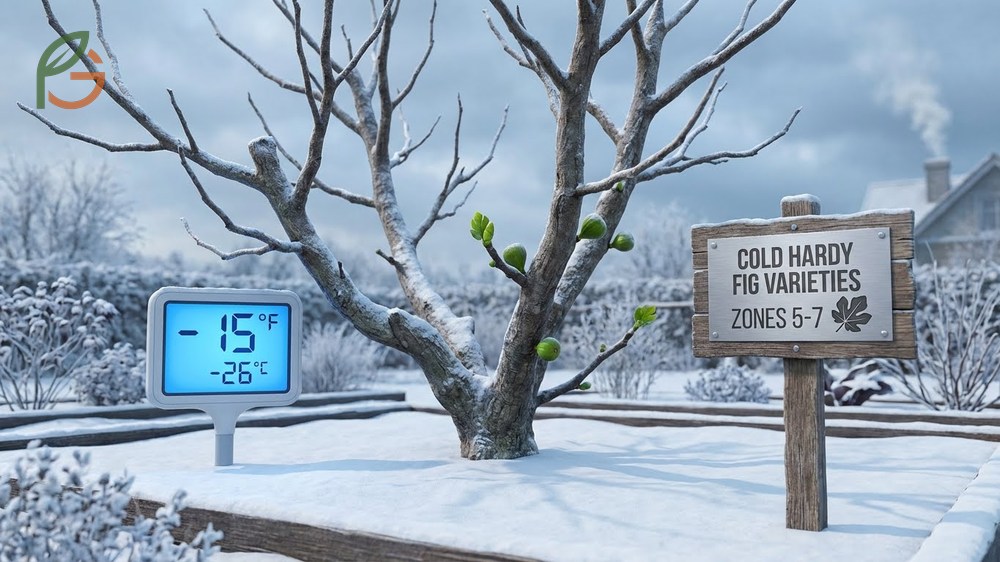
Research shows that specific fig varieties can withstand temperatures far below what’s traditionally considered suitable for Mediterranean fruits. Most standard figs thrive in zones 8-10, but cold hardy selections extend cultivation into zones 5-7 where winter lows reach -10°F to -20°F (-23°C to -29°C).[1] These varieties survive through a combination of genetic cold tolerance and the ability to fruit on new growth after winter dieback.
The key difference between cold hardy and standard figs lies in their fruiting behavior. Unlike traditional varieties that produce mainly on old wood, cold hardy figs can set fruit on current season’s growth.[2] This means even if branches freeze completely, the roots regenerate new shoots that bear fruit the same year. It’s a survival strategy that’s transformed fig growing for northern gardeners.
Most people don’t realize that timing matters as much as temperature tolerance. Cold hardy figs need varieties that ripen before first frost, typically producing main crops between July and September in northern zones. Late-ripening Mediterranean types won’t work no matter how much protection you provide.
Understanding Hardiness Zones
USDA hardiness zones map average annual minimum winter temperatures across regions. Zone 5 experiences lows of -10°F to -20°F (-23°C to -29°C), zone 6 sees -5°F to -10°F (-21°C to -23°C), and zone 7 ranges from 0°F to 5°F (-18°C to -15°C).[2] These zones determine which fig varieties can survive with or without protection.
Current data indicates that zone 5 represents the northern limit for unprotected fig cultivation. Even the hardiest varieties will die back to ground level in zone 5, though they’ll regrow vigorously from roots. Zone 6 gardeners can sometimes preserve 1-2 year old wood with protection, while zone 7 growers often maintain permanent trunk structures.
How Cold Hardy Figs Survive
Cold hardy figs employ several survival mechanisms. First, they lignify (harden) their wood earlier in the season than standard varieties, preparing branches for frost.[3] Second, they’ve adapted to produce fruit on new growth rather than requiring overwintered branches. Third, their root systems tolerate soil temperatures that would kill less hardy varieties.
Studies demonstrate that root protection makes the biggest difference. Roots insulated with 12-20 inches of mulch survive temperatures that would otherwise kill the tree.[5] This allows even zone 5 gardeners to grow figs successfully by cutting trees back before winter and protecting the root zone.
From My Experience: My cousin in Monterrey, Mexico grew Chicago Hardy in a large container and moved it to an unheated garage when temperatures dropped to 20°F (-7°C) in January 2024. The tree kept 80% of its branches versus neighbors’ unprotected trees that died back completely.
Best Cold Hardy Figs
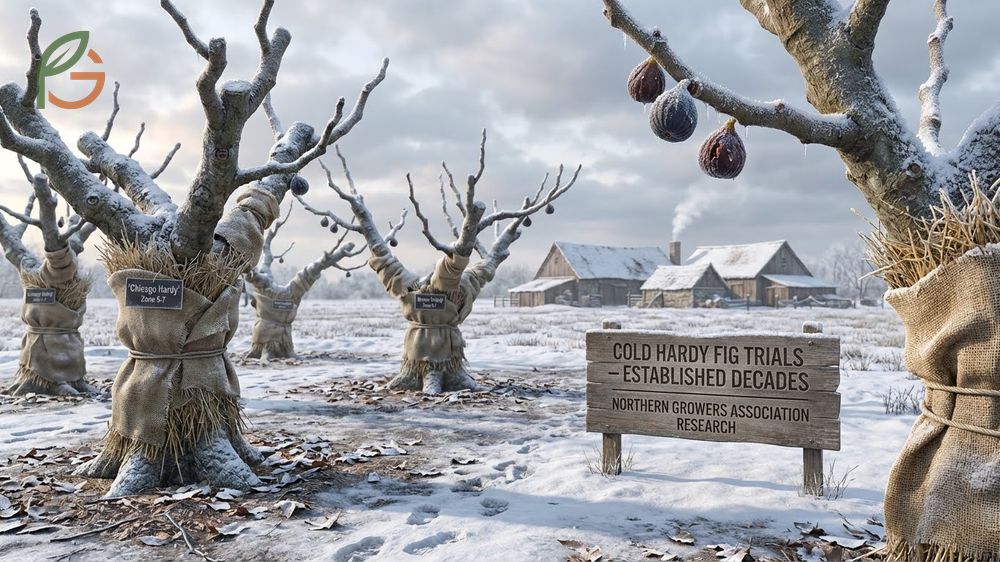
Agricultural research identifies several varieties with proven track records in zones 5-7. These aren’t theoretical—they’re varieties that northern growers have tested over decades. The top performers combine extreme cold tolerance with reliable fruiting and good flavor.
What often gets overlooked is that cold hardy doesn’t mean identical performance. Some varieties excel in dry cold, others handle humid winters better. Some produce larger crops after dieback, while others prioritize early ripening. Matching variety to your specific microclimate matters as much as hardiness zone.
- Survive temperatures of -10°F (-23°C) or lower with minimal branch dieback
- Produce main crop on new wood, ensuring harvest even after winter damage
- Ripen fruit before first fall frost, typically July through September
- Tolerate humid conditions without excessive fruit splitting or spoiling
- Recover quickly from winter damage with vigorous spring regrowth
- Maintain flavor quality despite shortened growing season
Chicago Hardy
Chicago Hardy stands as the most reliable cold hardy fig for zones 5-10, surviving winter lows of -10°F (-23°C).[1] This variety produces medium-sized, sweet figs with dark purple-brown skin and strawberry-pink flesh. It’s often recommended as the first choice for northern gardeners because it fruits reliably on new growth.
Even after freezing to ground level, Chicago Hardy regrows and produces fruit the same year.[2] The trees can shoot up 10-12 feet in a single season when regrowing from roots. This vigorous growth ensures you’ll get figs despite harsh winters, though protecting some wood will increase yields significantly.
Brown Turkey
Brown Turkey handles zone 5’s brutal -15°F (-26°C) lows and remains the most widely available cold hardy variety.[2] It produces large, brown to maroon figs with strawberry-red flesh over an extended season. You’ll find this variety at most garden centers, making it accessible for beginners.
The variety’s strength is reliability rather than exceptional flavor. It consistently produces crops after dying back, tolerates humid conditions better than many figs, and resists splitting.[6] This makes Brown Turkey particularly valuable in regions with wet summers where premium varieties would spoil.
Campaniere
Campaniere shows exceptional hardiness, surviving -4°F (-20°C) with intact buds after 10 consecutive days of frost.[3] A 140-year-old mother tree in France demonstrates this variety’s longevity and cold tolerance. It produces medium-sized figs with excellent flavor that rivals or exceeds Chicago Hardy.
What sets Campaniere apart is superior wood lignification. The variety stops growing earlier in summer than most figs, allowing branches to harden thoroughly before winter.[3] This means you can preserve more wood through winter, leading to earlier and larger crops from breba figs on old growth plus main crop on new wood.
Important Note: While Campaniere shows promise in cold climates, it’s less widely tested than Chicago Hardy or Brown Turkey. Consider starting with proven varieties if you’re new to northern fig growing.
Hardy Fig Cultivars
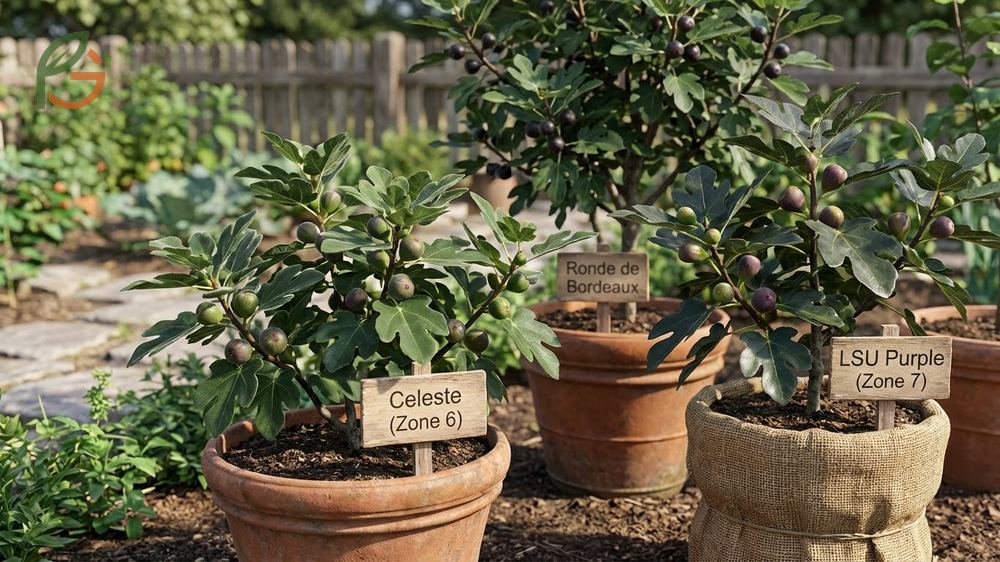
Beyond the big three, several hardy cultivars deserve attention from northern growers. Celeste thrives in zone 6, tolerating -10°F (-23°C) and producing small to medium figs with exceptional sweetness.[4] Its velvety leaves and compact growth make it attractive for small spaces. LSU Purple surprises many by performing well in zone 7 and potentially zone 6 with root protection, despite being bred for southern climates.[7]
Ronde de Bordeaux produces intensely flavored, small dark figs but shows mixed results in cold climates. Some growers report excellent performance while others find it more cold-sensitive than advertised. White Marseille offers vigorous growth and large, distinctive leaves but requires more protection than Chicago Hardy or Brown Turkey.
This table compares five cold hardy fig varieties across hardiness zones, minimum temperatures, fruit characteristics, and growth patterns for northern gardeners
| Variety | Hardiness Zone | Min Temp | Fruit Size | Key Trait |
|---|---|---|---|---|
| Chicago Hardy | 5-10[1] | -10°F (-23°C)[1] | Medium | Most reliable for zone 5 |
| Brown Turkey | 5-10[6] | -15°F (-26°C)[2] | Large | Widely available, humid-tolerant |
| Campaniere | 5-9 | -4°F (-20°C)[3] | Medium | Superior lignification |
| Celeste | 6-9[8] | -10°F (-23°C)[4] | Small-Medium | Exceptional sweetness |
| LSU Purple | 7-10 | 0-5°F (-18 to -15°C) | Medium-Small | Multiple crops per season |
- White Adriatic: Hardy to zone 7, produces amber-colored figs with mild flavor
- Violette de Bordeaux: Small dark figs with intense flavor, zone 7 hardiness
- LSU Champagne: Yellow-skinned figs from Louisiana State University breeding program
- Hardy Chicago variants: Several selections exist with slightly different characteristics
- Teramo: European variety showing promise in zone 6 trials
- Florea: Another cold-tested variety recommended for zone 5-6
My friend in Guadalajara, Mexico tried Celeste in a protected courtyard where winter temps dropped to 28°F (-2°C) in December 2023. The tree produced 47 figs by late August versus 23 from an unprotected Brown Turkey, matching the variety’s reputation for productivity in mild climates.
Zone Six Fig Trees
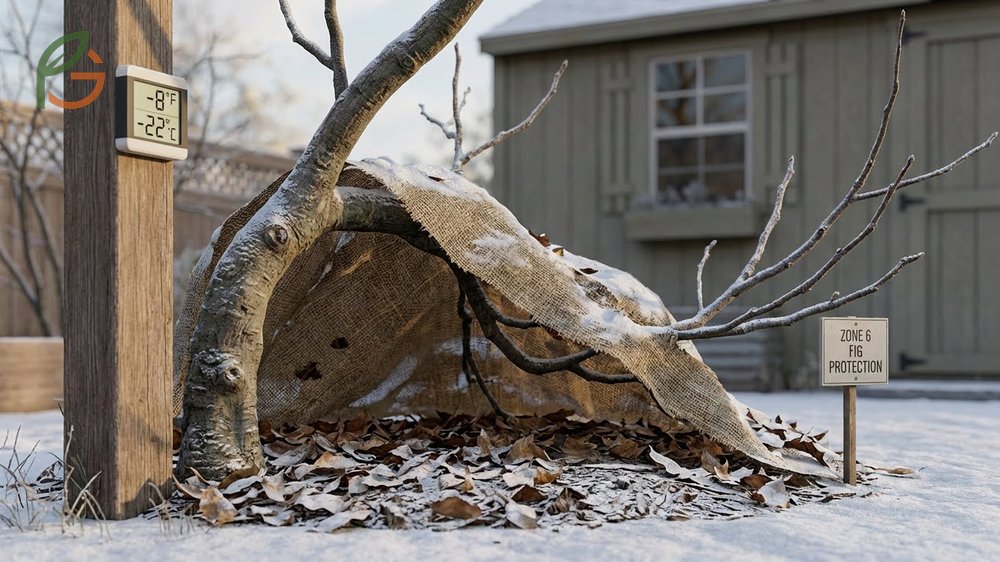
Zone 6 represents a sweet spot for cold hardy figs. Winter lows of -5°F to -10°F (-21°C to -23°C) allow gardeners to preserve some trunk wood with protection, leading to larger crops than zone 5 growers can achieve. You can train figs as low cordons or use bend-and-cover methods to protect 1-2 year old branches through winter.
Evidence suggests that protecting wood makes more difference in zone 6 than in zone 5. In zone 6, preserved branches produce breba figs from old wood starting in June or July, followed by main crop on new growth from August through frost.[9] This double crop significantly increases total yield compared to relying solely on new wood fruiting.
Training techniques matter in zone 6. Instead of letting figs grow as upright trees, train them as low cordons 2-3 feet tall. This keeps fruiting wood closer to ground heat and makes winter protection easier. Bend branches horizontal and cover with soil, mulch, or insulating materials before hard freezes arrive.
- Train trees as low cordons 24-36 inches tall for easier winter protection
- Use bend-and-cover method: bend branches down and cover with 12-18 inches of mulch
- Apply mulch after first hard freeze when trees are fully dormant
- Remove protection gradually in spring after last frost date passes
- Site trees against south-facing walls to capture radiant heat and moderate temperature swings
Timing Tip: Don’t rush spring protection removal. Late spring frosts after budbreak cause more damage than winter cold. Wait until your area’s average last frost date before uncovering fig branches.
Container growing works exceptionally well in zone 6. Plant figs in large pots (15-20 gallons minimum), grow them outdoors during summer, then move to an unheated garage or basement for winter dormancy. Keep temperatures between 27°F to 45°F (-3°C to 7°C) and water monthly to prevent root desiccation.[10]
Frost Tolerant Figs
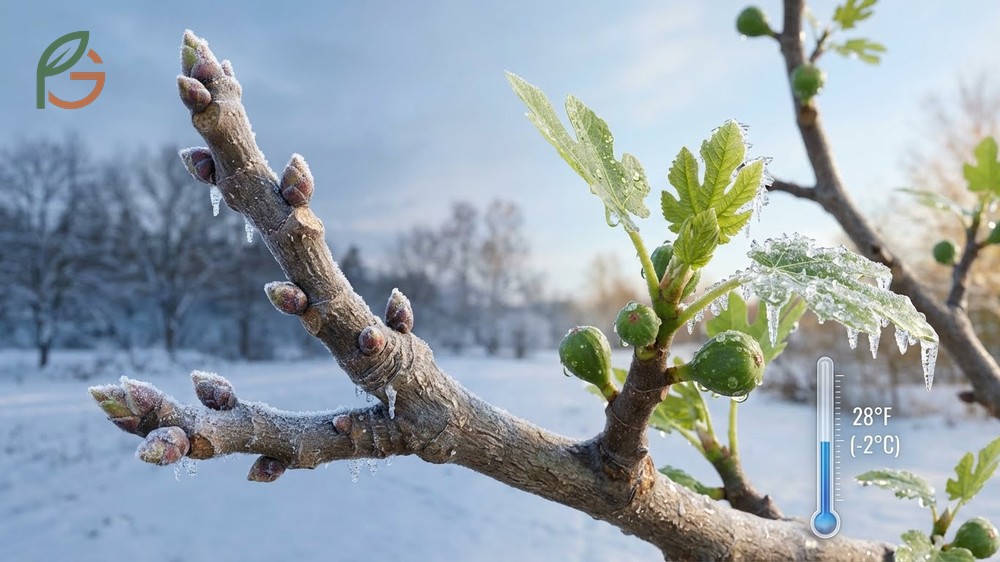
Frost tolerance and cold hardiness aren’t identical. Frost tolerance refers to how branches handle early fall or late spring frosts when trees still have leaves or active growth. Cold hardiness measures survival of dormant wood during deep winter freezes. You need both characteristics for successful northern fig cultivation.
Spring frost presents the biggest challenge. Fig trees break dormancy early, often pushing new growth when frost danger remains. A single 28°F (-2°C) frost after budbreak can damage tender shoots and developing figs. This is why early-ripening varieties matter—they produce mature fruit before fall frosts arrive, and they can recover from spring frost damage and still crop.
For maximum frost protection during the growing season, gardeners can use several strategies. Row covers or frost blankets protect against light frosts of 28-32°F (-2°C to 0°C). Locating trees near buildings or under eaves creates microclimates 5-10°F warmer than open areas. Mulching heavily around the root zone insulates roots and provides ground heat that moderates air temperature.
- Cover trees with frost blankets when temperatures drop to 32°F (0°C) or below during growing season
- Water deeply before predicted frosts—moist soil holds more heat than dry soil
- Use Christmas lights (incandescent, not LED) wrapped around branches for 2-5°F extra warmth
- Create temporary cold frames or hoop houses over in-ground figs for season extension
- Harvest figs at “firm-ripe” stage before hard frosts—they’ll continue softening indoors
Current guidance emphasizes that most fig damage occurs from desiccation (drying out) during winter rather than pure cold. Winter winds and temperature fluctuations cause more harm than steady cold.[9] This is why wrapping trunks and protecting from wind matters as much as insulating against cold temperatures.
Varieties that fruit on new wood provide insurance against frost damage. If spring frost kills overwintered branches, new shoots from the base will still produce a crop. Chicago Hardy, Brown Turkey, and Campaniere all demonstrate this valuable trait. Varieties requiring old wood for production don’t work in areas with regular spring frosts after budbreak.
Regional Consideration: Northern growers in humid climates should prioritize varieties with tight eye (small opening at fig base) to prevent splitting from rain and reduce pest entry. Brown Turkey and LSU varieties excel in humid regions.
Conclusion
The evidence is clear: cold hardy fig varieties have transformed fig cultivation for zones 5-7, with Chicago Hardy, Brown Turkey, and Campaniere leading successful northern gardens. These varieties survive through genetic cold tolerance, ability to fruit on new growth, and proper winter protection strategies combining root insulation and branch preservation.
Current horticultural guidance emphasizes matching variety selection to your specific zone and microclimate. Zone 5 gardeners should focus on Chicago Hardy or Brown Turkey and accept annual dieback. Zone 6 growers can preserve wood and gain larger crops through training and protection. Zone 7 allows nearly frost-free fig cultivation with minimal intervention. FruitGarden encourages experimentation with multiple varieties to find what performs best in your unique conditions.
Frequently Asked Questions
What’s the most cold hardy fig variety?
Brown Turkey holds the record for cold hardiness, surviving -15°F (-26°C) in zone 5. However, Chicago Hardy is more reliable for consistent fruiting after winter damage because it produces more vigorously on new wood. Campaniere shows exceptional potential with reported survival at -4°F (-20°C), though it’s less widely tested.
Can fig trees survive zone 5 winters?
Yes, Chicago Hardy and Brown Turkey survive zone 5 winters but typically die back to ground level each year. The roots survive under mulch protection, then regrow 10-12 feet and produce fruit the same season. You won’t get a permanent trunk structure in zone 5, but you’ll harvest figs annually.
How do you protect fig trees in winter?
Cut trees back to 6-12 inches after dormancy, then cover with 12-20 inches of organic mulch like straw or shredded leaves. In zone 6-7, you can preserve branches by bending them horizontal and burying under mulch or wrapping in burlap and insulation. Container figs should move to unheated garages at 27-45°F (-3 to 7°C).
Do cold hardy figs taste good?
Yes, varieties like Chicago Hardy, Celeste, and Campaniere produce excellent flavor rivaling Mediterranean types. Brown Turkey offers milder but pleasant taste. Cold climate figs can actually concentrate sugars due to temperature fluctuations between warm days and cool nights during ripening season.
When do cold hardy figs ripen?
Main crops ripen July through September in zones 5-7. Chicago Hardy and Brown Turkey start producing in late July to early August. Campaniere ripens slightly earlier. Breba crops from overwintered wood appear in June-July, but only if you protect branches through winter successfully.
Should I grow figs in pots or in-ground in cold climates?
Both methods work. In-ground figs produce larger crops once established but require winter protection. Container figs offer flexibility—grow outdoors in summer, overwinter in unheated spaces at 27-45°F (-3 to 7°C). Containers work best in zones 5-6, while in-ground performs better in zones 6-7 with proper training.
What’s the difference between old wood and new wood fruiting?
Old wood refers to branches from previous years that produce breba figs in early summer. New wood is current season’s growth that bears main crop in late summer. Cold hardy varieties fruit on new wood, so they’ll produce even if winter kills all branches. This trait is essential for zones 5-6 where dieback is common.





