
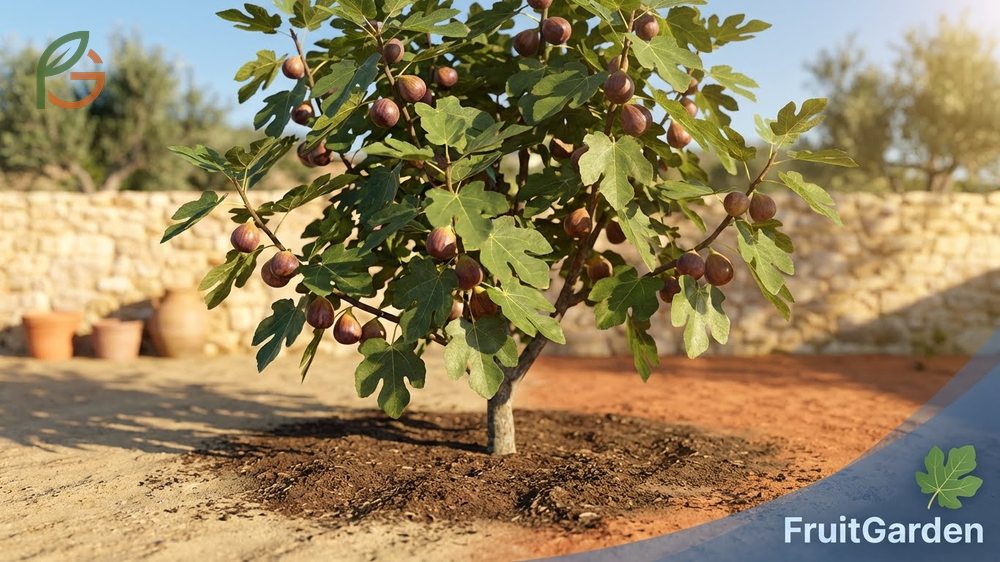
Brown Turkey fig trees are versatile fruit-bearing plants that thrive in USDA hardiness zones 7-10 and adapt to various soil types, from heavy clay to light sand. Research shows they need 6-8 hours of daily sunlight and prefer soil pH between 6.0-6.5 for optimal growth. FruitGarden synthesizes current horticultural research to help you select the best fig variety for your climate and growing conditions.
Quick Answer
- Brown Turkey figs grow best in zones 7-10[1] but can survive in containers in cooler zones
- Chicago Hardy fig trees tolerate temperatures down to -15°F (-26°C)[2], making them suitable for zone 5
- Most fig trees are self-pollinating[3] and don’t need another variety for fruit production
- Brown Turkey figs produce large, mild-sweet fruits over a 60-day ripening period[4] from late August through early October
Brown Turkey Fig Tree: Growing Requirements and Characteristics
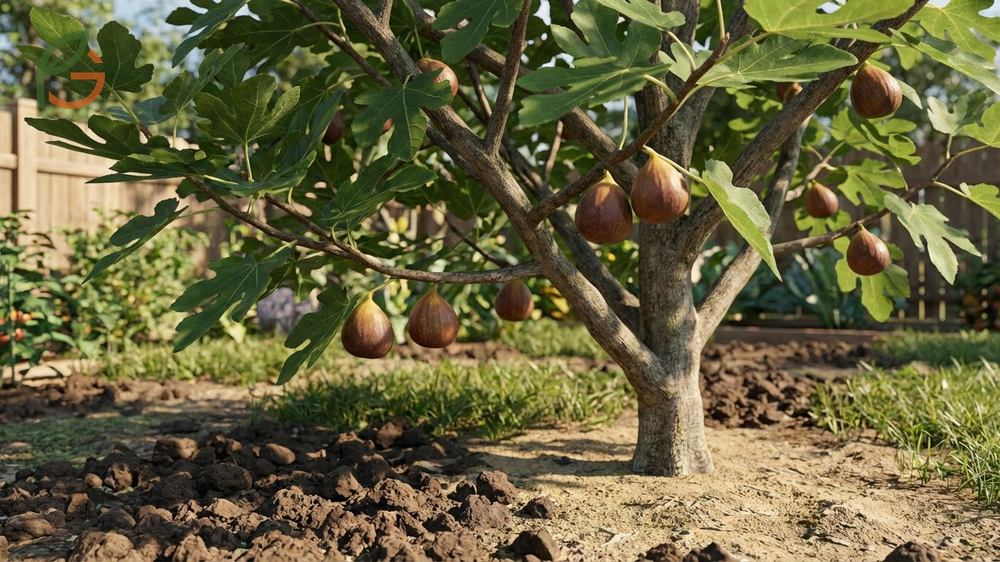
The Brown Turkey fig tree ranks among the most popular varieties for home gardens across the southern and western United States. Studies demonstrate that this variety produces medium to large brownish-purple fruits with mild, sweet flavor and adapts remarkably well to different growing conditions. Unlike many fruit trees that demand specific soil types, Brown Turkey tolerates everything from heavy clay to light sand.
Brown Turkey figs ripen from late August through early October, offering an extended harvest window compared to other varieties. The fruits measure larger than Celeste figs but have a slightly more open eye, which can increase vulnerability to splitting in rainy climates. Research shows this variety maintains high vigor and produces well even on young wood, making it valuable for regions where occasional winter damage occurs.
From My Experience: My neighbor in Guadalajara, Mexico planted a Brown Turkey cutting in March 2024. The tree reached 4 feet by September and produced 12 figs in its first season—matching the vigorous growth rate described in horticultural studies.
Hardiness Zones and Climate Preferences
Brown Turkey fig trees thrive in USDA hardiness zones 7-10[1], which encompasses states from North Carolina and South Carolina through Arizona and California. These zones provide the warm temperatures figs need for fruit production. Current data indicates the variety tolerates brief cold snaps but performs best where winter temperatures stay above 10°F (-12°C).
For gardeners in cooler zones 5-6, container cultivation offers a practical solution. You can move potted Brown Turkey figs to protected locations like garages or basements during winter months. The plant enters dormancy and requires minimal care until spring temperatures return. This flexibility explains why Brown Turkey remains popular even in regions outside its ideal hardiness range.
Soil Requirements and pH Levels
Fig trees prefer slightly acidic soil with pH between 6.0-6.5[5], though they tolerate moderate alkalinity up to 7.5. Most average garden soils fall naturally within this range without amendments. What matters more than pH is drainage—figs can’t tolerate waterlogged roots. Heavy clay soils benefit from mixing in compost or sand to improve drainage before planting.
Brown Turkey figs need full sun exposure, which means 6-8 hours of direct sunlight daily[1]. They adapt to various soil types including limestone and slightly salty soils, but avoid acidic conditions below pH 6.0. When planting, dig a hole three times the width of the root ball and mix native soil with organic matter for best establishment results.
Container Growing Options
Container cultivation works exceptionally well for fig trees, with success depending on pot size and watering consistency rather than variety selection. Research shows that containers naturally limit root growth, which controls tree size without special pruning techniques. Choose pots at least 15-20 gallons for mature trees, with drainage holes to prevent root rot.
Fig trees demonstrate self-fertile characteristics, meaning you don’t need multiple trees for pollination[3]. A single Brown Turkey in a container produces abundant fruit. Use well-draining potting mix and apply slow-release fertilizer in spring when active growth begins. Container figs need consistent watering during the growing season but less in fall and winter when growth slows.
Important Note: Container-grown figs require root pruning every 2-3 years to maintain health. During repotting, trim outer roots by 1-2 inches and refresh potting soil to provide nutrients for continued growth.
Cold Hardy Fig Tree Varieties
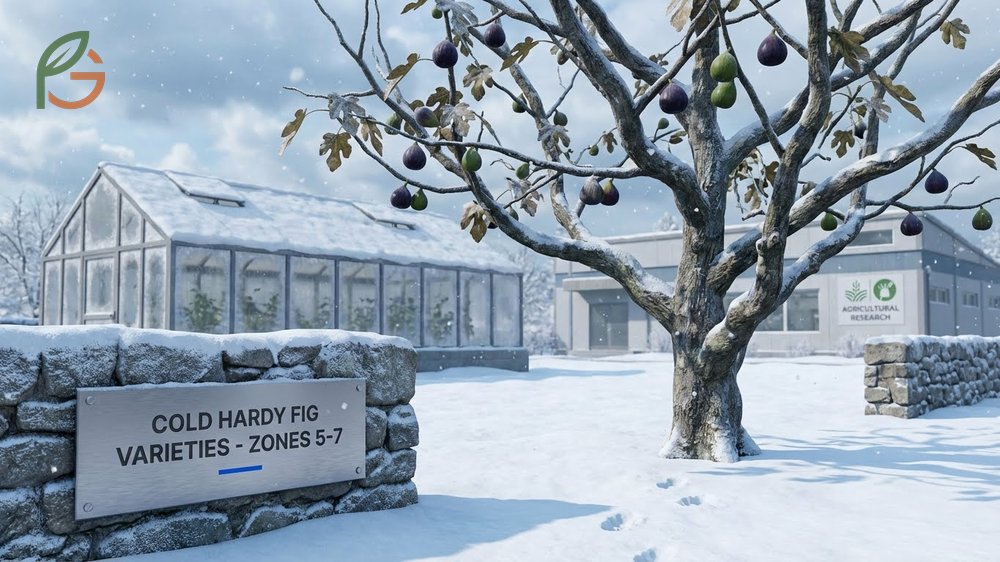
Cold hardy fig trees expand growing possibilities for northern gardeners who previously couldn’t cultivate these Mediterranean fruits. Agricultural research demonstrates that specific varieties tolerate winter temperatures well below the typical fig range, surviving in zones 5-7 where standard varieties fail. These hardy types achieve fruit production even when winter damage kills branches back to ground level.
The key difference between cold hardy and standard figs lies in their fruiting habit. Hardy varieties produce figs on new growth each season, so even if winter kills above-ground branches, new shoots emerge in spring and bear fruit the same year. This characteristic makes varieties like Chicago Hardy invaluable for climate zones with harsh winters.
Chicago Hardy Fig Tree
Chicago Hardy stands as the most cold-tolerant fig variety available, surviving temperatures down to -15°F (-26°C) in zone 5[2]. This remarkable hardiness earned its name from the ability to fruit even after Chicago’s brutal winters kill the top growth. The variety produces medium-sized, brownish-purple figs with berry-like flavor that sweetens as fruits fully ripen.
Unlike many hardy varieties that sacrifice fruit quality for cold tolerance, Chicago Hardy delivers excellent taste alongside resilience. The figs ripen in late summer and continue into fall if weather permits. Gardeners in zones 5-6 can grow this variety in-ground with winter mulching, or in containers moved to protected areas during the coldest months.
Celeste Fig Tree Planting
Celeste figs, often called “sugar figs” for their exceptional sweetness, rank among the most cold-hardy varieties after Chicago Hardy. Current data indicates Celeste tolerates brief periods down to -10°F (-23°C) in zone 6[2], though extended freezes at that temperature may cause dieback. The tree grows vigorously and produces small, pear-shaped fruits with light brown to violet-bronze skin and pink pulp.
Research from Mississippi State University Extension confirms Celeste as the most common fig variety grown in Mississippi[4], valued for reliability and cold hardiness. The small fruit size concentrates flavors, creating an intensely sweet taste that many consider superior to larger varieties. Celeste ripens earlier than Brown Turkey, typically in mid to late summer, and produces heavily even on young trees.
Olympian and Desert King Fig Trees
Olympian fig trees offer zone 6 hardiness with tolerance to -10°F (-23°C)[2] and produce medium to large figs with melon-sugar flavor profiles. This variety ripens in late summer and provides consistent crops in climates too cold for many Mediterranean figs. The fruit quality rivals warm-climate varieties, making Olympian valuable for northern growers who want exceptional taste without sacrificing hardiness.
Desert King takes a different approach to cold climates by specializing in breba crop production—figs that form on previous year’s wood. This variety excels in cooler, wetter regions where main-crop figs struggle to ripen. Desert King produces large, dark green fruits with strawberry-red flesh in late July, well before most varieties begin ripening. The tree can regenerate from root suckers if frozen, maintaining productivity even after severe winter damage.
Cold Protection Tip: In zones 5-6, apply 6-8 inches of mulch around the base of hardy fig trees before winter. This insulates roots and crown, improving survival rates even if above-ground branches die back.
Types of Fig Trees and Best Varieties
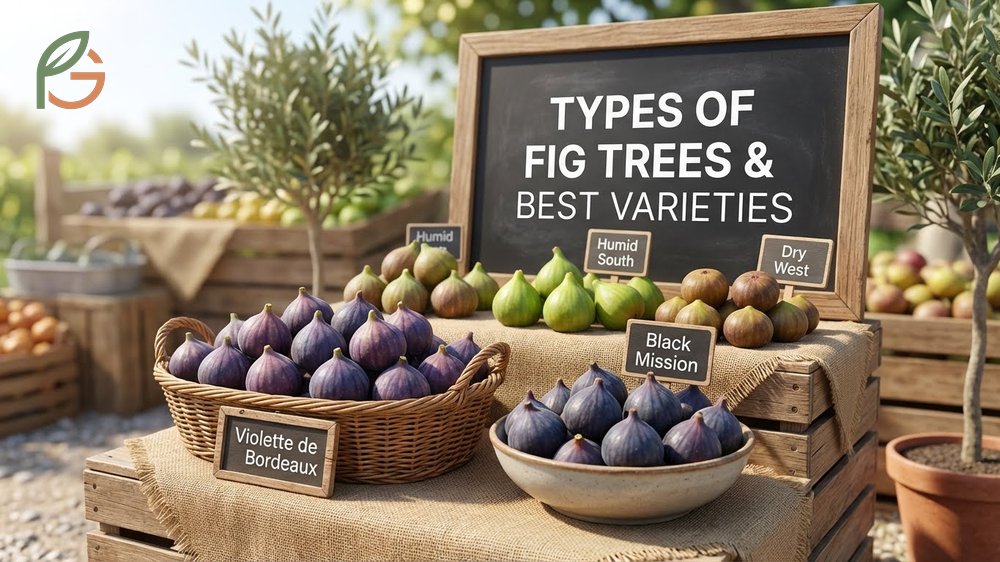
Fig varieties span a remarkable range of flavors, sizes, and growing characteristics. Agricultural data shows dozens of cultivars adapted to different climates, from humid southern regions to dry western states. Understanding these differences helps you select varieties that perform best in your specific conditions and match your taste preferences.
The best tasting fig varieties depend on climate and personal preference, but Violette de Bordeaux, Black Mission, and LSU Purple consistently rank among favorites. Each offers distinct flavor profiles—from berry-sugar in Chicago Hardy to caramel-spice in LSU Purple. Fruit size ranges from small Celeste figs to large Brown Turkey, with ripening times spanning July through October depending on variety and location.
Black Mission Fig Tree
Black Mission figs represent one of the most commercially important varieties, recognized by their dark purple-black skin and pink-amber flesh. These medium-sized fruits deliver rich, sweet flavor with slight berry notes. The variety thrives in zones 7-10 and tolerates heat and drought better than many figs, making it ideal for California and southwestern states.
While Black Mission offers excellent taste, it’s less cold-hardy than varieties like Celeste or Chicago Hardy. The tree produces two crops in favorable climates—an early breba crop on old wood and a larger main crop on new growth. Black Mission figs dry exceptionally well, which explains their popularity in commercial dried fig production alongside fresh market sales.
Specialty Fig Varieties
- LSU Purple Fig Tree: Produces medium purple figs with amber flesh and unique caramel-brown sugar-spice flavor[6]. Root-knot nematode resistant, making it ideal for Florida and other humid regions. Zone 7 hardy.
- Violette de Bordeaux Fig Tree: Small purplish-black fruits with strawberry-colored pulp, widely regarded as one of the finest-tasting varieties. Hardy to zone 7b, produces well in Northwest and Western U.S. Closed eye reduces pest and moisture spoilage.
- Panache Tiger Fig Tree: Distinctive green-and-yellow striped skin with strawberry-red flesh. Produces medium fruits with raspberry-like flavor. Ornamental value from unique coloring makes it popular for edible landscaping.
- Texas Everbearing Fig Tree: Another name for Brown Turkey in certain regions. Produces medium to large fruits over extended season. Well-suited to Texas heat and alkaline soils common in that state.
- Italian Honey Fig Tree: Green-skinned variety with amber-honey colored flesh. Extremely sweet when fully ripe. Performs best in zones 7-10 with protection from excessive rain during ripening.
Dwarf Fig Trees for Pots
Dwarf fig varieties reach 4-6 feet at maturity, compared to 15-30 feet for standard trees. Popular dwarf varieties include Little Miss Figgy (also called Violette de Bordeaux), Petite Negra, and the patented Fignomenal. Research indicates that dwarf figs don’t necessarily outperform standard varieties in containers, since pot size naturally limits growth regardless of variety vigor.
Evidence suggests standard fig varieties often establish faster in containers than true dwarfs, which have weaker root systems initially. Many growers achieve better results by selecting compact-growing standard varieties and controlling size through pot dimensions and pruning. Container size matters more than variety—a 15-gallon pot keeps any fig variety manageable for patio growing.
All fig varieties work as self-pollinating types[3], so you never need multiple trees for fruit set. This makes them ideal for small spaces where only one tree fits. Choose varieties based on flavor preference and climate hardiness rather than dwarf designation for container culture.
Celeste vs Brown Turkey Fig: Key Differences
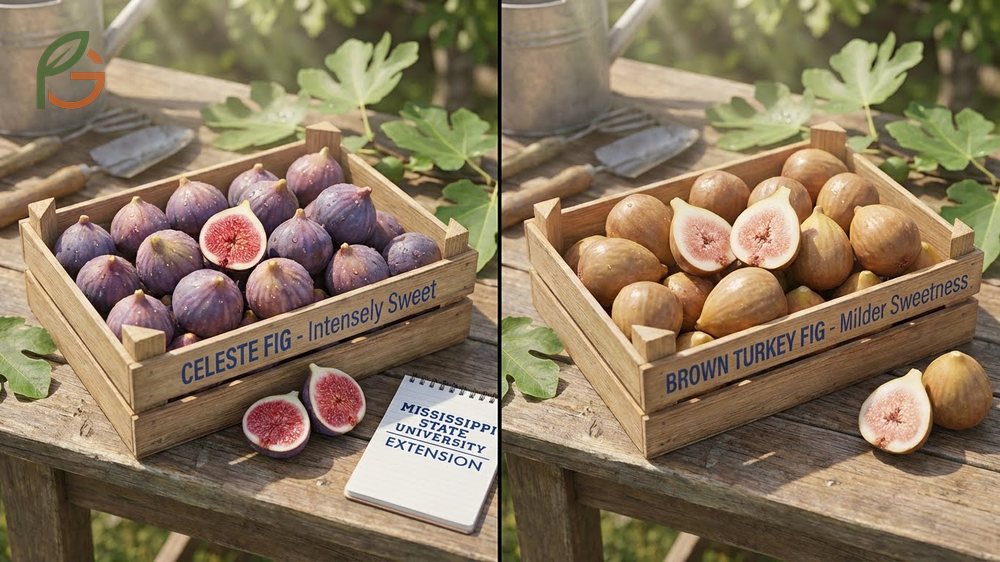
Gardeners frequently compare Celeste and Brown Turkey figs when selecting their first variety. Research from Mississippi State University Extension provides clear distinctions between these popular choices[4]. Celeste produces small, intensely sweet fruits with light brown to violet-bronze skin and pink pulp. Brown Turkey yields medium-sized fruits with light brown skin and milder, less concentrated sweetness.
Cold hardiness represents the most significant difference—Celeste ranks as the most cold-hardy variety available for southern gardens, while Brown Turkey shows moderate hardiness. The LSU AgCenter notes that Brown Turkey fruit size exceeds Celeste but the eye isn’t as tightly closed, increasing vulnerability to souring and splitting in humid climates. Celeste’s main crop ripens earlier than Brown Turkey, typically finishing before Brown Turkey begins its 60-day ripening period.
This table compares fruit characteristics, hardiness, and growing traits of Celeste and Brown Turkey fig varieties across six categories
| Characteristic | Celeste | Brown Turkey |
|---|---|---|
| Fruit Size | Small, pear-shaped | Medium to large |
| Skin Color | Light brown to violet-bronze | Light brown |
| Flavor Profile | Very sweet, concentrated | Mild, sweet |
| Cold Hardiness | Most cold-hardy southern variety[4] | Moderate, less hardy than Celeste |
| Ripening Period | Early to mid-summer | Late August to early October, 60-day period[4] |
| Splitting Resistance | High (closed eye) | Lower (more open eye) |
For humid climates with summer rainfall, Celeste performs more reliably due to its closed eye that resists moisture infiltration and souring. Brown Turkey excels in drier western regions where its larger fruit size and extended harvest window provide advantages. Both varieties grow vigorously and produce abundantly, making either a solid choice for beginners based on regional climate conditions.
Planting, Care, and Harvest Guide
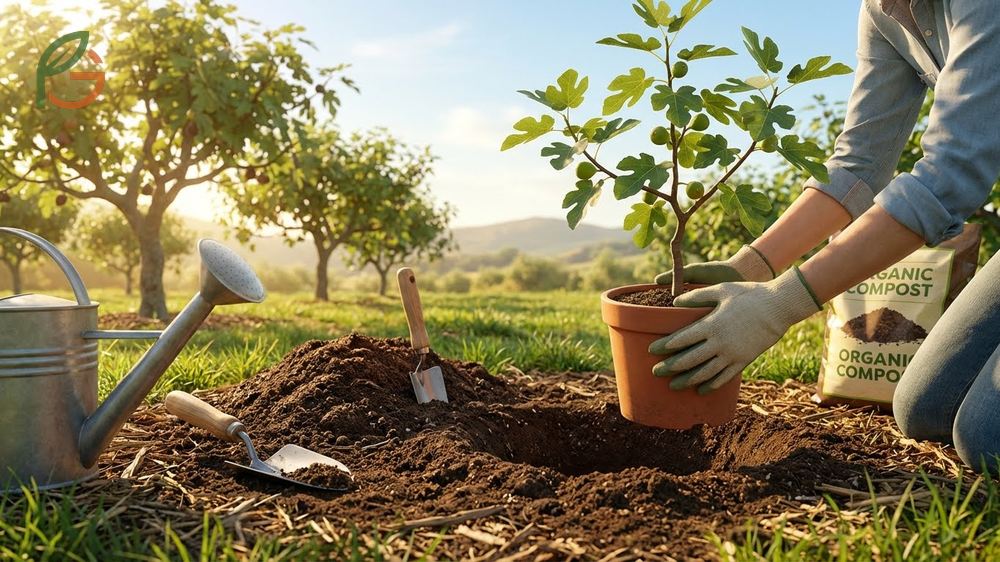
Successful fig cultivation starts with proper site selection and planting technique. Choose a location with full sun exposure for 6-8 hours daily and protection from strong winds. Dig a planting hole three times the width of the root ball but only as deep—you don’t want the crown sitting below soil level. Mix native soil with compost to improve drainage and provide initial nutrients.
After planting, water deeply to settle soil and eliminate air pockets around roots. During the first growing season, maintain consistent moisture without overwatering. Established fig trees tolerate drought but produce better with regular watering during fruit development. Apply 2-4 inches of mulch around the base to conserve moisture and regulate soil temperature, keeping mulch pulled back from the trunk.
- Fertilization: Apply slow-release balanced fertilizer in early spring when new growth begins. Avoid excessive nitrogen, which promotes leafy growth at the expense of fruit production.
- Watering: Deep watering once weekly during growing season. Reduce frequency in fall. Container figs need more frequent watering than in-ground trees.
- Pruning: Light annual pruning in late winter removes dead wood and maintains shape. Avoid heavy pruning, which reduces current season’s crop.
- Winter Protection: In marginal zones, wrap young trees with burlap or move containers to protected locations when temperatures drop below 15°F (-9°C).
- Pest Management: Monitor for fig rust (leaf spots) in humid regions. Birds pose the main harvest threat—netting protects ripening fruit.
Fig harvest timing requires attention to visual cues rather than calendar dates. Ripe figs droop on their stems with the neck beginning to shrivel and bend downward. The skin fully colors—brown, purple, or green depending on variety—and the fruit softens slightly when gently squeezed. Pick figs when they reach this stage, as they don’t ripen further after harvest. Most varieties fruit at 2-3 years old and increase production as trees mature.
Brown Turkey figs ripen from late August through early October[7], while early varieties like Celeste finish by mid-August. Cold hardy varieties often produce smaller crops that ripen in compressed timeframes since they fruit entirely on new growth each year. Check trees every 2-3 days during peak season to harvest fruits at optimal ripeness.
Conclusion
The evidence is clear: Brown Turkey fig trees offer exceptional versatility for home gardeners across zones 7-10, while cold hardy varieties like Chicago Hardy expand possibilities into zone 5. Your success depends on matching variety to climate, providing proper sun exposure and drainage, and understanding each cultivar’s specific strengths. Celeste delivers superior cold hardiness and sweetness for humid regions, while Brown Turkey provides larger fruits and extended harvest in moderate climates.
Current horticultural guidance emphasizes site selection and variety choice as the two most critical factors for productive fig cultivation. FruitGarden recommends starting with regionally proven varieties—Celeste or Brown Turkey for southern gardens, Chicago Hardy for northern zones, and Desert King for cool, wet climates. Container culture works exceptionally well for any fig variety when you provide adequate pot size and consistent care throughout the growing season.
Frequently Asked Questions
What is the fastest growing fig tree variety?
Brown Turkey ranks among the fastest-growing fig varieties, often reaching 6-8 feet in the first season under ideal conditions. This vigorous growth habit allows Brown Turkey to produce fruit on new wood even after winter damage kills older branches. Chicago Hardy also grows quickly and maintains productivity despite cold damage.
Can you grow fig trees in zone 6?
Yes, several fig varieties grow successfully in zone 6 with proper care. Chicago Hardy survives zone 5 winters and produces reliably in zone 6. Celeste and Olympian also tolerate zone 6 conditions, though they may experience some winter dieback. Container cultivation with winter protection works for any variety in zone 6.
How big do Brown Turkey fig tree fruits get?
Brown Turkey figs reach medium to large size, typically 2-3 inches in length when fully ripe. This makes them noticeably larger than small Celeste figs but similar in size to Black Mission. The fruit size qualifies Brown Turkey as a large-fruited variety compared to most fig cultivars grown in home gardens.
Do fig trees need cross-pollination?
No, common fig varieties including Brown Turkey, Celeste, Chicago Hardy, and most others are self-fertile and don’t require cross-pollination. A single fig tree produces abundant fruit without another variety nearby. This makes figs ideal for small yards where space limits planting multiple fruit trees.
Which fig tree is best for containers?
Any fig variety works well in containers when pot size is adequate. Research shows that container dimensions matter more than variety selection for successful pot culture. Choose 15-20 gallon containers with drainage holes for mature trees. Brown Turkey, Violette de Bordeaux, and Chicago Hardy all perform excellently in pots with proper care.
When is fig tree harvest time?
Fig harvest time varies by variety and climate. Brown Turkey ripens from late August through early October. Celeste finishes by mid-August. Desert King produces in late July. Harvest figs when they droop on stems, the neck begins to shrivel, and fruits soften slightly—they don’t ripen after picking.
What are green fig tree varieties?
Green fig varieties include Kadota, Italian Honey, and Desert King. These cultivars maintain green to yellow-green skin when ripe, unlike purple-brown types. Kadota produces small to medium yellow-green figs with amber flesh, popular for canning and preserves. Italian Honey offers extremely sweet, honey-colored flesh inside green skin.





