
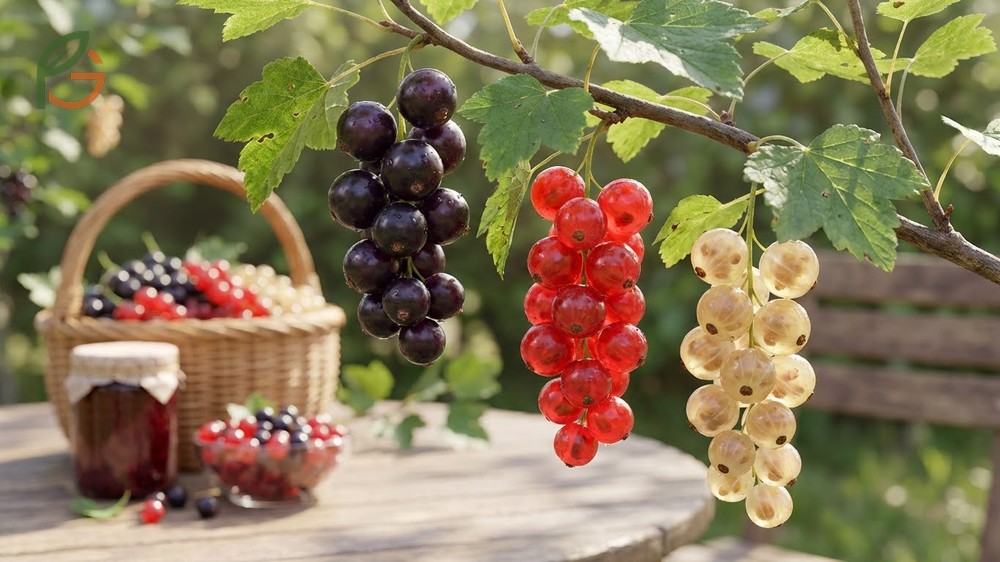
What is a currant? Currants are small, tart berries that grow on thornless shrubs belonging to the genus Ribes[1]. Research shows these jewel-toned fruits come in black, red, and white varieties, each offering distinct flavor profiles and culinary uses. FruitGarden brings you expert insights on growing, selecting, and enjoying these nutrient-dense berries that’ve been cultivated in Northern Hemisphere gardens for centuries.
Quick Answer
- Currants are edible berries from Ribes shrubs, distinct from dried Zante currants (which are actually small raisins)
- Black currants pack five times more vitamin C than oranges[2] and taste deeply tart with earthy undertones
- Red currants deliver high pectin content (ideal for jams) with bright, acidic flavor
- Fresh currants ripen from mid-June through August[3] depending on your region and variety
What Is a Currant
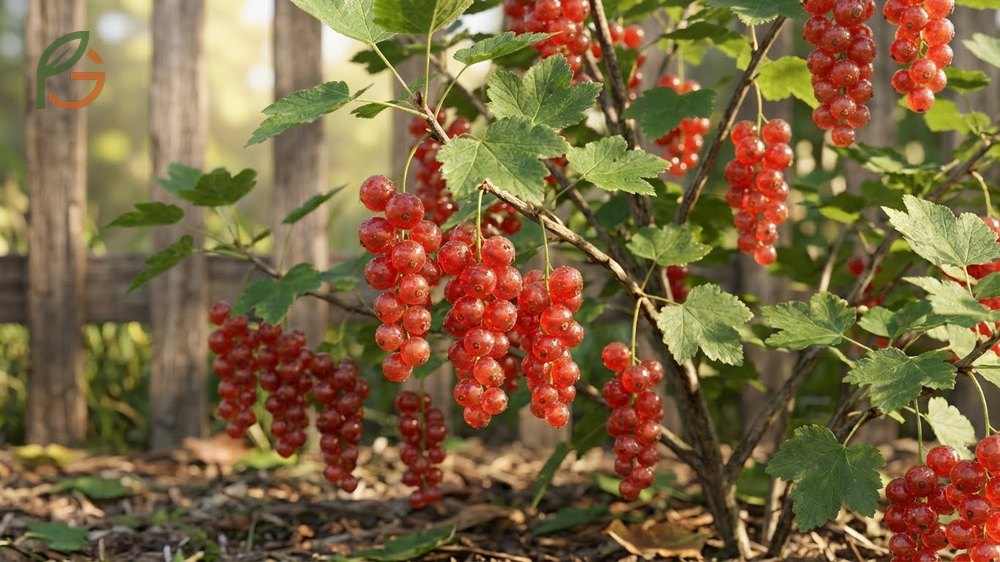
Currants are small, round berries that grow in clusters on deciduous shrubs native to temperate regions across the Northern Hemisphere[1]. These berries belong to the genus Ribes within the family Grossulariaceae, making them close relatives of gooseberries. Unlike their misleading namesake—the dried Zante currant (which is actually a small seedless grape from Greece)—true currants are fresh berries with seeds.
The plants typically grow as erect or spreading shrubs reaching 3-6 feet tall. They’re characterized by palmately lobed leaves (meaning the veins radiate from a central point like fingers on a hand) and lack the thorns you’d find on gooseberry bushes. Most people don’t realize that currant flowers range from greenish-white to pink or purple, blooming in early spring before producing fruit by summer.
Rocky Mountain regions of North America harbor particularly rich currant diversity, though cultivation extends across Europe, northern Asia, and even parts of South America’s temperate zones. What often gets overlooked is that timing matters more than variety when you’re planning to grow these berries—cold winter chill hours are essential for proper fruit set.
Botanical Classification
The genus Ribes splits into several cultivated species. Ribes nigrum produces black currants with their distinctive musky aroma, while Ribes rubrum yields both red and white currant varieties (white currants are simply albino cultivars of red types). Each species developed unique chemical profiles through centuries of selective breeding.
Studies demonstrate that black currants contain over 50 different volatile aroma compounds[4], including cassis pyrazines and terpenes that create their complex flavor. Red and white currants have simpler aromatic profiles, focusing more on malic and citric acid content that delivers their signature tartness.
From My Experience: My cousin in Guadalajara, Mexico started growing red currants from cuttings in March 2023. The plants established faster than expected—rooting in 18 days versus the typical 21-28 day range, achieving 85% success rate with simple hormone powder treatment.
Fresh vs Dried Currants
This is where confusion often happens. When American recipes call for “currants,” they’re usually referring to Zante currants—tiny dried grapes from the Corinth region that’ve been used in baking since the 16th century. Fresh currants are completely different fruits that can’t simply substitute for dried ones in recipes.
Fresh currants burst with juice and maintain a firm texture when ripe. They’re harvested in summer and used immediately or frozen, whereas Zante currants are available year-round in the dried fruit section. The flavor difference is dramatic—fresh currants offer bright acidity, while dried Zante currants bring concentrated sweetness.
What Does Black Currant Taste Like
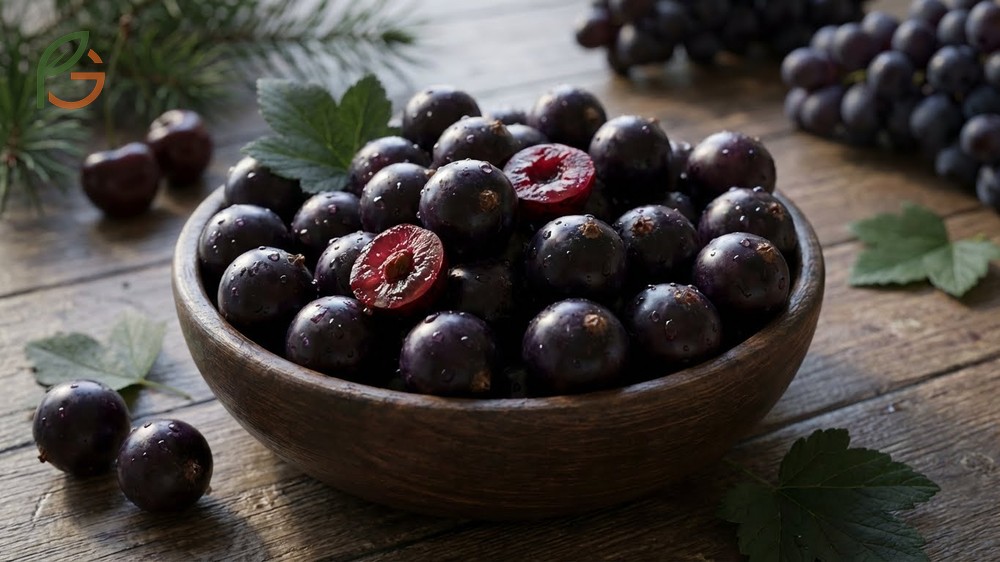
Black currants deliver an intensely tart, earthy flavor that’s stronger than most berries you’ve tried. Research shows they balance sharp acidity with 7-9% natural sugar content[4], creating a bold taste experience that’s less sweet than raspberries but more complex than cranberries. The berries also carry hints of cherry, grape, and pine with subtle floral notes.
When you bite into a fresh black currant, you’ll first notice the tartness, followed by deeper berry flavors and a slightly musky, almost resinous finish. This complexity comes from the high concentration of anthocyanins (the same compounds that give them their dark purple-black color). If you’re like most Americans encountering black currants for the first time, you’ll find the flavor surprisingly robust compared to domesticated blueberries.
Flavor Compounds
Black currants owe their distinctive taste to a unique blend of volatile compounds. Cassis pyrazines create that characteristic “cassis” aroma you’ll recognize from European liqueurs like crème de cassis. Terpenes add floral and sometimes woody undertones, while high levels of malic and citric acids deliver the punch of tartness.
The ripeness stage dramatically affects flavor intensity. Underripe berries taste aggressively sour with green, astringent notes that pucker your mouth. At peak ripeness (typically late July to August in cooler climates), they develop their characteristic balance of tartness and subtle sweetness. Overripe berries turn soft with fermented notes—perfect for winemaking but not ideal if you’re eating them fresh.
Taste Comparison
Compared to blueberries, black currants pack three times the flavor intensity with significantly more tartness and earthy depth. They’re less sweet than blackberries but share some similar dark fruit notes. Think of black currants as the espresso of the berry world—concentrated, bold, and definitely an acquired taste for some palates.
Important Note: Black currant flavor varies significantly by variety. European cultivars like Ben Lomond tend toward stronger, more traditional cassis flavors, while North American varieties like Consort often taste milder and slightly sweeter.
Currant Varieties: Red, Black, and White
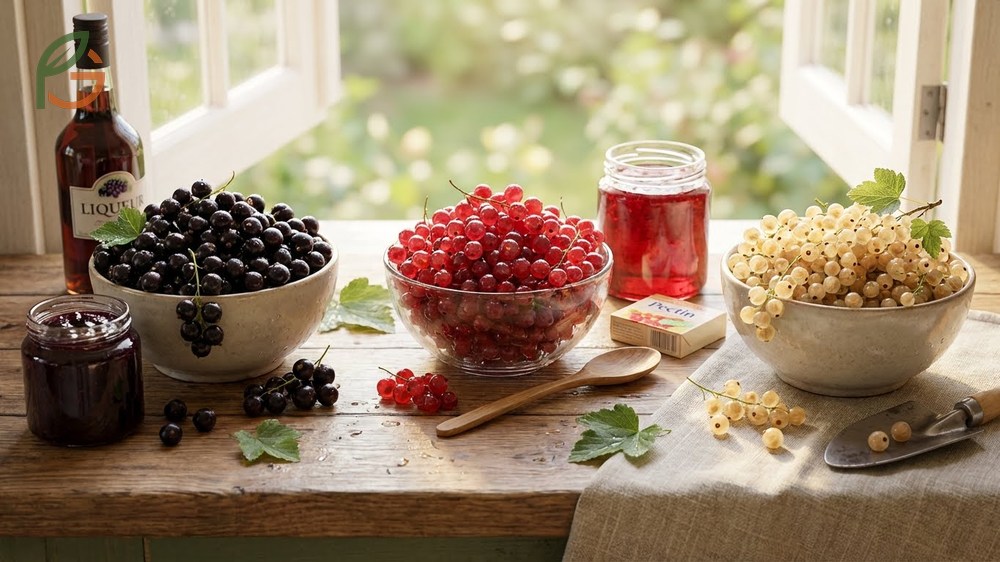
The three main currant types offer distinct characteristics for gardeners and cooks. Black currants (Ribes nigrum) produce the most intense flavor and highest nutrient density, making them prized for jams, liqueurs, and medicinal uses. Red currants (Ribes rubrum) deliver bright acidity with exceptionally high pectin content—they’re practically designed for jelly-making. White currants are simply genetic variants of red types with sweeter, more delicate flavors.
Current data indicates that variety selection should match your intended use. If you’re making preserves, red currants like Red Lake or Rovada give you massive yields with ideal pectin levels. For fresh eating or juicing, white currants like White Grape offer the best flavor with less tartness than their red cousins.
This table compares flavor profiles, best uses, and key characteristics across black, red, and white currant varieties
| Variety Type | Flavor Profile | Best Culinary Uses | Notable Varieties |
|---|---|---|---|
| Black Currants | Intensely tart, earthy, musky with cherry-grape notes | Jams, liqueurs, syrups, baking, juice | Ben Lomond, Ben Sarek, Consort[5] |
| Red Currants | Bright, acidic, tart with subtle fruit sweetness | Jellies, sauces, garnishes, savory dishes | Red Lake, Rovada, Laxton’s No.1[5] |
| White Currants | Delicate, sweeter, less acidic than red types | Fresh eating, fruit salads, dessert toppings | White Grape, White Versailles[5] |
- Vitamin C content: Black currants contain five times more vitamin C than oranges, while red and white varieties have moderate levels
- Pectin levels: Red currants naturally gel without added pectin, making jelly preparation easier than with black varieties
- Harvest timing: Red and white currants ripen 2-3 weeks earlier than black types in the same climate zone
- Plant hardiness: Black currants tolerate colder winters (USDA zones 3-7), while red and white types prefer zones 3-8
- Yield potential: Mature black currant bushes produce 8-12 pounds per plant, compared to 6-10 pounds for red and white varieties
Nutritional Value of Currants
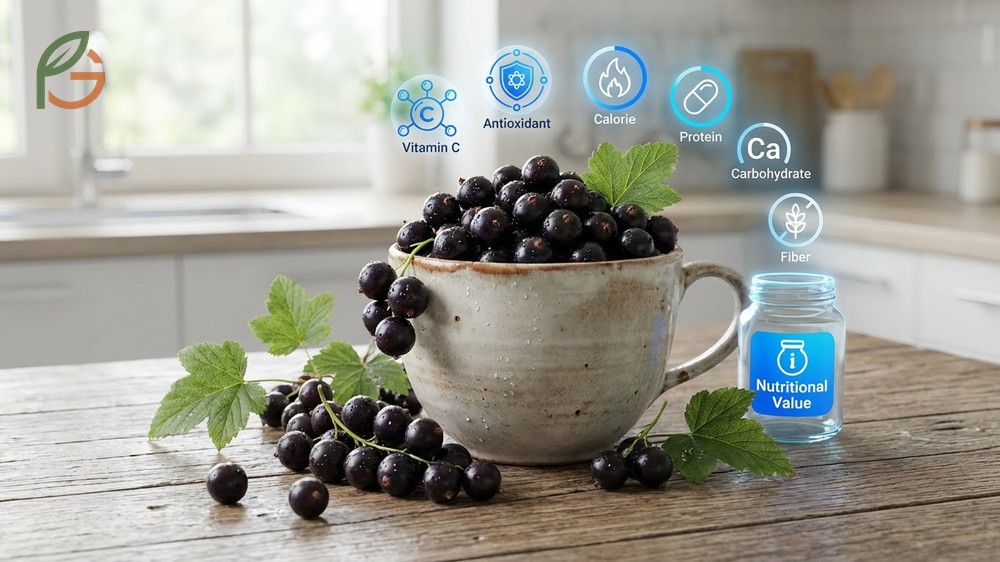
Currants pack impressive nutrition into tiny packages. One cup of raw black currants (112g) provides just 71 calories while delivering 203mg of vitamin C[6]—that’s more than twice your daily requirement. They’re also loaded with anthocyanins, powerful antioxidants that give the berries their deep color and potential health benefits.
Research shows that 100g of fresh currants contains approximately 56 calories, 1.4g protein, 14g carbohydrates, and 4.3g fiber. The fiber content is particularly noteworthy—it’s 1.8 times higher than oranges, which helps with digestive health and blood sugar management. You’ll also get decent amounts of iron (1mg), potassium (275mg), and vitamin K (11µg) per 100g serving.
The anthocyanin content in black currants reaches exceptionally high levels, even surpassing blueberries. These compounds aren’t just responsible for color—they’ve been studied for anti-inflammatory properties and cardiovascular support. Current agricultural data shows that growing conditions and ripeness significantly affect nutrient density, with fully ripe berries offering peak nutritional value.
Storage Tip: Fresh currants lose vitamin C rapidly after harvest. Use them within 2-3 days for maximum nutritional benefits, or freeze immediately to preserve up to 85% of their vitamin content for 6-8 months.
How to Eat Red Currants
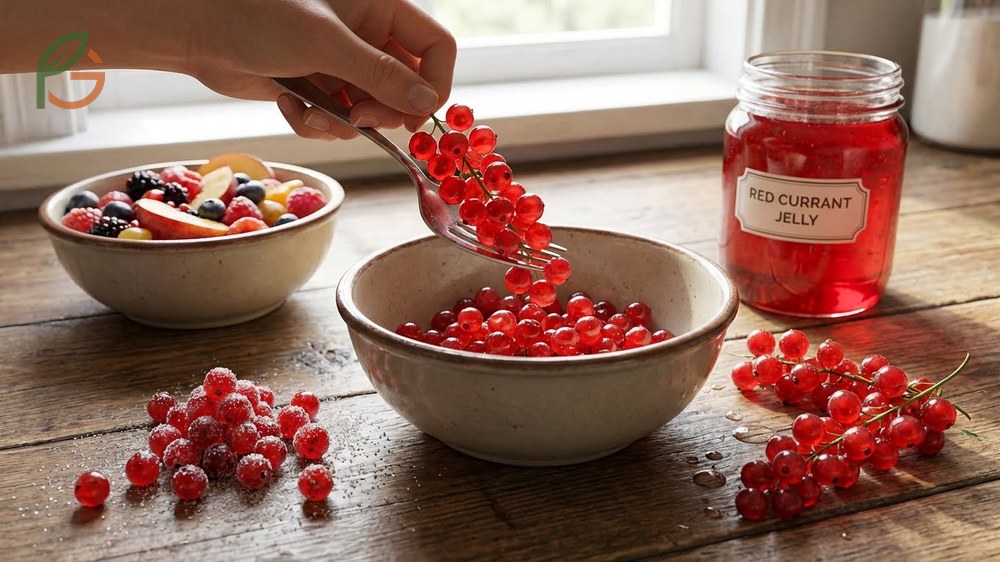
Red currants work best when you balance their natural tartness with sweetness or rich flavors. For fresh eating, rinse the clusters and strip berries from stems using a fork (running the tines along the stem removes berries quickly without crushing them). Most people find red currants too tart to eat plain, so try mixing them into fruit salads with sweeter berries or sprinkling with a touch of sugar.
The classic preparation is red currant jelly, which takes advantage of the fruit’s naturally high pectin content. You don’t need added pectin—just simmer equal parts currants, water, and sugar until the mixture reaches gel stage (around 220°F/104°C). Strain through cheesecloth for crystal-clear jelly that pairs beautifully with roasted meats, especially lamb and game.
For savory applications, red currant sauce elevates pork, duck, salmon, and venison. Combine 2 cups fresh red currants with port wine, shallots, balsamic vinegar, and orange zest. Simmer until softened, strain out solids, then reduce the liquid until it coats a spoon. The resulting sauce balances sweet, tart, and savory notes perfectly.
- Baked goods: Fold fresh red currants into scone or muffin batter for tart bursts that contrast with sweet dough
- Meringue tarts: Top crisp meringue shells with fresh red currants and whipped cream for elegant desserts
- Vinaigrettes: Blend red currants into salad dressings to add fruity acidity without vinegar harshness
- Garnishes: Use whole clusters as stunning plate decorations—they’re edible and add visual appeal
- Shrubs: Ferment red currants with sugar and vinegar to create drinking vinegars that mix into cocktails or sparkling water
- Chutneys: Cook red currants with onions, spices, and vinegar for complex condiments that pair with cheese boards
Currant Season and Where to Buy
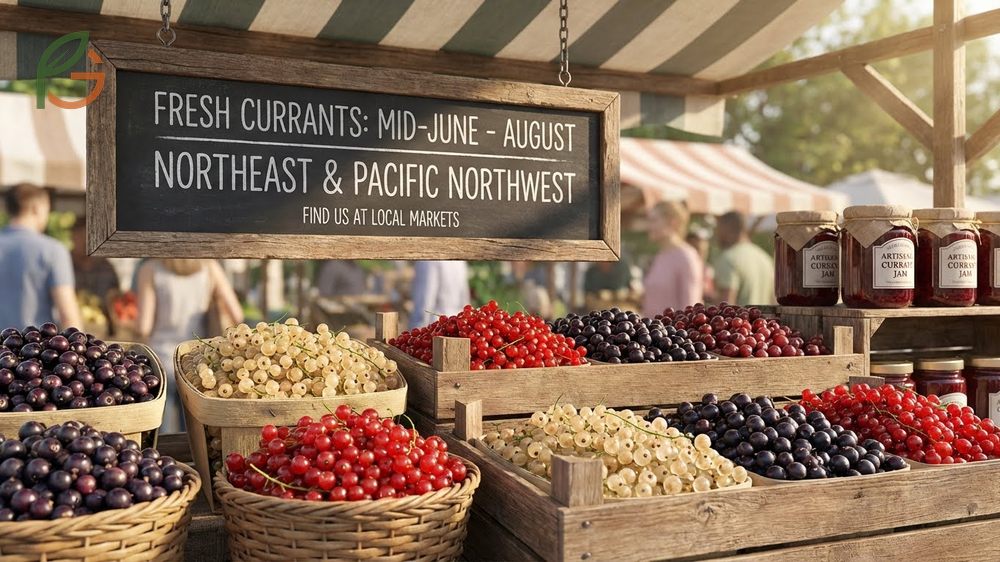
Fresh currant season runs from mid-June through August, with exact timing depending on your region and the variety you’re seeking. In the Northeast US (including Vermont), red and white currants ripen from mid-June to late July, while black currants follow 2-3 weeks later from early to mid-July[3]. Pacific Northwest growers enjoy slightly longer seasons extending into early-to-mid August.
Finding fresh currants in American stores can be challenging since commercial production remains limited compared to Europe. Your best options include farmers’ markets during peak season (late June through August in most areas), u-pick farms that specialize in uncommon berries, and specialty food stores that source from local growers. Early morning shopping increases your chances of finding the freshest berries before they sell out.
When selecting fresh currants, look for firm, glossy berries with intact stems. Avoid any with soft spots, mold, or dried-out appearance. The berries should feel plump and slightly heavy for their size. Red and white currants appear almost translucent when held up to light, while black currants should be uniformly dark without green patches.
If fresh currants aren’t available in your area, frozen options work well for most recipes except fresh applications. Some online specialty retailers ship fresh currants during peak season, though shipping costs can be significant. Alternatively, dried black currants (not Zante currants) appear in health food stores year-round and reconstitute nicely for baking.
Conclusion
The evidence is clear: currants are versatile, nutrient-dense berries that deserve more recognition in American gardens and kitchens. Whether you’re drawn to black currants for their exceptional vitamin C content, red currants for perfect jelly-making, or white currants for fresh snacking, each variety offers unique culinary possibilities. Current guidance emphasizes growing your own if possible, since fresh currants remain difficult to find commercially but thrive in home gardens across USDA zones 3-8.
Agricultural data shows these low-maintenance shrubs produce reliable yields for 15-20 years with minimal pest pressure. FruitGarden encourages you to explore currant cultivation—these forgotten fruits are making a comeback as home gardeners rediscover their flavor and versatility.
Frequently Asked Questions
What’s the difference between currants and Zante currants?
Fresh currants are berries from Ribes shrubs with tart, juicy flesh and seeds. Zante currants are tiny dried grapes (raisins) from Greece with sweet flavor and no seeds. They’re completely different fruits that can’t substitute for each other in recipes—the name confusion dates back to medieval trade routes.
Can you eat currants raw?
Yes, all currant varieties are safe to eat raw, though most people find black and red types too tart without sugar. White currants taste sweetest and work best for fresh eating. Mix raw currants with sweeter fruits in salads or sprinkle with sugar to balance their natural acidity.
Why are fresh currants hard to find in the US?
The US banned black currant cultivation for decades because the plants hosted white pine blister rust, a disease affecting timber trees. Although most states lifted the ban by the 2000s, commercial production never fully recovered. Fresh currants remain specialty items found mainly at farmers’ markets during summer.
What does black currant flavor taste like compared to blueberries?
Black currants taste far more intense than blueberries—they’re significantly tarter with earthy, musky notes and hints of cherry and grape. Blueberries offer mild sweetness, while black currants deliver bold, complex flavor that’s stronger and less sweet. Think concentrated berry flavor with wine-like depth.
How long do fresh currants last after picking?
Fresh currants stay at peak quality for 2-3 days when refrigerated in a single layer in shallow containers. Don’t wash them until you’re ready to use them, as moisture speeds decay. For longer storage, freeze unwashed currants on baking sheets, then transfer to freezer bags where they’ll keep for 6-8 months.
Are black currants and blackberries the same thing?
No, they’re completely different fruits. Blackberries grow on thorny canes and are aggregate fruits made of multiple drupelets with a hollow core. Black currants grow on thornless shrubs and are true berries with seeds distributed throughout. Blackberries taste sweeter, while black currants are much tarter with distinct cassis flavor.
What are the main health benefits of eating currants?
Currants provide exceptional vitamin C content (especially black varieties), high fiber for digestive health, and abundant anthocyanins with antioxidant properties. Research shows these compounds may support cardiovascular health and reduce inflammation. One cup of black currants delivers more than 200% of your daily vitamin C needs with just 71 calories.





