
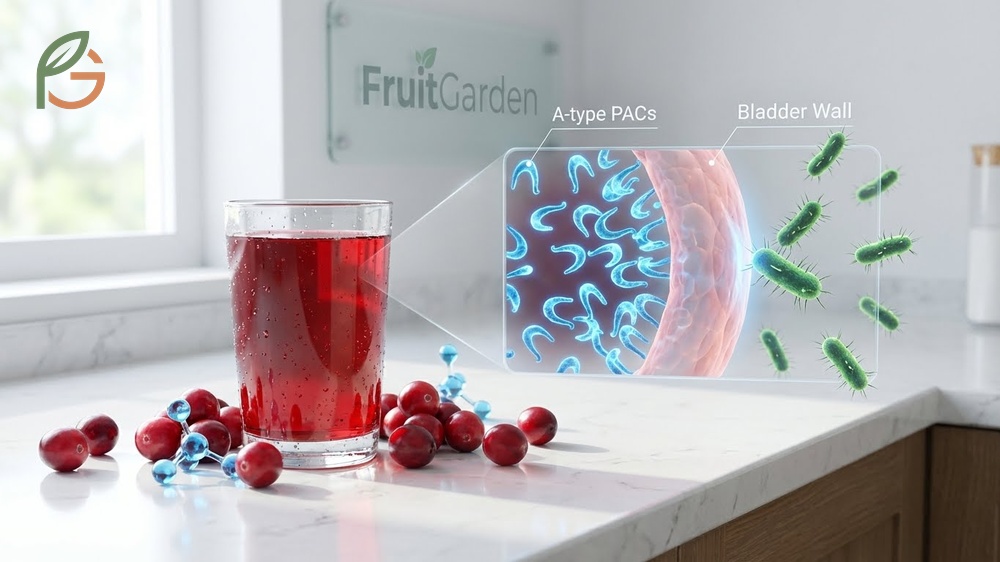
Why does cranberry juice help UTI? Research shows that cranberry juice contains unique A-type proanthocyanidins (PACs) that prevent uropathogenic E. coli bacteria from adhering to bladder walls, reducing infection risk by up to 54%[1]. Studies demonstrate that consuming at least 36mg of PACs daily for 12-24 weeks provides clinically significant protection against urinary tract infections[2]. FruitGarden synthesizes current research on cranberries and other fruit-based approaches to urinary health, helping readers understand how natural compounds work at the molecular level.
Quick Answer
- Cranberry juice reduces UTI risk by 54% compared to no treatment[1]
- A-type PACs block E. coli adhesion to bladder walls through anti-adhesion mechanism[3]
- Minimum 36mg PACs daily needed for effectiveness over 12-24 weeks[2]
- Cranberry juice also lowers antibiotic use by 59% compared to no treatment[1]
Why Does Cranberry Juice Help UTI
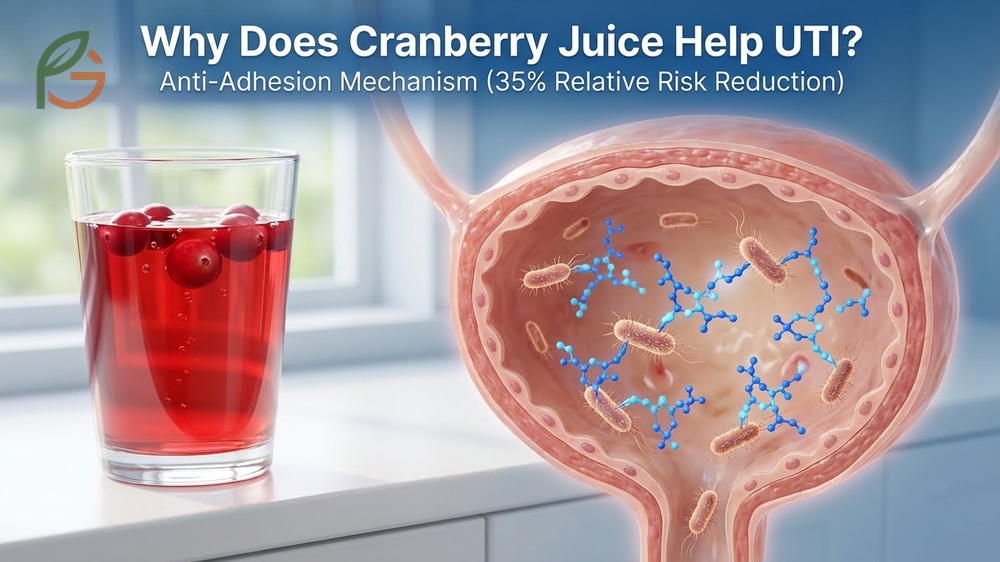
Cranberry juice works against urinary tract infections through a specific anti-adhesion mechanism rather than killing bacteria directly. The juice contains specialized compounds called A-type proanthocyanidins that act as receptor analogs, preventing E. coli bacteria from latching onto the cells lining your bladder and urinary tract[3].
Current data indicates that women who consume cranberry juice experience a 35% relative risk reduction compared to those using cranberry capsules or tablets[4]. The liquid form appears more effective because it provides better bioavailability and direct contact with urinary tract tissues. This protective effect doesn’t happen overnight—you’ll need consistent consumption for 12 to 24 weeks to see meaningful results.
Studies demonstrate that cranberry products work best in susceptible populations, particularly women with recurrent UTIs. The compounds remain active in your urinary tract for several hours after consumption, creating an environment where bacteria can’t establish the foothold they need to cause infection.
The Bacterial Adhesion Problem
E. coli bacteria cause approximately 80-90% of all urinary tract infections. These bacteria don’t just float freely in your bladder—they actively try to anchor themselves to the tissue lining using specialized adhesive structures. Once attached, they’re much harder for your body to flush out naturally through urination.
The attachment process involves hair-like appendages called type 1 pili that extend from the bacterial surface. Each E. coli cell has about 10-12 of these pili, and at the tip of each sits a protein called FimH that acts like a molecular hook[5]. This hook binds to mannose sugars on the surface of bladder cells, creating a strong connection that allows bacteria to resist the flushing action of urine.
Most people don’t realize that timing matters when it comes to bacterial adhesion. Within the first 6-12 hours after E. coli enters your bladder, the bacteria race to establish these adhesive connections. If they succeed, they can begin multiplying rapidly and forming protective communities called biofilms.
Important Note: Cranberry juice doesn’t kill bacteria that have already attached to your bladder wall or treat active infections. It works preventively by blocking new bacteria from establishing adhesion in the first place.
How A-Type PACs Work
A-type proanthocyanidins interfere with bacterial adhesion by changing the surface properties of E. coli cells themselves. These compounds don’t target your bladder cells—instead, they bind to the bacterial pili and alter their structure, making it difficult or impossible for the FimH adhesin proteins to grip onto mannose receptors.
Research shows that cranberry PACs maintain their anti-adhesion activity even after passing through your digestive system and entering your urinary tract. The compounds appear in urine within 1-2 hours of consumption and remain detectable for 8-12 hours, providing an extended window of protection[6].
What often gets overlooked is that the A-type linkage structure in cranberry PACs is crucial for this effect. Other fruits contain B-type proanthocyanidins that don’t provide the same anti-adhesion benefits, which explains why you can’t simply substitute grape juice or apple juice and expect similar results.
Proanthocyanidins in Cranberries
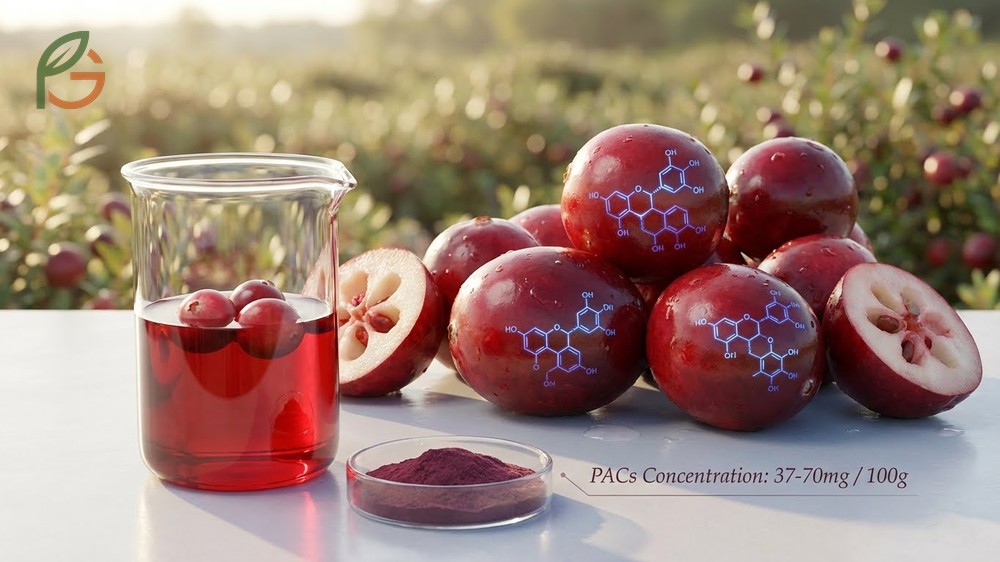
Proanthocyanidins (PACs) are complex flavonoid compounds found in various fruits, but cranberries contain a uniquely high concentration of the A-type variant. These compounds concentrate primarily in the cranberry skin, making up only a small percentage of the fruit’s total weight—typically between 37-70mg per 100g of fresh cranberries depending on growing region[7].
The concentration process matters significantly. To achieve therapeutic levels, manufacturers typically need to concentrate cranberry extracts by a factor of 50-200 times. This explains why some cranberry juices on grocery store shelves might not provide enough PACs to be effective—dilution and processing can drastically reduce active compound levels.
Current guidance emphasizes the importance of verified PAC content. The USDA and other organizations now recommend the DMAC (4-dimethylaminocinnamaldehyde) testing method as the gold standard for accurately measuring A-type PAC levels in cranberry products. Many products on the market don’t disclose their PAC content or use inferior testing methods that overestimate actual levels.
PAC Content Requirements
Evidence suggests that you need at least 36mg of A-type PACs daily to achieve clinically meaningful UTI prevention[2]. This threshold emerged from the first meta-analysis to specifically examine the relationship between PAC dose and infection rates across multiple clinical trials. Below this level, the anti-adhesion effect isn’t strong enough to provide significant protection.
Most commercial cranberry juice cocktails contain only 10-20% actual cranberry juice, which translates to roughly 15-30mg of PACs per 8-ounce serving. This means you’d need to drink multiple servings daily to reach the therapeutic threshold. Pure cranberry juice or concentrated cranberry supplements typically provide higher PAC levels per serving.
- Growing region and soil conditions influence baseline PAC levels in fresh cranberries
- Processing methods, including heat treatment and filtration, can degrade or remove PACs
- Storage time and conditions affect PAC stability in finished products
- Added ingredients and dilution ratios in juice cocktails reduce PAC concentration
- Verification testing using DMAC method ensures accurate PAC content labeling
Why Cranberry Is Unique
Cranberries stand apart from other berries because they’re virtually the only common food source of A-type proanthocyanidins. Blueberries, grapes, apples, and other dark-colored fruits contain abundant B-type PACs, but these lack the specific molecular structure needed for bacterial anti-adhesion activity in the urinary tract.
The difference lies in the chemical bonds between flavonoid units. A-type PACs have both C4→C8 and C2→O→C7 linkages, while B-type PACs only have the C4→C8 connection. This additional ether bond in A-type PACs creates a more rigid, curved molecular shape that’s particularly effective at interfering with bacterial adhesin proteins.
Agricultural data shows that even within cranberry varieties, PAC content varies based on cultivar selection and growing conditions. Oregon-grown cranberries tend to have the highest PAC levels at around 70mg per 100g, while Wisconsin cranberries average closer to 37mg per 100g. This variation explains why products made from different cranberry sources might have different efficacy levels.
How E. coli Causes UTI
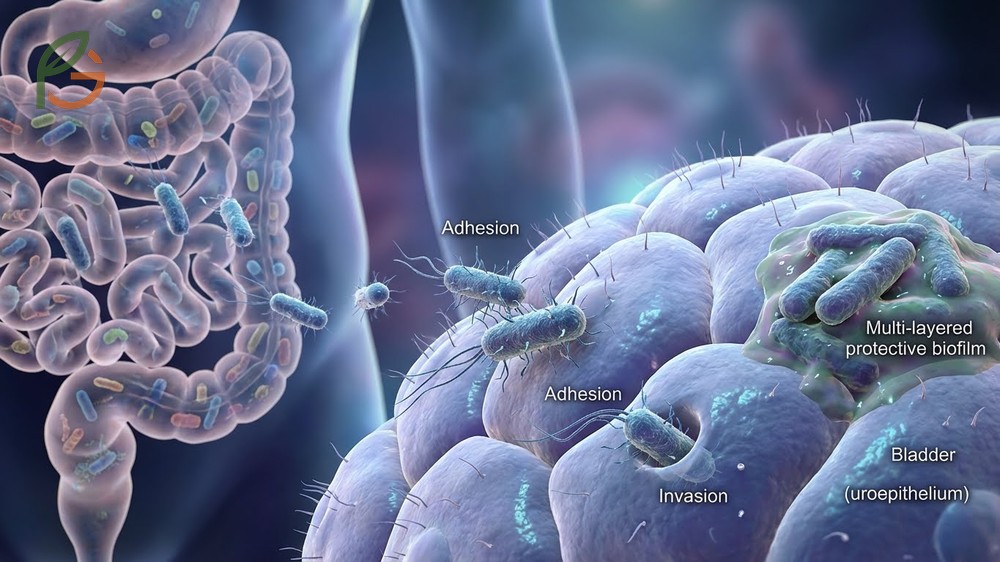
Uropathogenic E. coli (UPEC) strains have evolved sophisticated mechanisms for invading and colonizing the urinary tract. These bacteria don’t simply enter the bladder and start multiplying—they follow a carefully orchestrated infection strategy that involves adhesion, invasion, and biofilm formation. Understanding this process helps explain why cranberry’s anti-adhesion approach can be so effective.
The infection typically begins when E. coli from the intestinal tract enters the urethra and travels upward to the bladder. In women, the shorter urethra and its proximity to the anal area make this transfer more likely, which is why women experience UTIs at rates 30 times higher than men. Once in the bladder, bacteria face the challenge of surviving the regular flushing action of urination.
Research across clinical populations demonstrates that the first 24-48 hours after bacterial entry are critical. During this window, E. coli must successfully adhere to bladder tissue to avoid being washed out. Bacteria that fail to attach get eliminated naturally through normal urination patterns.
Bacterial Pili Attachment
Type 1 pili represent the primary adhesion tool for UPEC strains. Each pilus extends 1-2 micrometers from the bacterial cell surface and terminates in a specialized tip structure containing the FimH adhesin protein. This protein has a pocket-like binding site specifically shaped to recognize and grip mannose sugar molecules on bladder cell surfaces.
The binding isn’t random—it’s remarkably specific and strong. Studies show that FimH-mannose interactions can withstand significant mechanical force, including the shear stress created by flowing urine. This tight binding allows bacteria to maintain their position even as urine passes over them at velocities that would normally dislodge unattached cells.
What complicates treatment is that UPEC strains express multiple types of adhesive structures for different infection stages. After initial attachment via type 1 pili, some strains deploy additional pili types (like F9 pili) that target different receptors exposed during bladder inflammation. This multi-stage adhesion strategy helps bacteria adapt to changing conditions as infection progresses.
Key Insight: Bacterial adhesion happens within hours of entering the bladder. Regular cranberry juice consumption creates a protective environment before bacteria have a chance to attach, which is why it works preventively rather than therapeutically.
Biofilm Formation
Once attached, UPEC bacteria begin forming biofilms—structured communities encased in a protective polymer matrix. This matrix consists of proteins, polysaccharides, and extracellular DNA that create a thick, viscous coating around bacterial colonies[8]. The biofilm provides multiple survival advantages that make infections much harder to treat.
Bacteria within biofilms become 100-1,000 times more resistant to antibiotics compared to free-floating cells. The polymer matrix acts as a physical barrier that prevents antimicrobial drugs from reaching bacterial cells at effective concentrations. Additionally, cells deep within the biofilm enter a dormant state with slower metabolism, making them less vulnerable to antibiotics that target actively dividing cells.
Biofilms also shield bacteria from your immune system. The thick matrix prevents antibodies and immune cells from accessing bacterial surfaces, essentially creating a protective fortress. This immune evasion allows bacteria to persist for weeks or months, leading to chronic or recurrent infections that are notoriously difficult to eliminate.
- Polymer matrix blocks antibiotic penetration, requiring 100-1,000x higher drug concentrations
- Dormant bacterial cells within biofilms resist treatments targeting cell division
- Physical barrier prevents antibodies and phagocytic cells from reaching bacteria
- Bacteria can detach from biofilms periodically, causing recurrent infection episodes
- Catheter-associated biofilms develop within hours of catheter insertion
- Mature biofilms resist physical removal through normal urination
Current research indicates that preventing initial bacterial adhesion is far more effective than trying to disrupt established biofilms. This makes cranberry juice’s anti-adhesion mechanism particularly valuable as a preventive strategy, especially for people prone to recurrent UTIs.
Additional Mechanisms
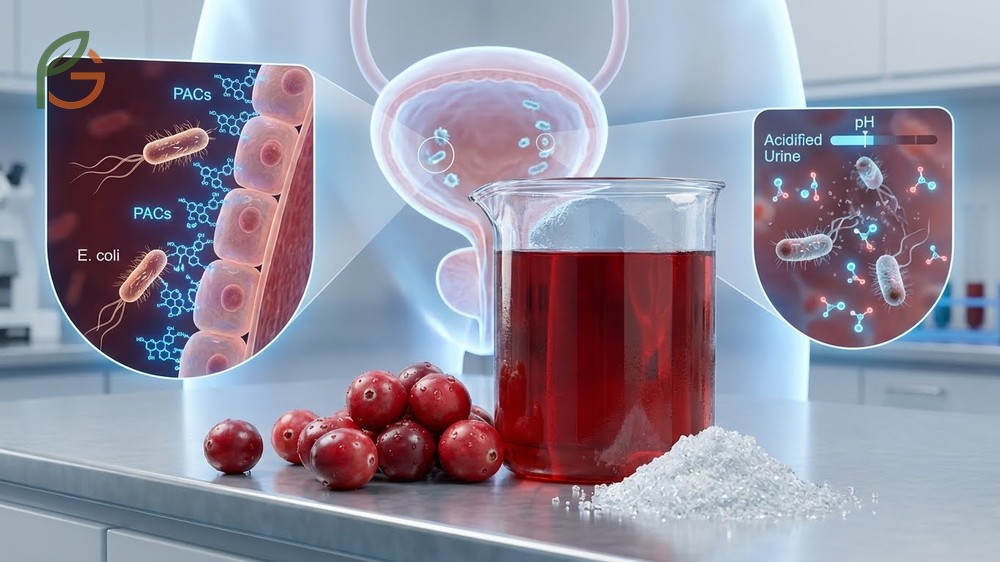
Beyond the primary anti-adhesion effect, cranberry juice contributes to urinary health through secondary mechanisms that create a less hospitable environment for bacterial growth. These complementary actions work together with PAC-mediated adhesion blocking to provide broader protection against UTIs.
Cranberry juice acidifies urine due to its chemical composition, particularly its content of quinic acid and other organic acids. Studies show that consuming cranberry juice can lower urinary pH by 0.5-1.0 units[9]. This acidification creates mildly acidic conditions (pH 5.5-6.5) that inhibit bacterial multiplication, though this effect is less significant than the anti-adhesion mechanism.
The increased fluid intake associated with drinking cranberry juice provides mechanical flushing benefits. More frequent urination helps flush out bacteria before they establish adhesion, reducing bacterial load in the bladder. However, research demonstrates that cranberry juice provides superior outcomes compared to equal volumes of placebo liquids, confirming that the active compounds matter more than hydration alone.
Some evidence suggests that cranberry compounds may affect bacterial gene expression and virulence factor production. PACs might downregulate the expression of adhesion proteins and other molecules that bacteria use to cause infection. This creates an additional layer of protection beyond simply blocking adhesion sites.
This table compares the primary and secondary mechanisms by which cranberry juice helps prevent urinary tract infections, including their relative effectiveness and time to effect
| Mechanism | How It Works | Effectiveness | Time to Effect |
|---|---|---|---|
| A-type PAC Anti-adhesion | Blocks E. coli pili from binding to bladder walls | High – Primary mechanism | 1-2 hours after consumption |
| Urinary Acidification | Lowers pH to inhibit bacterial multiplication | Moderate – Secondary effect | 2-4 hours after consumption |
| Mechanical Flushing | Increased fluid volume flushes bacteria out | Low – Any liquid helps | Immediate with voiding |
| Biofilm Prevention | Stops adhesion before biofilm formation begins | High – Indirect benefit | Cumulative over 12-24 weeks |
Most people see the best results when they consume cranberry juice consistently rather than sporadically. The cumulative effect over weeks creates sustained protection that’s more effective than intermittent use. This pattern suggests that maintaining steady urinary PAC levels matters for optimal prevention.
Conclusion
The evidence is clear: why does cranberry juice help UTI comes down to its unique A-type proanthocyanidins that prevent E. coli adhesion to bladder walls, reducing infection risk by 54% when consumed consistently. You’ll need at least 36mg of PACs daily for 12-24 weeks to achieve meaningful protection, and juice forms appear more effective than capsules. The mechanism works preventively by blocking bacterial adhesion before biofilms can form, making it most valuable for people prone to recurrent infections.
Current guidance emphasizes choosing products with verified PAC content using DMAC testing methods. FruitGarden continues tracking research developments in cranberry cultivation, PAC extraction methods, and optimal dosing strategies to help growers and consumers understand how fruit-based compounds support urinary health through scientifically validated mechanisms.
Medical Disclaimer
Important Medical Disclaimer: This content is for informational and educational purposes only. It is not intended as a substitute for professional medical advice, diagnosis, or treatment. Always consult a qualified healthcare professional before using cranberry juice or any supplement to prevent or treat urinary tract infections, especially if you have existing medical conditions, take medications, or experience symptoms of active infection. Cranberry products don’t treat active UTIs and shouldn’t replace prescribed antibiotics when medically indicated.
Frequently Asked Questions
How Does Cranberry Juice Help UTI Compared to Antibiotics?
Cranberry juice works preventively by blocking bacterial adhesion, while antibiotics treat active infections by killing bacteria. Research shows cranberry juice reduces UTI risk by 54% and antibiotic use by 59% when used preventively, but it can’t replace antibiotics for treating existing infections. The juice works best as a long-term prevention strategy for people prone to recurrent UTIs, requiring 12-24 weeks of consistent use to achieve full protective effects.
Why Is Cranberry Juice Good for Urinary Tract Health?
Cranberry juice contains A-type proanthocyanidins that prevent E. coli bacteria from sticking to bladder walls, which is the critical first step in UTI development. These unique compounds aren’t found in other common fruits, making cranberry specific for urinary health. The juice also mildly acidifies urine and provides hydration benefits, though the anti-adhesion mechanism is the primary reason it’s effective for UTI prevention.
Does Cranberry Juice Help With pH Balance in the Urinary Tract?
Cranberry juice does lower urinary pH by approximately 0.5-1.0 units, creating mildly acidic conditions that inhibit bacterial growth. However, this pH effect is secondary to its primary anti-adhesion mechanism. The acidification helps create a less favorable environment for bacteria but isn’t the main reason cranberry juice prevents UTIs. People seeking pH balance should focus on getting adequate PAC content rather than relying solely on acidification effects.
How Much Cranberry Juice Do You Need to Prevent UTI?
You need at least 36mg of A-type proanthocyanidins daily to achieve clinically meaningful UTI prevention. Most cranberry juice cocktails contain 10-20% actual cranberry juice, providing about 15-30mg PACs per 8-ounce serving, so you’d need 2-3 servings daily. Pure cranberry juice or concentrated supplements provide higher PAC levels per serving. The key is consistent consumption for 12-24 weeks rather than sporadic use.
Why Does Cranberry Help With Bladder Infections but Other Juices Don’t?
Cranberry is virtually the only common fruit containing A-type proanthocyanidins with the specific molecular structure needed to block bacterial adhesion in the urinary tract. Other fruits like blueberries and grapes contain B-type PACs that lack the additional ether bond necessary for anti-adhesion activity. This unique chemical structure makes cranberry irreplaceable for UTI prevention—you can’t substitute other berry juices and expect the same results.
What Does Cranberry Juice Do to E. coli Bacteria?
Cranberry juice doesn’t kill E. coli bacteria directly. Instead, A-type PACs bind to the bacterial pili (hair-like structures) and alter their surface properties, preventing the FimH adhesin proteins at the tips from gripping mannose receptors on bladder cells. This makes bacteria unable to anchor themselves, so they get flushed out during normal urination before they can establish infection or form protective biofilms.
How Does Cranberry Prevent Biofilm Formation in Urinary Tract Infections?
Cranberry prevents biofilms indirectly by blocking the initial bacterial adhesion that biofilm formation requires. Bacteria must first attach to bladder walls before they can begin producing the protective polymer matrix that characterizes biofilms. By preventing this critical first attachment step, cranberry PACs stop the entire biofilm development process before it starts. This preventive approach is far more effective than trying to disrupt established biofilms, which are 100-1,000 times more resistant to treatment.





