
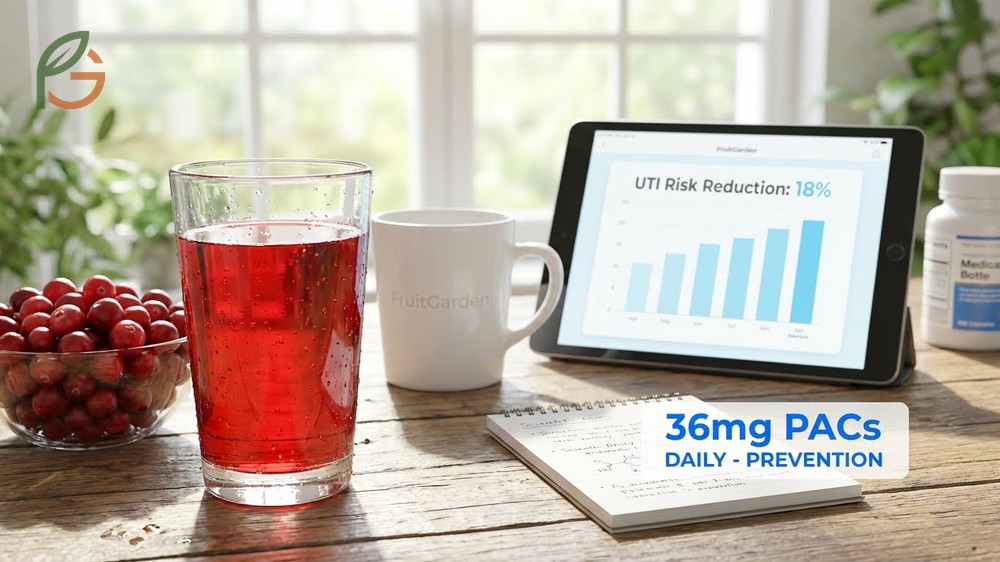
Cranberry juice for bladder infection shows moderate effectiveness primarily for prevention rather than treatment. Research demonstrates that cranberry products containing at least 36mg of proanthocyanidins (PACs) daily can reduce UTI risk by 18% when consumed for 12-24 weeks[1]. While cranberries won’t cure an active infection, they may help prevent recurrences in susceptible individuals. FruitGarden synthesizes current clinical research to help you understand when cranberry juice works and when antibiotics are necessary.
Quick Answer
- Cranberries reduce UTI risk by 18% with daily intake of 36mg PACs for 12-24 weeks[1]
- Cranberry juice works for prevention, not treatment of active infections
- Most effective in women and those with recurrent UTIs[2]
- Recommended daily amount: 8-10 ounces of pure cranberry juice or 500mg supplement[3]
Cranberry Juice for Bladder Infection
Studies demonstrate that cranberry products significantly reduce UTI recurrence when consumed consistently over 12-24 weeks[1]. The key lies in daily consumption rather than occasional use. Research across multiple clinical trials shows the protective effect emerges only with sustained intake of adequate proanthocyanidin levels.
Current data indicates cranberry juice performs better than cranberry capsules for UTI prevention[2]. The liquid form increases hydration, which independently supports bladder health by flushing bacteria from the urinary tract. This dual mechanism makes juice the preferred option for most people.
Agricultural research from the USDA identified specific bioactive compounds in cranberry pulp that inhibit E. coli adhesion to human cells[4]. E. coli causes approximately 80-90% of bladder infections. The cranberry compounds create a slippery coating on bladder walls, preventing bacteria from establishing colonies.
How Cranberry Works
Proanthocyanidins (PACs) with A-type linkages are the active ingredients responsible for cranberry’s protective effects. These compounds don’t kill bacteria directly. Instead, they prevent bacteria from adhering to the urinary tract lining, making it harder for infections to take hold.
The mechanism works best before infection develops. Once bacteria have colonized the bladder and symptoms appear, cranberry juice can’t eliminate the established infection. This explains why antibiotics remain the standard treatment for active UTIs[5].
Important Note: Cranberry juice doesn’t replace antibiotics for treating active bladder infections. If you’re experiencing pain, burning, or fever, consult a healthcare provider immediately rather than relying on cranberry juice alone.
Effectiveness Evidence
A 2023 Cochrane review analyzing 6,211 participants found cranberry products reduced UTI risk with a relative risk of 0.70[6]. This translates to a 30% reduction in UTI occurrence among those using cranberry products compared to placebo. The evidence shows moderate certainty, indicating cranberry has real preventive value.
Research shows the strongest effects occur in women with recurrent UTIs who consume cranberry products for at least 12 consecutive weeks[1]. Short-term or irregular use doesn’t provide the same protection. Consistency matters more than occasional high doses.
Does Cranberry Juice Help Bladder Infections
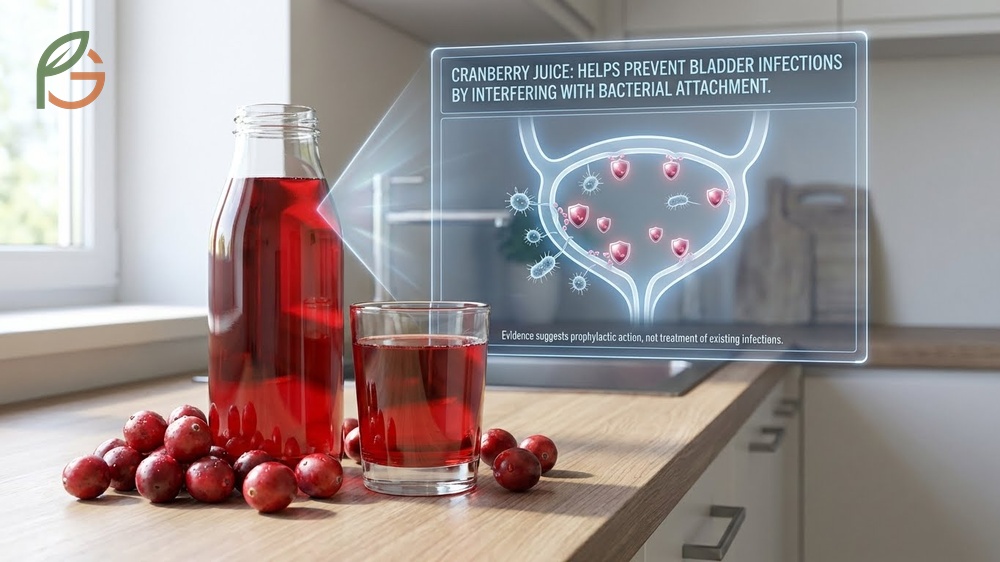
Evidence suggests cranberry juice helps prevent bladder infections rather than treating existing ones. The antibacterial compounds in cranberries work prophylactically by interfering with bacterial attachment before symptoms develop. Once an infection is established, antibiotics provide the most effective treatment.
Clinical trials show cranberry supplementation significantly reduced UTI risk in susceptible populations by preventing bacterial adhesion to uroepithelial cells[2]. The protective effect emerges from regular consumption, not from drinking cranberry juice after symptoms appear. Most people misunderstand this timing distinction.
Prevention vs Treatment
Cranberry products work best as a preventive strategy for people prone to recurrent UTIs. Studies demonstrate that daily cranberry intake over 12-24 weeks reduces infection frequency in women with a history of multiple UTIs per year[1]. This makes cranberry juice a reasonable maintenance approach between infections.
For active infections, standard antibiotic therapy remains necessary. Common prescriptions include nitrofurantoin 100mg twice daily for 5-7 days or sulfamethoxazole-trimethoprim for 3 days[5]. Cranberry juice can complement antibiotic treatment by maintaining hydration, but it won’t cure the infection on its own.
Who Benefits Most
Research indicates women benefit more significantly from cranberry supplementation than men[1]. Subgroup analysis shows cranberry products reduced UTI risk by 16% specifically in female populations. The anatomical differences in urinary tract length partially explain this gender disparity in effectiveness.
People with recurrent UTIs (three or more infections per year) see the greatest benefit from consistent cranberry use. Those experiencing their first bladder infection gain less advantage from cranberry products compared to those with established recurrence patterns. The preventive effect builds over time with regular intake.
- Women with a history of recurrent UTIs (three or more annually)
- Postmenopausal women experiencing increased infection frequency
- People who prefer non-antibiotic prevention strategies
- Individuals with anatomical factors predisposing them to UTIs
- Those seeking to reduce antibiotic use and resistance risks
Bladder Infection Symptoms
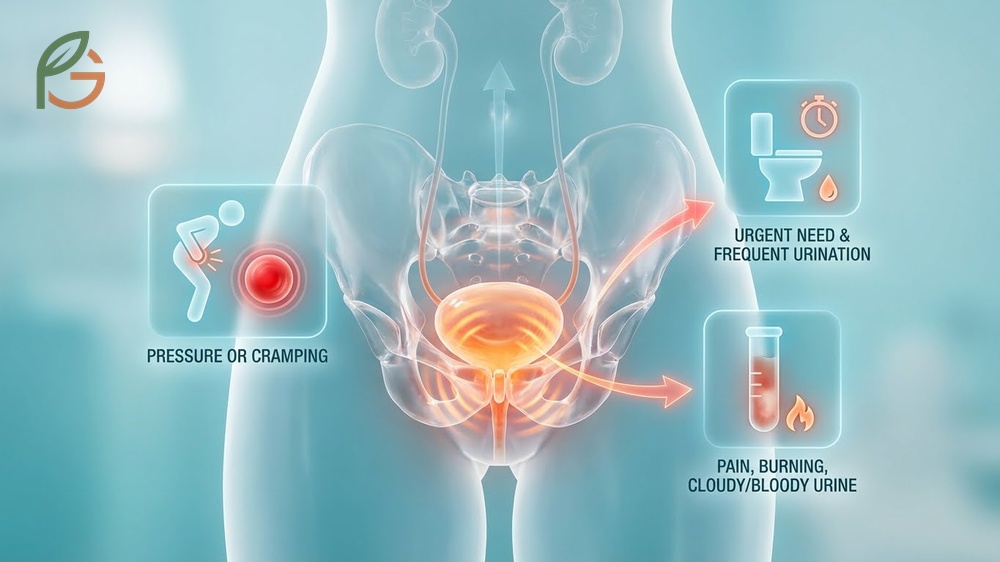
Bladder infection symptoms include pain or burning during urination, frequent urination with small amounts, and urgent need to urinate despite an empty bladder[7]. Additional signs include bloody or cloudy urine, strong-smelling urine, and pressure or cramping in the lower abdomen. These symptoms typically develop suddenly and worsen without treatment.
Lower urinary tract infections stay localized to the bladder and urethra. Upper tract infections that reach the kidneys cause more severe symptoms including fever above 101°F (38.3°C), chills, nausea, vomiting, and flank pain[7]. Kidney infections require immediate medical attention and longer antibiotic courses than simple bladder infections.
When symptoms suggest a kidney infection rather than a simple bladder infection, cranberry juice won’t provide adequate treatment. The distinction between bladder and kidney infections determines whether oral antibiotics suffice or if IV antibiotics become necessary. Don’t delay medical care if symptoms worsen or fever develops.
Warning: Seek immediate medical attention if you experience fever above 101°F (38.3°C), severe back or side pain, persistent vomiting, or symptoms lasting more than 48 hours. These signs suggest a kidney infection requiring prompt antibiotic treatment.
This table compares symptoms between bladder infections and kidney infections, showing severity levels and key distinguishing features for each condition type
| Symptom | Bladder Infection | Kidney Infection |
|---|---|---|
| Pain Location | Lower abdomen, pelvic area | Lower back, side (flank pain) |
| Fever | Usually absent or low-grade | Often above 101°F (38.3°C)[7] |
| Urination Issues | Burning, frequency, urgency | Same, plus severe pain |
| Systemic Symptoms | Fatigue, mild discomfort | Chills, nausea, vomiting |
| Severity | Mild to moderate | Moderate to severe |
Cranberry Juice Dosage and Usage
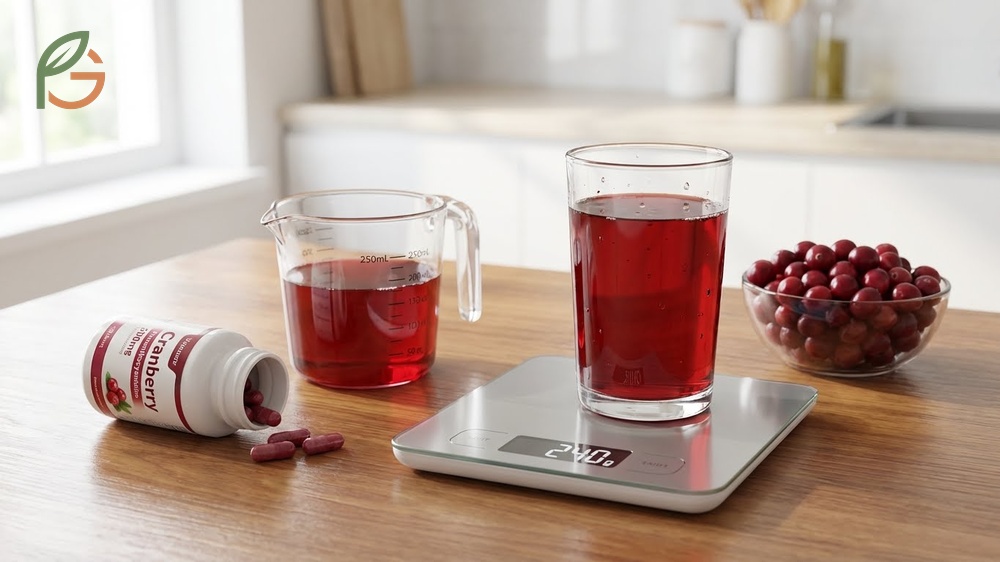
The recommended daily dosage for UTI prevention is 8-10 ounces (240-300mL) of cranberry juice containing at least 36mg of proanthocyanidins[3]. Alternatively, cranberry supplements standardized to 500-1000mg with 36-72mg PACs provide equivalent benefits. Higher PAC doses of 72mg may offer slightly better results for people with frequent recurrences[1].
Choose pure or low-sugar cranberry juice rather than cranberry cocktail varieties that contain minimal actual cranberry content. Most commercial cranberry cocktails contain only 25-30% real cranberry juice diluted with water and sweeteners. Check labels for PAC content when possible, though not all products list this information.
Consistency matters more than occasional high doses. Research shows continuous consumption for at least 12 weeks provides the protective benefit against UTIs[1]. Drinking cranberry juice only when symptoms appear won’t prevent or treat the infection effectively.
- Drink 8-10 ounces daily, preferably split into morning and evening doses
- Continue for at least 12-24 weeks to establish protective effects
- Select products labeled “100% cranberry juice” or those listing PAC content
- Avoid cranberry cocktails with high sugar content (over 20g per serving)
- Consider supplements if you can’t tolerate cranberry juice’s tart flavor
- Pair with adequate water intake (6-8 glasses daily) for optimal results
Tip: If pure cranberry juice tastes too tart, dilute it with water rather than choosing sugar-heavy cocktails. You can also mix it with other unsweetened juices like apple or grape to improve palatability while maintaining cranberry content.
Foods to Avoid with Bladder Infection

Several foods and beverages can irritate the bladder lining and worsen infection symptoms. Acidic foods including citrus fruits, tomatoes, and vinegar-based products increase bladder irritation during active infections. Spicy foods, caffeine, alcohol, and carbonated drinks also aggravate bladder symptoms by stimulating increased urination and inflammation.
Artificial sweeteners, particularly aspartame and saccharin, trigger bladder irritation in many people with cystitis. Processed foods high in sodium can concentrate urine and increase bacterial growth. During active infections, limiting these irritants helps reduce discomfort and supports faster recovery.
Focus on bladder-friendly foods like whole grains, lean proteins, non-acidic vegetables, and adequate water intake. Current guidance emphasizes maintaining proper hydration with 6-8 glasses (1.5-2 liters) of water daily to flush bacteria from the urinary tract. Plain water works better than caffeinated or sugary beverages for bladder health.
- Citrus fruits and juices (oranges, grapefruits, lemons, limes)
- Tomatoes and tomato-based products (sauces, ketchup)
- Caffeine sources (coffee, tea, energy drinks, chocolate)
- Alcoholic beverages (beer, wine, spirits)
- Carbonated sodas and sparkling water
- Spicy foods and hot peppers
- Artificial sweeteners (aspartame, saccharin)
- Processed meats high in sodium
Natural Cystitis Relief

Natural approaches can complement medical treatment for cystitis symptoms. Applying heating pads to the lower abdomen or back provides relief from bladder pain and cramping. Heat increases blood flow to the area, relaxing bladder muscles and reducing discomfort. Use heating pads for 15-20 minute intervals several times daily.
Adequate hydration represents the most important natural intervention for bladder health. Drinking 6-8 glasses of water daily dilutes urine and helps flush bacteria from the urinary tract. Research shows proper fluid intake maintains healthy bladder function and reduces infection risk. Avoid waiting until you feel thirsty—maintain consistent hydration throughout the day.
Over-the-counter pain relievers like ibuprofen or acetaminophen reduce inflammation and discomfort during bladder infections. These medications don’t treat the infection itself but make symptoms more manageable while antibiotics work. Sitz baths with warm water can also soothe pelvic area discomfort.
Important: Natural relief methods supplement but don’t replace antibiotic treatment for bacterial bladder infections. Most UTIs require prescription antibiotics to fully clear the infection and prevent kidney involvement.
- Apply heating pads to lower abdomen for 15-20 minutes, 3-4 times daily
- Drink at least 6-8 glasses (1.5-2 liters) of water throughout the day
- Take warm sitz baths for 15 minutes to ease pelvic discomfort
- Use OTC pain relievers (ibuprofen 200-400mg or acetaminophen 500mg) as directed
- Wear loose, breathable cotton underwear to reduce irritation
- Empty your bladder completely each time you urinate
- Avoid holding urine for extended periods
Conclusion
The evidence is clear: cranberry juice for bladder infection works best as a preventive strategy rather than a cure for active infections. Research shows daily consumption of cranberry products containing 36mg PACs for 12-24 weeks reduces UTI risk by 18% in susceptible populations[1]. Women with recurrent bladder infections benefit most from consistent cranberry supplementation combined with proper hydration.
Current guidance emphasizes using cranberry products as part of a comprehensive prevention approach that includes adequate water intake, prompt urination when needed, and appropriate hygiene practices. While cranberry juice can’t replace antibiotics for treating established infections, it offers a natural, research-backed option for reducing infection frequency. FruitGarden recommends consulting healthcare providers to develop personalized prevention strategies that may include cranberry supplementation alongside medical guidance.
Medical Disclaimer
Important Medical Disclaimer: This content is for informational and educational purposes only. It’s not intended as a substitute for professional medical advice, diagnosis, or treatment. Always consult a qualified healthcare professional before making any changes to your treatment plan, starting cranberry supplementation, or if you suspect you have a bladder or kidney infection. Untreated UTIs can lead to serious complications including kidney damage and sepsis. If you experience fever, severe pain, vomiting, or symptoms lasting more than 48 hours, seek immediate medical attention.
Frequently Asked Questions
Can cranberry juice cure an existing bladder infection?
No, cranberry juice can’t cure an established bladder infection. Research shows cranberries work preventively by blocking bacterial adhesion, but once infection develops, antibiotics remain the necessary treatment. Cranberry juice can complement antibiotic therapy by maintaining hydration, but it won’t eliminate active infections on its own.
How much cranberry juice should I drink daily to prevent UTIs?
Clinical research recommends 8-10 ounces (240-300mL) of cranberry juice daily containing at least 36mg of proanthocyanidins. Alternatively, take 500-1000mg cranberry supplements standardized to contain 36-72mg PACs. Continue this regimen for at least 12-24 weeks to establish protective effects against recurrent UTIs.
What’s the difference between cystitis and a UTI?
Cystitis is a type of UTI specifically referring to bladder inflammation, usually caused by bacterial infection. UTI is the broader term encompassing infections anywhere in the urinary system including the bladder (cystitis), kidneys (pyelonephritis), ureters, or urethra. Most UTIs are cystitis cases affecting the lower urinary tract.
Does cranberry juice help kidney infections?
No, cranberry juice doesn’t effectively help kidney infections. Kidney infections (pyelonephritis) are serious conditions requiring immediate antibiotic treatment, often with longer courses or IV antibiotics. While cranberry may help prevent bladder infections from ascending to the kidneys, it can’t treat established kidney infections. Seek medical care immediately for kidney infection symptoms.
Why is cranberry juice good for cystitis prevention?
Cranberry juice contains proanthocyanidins (PACs) with A-type linkages that prevent E. coli bacteria from adhering to bladder walls. This anti-adhesion mechanism stops bacteria from establishing colonies before infection develops. The liquid form also promotes hydration, which independently supports bladder health by flushing bacteria from the urinary tract.
Are cranberry tablets as effective as juice for bladder infections?
Cranberry juice appears slightly more effective than tablets according to clinical studies. The juice form provides additional hydration benefits that help flush bacteria from the urinary tract. However, cranberry supplements work well if you can’t tolerate juice’s tart taste. Choose supplements standardized to contain at least 36mg PACs per daily dose.
What are the best foods to eat during a bladder infection?
Focus on bladder-friendly foods including whole grains, lean proteins like chicken and fish, non-acidic vegetables (green beans, cauliflower, winter squash), blueberries, and egg whites. Drink 6-8 glasses of water daily. Avoid acidic foods (citrus, tomatoes), caffeine, alcohol, spicy foods, and artificial sweeteners that can irritate the bladder during active infections.





