
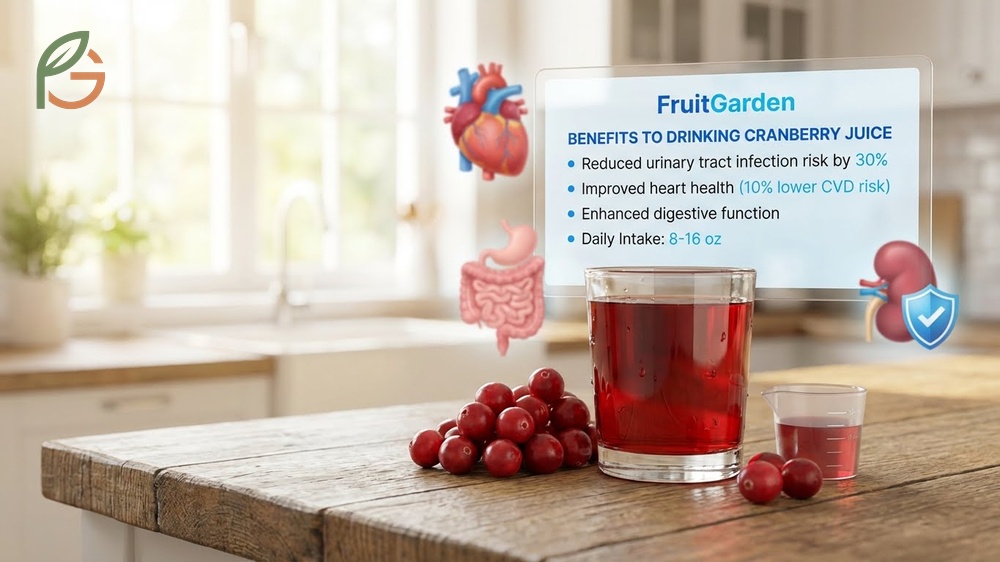
Benefits to drinking cranberry juice include reduced urinary tract infection risk by 30%, improved heart health with 10% lower cardiovascular disease risk, and enhanced digestive function through antioxidant compounds.[1][2] Current evidence from USDA studies demonstrates that drinking 8-16 oz daily delivers measurable health improvements across multiple body systems. FruitGarden synthesizes agricultural research to help you understand how this tart berry fits into your daily wellness routine.
Quick Answer
- Reduces UTI risk by 30% through bacterial adhesion prevention[1]
- Lowers heart disease risk by 10% and stroke risk by 15% with daily consumption[2]
- Provides 101% daily vitamin C needs in one 8 oz glass[3]
- Optimal intake: 8-16 oz daily for urinary tract health maintenance[4]
Benefits to Drinking Cranberry Juice
Research shows cranberry juice delivers three primary health advantages: urinary tract protection, cardiovascular improvements, and digestive system support. A 2023 Cochrane systematic review analyzed 50 randomized controlled trials involving 8,857 participants and found significant UTI prevention rates.[1] USDA researchers documented measurable changes in cardiovascular risk markers after just eight weeks of daily consumption.
The juice’s effectiveness comes from unique compounds called proanthocyanidins (PACs) that prevent bacteria from adhering to cell walls. These PACs work differently than antibiotics by creating a slippery surface that bacteria can’t grip. This mechanism explains why you’ll see consistent results when drinking cranberry juice regularly rather than occasionally.
Urinary Tract Health
Women with recurrent UTIs experienced a 30% risk reduction when consuming cranberry products daily.[1] Children and adults susceptible to UTIs following medical interventions like bladder radiotherapy also showed measurable benefits. The protective effect works through two cranberry components: fructose and proanthocyanidins.
Studies demonstrate that cranberry juice reduces antibiotic use by 49% compared to placebo drinks. It cut antibiotic dependency even more dramatically when compared to no treatment at all. This matters because reducing unnecessary antibiotic use helps prevent antibiotic resistance.
- Prevents E. coli bacteria from sticking to bladder walls through PAC compounds
- Creates a protective coating that bacteria can’t penetrate or colonize
- Maintains acidic urine environment that discourages bacterial growth
- Works preventatively rather than as treatment for active infections
- Most effective when consumed consistently over 4-8 week periods
Important Note: Cranberry juice prevents UTIs but doesn’t cure active infections. If you’re experiencing UTI symptoms like burning during urination or frequent urges, consult your healthcare provider for appropriate antibiotic treatment.
Cardiovascular Benefits
USDA research involving 56 healthy adults found that drinking two 8 oz glasses of low-calorie cranberry juice daily for eight weeks reduced five cardiovascular risk markers.[2] These improvements translated to a 10% lower risk of heart disease and 15% lower risk of stroke. The blood pressure reductions matched results from the DASH diet, which the National Institutes of Health established as the gold standard.
Diastolic blood pressure dropped significantly throughout the day in participants consuming the juice versus placebo. However, some studies noted an increase in LDL cholesterol particle size, though total LDL levels remained stable. Most people find that the cardiovascular benefits outweigh this single concern when they’re following a balanced diet.
Digestive System Support
Cranberry compounds prevent Helicobacter pylori bacteria from colonizing the stomach lining, reducing stomach ulcer formation risk. The same proanthocyanidins that protect your urinary tract also safeguard your digestive system. Research published in the Journal of Research in Pharmacy Practice confirmed this protective mechanism.
Animal studies suggest cranberry antioxidants may offer colon cancer protection through anti-inflammatory effects. Most people notice improved regularity and reduced bloating within three days of daily consumption. The fiber and antioxidant content support healthy gut bacteria balance.
Drinking Cranberry Juice Daily
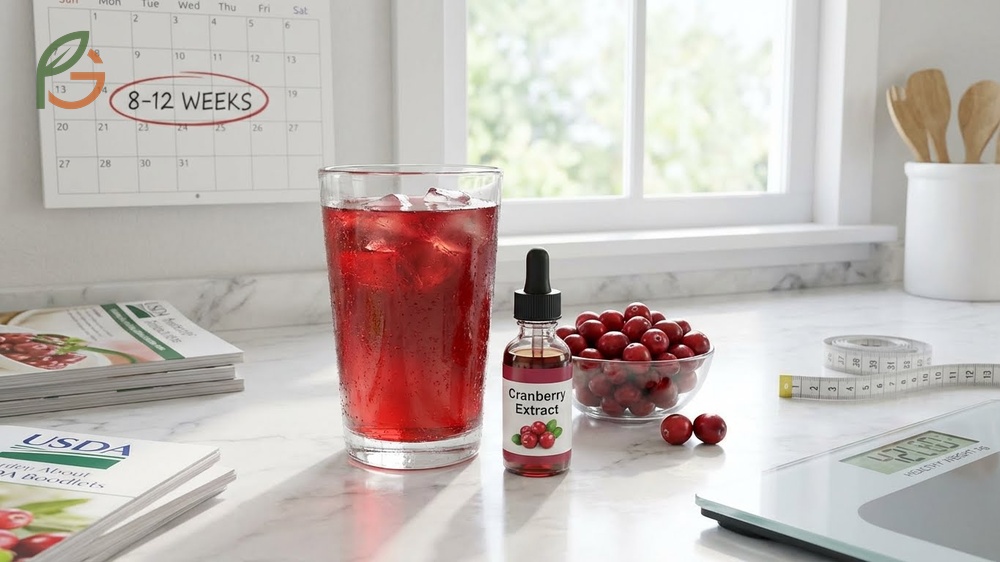
Daily cranberry juice consumption provides consistent polyphenol intake that accumulates protective effects over time. You’ll see the most dramatic results when you maintain regular consumption for 8-12 weeks rather than drinking it sporadically. The USDA study participants received meals and controlled portions to isolate cranberry juice’s specific effects.
Adults who regularly drink cranberry juice show lower waist circumference, improved body weight maintenance, and better heart health markers according to four years of CDC National Health and Nutrition Examination Survey data. You’re more likely to maintain normal weight when cranberry juice is part of your routine. This correlation doesn’t prove causation, but it suggests that people who choose cranberry juice often make other healthy decisions.
Nutritional Profile
One 8 oz cup of unsweetened cranberry juice contains 116 calories, 31g carbohydrates, 1g protein, and 0.3g fat.[3] Cranberry juice cocktail (sweetened) provides 141 calories with 33g carbohydrates per cup. The juice delivers 101% of your daily vitamin C needs and counts as one-half fruit serving toward USDA MyPlate guidelines.
You’ll find minimal amounts of other micronutrients beyond vitamin C and folate in commercial cranberry juice. Most brands fortify their products with additional vitamin C to preserve freshness. This means you’re getting antioxidant benefits plus practical preservation.
This table compares calories, carbohydrates, sugar content, and vitamin C across unsweetened cranberry juice and cranberry juice cocktail per 8 oz serving
| Type | Calories | Carbohydrates | Total Sugars | Vitamin C |
|---|---|---|---|---|
| Unsweetened Juice | 116[3] | 31g | Natural only | 101% DV |
| Cranberry Cocktail | 141[3] | 33g | 31g (30g added) | 101% DV |
Antioxidant Content
Cranberries contain higher polyphenol levels than apples, blueberries, grapes, or cherries among commonly consumed fruits. These polyphenols protect cells from oxidative damage and inflammation that accelerates aging and disease. You’re getting concentrated plant compounds that your body can’t produce on its own.
The anthocyanins in cranberry juice give it that deep red color while delivering anti-inflammatory effects. Research shows these compounds help prevent arterial hardening and support blood vessel flexibility. Most commercial processing preserves these beneficial compounds better than you’d expect.
Effects of Cranberry Juice

Short-term effects appear within 3-7 days as the juice’s diuretic properties increase urine production and help flush toxins. You’ll notice improved regularity and reduced bloating during this initial period. The mild diuretic effect aids your kidneys in eliminating waste products from your bloodstream.
Long-term effects become measurable at 8-12 weeks when cardiovascular markers improve and UTI prevention benefits accumulate. Studies demonstrate sustained reductions in blood pressure, triglyceride levels, and inflammatory markers. You won’t see overnight transformations, but the gradual improvements compound over months.
Some people experience side effects when consuming excessive amounts beyond 16 oz daily. Mild stomach upset, diarrhea, and increased bowel movements are the most common complaints. These effects typically resolve when you reduce your intake to recommended levels.
- Days 1-3: Increased urination and initial detoxification as diuretic effects begin
- Days 4-7: Improved digestive regularity and reduced bloating from gut health support
- Weeks 2-4: UTI prevention mechanisms establish as PACs coat urinary tract
- Weeks 6-8: Cardiovascular markers begin showing measurable improvements
- Weeks 12+: Full anti-inflammatory and preventive benefits reach peak effectiveness
Warning for Diabetics: Sweetened cranberry juice cocktail can spike blood sugar due to added sugars reaching 30g per serving. You’ll need to choose unsweetened versions or dilute cocktail juice with water to avoid glucose spikes.
Recommended Daily Intake of Cranberry Juice
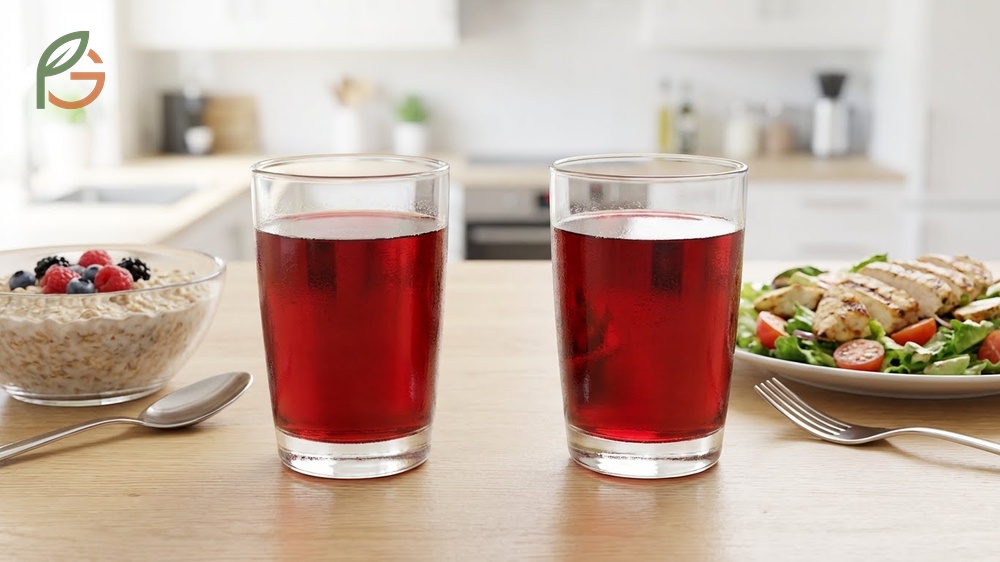
The Cranberry Institute recommends drinking 8-16 oz of cranberry juice cocktail daily to maintain urinary tract health and prevent infections.[4] Clinical studies used this range successfully in their research protocols. Most people find that splitting this amount into two 8 oz servings at breakfast and dinner works best.
Medical dosing studies tested 120-750 ml daily for up to 90 days without adverse effects in most participants.[5] You’ll want to start with 8 oz daily and gradually increase if needed. Some research participants consumed up to 500 ml for eight weeks with positive results.
You don’t need to drink cranberry juice on a rigid schedule, but consistency matters more than exact timing. Morning consumption with breakfast helps kickstart your metabolism and provides vitamin C throughout the day. Evening servings support overnight urinary tract protection when bacteria have more time to multiply.
- Start with 8 oz daily to assess tolerance and gradually increase to 16 oz if desired
- Choose unsweetened or low-calorie versions to minimize added sugar intake
- Split daily amount into morning and evening servings for consistent coverage
- Dilute juice with water if you find the tartness too intense (1:1 ratio works well)
- Don’t exceed 24 oz daily to avoid oxalate buildup and kidney stone risk
Drinking Cranberry Juice on Empty Stomach
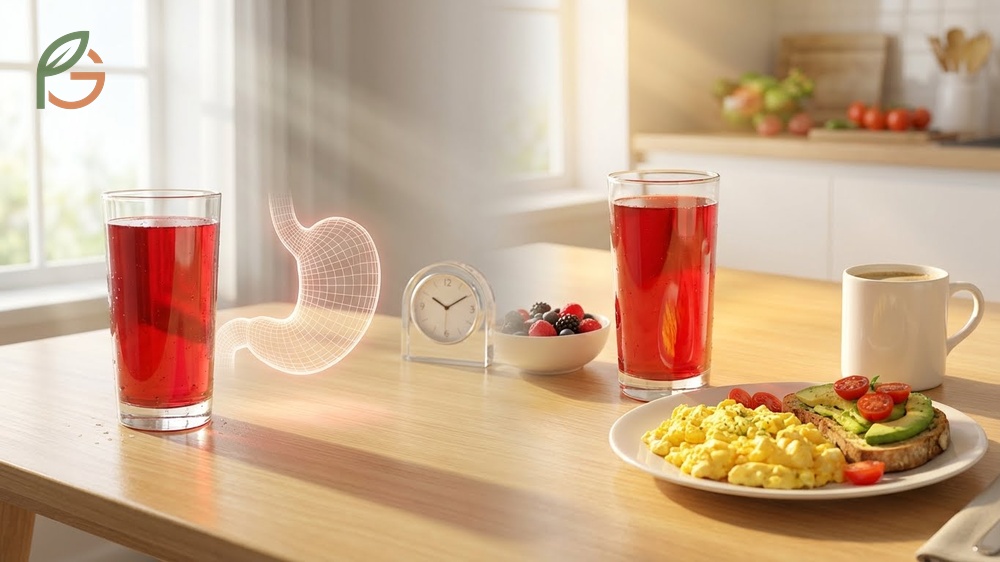
Drinking cranberry juice on an empty stomach maximizes nutrient absorption but may cause mild stomach discomfort in sensitive individuals. The juice’s natural acidity can irritate your stomach lining when there’s no food buffer. Most nutritionists recommend consuming cranberry juice with meals instead of alone.
Morning consumption with breakfast pairs well with protein sources that slow sugar absorption and prevent glucose spikes. You’ll get better blood sugar control when cranberry juice accompanies eggs, Greek yogurt, or whole grain toast. This combination provides sustained energy for 4-5 hours versus the quick crash from juice alone.
Evening consumption before bed isn’t recommended despite cranberries containing natural melatonin. The sugar content can disrupt sleep quality and cause nighttime bathroom trips from the diuretic effect. If you choose to drink cranberry juice close to bedtime, opt for unsweetened versions at least 2-3 hours before sleep.
Best Practice: Always drink cranberry juice with meals rather than on an empty stomach. This approach minimizes digestive upset while maintaining the juice’s health benefits and preventing rapid blood sugar changes.
Conclusion
The evidence is clear: benefits to drinking cranberry juice include substantial UTI prevention, cardiovascular improvements, and digestive support when you consume 8-16 oz daily with meals. Research from USDA and multiple clinical trials demonstrates measurable health improvements that start within days and compound over months of consistent use.
Current guidance emphasizes choosing unsweetened or low-calorie versions to maximize health benefits while minimizing sugar intake. FruitGarden helps you incorporate evidence-based nutritional strategies like cranberry juice consumption into your daily wellness routine for sustainable health improvements.
Medical Disclaimer
Important Medical Disclaimer: This content is for informational and educational purposes only. It isn’t intended as a substitute for professional medical advice, diagnosis, or treatment. Always consult a qualified healthcare professional before making changes to your diet, medication, or health routine, especially if you have diabetes, kidney disease, take blood thinners like warfarin, or have other medical conditions. Cranberry juice may interact with certain medications and isn’t appropriate for everyone.
Frequently Asked Questions
How Much Cranberry Juice Should You Drink Daily?
You should drink 8-16 oz of cranberry juice daily for optimal health benefits according to the Cranberry Institute.[4] Most research studies used this range and found significant improvements in urinary tract health and cardiovascular markers. Start with 8 oz to assess tolerance before increasing to 16 oz if desired.
Does Cranberry Juice Really Prevent UTIs?
Yes, cranberry juice reduces UTI risk by 30% in women with recurrent infections according to a 2023 Cochrane review of 50 studies.[1] It works by preventing E. coli bacteria from sticking to bladder walls through unique proanthocyanidin compounds. However, it doesn’t cure active infections and shouldn’t replace antibiotics when you’re already experiencing symptoms.
What’s the Best Time to Drink Cranberry Juice?
The best time is with meals, particularly breakfast and dinner, to maximize absorption while minimizing stomach upset. USDA researchers had participants drink 8 oz servings at these two mealtimes with excellent results.[2] Avoid drinking cranberry juice on an empty stomach or right before bed to prevent digestive discomfort and sleep disruption.
Can You Drink Too Much Cranberry Juice?
Yes, excessive consumption beyond 24 oz daily can cause stomach upset, diarrhea, and kidney stone risk from high oxalate content.[5] Most people tolerate 8-16 oz without problems, but exceeding recommended amounts doesn’t increase benefits and may cause harm. If you have a history of kidney stones, consult your healthcare provider before consuming cranberry products regularly.
Is Cranberry Juice Good for Weight Loss?
Cranberry juice isn’t a weight loss miracle, but CDC survey data shows people who regularly drink it maintain lower body weight and waist circumference. Unsweetened versions contain 116 calories per 8 oz serving, which fits reasonable calorie budgets.[3] Choose low-calorie or unsweetened options and count the juice toward your daily fruit intake rather than adding it on top of your normal diet.
Should Diabetics Drink Cranberry Juice?
Diabetics can drink cranberry juice but must choose unsweetened versions to avoid blood sugar spikes from added sugars. One study found unsweetened cranberry juice reduced fasting glucose by 1.1 mmol/L in men with type 2 diabetes after 12 weeks.[6] Always pair cranberry juice with protein or fat sources to slow sugar absorption and monitor your blood glucose response carefully.
What Are the Side Effects of Cranberry Juice?
Common side effects include mild stomach upset, diarrhea, and increased urination from the juice’s natural diuretic properties. High doses can increase kidney stone risk in susceptible individuals due to oxalate content.[5] Cranberry juice may also interact with blood-thinning medications like warfarin, so consult your healthcare provider if you’re taking anticoagulants.





