
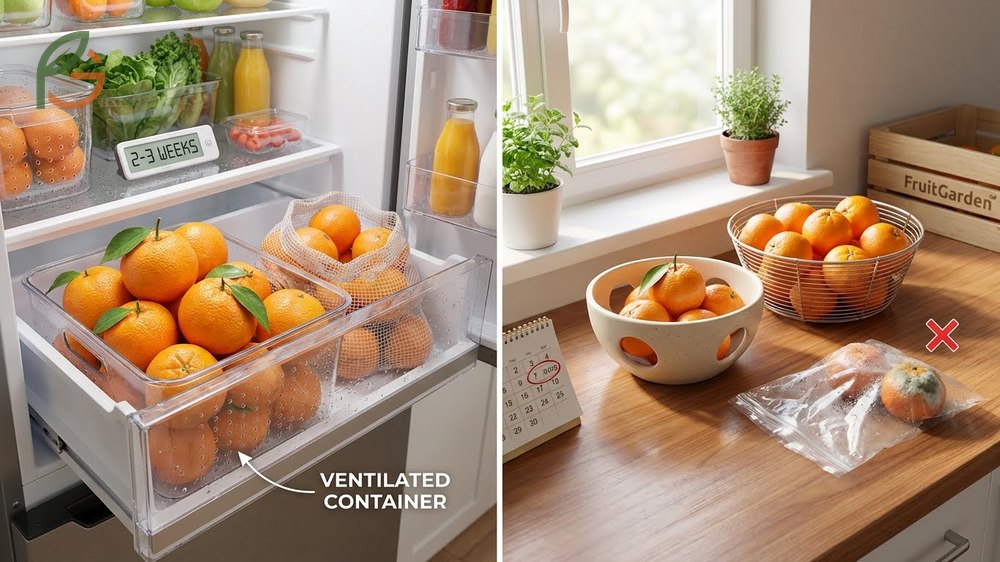
How to store clementines? Research shows these small citrus fruits stay fresh for 2 to 3 weeks in the refrigerator or up to 7 days at room temperature[1]. The key is using ventilated containers rather than sealed plastic, which traps moisture and speeds up spoilage. FruitGarden combines current agricultural research with practical storage methods to help you maximize freshness and reduce waste.
Quick Answer
How to Store Clementines
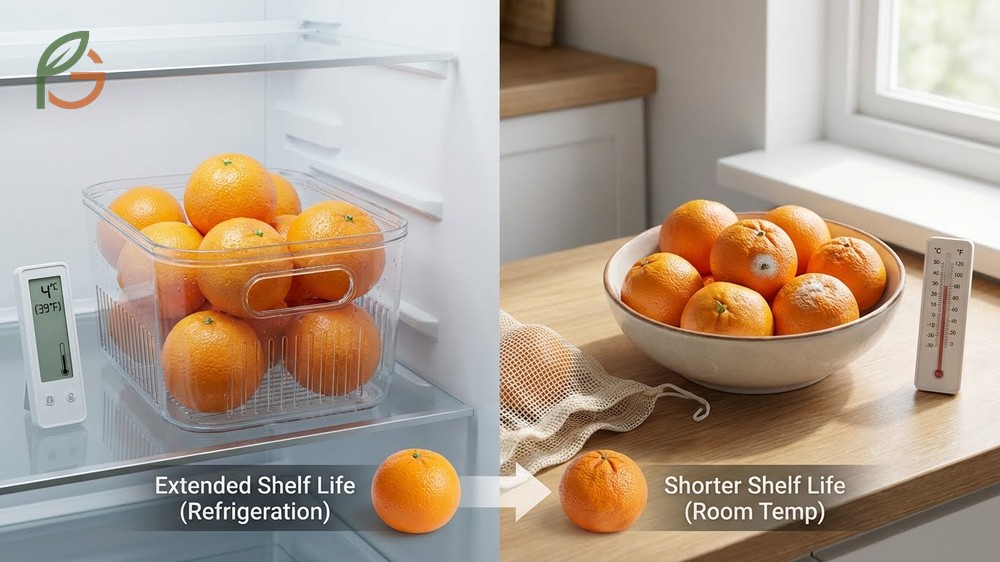
Studies show clementines maintain optimal freshness when stored in cool, ventilated environments that prevent moisture buildup. These small mandarins contain approximately 87% water content[3], making them particularly vulnerable to dehydration and mold. Research indicates proper storage can extend shelf life by up to 200% compared to improper methods.
The two main storage options are refrigeration and room temperature, with refrigeration delivering significantly longer freshness. Most people don’t realize that the type of container matters as much as temperature—sealed plastic bags create the exact humid conditions that promote mold growth.
Current agricultural guidance emphasizes what’s called “active ventilation storage.” This means air can freely circulate around each fruit rather than getting trapped. You’ll get better results with mesh bags, fruit bowls, or even the original packaging clementines come in, which typically features ventilation holes.
Ventilation Requirements
Agricultural data shows ventilated storage reduces mold occurrence by 60-70% compared to sealed containers. Air circulation removes excess moisture from fruit surfaces while maintaining internal hydration. This creates an environment where clementines can breathe without drying out.
Commercial operations store clementines at 85% relative humidity[3] with controlled airflow systems. Home storage doesn’t require this precision, but it demonstrates why your crisper drawer (which has adjustable humidity) works better than sealed containers. The mesh bags clementines come in aren’t just packaging—they’re designed specifically for optimal storage conditions.
Temperature Considerations
Research demonstrates clementines thrive between 39-50°F (4-10°C). Below this range, they can develop chilling injury—a condition where cell membranes break down, causing brown spots and texture changes. Above this range, respiration rates double for every 18°F (10°C) increase, dramatically shortening shelf life.
Commercial storage facilities maintain 43-48°F (6-9°C)[3] for up to 12 weeks. Home refrigerators typically run at 35-38°F (2-3°C), which works but isn’t optimal. Setting your fridge slightly warmer or using the less-cold areas can extend freshness.
Refrigerator Storage Tips
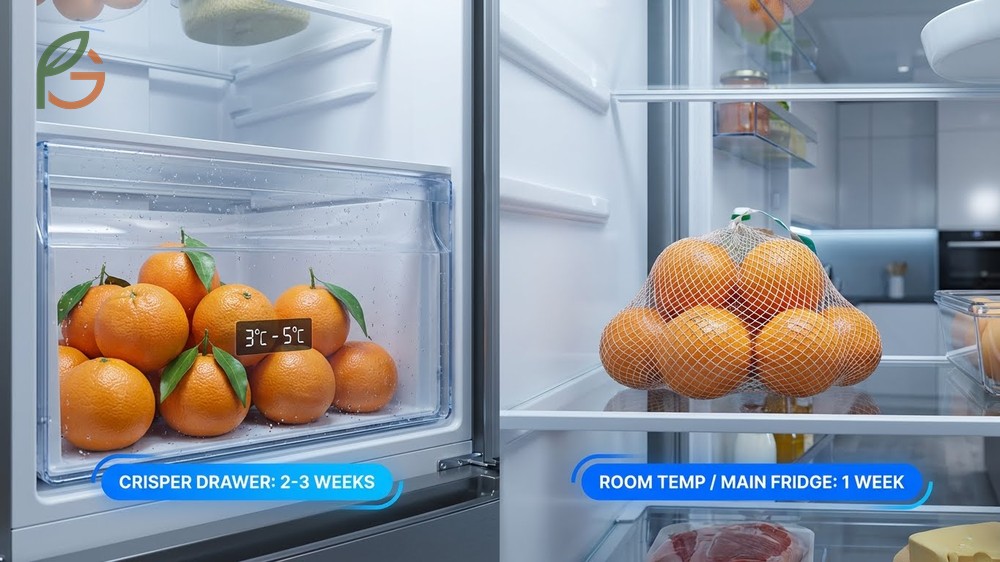
Evidence shows refrigerated clementines last 2 to 3 weeks compared to just one week at room temperature[1]. This three-fold improvement happens because cold temperatures slow the enzymatic breakdown of sugars and acids that give clementines their characteristic flavor. The crisper drawer provides an ideal microenvironment with slightly higher humidity than the main fridge compartment.
If you’re like most Americans, you probably bought clementines in a 3-5 lb bag. Don’t transfer them to a sealed container—that’s the biggest mistake people make. Keep them in the original mesh bag or place them loose in the crisper drawer. You can stack them 2-3 layers deep, but avoid overfilling, which restricts airflow and creates pressure points where fruit bruises.
The crisper drawer’s humidity control matters more than most people think. Set it to “low” or the fruit setting if you have the option. High humidity settings are designed for leafy greens and will make clementines mold faster. Check your fruit every 3-4 days and remove any that show soft spots—one bad clementine can spoil adjacent fruit through fungal spread.
Optimal Fridge Conditions
Current data indicates the crisper drawer should be set between 38-42°F (3-6°C) with 80-85% humidity for citrus fruits. Most refrigerators don’t have humidity readouts, so you’ll need to judge by results. If clementines are shriveling within a week, humidity is too low—add a slightly damp paper towel to the drawer. If you see mold within 5 days, humidity is too high—increase ventilation.
What often gets overlooked is placement within the fridge. The back wall tends to be coldest (risk of chilling injury), while the front and sides stay slightly warmer. Position clementines toward the front-center of the crisper for best results. Don’t store them directly against the back wall where temperature fluctuations are greatest.
Important Note: Don’t wash clementines before refrigerating. Moisture on the peel creates ideal conditions for mold spores to germinate. Only rinse individual fruits right before eating.
Storing Peeled Clementines
Once you peel clementines, storage dynamics change completely. Studies show peeled segments last just 3 to 4 days even under refrigeration[1]. The protective peel prevents moisture loss and blocks microbial contamination—without it, fruit deteriorates rapidly. Store peeled clementines in airtight containers or freezer bags to minimize moisture evaporation.
Glass containers work better than plastic for peeled fruit because they don’t absorb odors and provide better moisture regulation. Fill containers nearly full to reduce air space, which accelerates oxidation. If you notice liquid accumulating at the bottom after 24 hours, drain it—standing liquid speeds up spoilage.
- Use glass or BPA-free plastic airtight containers within 30 minutes of peeling
- Separate segments to prevent crushing and juice release
- Place a paper towel at the bottom to absorb excess moisture
- Store on the middle shelf (not crisper) where temperature is most stable
- Consume within 3-4 days for best flavor and texture
- Don’t mix peeled and whole clementines in the same container
Room Temperature Storage
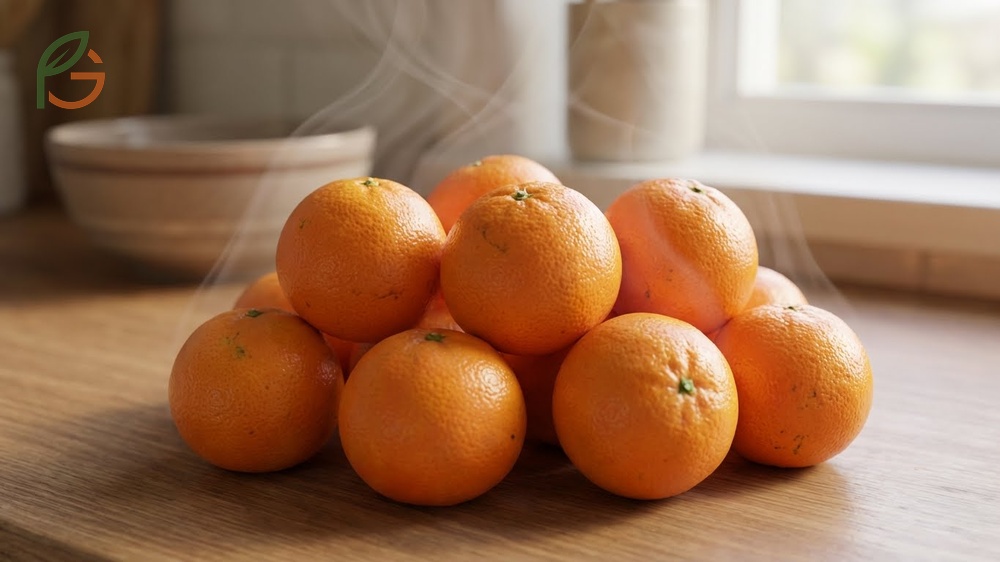
Research shows whole clementines stay fresh for 2 to 7 days at room temperature, depending on initial fruit quality and environmental conditions[2]. This option works best when you plan to consume the fruit within a few days or prefer the sweeter, more aromatic flavor that develops at warmer temperatures. Room temperature clementines release more volatile compounds, making them smell and taste more intense.
The catch is that room temperature storage is highly variable. Fruits kept at 65°F (18°C) last nearly twice as long as those at 75°F (24°C). Every 9°F (5°C) increase in temperature roughly doubles the respiration rate, causing faster sugar depletion and texture breakdown. Winter room temperatures favor longer storage than summer conditions.
What makes room temperature storage work is proper placement and daily monitoring. Unlike refrigerated fruit, which stays stable for weeks, room-temp clementines can shift from perfect to overripe within 24-48 hours. You’ll need to check them daily and adjust your consumption plans accordingly.
Best Locations
Agricultural guidance recommends cool, dry locations away from direct sunlight and heat sources. Sunlight and warmth accelerate ripening and can cause clementines to become overripe within 2-3 days[4]. Counter spaces near windows, above refrigerators, or beside stoves are the worst choices—these areas can be 10-15°F (5-8°C) warmer than the room average.
The best room-temperature locations include pantries, dining room sideboards, or kitchen counters away from appliances. Basements work well if they stay above 60°F (16°C)—below that, you risk chilling injury even without refrigeration. Garages are problematic because temperature swings between day and night stress the fruit.
- Kitchen counter away from sink, stove, and windows
- Dining room buffet or sideboard in shaded areas
- Pantry shelves with good air circulation
- Basement storage rooms maintaining 60-70°F (16-21°C)
- Fruit bowls with slatted or mesh bottoms for airflow
When to Choose Room Temp
Room temperature storage makes sense in specific situations. If you bought a small quantity (2-3 lbs) and plan to eat them within 3-5 days, refrigeration isn’t necessary. Room-temp fruit also tastes sweeter because sugars are more soluble at warmer temperatures—cold suppresses flavor perception. This matters if you’re serving clementines as a snack or dessert.
The reason is simple: cold temperatures slow down the enzymatic reactions that create aroma compounds. Refrigerated clementines smell and taste less intense until they warm up. If flavor is your priority and you’ll consume the fruit quickly, room temperature delivers better sensory quality despite the shorter shelf life.
Storage Tip: Buy only what you’ll eat within a week if choosing room temperature storage. Clementines don’t ripen further after harvest, so there’s no advantage to extended room-temp storage beyond immediate consumption.
Shelf Life Clementines
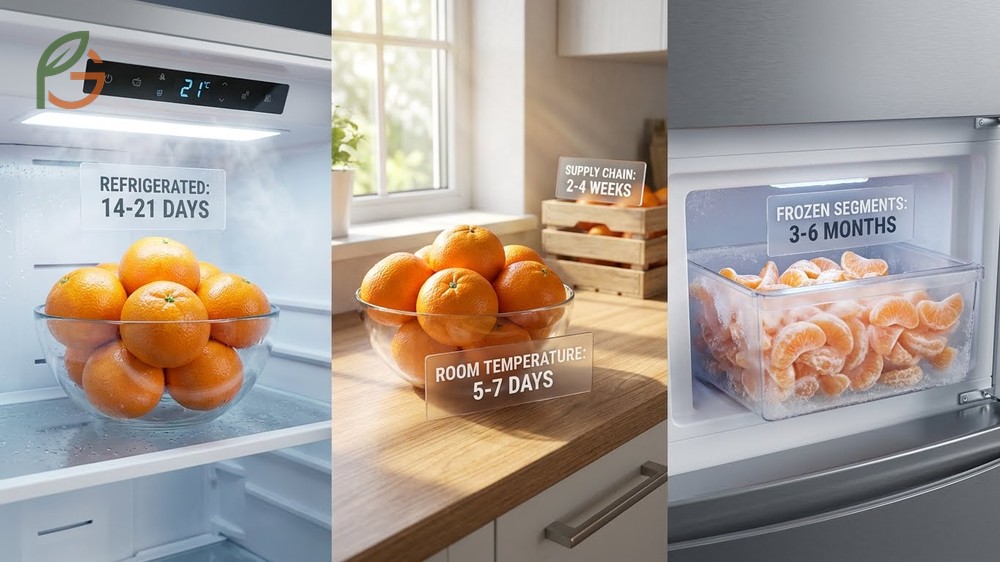
Current data shows clementine shelf life varies dramatically based on storage method and initial fruit quality. Refrigerated whole clementines typically last 14-21 days, room temperature storage provides 5-7 days, and frozen segments remain usable for 3-6 months[1]. These durations assume proper storage conditions and fruit that was fresh at purchase.
What many people don’t realize is that clementines often spend 2-4 weeks in the supply chain before reaching stores. Fruits harvested in Morocco or Spain travel by ship to U.S. ports, then undergo distribution. This means some clementines have already used half their shelf life by purchase time. Buying from stores with high turnover gives you fresher fruit with longer remaining storage potential.
Storage duration also depends on handling. Every drop, squeeze, or impact creates microscopic damage to cell walls, releasing juices that attract mold spores. Clementines at the bottom of a display bin or subjected to rough handling will spoil faster than carefully handled fruit, regardless of storage conditions.
Whole Fruit Duration
Evidence indicates variety and harvest timing affect shelf life as much as storage conditions. Early-season clementines (November-December) tend to last longer than late-season fruit (February-March), which has higher sugar content and softer texture. The relationship between harvest date and storage potential follows a predictable curve—peak storage occurs with mid-season fruit.
Commercial cold storage extends shelf life to 12 weeks at controlled temperatures and humidity, but home storage doesn’t achieve these results. The reason is that commercial facilities precool fruit immediately after harvest, removing field heat within hours. Home-stored clementines never receive this treatment, reducing maximum shelf life by 30-40%.
This table compares storage duration, temperature requirements, and best use cases across four clementine storage methods.
| Storage Method | Duration | Temperature | Best For |
|---|---|---|---|
| Refrigerator (whole) | 2-3 weeks[1] | 38-42°F (3-6°C) | Long-term freshness, bulk purchases |
| Room temperature | 5-7 days[2] | 60-70°F (16-21°C) | Immediate consumption, better flavor |
| Peeled segments | 3-4 days[1] | 35-40°F (2-4°C) | Meal prep, lunch boxes, quick snacks |
| Frozen segments | 3-6 months[1] | 0°F (-18°C) | Smoothies, juicing, long-term preservation |
Signs of Spoilage
Research shows visual and tactile indicators reliably predict spoilage before taste or smell changes occur. Soft spots indicate cell wall breakdown and bacterial activity beneath the peel. Mold appears as white, green, or blue fuzzy patches, typically starting at stem ends or damaged areas. Brown discoloration suggests oxidation or fungal infection that’s spreading internally.
The progression follows a predictable pattern. First, fruit becomes slightly softer, losing the firm, springy texture of fresh clementines. Next, the peel may develop dry, shriveled patches as moisture escapes. Finally, wet spots or mold colonies appear, signaling advanced spoilage. Once you spot mold on one clementine, check adjacent fruits—fungal spores spread through air contact and physical touching.
- Soft or mushy texture when gently squeezed
- Shriveled, wrinkled peel indicating moisture loss
- Visible mold growth (white, green, or blue fuzzy patches)
- Wet or leaking spots on peel surface
- Off odors (fermented, sour, or musty smells)
- Brown or dark discoloration on peel or visible through thin skin
- Unusually light weight suggesting internal drying
Proper Storage Methods
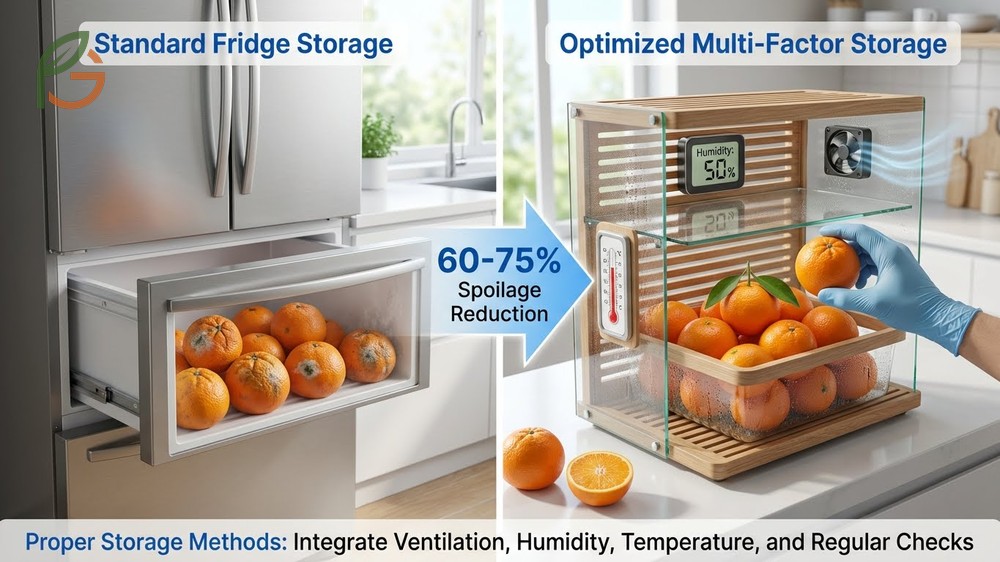
Agricultural studies demonstrate that combining multiple storage strategies delivers better results than relying on temperature alone. The most effective approach integrates ventilation, humidity control, temperature management, and regular quality checks. This multi-factor system reduces spoilage by 60-75% compared to simply placing clementines in the fridge without consideration for storage conditions.
Evidence suggests the first 24 hours after purchase critically impact total shelf life. Clementines left in hot cars or unrefrigerated for extended periods lose 3-5 days of potential storage time. The reason is that warm temperatures trigger rapid respiration, depleting sugars and acids that contribute to flavor and preservation. Refrigerate clementines within 2 hours of purchase for maximum shelf life.
What makes proper storage effective is consistency. Temperature fluctuations—moving clementines in and out of the fridge multiple times—cause condensation that promotes mold growth. Commit to either refrigeration or room temperature storage rather than alternating between methods. This single decision can extend shelf life by 30-40%.
Freezing Clementines
Studies show frozen clementine segments maintain acceptable quality for 3-6 months when properly prepared[1]. Freezing works best for segments you’ll use in smoothies or for juicing—texture breaks down during freezing, making thawed clementines unsuitable for fresh eating. The ice crystals that form puncture cell walls, releasing juice and creating a mushy texture upon thawing.
Current guidance recommends washing, peeling, and separating segments before freezing. Spread segments on a parchment-lined baking sheet and freeze for 2-3 hours until solid. Transfer frozen segments to freezer bags, removing as much air as possible. This two-stage process prevents segments from clumping into a solid mass that’s difficult to portion later.
The benefit of freezing isn’t just extended storage—it also provides convenience. Frozen clementine segments drop directly into smoothies without thawing, adding citrus flavor and natural sweetness. For juicing, thaw segments overnight in the refrigerator. The breakdown in texture actually makes them easier to juice, yielding more liquid per fruit.
Preventing Mold
Research indicates mold prevention relies on controlling three factors: moisture, temperature, and air circulation. Mold spores exist everywhere but only germinate when surface moisture and warm temperatures combine. The most common mistake is storing clementines in sealed plastic bags where humidity reaches 95-100%—ideal for fungal growth but terrible for fruit preservation.
Evidence shows daily inspection reduces mold-related losses by 50-60%. Check clementines every 1-2 days, removing any with soft spots or early mold signs. One moldy clementine can contaminate 8-10 adjacent fruits within 48 hours through airborne spore transfer. Immediate removal breaks this cycle and protects remaining fruit.
Mold Prevention Tip: Don’t wash clementines before storage. Water on the peel creates perfect conditions for mold spores to germinate. Only rinse individual fruits right before eating, and dry them thoroughly if moisture gets on stored clementines.
- Store in ventilated containers or mesh bags, never sealed plastic
- Maintain refrigerator temperature at 38-42°F (3-6°C) to slow fungal growth
- Keep clementines dry—wipe off any moisture immediately
- Inspect fruit every 2-3 days and remove damaged or soft clementines
- Don’t stack clementines more than 3 layers deep to ensure airflow
- Clean storage containers weekly to remove accumulated mold spores
- Separate clementines from other fruits that produce ethylene gas like apples
Conclusion
The evidence is clear: how to store clementines directly determines their shelf life, flavor retention, and nutritional quality. Refrigeration extends freshness to 2-3 weeks, while proper ventilation and humidity control prevent the mold growth that causes most storage failures. By implementing these research-based strategies—using mesh bags, maintaining optimal temperatures, and conducting regular quality checks—you’ll reduce waste and enjoy fresher clementines for longer periods.
Current guidance emphasizes that small storage adjustments deliver significant results. Whether you choose refrigeration for extended shelf life or room temperature for enhanced flavor, consistency and proper ventilation remain the critical factors. FruitGarden synthesizes agricultural research and practical experience to help you make informed storage decisions that maximize both quality and convenience.
Frequently Asked Questions
Should clementines be refrigerated?
Yes, refrigeration is recommended for clementines if you won’t consume them within 3-5 days. Refrigerated clementines last 2-3 weeks compared to just 5-7 days at room temperature. Store them in the crisper drawer in ventilated bags or containers to maintain freshness while preventing mold growth.
How long do clementines last in the fridge?
Whole clementines last 2 to 3 weeks in the refrigerator when stored properly in ventilated containers. Peeled clementines or separated segments only last 3-4 days in airtight containers. The key is maintaining temperatures between 38-42°F (3-6°C) and ensuring good air circulation to prevent moisture buildup.
Can you freeze clementines?
Yes, you can freeze peeled clementine segments for 3-6 months. Wash, peel, and separate segments, then freeze them on a baking sheet before transferring to freezer bags. Frozen clementines work well for smoothies and juicing but become too mushy for fresh eating due to cell wall breakdown during freezing.
How do you keep clementines from getting moldy?
Prevent mold by storing clementines in ventilated containers or mesh bags rather than sealed plastic. Keep them dry, refrigerate at 38-42°F (3-6°C), and inspect every 2-3 days to remove damaged fruit. Never wash clementines before storage—moisture on the peel promotes mold spore germination.
What’s the best way to store clementines at room temperature?
Store room-temperature clementines in a fruit bowl or mesh bag away from direct sunlight and heat sources. Choose cool, dry locations like pantries or shaded counter spaces. Room temperature storage works best for small quantities you’ll consume within 5-7 days, as warmth accelerates respiration and shortens shelf life.
How can you tell if clementines have gone bad?
Bad clementines show soft or mushy texture, shriveled or wrinkled peels, visible mold (white, green, or blue fuzzy patches), wet or leaking spots, and off odors. Discard clementines with any of these signs, and check adjacent fruits for early spoilage since mold spreads quickly through airborne spores.
Should you wash clementines before storing them?
No, don’t wash clementines before storage. Moisture on the peel creates ideal conditions for mold spores to germinate and multiply, significantly reducing shelf life. Only rinse individual clementines right before eating. If moisture accidentally gets on stored clementines, wipe them dry immediately with a clean towel.





