
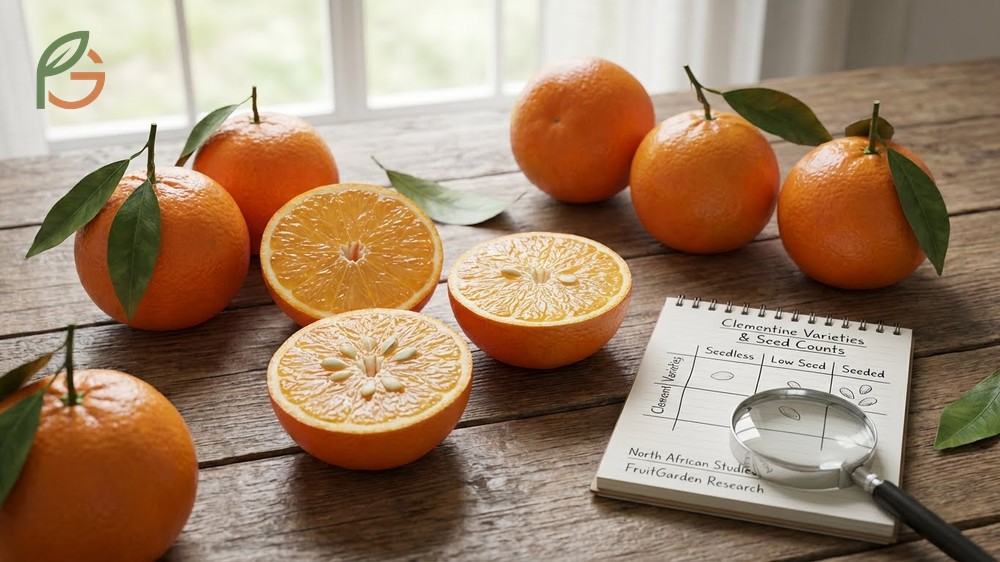
Do clementines have seeds? Most commercial clementines don’t have seeds, but research shows there are actually three distinct types with varying seed counts. Agricultural data from North African cultivation studies confirms seedless varieties exist alongside types containing up to 10 seeds or more[1]. FruitGarden synthesizes current citrus research and industry standards to help you understand what makes these popular fruits seedless and when you might encounter seeds.
Quick Answer
- Most store-bought clementines contain 0-6 seeds and can legally be marketed as “seedless” under USDA regulations[2]
- Seedless clementines stay seed-free through controlled pollination using protective netting during bloom periods
- Three main types exist: seedless (common commercial), standard (up to 10 seeds), and Monreal (more than 10 seeds)[1]
- Clementines develop seeds when cross-pollinated with other citrus trees during flowering season
Do Clementines Have Seeds
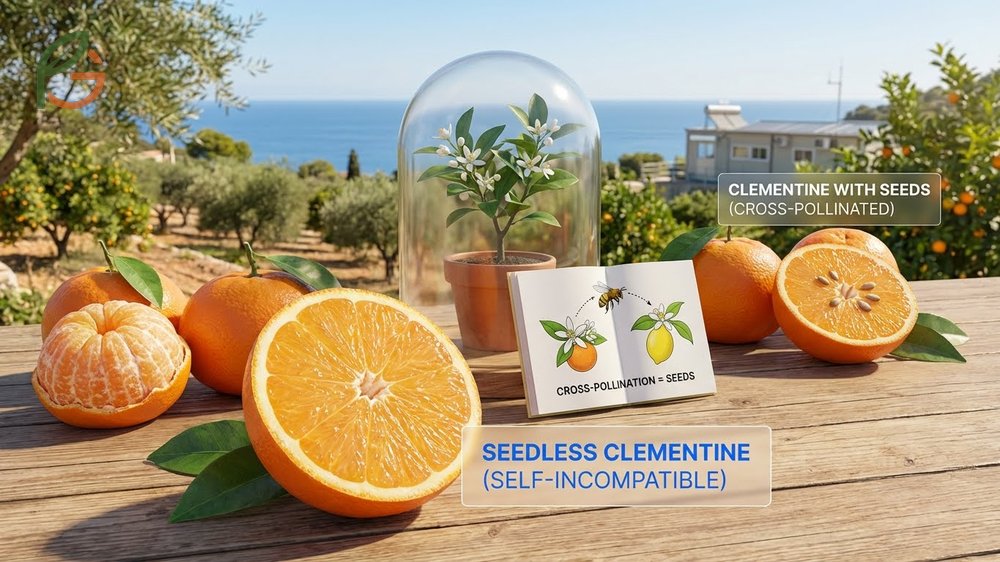
Research across North African and Mediterranean cultivation regions identifies three distinct clementine categories based on seed content[1]. The seedless type dominates commercial production because it’s self-incompatible, meaning it can’t pollinate itself. This biological trait prevents seed formation when trees are isolated from other citrus varieties.
Studies demonstrate that when you find seeds in “seedless” clementines, cross-pollination occurred during the flowering period. Commercial growers prevent this by using protective netting or planting clementines far from other citrus trees. What often surprises consumers is that USDA regulations allow fruits with six or fewer seeds to carry a “seedless” label[2].
The presence of seeds affects more than just eating convenience. Seeded clementines typically grow larger and produce more abundant blooms. Agricultural data shows the Monreal variety averages 15-20% larger fruit size compared to seedless types, though it contains more than 10 seeds per fruit[1].
Three Clementine Types
Current botanical classification divides clementines into three categories that differ primarily in seed count and pollination requirements. Each type serves different market segments and growing conditions.
- Seedless (Common Type): Contains zero to six seeds, self-incompatible, requires isolation from other citrus for truly seedless fruit production
- Standard Clementines: Develop up to 10 seeds when cross-pollinated, maintain sweet flavor profile, slightly smaller than Monreal type
- Monreal Type: Contains more than 10 seeds, self-pollinating capability, produces larger fruits with sweeter taste, native to North Africa[1]
- Clemenules (Nules): Mutation of Fina variety, produces completely seedless fruit when isolated, widely planted in Spain and California
- Hybrid Varieties: Result from crossing clementines with other citrus, may produce variable seed counts depending on pollination sources
Important Growing Note: Clementine trees planted in USDA zones 8-11 require protective netting during the 3-7 week bloom period to maintain seedless fruit production[3]. Without isolation, nearby bees transfer pollen from other citrus varieties, causing seed development.
Why Some Stay Seedless
The genetic mechanism behind seedless clementines centers on self-incompatibility genes. These genes prevent the tree’s pollen from fertilizing its own flowers, blocking seed formation in isolated orchards.
Commercial operations maintain seedless status through two primary methods. First, growers install fine-mesh netting over trees during bloom periods to exclude bees and other pollinators. Second, they establish buffer zones of at least 800 meters between clementine blocks and other citrus varieties. California’s Paramount Citrus implemented these practices so strictly they threatened legal action against nearby beekeepers in 2006 to protect their seedless crops[1].
Seedless Clementine Varieties
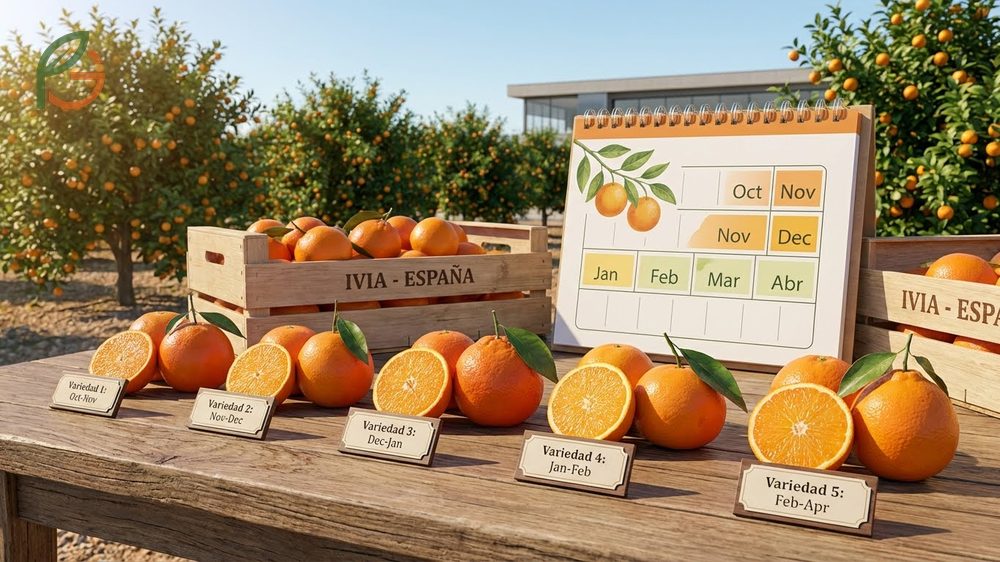
Spain’s Instituto Valenciano de Investigaciones Agrarias (IVIA) developed five seedless clementine varieties specifically for commercial markets between 2010-2013[4]. These cultivars address different harvest windows from October through April, extending the seedless clementine season for consumers.
Each variety balances juice content, peel thickness, and sugar levels to meet consumer preferences. The breeding program prioritized easy-peel characteristics and minimal seed presence, even under accidental cross-pollination conditions.
Popular Seedless Cultivars
Research shows specific varieties dominate different growing regions based on climate compatibility and market timing. Understanding these differences helps home gardeners select appropriate trees for their zones.
- Clemenules (Nules): Most widely planted in Spain and California, ripens October-December in California, mid-November to late January in Spain, larger fruit than Fina parent variety[1]
- Nero: Earliest IVIA variety, ripens 15-20 days before Clemenules (mid-October to early November), large fruit with easy-peel characteristics[4]
- Clemenverd: Late December to early February harvest, high juice content, no peel puffing issues, excellent storage quality[4]
- Moncalina: January-February optimal harvest, derived from Moncada hybrid, exceptional quality with minimal seeds even if cross-pollinated
- Neufina: Extended harvest from mid-January to early March in favorable conditions, obtained from irradiated Clemenules, maintains easy-peel trait[4]
- Murta: Latest variety, mid-February to late April harvest, derived from Murcott hybrid, high sugar levels with firm texture
Growing Zones and Timing
Clementine trees thrive in USDA hardiness zones 8-11, requiring frost-free conditions for fruit production. Commercial cultivation centers in California, Spain, Morocco, and South Africa where winter temperatures stay above 28°F (-2°C)[3].
Planting times vary by region. Spring planting (March-May) works best in zones 8-9 where late frosts pose risks. Fall planting (September-November) succeeds in zones 10-11 where mild winters allow root establishment before summer heat arrives.
Container Growing Tip: Gardeners in zones 7 and colder can grow clementines in 15-20 gallon containers, moving them indoors when temperatures drop below 32°F (0°C). Position near south-facing windows and mist daily during winter months to maintain humidity[3].
Seed Occurrence in Clementines
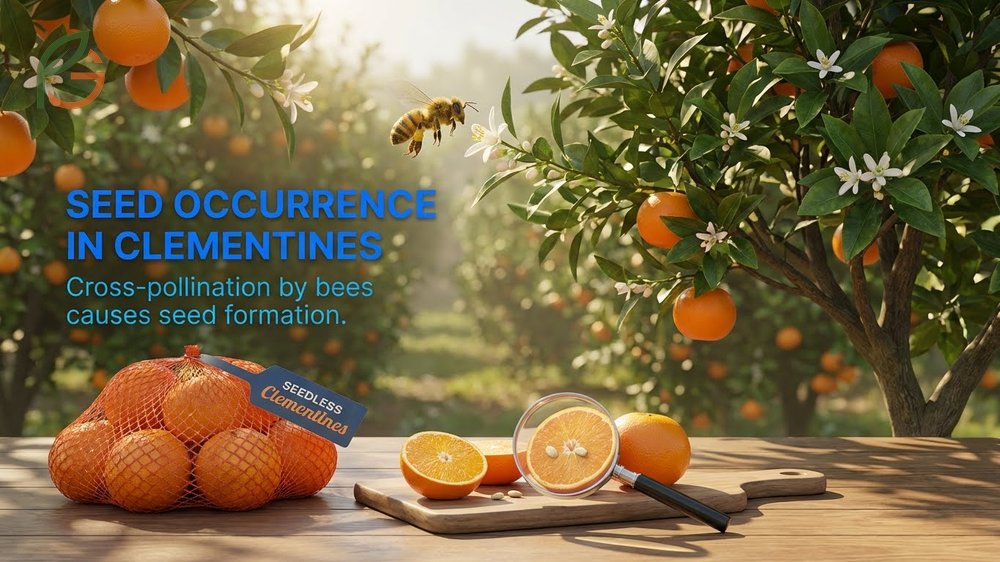
The number of seeds you’ll find in clementines depends entirely on what happened during the tree’s flowering period. Even trees sold as “seedless” varieties produce seeded fruit when pollinators visit from nearby citrus orchards.
Agricultural data shows that a single bee carrying pollen from an orange or mandarin tree can cause seed formation in 60-80% of the clementine flowers it visits. This explains why you might buy a bag of “seedless” clementines and find 2-3 seeds in some fruits while others contain none. The variation reflects which flowers received foreign pollen during bloom.
Distance matters significantly. Studies demonstrate that cross-pollination rates drop below 5% when clementines grow more than 800 meters from other citrus varieties. Within 200 meters, cross-pollination can affect 40-60% of fruits. Commercial growers use this data to design orchard layouts that minimize seed occurrence.
Seeds that develop from cross-pollination won’t grow true to the parent clementine. If you plant these seeds, the resulting tree produces fruit with characteristics from both parent varieties—often yielding poor-quality citrus unsuitable for eating[3]. This is why commercial clementines propagate through grafting rather than seeds.
- Proximity to Other Citrus: Trees within 200 meters of oranges, lemons, or other mandarins show 40-60% seed occurrence rates
- Pollinator Activity: High bee populations during bloom increase cross-pollination likelihood, especially in mixed orchards
- Netting Coverage: Properly installed mesh netting during the 3-7 week bloom period reduces seed formation to less than 2%
- Variety Selection: Clemenules and Nero varieties maintain seedless characteristics better than older cultivars under accidental pollination
- Weather Conditions: Warm, dry weather during bloom extends flower receptivity, increasing the window for cross-pollination
- Orchard Age: Mature trees (10+ years) produce more consistent seedless crops as growers refine isolation techniques
Clementines vs Mandarins
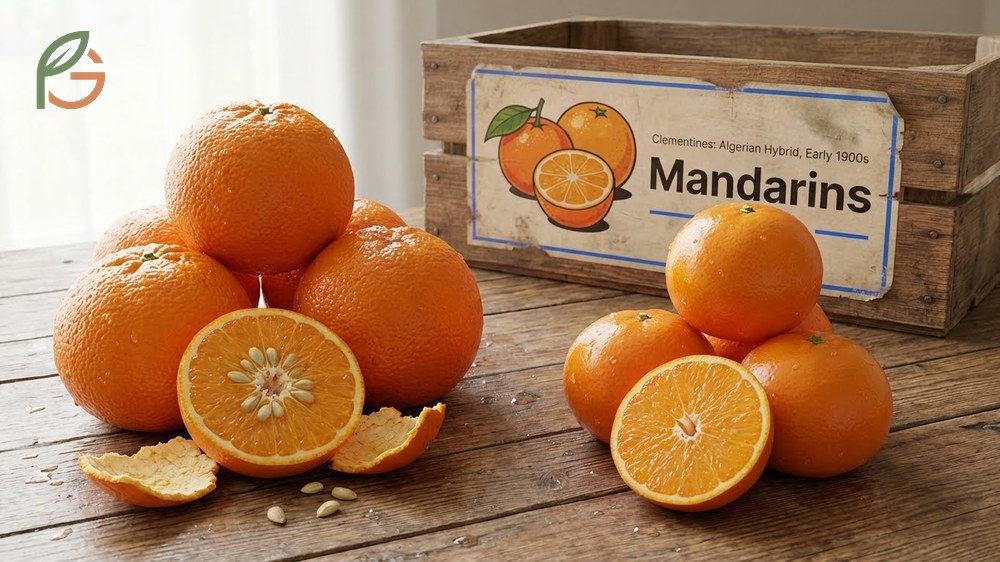
Clementines are actually a hybrid of mandarin oranges and sweet oranges, created in Algeria in the early 1900s. This parentage gives them distinct characteristics that set them apart from standard mandarins, particularly regarding seed content and peel texture.
The hybrid origin explains why clementines typically contain fewer seeds than their mandarin parents. While mandarins often have 10-20 seeds per fruit, clementines bred for commercial production maintain the easy-peel trait from mandarins while inheriting the sweeter flavor and reduced seed count from sweet orange genetics.
This table compares clementines and mandarins across seven key characteristics including botanical classification, seed count, physical appearance, and taste profile
| Characteristic | Clementine | Mandarin |
|---|---|---|
| Botanical Name | Citrus × clementina (hybrid) | Citrus reticulata (species) |
| Typical Seed Count | 0-6 seeds (marketed as seedless)[2] | 10-20 seeds typical |
| Peel Texture | Thin, glossy, very easy to peel | Thin, often easy to peel, variable texture |
| Size & Shape | Small, round, uniform sizing | Small to medium, slightly flattened |
| Flesh Color | Lighter orange, yellowish tones | Deep orange, juicy appearance |
| Sweetness Level | Very sweet, low acidity | Sweet with slight tartness |
| Origin | Hybrid created in Algeria (1902) | Native to China and Southeast Asia |
Market preferences strongly favor clementines for children because the seedless nature eliminates choking hazards and makes them convenient for lunchboxes. This drove the massive expansion of clementine cultivation in California after 1914, when the variety was introduced for commercial production[1].
Cuties Seedless Clementines
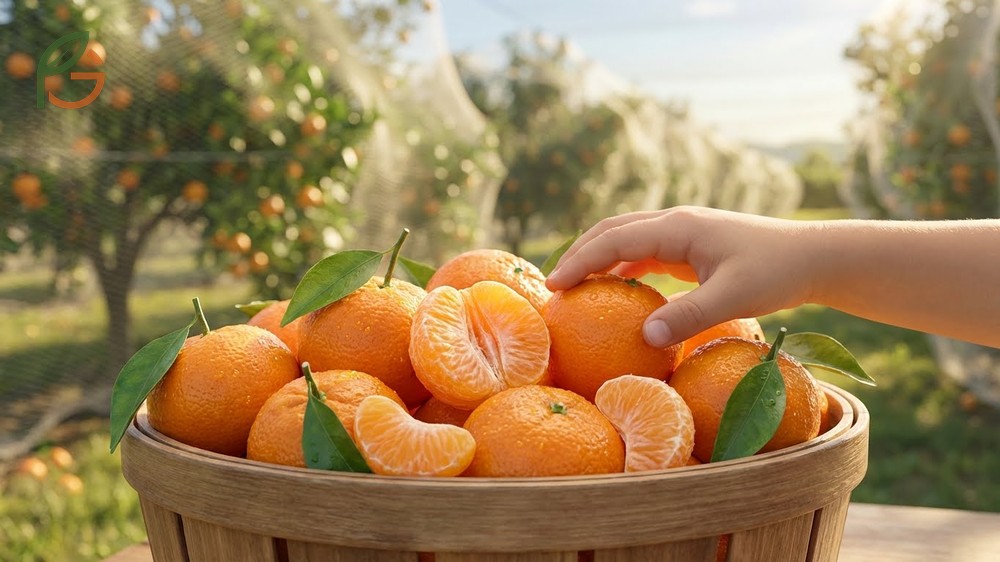
Cuties revolutionized the American mandarin market by branding specific clementine varieties with consistent seedless quality and kid-friendly sizing. The brand doesn’t represent a single variety but rather a selection of clementines and W. Murcott mandarins chosen for their seedless characteristics and sweet flavor profile[5].
Sun Pacific, the company behind Cuties, maintains seedless status through rigorous orchard management. Their growers use protective netting during bloom periods and establish isolation zones around Cuties orchards. This prevents cross-pollination from nearby citrus varieties that would introduce seeds.
The “Cuties” name comes from their small size—perfectly proportioned for children’s hands and lunchboxes. Each fruit undergoes quality screening to ensure it meets brand standards for easy-peel skin, sweet taste, and seedless interior. When you occasionally find a seed in Cuties, it typically means a bee managed to access the tree during flowering despite protective measures.
- Dual Varieties: Includes both clementine mandarins (November-January) and W. Murcott mandarins (February-April) under the Cuties brand name
- Size Standards: Each Cutie measures 1.75-2.5 inches in diameter, smaller than standard mandarins, optimized for children
- Seedless Guarantee: Contains fewer than 6 seeds per fruit, meeting USDA seedless classification requirements[2]
- Protective Cultivation: Growers use fine-mesh netting during 3-7 week bloom periods to exclude pollinators and prevent cross-pollination
- Harvest Timing: Fruit reaches optimal sugar levels (11-13° Brix) before harvest, ensuring consistent sweetness across the season
Competition from the Halos brand drove innovation in seedless mandarin production. Both brands source from California growers who specialize in isolation techniques that maintain fruit quality. The rivalry benefited consumers by expanding availability and lowering prices for premium seedless mandarins.
Conclusion
The evidence is clear: do clementines have seeds depends on the specific variety and growing conditions, but most commercial clementines contain zero to six seeds through careful orchard management. Seedless varieties dominate store shelves because growers isolate trees from other citrus and use protective netting during bloom periods.
Current agricultural guidance emphasizes selecting varieties like Clemenules, Nero, or branded options such as Cuties for truly seedless fruit. Whether you’re growing your own trees in zones 8-11 or simply choosing fruit at the market, understanding pollination requirements helps explain why you sometimes find unexpected seeds in supposedly seedless clementines. FruitGarden continues tracking citrus cultivation research to bring you the latest information on seedless fruit production and home growing techniques.
Frequently Asked Questions
Are all clementines truly seedless?
No, clementines aren’t always seedless. Research shows three types exist: seedless (0-6 seeds), standard (up to 10 seeds), and Monreal (more than 10 seeds). Commercial varieties marketed as seedless can legally contain up to six seeds under USDA regulations and still carry the “seedless” label.
Why do some Cuties have seeds?
Cuties develop seeds when cross-pollination occurs during flowering despite protective netting. Studies demonstrate that a single bee carrying pollen from nearby orange or mandarin trees can fertilize clementine flowers, causing seed formation. This happens in less than 5% of Cuties fruit when growers maintain proper isolation distances.
Can you grow clementines from seeds found in the fruit?
You can plant clementine seeds, but they won’t grow true to the parent fruit. Seeds in clementines result from cross-pollination with other citrus varieties, creating hybrids that typically produce poor-quality fruit. Commercial growers propagate clementines through grafting to maintain consistent seedless characteristics and flavor.
How do farmers grow seedless clementines without seeds?
Farmers propagate seedless clementines through grafting or budding techniques. They take cuttings (scions) from proven seedless trees and graft them onto compatible rootstocks like rough lemon or sour orange. This asexual reproduction method clones the parent tree, maintaining its seedless trait without requiring seeds.
What’s the difference between clementines and tangerines regarding seeds?
Clementines typically contain 0-6 seeds and are bred specifically for seedless production, while tangerines (a mandarin subtype) often have 10-15 seeds per fruit. Clementines feature thinner, glossier skin that’s easier to peel compared to tangerines’ slightly tougher peel. Both belong to the mandarin family but differ in seed count and breeding history.
When is the best time to plant clementine trees?
Spring (March-May) works best for zones 8-9 to avoid late frost damage, while fall (September-November) suits zones 10-11 where mild winters allow root establishment. Plant in full sun locations with well-draining soil. Clementine trees require USDA zones 8-11 for outdoor cultivation or can grow in containers moved indoors during winter in colder zones.
How long does it take for clementine trees to produce fruit?
Grafted clementine trees produce their first fruit in 2-3 years after planting, reaching full production by years 5-7. Trees grown from seed (not recommended for quality fruit) take 7-10 years to bear fruit. Commercial orchards using grafted trees on vigorous rootstocks optimize production by year 4, yielding 100-150 pounds per mature tree annually.





