

Can dogs eat clementines? Yes, when fed properly. Research shows that clementine flesh is safe for most dogs in small amounts, but the peels, seeds, and leaves contain essential oils that can cause digestive upset[1]. Current veterinary guidance emphasizes portion control and proper preparation to prevent stomach issues. FruitGarden synthesizes current veterinary research and pet nutrition data to help dog owners make informed decisions about citrus fruits.
Quick Answer
- Clementine flesh is safe for dogs in moderation, but peels and seeds must be removed[2]
- Feed 1-2 segments for small dogs, 2-3 for medium dogs, and 3-4 for large dogs per day[3]
- High citric acid content can cause digestive upset in sensitive dogs[2]
- Avoid feeding clementines to diabetic or obese dogs due to natural sugar content[1]
Can Dogs Eat Clementines

Studies demonstrate that clementine flesh is non-toxic to dogs when offered as an occasional treat[1]. Most dogs tolerate small amounts without problems, though individual reactions vary. Research shows the key isn’t whether dogs can eat clementines, but how much and how often they should.
Current veterinary data indicates that clementines should comprise no more than 10% of your dog’s daily calorie intake[4]. The fruit’s high sugar and acid content makes it unsuitable as a regular food item. Dogs on AAFCO-compliant diets already receive complete nutrition, so clementines function purely as treats rather than dietary necessities.
Evidence suggests that some dogs simply don’t like the tart taste and will spit out segments immediately. This instinctive response protects them from consuming excessive citric acid. You’ll know within seconds whether your dog enjoys clementines or finds them too sour.
What Parts Are Safe
The flesh of clementines is the only safe part for dogs. Peels contain d-limonene and citrus oils that irritate digestive systems[5]. Seeds pose choking hazards and should be removed before feeding. Stems and leaves are toxic and must never be offered.
Research shows that clementine peels aren’t just difficult to digest—they actively cause stomach problems. The tough consistency can lead to intestinal blockages if consumed in quantity[1]. Always peel clementines completely and inspect segments for any remaining pith or seeds.
Important Safety Note: Never let your dog access fallen clementines in your yard or garden. Whole fruits with peels and potential mold growth pose serious health risks that go beyond simple digestive upset.
Why Dogs Produce Vitamin C
Unlike humans, healthy dogs synthesize vitamin C internally through their livers. Studies show dogs produce approximately 40mg of vitamin C per kilogram of body weight daily[6]. This endogenous production means they don’t require dietary vitamin C like humans do. The synthesis occurs through a four-step metabolic pathway that converts glucose to L-ascorbic acid.
Current research indicates that dogs can increase vitamin C production during stress or illness. However, this adaptive response has limits and may not meet optimal requirements during challenging periods[6]. Older dogs or those with chronic health conditions sometimes benefit from dietary sources that supplement natural production.
Are Clementines Good for Dogs

Research shows clementines offer nutritional value when fed correctly. The primary benefit comes from antioxidants that support immune function, though dogs don’t strictly need fruit in their diet[2]. Evidence indicates that occasional clementine treats won’t harm dogs who enjoy citrus flavors. The key word is “occasional”—daily feeding isn’t recommended due to sugar content.
Current data shows that clementines provide hydration along with nutrients. Each segment contains natural water that helps maintain fluid balance, especially useful during hot weather or after exercise. The fruit’s fiber content supports digestive regularity in small amounts.
Vitamin C Benefits
Studies demonstrate that vitamin C functions as an antioxidant that combats free radicals in dogs. Research shows it supports collagen formation, wound healing, and immune system function[2]. While dogs produce their own supply, additional dietary sources can provide extra support during recovery from illness or surgery.
Evidence suggests that older dogs benefit more from vitamin C supplementation than younger animals. Natural food sources like clementines offer superior bioavailability compared to synthetic supplements because whole fruits contain bioflavonoids that enhance absorption[6].
Fiber and Hydration
Research indicates that clementines contain dietary fiber that aids digestion when consumed in appropriate amounts. The soluble fiber helps prevent constipation and supports healthy gut bacteria. However, excessive fiber from too many segments can cause the opposite problem—diarrhea.
Current studies show that clementines consist largely of water, making them hydrating treats. This moisture content benefits dogs who don’t drink enough water on their own. The natural sweetness encourages consumption, though this same quality makes portion control essential to prevent excess calorie intake.
- Antioxidants that combat cellular damage and support immune health
- Natural hydration from high water content that supplements daily fluid intake
- Dietary fiber that promotes healthy digestion and gut bacteria
- Vitamin C that aids wound healing and collagen production
- Low-calorie option compared to processed dog treats when portioned correctly
Citric Acid Effect on Dogs

Studies show that citric acid in clementines can irritate sensitive canine digestive systems. Research demonstrates that the acid stimulates stomach acid production, which sometimes leads to discomfort[2]. Dogs with sensitive stomachs or existing gastrointestinal conditions often experience nausea or vomiting after consuming citrus fruits. The severity depends on the amount consumed and individual tolerance levels.
Current veterinary data indicates that citric acid poses minimal risk in small quantities. Most healthy dogs handle one or two segments without problems. However, dogs with pancreatitis history or inflammatory bowel disease should avoid citrus entirely[2].
Evidence suggests that citric acid affects small dogs more intensely than large breeds. The concentration relative to body weight creates stronger reactions in toy and miniature breeds. If you’re introducing clementines for the first time, start with half a segment and observe for 24 hours before offering more.
Watch for These Reactions: Dogs experiencing citric acid sensitivity may drool excessively, lick their lips repeatedly, or show decreased appetite within 2-4 hours of consumption. These signs indicate the fruit doesn’t agree with their system.
Safe Portion Sizes

Research establishes clear portion guidelines based on dog size. Studies show that small dogs under 20 pounds should receive only 1-2 segments per day, medium dogs between 21-50 pounds can have 2-3 segments, and large dogs over 51 pounds may enjoy 3-4 segments[3]. These limits ensure treats don’t exceed 10% of daily calorie intake.
Current veterinary guidance emphasizes that frequency matters as much as quantity. Offering clementines 2-3 times per week prevents sugar overload while maintaining treat variety. Daily feeding isn’t recommended even within portion limits because consistent sugar intake affects weight and dental health over time.
Evidence shows that toy breeds need extra caution with clementine portions. Dogs under 10 pounds should receive only half a segment to prevent digestive upset. Cut segments into smaller pieces to reduce choking risk, especially for dogs who gulp food without chewing.
This table compares safe clementine portion sizes across four dog weight categories, showing daily segment limits and weekly frequency recommendations to prevent digestive issues
| Dog Size | Weight Range | Daily Segments | Weekly Frequency |
|---|---|---|---|
| Toy/Small | Under 20 lbs | 1-2 segments[3] | 2-3 times |
| Medium | 21-50 lbs | 2-3 segments[3] | 2-3 times |
| Large | 51-90 lbs | 3-4 segments[3] | 2-3 times |
| Giant | Over 90 lbs | 4-5 segments | 3 times |
- Remove all peel completely to eliminate essential oils that cause stomach irritation
- Inspect each segment for seeds and remove them to prevent choking hazards
- Cut segments into smaller pieces for dogs under 15 pounds
- Offer one segment initially and wait 24 hours to check for reactions
- Store unused segments in refrigerator and use within 2 days for freshness
Symptoms of Citrus Reactions in Dogs

Research identifies several warning signs that indicate your dog can’t tolerate clementines. Studies show that vomiting and diarrhea are the most common reactions, typically appearing within 2-6 hours of consumption[1]. Dogs experiencing digestive upset may also show decreased appetite or refuse their next meal. These symptoms usually resolve within 24 hours without treatment, but persistent issues require veterinary attention.
Current data shows that excessive drooling signals nausea from citric acid irritation. Dogs lick their lips repeatedly or swallow frequently when their stomach feels uncomfortable. Some dogs paw at their mouth or rub their face on carpet, indicating oral discomfort from the fruit’s acidity.
Evidence suggests that lethargy and behavioral changes accompany severe reactions. Dogs who become unusually quiet or seek isolated spaces may be experiencing significant stomach pain. Bloating or visible abdominal discomfort requires immediate veterinary evaluation to rule out intestinal blockage from accidentally consumed peel.
- Vomiting within 2-6 hours that may contain undigested fruit pieces
- Diarrhea or loose stools that persist beyond 12 hours
- Excessive drooling or lip licking indicating nausea or oral discomfort
- Decreased appetite or refusal to eat regular meals following treat consumption
- Lethargy or unusual quietness lasting more than a few hours
- Abdominal bloating or visible discomfort when belly is touched
- Skin reactions like hives or excessive scratching in rare allergic cases
When to Call Your Vet: Contact your veterinarian if symptoms persist beyond 24 hours, if your dog refuses water, or if you notice blood in vomit or stool. These signs indicate serious complications that need professional treatment.
Fruits to Avoid for Dogs
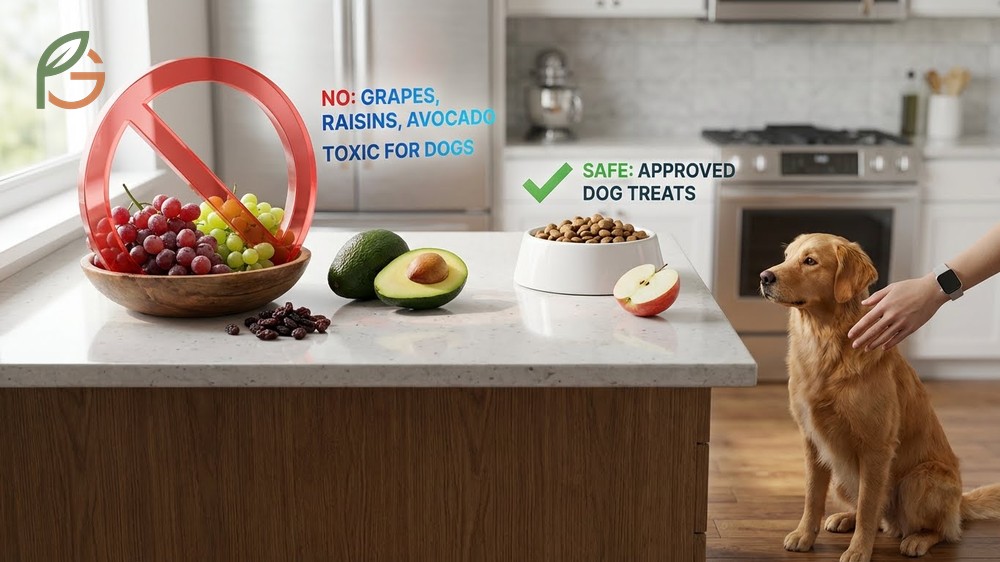
Research clearly identifies several fruits that pose serious risks to dogs. Studies show that grapes and raisins cause acute kidney failure even in small amounts, making them absolutely prohibited[4]. The toxic compound remains unidentified, but veterinary data confirms that individual sensitivity varies—some dogs tolerate small amounts while others suffer kidney damage from a single grape.
Current evidence shows that avocados contain persin, a fungicidal toxin concentrated in leaves, bark, and pit. While the flesh has lower persin levels, the high fat content causes pancreatitis in dogs prone to this condition. Cherries present dual risks from cyanide in pits and stems plus choking hazards from whole fruits.
Studies demonstrate that citrus fruits beyond clementines require extra caution. Lemons and limes contain higher citric acid concentrations that cause severe stomach upset[5]. Grapefruit combines high acidity with compounds that interfere with medication metabolism, making it dangerous for dogs on prescription drugs.
- Grapes and raisins that cause kidney failure with no safe consumption level
- Avocados containing persin toxin and excessive fat that triggers pancreatitis
- Cherries with cyanide-containing pits and choking-risk whole fruits
- Lemons with extreme acidity levels that burn digestive tract tissues
- Limes containing toxic essential oils plus severe citric acid concentrations
- Grapefruit that interferes with medication processing and causes diarrhea
Evidence indicates that several fruits are safe alternatives to clementines. Blueberries provide antioxidants without high sugar content, making them ideal daily treats. Watermelon offers hydration with minimal calories when seeds and rind are removed. Apples supply fiber and vitamins after you remove the core and seeds that contain trace cyanide.
Research shows that bananas work well for dogs who need potassium supplementation or quick energy. However, their high sugar content requires portion control similar to clementines. Strawberries contain teeth-whitening enzymes plus vitamin C, though they should be halved or quartered to prevent choking in small dogs.
Conclusion
The evidence is clear: can dogs eat clementines safely when you follow proper preparation and portioning guidelines. Research demonstrates that peeled segments in appropriate amounts provide occasional nutritional variety without significant risk. Current veterinary data emphasizes that clementines function as treats rather than dietary necessities, since dogs on complete diets receive all required nutrients from their regular food.
The key to success lies in understanding your individual dog’s tolerance and respecting size-based portion limits. FruitGarden encourages dog owners to consult current veterinary research when introducing any new foods, especially citrus fruits that affect digestive systems differently than other treats.
Medical Disclaimer
Important Medical Disclaimer: This content is for informational and educational purposes only. It is not intended as a substitute for professional veterinary advice, diagnosis, or treatment. Always consult a qualified veterinarian before making any changes to your dog’s diet, especially if your pet has existing health conditions like diabetes, pancreatitis, or food allergies. Every dog responds differently to new foods, and what works for one animal may cause problems for another. If your dog experiences adverse reactions after eating clementines, contact your veterinarian immediately.
Frequently Asked Questions
Can Dogs Eat Clementine Peels?
No, dogs should never eat clementine peels. Research shows that peels contain essential oils and d-limonene compounds that irritate digestive systems and cause vomiting or diarrhea. The tough texture also creates choking hazards and potential intestinal blockages.
How Many Clementines Can a Dog Eat Per Day?
Studies recommend 1-2 segments for small dogs, 2-3 for medium dogs, and 3-4 for large dogs per day. These portions ensure treats don’t exceed 10% of daily calorie intake while preventing sugar overload and digestive upset from citric acid.
Are Clementines Better Than Oranges for Dogs?
Clementines and oranges offer similar nutritional profiles for dogs, but clementines are slightly sweeter with thinner membranes. The main advantage is size—clementines provide naturally portion-controlled segments that make measuring treats easier for small and medium dogs.
Can Puppies Eat Clementines?
Puppies over 12 weeks can try tiny amounts of clementine flesh, but their developing digestive systems are more sensitive to citric acid. Wait until puppies reach 6 months before offering regular clementine treats, and limit portions to half a segment for small breeds.
Do Clementines Help With Dog Bad Breath?
While clementines provide temporary freshness from citrus oils, they don’t address underlying causes of bad breath like dental disease or digestive problems. Research shows that consistent dental care and veterinary-approved dental treats work more effectively for long-term breath improvement.
Can Diabetic Dogs Eat Clementines?
No, diabetic dogs should avoid clementines because natural sugars affect blood glucose levels unpredictably. Current veterinary guidance recommends low-sugar vegetables like green beans or carrots as safer treat options for dogs managing diabetes.
What Should I Do If My Dog Ate a Whole Clementine With Peel?
Monitor your dog closely for 24-48 hours for vomiting, diarrhea, lethargy, or loss of appetite. Contact your veterinarian if symptoms develop or worsen, as peel consumption can cause intestinal blockages requiring medical intervention. Most dogs pass small amounts of peel without complications, but large quantities need professional evaluation.





