
Nutritional value of cherries delivers impressive benefits in a small package—one cup provides 97 calories, 3g fiber, and 12mg vitamin C alongside powerful antioxidants.[1] Research shows cherries contain anthocyanins and polyphenols that reduce inflammation and oxidative stress more effectively than many common fruits.[2] FruitGarden synthesizes current agricultural research to help you understand how different cherry varieties—from sweet Bing to tart Montmorency—offer unique nutritional profiles for your health goals.
Quick Answer
- One cup of fresh cherries contains 97 calories, 25g carbohydrates, and 3g dietary fiber[1]
- Cherries provide 12mg vitamin C (about 13% daily value) and are naturally low in fat with zero cholesterol[1]
- Tart cherries have a low glycemic index of 22, while sweet cherries range from 25-63 depending on variety[3]
- Montmorency tart cherries contain the highest melatonin levels at 13.46 ng/g, supporting natural sleep cycles[4]
Nutritional Value of Cherries
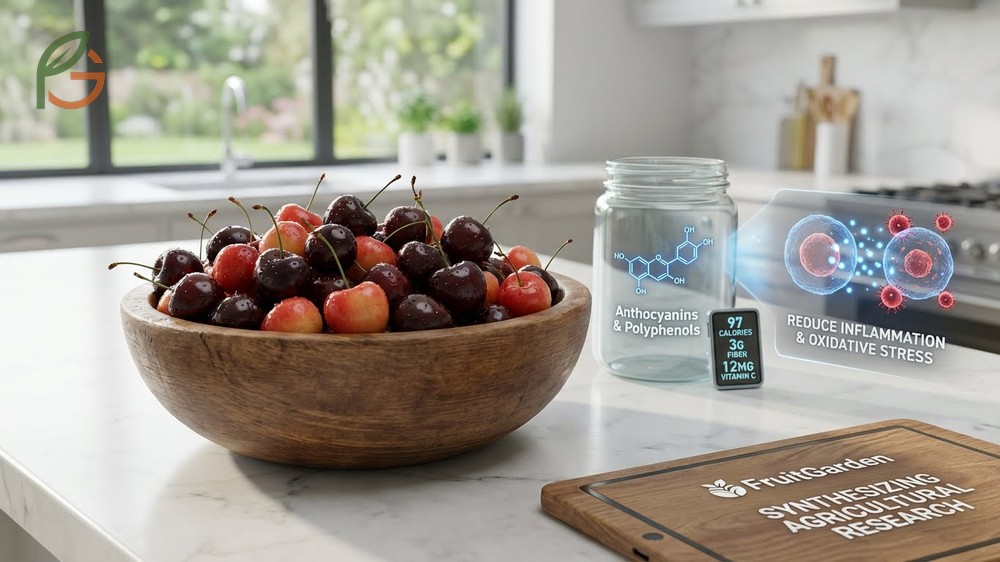
Research shows cherries pack substantial nutrition into each serving without excess calories or fat. One cup of fresh cherries with pits removed (approximately 154g or 21 cherries) delivers 97 calories and represents a complete serving from the USDA fruit group.[1] This serving size contains zero cholesterol, minimal sodium, and provides natural sugars alongside beneficial fiber.
Studies demonstrate that cherries contain vitamins A and C along with important minerals your body needs daily. The fruit’s deep red color signals high concentrations of anthocyanins—natural compounds linked to multiple health benefits.[2] Unlike processed snacks, cherries provide nutrients in their natural form without added sugars or artificial ingredients.
Current data indicates fresh cherries offer better nutritional retention than canned or dried versions. Processing often adds sugar and reduces certain vitamin content, though dried cherries still provide concentrated fiber and minerals when fresh options aren’t available.
Calories and Macronutrients
Evidence from USDA testing shows the macronutrient breakdown supports balanced eating patterns. Each cup contains 25g total carbohydrates, with 20g coming from natural sugars and 3g from dietary fiber.[1] The 2g protein content is modest but contributes to daily intake.
Fat content in cherries remains negligible at less than 1g per cup, with zero saturated or trans fats. This makes cherries naturally heart-friendly and suitable for low-fat eating plans without requiring portion restrictions that other fruits might need.
Vitamins and Minerals
Agricultural data shows cherries contribute meaningful amounts of specific vitamins despite their small serving size. The 12mg vitamin C per cup provides approximately 13% of the daily recommended intake for adults.[1] Vitamin A content reaches 1mcg RAE, supporting eye health and immune function.
Mineral analysis reveals cherries contain 3mg iron and small amounts of calcium at 2mg per serving. Most people don’t realize cherries provide moderate potassium at 268-342mg per cup depending on variety, contributing about 7% toward the FDA’s recommended 4,700mg daily value.[5]
Important Note: The USDA data represents averages across cherry varieties. Actual nutrient content varies based on growing conditions, harvest timing, and specific cultivar, so Bing cherries may differ slightly from Rainier or other sweet cherry types.
Do Cherries Have Fiber
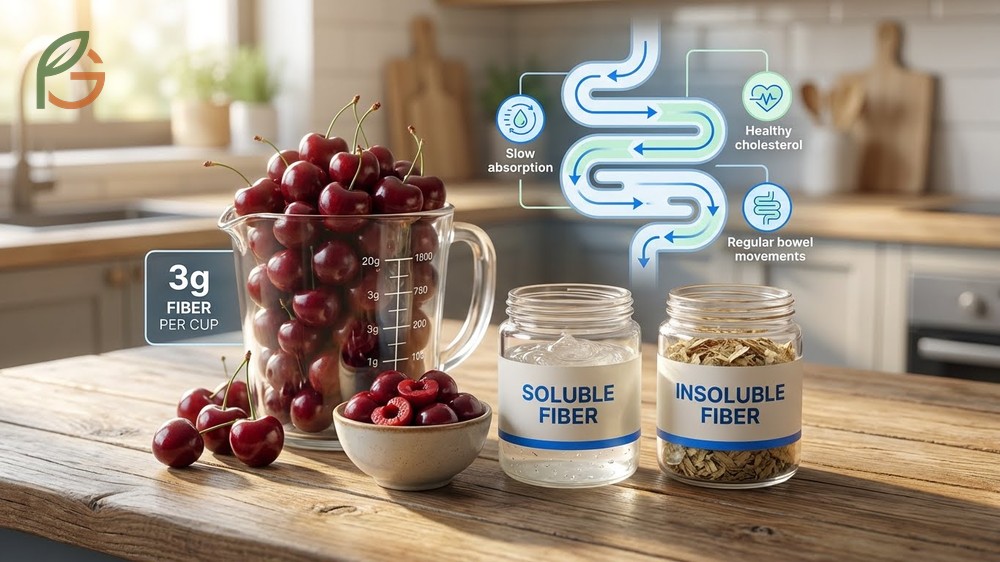
Cherries deliver 3g dietary fiber per cup, making them a solid fiber source for fruit lovers.[1] This represents about 11% of the recommended daily fiber intake for adults following a 2,000-calorie diet. The fiber in cherries is split between soluble and insoluble types, both supporting digestive health.
Soluble fiber in cherries helps slow sugar absorption and supports healthy cholesterol levels. Insoluble fiber adds bulk to digestive waste and promotes regular bowel movements, reducing constipation risk when you eat cherries as part of varied fruit intake.
Comparing fiber content, cherries offer more than grapes or watermelon but less than raspberries or pears. What often gets overlooked is that cherry fiber comes packaged with water content around 82%, helping you stay hydrated while meeting fiber goals throughout the day.
Antioxidants in Cherries

Laboratory analysis reveals cherries contain exceptionally high antioxidant capacity measured through ORAC (oxygen radical absorbing capacity) and FRAP (ferric reducing ability of plasma) testing systems. Montmorency tart cherries showed greater antioxidant activity than sweet cherries in multiple assays, though sweet cherries demonstrated the highest activity in liposome-based systems.[2] This variation highlights how different antioxidant compounds work through distinct mechanisms.
The primary antioxidants in cherries include anthocyanins (giving the red color), quercetin, and ascorbic acid (vitamin C). Recent in vitro studies show synergistic effects between these compounds—they work better together than individually when neutralizing free radicals that damage cells.[2]
Research across multiple trials demonstrates cherry consumption increases plasma antioxidant markers and reduces oxidative stress indicators. Eight out of ten studies showed cherries help neutralize free radicals effectively in human subjects, not just laboratory conditions.
Cherries and Inflammation
Clinical research from Oregon Health & Science University suggests tart cherries possess “the highest anti-inflammatory content of any food” based on comprehensive nutritional analysis.[6] The study presented at the American College of Sports Medicine Conference tracked 20 women with inflammatory osteoarthritis who drank tart cherry juice twice daily for three weeks.
Results showed significant reductions in key inflammation markers, especially C-reactive protein and nitric oxide levels. Women with the highest baseline inflammation experienced the most dramatic improvements, suggesting cherries target active inflammatory processes.[6]
Additional ARS research involving healthy volunteers found that eating 45 fresh Bing cherries decreased plasma urate levels over 5 hours while increasing urate elimination through urine. This mechanism helps prevent gout attacks by reducing uric acid crystal formation in joints, offering relief for millions suffering from this painful arthritis form.[7]
Research Context: Most anti-inflammatory studies used tart cherry juice or Montmorency cherries specifically. Fresh sweet cherries like Bing also show anti-inflammatory effects but have been studied less extensively in clinical trials.
Melatonin Content in Cherries
Studies measuring melatonin concentrations in cherry varieties found Montmorency tart cherries contain the highest levels at 13.46-13.8 ng/g, approximately four times higher than Balaton tart cherries.[4] This natural melatonin exists in the cherry flesh and isn’t added artificially, representing one of the few dietary sources with measurable amounts.
The average melatonin supplement dosage ranges from 0.5 to 5mg daily. You’d need to consume substantial quantities of fresh cherries to match supplement doses—roughly 100-150g of Montmorency cherries provides about 0.013mg melatonin. While this won’t replace pharmaceutical melatonin, regular cherry consumption may support natural circadian rhythm regulation when combined with consistent sleep schedules.
Glycemic Index of Cherries
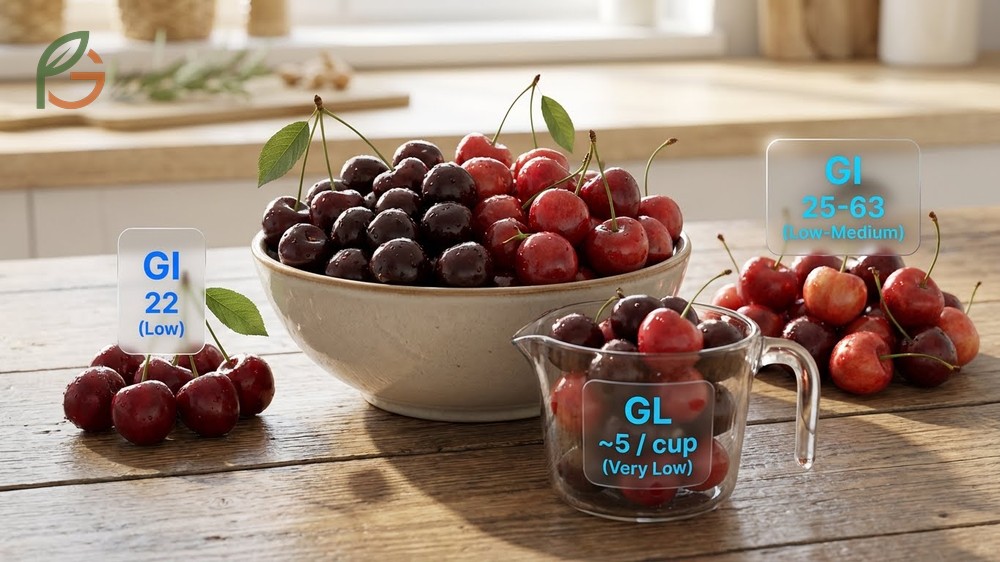
Fresh cherries qualify as low to medium glycemic index foods depending on variety and ripeness. Tart cherries have a GI of approximately 22, placing them firmly in the low-GI category.[3] Sweet cherries range from GI 25 to 63, with most falling around 25-40 when fresh and properly measured.
Glycemic load (GL) provides a more practical measure since it accounts for typical serving sizes. Cherries have a GL of about 5 per cup, considered low and unlikely to cause rapid blood sugar spikes when eaten alone or with protein and healthy fats.
The anthocyanins in cherries target insulin sensitivity and potentially modulate glucose metabolism according to laboratory research. This makes cherries preferable compared to higher-GI fruits like watermelon (GI 72) or pineapple (GI 66) for people monitoring blood sugar responses carefully.
- Ripeness: Riper cherries contain more simple sugars, raising GI compared to slightly underripe fruit
- Processing method: Dried cherries concentrate sugars, often with added sweeteners that dramatically increase GI to 60+
- Variety differences: Dark sweet cherries typically have lower GI than lighter varieties like Rainier
- Meal composition: Pairing cherries with protein (Greek yogurt, nuts) or fat (cheese) slows sugar absorption
- Individual variation: Personal glucose response varies based on insulin sensitivity and metabolic health
- Portion control: Eating 2-3 cups at once can overwhelm the low-GI benefits despite favorable individual ratings
Fresh Cherry Nutrition Facts Comparison
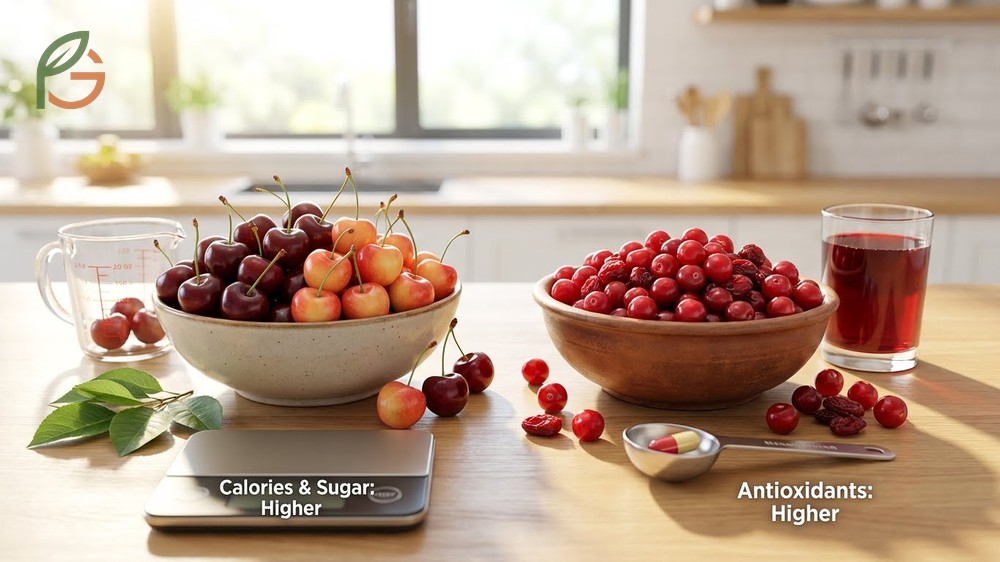
Different cherry varieties offer subtle nutritional variations worth understanding when choosing at markets. Sweet cherries like Bing and Rainier dominate fresh produce sections, while tart Montmorency cherries appear more commonly in juice or dried forms due to their sour taste.
Sweet cherries contain slightly more calories and sugar per serving compared to tart varieties. The tradeoff comes in antioxidant profiles—tart cherries typically measure higher in anthocyanin content and anti-inflammatory compounds, though sweet cherries still provide substantial benefits.
This table compares calories, carbohydrates, fiber, vitamin C, and key benefits across sweet and tart cherry varieties
| Cherry Type | Calories | Carbohydrates | Fiber | Vitamin C | Primary Benefits |
|---|---|---|---|---|---|
| Sweet Bing | 97 cal[1] | 25g | 3g | 12mg | General health, antioxidants, taste |
| Sweet Rainier | 90-100 cal | 24g | 3g | 10-12mg | Lower acidity, vitamin A, beta-carotene |
| Tart Montmorency | 77-87 cal | 19g | 2.5g | 15-16mg | Highest melatonin, anti-inflammatory, sports recovery |
Black cherries, a wild variety, contain similar macronutrients to cultivated sweet cherries but offer higher concentrations of certain phytonutrients due to their smaller size and more intense flavor. Fresh options always retain more vitamin C than processed forms since this nutrient degrades with heat and storage.
Health Benefits of Cherries
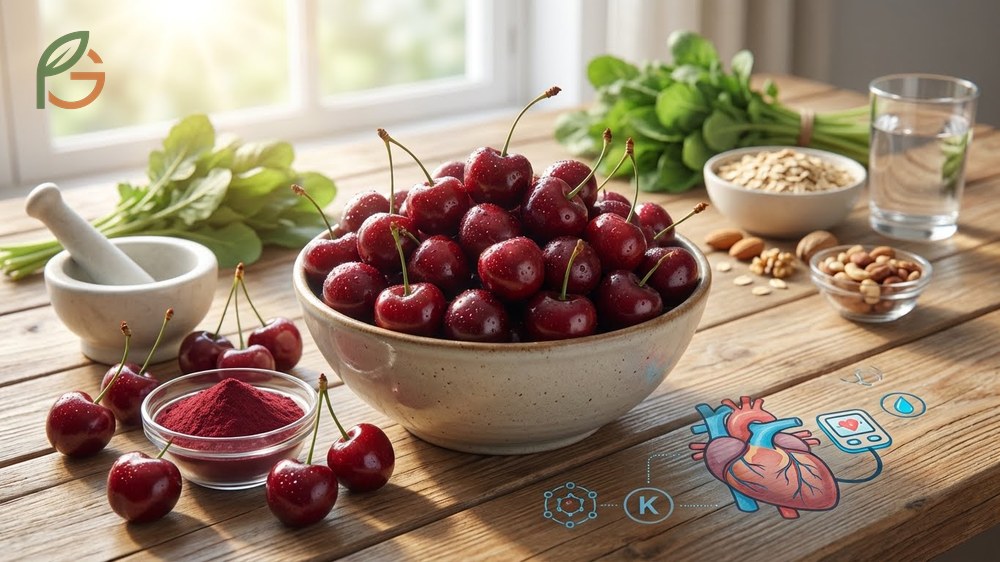
Evidence across multiple research areas demonstrates cherries support health through several distinct pathways. The combination of fiber, vitamins, minerals, and antioxidants works synergistically rather than through any single compound, which explains why whole cherries outperform isolated cherry extracts in many studies.
Cardiovascular benefits emerge from cherries’ ability to reduce inflammation markers and support healthy blood pressure through potassium content. Athletes and active individuals benefit from reduced muscle soreness and faster recovery—8 out of 9 sports studies found cherries eased post-exercise soreness and strength loss when consumed before and after training.
The anthocyanins in cherries may support skin health by protecting against UV damage and reducing oxidative stress in skin cells. Preliminary research suggests regular cherry consumption correlates with improved skin elasticity, though this area needs more controlled human trials to confirm mechanisms.
- Inflammation reduction: Clinical studies show decreased C-reactive protein and other inflammation markers in regular cherry consumers[6]
- Sleep quality support: Natural melatonin content may help regulate circadian rhythms when eaten 1-2 hours before bedtime
- Gout attack prevention: Lowers plasma urate levels and increases uric acid elimination through urine[7]
- Blood sugar management: Low glycemic index and anthocyanins support insulin sensitivity in people monitoring glucose
- Digestive health: Fiber content promotes regular bowel movements and supports beneficial gut bacteria growth
- Exercise recovery: Reduces muscle damage markers and accelerates strength restoration after intense workouts
- Heart health: Potassium supports blood pressure regulation while antioxidants protect arterial health
Practical Application: Most research showing significant health benefits used 1-2 cups of fresh cherries daily or 8-12oz tart cherry juice. Occasional cherry consumption likely provides some benefits, but consistent intake over weeks appears necessary for measurable inflammation and recovery improvements.
Conclusion
The evidence clearly supports nutritional value of cherries as a health-promoting fruit worth including in regular eating patterns. With 97 calories, 3g fiber, substantial vitamin C, and powerful antioxidants per cup, cherries deliver nutrition density that competes with any fruit in the produce section while remaining naturally low in fat and sodium.
Current nutritional guidance emphasizes whole fruits over juices and supplements, making fresh cherries during peak season (May through August in most U.S. regions) an ideal choice for maximizing nutrient intake. FruitGarden continues tracking emerging cherry research to help gardeners and fruit enthusiasts understand how cultivation methods and variety selection impact the nutritional profiles reaching your table.
Medical Disclaimer
Important Medical Disclaimer: This content is for informational and educational purposes only. It is not intended as a substitute for professional medical advice, diagnosis, or treatment. Always consult a qualified healthcare professional before making any changes to your diet, medication, or health routine, especially if you have diabetes, gout, arthritis, or other medical conditions. Individual nutritional needs vary based on age, health status, and medications—what works for one person may not be appropriate for another.
Frequently Asked Questions
Do Cherries Have Vitamin C?
Yes, cherries contain vitamin C with fresh cherries providing approximately 12mg per cup, which represents about 13% of the daily recommended intake for adults. Tart cherry varieties typically contain slightly more vitamin C (15-16mg per cup) compared to sweet varieties, though both contribute meaningfully to daily vitamin C goals when eaten regularly.
Do Cherries Have Protein?
Cherries contain modest protein at 2g per cup, making them a low-protein fruit similar to most fruits. While this won’t significantly contribute to daily protein requirements (50-60g for most adults), it’s higher than watermelon or grapes. Pair cherries with Greek yogurt, nuts, or cheese to create balanced snacks with adequate protein.
Are Cherries High in Fiber?
Cherries provide 3g fiber per cup, making them a moderate fiber source rather than “high fiber.” This represents about 11% of daily fiber needs on a 2,000-calorie diet. While not as fiber-rich as raspberries (8g per cup) or pears (5.5g per medium fruit), cherries still contribute beneficially to daily fiber intake when combined with other whole foods.
What’s the Difference Between Bing Cherry Nutrition Information and Other Sweet Cherries?
Bing cherry nutrition closely matches other sweet cherry varieties like Lambert or Sweetheart, with all providing 87-100 calories per cup and similar macronutrient profiles. Rainier cherries (yellow-red) have slightly lower anthocyanin content due to lighter pigmentation but offer more beta-carotene. The practical differences are minimal—choose based on taste preference and availability rather than nutritional variations.
What Are Black Cherry Nutrition Facts Compared to Regular Cherries?
Black cherries (wild cherries) contain similar calories and macronutrients to cultivated sweet cherries but pack more concentrated antioxidants due to their smaller size and darker pigmentation. They’re higher in anthocyanins and phenolic compounds per gram, though they’re rarely available fresh in commercial markets. Most people encounter black cherry flavor in supplements or extracts rather than whole fruit.
How Do Antioxidants in Cherries vs Blueberries Compare?
Both cherries and blueberries rank among the highest antioxidant fruits, though they contain different antioxidant profiles. Blueberries typically score higher in ORAC testing (4,669 per 100g) compared to sweet cherries (3,365 per 100g), but tart cherries approach blueberry levels while offering unique anthocyanin compounds. The practical difference matters less than eating a variety of colorful fruits regularly—both deliver substantial antioxidant benefits.
What Are the Digestive Benefits of Cherries?
Cherries support digestive health through 3g fiber per cup that promotes regular bowel movements and feeds beneficial gut bacteria. The combination of soluble and insoluble fiber helps prevent constipation while supporting healthy gut microbiome diversity. Some people find cherries have a mild laxative effect when eaten in large quantities (2+ cups), so start with smaller portions if you have sensitive digestion.





