

How many calories in cherries? One cup of fresh sweet cherries contains approximately 95 calories with 25 grams of carbohydrates and 3 grams of fiber[1]. Research shows that cherries support weight management through their low energy density—meaning you get satisfying volume with relatively few calories. FruitGarden compiles current nutritional data and evidence-based guidance to help you make informed decisions about incorporating cherries into your diet.
Quick Answer
How Many Calories in Cherries
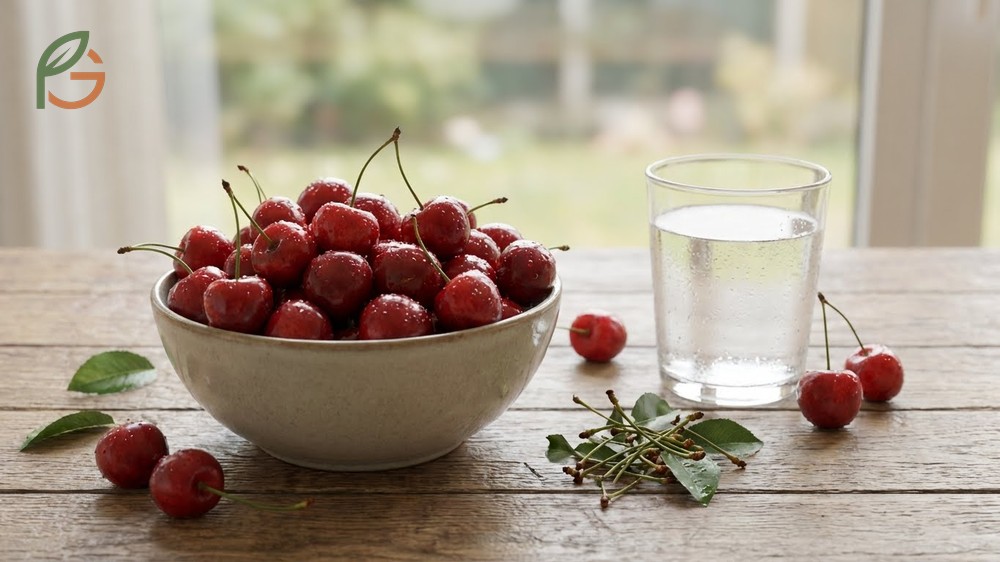
Fresh sweet cherries contain approximately 63 calories per 100-gram serving[1]. This translates to about 95 calories per standard one-cup serving, making cherries a relatively low-calorie fruit option. The caloric content comes primarily from natural sugars balanced with fiber and water content.
What sets cherries apart from other fruits is their low energy density. Studies demonstrate that foods high in water and fiber but low in calories help you feel fuller on fewer servings—a key principle for sustainable weight management[1]. You can enjoy a satisfying portion without consuming excessive calories.
Current nutritional data shows that cherry calories remain consistent across most fresh varieties. Sweet cherries like Bing and Rainier contain similar caloric values within a 5-10 calorie range per cup. The preparation method significantly impacts final calorie counts—canned cherries in syrup can triple the caloric content compared to fresh.
Calories in One Cherry
A single fresh cherry weighing approximately 7 grams provides around 5 calories[2]. This makes cherries an excellent choice for mindful snacking. You can enjoy 10-15 cherries and consume only 50-75 calories total.
The size of individual cherries varies by variety and growing conditions. Larger Bing cherries may reach 8-9 grams each, while smaller varieties stay around 5-6 grams. This size difference affects calorie counts by 1-2 calories per cherry—negligible for most dietary purposes.
Calories in Fresh vs Dried Cherries
The drying process dramatically concentrates calories in cherries. Fresh cherries contain 63 calories per 100 grams, while the same quantity of dried cherries provides 333 calories[4]. This five-fold increase occurs because water removal concentrates natural sugars and reduces overall weight.
A quarter-cup serving of dried cherries delivers approximately 133 calories with 32 grams of carbohydrates[5]. This portion size equals roughly 40 grams of dried fruit. Many commercial dried cherry products also contain added sugars, further increasing caloric density beyond naturally dried versions.
Important Note: Always check nutrition labels on dried cherry packages. Some brands add 20-30% more sugar during processing, pushing calories to 150-160 per quarter-cup serving instead of the natural 133 calories.
How Many Carbs in Cherries
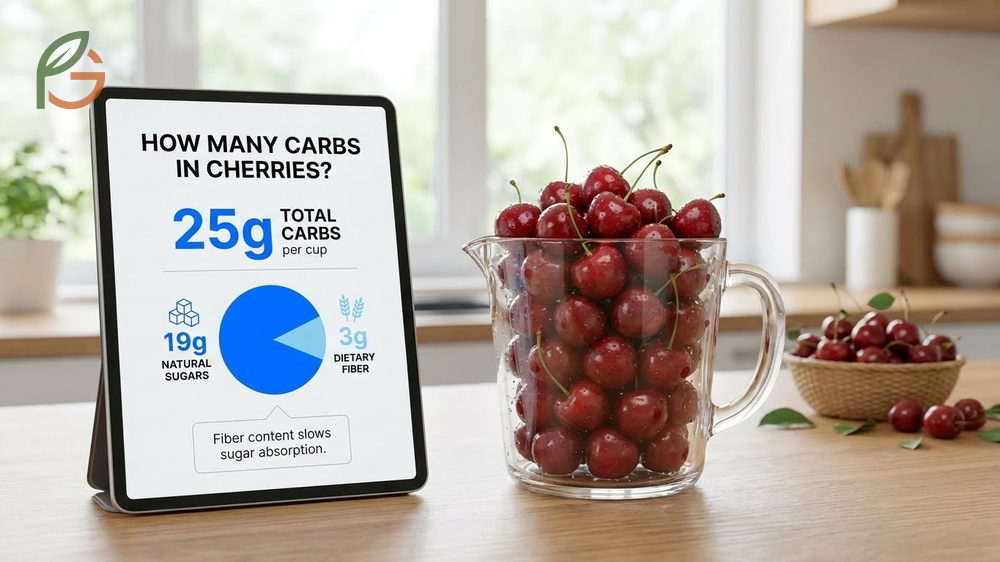
One cup of fresh sweet cherries contains approximately 25 grams of total carbohydrates[1]. This includes roughly 19-20 grams of natural sugars and 3 grams of dietary fiber. The fiber content plays a crucial role in slowing sugar absorption and improving glycemic response.
Research shows cherries rank as a moderate-carb fruit suitable for most balanced diets[1]. Their carbohydrate profile differs significantly from high-carb options like bananas or grapes. The natural sugar composition includes glucose, fructose, and sucrose in balanced proportions that don’t cause rapid blood sugar spikes.
Net carbs—calculated by subtracting fiber from total carbohydrates—equal approximately 22 grams per cup serving. This metric matters most for individuals tracking carbohydrate intake for diabetes management or specific dietary protocols. The glycemic load of a standard serving remains low at around 5, indicating minimal blood sugar impact[6].
Sweet vs Tart Cherry Carbs
Sweet cherries contain more carbohydrates than tart varieties. One cup of sweet cherries provides 24.7 grams of carbs with 19.7 grams of sugar, while tart cherries deliver 18.9 grams of carbs with 13.2 grams of sugar[7]. This difference stems from inherent sugar concentrations in each variety.
The carbohydrate gap between sweet and tart cherries affects dietary choices for carb-conscious eaters. Tart cherries offer 25% less sugar per serving, making them preferable for blood sugar management. However, most people find tart cherries too sour to eat fresh without sweeteners, which negates the carb advantage.
Fiber Content and Net Carbs
Fresh cherries provide 3 grams of dietary fiber per cup serving[1]. This represents about 11% of the recommended daily fiber intake for adults. The fiber exists primarily in the cherry skin, so leaving skins intact maximizes nutritional benefits.
Fiber slows digestion and steadies blood sugar release after consumption. It also increases feelings of fullness and satiety. Current guidance emphasizes consuming whole fruits rather than juices to retain fiber benefits—cherry juice removes virtually all fiber content while concentrating sugars.
- Slows sugar absorption to prevent blood glucose spikes
- Increases satiety signals to reduce overall calorie consumption
- Supports healthy gut bacteria and digestive function
- Reduces net carbohydrate count by 3 grams per serving
- Helps maintain steady energy levels throughout the day
Are Cherries Good for Weight Loss
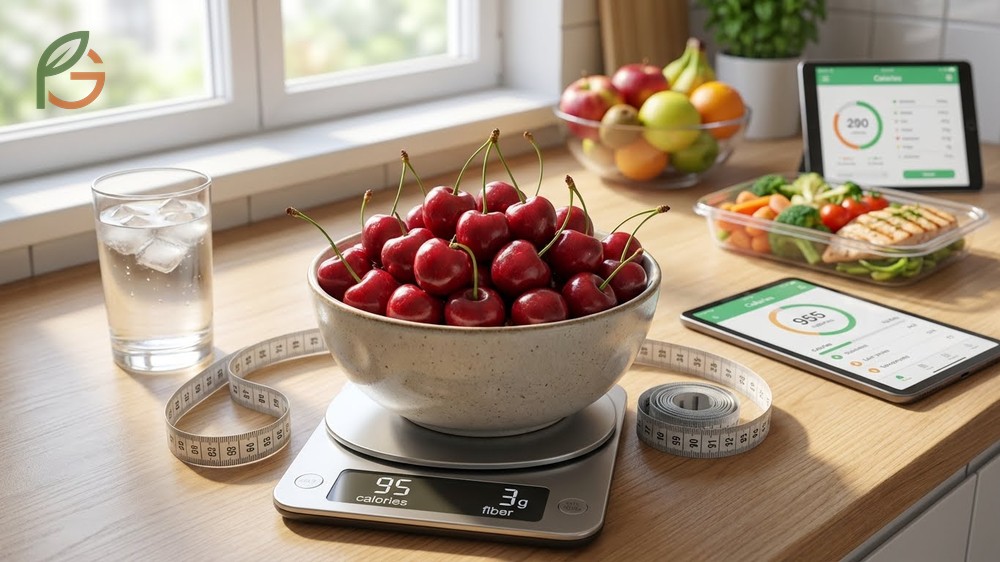
Evidence indicates cherries support weight loss goals when consumed as part of a balanced diet. At just 95 calories per cup with 3 grams of fiber, they provide substantial volume and sweetness without excess calories[1]. The fiber-and-water combination creates feelings of fullness that last 2-3 hours after consumption.
Research shows foods with low energy density help you feel fuller on fewer calories—a fundamental principle for sustainable weight management[1]. Cherries qualify as low-energy-density foods. You can eat a satisfying 12-15 cherries and consume only 60-75 calories, compared to 150-200 calories from equivalent portions of nuts or dried fruit.
The natural sweetness of cherries satisfies sugar cravings without the calorie load of processed desserts. Swapping a 200-calorie cookie for a cup of fresh cherries saves 105 calories while providing superior nutritional value. Over time, these substitutions create meaningful calorie deficits that support gradual weight loss.
Low Energy Density Benefits
Cherries contain approximately 85% water by weight. This high water content dilutes caloric density while increasing volume. Studies demonstrate that eating high-volume, low-calorie foods triggers satiety signals in the stomach before you overconsume calories.
The combination of water, fiber, and natural sugars in cherries provides steady energy release. Unlike refined carbohydrates that cause rapid blood sugar spikes followed by crashes, cherries maintain more stable glucose levels. This prevents the hunger rebounds that often derail weight loss efforts.
- Replace high-calorie desserts with one cup of fresh cherries for 100-150 calorie savings
- Pair cherries with Greek yogurt for a high-protein, filling snack under 200 calories
- Eat cherries 30 minutes before meals to reduce overall appetite and calorie intake
- Freeze cherries for a satisfying ice-cream alternative at just 95 calories per cup
- Add fresh cherries to salads for sweetness without heavy dressings
Portion Control Strategies
Pre-portioning cherries helps prevent overconsumption. Measure one-cup servings into containers at the start of the week. This eliminates the temptation to eat directly from large bags, which often leads to consuming 2-3 servings unknowingly.
Mindful eating techniques enhance satisfaction from smaller portions. Count out 15 cherries and eat them slowly over 10-15 minutes. This allows satiety hormones time to signal fullness to your brain. Most people find 15-20 cherries adequately satisfying when eaten mindfully versus 30-40 consumed while distracted.
Weight Loss Tip: Timing matters for cherry consumption. Eating them as a mid-morning or afternoon snack provides sustained energy and prevents excessive hunger at main meals. Avoid eating cherries late at night when metabolism slows—the natural sugars convert more readily to stored fat during inactive evening hours.
Cherries for Keto Diet
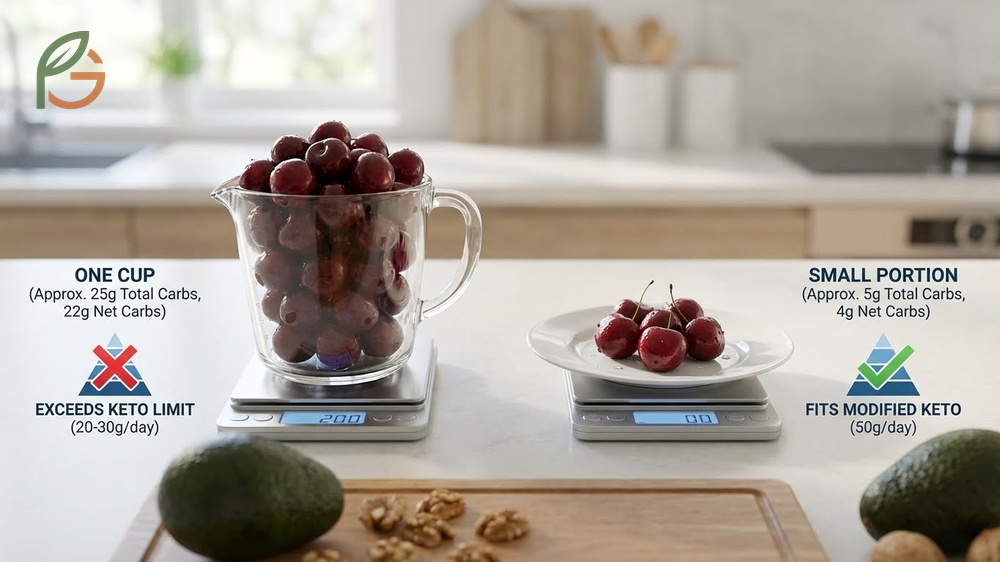
Cherries don’t fit well into strict ketogenic diets due to their carbohydrate content. One cup contains 25 grams of total carbs and 22 grams of net carbs[1]. This exceeds the daily 20-30 gram net carb limit that most people follow for ketosis maintenance.
A small portion of 5-6 cherries contains approximately 5 grams of total carbs and 4 grams of net carbs[8]. This serving size can work within a 50-gram daily carb allowance for modified keto or low-carb diets. However, you’d need to eliminate most other carb sources that day to accommodate even this small amount.
Most keto practitioners avoid cherries entirely or reserve them for targeted carb-up days. Lower-carb berry options like raspberries or blackberries provide better alternatives—they deliver similar antioxidant benefits with 50-60% fewer net carbs per serving. Strawberries also work better for keto, containing just 8 grams of net carbs per cup.
- Raspberries: 7g net carbs per cup versus 22g for cherries
- Blackberries: 6g net carbs per cup with higher fiber content
- Strawberries: 8g net carbs per cup with similar vitamin C levels
- Avocado: 2g net carbs per half fruit plus healthy fats
- Coconut: 6g net carbs per cup of fresh coconut meat
Calories in Different Cherry Varieties
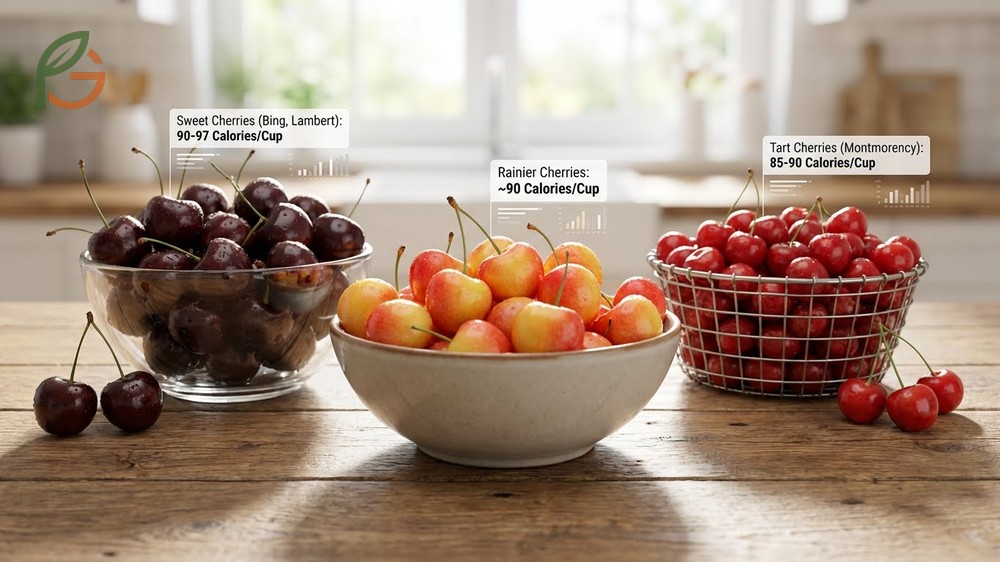
Different cherry varieties show minor caloric variations based on size and sugar content. Sweet cherry varieties like Bing, Rainier, and Lambert range from 90-97 calories per cup. Tart cherry varieties like Montmorency contain slightly fewer calories at 85-90 per cup due to lower sugar concentrations.
Rainier cherries—the yellow-and-red variety—contain approximately 90 calories per cup with 22 grams of carbohydrates[9]. They’re sweeter than standard red cherries but provide similar nutritional profiles. The color difference comes from lower anthocyanin content, which slightly reduces antioxidant potency compared to dark red varieties.
Bing cherries—the most common commercial variety in the United States—deliver about 95 calories per cup. Their deep red color indicates high anthocyanin levels, which provide anti-inflammatory and antioxidant benefits. Current research shows these compounds support cardiovascular health and may reduce exercise-induced muscle soreness[10].
This table compares calories, carbohydrates, and key nutrients across four common cherry varieties including Bing, Rainier, Montmorency tart, and dried sweet cherries
| Cherry Type | Serving Size | Calories | Total Carbs | Fiber | Net Carbs |
|---|---|---|---|---|---|
| Bing (Sweet) | 1 cup (154g) | 95[1] | 25g[1] | 3g[1] | 22g |
| Rainier (Sweet) | 1 cup (140g) | 90[9] | 22g[9] | 1.5g[9] | 20.5g |
| Montmorency (Tart) | 1 cup (155g) | 78[7] | 19g[7] | 2.5g | 16.5g |
| Dried Sweet | 1/4 cup (40g) | 133[5] | 32g[5] | 1g[5] | 31g |
The table shows significant caloric concentration in dried cherries—more than double the calories of fresh varieties in much smaller serving sizes. This makes dried cherries less suitable for weight loss goals despite their convenience and longer shelf life.
Conclusion
The evidence is clear: cherries support weight management goals when you follow portion-controlled strategies. At 95 calories per cup with 3 grams of satisfying fiber and a low glycemic index of 22, they deliver natural sweetness without derailing calorie budgets. Their 25 grams of carbs per serving fit comfortably into balanced diets, though they’re not suitable for strict keto plans.
Current nutritional guidance emphasizes consuming whole fresh cherries rather than dried or juice forms to maximize fiber benefits and minimize calorie density. FruitGarden synthesizes the latest research showing that strategic fruit choices like cherries—combined with mindful portion sizes—create sustainable pathways to health goals without deprivation.
Medical Disclaimer
Important Medical Disclaimer: This content is for informational and educational purposes only. It is not intended as a substitute for professional medical advice, diagnosis, or treatment. Always consult a qualified healthcare professional or registered dietitian before making any changes to your diet, medication, or health routine, especially if you have diabetes, food allergies, or other medical conditions. Individual nutritional needs vary based on age, activity level, and health status.
Frequently Asked Questions
How many calories are in 10 cherries?
Ten fresh sweet cherries contain approximately 50 calories. Each cherry weighs about 7 grams and provides around 5 calories, making them an excellent low-calorie snack option when you want something sweet without excess calories.
Are cherries high in sugar compared to other fruits?
Cherries contain moderate sugar levels—about 19-20 grams per cup. This is similar to apples and pears but lower than grapes (23g per cup) or mangoes (22g per cup). The fiber content in cherries helps slow sugar absorption, resulting in a low glycemic index of 22.
Can I eat cherries every day for weight loss?
Yes, eating one cup of fresh cherries daily can support weight loss when part of a calorie-controlled diet. They provide satisfying volume and natural sweetness for just 95 calories, helping curb cravings for higher-calorie desserts while delivering beneficial antioxidants and fiber.
What’s the best time to eat cherries for weight loss?
Research suggests eating cherries as a mid-morning or afternoon snack works best for weight management. This timing provides sustained energy between meals and prevents excessive hunger at lunch or dinner. Avoid late-night cherry consumption when metabolism slows and sugar converts more readily to stored fat.
How do cherries compare to grapes for calories and sugar?
Cherries contain fewer calories and sugar than grapes. One cup of cherries provides 95 calories with 19-20g sugar, while the same serving of grapes delivers 104 calories with 23g sugar. Cherries also offer more fiber (3g versus 1.4g), making them the better choice for satiety and blood sugar management.
Are frozen cherries the same calories as fresh?
Plain frozen cherries without added sugar contain the same calories as fresh—about 95 per cup. Freezing doesn’t affect caloric content, only texture. However, check labels carefully as some frozen cherry products include added sugars or syrups that significantly increase calories to 150-200 per serving.
How many Weight Watchers points are cherries?
Under current Weight Watchers programs, most fresh fruits including cherries count as zero points, meaning you don’t need to track them. This applies to reasonable portions consumed as snacks or with meals. However, dried cherries require points tracking—about 2-3 points per quarter-cup due to concentrated calories and sugars.





