
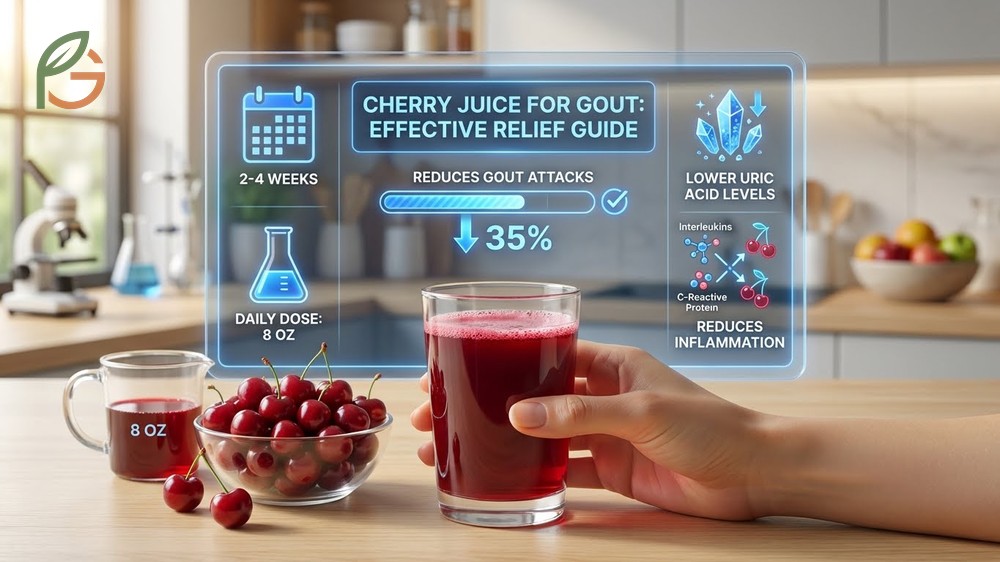
Cherry juice for gout can reduce gout attacks by 35% when you consume it daily, according to research tracking 633 participants[1]. Studies show that drinking 8 ounces of tart cherry juice daily lowers uric acid levels and reduces inflammation within 2-4 weeks[2]. What often gets overlooked is that cherry juice’s effectiveness comes from reducing inflammatory markers like interleukins and C-reactive protein, not just lowering uric acid. FruitGarden synthesizes current clinical research to help you understand optimal dosing and timing for gout relief.
Quick Answer
- Standard dosage: 8 ounces of tart cherry juice daily, split into two 4-ounce servings[3]
- Results timeline: Most people see reduced inflammation within 2-4 weeks, with peak benefits at 4 months[1]
- Attack reduction: 35% fewer gout flares with daily cherry consumption alone[1]
- Alternative form: Cherry capsules provide similar benefits with less than 1mg sugar versus 33g in juice[4]
Cherry Juice for Gout
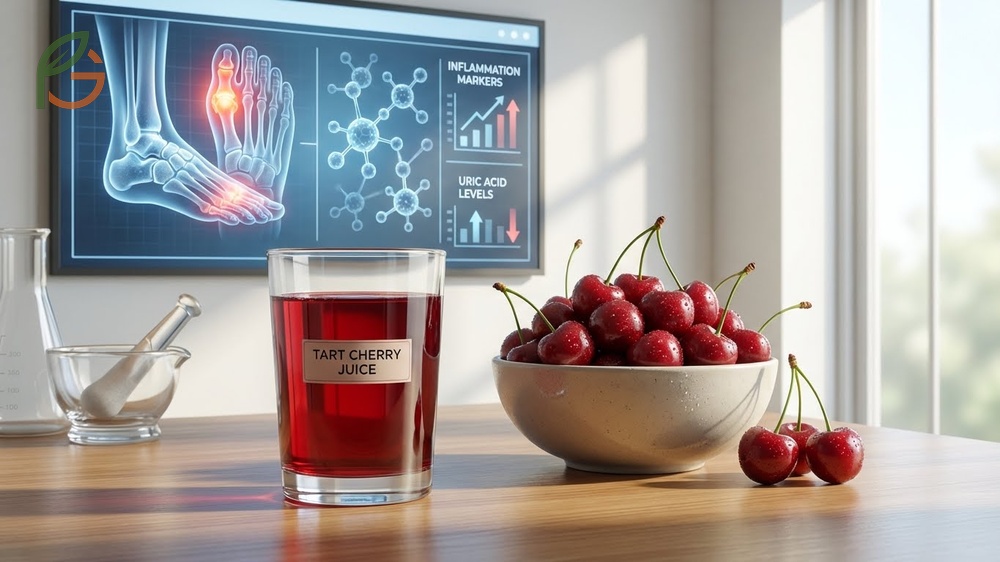
Research shows that tart cherry juice works through dual mechanisms to combat gout. The juice reduces inflammatory markers like interleukin-6 and C-reactive protein while potentially lowering serum uric acid levels[2]. Studies demonstrate that you don’t need to eliminate uric acid completely to see fewer attacks—controlling inflammation matters just as much.
The most comprehensive study tracked 633 gout patients over multiple months. Participants who consumed at least 10 cherries daily experienced 35% fewer gout attacks[1]. Those who combined cherries with prescription allopurinol saw a 75% reduction in attacks[1].
Current evidence indicates that anthocyanins—the pigments giving cherries their red color—are the active compounds. These plant chemicals block inflammatory pathways your body activates during gout flares. That’s why tart cherries, which contain higher anthocyanin concentrations than sweet varieties, show stronger effects in clinical trials.
How Cherry Juice Works
Scientists initially thought cherry juice simply lowered uric acid, but recent research reveals a more complex picture. A 2012 pilot study found that cherry juice concentrate reduced gout flares even when uric acid levels didn’t change significantly[1]. This discovery shifted focus to inflammation control.
The juice targets serum inflammatory mediators that trigger painful gout attacks. When you drink tart cherry juice regularly, anthocyanins enter your bloodstream and suppress pro-inflammatory compounds. This explains why some people experience relief before their uric acid numbers improve.
Research Evidence
A 2019 study reported that participants who drank 8 ounces of diluted tart cherry juice concentrate daily for four weeks experienced significant uric acid drops[2]. The same group showed a nearly 20% reduction in C-reactive protein, a key inflammation marker. These dual benefits make cherry juice particularly effective for gout management.
More recent evidence from a 2025 double-blind crossover trial demonstrated that 28 days of standardized tart cherry extract supplementation reduced plasma uric acid from 7.01 mg/dL to 4.39 mg/dL[5]. Participants achieved these results with freeze-dried capsules rather than liquid juice.
How Much Cherry Juice for Gout Daily
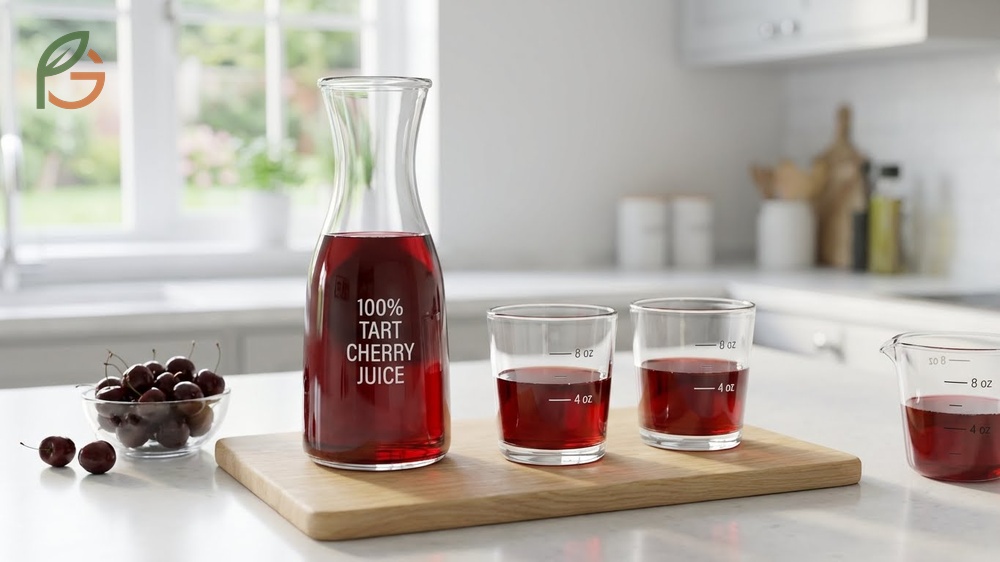
The standard recommendation is 8 ounces of 100% tart cherry juice per day, typically split into two 4-ounce servings[3]. Most clinical studies use this amount because it balances effectiveness with practical consumption. You’ll get the benefits without overwhelming your digestive system or consuming excessive natural sugars.
Some studies suggest that 8-16 ounces daily may provide additional benefits for people with frequent flares. However, starting with 8 ounces lets you assess how your body responds. If you don’t see improvement after 4 weeks, you can gradually increase to 12 ounces under medical supervision.
The Arthritis Foundation recommends drinking one glass daily, noting that consistent intake matters more than occasional large doses[1]. Think of it like blood pressure medication—regularity produces better results than sporadic use.
Standard Dosage
Research protocols typically use these amounts based on product type. For 100% tart cherry juice, consume 8 ounces spread across morning and evening servings. For concentrated juice, the dose drops to 1-2 tablespoons twice daily since concentration levels are 5-10 times higher than regular juice.
One tablespoon of tart cherry extract equals approximately 45-60 whole cherries[2]. This makes concentrate a convenient option if you’re traveling or don’t enjoy the taste of full-strength juice.
- 100% tart cherry juice: 8 ounces daily (two 4-ounce servings)
- Concentrated juice: 1-2 tablespoons twice daily
- Fresh cherries: 20-40 cherries per day
- Canned cherries: Half a can daily
- Cherry extract capsules: Follow manufacturer dosing (typically 480-500mg twice daily)
Important timing note: Don’t expect immediate results like you’d get from prescription anti-inflammatory drugs. Cherry juice works gradually, with most people noticing reduced attack frequency after 4-8 weeks of consistent use.
Concentrate vs Juice
Concentrated cherry juice contains 5-10 times more anthocyanins per ounce than regular juice. You’ll need just 1-2 tablespoons diluted in water to match the effects of 8 ounces of straight juice. This reduces sugar intake while delivering the same anti-inflammatory compounds.
Most people dilute 1 tablespoon of concentrate in 8 ounces of water. This creates a drinkable beverage that’s easier on your stomach and teeth than undiluted concentrate. The dilution doesn’t affect anthocyanin absorption since these compounds remain stable in water.
How Fast Does Cherry Juice Work for Gout
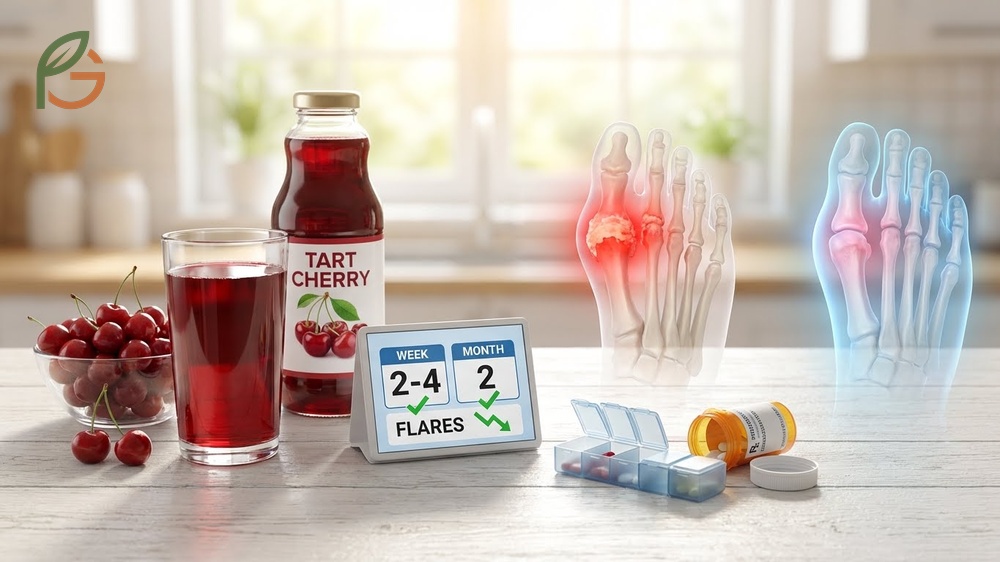
Studies show that tart cherry juice produces measurable inflammation reduction within 2-4 weeks of daily consumption. A clinical trial tracking 24 patients found that 50% of participants experienced fewer flares within 2 months[2]. Half of those taking prescription anti-inflammatory drugs were able to discontinue their medications by this point.
The timeline varies based on your baseline inflammation levels and attack frequency. If you’re experiencing an active flare, cherry juice won’t stop it—it’s not designed for acute symptom relief like colchicine or NSAIDs. The juice works preventatively by gradually reducing the inflammatory environment that triggers attacks.
Most people report noticing fewer attacks after their first 4-week cycle. A 4-month study showed that cherry juice concentrate users reduced their annual attacks from approximately 7 down to 2[1]. This suggests that benefits accumulate over time rather than appearing suddenly.
Short-Term Results
Within the first 2-4 weeks, you might notice subtle changes before seeing major attack prevention. Many people experience reduced joint stiffness in the mornings or find that minor pain episodes resolve faster. These early signs indicate the anthocyanins are starting to modulate your inflammatory response.
Blood tests during this period often show slight drops in C-reactive protein levels. A 4-week study found that participants’ CRP decreased by nearly 20% while uric acid levels dropped significantly[2]. These biomarker improvements precede noticeable symptom relief in most cases.
Long-Term Benefits
The sweet spot for cherry juice effectiveness appears around 4-6 months of consistent use. Studies using this timeframe show the most dramatic reductions in gout flare frequency and intensity[1]. Your body builds up anthocyanin reserves in tissues, creating sustained anti-inflammatory effects.
A 28-day supplementation trial with standardized tart cherry extract demonstrated that plasma uric acid dropped from 7.01 mg/dL to 4.39 mg/dL by day 28[5]. This 37% reduction represents clinically meaningful improvement that translates to fewer attacks.
- Week 1-2: Anthocyanins accumulate in bloodstream, minimal symptom changes
- Week 3-4: Initial inflammation markers (CRP, IL-6) begin declining
- Week 6-8: First noticeable reduction in attack frequency for most users
- Month 3-4: Peak effectiveness with maximum attack prevention
- Month 6+: Sustained benefits with continued daily use
Set realistic expectations: Cherry juice isn’t a quick fix for active gout attacks. If you’re experiencing severe pain right now, you’ll still need prescription medications. Start cherry juice between flares as a preventive strategy.
Tart Cherry Juice and Gout
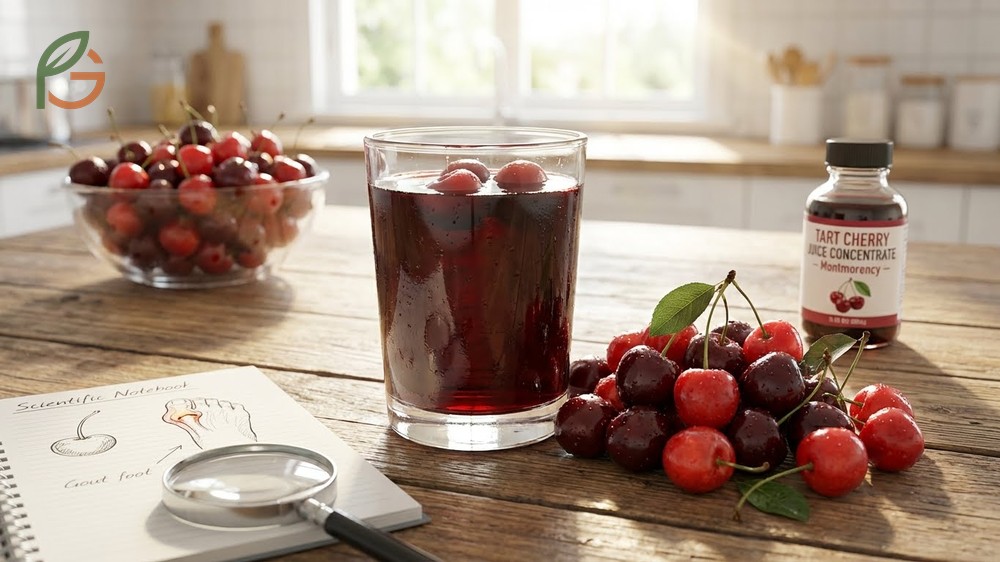
Tart cherries contain 5 times more anthocyanins than sweet cherry varieties, making them significantly more effective for gout management. The Montmorency tart cherry, grown primarily in Michigan, is the variety used in most clinical studies. You’ll see this type listed on product labels as “Montmorency” or simply “tart cherry.”
The sourness comes from lower sugar content and higher concentrations of beneficial plant compounds. While sweet cherries contain some anthocyanins, you’d need to eat considerably more to match the anti-inflammatory effects of tart varieties. Research specifically focuses on tart cherries because they deliver therapeutic doses in manageable serving sizes.
When shopping for tart cherry juice, look for “100% juice” labels without added sugars or preservatives. Many commercial brands dilute tart cherry juice with apple or grape juice to improve taste, which reduces anthocyanin concentration per serving. Check the ingredient list—tart cherry should be the only fruit listed.
- Anthocyanin content: Tart cherries contain 5x more than sweet varieties
- Primary variety studied: Montmorency tart cherries from Michigan
- Taste profile: Sour/tart flavor indicates higher beneficial compound concentration
- Sugar content: Lower natural sugars in tart cherries (better for blood sugar control)
- Research backing: Nearly all gout studies use tart cherry products specifically
- Availability: Found in juice, concentrate, capsule, and powder forms
Black cherry juice for gout receives less research attention than tart cherry varieties. While black cherries do contain anthocyanins, clinical trials haven’t established optimal dosing or effectiveness levels. If you can only find black cherry products, they may provide some benefit, but tart cherry remains the evidence-based choice.
Cherry Juice vs Cherry Capsules for Gout
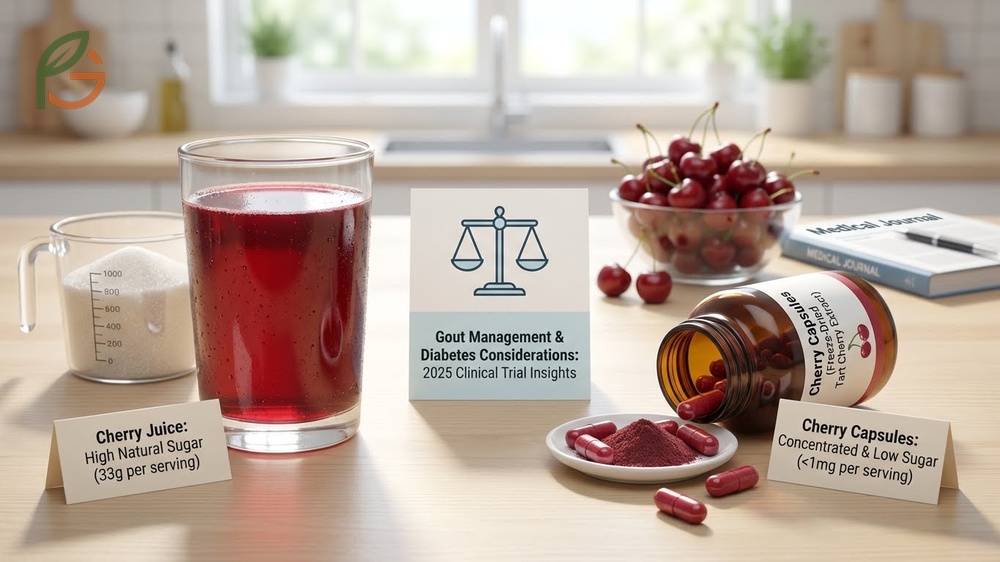
Cherry capsules offer a concentrated alternative that eliminates the primary drawback of juice—high natural sugar content. One serving of 100% tart cherry juice contains 33 grams of natural sugar (fructose), while cherry capsules contain less than 1mg per serving[4]. This makes capsules particularly valuable if you’re managing diabetes alongside gout.
The 2025 clinical trial that showed dramatic uric acid reduction used freeze-dried tart cherry extract capsules rather than liquid juice[5]. Participants achieved a 37% drop in plasma uric acid with standardized capsules, proving that the delivery method doesn’t diminish effectiveness. Capsules also offer shelf stability and travel convenience that juice can’t match.
This table compares sugar content, convenience, cost, and effectiveness between tart cherry juice and capsule supplements
| Factor | Tart Cherry Juice | Cherry Capsules |
|---|---|---|
| Sugar per serving | 33g natural fructose[6] | Less than 1mg[4] |
| Convenience | Requires refrigeration, bulky | Shelf-stable, portable |
| Taste | Tart/sour flavor (some find unpleasant) | No taste (swallow with water) |
| Daily dose | 8 ounces (two servings) | 2-4 capsules (480-1000mg) |
| Research support | Extensive studies since 2011 | Strong recent evidence (2025 trial)[5] |
Cost comparison depends on brand and concentration. Concentrated juice typically runs $15-25 per bottle (lasting 2-4 weeks), while capsule supplements cost $20-35 for a month’s supply. Neither option is dramatically cheaper, so your choice should factor in sugar tolerance, diabetes status, and personal preference rather than price alone.
If you’re like most Americans managing both gout and prediabetes, capsules provide the same anthocyanin benefits without spiking blood glucose. However, if you enjoy the ritual of drinking something beneficial and don’t have blood sugar concerns, juice works equally well for inflammation control.
Side Effects of Too Much Cherry Juice
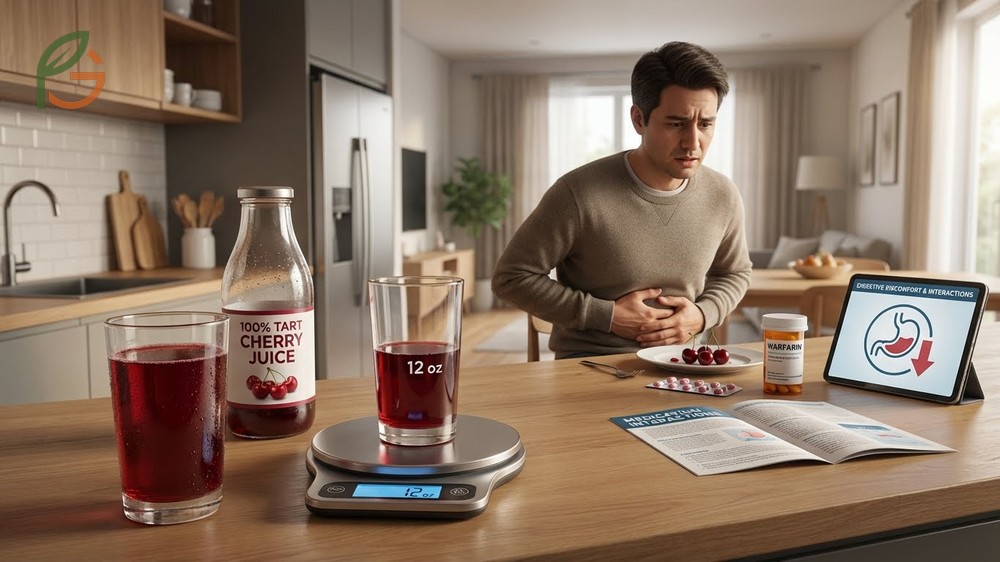
The most common side effect is digestive discomfort from sorbitol, a sugar alcohol naturally present in cherries. Consuming more than 8-12 ounces daily can trigger diarrhea, bloating, or abdominal cramping in sensitive individuals[7]. These symptoms usually appear within 2-4 hours of consumption and resolve once you reduce your intake.
Cherry juice can interact with several common medications. If you’re taking blood thinners like warfarin, antibiotics, or corticosteroids, consult your doctor before starting cherry juice[7]. The anthocyanins may enhance or interfere with these drugs’ effects, requiring dosage adjustments.
Weight gain can occur if you’re not accounting for the extra calories. Eight ounces of tart cherry juice adds approximately 120-140 calories to your daily intake. If you’re drinking this in addition to your regular diet without reducing calories elsewhere, you could gain 1-2 pounds monthly from juice alone.
- Diarrhea and loose stools from sorbitol (sugar alcohol) content
- Abdominal cramping or bloating, especially in people with IBS
- Blood sugar spikes in diabetics (33g sugar per 8-ounce serving)
- Medication interactions with blood thinners and corticosteroids
- Weight gain from excess calories (120-140 calories per serving)
- Dental enamel erosion from acidic pH (rinse mouth after drinking)
- Allergic reactions in people with cherry sensitivities (rare)
Diabetes warning: The 33g of natural sugar in a single 8-ounce serving can significantly impact blood glucose levels. If you have diabetes, monitor your levels closely when starting cherry juice, or switch to low-sugar capsule alternatives instead.
There’s no established maximum safe dose, but sticking to the research-tested amount of 8 ounces daily minimizes risk. Some people tolerate 16 ounces without issues, but going beyond this rarely provides additional benefits and increases the likelihood of side effects. Start with 4 ounces daily for the first week to assess your tolerance before increasing to the full 8-ounce dose.
Conclusion
The evidence is clear: cherry juice for gout delivers measurable benefits when you drink 8 ounces of tart cherry juice daily for at least 4 weeks. Research shows 35% fewer attacks with consistent use, and combining cherries with prescribed medications can boost effectiveness to 75% reduction. Current guidance emphasizes that anthocyanin-rich tart cherries work through dual mechanisms—reducing both inflammation and potentially lowering uric acid levels.
Whether you choose liquid juice, concentrated drops, or capsules depends on your sugar tolerance and lifestyle preferences. All three forms contain the therapeutic anthocyanins your body needs to calm inflammatory pathways. FruitGarden recommends starting with a 4-week trial using your preferred format, tracking attack frequency and severity to measure your personal response before committing long-term.
Medical Disclaimer
Important Medical Disclaimer: This content is for informational and educational purposes only. It is not intended as a substitute for professional medical advice, diagnosis, or treatment. Always consult a qualified healthcare professional before making any changes to your diet, medication, or health routine, especially if you have gout, diabetes, or other medical conditions. Cherry juice may interact with certain medications including blood thinners and corticosteroids.
Frequently Asked Questions
Does cherry juice lower uric acid levels?
Yes, research shows that drinking 8 ounces of tart cherry juice daily can lower serum uric acid levels. A 2025 clinical trial found that 28 days of standardized tart cherry extract reduced plasma uric acid from 7.01 mg/dL to 4.39 mg/dL. However, cherry juice also reduces gout attacks through anti-inflammatory mechanisms even when uric acid levels don’t change dramatically.
What’s the best time of day to drink tart cherry juice?
Split your daily 8-ounce dose into two 4-ounce servings—one in the morning and one in the evening. This maintains consistent anthocyanin levels in your bloodstream throughout the day. Some people prefer taking it with meals to minimize potential stomach upset from the juice’s natural acidity.
Can I use black cherry juice instead of tart cherry juice for gout?
Black cherry juice contains anthocyanins but hasn’t been studied as extensively as tart cherry varieties for gout management. Tart cherries contain 5 times more anthocyanins than sweet or black cherries, making them more effective. If you can only access black cherry juice, it may provide some benefit, but tart cherry products have stronger research backing.
How much cherry juice should I drink during an active gout attack?
Cherry juice won’t stop an active gout flare in progress—it’s not designed for acute symptom relief like prescription anti-inflammatories. Continue your regular 8-ounce daily dose during attacks, but rely on medications like colchicine or NSAIDs your doctor prescribed for immediate pain relief. Cherry juice works preventatively when taken consistently between flares.
Is cherry juice concentrate better than regular juice for gout?
Cherry juice concentrate contains 5-10 times more anthocyanins per ounce than regular juice, so you’ll need just 1-2 tablespoons daily instead of 8 ounces. This significantly reduces sugar intake while delivering the same anti-inflammatory compounds. Dilute concentrate in water before drinking—most people mix 1 tablespoon in 8 ounces of water twice daily.
Can cherry juice help prevent gout if I don’t have it yet?
Studies focused on people already diagnosed with gout haven’t specifically examined prevention in healthy individuals. However, the anti-inflammatory and uric acid-lowering properties suggest potential preventive benefits if you have risk factors like family history or elevated uric acid levels. Discuss preventive strategies with your doctor rather than self-treating.
What’s the sugar content in tart cherry juice and should diabetics avoid it?
One 8-ounce serving of 100% tart cherry juice contains 33 grams of natural sugar (fructose). If you have diabetes, this can significantly impact blood glucose levels. Consider switching to cherry capsules that contain less than 1mg of sugar per serving while delivering the same anthocyanin benefits. Always monitor blood sugar closely when starting any new supplement.





