
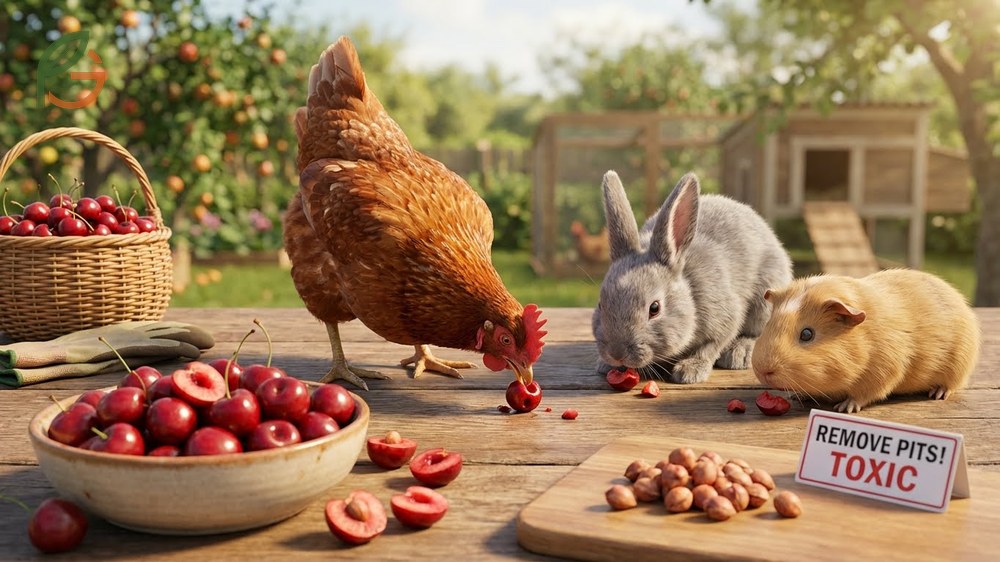
Can chickens eat cherries? Yes, chickens can safely eat cherries, but you must remove the pits first. Cherry pits contain amygdalin, which converts to cyanide when digested and poses serious health risks to chickens, rabbits, guinea pigs, and other small pets[1]. Research shows that the flesh of cherries offers valuable nutrients like 7mg of vitamin C and 2.1g of fiber per 100g[2], making them a healthy treat when prepared correctly. FruitGarden synthesizes current agricultural research and veterinary data to help you safely incorporate fruits into your backyard flock and small pet diets.
Quick Answer
- Chickens can eat cherries, but pits must be removed to prevent cyanide exposure[3]
- Rabbits can have small amounts of pitted cherries as occasional treats (fruit seeds/pits are toxic)[4]
- Guinea pigs benefit from cherry’s 7mg vitamin C per 100g but should only eat one cherry, twice weekly[5]
- Always wash cherries thoroughly, cut them in half, and discard pits, stems, and leaves before feeding
Can Chickens Eat Cherries
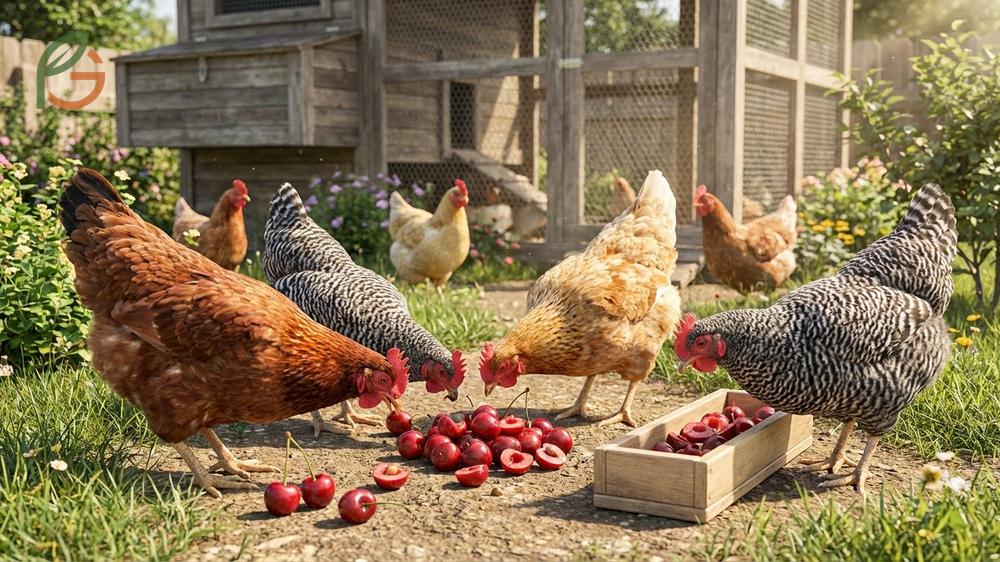
Chickens can safely eat cherry flesh as an occasional treat. Studies demonstrate that poultry naturally peck around hard objects and typically avoid consuming whole pits[6]. However, relying on this instinct isn’t safe practice since individual birds behave differently.
Fresh cherries provide quick energy and hydration during hot summer months. The natural sugars give chickens a metabolic boost, while the high water content (82% by weight)[2] helps prevent dehydration. Most backyard chicken owners notice increased foraging activity after offering fruit treats.
You should limit cherry treats to no more than 10% of your flock’s daily diet. Overfeeding fruits can disrupt the nutritional balance chickens need from their primary layer feed. What often gets overlooked is that excessive fruit consumption can lead to decreased egg production and softer shells due to reduced calcium intake.
Nutritional Benefits for Chickens
Cherries deliver several nutrients that support chicken health. The vitamin C content supports immune function, though chickens synthesize most of their own vitamin C unlike guinea pigs. Potassium (222mg per 100g)[2] helps maintain proper muscle and nerve function.
The fiber content (2.1g per 100g)[2] aids digestive health without overwhelming their system. Unlike processed treats, cherries contain no artificial additives or preservatives. This makes them a cleaner option than many commercial poultry snacks.
From My Experience: My cousin in Guadalajara, Mexico grows cherry trees in her backyard and feeds extras to her small flock of six hens. She noticed that during the June 2024 harvest, her chickens consistently ignored the pits when she tossed halved cherries into their run—but she still removes all pits now after one hen attempted to peck at a cracked pit.
Cherry Pit Dangers
Cherry pits contain amygdalin, a compound that converts to cyanide during digestion. Current veterinary guidance emphasizes that even small amounts of cyanide can cause respiratory distress, weakness, and death in birds[7]. The risk increases significantly if chickens crack open the hard outer shell to access the seed inside.
The lethal dose varies by body weight and individual bird metabolism. A full-grown chicken weighing 5-6 pounds faces lower risk than bantam breeds, but no safe threshold exists. Evidence indicates that chewing or grinding the pit releases higher concentrations of amygdalin than swallowing it whole[1].
Important Safety Note: Never assume your chickens won’t eat the pits. Young or curious birds may peck at pits out of boredom or curiosity, especially if food is scarce. Always remove pits before feeding cherries to eliminate all risk.
Can Rabbits Eat Cherries
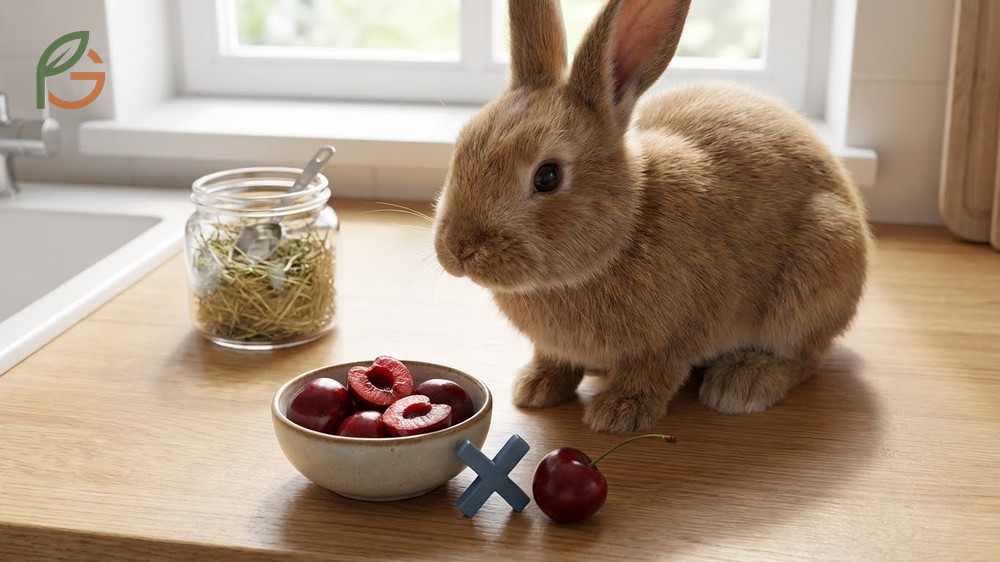
Rabbits can eat small amounts of pitted cherries as occasional treats. Research shows that fruit should comprise less than 5% of a rabbit’s total diet to prevent digestive upset and obesity. The high sugar content (12.82g per 100g)[2] can disrupt the delicate balance of gut bacteria rabbits need for proper digestion.
Veterinary experts at Oxbow Animal Health list fruit seeds and pits among foods rabbits should never consume[4]. A rabbit’s sensitive digestive system can’t handle the cyanide compounds found in cherry pits. Even trace amounts can cause serious health complications.
Most rabbit owners notice their pets eagerly accept cherry treats. This enthusiasm doesn’t mean cherries are appropriate as a daily food. Timothy hay and dark leafy greens should always form the foundation of a rabbit’s diet, with fruits reserved for special occasions or training rewards.
Safe Portion Sizes for Rabbits
Limit cherry treats to one or two small pieces per week for an average 5-pound rabbit. Larger breeds like Flemish Giants can handle slightly more, while dwarf breeds need smaller portions. The key is maintaining variety across different fruit types rather than feeding large amounts of a single fruit.
Cut cherries into quarters to prevent choking and make them easier to chew. Remove all stems and thoroughly wash the fruit to eliminate pesticide residue. Organic cherries reduce chemical exposure but still require washing before serving.
Rabbit Digestive Considerations
Rabbits have a unique hindgut fermentation system that requires consistent fiber intake. Sudden dietary changes or excessive fruit consumption can cause dangerous gas buildup and diarrhea. Agricultural data shows that rabbits need 18-22% fiber in their total diet to maintain proper gut motility.
The acid content in cherries can cause mouth sores if fed too frequently[5]. Watch for signs of discomfort like reduced eating or excessive drooling after introducing any new food. If you notice these symptoms, discontinue cherry treats and consult your veterinarian.
Can Guinea Pigs Eat Cherries
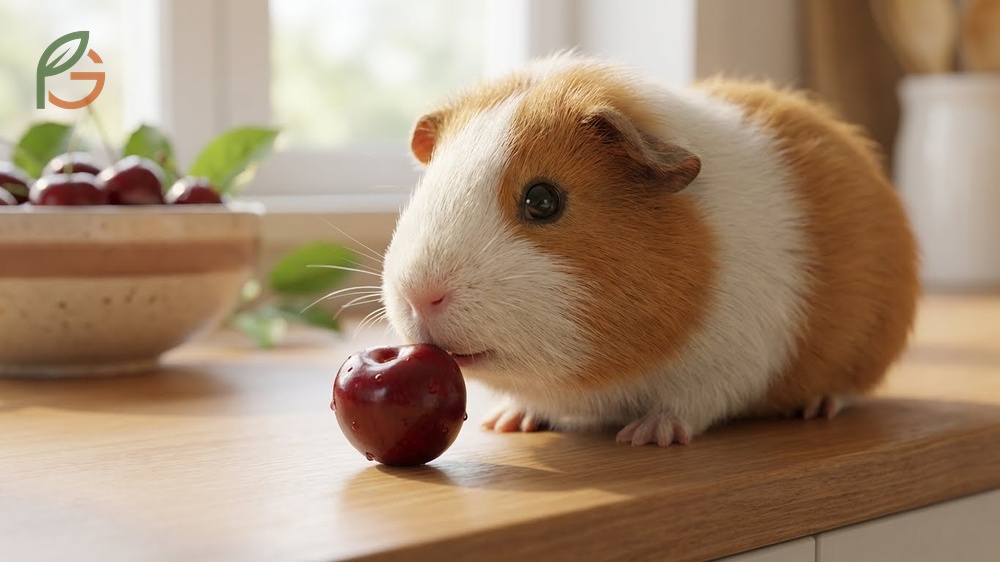
Guinea pigs can safely eat one cherry, twice per week at most[5]. Unlike chickens and rabbits, guinea pigs can’t synthesize their own vitamin C and must obtain it through diet. Cherries provide 7mg of vitamin C per 100g[2], contributing to their daily requirement of 10-30mg depending on life stage.
Current guidance emphasizes choosing the freshest cherries possible since vitamin C content degrades over time. Wash cherries thoroughly and remove all pits, stems, and leaves before feeding. The fiber content helps support digestive health, but excessive amounts can cause constipation[5].
You’ll get better nutritional results by rotating cherries with other vitamin C-rich foods like bell peppers and kale. This variety prevents boredom and ensures balanced nutrient intake. Guinea pigs that eat only one type of fruit often develop selective eating habits that complicate their care.
Vitamin C Priority: If you’re choosing between cherries and bell peppers for your guinea pig, opt for bell peppers. They contain 4-5 times more vitamin C per serving and lower sugar content, making them a more efficient way to meet daily vitamin C requirements.
This table compares safe cherry feeding frequencies, maximum portions, and key safety notes across four common backyard pets and small animals
| Pet Type | Safe Frequency | Maximum Portion | Key Safety Note |
|---|---|---|---|
| Chickens | 2-3 times weekly | 2-3 pitted cherries per bird | Remove all pits; avoid overfeeding[3] |
| Rabbits | Once weekly | 1-2 small pieces | High sugar; limit strictly[4] |
| Guinea Pigs | Twice weekly maximum | 1 whole cherry (pitted) | Vitamin C source; watch for mouth sores[5] |
| Hamsters | Once weekly | 1 small piece (size of fingernail) | Very small portions due to size; remove pits |
Safe Fruits for Chickens
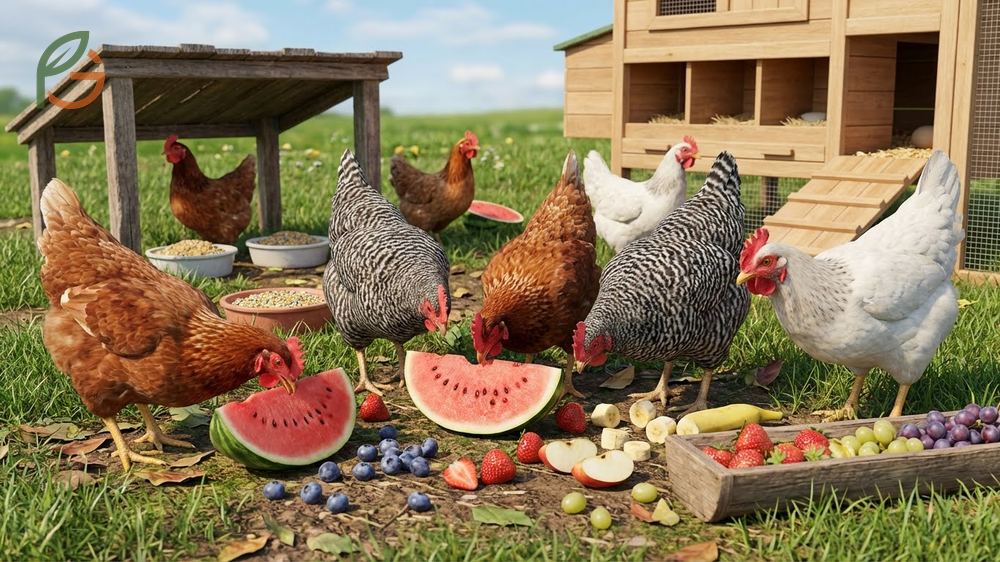
Chickens thrive on dietary variety that includes multiple safe fruit options beyond cherries. Agricultural research demonstrates that fruit treats improve flock morale and reduce stress-related behaviors like feather pecking. The natural foraging behavior stimulated by offering varied fruits keeps chickens mentally engaged.
Fresh fruits should complement—not replace—complete layer feed formulated for optimal egg production. Most commercial feeds provide balanced protein (16-18%), calcium, and essential vitamins. Treats should account for no more than 10% of daily caloric intake to maintain this balance.
Seasonal fruit availability lets you rotate treats throughout the year. Summer brings berries and melons, while fall offers apples and pears. This natural rotation prevents boredom and exposes chickens to diverse nutrients they might not get from feed alone.
- Apples (remove seeds—they contain cyanide compounds similar to cherry pits)
- Watermelon (including rind—excellent hydration during summer heat)
- Blueberries (whole or halved—high in antioxidants, no prep needed)
- Strawberries (fresh or slightly overripe—cut large berries in half)
- Bananas (peeled and mashed or sliced—overripe bananas work well)
- Grapes (cut in half to prevent choking—never feed whole to small bantams)
- Pears (cored and sliced—remove seeds like apples)
- Peaches (pitted—skin is safe and nutritious)
Avoid feeding chickens avocado (contains persin toxin), chocolate, or anything moldy. Citrus fruits are debated among chicken keepers—some birds enjoy them while others refuse them. If offering citrus, start with small amounts and observe your flock’s reaction.
Remove Cherry Pits for Pets
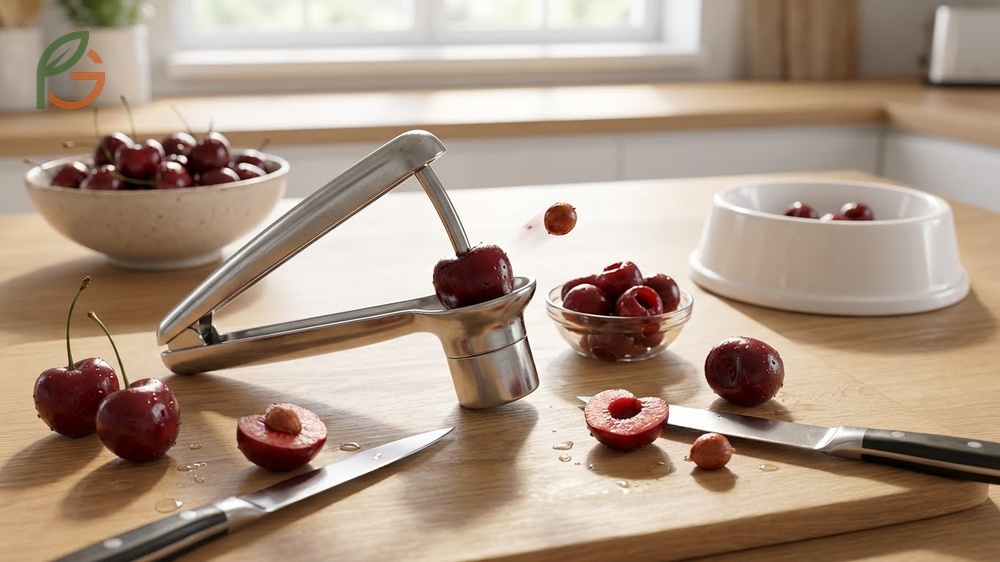
Removing cherry pits requires a systematic approach that eliminates risk while preserving fruit quality. A handheld cherry pitter makes the process quick and efficient, especially when preparing treats for multiple animals. These inexpensive tools cost $8-15 and process one cherry every 2-3 seconds.
If you don’t have a pitter, cut each cherry in half along the natural seam and twist the halves apart. The pit usually stays attached to one half, making removal easy with your fingers or a small knife. This method works well for occasional cherry treats but becomes tedious when processing large quantities.
Always inspect each cherry half after pitting to confirm complete pit removal. Small pit fragments can break off during the pitting process and remain hidden in the flesh. These fragments pose the same cyanide risk as whole pits.
- Wash cherries thoroughly under cool running water to remove pesticides and dirt
- Remove all stems and leaves—these parts also contain trace cyanide compounds
- Use a cherry pitter or knife to remove pits completely from each cherry
- Inspect each pitted cherry for remaining pit fragments or sharp edges
- Cut large cherries in half or quarters for small pets to prevent choking
- Feed cherries immediately after preparation—don’t let pitted fruit sit at room temperature for extended periods
- Store unused pitted cherries in the refrigerator for up to 24 hours in an airtight container
Dried cherries pose less immediate choking risk but often contain added sugars inappropriate for pets. If using dried cherries, choose unsweetened varieties and rehydrate them in water before feeding. The hard texture of dried fruit can damage teeth or cause mouth injuries in small animals.
Canned cherries typically contain heavy syrup and preservatives that cause digestive upset. The sugar content in canned cherries often exceeds 20g per serving—far too much for chickens, rabbits, or guinea pigs. Fresh or frozen (thawed) cherries are always better options than canned varieties.
Conclusion
The evidence is clear: chickens can eat cherries safely when you remove all pits, stems, and leaves before feeding. This same rule applies to rabbits, guinea pigs, hamsters, and other small pets—the sweet flesh provides valuable nutrients, but the pits contain dangerous cyanide compounds that can cause serious harm or death.
Current guidance emphasizes treating cherries as occasional rewards rather than dietary staples. Your chickens need balanced layer feed, rabbits require unlimited timothy hay, and guinea pigs depend on vitamin C-rich vegetables as their primary nutrition sources. FruitGarden helps you make informed decisions about safe fruit treats that enhance your animals’ diets without compromising their health.
Medical Disclaimer
Important Medical Disclaimer: This content is for informational and educational purposes only. It is not intended as a substitute for professional veterinary advice, diagnosis, or treatment. Always consult a qualified veterinarian before making any changes to your pet’s diet, especially if your animal has pre-existing health conditions or shows signs of illness. Individual animals may have allergies or sensitivities not covered in general guidelines.
Frequently Asked Questions
Can Chickens Eat Cherries With Pits?
No, chickens should never eat cherries with pits intact. While chickens often peck around pits naturally, relying on this behavior is unsafe since individual birds may attempt to crack or swallow pits[6]. The amygdalin in cherry pits converts to cyanide during digestion, causing respiratory failure and death in birds[7]. Always remove pits before feeding cherries to your flock.
Can Hamsters Eat Cherries Safely?
Hamsters can eat very small amounts of pitted cherry flesh once per week. Due to their tiny size (most hamsters weigh 1-2 ounces), a portion the size of your fingernail is sufficient. The high sugar content can cause obesity and diabetes in hamsters if fed too frequently. Remove all pits, stems, and leaves before offering cherries, and never feed dried cherries with added sugar or preservatives.
What Fruits Are Toxic to Rabbits?
Rabbits should avoid avocados (contain persin toxin), any fruit seeds or pits (cyanide compounds), rhubarb, and unripe fruits[4]. Even safe fruits like cherries, apples, and grapes should be fed sparingly—less than 5% of total diet—due to high sugar content. The safest rabbit diet consists of unlimited timothy hay, fresh dark leafy greens like kale and romaine lettuce, and high-quality pellets formulated for rabbits.
How Many Cherries Can Guinea Pigs Eat Per Day?
Guinea pigs should eat no more than one pitted cherry, twice per week maximum[5]. Daily cherry feeding causes digestive problems and tooth decay from excessive sugar. While cherries provide vitamin C (7mg per 100g)[2], bell peppers offer 4-5 times more vitamin C with less sugar, making them a better daily choice for meeting your guinea pig’s 10-30mg daily vitamin C requirement.
Can Wild Birds Eat Cherries From My Tree?
Yes, wild birds can safely eat cherries directly from trees. Most wild birds like robins, cedar waxwings, and blue jays have evolved to consume cherries whole and pass the pits undigested through their systems. However, pet birds in captivity face higher risk since they may crack pits in their cages, so always remove pits before offering cherries to caged birds. Wild cherry trees provide important food sources for native bird populations during late spring and early summer.
What Should I Do If My Chicken Ate a Cherry Pit?
Monitor your chicken closely for 24-48 hours if you suspect pit consumption. Signs of cyanide poisoning include difficulty breathing, lethargy, loss of balance, and bright red combs or wattles. Most chickens pass whole pits through their digestive systems without issue since the hard shell prevents amygdalin release[6]. However, if your chicken shows any distress symptoms, contact an avian veterinarian immediately. The danger increases significantly if the bird cracked or chewed the pit.
Are Dried Cherries Safe for Small Pets?
Plain, unsweetened dried cherries are marginally safe but not recommended for small pets. The hard texture poses choking hazards and can damage teeth in guinea pigs and rabbits. Most commercial dried cherries contain added sugars, sulfites, or preservatives that cause digestive upset. If you choose dried cherries, rehydrate them in water for 15-20 minutes before feeding, and offer only tiny portions (half the size of fresh cherry portions). Fresh or frozen (thawed) cherries are always safer and more nutritious options.





