
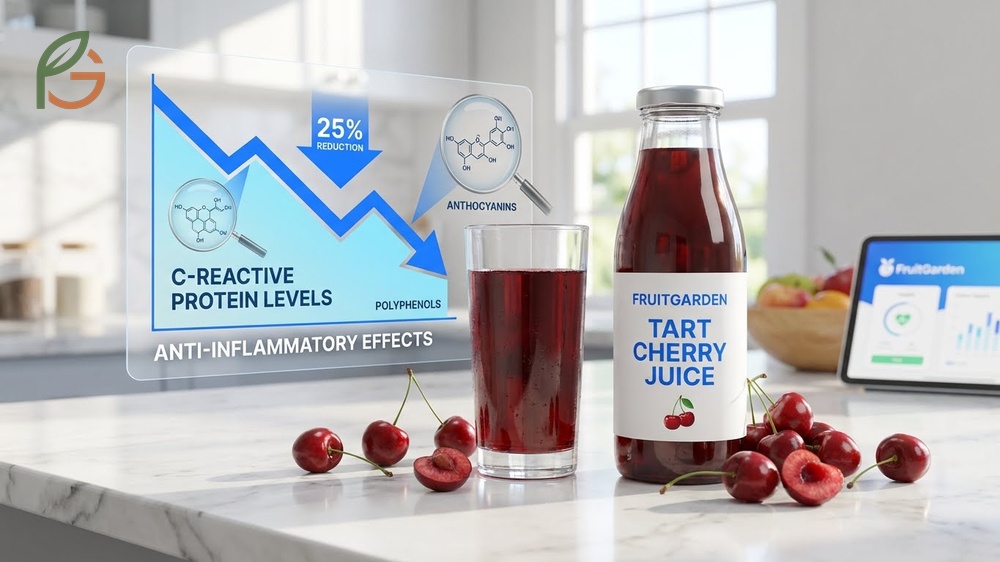
Research shows that benefits of cherry juice include powerful anti-inflammatory effects, with studies demonstrating a 25% reduction in C-reactive protein levels after 12 weeks of daily consumption.[1] Tart cherry juice contains anthocyanins and polyphenols that work like natural anti-inflammatory agents in your body. FruitGarden synthesizes current nutritional research to help you understand how cherries can support your health goals.
Quick Answer
- Tart cherry juice reduces inflammation markers by 25% and lowers systolic blood pressure significantly[1]
- Standard dosage is 240-480mL daily (8-16oz) based on clinical studies[1]
- Cherry consumption reduces gout attack risk by 35% through uric acid reduction[2]
- One 8oz serving contains approximately 120 calories and 28-30g carbohydrates[3]
Benefits of Cherry Juice
Studies demonstrate that tart cherry juice provides measurable health improvements through its high concentration of bioactive compounds. A 12-week randomized controlled trial with 37 adults aged 65-80 found that consuming 480mL daily significantly increased DNA repair activity and lowered inflammatory markers.[1] These benefits extend beyond inflammation to include cardiovascular protection and improved metabolic function.
Research shows the juice works through multiple pathways in your body. It reduces oxidative stress by increasing antioxidant capacity while simultaneously decreasing inflammatory cytokines.[4] The anthocyanins in tart cherries act similarly to non-steroidal anti-inflammatory drugs but with fewer side effects when used appropriately.
Current data indicates that both sweet and tart cherries provide health benefits, though tart varieties contain higher concentrations of beneficial compounds. Montmorency tart cherries, the most common variety in commercial juices, deliver 56mg of flavonoids per serving along with vitamins A and C.[5]
Antioxidant and Anti-Inflammatory Content
The bioactive compounds in cherry juice include anthocyanins, quercetin, and other polyphenols that neutralize free radicals. These compounds increased plasma ORAC values and serum total antioxidant status in multiple studies.[4] Most people don’t realize that the concentration of these compounds varies significantly between fresh cherries and concentrated juice forms.
Evidence suggests that regular consumption changes inflammatory markers measurably. Participants in clinical trials showed decreased levels of TNF-α, MCP-1, and interleukin-6 after consuming tart cherry juice.[1]
- Anthocyanins (primarily cyanidin-3-glucoside and cyanidin-3-rutinoside)
- Quercetin and other flavonoid compounds
- Melatonin for sleep regulation and antioxidant activity
- Vitamin C and beta-carotene precursors
- Phenolic acids including chlorogenic and neochlorogenic acids
Cardiovascular Benefits
Studies demonstrate that cherry juice consumption lowers systolic blood pressure and LDL cholesterol in older adults. The 12-week trial showed significant reductions in both measures compared to placebo groups.[1] These cardiovascular improvements appear linked to the juice’s anti-inflammatory and antioxidative properties.
Research shows that tart cherry supplementation reduced VLDL and triglyceride-to-HDL ratios in overweight participants. A 4-week study with 240mL daily consumption demonstrated significant decreases in these cardiovascular risk markers.[4]
Important Note: If you’re taking blood pressure medications or cholesterol-lowering drugs, consult your healthcare provider before adding cherry juice to your routine. The juice’s effects on these markers may require medication adjustments.
Tart Cherry Juice for Inflammation
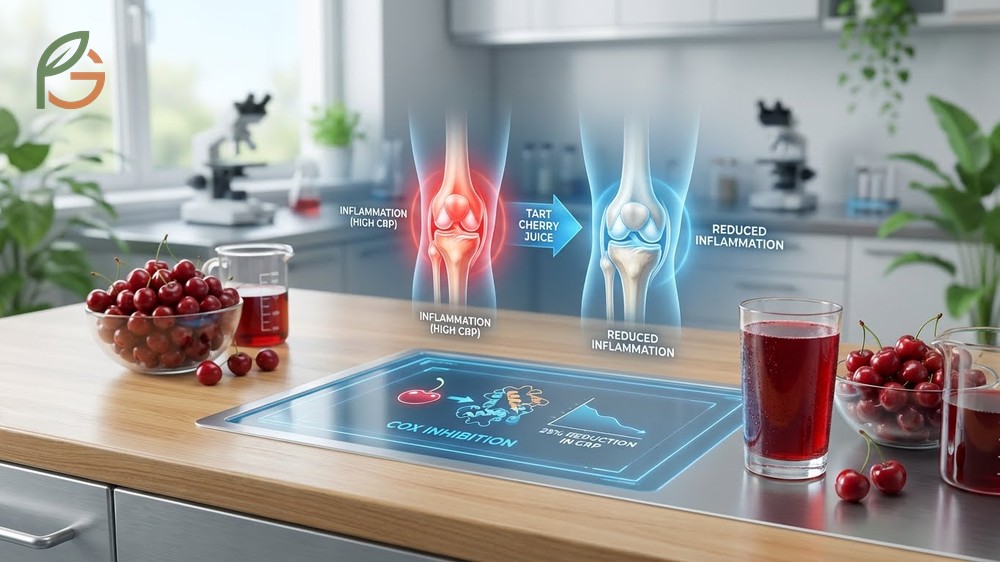
Research shows tart cherry juice significantly reduces systemic inflammation through multiple mechanisms. The most compelling evidence comes from a 12-week randomized controlled trial that measured C-reactive protein (CRP) levels, a standard inflammation biomarker.[1] Participants drinking 480mL daily experienced a 25% reduction in CRP levels compared to baseline measurements.
The anti-inflammatory effect comes from cyclooxygenase (COX) enzyme inhibition, similar to how NSAIDs work. Studies on mice showed that tart cherry feeding for 14 days increased antioxidant enzyme activity in both liver and blood while decreasing COX-II activity.[1] This dual action provides inflammation relief without the gastrointestinal side effects common with pharmaceutical anti-inflammatories.
Current data indicates that the timing and consistency of consumption matter for anti-inflammatory effects. Studies showing significant results used daily consumption for periods ranging from 2 weeks to 12 weeks, suggesting cumulative benefits over time.[4]
Clinical Evidence
The longest-term human trial examining tart cherry’s health effects lasted 12 weeks and included comprehensive biomarker testing. Researchers measured not only CRP but also malondialdehyde (MDA) and oxidized LDL, finding improvements in all markers.[1] These results provide stronger evidence than short-term studies or animal models.
Evidence suggests that tart cherry juice works better for inflammation reduction than sweet cherry varieties. Tart cherries contain higher concentrations of anthocyanins, with laboratory analysis confirming consistent levels in Montmorency cultivars.[6]
Benefits for Gout and Arthritis
Studies demonstrate that cherry consumption reduces gout attack frequency by lowering serum uric acid levels. A case cross-over study with 633 gout patients found that eating cherries two days before events reduced gout flare risk by 35%.[2] The mechanism involves increased urinary urate excretion, with one study showing an 85% decrease in plasma urate five hours after consumption.
Research shows benefits for osteoarthritis patients as well. A 6-week study with 480mL daily consumption significantly decreased CRP in adults with mild to moderate osteoarthritis.[1] The anti-inflammatory polyphenols in cherries may help reduce the joint inflammation that causes arthritis pain.
- Lowers serum uric acid levels through increased urinary excretion
- Reduces inflammatory response to monosodium urate crystals in joints
- Decreases production of pro-inflammatory cytokines like IL-6 and TNF-α
- Inhibits COX-2 enzyme activity that drives inflammation
- Provides antioxidants that protect joint tissues from oxidative damage
Clinical Perspective: While cherry juice shows promise for gout management, it should complement—not replace—prescribed medications like allopurinol or colchicine. Current guidance emphasizes using cherry juice as an adjuvant therapy alongside medical treatment.
Cherry Juice for Liver and Kidney Health
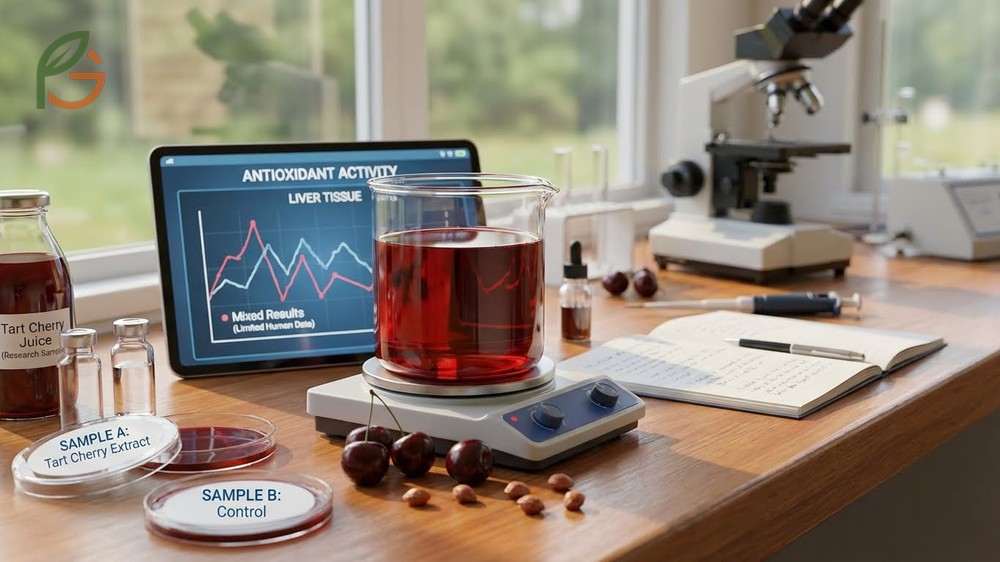
Research on tart cherry juice and liver health shows mixed results, with no strong evidence of therapeutic benefits for liver disease. A 4-week study found that daily consumption didn’t impair or worsen metabolic function markers in overweight adults, suggesting safety for healthy individuals.[7] Animal studies showed that tart cherry supplementation increased antioxidant enzyme activity in liver tissue, though human data remains limited.
Evidence suggests caution regarding kidney health, particularly for individuals with chronic kidney disease (CKD). Case reports documented acute kidney injury in CKD patients consuming cherry concentrate, likely through COX inhibition affecting glomerular filtration.[8] An 82-year-old man with stage 3 CKD developed elevated creatinine and hyperkalemia after taking cherry concentrate, which resolved after discontinuation.
Current guidance indicates that people with healthy kidney function can safely consume cherry juice at recommended doses. For kidney stone prevention, the juice’s uric acid-lowering effects may provide benefits, though direct studies on this application are lacking.[2] The risk-benefit calculation changes significantly for those with existing kidney impairment.
This table compares safety considerations and recommendations for cherry juice consumption across different kidney function levels
| Kidney Status | Safety Level | Recommendation | Key Concerns |
|---|---|---|---|
| Normal Function (eGFR >90) | Generally Safe | 240-480mL daily acceptable[1] | Monitor sugar intake |
| Mild CKD (eGFR 60-89) | Use with Caution | Consult healthcare provider first | Potassium content |
| Moderate CKD (eGFR 30-59) | High Risk | Avoid without medical supervision | COX inhibition effects[8] |
| Severe CKD (eGFR <30) | Not Recommended | Avoid cherry concentrate/juice | Hyperkalemia and acute injury risk[8] |
How Much Cherry Juice Per Day
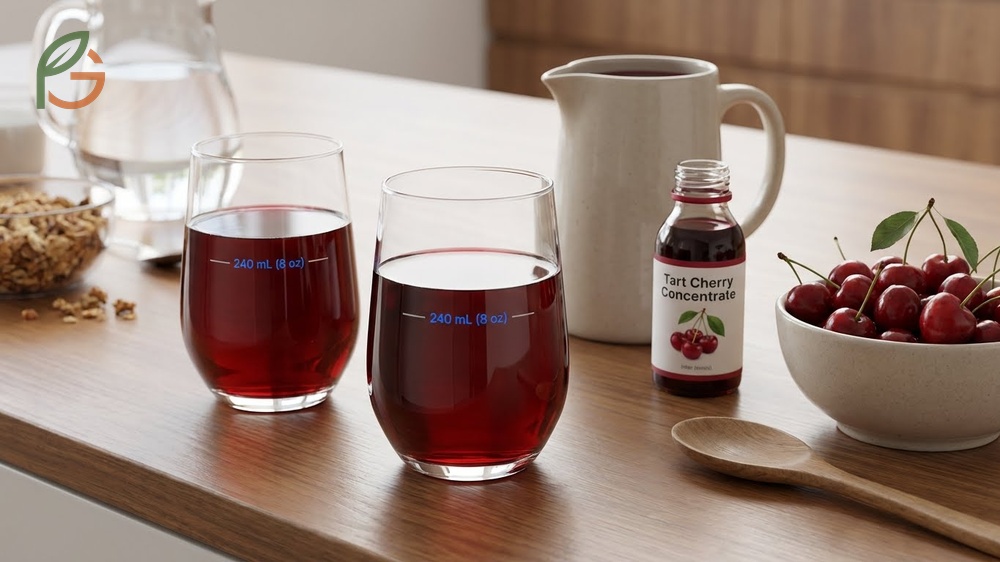
Studies consistently use doses between 240-480mL (8-16oz) of tart cherry juice daily for therapeutic effects. The most common protocol in clinical trials involves 480mL per day, typically split into two 240mL servings.[1] This dosage provided measurable reductions in inflammation markers and blood pressure over 12 weeks.
Research shows that concentrated forms require smaller volumes but deliver similar anthocyanin content. Tart cherry juice concentrate is commonly consumed at 30mL twice daily (60mL total), providing approximately 720mg anthocyanins per day.[5] Most people find concentrate more convenient than carrying 16oz of regular juice.
For general health maintenance, 8oz (240mL) daily appears sufficient for most adults. Athletes in heavy training may benefit from 16oz (480mL) to combat exercise-induced inflammation and muscle soreness.[9] The higher dose helps with post-exercise recovery by reducing oxidative stress markers.
Current guidance emphasizes consistency over occasional high doses. Studies showing health benefits used daily consumption for at least 2-12 weeks, suggesting that regular intake matters more than sporadic use.[4] What often gets overlooked is that sugar content increases proportionally with volume—8oz contains approximately 28-30g carbohydrates, so doubling the dose doubles sugar intake.
- General health and inflammation reduction: 240mL (8oz) daily
- Cardiovascular support: 480mL (16oz) daily based on clinical trials
- Athletic recovery: 480mL (16oz) daily, divided into morning and post-workout doses
- Gout prevention: 240-480mL (8-16oz) daily or equivalent fresh cherries
- Sleep improvement: 240mL (8oz) taken 1-2 hours before bedtime
Sugar Consideration: An 8oz serving provides 120 calories and 28-30g carbohydrates[3], similar to other fruit juices. If you’re monitoring blood sugar or managing diabetes, factor this into your daily carbohydrate budget and consider consuming juice with protein or healthy fats to moderate glucose response.
Best Time to Drink Cherry Juice

Evidence suggests that timing depends on your specific health goals. For sleep improvement, studies used doses consumed in the morning and again 1-2 hours before bedtime, taking advantage of cherry juice’s natural melatonin content. For athletic recovery, research shows benefits from consuming juice both before and after exercise to reduce inflammation and muscle damage markers.
Most clinical trials examining cardiovascular and anti-inflammatory effects divided the daily dose into two servings—one in the morning and one in the evening. This approach maintains more consistent blood levels of beneficial compounds throughout the day. The 12-week study that demonstrated significant reductions in blood pressure and inflammation used this twice-daily protocol.[1]
For gout prevention, current guidance emphasizes consistent daily intake rather than timing around attacks. The case cross-over study showing 35% reduced gout risk found benefits from regular cherry consumption two days before flare events.[2] This suggests preventive effects build up over time rather than providing immediate relief.
Research shows that consuming cherry juice with meals may help reduce blood sugar spikes from the natural fruit sugars. The presence of protein and fat slows carbohydrate absorption, leading to more gradual glucose increases. Some people find that taking juice on an empty stomach causes digestive discomfort due to sorbitol content, a natural sugar alcohol that can trigger diarrhea in sensitive individuals.
Tart Cherry Juice Warnings and Interactions
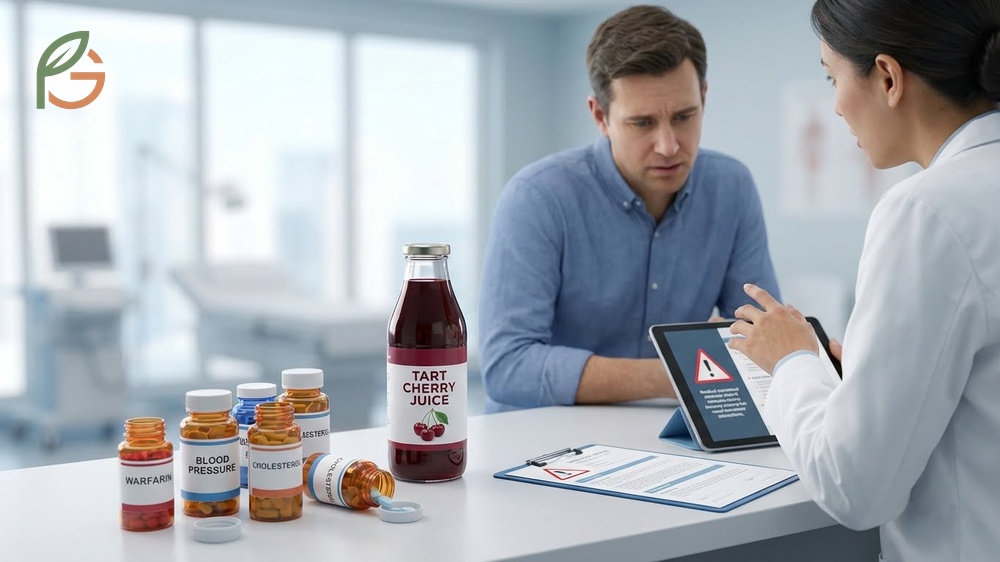
Studies document several important medication interactions that require medical supervision. Cherry juice may interact with warfarin and other blood thinners, potentially increasing bleeding risk through its salicylate-like compounds.[10] It also affects medications for blood pressure and cholesterol, which could require dosage adjustments when used together.
Research shows that cherry juice can worsen kidney function in people with chronic kidney disease. The COX inhibition mechanism that provides anti-inflammatory benefits can reduce glomerular filtration in compromised kidneys.[8] Two documented cases showed acute kidney injury with hyperkalemia in CKD patients taking cherry concentrate, with symptoms resolving after discontinuation.
Current data indicates caution for individuals with diabetes due to significant carbohydrate content. An 8oz serving contains 28-30g carbs, which impacts blood glucose similarly to other fruit juices.[3] Some brands add extra sugar beyond the natural fruit sugars, making label reading essential for blood sugar management.
- Chronic kidney disease (stages 3-5): Avoid due to hyperkalemia and acute injury risk
- Blood thinners (warfarin, aspirin): Consult physician before use due to bleeding risk
- Blood pressure medications: May enhance hypotensive effects requiring monitoring
- Diabetes medications: Monitor blood sugar closely due to carbohydrate content
- Digestive sensitivity: Sorbitol content may cause diarrhea or abdominal discomfort
- Allergies: Stop immediately if you experience itching, swelling, or breathing difficulties
Medical Supervision Required: If you’re taking any prescription medications, consult your healthcare provider before adding tart cherry juice to your routine. The juice’s bioactive compounds can significantly alter drug effectiveness and safety profiles.
Conclusion
The evidence is clear: benefits of cherry juice include measurable reductions in inflammation, improved cardiovascular markers, and reduced gout attack frequency when consumed consistently at research-supported doses. Studies demonstrate that 240-480mL daily provides the most reliable results, with effects building over weeks rather than days.[1]
Current guidance emphasizes balancing benefits against individual health conditions, particularly kidney disease and diabetes. FruitGarden recommends consulting healthcare providers before starting supplementation, especially if you take medications or have chronic conditions. For those who can safely consume it, tart cherry juice represents a research-backed addition to anti-inflammatory dietary strategies.
Medical Disclaimer
Important Medical Disclaimer: This content is for informational and educational purposes only. It is not intended as a substitute for professional medical advice, diagnosis, or treatment. Always consult a qualified healthcare professional before making any changes to your diet, medication, or health routine, especially if you have chronic kidney disease, diabetes, cardiovascular conditions, or take prescription medications. Individual responses to cherry juice vary, and what works in clinical studies may not apply to your specific situation.
Frequently Asked Questions
Is cherry juice good for you?
Yes, research shows tart cherry juice is good for you when consumed at appropriate doses. Studies demonstrate it reduces inflammation markers by 25%, lowers blood pressure, and decreases gout attack risk by 35%. The juice provides anthocyanins and polyphenols with proven antioxidant and anti-inflammatory effects.
What medications does tart cherry juice interact with?
Tart cherry juice interacts with blood thinners (warfarin), blood pressure medications, cholesterol drugs, and diabetes medications. The juice’s bioactive compounds can enhance medication effects, requiring dosage adjustments. Always consult your healthcare provider before combining cherry juice with prescription drugs to avoid adverse interactions.
Is tart cherry juice good for your liver?
Current evidence shows tart cherry juice doesn’t impair liver function in healthy individuals, but there’s insufficient data proving it actively treats liver disease. Animal studies found increased antioxidant enzyme activity in liver tissue, though human trials remain limited. It appears safe for normal liver function but isn’t a proven therapy for liver conditions.
Can I drink cherry juice if I have kidney problems?
No, avoid cherry juice if you have moderate to severe chronic kidney disease. Case reports document acute kidney injury in CKD patients from cherry concentrate through COX inhibition affecting kidney filtration. The juice can cause hyperkalemia and worsen kidney function in compromised kidneys. Those with healthy kidneys can safely consume recommended doses.
How does cherry juice help with inflammation?
Cherry juice reduces inflammation by inhibiting COX-2 enzymes and decreasing pro-inflammatory cytokines like TNF-α and IL-6. Studies show it lowers C-reactive protein levels by 25% after 12 weeks of daily consumption. The anthocyanins work similarly to NSAIDs but with different side effect profiles, providing natural anti-inflammatory benefits.
Should I choose juice or whole cherries?
Both provide benefits, but whole cherries offer more fiber and less concentrated sugar. Clinical studies primarily used juice at 240-480mL daily because it delivers consistent anthocyanin doses. Fresh or frozen cherries work well if you can consume equivalent amounts—about 45 cherries provides similar compounds to 8oz juice. Consider whole fruit if managing blood sugar.
Does cherry juice help with muscle recovery after exercise?
Yes, research shows cherry juice accelerates muscle recovery and reduces exercise-induced inflammation. Athletes consuming 480mL daily experienced lower post-exercise levels of inflammatory markers and reduced muscle soreness. The antioxidants combat oxidative stress from intense training, making it popular among endurance athletes and those doing heavy resistance training.





