
Nutritional value of blackberries stands out among berries for their impressive fiber content and low calorie count. Research shows that one cup of blackberries delivers 62 calories, 14 grams of carbohydrates, and 8 grams of dietary fiber—making them one of the most nutrient-dense fruits available[1]. FruitGarden synthesizes current agricultural research and USDA nutrition data to help you understand exactly what blackberries offer for your health and garden.
Quick Answer
- One cup (144g) of blackberries contains 62 calories, 14g carbohydrates, and 8g dietary fiber[1]
- Blackberries provide 50% of your daily vitamin C and 32% of daily manganese needs[2]
- They have a low glycemic index of 25 and glycemic load of only 4, making them ideal for blood sugar management[3]
- Anthocyanin antioxidants give blackberries their deep purple color and provide powerful cellular protection[4]
Nutritional Value of Blackberries
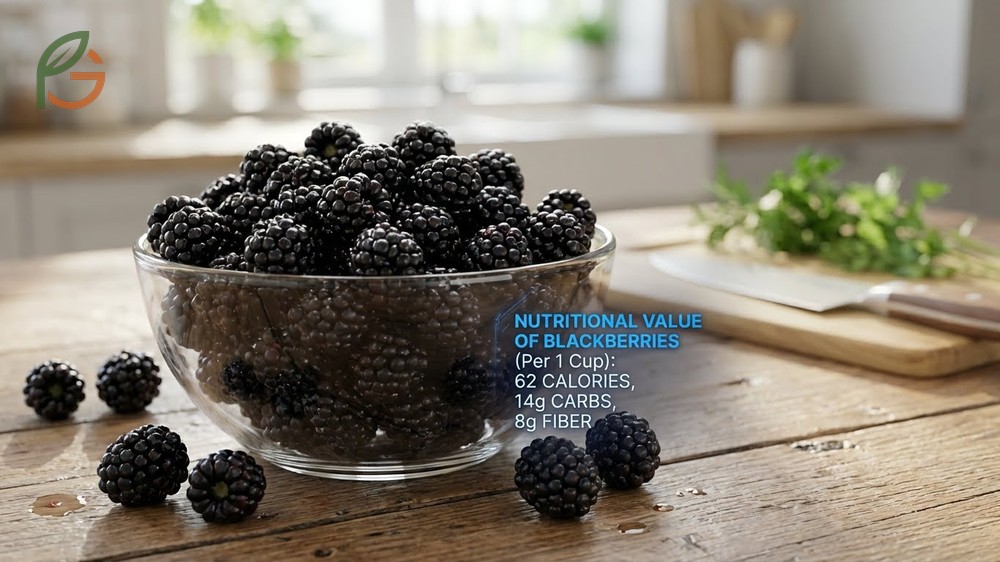
Current USDA data shows blackberries pack remarkable nutrition into a low-calorie package. One cup of raw blackberries (144 grams) delivers 62 calories, 2 grams of protein, 14 grams of carbohydrates, and less than 1 gram of fat[1].
What makes blackberries stand out is their fiber density. They provide 8 grams of dietary fiber per cup—that’s 32% of the recommended daily intake for most adults. This high fiber content slows digestion and helps you feel full longer, making blackberries an excellent choice for weight management.
The deep purple-black color signals high concentrations of anthocyanins, powerful antioxidant compounds. Research demonstrates these anthocyanins protect cells from oxidative stress and may reduce inflammation throughout the body[4].
Macronutrient Breakdown
Blackberries follow a macronutrient ratio that favors carbohydrates while keeping calories minimal. Studies show blackberries have a macronutrient distribution of approximately 12% protein, 79% carbohydrates, and 9% fat from total calories[5].
The carbohydrate content includes both simple sugars and complex carbohydrates. Most importantly, more than half of the total carbs come from fiber, which doesn’t spike blood sugar. This means the net digestible carbs equal only about 6 grams per cup.
Calorie Content by Serving Size
Understanding calories across different serving sizes helps you plan portions effectively. Here’s what you get from various amounts of fresh blackberries.
- 1 blackberry (approximately 5g): 2 calories
- ½ cup (72g): 31 calories
- 1 cup (144g): 62 calories[1]
- 100 grams: 43 calories
- 1 pint (approximately 312g): 134 calories
Important Note: Frozen blackberries contain the same nutrition as fresh ones when frozen at peak ripeness. Avoid blackberries packed with added sugar, which can triple the calorie count.
How Many Carbs in Blackberries
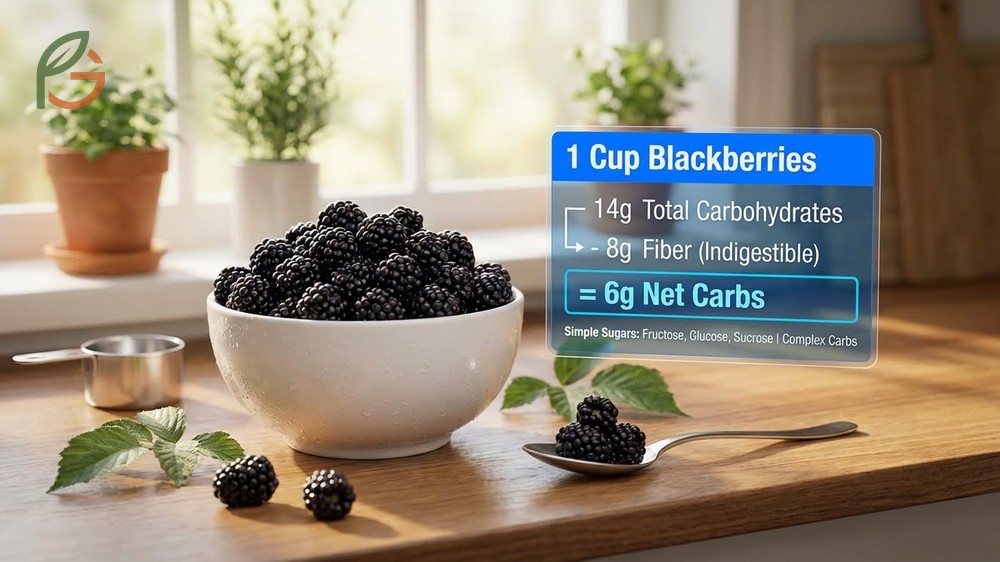
One cup of blackberries contains 14 grams of total carbohydrates, but the story doesn’t end there. When you subtract the 8 grams of fiber (which your body doesn’t fully digest), you’re left with only 6 grams of net carbs[1].
This low net carb count makes blackberries work well for low-carb eating plans. The carbohydrates present include fructose, glucose, and sucrose (simple sugars), plus complex carbohydrates that digest slowly. Most people find that blackberries don’t cause energy crashes like many other fruits.
Agricultural studies confirm that blackberry carbohydrate composition varies slightly by variety and ripeness. Fully ripe blackberries contain more simple sugars but maintain their high fiber content throughout ripening[4].
Fiber Content
Blackberries rank among the highest-fiber fruits you can grow or buy. That 8 grams of fiber per cup breaks down into both soluble and insoluble types—soluble fiber helps regulate blood sugar and cholesterol, while insoluble fiber supports digestive health.
Evidence suggests that most Americans fall short of the recommended 25-38 grams of fiber daily. Just one cup of blackberries gets you nearly a third of the way there. The fiber content also explains why blackberries keep you satisfied despite their low calorie count.
Sugar in Blackberries
Natural sugar content in blackberries stays relatively low compared to other berries. One cup contains approximately 7 grams of natural sugars (primarily fructose and glucose)[2].
The high fiber content slows how quickly these sugars enter your bloodstream. Studies demonstrate this buffering effect keeps blood sugar stable, unlike consuming the same amount of sugar from juice or candy. That’s why the glycemic response to blackberries remains low despite their natural sweetness.
Vitamins in Blackberries
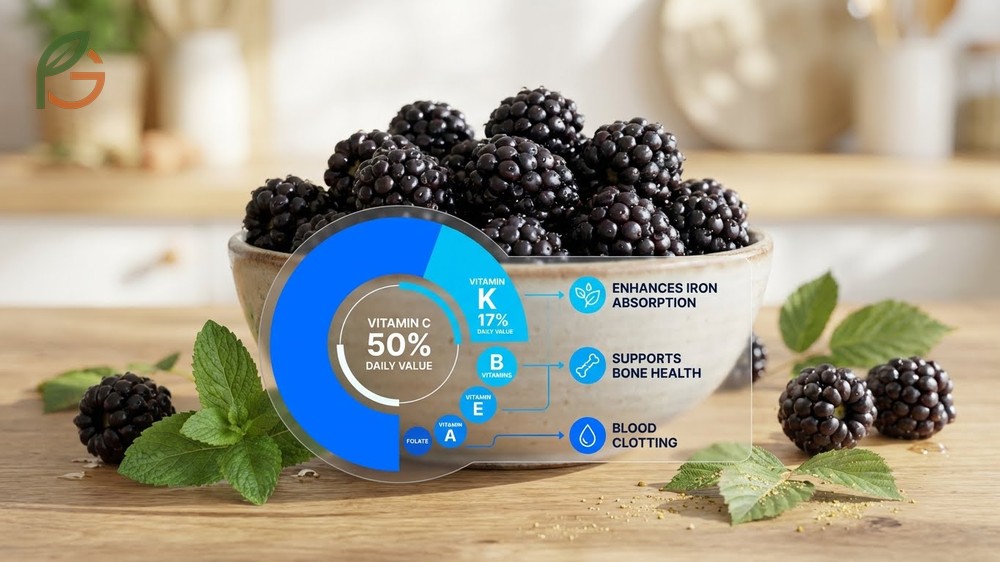
Research shows blackberries deliver an impressive vitamin profile, particularly for vitamins C, K, and several B vitamins. One cup provides about 50% of your daily vitamin C requirement and 17% of vitamin K needs[2].
These vitamins work synergistically—vitamin C enhances iron absorption from plant foods, while vitamin K supports bone health and blood clotting. Blackberries also contain smaller amounts of folate, vitamin E, and vitamin A (as beta-carotene).
What often gets overlooked is that vitamin content peaks when blackberries reach full ripeness. The deep black color signals maximum vitamin accumulation, so choose the darkest berries for the highest nutrient density.
Vitamin C Content
One cup of blackberries provides approximately 30 milligrams of vitamin C—about half the recommended daily intake for adults. This water-soluble antioxidant regenerates skin cells, supports immune function, and helps your body absorb iron from plant-based foods.
Current guidance emphasizes getting vitamin C from whole foods rather than supplements. Blackberries deliver vitamin C alongside fiber and other nutrients that enhance its absorption and effectiveness.
Vitamin K and B Vitamins
Blackberries contain significant vitamin K (approximately 29 micrograms per cup), which most Americans don’t consume enough of. Vitamin K plays crucial roles in blood clotting and maintaining bone density as you age.
The B vitamin content includes small amounts of folate, thiamin, riboflavin, and niacin. While blackberries won’t meet all your B vitamin needs, they contribute to your daily intake without adding many calories.
- Vitamin C: 30.2 mg (50% DV) – supports immune function and collagen production
- Vitamin K: 29 mcg (17% DV) – essential for blood clotting and bone health
- Folate: 36 mcg (9% DV) – important for cell division and DNA synthesis
- Vitamin E: 1.7 mg (8% DV) – protects cells from oxidative damage
- Vitamin A: 308 IU (6% DV) – supports vision and immune health
Minerals: Iron, Calcium, and Manganese
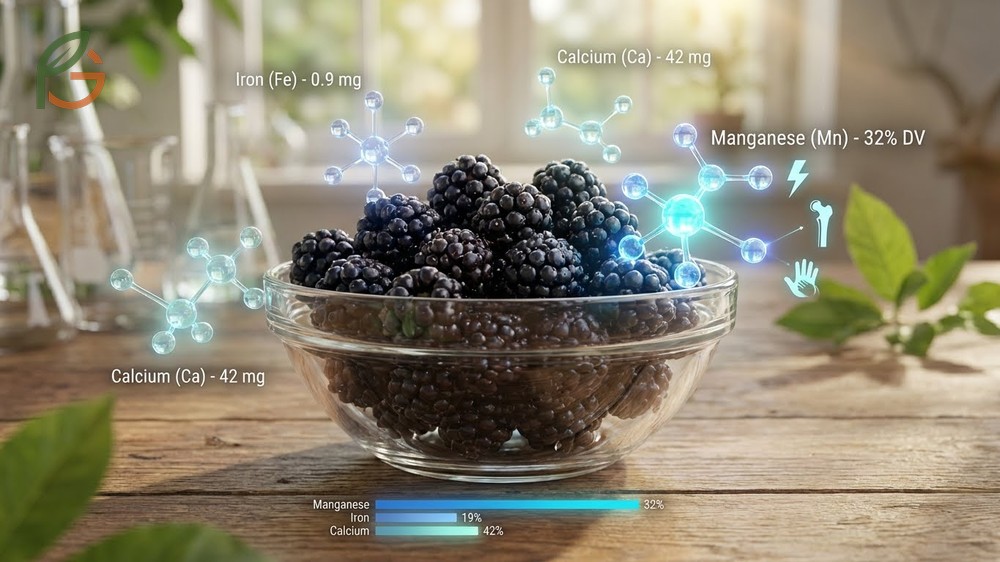
Blackberries provide a well-rounded mineral profile that many fruits lack. One cup delivers 0.9 mg of iron (5% DV), 42 mg of calcium (4% DV), and stands out particularly for manganese content at 32% of your daily needs[2].
Manganese supports energy metabolism, bone formation, and wound healing. Most people don’t think about manganese intake, but it’s essential for proper enzyme function throughout your body. Blackberries offer one of the best fruit sources of this trace mineral.
The iron content, while modest, becomes more bioavailable when paired with the high vitamin C in blackberries. This natural pairing enhances iron absorption, making blackberries particularly valuable for people following plant-based diets.
This table compares mineral content in blackberries with daily value percentages for calcium, iron, magnesium, potassium, and zinc based on one cup serving size.
| Mineral | Amount | Daily Value % | Primary Benefits |
|---|---|---|---|
| Manganese | 0.9 mg | 32% | Energy metabolism, bone formation |
| Calcium | 42 mg | 4% | Bone health, muscle function |
| Iron | 0.9 mg | 5% | Oxygen transport, energy production |
| Magnesium | 29 mg | 7% | Muscle and nerve function |
| Potassium | 233 mg | 5% | Blood pressure regulation, heart health |
- Copper: 0.23 mg (8% DV) – supports iron metabolism and connective tissue formation
- Zinc: 0.8 mg (7% DV) – essential for immune function and wound healing
- Phosphorus: 32 mg (3% DV) – works with calcium for bone structure
- Selenium: trace amounts – acts as antioxidant and supports thyroid function
- Potassium: 233 mg (5% DV) – helps maintain healthy blood pressure
Growing Tip: Soil mineral content directly affects the mineral levels in your homegrown blackberries. Test your soil and amend with compost to maximize the nutritional value of your harvest.
Antioxidants in Blackberries
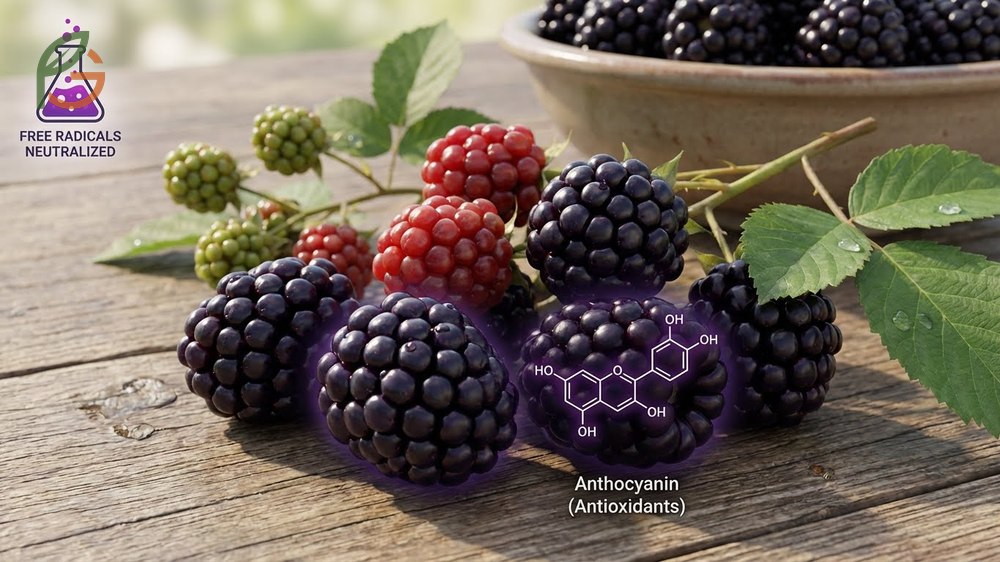
Blackberries rank among the top antioxidant-rich fruits available, primarily due to their anthocyanin content. These purple-black pigments act as powerful antioxidants that neutralize free radicals and reduce oxidative stress[4].
Studies demonstrate that anthocyanins in blackberries increase significantly as the fruit ripens from green to red to deep black. Fully ripe blackberries contain the highest antioxidant capacity, which explains why darker berries taste sweeter and offer more health benefits. The antioxidant power comes from several compounds working together—anthocyanins, ellagic acid, quercetin, and vitamins C and E.
Research shows these antioxidants may help protect against chronic diseases by reducing inflammation and supporting immune function. The combination of antioxidants in blackberries appears more effective than isolated compounds, highlighting the value of eating whole fruits.
- Anthocyanins (cyanidin-3-glucoside) – give blackberries their dark color and protect cells from damage
- Ellagic acid – may help prevent cancer cell growth and support liver detoxification
- Quercetin – reduces inflammation and supports cardiovascular health
- Vitamin C – regenerates other antioxidants and protects against immune system deficiencies
- Vitamin E – protects cell membranes from oxidative damage
- Polyphenols – support gut health and may reduce risk of metabolic diseases
Blackberry Glycemic Index
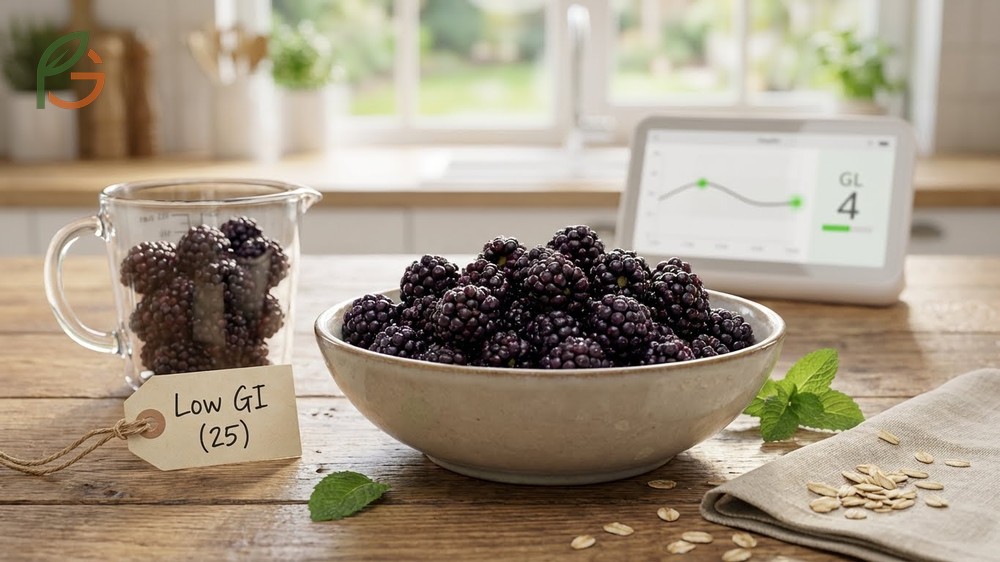
Blackberries have a glycemic index of 25, which falls into the low category (foods under 55 are considered low GI). The glycemic load per typical serving is only 4, indicating minimal impact on blood sugar levels[3].
This low glycemic response happens because of blackberries’ high fiber content and balanced sugar composition. The 8 grams of fiber per cup slows digestion and prevents rapid blood sugar spikes. Evidence suggests that people who eat low-GI fruits like blackberries experience better blood sugar control and reduced diabetes risk.
For those managing diabetes or pre-diabetes, blackberries work well as a snack or dessert replacement. The natural sweetness satisfies cravings without causing the blood sugar roller coaster that comes from high-GI foods. Most people can eat blackberries without worrying about insulin spikes.
Blood Sugar Tip: Pairing blackberries with protein (like Greek yogurt or nuts) further stabilizes blood sugar response. This combination works particularly well for breakfast or post-workout snacks.
Blackberries vs Raspberries Nutrition
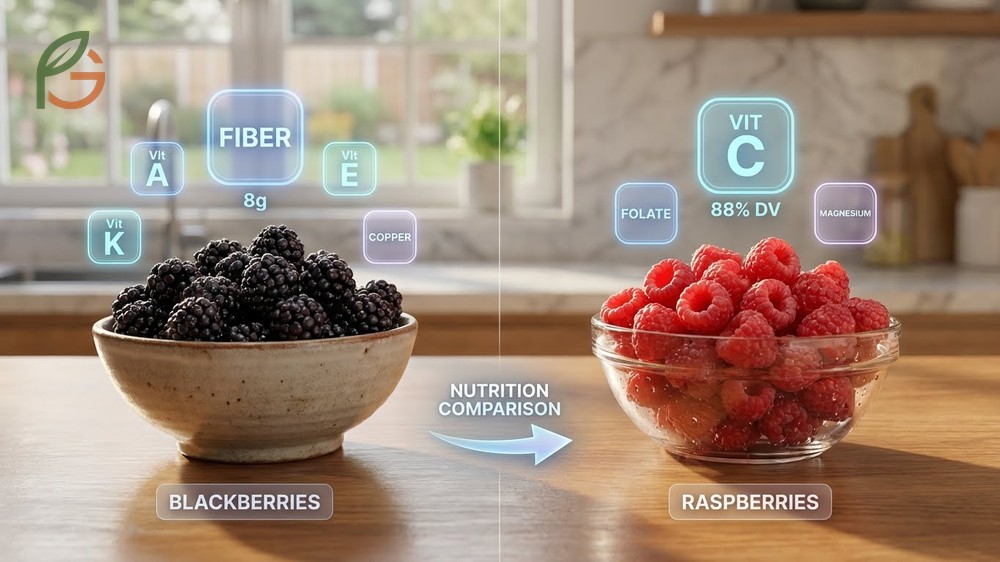
Both blackberries and raspberries offer excellent nutrition, but they differ in specific nutrient concentrations. Blackberries contain more fiber, vitamins A, E, and K, plus higher levels of copper[6].
Raspberries edge out blackberries in vitamin C content (covering 88% of daily value versus 50% for blackberries) and provide more folate and magnesium. However, blackberries deliver more total fiber—8 grams versus 6.5 grams per 100 grams of fruit.
The calorie counts remain similar—blackberries contain 43 calories per 100 grams while raspberries have 52 calories. Both berries work equally well for weight management and blood sugar control due to their low glycemic index values.
| Nutrient | Blackberries | Raspberries | Winner |
|---|---|---|---|
| Calories | 43 | 52 | Blackberries (lower) |
| Fiber | 5.3g | 6.5g | Raspberries |
| Vitamin C | 50% DV | 88% DV | Raspberries |
| Vitamin K | 17% DV | 6% DV | Blackberries |
Conclusion
The evidence is clear: nutritional value of blackberries makes them one of the most nutrient-dense fruits you can add to your diet. With only 62 calories per cup, plus 8 grams of fiber, 50% of daily vitamin C, and powerful antioxidants, blackberries deliver exceptional nutrition without excess sugar or calories.
Current nutritional guidance emphasizes whole fruits over processed foods, and blackberries exemplify why. Their low glycemic index, high fiber content, and rich antioxidant profile support everything from blood sugar control to immune function. Whether you’re growing blackberries in your garden or buying them fresh, you’re investing in one of nature’s most complete nutritional packages. FruitGarden helps you make informed decisions about which fruits offer the best nutrition for your health goals.
Medical Disclaimer
Important Medical Disclaimer: This content is for informational and educational purposes only. It is not intended as a substitute for professional medical advice, diagnosis, or treatment. Always consult a qualified healthcare professional or registered dietitian before making significant changes to your diet, especially if you have diabetes, food allergies, or other medical conditions. Individual nutritional needs vary based on age, activity level, health status, and medications.
Frequently Asked Questions
How many calories are in a cup of blackberries?
One cup of fresh blackberries (144 grams) contains 62 calories. This makes them one of the lowest-calorie fruits available while still providing substantial fiber and nutrients. The low calorie count combined with 8 grams of fiber helps you feel full without consuming many calories, making blackberries excellent for weight management.
Are blackberries high in carbs or keto-friendly?
Blackberries contain 14 grams of total carbohydrates per cup, but only 6 grams of net carbs when you subtract the 8 grams of fiber. This relatively low net carb count makes blackberries one of the more keto-friendly fruits. Many people following low-carb or ketogenic diets include small portions of blackberries without disrupting ketosis, especially when combined with high-fat foods like nuts or cheese.
How much fiber is in blackberries compared to other fruits?
Blackberries rank among the highest-fiber fruits with 8 grams of dietary fiber per cup. This exceeds most common fruits—apples provide about 4 grams per cup, bananas offer 3 grams, and even raspberries contain slightly less fiber at 6.5 grams per 100 grams. The high fiber content in blackberries supports digestive health, blood sugar control, and cardiovascular wellness.
What vitamins are blackberries rich in?
Blackberries are particularly rich in vitamin C (providing 50% of daily needs per cup) and vitamin K (17% of daily needs). They also contain meaningful amounts of vitamin E, folate, and vitamin A. The vitamin C works as a powerful antioxidant while supporting immune function and collagen production, while vitamin K plays essential roles in blood clotting and bone health.
Do blackberries help with weight loss?
Research shows blackberries can support weight loss efforts due to their low calorie density (62 calories per cup) combined with high fiber content (8 grams). The fiber helps you feel full longer, reducing overall calorie intake throughout the day. Studies demonstrate that people who eat high-fiber fruits like blackberries tend to consume fewer calories and maintain healthier body weights than those who eat low-fiber foods.
What is the glycemic index of blackberries?
Blackberries have a glycemic index of 25, which is considered low (under 55). They also have a glycemic load of only 4 per typical serving. This means blackberries cause minimal blood sugar spikes and work well for people managing diabetes or pre-diabetes. The combination of low sugar content and high fiber explains why blackberries don’t trigger rapid insulin responses like many other sweet foods.
Are frozen blackberries as nutritious as fresh ones?
Frozen blackberries retain virtually the same nutritional value as fresh berries when frozen at peak ripeness. Studies show that freezing preserves vitamin C, fiber, and antioxidant content effectively. The main difference is texture—frozen berries become softer after thawing, making them better for smoothies and baking rather than eating fresh. Always choose frozen blackberries without added sugar to maintain their low-calorie, nutrient-dense profile.





