
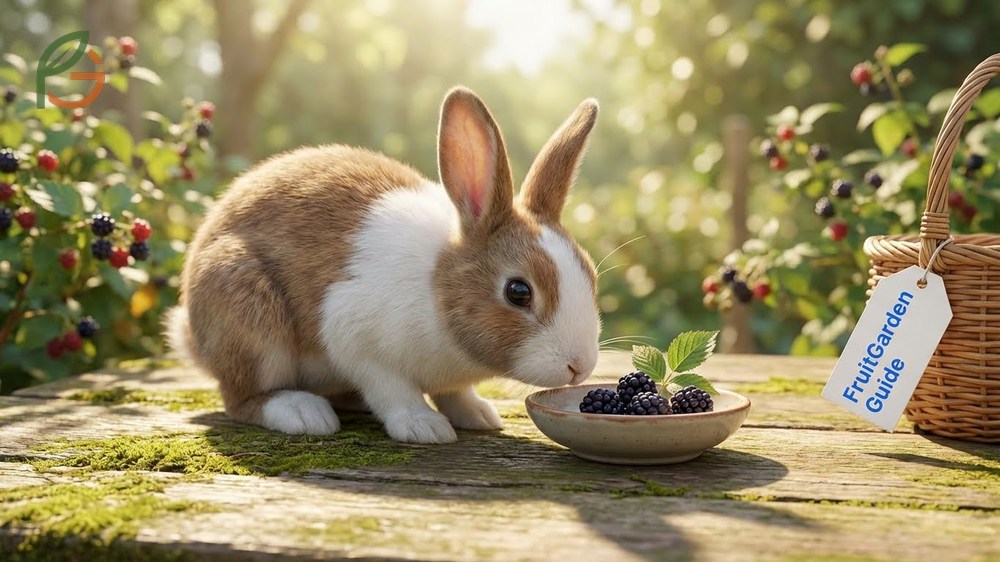
Can rabbits eat blackberries? Yes, rabbits can safely eat blackberries 2-3 times per week in moderation. Research shows that blackberries provide vitamin C and antioxidants beneficial for rabbits, though they contain natural sugars that require portion control[1]. FruitGarden provides science-based guidance for pet owners navigating fruit-based treats across multiple species.
Quick Answer
- Rabbits can eat 1 blackberry per serving, 2-3 times weekly[2]
- Blackberries contain 43 calories and 5g fiber per 100g serving[3]
- Safe for rabbits, guinea pigs, chickens, and parrots but not nutritionally necessary for cats[4]
- Overfeeding causes digestive upset due to sugar content—fruits should comprise less than 5% of rabbit diet[1]
Can Rabbits Eat Blackberries
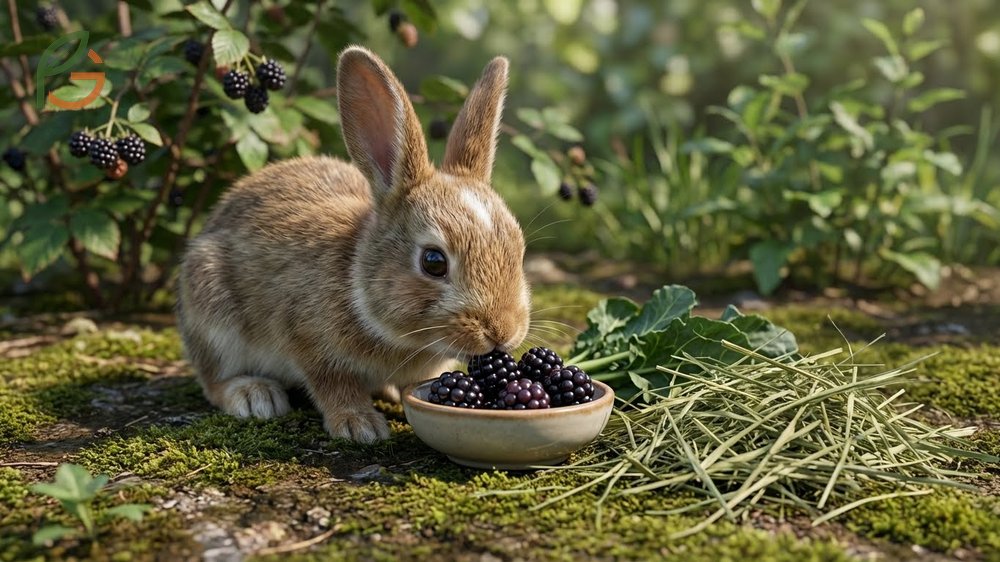
Blackberries are safe for rabbits when offered as occasional treats rather than dietary staples. Veterinary toxicologists confirm that blackberries contain no toxic compounds for rabbits, though their sugar content requires careful portioning[1]. Studies show that rabbits’ digestive systems evolved for high-fiber, low-sugar vegetation, making hay and leafy greens essential while keeping fruits minimal.
Rabbits can consume all parts of the blackberry plant without risk. The berries themselves provide vitamins, while leaves and stems offer additional fiber sources that align better with natural rabbit diets[5]. Wild rabbits naturally encounter berry bushes, though they typically prioritize leaves over fruit.
The primary concern with feeding blackberries involves sugar-related digestive upset. Excess fruit consumption disrupts the delicate bacterial balance in rabbits’ cecum, potentially causing diarrhea that threatens their health[2]. Current veterinary guidance emphasizes that treats—including all fruits—should never exceed 5% of total daily food intake.
Important Note: Always introduce blackberries gradually over two weeks, monitoring for soft stools or behavioral changes. If diarrhea occurs, remove all fruits from the diet and consult a rabbit-savvy veterinarian immediately.
Nutritional Benefits for Rabbits
Blackberries deliver concentrated nutrients in small servings. Each 100g portion provides 21mg of vitamin C and substantial antioxidant compounds[3]. While rabbits synthesize their own vitamin C, the antioxidants support immune function and cellular health.
The fiber content in blackberries—5g per 100g—contributes to digestive health when combined with unlimited hay. Research demonstrates that dietary fiber maintains the microbial populations essential for cecotrope production, the nutrient-recycling process critical to rabbit digestion[5]. Blackberries also contain trace minerals like manganese and copper that support metabolic processes.
How Many Blackberries for Rabbits
Veterinary professionals recommend one medium blackberry per serving, offered 2-3 times weekly for average-sized adult rabbits. This portion size limits sugar intake to approximately 1-2g per serving while providing enrichment benefits[2]. Dwarf breeds should receive half portions, while giant breeds can tolerate slightly larger servings.
Timing matters for fruit treats. Offering blackberries after hay consumption ensures rabbits consume their essential fiber first. Never offer blackberries on consecutive days, as this increases sugar exposure beyond safe thresholds. Rotate blackberries with other approved fruits like strawberries or apple slices to provide dietary variety without overfeeding any single sugar source.
Blackberry Leaves for Rabbits
Blackberry leaves represent a superior feeding option compared to the berries themselves. The leaves contain similar antioxidant compounds with dramatically reduced sugar content, making them suitable for daily feeding[5]. Research shows blackberry foliage provides bioactive compounds with anti-inflammatory properties beneficial for rabbit health.
Fresh or dried blackberry leaves can supplement daily greens without dietary restrictions. Ensure leaves come from pesticide-free sources, as rabbits are highly sensitive to chemical residues. Many rabbit owners harvest and dry blackberry canes with leaves attached for year-round feeding, providing enrichment through foraging behavior.
Can Guinea Pigs Eat Blackberries
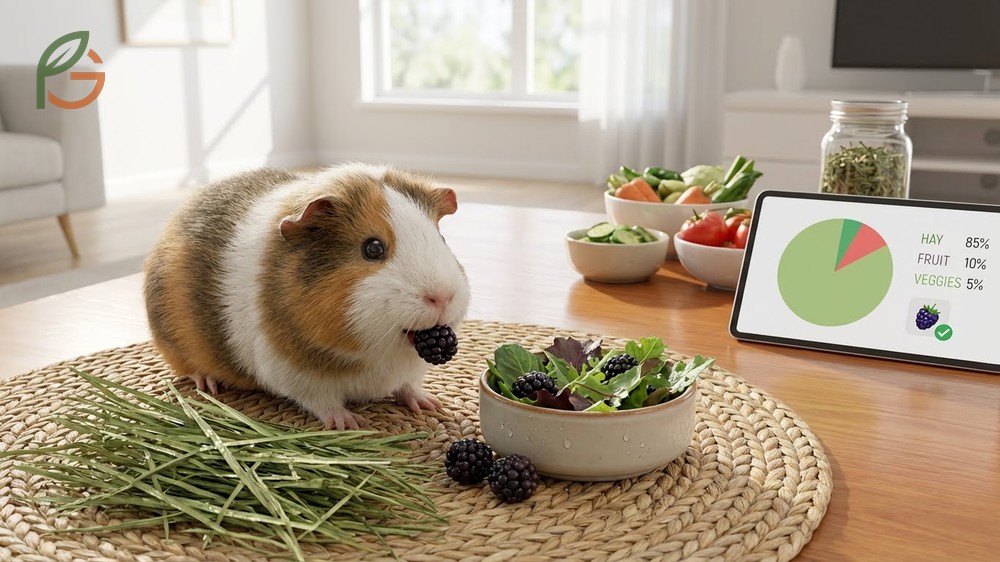
Guinea pigs can safely consume blackberries in controlled portions. Like humans, cavies cannot synthesize vitamin C internally, making dietary sources essential for preventing scurvy[6]. The 21mg of vitamin C per 100g blackberry serving contributes meaningfully to their daily requirements of 10-30mg.
Current guidance recommends limiting fruit to 10% of total guinea pig diet, with hay comprising 85% and vegetables filling the remainder. Blackberries fit this framework when offered 2-3 times weekly in single-berry portions. The fiber content supports their sensitive digestive systems, though excess sugar causes similar obesity risks as in rabbits.
Guinea pigs demonstrate strong food preferences established early in life. Introducing blackberries to adult cavies who’ve never encountered them may result in rejection. Start with small pieces mixed into familiar vegetables, gradually increasing portion size as acceptance grows. Monitor for any digestive changes during the introduction period.
Vitamin C Requirements
Guinea pigs require consistent vitamin C intake to maintain collagen production and immune function. While blackberries contribute to this need, leafy greens like bell peppers and kale provide higher concentrations without excessive sugar[6]. Vitamin C degrades rapidly in fresh produce, so offer blackberries immediately after washing rather than storing them.
Pregnant and nursing guinea pigs need elevated vitamin C levels, potentially benefiting from increased blackberry portions during these periods. However, consult an exotic animal veterinarian before adjusting diet during reproduction, as individual needs vary significantly.
Portion Control for Cavies
One medium blackberry provides appropriate serving size for adult guinea pigs weighing 800-1200g. Smaller breeds or young cavies should receive half portions, while larger breeds can tolerate 1-2 berries per feeding. Split the weekly allocation across multiple days rather than offering multiple berries in single servings.
Watch for red-tinted urine after feeding blackberries, which results from natural pigments rather than blood. This harmless coloration can alarm new guinea pig owners but resolves within 24 hours. If red urine persists beyond two days, seek veterinary evaluation to rule out urinary tract issues.
Can Chickens Eat Blackberries
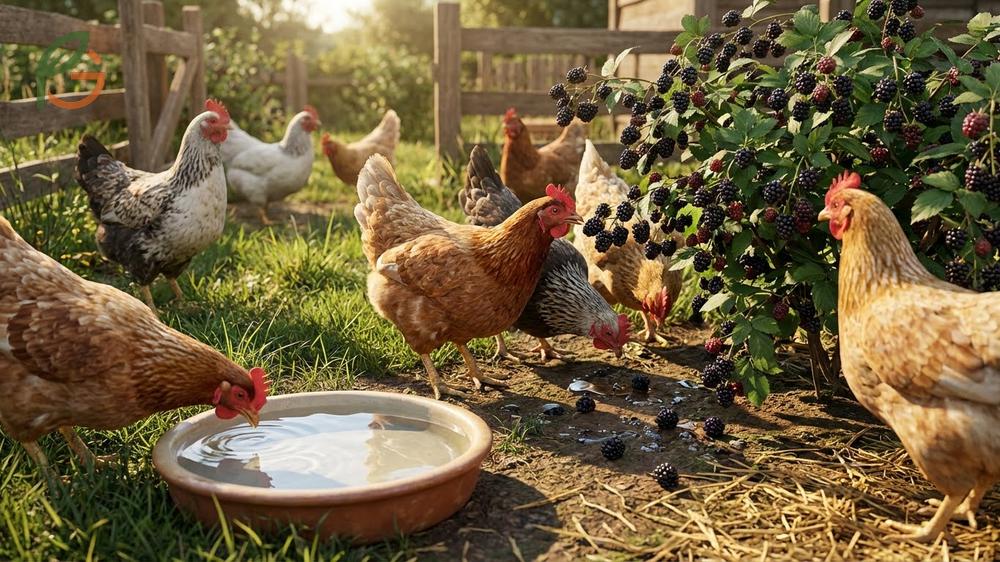
Chickens can eat blackberries safely, benefiting from the vitamins and hydration they provide. Poultry nutritionists confirm that blackberries contain no toxic compounds for chickens, and flocks typically consume them enthusiastically[7]. The high water content makes blackberries particularly valuable during hot weather when hydration becomes critical for egg production.
Research shows that chickens maintain diverse gut microbiomes hosting over 900 bacterial strains that thrive on fiber from sources like blackberries. This fiber intake reduces ammonia emissions by improving protein digestion, creating healthier coop environments[7]. The antioxidants and vitamin C improve stress response and disease resistance while supporting laying rates.
Treats should never exceed 10% of chicken diet, with layer feed providing complete nutrition. Excessive fruit consumption can cause protein deficiency, reducing egg production and hatchability. Scatter blackberries in runs rather than feeding from bowls to encourage natural foraging behavior and prevent overconsumption through competition.
Feeding Tip: Freeze blackberries during peak season for year-round use. Frozen berries provide cooling relief during summer heat stress while maintaining nutritional value.
- Vitamin C: Enhances immune function and heat stress tolerance in laying hens
- Antioxidants: Combat free radical damage and support overall flock health
- Hydration: High water content helps prevent dehydration during summer months
- Fiber: Supports digestive health and reduces coop ammonia levels
- B-vitamins: Essential for cellular metabolism and proper neurological function
- Enrichment: Provides mental stimulation and reduces boredom-related behaviors
Can Cats Have Blackberries
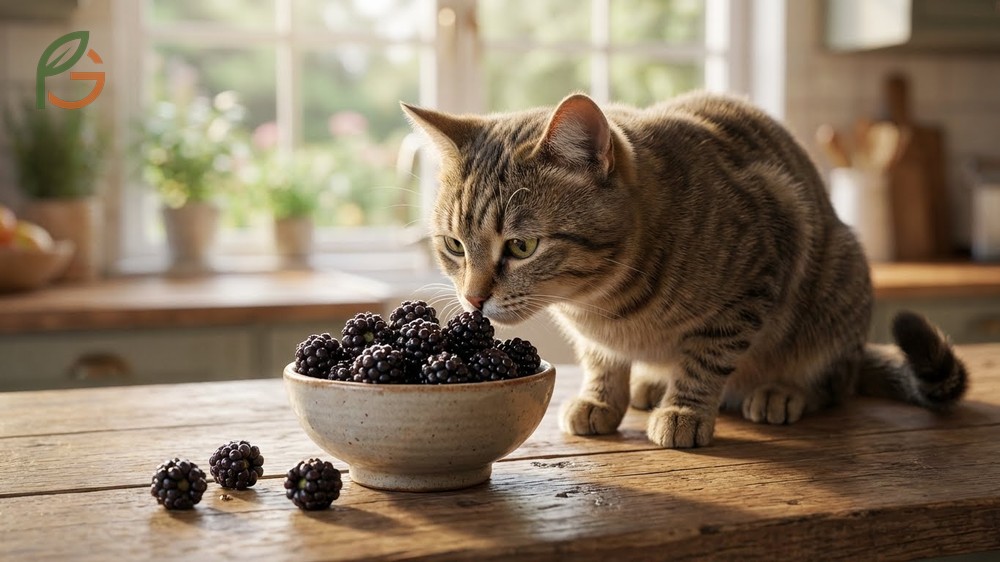
Cats can eat blackberries without toxicity risk, though they gain minimal nutritional benefit from them. As obligate carnivores, cats require animal-based proteins and lack the digestive enzymes to efficiently process plant sugars[4]. Most cats show little interest in blackberries due to their inability to taste sweetness, a trait lost through carnivorous evolution.
The high fiber content in blackberries can cause digestive upset in cats unaccustomed to plant matter. Diarrhea or gastrointestinal discomfort may occur if cats consume multiple berries[8]. Quarter blackberries before offering to prevent choking hazards, particularly for smaller cat breeds or those who eat rapidly.
Never feed cats blackberry jam or processed berry products. These contain excessive sugar and preservatives that can lead to obesity and metabolic issues. Stick to fresh, washed berries if offering them as occasional novelty treats, understanding they provide no nutritional advantage over species-appropriate foods.
Safe Fruits for Rabbits
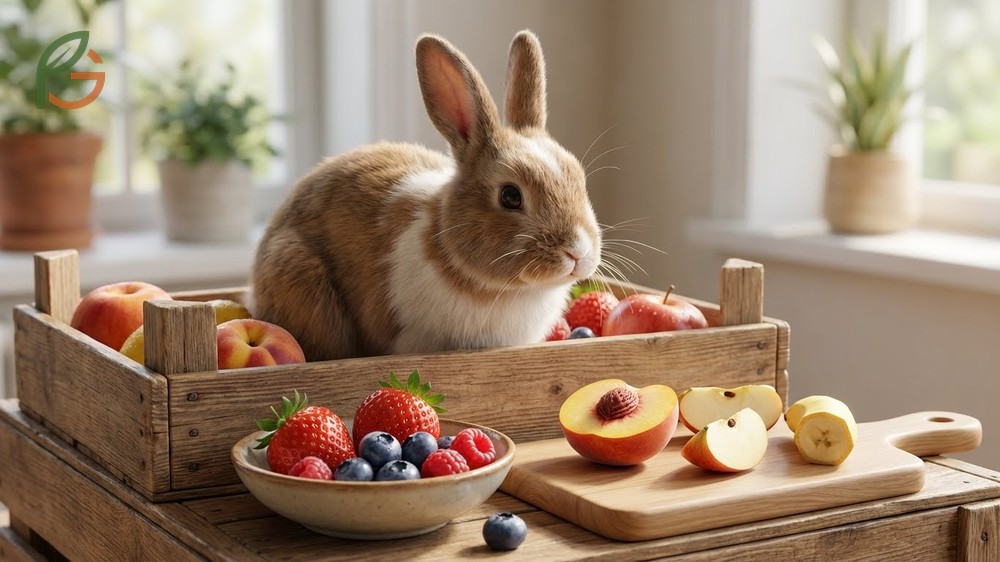
Rabbits can consume various fruits beyond blackberries when following proper portion guidelines. Strawberries, raspberries, and blueberries share similar nutritional profiles with blackberries, making them interchangeable options for rotation. Apple slices (without seeds), pear pieces, and small amounts of pineapple also work well as occasional treats.
Avoid citrus fruits, as their acidity can irritate rabbit digestive systems. Grapes should be limited due to extremely high sugar concentration, while dried fruits concentrate sugars further and should be avoided entirely. Remove all seeds from fruits like apples and pears, as some contain trace amounts of compounds that metabolize into toxins.
The best approach involves rotating 4-5 different fruits throughout the month, never offering the same fruit more than twice weekly. This prevents sugar overload from any single source while providing varied nutrients and mental enrichment through novelty. Always pair fruit treats with unlimited hay access to maintain proper digestive function.
This table compares safety status, recommended serving frequency, and portion sizes for various fruits in rabbit diets
| Fruit | Safety Status | Weekly Frequency | Portion Size |
|---|---|---|---|
| Blackberries | Safe[1] | 2-3 times | 1 medium berry |
| Strawberries | Safe[5] | 2-3 times | 1 medium berry |
| Apple (seedless) | Safe[5] | 2-3 times | 1 thin slice |
| Raspberries | Safe[5] | 2-3 times | 2-3 berries |
| Pear (seedless) | Safe[5] | 1-2 times | 1 small slice |
| Grapes | Use caution | 1 time max | 1 small grape |
- Watermelon: Excellent hydration source for chickens during hot weather, remove seeds first
- Blueberries: Safe for rabbits, guinea pigs, chickens, and parrots in moderation
- Cantaloupe: High in vitamin A, suitable for chickens and rabbits in small portions
- Papaya: Contains digestive enzymes beneficial for multiple species when ripe
- Banana: Energy-dense treat appropriate for chickens and guinea pigs, limit for rabbits
Conclusion
The evidence confirms that rabbits can eat blackberries safely when offered as occasional treats within strict portion guidelines. Current veterinary guidance emphasizes keeping all fruits below 5% of total diet, with hay remaining the cornerstone of rabbit nutrition. Blackberries provide antioxidants and vitamins that complement—but never replace—species-appropriate staple foods.
The same principles extend to guinea pigs, chickens, and other pets who can enjoy blackberries in moderation. FruitGarden synthesizes research from veterinary toxicologists and animal nutritionists to help pet owners make informed feeding decisions. Always introduce new foods gradually, monitor for adverse reactions, and consult exotic animal veterinarians when questions arise about individual pet health needs.
Medical Disclaimer
Important Veterinary Disclaimer: This content is for informational and educational purposes only. It is not intended as a substitute for professional veterinary advice, diagnosis, or treatment. Always consult a qualified exotic animal veterinarian before making any changes to your pet’s diet, especially if your animal has pre-existing health conditions or shows signs of digestive upset. Individual pets may have unique dietary requirements or sensitivities not addressed in general guidance.
Frequently Asked Questions
Can Rabbits Have Blackberries Every Day?
No, rabbits should not eat blackberries daily. Veterinary guidance recommends offering blackberries only 2-3 times per week to prevent sugar-related digestive issues. Daily fruit consumption disrupts the bacterial balance in rabbits’ cecum, potentially causing serious diarrhea that requires veterinary intervention.
Can Hamsters Eat Blackberries Safely?
Yes, hamsters can eat blackberries in very limited amounts. Syrian hamsters can have one small blackberry piece (no larger than a pinky nail) per week, while dwarf hamsters should receive even smaller portions due to diabetes risk. The sugar and acid content makes blackberries unsuitable for frequent feeding in hamsters.
Can Parrots Eat Blackberries?
Blackberries are safe for parrots when offered in moderation as occasional treats. Research shows that while parrots enjoy blackberries, the moderate sugar content requires portion control to prevent obesity and digestive upset. Limit parrots to a few berries daily maximum, ensuring their primary diet consists of species-appropriate pellets and vegetables.
Are Dried Blackberries Safe for Pets?
Dried blackberries concentrate sugar content significantly, making them inappropriate for rabbits and other small pets. The dehydration process removes water while maintaining all sugars, creating treats with 3-5 times higher sugar density than fresh berries. Stick to fresh blackberries for all species discussed in this guide.
Do Goats Eat Blackberry Bushes?
Yes, goats readily consume blackberry bushes, including leaves, stems, and thorny canes. Goat owners often use them for natural brush control, as goats efficiently clear blackberry thickets that other livestock avoid. The thorns don’t deter goats, whose lips and mouths evolved to handle prickly browse in their native mountainous habitats.
What Fruits Can Guinea Pigs Eat Besides Blackberries?
Guinea pigs can safely eat strawberries, blueberries, raspberries, apple slices (seedless), small amounts of orange for vitamin C, kiwi pieces, and melon. All fruits should remain under 10% of total diet, with emphasis on high vitamin C options. Rotate different fruits weekly rather than offering the same type repeatedly.
How Should I Prepare Blackberries for My Rabbit?
Wash blackberries thoroughly under cold water to remove pesticides, dirt, and potential contaminants. Pat dry before offering whole to adult rabbits or cut in half for dwarf breeds. Never wash with soap, as residues can harm rabbits. Offer at room temperature rather than directly from refrigeration to prevent digestive shock.





