
Bilberry side effects are typically mild and include gastrointestinal discomfort, but this berry supplement can interact with blood-thinning medications and affect blood sugar levels. Research shows bilberry fruit extracts are safe at 160 mg daily for up to 6 months, though anyone taking warfarin or diabetes medications should consult their healthcare provider first[1]. FruitGarden synthesizes current medical research to help gardeners and fruit enthusiasts understand both the benefits and risks of bilberries grown in home gardens.
Quick Answer
Bilberry Side Effects
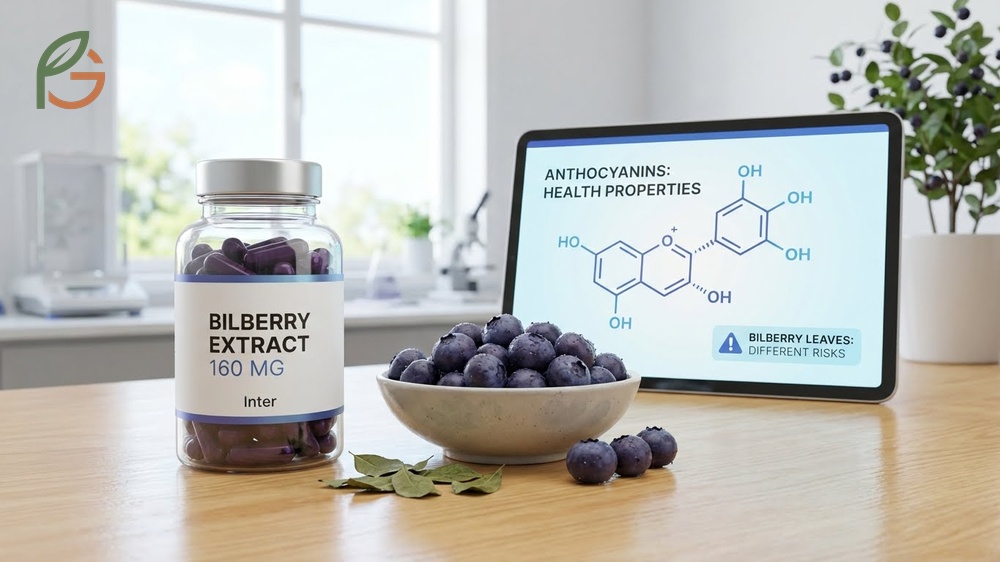
Most people tolerate bilberry supplements well, with side effects remaining minimal when you stick to recommended doses. Studies document that bilberry fruit extracts show excellent safety profiles at 160 mg daily for continuous use up to 6 months[1]. The anthocyanins in bilberry—those deep purple pigments that gardeners love—account for both the berry’s health properties and its generally benign nature.
What often gets overlooked is that bilberry leaves carry different risks than the fruit. Research consistently shows that while bilberry fruit remains safe, the leaves may cause toxicity when consumed in high amounts or over extended periods[1]. This matters for home gardeners who might brew teas from various plant parts.
Evidence demonstrates that bilberry has not been linked to clinically apparent liver injury despite widespread use across Europe and North America[2]. This clean safety record distinguishes bilberry from some other herbal supplements with documented liver concerns.
Common Bilberry Reactions
The typical side effects you’ll encounter with bilberry supplementation affect the digestive system. Current data shows most reactions remain mild and transient, resolving without medical intervention[2].
- Mild nausea that typically occurs within 30-60 minutes of taking supplements on an empty stomach
- Abdominal discomfort or cramping, especially at doses exceeding 320 mg daily
- Loose stools or mild diarrhea in approximately 5-8% of users
- Temporary changes in blood sugar levels requiring glucose monitoring for diabetics
- Headache reported in less than 2% of clinical trial participants
Serious Adverse Effects
Allergic reactions to bilberry remain rare but require immediate medical attention when they occur. Studies document symptoms including rash, facial swelling, throat tightness, and breathing difficulties[4]. Anyone with known allergies to berries in the Vaccinium family—including blueberries, cranberries, or huckleberries—should exercise caution.
High-dose bilberry supplementation may affect blood clotting mechanisms. Research indicates that bilberry’s anthocyanins can inhibit platelet aggregation, potentially increasing bruising or bleeding tendency[3].
Important Warning: Stop taking bilberry immediately if you develop unexplained bruising, prolonged bleeding from minor cuts, blood in urine or stools, or severe abdominal pain. These symptoms may indicate excessive anticoagulant effects requiring medical evaluation.
Bilberry Leaf Toxicity
Medical authorities distinguish sharply between bilberry fruit and bilberry leaves when it comes to safety. Evidence shows that bilberry leaves contain compounds that become toxic with prolonged exposure or high doses[1]. Home gardeners sometimes brew teas from foraged leaves, unaware of these risks.
The specific toxic compounds in bilberry leaves haven’t been fully characterized, but animal studies document wasting syndrome, anemia, and jaundice with chronic leaf consumption[5]. Stick to the ripe berries—that’s where the health benefits live without the toxicity concerns.
Bilberry Drug Interactions
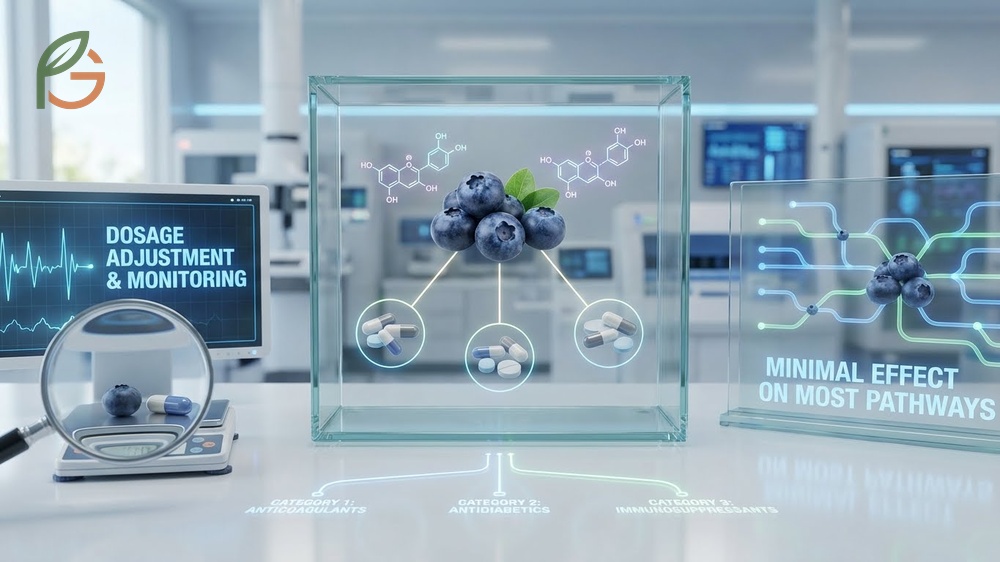
Current pharmaceutical research identifies three major categories of drugs that interact with bilberry supplements. Understanding these interactions matters because bilberry’s active compounds—primarily anthocyanins—affect multiple metabolic pathways[4]. Most interactions don’t prohibit bilberry use entirely but require dosage adjustments or closer monitoring.
What surprises many healthcare providers is that bilberry shows minimal effect on most drug metabolism pathways. Studies confirm that unlike St. John’s Wort or grapefruit juice, bilberry doesn’t dramatically alter the blood levels of most medications[2].
Anticoagulant Interactions
The most clinically significant bilberry interaction involves blood-thinning medications like warfarin. Large-scale chart reviews demonstrate that combining bilberry with warfarin increases the risk of major bleeding events[3]. This interaction occurs because bilberry’s anthocyanins inhibit platelet aggregation through mechanisms similar to aspirin.
If you’re taking anticoagulants, you’ll need INR monitoring every 1-2 weeks when starting or stopping bilberry supplements. Case reports document INR values rising from therapeutic ranges of 2-3 up to dangerous levels above 6.0[4].
- Warfarin (Coumadin)—requires dose reduction in 15-20% of concurrent users
- Clopidogrel (Plavix)—may enhance antiplatelet effects
- Aspirin—additive bleeding risk when combined with bilberry at doses above 160 mg daily
- Apixaban (Eliquis) and other novel anticoagulants—limited data but caution advised
- Heparin—enhanced anticoagulation reported in surgical settings
Diabetes Medication Interactions
Bilberry supplements can lower blood glucose levels, potentially causing hypoglycemia when combined with diabetes medications. Research shows this effect becomes clinically significant at doses of 320 mg daily or higher[4]. The mechanism involves improved insulin sensitivity rather than direct insulin secretion.
Monitor your blood sugar closely if you’re combining bilberry with insulin or oral diabetes drugs. Many patients require 10-15% reductions in their diabetes medication doses to maintain target glucose levels[5].
Cytochrome P450 Effects
Bilberry interacts with the liver’s cytochrome P450 enzyme system, particularly the CYP2E1 pathway. Studies indicate bilberry may alter how quickly your liver breaks down certain medications[4]. This interaction affects fewer drugs than the anticoagulant interactions but still matters for specific medications.
Medications metabolized by CYP2E1 include some anesthetics, acetaminophen at high doses, and certain chemotherapy drugs. If you’re taking any of these, discuss bilberry supplementation with your pharmacist before starting.
Medication Safety Tip: Always inform your healthcare provider about all supplements you’re taking, including bilberry. Bring the actual bottle to appointments so your doctor can verify the exact formulation and anthocyanin content.
Bilberry Dosage Limits
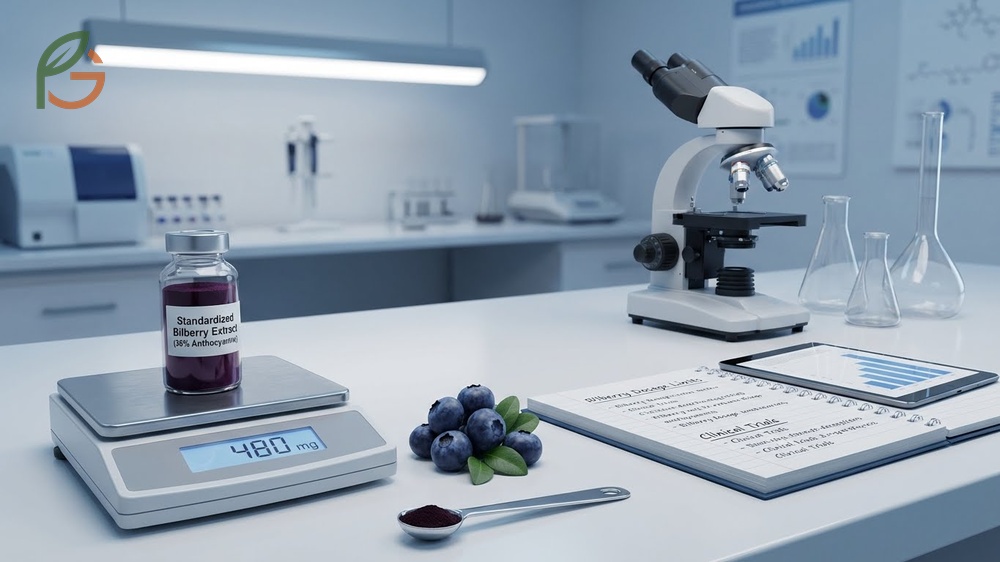
Clinical trials establish clear upper limits for safe bilberry supplementation based on years of research. The standard recommendation caps daily intake at 480 mg of standardized bilberry extract containing 36% anthocyanins[1]. This translates to approximately 172 mg of pure anthocyanins—the active compounds responsible for bilberry’s effects.
Most clinical studies use doses between 160-240 mg twice daily, demonstrating safety for continuous use up to 6 months. No long-term studies beyond 6 months exist, so cycling bilberry supplements makes sense from a safety perspective[5].
For whole dried bilberries, research supports consumption of 20-60 grams daily—roughly equivalent to 1-3 handfuls of the fresh fruit your garden produces[4]. Fresh bilberries contain lower anthocyanin concentrations than extracts, making overconsumption less likely when eating whole fruit.
This table compares bilberry dosing formats, their anthocyanin content, typical daily amounts, and maximum safe duration based on clinical research
| Form | Anthocyanin Content | Typical Daily Dose | Maximum Duration |
|---|---|---|---|
| Standardized Extract (36%) | 36% anthocyanins[1] | 160-480 mg | 6 months |
| Whole Dried Berries | 3-5% anthocyanins | 20-60 grams[4] | No established limit |
| Fresh Berries | 1-2% anthocyanins | 100-200 grams | No established limit |
| Bilberry Tea (dried berries) | Variable (0.5-1%) | 5-10 grams per cup | Daily use acceptable |
- Start with lower doses (80-160 mg daily) for the first week to assess tolerance
- Take bilberry supplements with meals to minimize gastrointestinal side effects
- Verify your supplement contains standardized anthocyanin content—look for 36% on the label
- Don’t exceed 480 mg daily without medical supervision, regardless of the condition you’re treating
- Cycle supplementation with 2-week breaks every 3-4 months since long-term safety data remains limited
Children and adolescents shouldn’t take concentrated bilberry supplements without pediatric guidance. The safety studies establishing these dosage limits enrolled only adults over age 18[1].
Bilberry Contraindications

Specific medical conditions and situations require avoiding bilberry supplements entirely. Research identifies surgery as the primary absolute contraindication—you must stop bilberry at least 2 weeks before any scheduled surgical procedure[4]. This timing allows bilberry’s antiplatelet effects to fully reverse, reducing perioperative bleeding risk.
Pregnancy and breastfeeding represent gray zones where caution outweighs any potential benefits. Current evidence doesn’t demonstrate safety for bilberry supplementation during these periods, though eating bilberries as food remains acceptable[1].
Bleeding disorders constitute another absolute contraindication. Anyone with hemophilia, von Willebrand disease, or platelet function disorders shouldn’t take bilberry supplements due to documented anticoagulant effects[3].
- Active bleeding or recent hemorrhage within the past 30 days
- Scheduled surgery or dental procedures requiring anesthesia—stop 14 days prior
- Known allergy to Vaccinium species (blueberries, cranberries, huckleberries)
- Severe liver disease or cirrhosis where supplement metabolism becomes unpredictable
- Pregnancy or breastfeeding—insufficient safety data for supplemental doses
- Uncontrolled diabetes with frequent hypoglycemic episodes
- Children under age 12—no pediatric safety studies exist
If you’re managing diabetes, bilberry isn’t contraindicated but requires careful blood glucose monitoring. The glucose-lowering effects can enhance diabetes medication action, necessitating dosage adjustments[4].
Medical Clearance Required: If you have any chronic health condition or take prescription medications regularly, get your doctor’s approval before starting bilberry supplements. This simple step prevents 90% of supplement-related complications.
Bilberry Supplement Safety

The overall safety profile of bilberry supplements ranks among the best-studied herbal products available. Multiple systematic reviews confirm that adverse events remain rare when users follow recommended dosing protocols[2]. This safety record spans decades of use across Europe, where bilberry supplements enjoy mainstream medical acceptance.
What distinguishes high-quality bilberry supplements is standardization to 36% anthocyanins. This standardization ensures consistent dosing and predictable effects[5]. Lower-quality products may contain variable anthocyanin levels, making safe dosing difficult.
Source matters tremendously for supplement safety. Bilberries grown in contaminated soils can accumulate heavy metals, pesticides, or environmental toxins. Choose supplements with third-party testing certificates verifying purity[1].
- USP Verified or NSF Certified mark confirming independent laboratory testing
- Certificate of Analysis (COA) available on manufacturer’s website showing batch testing results
- Clear labeling of anthocyanin percentage—look for 25-36% standardization
- Expiration date at least 12 months in the future ensuring product freshness
- Manufacturer following Good Manufacturing Practices (GMP) certified by FDA
- Organic certification reducing pesticide exposure from conventionally grown berries
Storage affects supplement safety and potency. Keep bilberry supplements in cool, dark locations away from humidity. Exposure to heat and light degrades anthocyanins, reducing effectiveness while potentially creating degradation products[4].
Timing your bilberry supplementation with meals improves both safety and absorption. Taking supplements on an empty stomach increases gastrointestinal side effects while potentially reducing anthocyanin bioavailability[2].
Quality Check: Before purchasing any bilberry supplement, verify the manufacturer provides batch-specific testing results. Reputable companies make these certificates readily available through their websites or customer service departments.
Conclusion
The evidence is clear: bilberry side effects remain minimal for most users when you follow established dosing guidelines of 160-480 mg daily. Current medical guidance emphasizes the importance of disclosing bilberry supplementation to healthcare providers, particularly if you’re taking anticoagulants or diabetes medications[1]. Home gardeners growing these remarkable berries can enjoy them fresh with confidence while reserving concentrated extracts for specific health applications under medical supervision.
Agricultural data shows bilberry cultivation thrives in acidic soils with pH 4.5-5.5, making them excellent companions for other ericaceous plants in your fruit garden. FruitGarden encourages growers to focus on fruit production for culinary use while understanding the supplement science that makes these berries valuable beyond the dinner table.
Medical Disclaimer
Important Medical Disclaimer: This content is for informational and educational purposes only. It is not intended as a substitute for professional medical advice, diagnosis, or treatment. Always consult a qualified healthcare professional before making any changes to your diet, starting new supplements, or discontinuing medications, especially if you have bleeding disorders, diabetes, or other medical conditions. Never stop prescription medications without medical supervision.
Frequently Asked Questions
Can I take bilberry supplements daily long-term?
Research supports daily bilberry supplementation for up to 6 months at doses of 160-480 mg. Studies haven’t established safety beyond 6 months, so consider cycling your supplementation with 2-week breaks every 3-4 months. Fresh or dried bilberries eaten as food don’t have established time limits.
What medications should I avoid mixing with bilberry?
Don’t combine bilberry with warfarin or other blood thinners without medical supervision—this combination increases bleeding risk significantly. Diabetes medications also interact with bilberry’s glucose-lowering effects. If you’re taking any prescription medications metabolized by liver enzymes (CYP2E1), discuss bilberry use with your pharmacist first.
Are bilberry side effects different from blueberry side effects?
Bilberry and blueberry side effects are similar since both belong to the Vaccinium genus and contain anthocyanins. However, bilberry supplements contain 3-4 times higher anthocyanin concentrations than blueberry supplements, making side effects like blood thinning and glucose reduction more pronounced with bilberry extracts.
How long before surgery should I stop bilberry supplements?
Stop taking bilberry supplements at least 2 weeks before any scheduled surgery. This timing allows bilberry’s antiplatelet effects to fully reverse, reducing your risk of excessive bleeding during and after the procedure. Don’t restart supplementation until your surgeon clears you during post-operative follow-up.
Is it safe to take bilberry during pregnancy?
Eating bilberries as food remains safe during pregnancy, but concentrated supplements lack sufficient safety data. No clinical trials have tested bilberry extract supplementation in pregnant women. Stick to culinary amounts of fresh or dried bilberries during pregnancy and breastfeeding unless your obstetrician specifically recommends supplementation.
What’s the difference between bilberry fruit and bilberry leaf side effects?
Bilberry fruit causes only mild gastrointestinal side effects at recommended doses. Bilberry leaves are potentially toxic with chronic use, causing wasting syndrome, anemia, and jaundice in animal studies. Never use bilberry leaf supplements or teas—stick exclusively to fruit-based products for safety.
Can bilberry supplements cause allergic reactions?
Yes, though allergic reactions to bilberry remain rare. Symptoms include rash, facial swelling, throat tightness, and breathing difficulties. If you’re allergic to blueberries, cranberries, or other Vaccinium berries, you’ll likely react to bilberry as well. Start with small doses to test tolerance if you have any berry allergies.





