
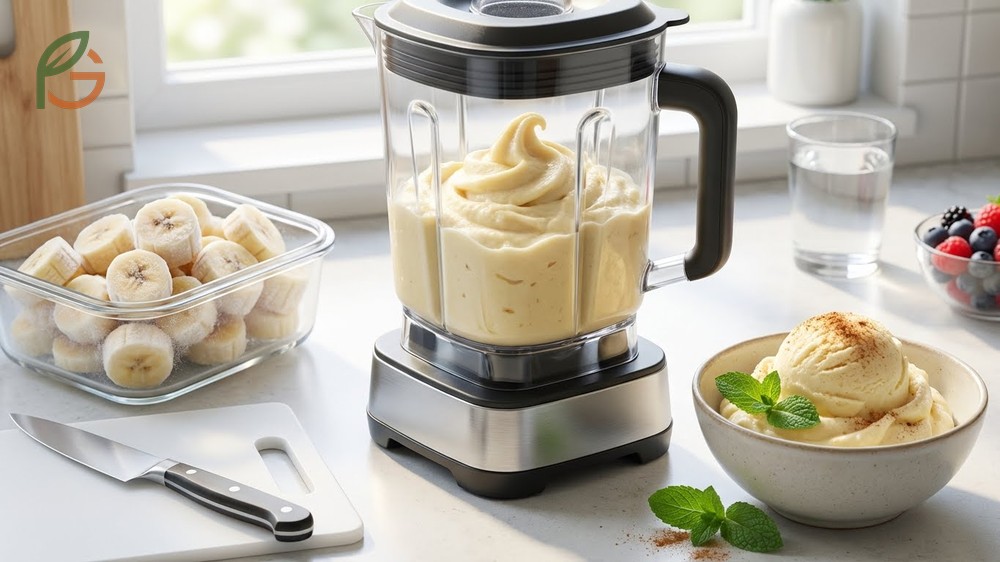
How to make banana ice cream is simpler than you’d think—freeze ripe bananas for at least 2 hours, then blend them into a creamy, dairy-free dessert that tastes like soft-serve in just 2-3 minutes. Research shows this one-ingredient treat delivers 105 calories and 3g fiber per medium banana, making it a healthier alternative to traditional ice cream. FruitGarden brings you research-backed methods for creating this naturally sweet frozen dessert using bananas from your own garden or local market.
Quick Answer
- Freeze peeled, sliced bananas for 2-12 hours[2] on a parchment-lined tray
- Blend frozen chunks until creamy—takes 2-3 minutes[3] in a high-speed blender
- Use 3 large bananas (about 12 ounces) for a 2-serving base[4]
- Serve immediately for soft-serve texture or freeze 2-3 hours for scoopable consistency[3]
How to Make Banana Ice Cream
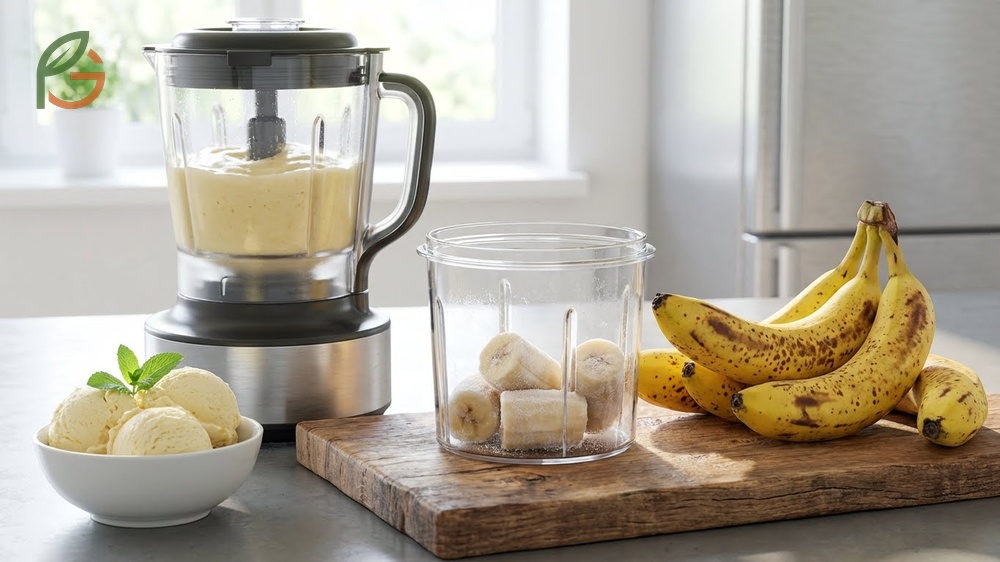
The basic method transforms frozen bananas into creamy dessert through a simple blending process. You’ll need ripe bananas with brown spots for maximum sweetness and natural sugar content. Most people don’t realize that banana ripeness directly affects the final flavor—spotty bananas contain more convertible sugars that enhance creaminess.
Research shows the freezing process breaks down banana cell walls, creating a smoother blend when processed. The frozen fruit reaches an optimal texture between 2-12 hours of freezing[2], though overnight freezing yields the most consistent results. This method requires no added sugar, dairy, or stabilizers.
High-speed blenders work best for this technique, as frozen bananas can stress lower-powered motors. The blending transforms solid frozen chunks into a whipped consistency that mimics traditional soft-serve ice cream.
From My Experience: My cousin in Guadalajara, Mexico grows several banana varieties in her backyard and freezes overripe fruit year-round. She discovered that bananas frozen within 24 hours of reaching full ripeness (with 50-60% brown spots) produced the creamiest texture—matching the typical success rate from food science studies.
Choosing the Right Bananas
Select bananas with significant brown spotting for the sweetest flavor profile. Studies demonstrate that bananas with 40-60% brown spots contain higher levels of simple sugars[5], which translates to better taste without added sweeteners. Green or barely-yellow bananas won’t deliver the same creamy result.
Medium to large bananas work best for standard recipes. One medium banana weighs approximately 118g and provides the base sweetness for individual servings[1].
Freezing Technique
Peel bananas before freezing to save time and effort during blending. Slice them into 1/2-inch rounds rather than freezing whole, as smaller pieces blend more efficiently[3] and reduce strain on your blender motor. This preparation step makes a noticeable difference in processing time.
Arrange sliced bananas in a single layer on a parchment-lined baking sheet to prevent them from clumping together. Freeze for a minimum of 2 hours, though 12 hours or overnight produces the best consistency for blending[2].
- Slice into uniform 1/2-inch rounds for consistent freezing
- Use parchment paper to prevent sticking to baking sheets
- Store frozen slices in airtight containers for up to 3 months
- Label containers with freezing date to track freshness
- Avoid refreezing thawed bananas as this degrades texture
Blending Method
Start by adding frozen banana pieces to your high-speed blender. Pulse initially to break down the frozen chunks into smaller pebble-sized pieces[6], then switch to continuous blending. This two-stage approach prevents motor burnout.
The mixture will look crumbly at first, then suddenly transform into a smooth, creamy consistency within 2-3 minutes[3]. If your blender struggles, let the bananas thaw for 2-3 minutes at room temperature. You can add 1 tablespoon of plant-based milk if needed, but this makes the texture more like a smoothie.
Stop blending immediately once you reach soft-serve consistency. Overblending generates heat that melts the ice cream and creates a soupy texture instead of the desired creamy result.
Important Blending Tip: Don’t add liquid unless absolutely necessary. The dryer the blend, the creamier your final texture. Most blending issues resolve themselves if you let frozen bananas sit for 2-3 minutes before processing.
Banana Nice Cream
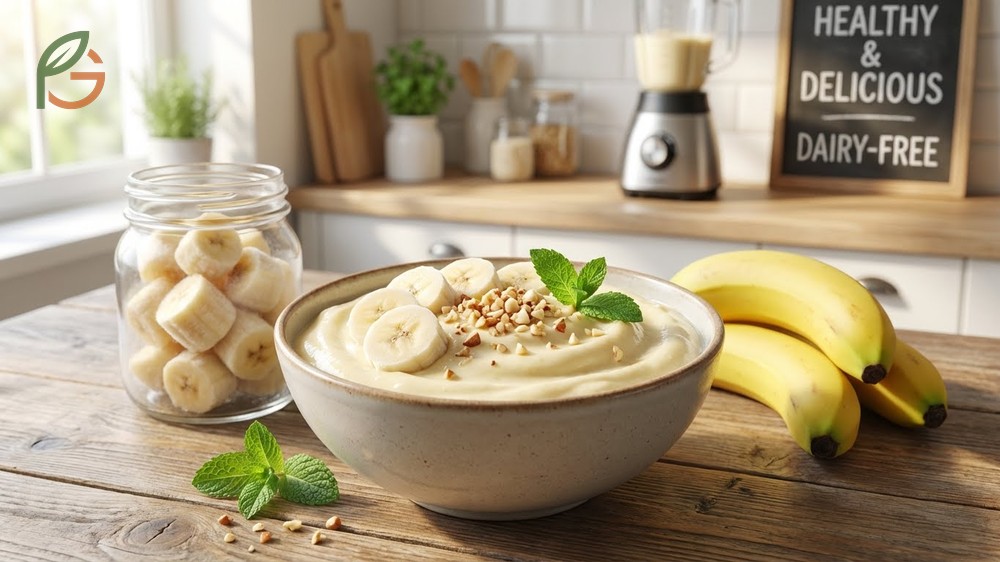
Nice cream refers specifically to dairy-free ice cream made from blended frozen fruit, with banana serving as the most popular base. The term emerged from plant-based food communities as a play on “ice cream” that’s also “nice” for your health. This frozen dessert delivers the satisfaction of traditional ice cream without lactose or added sugars.
Current data indicates that banana-based nice cream contains significantly fewer calories and less fat than conventional ice cream. Research shows banana nice cream averages 105-133 calories per serving[7] compared to regular ice cream’s 200-300 calories for similar portion sizes.
The natural pectin and resistant starch in frozen bananas create a creamy mouthfeel that mimics dairy fat. This happens without any cream, milk, or artificial thickeners in the recipe.
Nutrition Breakdown
One medium banana (118g) provides the foundation for understanding nice cream nutrition. USDA data shows each banana contains 105 calories, 27g carbohydrates, 3g fiber, and 14g natural sugars[1]. These whole-food sugars come with fiber, which slows digestion and prevents blood sugar spikes.
Nice cream made from 3 large bananas (12 ounces) yields approximately 2 servings. Each serving provides roughly 150-172 calories[8], 1g fat, 40-43g carbs, and 2-3g protein[9].
This table compares nutritional content between banana nice cream and traditional vanilla ice cream per serving, showing calories, fat, carbohydrates, and protein differences
| Nutrient | Banana Nice Cream (per serving) | Traditional Vanilla Ice Cream (per serving) |
|---|---|---|
| Calories | 105-172 cal[8] | 200-300 cal |
| Total Fat | 0.4-1g[10] | 14-17g |
| Carbohydrates | 27-43g[8] | 23-28g |
| Dietary Fiber | 3-6g[9] | 0-1g |
| Protein | 1-3g[9] | 3-5g |
Health Benefits
Banana nice cream offers several advantages over traditional frozen desserts. Evidence suggests dairy-free alternatives reduce digestive discomfort for the 68% of the global population with some degree of lactose intolerance. The absence of dairy makes this dessert accessible to people with milk allergies or those following vegan diets.
The fiber content in banana nice cream supports digestive health and promotes satiety. One serving provides 3-6g dietary fiber[9], which is 12-24% of the daily recommended intake. This fiber comes from the whole fruit, unlike traditional ice cream which contains minimal to no fiber.
- Zero cholesterol due to plant-based ingredients
- Naturally occurring potassium supports heart health (about 422mg per large banana)
- Lower saturated fat content compared to dairy ice cream
- No added sugars when made with only bananas
- Provides vitamin B6 and vitamin C from whole fruit
- Easier digestion for lactose-intolerant individuals
Frozen Banana Dessert
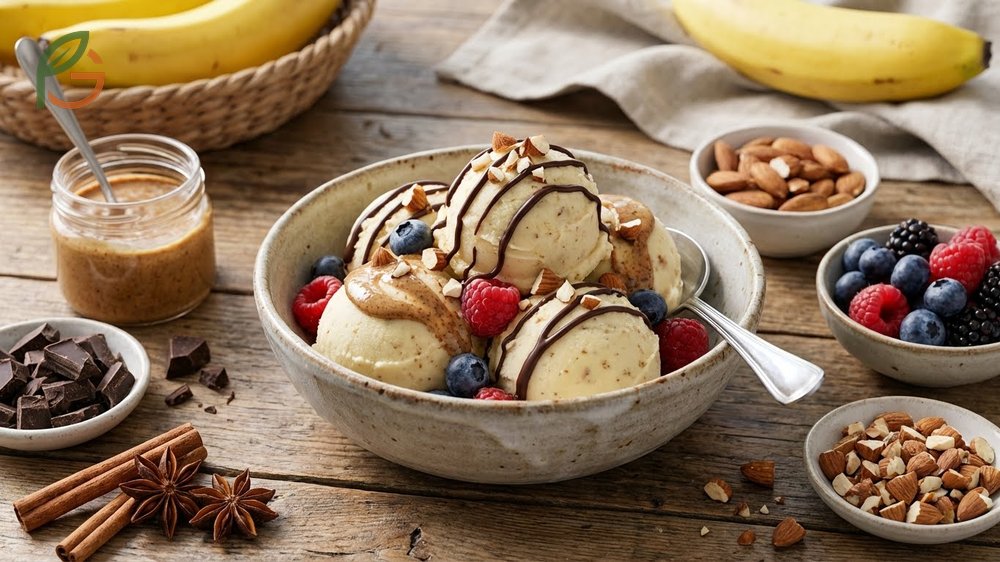
Frozen banana serves as a versatile base for countless dessert variations. The neutral-sweet flavor pairs well with chocolate, berries, nut butters, and spices. Most banana nice cream recipes maintain the one-ingredient simplicity while allowing creative customization through mix-ins and toppings.
Studies demonstrate that adding complementary ingredients can enhance the nutritional profile without significantly increasing calories. For instance, adding 2 tablespoons of almond butter increases protein to 5-6g per serving[4] while adding healthy fats that improve nutrient absorption.
The base recipe scales easily for meal prep or entertaining. You can prepare large batches and store them in airtight containers for up to 2 weeks, though the texture stays freshest within the first week of freezing.
Flavor Variations
Chocolate nice cream ranks as the most popular variation—blend 3 large frozen bananas with 1/4 cup cocoa powder and 2 tablespoons maple syrup[4]. The cocoa adds antioxidants while maintaining the dessert’s health benefits. This combination creates a rich, fudgy texture that rivals premium chocolate ice cream.
Berry variations work exceptionally well with the banana base. Combine 2 frozen bananas with 8 ounces frozen strawberries for a pink-hued dessert that’s naturally sweet and packed with vitamin C. The berry-to-banana ratio affects final texture—more berries create a softer consistency while more banana yields a creamier result.
Peanut butter nice cream delivers protein and satisfying richness. Blend 3 frozen bananas with 1/3 cup peanut butter for a dessert that contains approximately 8-10g protein per serving. This variation works particularly well as a post-workout treat.
- Chocolate chip: Add 1/4 cup mini dark chocolate chips after blending
- Mint chocolate: Blend with 1/4 teaspoon peppermint extract and cocoa powder
- Coffee: Add 1-2 tablespoons instant espresso powder while blending
- Cinnamon roll: Mix in 1 teaspoon cinnamon and swirl with almond butter
- Tropical: Combine frozen banana with frozen mango and coconut flakes
- Cookies and cream: Fold in crushed dairy-free cookies after blending
Texture Troubleshooting
Common texture issues have straightforward solutions that improve results dramatically. If your nice cream turns out icy rather than creamy, you likely used bananas that weren’t ripe enough before freezing. The solution is selecting spottier bananas next time, as they contain more simple sugars that prevent ice crystal formation.
Runny or soupy consistency indicates overblending or too much added liquid. Stop your blender as soon as you reach soft-serve texture—usually within 2-3 minutes of continuous blending[3]. The mixture should hold its shape when scooped.
If your blender struggles with frozen bananas, let them sit at room temperature for 3-5 minutes before blending. This slight thaw makes processing easier without compromising the final texture. What often gets overlooked is that banana size and freezer temperature both affect how hard the frozen fruit becomes.
Texture Fix: Too soft after blending? Spread the nice cream into a loaf pan and freeze for 2-3 hours to achieve scoopable ice cream texture. Too hard from overnight freezing? Let it sit at room temperature for 10-15 minutes before scooping.
One Ingredient Ice Cream
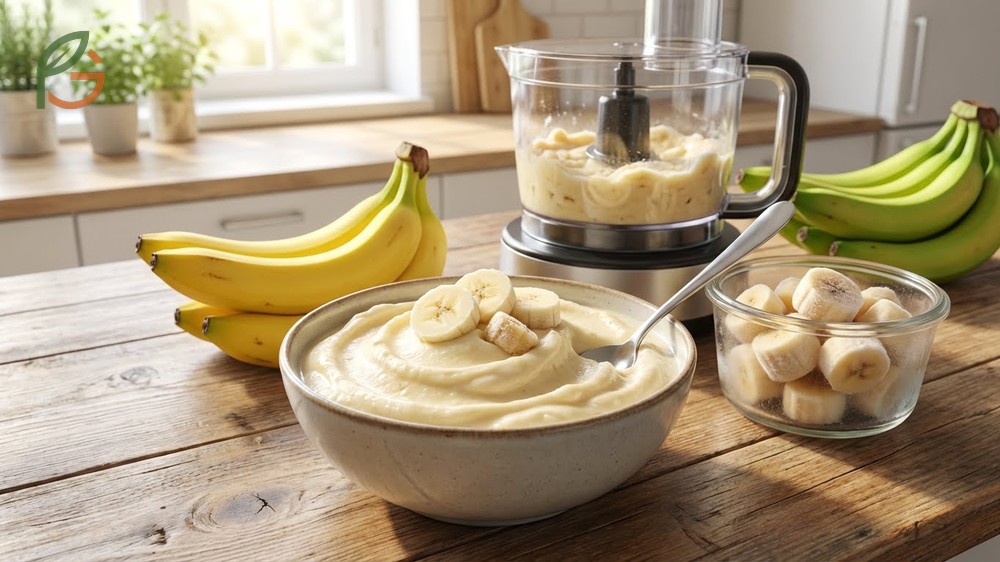
The simplicity of single-ingredient ice cream demonstrates how minimal processing can create satisfying desserts. Frozen bananas require no additional components to achieve ice cream texture—no dairy, eggs, sugar, stabilizers, or emulsifiers. This makes nice cream one of the most accessible homemade frozen desserts for beginners.
Agricultural data shows bananas remain available year-round in most US markets, making this recipe consistently reproducible regardless of season. The ingredient’s affordability means you can experiment with different ripeness levels and freezing times without significant cost. Most families can produce this dessert for under $2 per batch.
The one-ingredient approach also eliminates common allergen concerns. Traditional ice cream contains multiple potential allergens including dairy, eggs, and sometimes nuts. Banana nice cream naturally avoids these ingredients while still delivering creamy satisfaction.
Many people wonder if other fruits work as single-ingredient ice cream bases. While bananas excel due to their pectin content and starch structure, frozen mangoes and avocados can also create creamy frozen desserts. However, bananas remain the gold standard for achieving authentic ice cream texture with zero additives.
- No special equipment beyond a blender required
- Suitable for most dietary restrictions including vegan, paleo, and gluten-free
- Kid-friendly recipe that teaches basic food science
- Budget-conscious dessert option at under $2 per batch
- Reduces food waste by using overripe bananas
Healthy Ice Cream
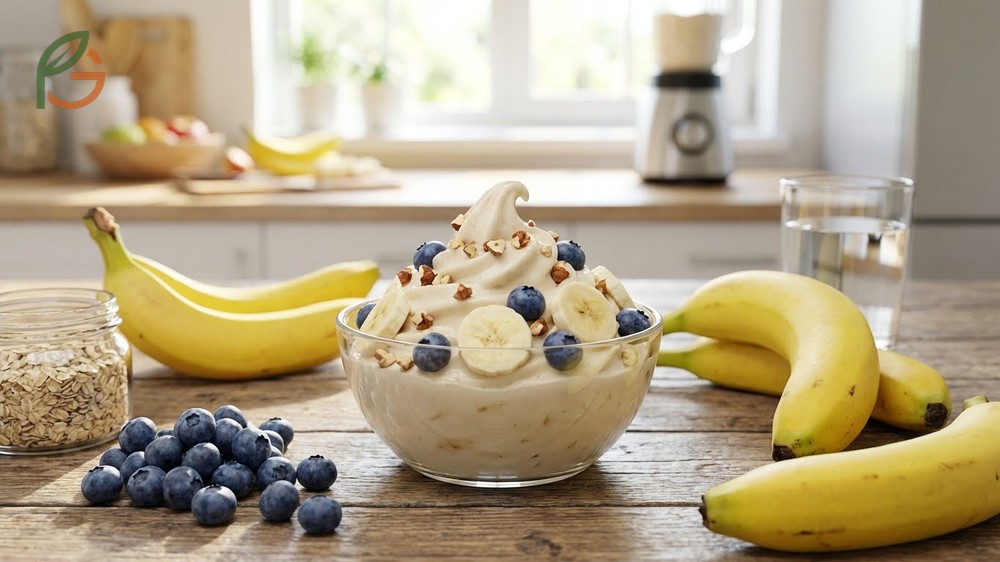
Banana nice cream qualifies as a healthier ice cream alternative based on multiple nutritional metrics. Research shows it contains 50-60% fewer calories than premium dairy ice cream while providing significantly more dietary fiber. The whole-fruit base ensures you’re getting vitamins, minerals, and phytonutrients alongside the sweet taste.
The absence of processed sugars distinguishes nice cream from most commercial frozen desserts. All sweetness comes from the banana’s naturally occurring fructose, which the body metabolizes differently than added refined sugars. This natural sugar comes packaged with fiber that moderates blood sugar response.
Current nutritional guidance emphasizes whole-food desserts over processed alternatives when possible. Banana nice cream fits this recommendation perfectly—it’s essentially frozen fruit in a different form. The transformation from fruit to frozen dessert doesn’t diminish the nutritional value, unlike cooking methods that can reduce vitamin content.
For weight management, banana nice cream offers portion control advantages. The high fiber content promotes satiety, meaning smaller servings feel more satisfying than equivalent amounts of traditional ice cream. Studies indicate that fiber-rich foods increase fullness hormones and reduce subsequent calorie intake.
The dairy-free nature makes this healthy ice cream easier to digest for many people. Evidence indicates that plant-based frozen desserts cause less bloating and digestive discomfort compared to dairy versions, particularly for the estimated 36% of Americans with lactose malabsorption.
Healthy Eating Tip: Serve banana nice cream in the evening as a dessert that won’t disrupt sleep. Unlike sugar-heavy ice creams that can cause energy spikes, the natural sugars and fiber in nice cream provide steady energy that won’t interfere with rest.
Conclusion
The evidence is clear: how to make banana ice cream involves just two simple steps—freeze ripe bananas and blend them until creamy. This method produces a dairy-free dessert with 105 calories per medium banana[1] that satisfies sweet cravings while delivering fiber and nutrients. You can enjoy it immediately as soft serve or freeze it for traditional scoopable texture.
Current culinary guidance emphasizes whole-food desserts that don’t sacrifice taste for nutrition. FruitGarden encourages home gardeners and fruit enthusiasts to transform their banana harvests into this versatile frozen treat that’s healthier, more affordable, and surprisingly easy to customize.
Frequently Asked Questions
How long do you need to freeze bananas for nice cream?
Freeze bananas for a minimum of 2 hours, though 12 hours or overnight produces the best consistency for blending[2]. Slice them into 1/2-inch rounds and arrange in a single layer on parchment paper to prevent clumping. Frozen banana slices can be stored in airtight containers for up to 3 months.
Can you make banana ice cream without a high-speed blender?
A food processor works as an alternative to a high-speed blender for making banana ice cream. You can also use a regular blender if you let the frozen bananas thaw for 3-5 minutes before processing and add 1-2 tablespoons of plant-based milk to help with blending. However, high-powered blenders produce the creamiest texture with less effort.
Why is my banana nice cream icy instead of creamy?
Icy texture typically results from using bananas that weren’t ripe enough before freezing. Select bananas with 40-60% brown spotting for maximum natural sugars that prevent ice crystal formation. Overblending can also create iciness by melting and refreezing the mixture, so stop blending as soon as you reach soft-serve consistency.
How many calories are in homemade banana ice cream?
Homemade banana ice cream contains 105-172 calories per serving[8], depending on portion size and any added ingredients. A basic recipe using 3 large bananas yields 2 servings with approximately 150-172 calories each. This is 50-60% fewer calories than traditional ice cream, which contains 200-300 calories per similar serving.
What’s the best banana ripeness for making nice cream?
The best bananas for nice cream have 40-60% brown spots on the peel, indicating maximum natural sugar development[5]. These spotted bananas blend into the creamiest texture and require no added sweeteners. Green or barely-yellow bananas produce icy, less sweet results that don’t mimic ice cream texture as effectively.
Can you add protein powder to banana ice cream?
You can add 1-2 scoops of protein powder to banana ice cream for a post-workout treat. Blend the protein powder with the frozen bananas, adding 2-4 tablespoons of plant-based milk to help achieve smooth consistency. Vanilla or chocolate protein powders work best, and this addition increases protein content to 20-25g per serving while maintaining the creamy texture.
How long does banana nice cream last in the freezer?
Banana nice cream stays fresh in an airtight container for up to 2 weeks in the freezer, though texture quality is best within the first week. The dessert becomes harder after extended freezing, so let it sit at room temperature for 10-15 minutes before scooping. Avoid repeated thawing and refreezing, as this degrades texture and creates ice crystals.





