

Can dogs eat bananas? Yes, dogs can safely eat bananas in moderation as a healthy treat.[1] Research shows that bananas provide essential nutrients like potassium, fiber, and vitamin B6 that support canine health.[2] FruitGarden synthesizes current veterinary research and nutritional data to help pet owners make informed decisions about feeding bananas to their dogs.
Quick Answer
- Bananas are safe for dogs when fed as occasional treats, not daily meals[3]
- One medium banana contains 105 calories, 3g fiber, and 422mg potassium[4]
- Serving limits: small dogs get 1-2 slices, medium dogs get ¼ banana, large dogs get ½ banana maximum[3]
- Keep banana treats under 10% of daily calories to prevent weight gain and blood sugar spikes[5]
Can Dogs Eat Bananas

Dogs can safely eat bananas as an occasional treat when served properly. Veterinarians frequently recommend bananas as a healthy alternative to processed, high-sodium dog treats.[1] The fruit isn’t toxic to dogs and provides nutritional benefits when given in appropriate portions.
Studies demonstrate that bananas offer dogs essential nutrients without harmful ingredients found in many commercial treats. What often gets overlooked is that banana ripeness and preparation method significantly affect digestibility and sugar content for canine consumption.
Nutritional Profile of Bananas
One medium banana (118g) delivers substantial nutrition with 105 calories, 26.9g carbohydrates, 3.07g fiber, and 422mg potassium.[4] The fruit also contains 1.29g protein and 14.4g natural sugars.[4]
Bananas are particularly rich in vitamin B6, which supports brain health and immune function in dogs. They’re also low in cholesterol and sodium, making them heart-friendly treats when compared to salty commercial snacks.[2]
- Potassium – Essential for proper muscle and nerve function
- Fiber – Supports healthy digestion and helps dogs feel fuller longer
- Vitamin B6 – Promotes brain development and immune system health
- Vitamin C – Provides antioxidant benefits even though dogs produce their own
- Biotin – Contributes to healthy skin and coat maintenance
Are Bananas Toxic to Dogs
Bananas aren’t poisonous or toxic to dogs when the fruit itself is consumed.[1] However, banana peels pose serious risks and should never be fed to dogs. The peels aren’t easily digestible and can cause intestinal blockages requiring emergency veterinary care.[3]
Peels also concentrate pesticides that could harm your dog. Current veterinary guidance emphasizes removing all peel material and cutting bananas into bite-sized pieces before serving.
Important Safety Note: If your dog accidentally eats banana peels and shows signs of intestinal blockage—vomiting, abdominal pain, weakness, constipation, or loss of appetite—take them to an emergency veterinary hospital immediately.[3]
Are Bananas Good for Dogs

Bananas provide multiple health benefits for dogs when incorporated as occasional treats rather than dietary staples. Research shows the fruit’s low-calorie profile makes it superior to fatty, processed treats for weight management.[2] Most pet owners don’t realize that bananas work best as training rewards or post-exercise snacks rather than meal replacements.
The natural sugar content requires careful portion control, especially for dogs with specific health conditions. Evidence suggests that pairing bananas with protein sources helps regulate blood sugar absorption in active dogs.
Benefits of Bananas for Dogs
Potassium in bananas supports critical muscle and nerve function throughout a dog’s body. The 422mg of potassium per medium banana helps maintain proper heart rhythm and cellular function.[4] This makes bananas particularly valuable for active dogs who lose electrolytes during exercise.
The 3g of fiber in each banana promotes digestive health and helps regulate bowel movements.[4] Veterinarians sometimes recommend small amounts of banana for dogs recovering from digestive upset, though you should always consult your vet first.
- Energy boost – Natural sugars provide quick energy without artificial additives
- Digestive support – Soluble fiber aids regular bowel movements and gut health
- Heart health – Low sodium and high potassium support cardiovascular function
- Immune support – Vitamin B6 strengthens immune response and antibody production
- Training tool – Small banana pieces work as motivating, low-calorie training rewards
Potential Risks and Concerns
The primary concern with bananas is their natural sugar content—14.4g per medium banana.[4] Overfeeding bananas can lead to weight gain, upset stomach, loose stools, or diarrhea in dogs.[5]
Diabetic dogs require special caution since bananas elevate blood sugar levels. Dogs with diabetes or weight issues should only receive very small portions after veterinary approval, or avoid bananas entirely.[5] Puppies experiencing rapid growth also need limited banana intake to maintain balanced nutrition.
Watch for These Symptoms: Stop feeding bananas immediately if your dog shows vomiting, diarrhea, abdominal pain, bloating, unusual weakness, or loss of appetite. These signs may indicate overfeeding or digestive sensitivity requiring veterinary attention.[3]
How Much Banana Can a Dog Eat

Veterinary guidelines recommend keeping all treats, including bananas, to less than 10% of your dog’s daily caloric intake.[3] This means a whole banana would exceed safe limits for most dogs, particularly smaller breeds. Portion sizes should scale directly with your dog’s weight and activity level to prevent excessive calorie consumption.
Small dogs like Yorkies or Chihuahuas should receive only 1-2 thin slices per serving, offered 1-2 times weekly maximum. Medium-sized dogs weighing 20-50 pounds can have up to ¼ banana at a time, while large breeds over 50 pounds may safely consume up to ½ banana occasionally.[3]
Always peel bananas completely before serving and cut them into bite-sized pieces appropriate for your dog’s mouth size. This preparation reduces choking hazards and aids digestion. Fresh bananas work best—avoid banana chips, dried bananas, or banana bread, which contain added sugars, preservatives, or toxic ingredients.
This table shows recommended banana serving sizes, frequency, and calorie limits for small, medium, and large dogs based on weight categories
| Dog Size | Weight Range | Maximum Serving | Frequency |
|---|---|---|---|
| Small | Under 20 lbs | 1-2 thin slices | 1-2 times per week |
| Medium | 20-50 lbs | ¼ banana | 1-2 times per week |
| Large | Over 50 lbs | ½ banana | 1-2 times per week |
Adjust portions downward for dogs with diabetes, obesity, or digestive sensitivities. When introducing bananas for the first time, start with one small piece and monitor your dog for 24-48 hours for any adverse reactions before increasing the amount.
- Remove all peel material completely before serving to prevent blockages
- Cut bananas into pieces sized appropriately for your dog’s breed and mouth
- Mix small banana pieces into regular food for picky eaters
- Freeze banana slices for a refreshing summer treat that lasts longer
- Mash banana and stuff into puzzle toys for mental stimulation during feeding
- Avoid banana chips which contain added sugars and can swell in the stomach
Homemade Banana Dog Treats

Making banana treats at home lets you control ingredients and avoid artificial additives found in commercial products. Simple recipes combine bananas with dog-safe ingredients like oats, peanut butter (xylitol-free), and eggs to create nutritious snacks your dog will love.
A basic recipe uses 2 ripe bananas, 3 cups oats, 1 beaten egg, and 2 tablespoons natural peanut butter.[6] Mix ingredients thoroughly, shape into small pieces, and bake at 350°F (177°C) for 15-20 minutes until golden. These homemade treats store in airtight containers for up to one week in the refrigerator or three months frozen.
Always verify that peanut butter doesn’t contain xylitol, an artificial sweetener that’s highly toxic to dogs. Check ingredient labels carefully before adding any commercial products to homemade dog treats.
- Use overripe bananas for natural sweetness and easier mashing
- Substitute pumpkin puree for half the banana to reduce sugar content
- Add cinnamon (small amounts) for flavor without artificial ingredients
- Make treats smaller than you think—remember the 10% treat rule applies to all snacks
- Cool treats completely before serving to prevent mouth burns
- Store homemade treats separately from human food to avoid cross-contamination
Ingredient Safety Check: Never use chocolate, raisins, macadamia nuts, xylitol, or nutmeg in dog treats. These ingredients are toxic to dogs and can cause serious health emergencies even in small amounts. Stick to dog-safe ingredients verified by veterinary sources.
Can Dogs Eat Banana Bread
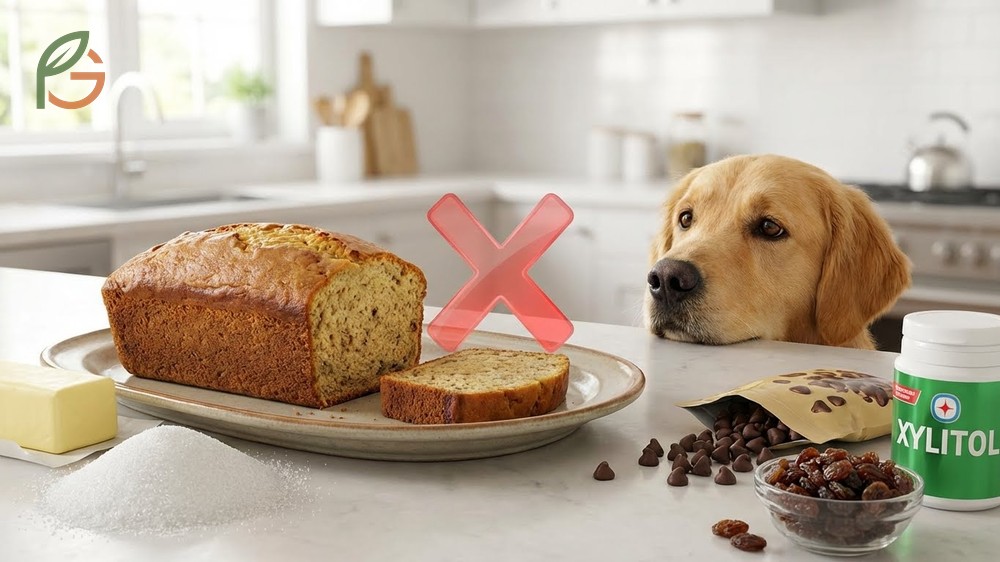
Banana bread isn’t safe for dogs due to harmful ingredients commonly found in recipes. Most banana bread contains high amounts of sugar, butter, and potentially toxic ingredients like raisins, xylitol, chocolate chips, or nutmeg.[3] Even small amounts of these ingredients can trigger serious health problems in dogs.
Xylitol, an artificial sweetener found in many baked goods, causes rapid insulin release and life-threatening blood sugar drops in dogs. Raisins and chocolate are also highly toxic to canine systems. The excessive sugar and fat content in banana bread can lead to pancreatitis, obesity, and digestive distress.
If you want to share banana-flavored treats with your dog, make homemade dog-specific banana treats using safe recipes without added sugars, artificial sweeteners, or toxic ingredients. Plain, fresh banana slices always provide a safer alternative to baked goods designed for human consumption.
Conclusion
The evidence is clear: can dogs eat bananas safely when owners follow veterinary portion guidelines and preparation methods. Bananas deliver valuable nutrients like potassium, fiber, and vitamin B6 that support canine health, but their natural sugar content requires moderation to prevent weight gain and blood sugar issues.
Current veterinary guidance emphasizes keeping banana treats under 10% of daily caloric intake, removing all peel material, and adjusting portions based on your dog’s size and health status. FruitGarden synthesizes research-backed recommendations to help pet owners make informed nutritional decisions that enhance their dogs’ wellbeing through safe, natural treats.
Medical Disclaimer
Important Medical Disclaimer: This content is for informational and educational purposes only. It is not intended as a substitute for professional veterinary advice, diagnosis, or treatment. Always consult a qualified veterinarian before making any changes to your dog’s diet, especially if your pet has diabetes, obesity, digestive sensitivities, or other medical conditions. Individual dogs may react differently to new foods, and what works for one dog may not be appropriate for another.
Frequently Asked Questions
Are Bananas Safe for Dogs?
Yes, bananas are safe for dogs when fed in moderation as occasional treats. The fruit isn’t toxic and provides beneficial nutrients like potassium, fiber, and vitamins. However, always remove the peel completely, cut bananas into appropriate-sized pieces, and keep portions small to prevent digestive upset or excessive sugar intake.
Can Dogs Eat Bananas Every Day?
No, dogs shouldn’t eat bananas every day. While nutritious, bananas contain natural sugars that can lead to weight gain and blood sugar spikes with daily consumption. Veterinarians recommend limiting banana treats to 1-2 times per week maximum, keeping total treat calories under 10% of your dog’s daily intake to maintain balanced nutrition.
Are Bananas Good for Dogs With Diarrhea?
Bananas may help some dogs with mild diarrhea due to their fiber content, which can firm up stools. However, you should always consult your veterinarian before using bananas to treat digestive issues. Some dogs may react poorly to bananas during digestive upset, and diarrhea can signal serious conditions requiring professional medical attention rather than home remedies.
Do Dogs Like Bananas?
Most dogs enjoy bananas due to their natural sweetness and soft texture, but individual preferences vary significantly. Some dogs love bananas as treats, while others show no interest. Start with a small piece to test your dog’s reaction. If they like it, bananas can become a healthy training reward or occasional snack option.
Can Dogs Eat Strawberries and Other Fruits?
Yes, dogs can safely eat several fruits besides bananas, including strawberries, blueberries, watermelon, and apples (without seeds). Each fruit has different nutritional profiles and serving guidelines. Always research specific fruits before feeding them to dogs, as some like grapes and raisins are highly toxic. Remove seeds, pits, and peels that could cause choking or digestive blockages.
What Are Signs of Potassium Deficiency in Dogs?
Potassium deficiency in dogs can cause muscle weakness, lethargy, decreased appetite, abnormal heart rhythms, and difficulty walking. However, potassium deficiency is relatively rare in dogs eating balanced commercial diets. If you notice these symptoms, consult your veterinarian immediately rather than attempting to self-treat with bananas or supplements, as proper diagnosis and treatment require professional veterinary care.
Is Pumpkin and Banana Good for Dogs?
Yes, combining pumpkin and banana can create nutritious dog treats when portions remain appropriate. Pumpkin provides additional fiber for digestive health while reducing overall sugar content compared to banana alone. Mix small amounts of mashed pumpkin and banana together, or use both in homemade dog treat recipes. Keep combined treats within the 10% daily treat calorie limit to maintain balanced nutrition.





