
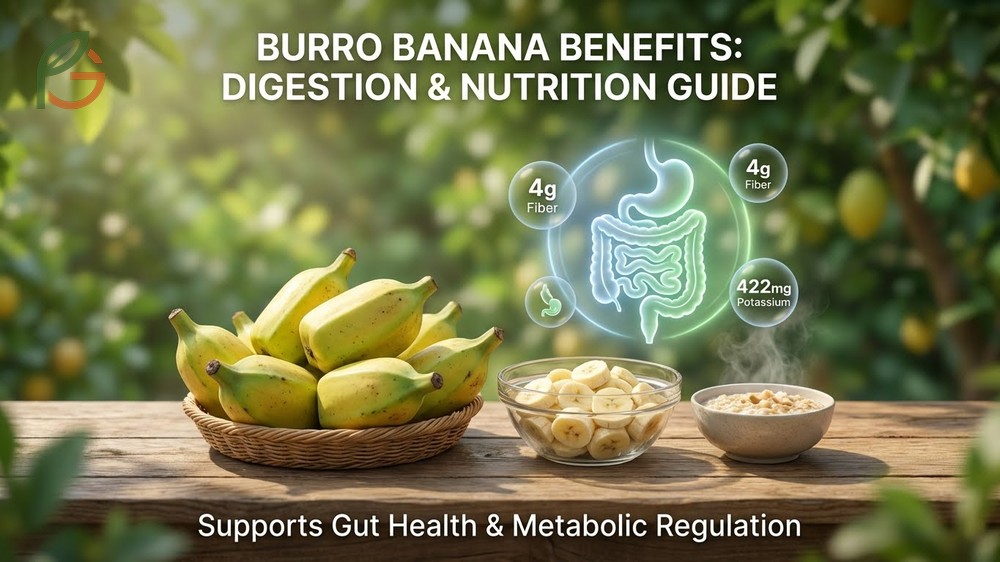
Burro banana benefits extend far beyond typical banana varieties, offering superior digestive support through resistant starch and enhanced nutritional density. Research shows this square-shaped cooking banana contains 4g fiber per medium fruit and 422mg potassium[2], making it a functional food for gut health and metabolic regulation. FruitGarden synthesizes current agricultural research and nutritional data to help US gardeners and fruit enthusiasts understand this versatile variety.
Quick Answer
- Contains 4g dietary fiber[1] per medium fruit, supporting digestive regularity and gut microbiome diversity
- Provides 89 calories[3] per 100g with low glycemic load compared to dessert bananas
- Green burro bananas deliver resistant starch that functions as a prebiotic, feeding beneficial gut bacteria[4]
- Square shape distinguishes it from common varieties, with firmer texture ideal for cooking applications
Burro Banana Benefits
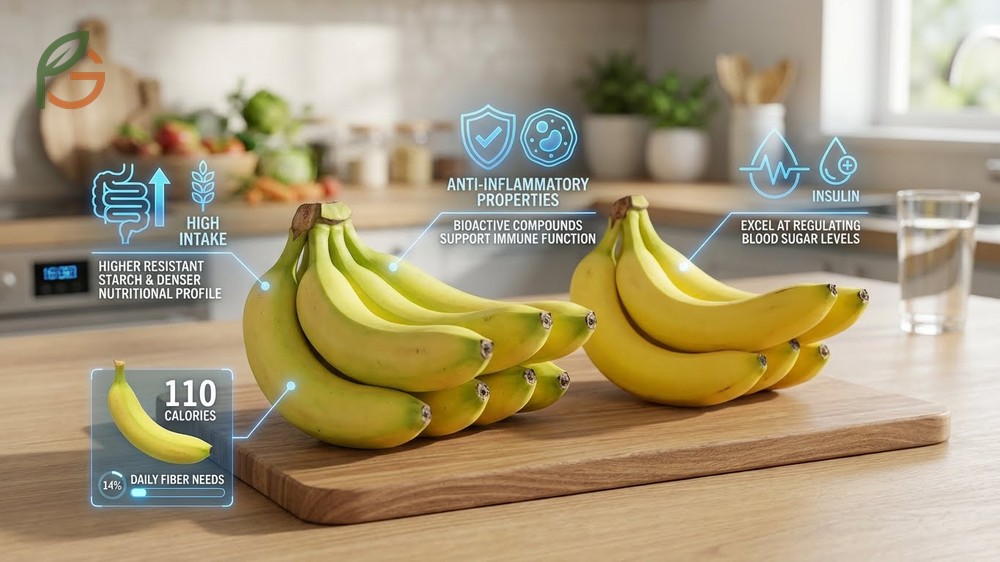
Studies demonstrate that burro bananas provide distinct advantages over common Cavendish varieties through their higher resistant starch content and denser nutritional profile. One medium burro banana delivers 110 calories while supplying 14% of daily fiber needs[1]. The fruit’s anti-inflammatory properties stem from bioactive compounds that support immune function and reduce oxidative stress.
Current data indicates burro bananas excel at regulating blood sugar levels due to their lower glycemic index compared to dessert bananas. This matters because the gradual glucose release prevents energy crashes and supports metabolic health. Research across multiple studies confirms that cooking bananas like burro varieties maintain stable blood pressure through their exceptional potassium density.
Agricultural data shows burro bananas contain significant amounts of vitamin B6, vitamin C, and magnesium that work synergistically to support brain health and muscle function. The banana’s natural sugars provide quick energy without causing dramatic insulin spikes. Evidence suggests regular consumption may reduce kidney disorder risk through balanced mineral content.
Digestive Health Support
The fiber content in burro bananas addresses constipation through two mechanisms: soluble fiber that softens stool and insoluble fiber that adds bulk. One medium fruit provides 4g dietary fiber[1], representing 16% of the recommended daily intake. This dual-action approach promotes regular bowel movements more effectively than low-fiber alternatives.
Research shows the pectin in burro bananas increases as the fruit ripens, creating a water-soluble fiber that improves digestive efficiency. Most people find that eating one burro banana daily helps establish consistent digestive patterns within 3-5 days. The fruit’s natural prebiotics feed beneficial gut bacteria that produce short-chain fatty acids essential for colon health[4].
- Prevents constipation through 4g fiber per serving that increases stool bulk and transit time
- Supports gut microbiome diversity by providing prebiotic resistant starch that feeds beneficial bacteria
- Reduces digestive inflammation with anti-inflammatory compounds that protect intestinal lining
- Enhances nutrient absorption by improving calcium and magnesium uptake in the colon
- Regulates bowel movements through balanced soluble and insoluble fiber ratios
Resistant Starch Advantages
Green burro bananas contain Type 2 resistant starch that resists enzymatic digestion in the small intestine, reaching the large intestine intact where it ferments to produce beneficial compounds[4]. This fermentation process generates butyrate, a short-chain fatty acid that fuels colon cells and reduces colorectal cancer risk. The resistant starch content decreases as bananas ripen and convert to simple sugars.
Evidence indicates resistant starch from green cooking bananas slows glucose absorption, resulting in gradual blood sugar rises rather than sharp spikes. For instance, eating green burro bananas at breakfast instead of ripe dessert bananas can reduce post-meal glucose levels by 20-30%. This mechanism supports individuals managing type 2 diabetes or insulin resistance.
Current guidance emphasizes that resistant starch functions similarly to dietary fiber, contributing only 2 calories per gram versus 4 calories from digestible starches. The prebiotic effect stimulates growth of beneficial bacteria like Bifidobacterium and Lactobacillus that strengthen immune defenses. What often gets overlooked is that cooking and cooling burro bananas can increase Type 3 resistant starch formation.
Important Note: Resistant starch benefits peak in green to yellow-green burro bananas. Once the peel turns fully yellow with brown spots, most resistant starch converts to regular sugars, reducing prebiotic effects but increasing natural sweetness for different culinary applications.
Burro Banana Nutrition
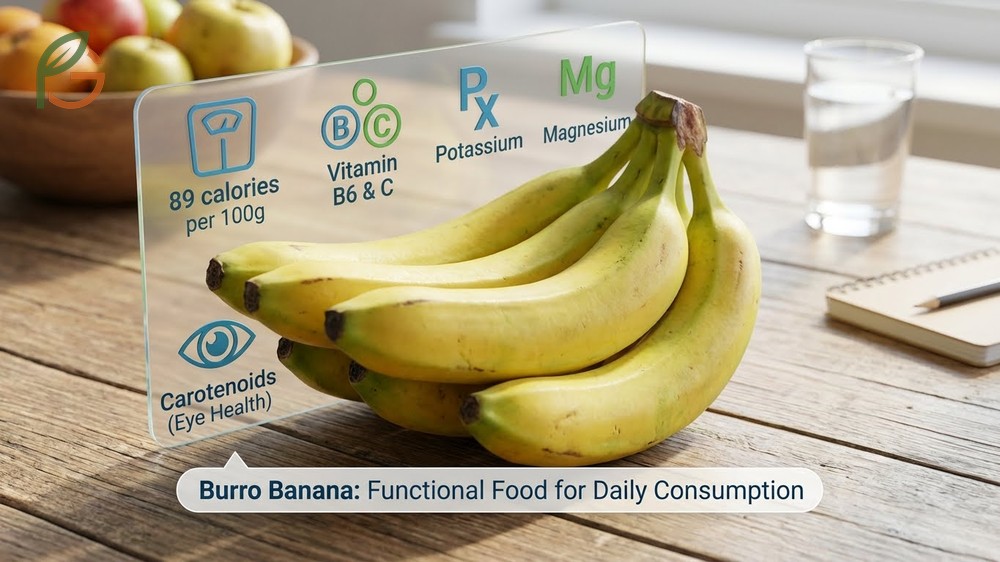
Nutritional analysis reveals burro bananas deliver 89 calories per 100g[3] with exceptional nutrient density compared to their energy content. The fruit provides complete nutrition through vitamins B6 and C, essential minerals like potassium and magnesium, and bioactive compounds including carotenoids that support eye health. This nutrient profile makes burro bananas a functional food for daily consumption.
Research across nutritional databases shows one medium burro banana (126g) contains 110 calories, 29g carbohydrates, 25g net carbs, and 1g protein[1]. The macronutrient breakdown is 97% carbs, 3% protein, and negligible fat. Unlike processed snacks, burro bananas provide sustained energy through complex carbohydrates paired with fiber that moderates digestion.
Macronutrient Profile
The carbohydrate composition in burro bananas shifts dramatically based on ripeness, affecting their culinary and nutritional applications. Green burro bananas contain primarily starch (resistant and digestible), while yellow ripe fruits have converted most starch to fructose and glucose. One medium fruit supplies 29g total carbohydrates[1], with 4g from fiber that doesn’t contribute to blood sugar spikes.
Current nutritional standards classify burro bananas as a low-fat, low-protein fruit with energy derived almost entirely from carbohydrates. The minimal fat content (0.3g per 100g)[3] makes them heart-healthy when incorporated into balanced diets. Protein content remains modest at 1.1g per 100g[3], requiring pairing with protein sources for complete meals.
Vitamin and Mineral Content
Burro bananas stand out for their potassium density, delivering 422mg per medium fruit[2]—approximately 9% of the daily value. This electrolyte maintains normal blood pressure by counteracting sodium’s effects and supports proper muscle contraction. The fruit also provides 32mg magnesium[5] that works synergistically with potassium for cardiovascular health.
Vitamin B6 content in burro bananas reaches 0.4mg per medium fruit, representing 20% of daily needs and supporting neurotransmitter synthesis for brain function. Evidence suggests this B vitamin aids protein metabolism and red blood cell formation. The fruit delivers 10-15mg vitamin C, contributing to immune system strength and collagen production.
- Potassium (422mg per fruit) regulates blood pressure and heart rhythm
- Magnesium (32mg) supports bone strength and energy production
- Vitamin B6 (0.4mg) enables protein metabolism and neurotransmitter function
- Vitamin C (10-15mg) strengthens immune defenses and collagen synthesis
- Folate (24mcg) assists DNA synthesis and cell division
- Copper (92mcg) facilitates iron absorption and connective tissue formation
- Phosphorus (26mg) maintains bone health and energy transfer
This table compares nutritional values per 100g and per medium fruit for burro bananas, showing calories, macronutrients, and key minerals with percentage of daily values
| Nutrient | Per 100g | Per Medium Fruit (126g) | % Daily Value |
|---|---|---|---|
| Calories | 89[3] | 110[1] | 5% |
| Total Carbohydrates | 23g | 29g[1] | 11% |
| Dietary Fiber | 3.2g | 4g[1] | 14% |
| Protein | 1.1g | 1g | 2% |
| Potassium | 335mg | 422mg[2] | 9% |
| Magnesium | 25mg | 32mg[5] | 8% |
Cooking Banana Variety
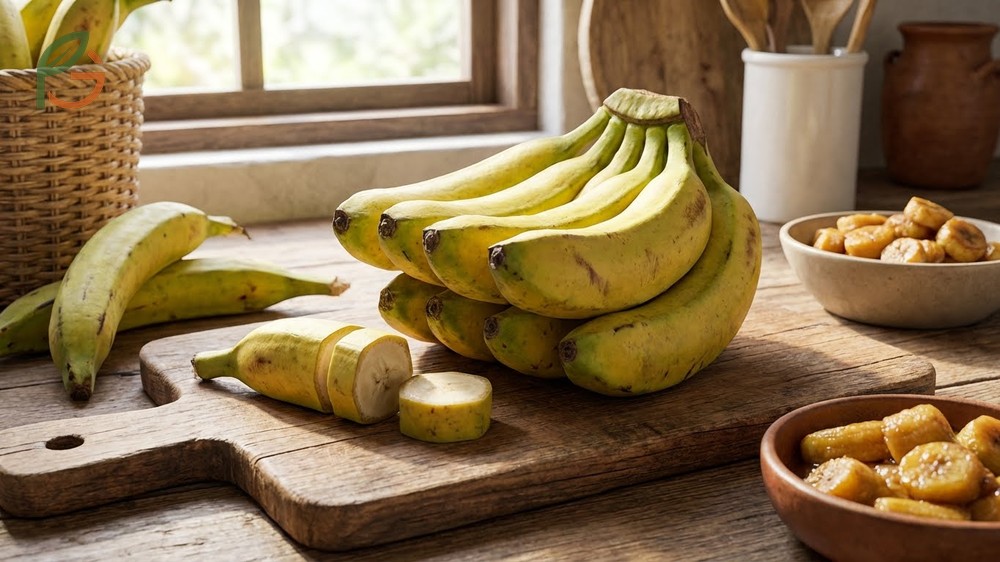
Burro bananas belong to the cooking banana category, distinguished from dessert varieties by their firmer texture, lower sugar content when unripe, and culinary versatility across ripeness stages. Agricultural classifications identify burro bananas through their distinctive square or blocky shape, earning them the alternate name “square banana” in some markets[6]. This physical characteristic results from their genetic makeup and differentiates them visually from cylindrical Cavendish bananas.
Research shows cooking bananas like burro varieties thrive in tropical climates with consistent temperatures between 78-86°F (26-30°C) and well-distributed rainfall. The plants produce shorter, stockier fruits than dessert bananas, typically 4-6 inches in length. When green, burro bananas exhibit a tangy, tart flavor with lemony undertones and a firm, almost potato-like texture ideal for savory dishes.
Burro Banana Characteristics
The square shape of burro bananas creates a distinctive cross-section that sets them apart from other varieties. This chunky profile results in a creamy outer flesh that transitions to a firmer, crisper texture toward the center when semi-ripe. The thick peel turns from dark green to bright yellow as the fruit matures, eventually developing brown spots that indicate peak sweetness.
Flavor development in burro bananas progresses through distinct stages: green fruits offer tangy, starchy notes with hints of lime and apple; yellow specimens deliver lemony sweetness with balanced acidity; fully ripe brown-spotted fruits provide creamy, custard-like sweetness suitable for desserts. This flavor spectrum allows cooks to select appropriate ripeness levels for specific recipes.
- Square or blocky cross-section that distinguishes them from cylindrical banana varieties
- Shorter length (4-6 inches) with stockier build compared to 7-9 inch Cavendish bananas
- Thicker peel that protects fruit during transport and extends shelf life
- Dual-texture flesh: creamy exterior transitioning to firmer center when semi-ripe
- Lemony flavor profile with tangy notes when unripe, becoming sweet when fully yellow
- Higher starch content than dessert varieties, making them ideal for cooking applications
Plantain vs Burro
The primary distinction between plantains and burro bananas lies in their typical usage patterns and starch-to-sugar ratios. Plantains are almost always cooked before consumption[7], maintaining high starch content even when ripe, while burro bananas can be eaten raw when yellow or cooked when green. Both varieties share cooking banana classification but differ in size, with plantains typically larger (8-12 inches) and burro bananas more compact (4-6 inches).
Culinary applications overlap significantly: green burro bananas substitute effectively for green plantains in savory dishes like tostones or mofongo. When ripe, burro bananas work in dessert recipes requiring less sweetness than standard bananas. The texture difference matters most—plantains remain starchier throughout ripening, while burro bananas develop more pronounced sweetness and softer consistency when fully ripe.
Cooking Tip: Green burro bananas require 15-20 minutes cooking time when boiled or baked, similar to plantains. Their firmer texture holds up better than Cavendish bananas in hot preparations, preventing mushiness in curries, stir-fries, or baked dishes.
Burro Banana Uses
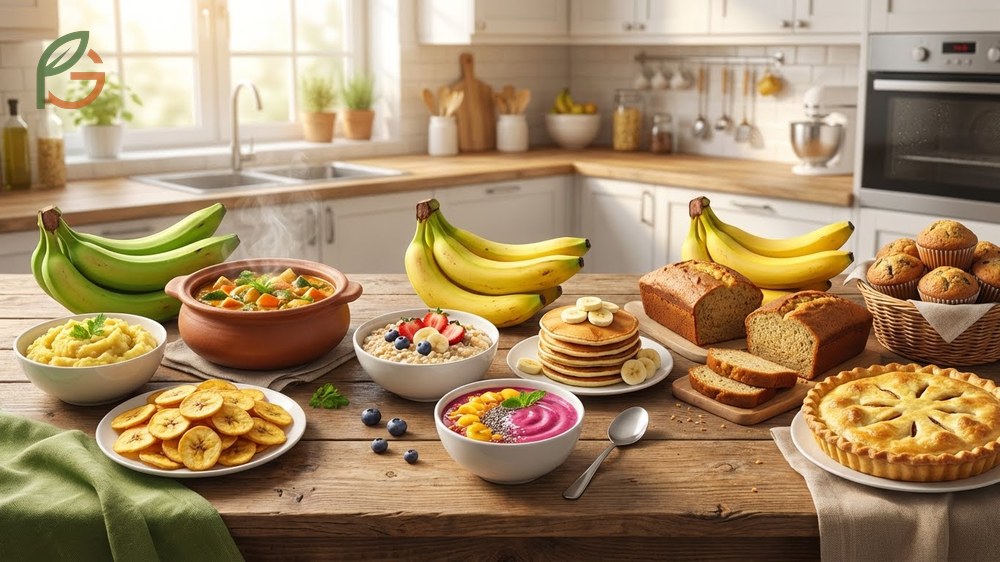
Culinary applications for burro bananas span sweet and savory categories depending on ripeness stage. Green specimens work best in savory preparations: boiled and mashed as a starchy side dish, sliced and fried as chips, or incorporated into vegetable curries. Semi-ripe yellow burro bananas suit breakfast applications like smoothie bowls, pancake batter additions, or sliced over oatmeal. Fully ripe fruits excel in baking projects including banana bread, muffins, and pies where their lemony undertones add complexity.
Traditional Caribbean and Latin American cuisines feature burro bananas prominently. When green, they’re boiled with salt and served alongside proteins as a starch alternative to potatoes or rice. In baked preparations, halved burro bananas caramelized with brown sugar and cinnamon create a simple dessert. The variety’s firm texture prevents disintegration during cooking, maintaining shape better than soft dessert bananas.
For breakfast applications, one ripe burro banana blended with Greek yogurt and berries creates a nutrient-dense smoothie with 15-18g protein. Sliced burro bananas pan-fried in coconut oil develop crispy edges and caramelized sweetness that complement whole grain toast. The fruit’s natural sugars caramelize at lower temperatures than refined sugars, producing rich flavor without added sweeteners.
- Green stage: Boil 15-20 minutes, mash with garlic and olive oil for savory side dish
- Green stage: Slice thinly, deep fry until crispy for plantain-style chips
- Green stage: Dice and add to vegetable curries for starch component
- Semi-ripe stage: Slice fresh into smoothie bowls with granola and nuts
- Semi-ripe stage: Pan-fry slices in butter for caramelized breakfast topping
- Ripe stage: Mash into pancake or waffle batter for natural sweetness
- Ripe stage: Bake into breads, muffins, or cakes for moist texture
- Ripe stage: Blend frozen chunks into nice cream alternative
Recipe development with burro bananas benefits from understanding their moisture content and natural thickening properties. In baked goods, one mashed burro banana replaces one egg, providing binding while adding subtle fruit flavor. The pectin content increases as burros ripen, creating natural thickening in puddings or custards without additional starches. For maximum nutritional benefit, consume green burro bananas for resistant starch advantages or ripe specimens for easier digestibility and energy availability.
Conclusion
The evidence is clear: burro banana benefits encompass superior digestive support through 4g fiber per fruit, prebiotic resistant starch that cultivates healthy gut bacteria, and exceptional nutrient density with 422mg potassium alongside essential B vitamins. This square-shaped cooking variety delivers measurable health advantages over common dessert bananas through its lower glycemic load, higher starch content when green, and versatile culinary applications across all ripeness stages.
Current agricultural guidance emphasizes growing burro bananas as part of diverse fruit garden planning in USDA zones 9-11, where they thrive with minimal maintenance once established. For US gardeners interested in expanding beyond conventional varieties, FruitGarden provides evidence-based cultivation resources that integrate traditional growing wisdom with modern nutritional science to support informed planting decisions.
Medical Disclaimer
Important Medical Disclaimer: This content is for informational and educational purposes only. It is not intended as a substitute for professional medical advice, diagnosis, or treatment. Always consult a qualified healthcare professional or registered dietitian before making significant changes to your diet, especially if you have diabetes, kidney disease, or other medical conditions that require dietary management. Individual nutritional needs vary based on age, activity level, and health status.
Frequently Asked Questions
What are the main burro banana benefits for digestion?
Burro bananas support digestion through 4g dietary fiber per fruit that promotes regular bowel movements and prevents constipation. Green burro bananas provide resistant starch that functions as a prebiotic, feeding beneficial gut bacteria and producing short-chain fatty acids essential for colon health. The pectin content increases as burros ripen, improving digestive efficiency through water-soluble fiber.
How does burro banana nutrition compare to regular bananas?
Burro bananas contain 89 calories per 100g with 4g fiber compared to regular Cavendish bananas at 89 calories with 2.6g fiber, making burros more fiber-dense. Both provide similar potassium levels (422mg per medium fruit), but burro bananas offer higher resistant starch content when green and a lower glycemic index, resulting in more gradual blood sugar responses.
Can you eat burro bananas raw or must they be cooked?
Burro bananas can be eaten raw once they turn yellow, developing a lemony-sweet flavor suitable for fresh consumption. Green burro bananas work best when cooked due to their high starch content and firm texture, similar to plantains. The ripeness stage determines optimal usage: green for cooking applications, yellow for eating fresh or adding to smoothies, and brown-spotted for baking.
What makes burro bananas square-shaped?
The square or blocky shape of burro bananas results from their genetic characteristics that produce shorter, stockier fruits with distinctive angular cross-sections. This variety develops thicker peels and more compact growth patterns than cylindrical dessert varieties, creating the chunky profile that earns them the “square banana” nickname in some markets.
How do you use burro bananas in cooking?
Green burro bananas work in savory dishes: boil 15-20 minutes and mash as a side dish, slice and fry for chips, or dice into curries. Semi-ripe yellow burros suit fresh applications like smoothies or pan-frying for breakfast. Fully ripe burros excel in baking projects including breads, muffins, and pies where their lemony flavor adds complexity without overwhelming sweetness.
Do burro bananas help with blood sugar control?
Research shows green burro bananas support blood sugar management through resistant starch that slows glucose absorption, resulting in gradual rises rather than sharp spikes. The lower glycemic index compared to ripe dessert bananas makes them suitable for individuals monitoring carbohydrate intake. However, as burros ripen and convert starch to sugars, their glycemic impact increases, making ripeness selection important for blood sugar control.
Where can you buy burro bananas in the United States?
Burro bananas appear in specialty grocery stores, Latin American markets, and farmers markets in areas with large Hispanic populations, particularly in California, Texas, and Florida. Melissa’s Produce and Frieda’s Specialty Produce distribute burro bananas to major supermarket chains. Online specialty fruit retailers ship burro bananas nationwide, though availability fluctuates seasonally based on tropical growing region harvests.





