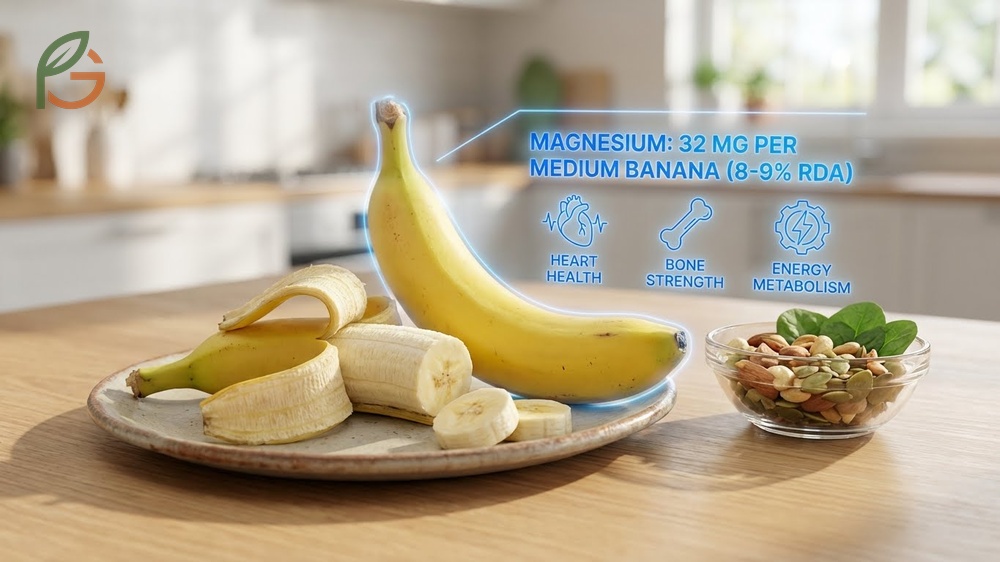
Magnesium in bananas provides a modest but meaningful contribution to your daily mineral intake, with a medium banana delivering approximately 32 mg or 8-9% of the recommended daily allowance[1]. Research shows that while bananas aren’t the highest source of magnesium, they offer a convenient whole-food option that also delivers potassium, fiber, and other essential minerals that work together to support heart health, bone strength, and energy metabolism. FruitGarden synthesizes current nutritional research and USDA data to help home gardeners and fruit enthusiasts understand the complete mineral profile of the fruits they grow and consume.
Quick Answer
- A medium banana contains 32 mg of magnesium, representing 8-9% of the daily value[1]
- Adult men need 400-420 mg and women need 310-320 mg of magnesium daily[2]
- Bananas also deliver 422 mg of potassium per medium fruit, making them more valuable for potassium than magnesium[3]
- Magnesium supports over 300 biochemical reactions including energy production, muscle function, and bone health[4]
Magnesium in Bananas
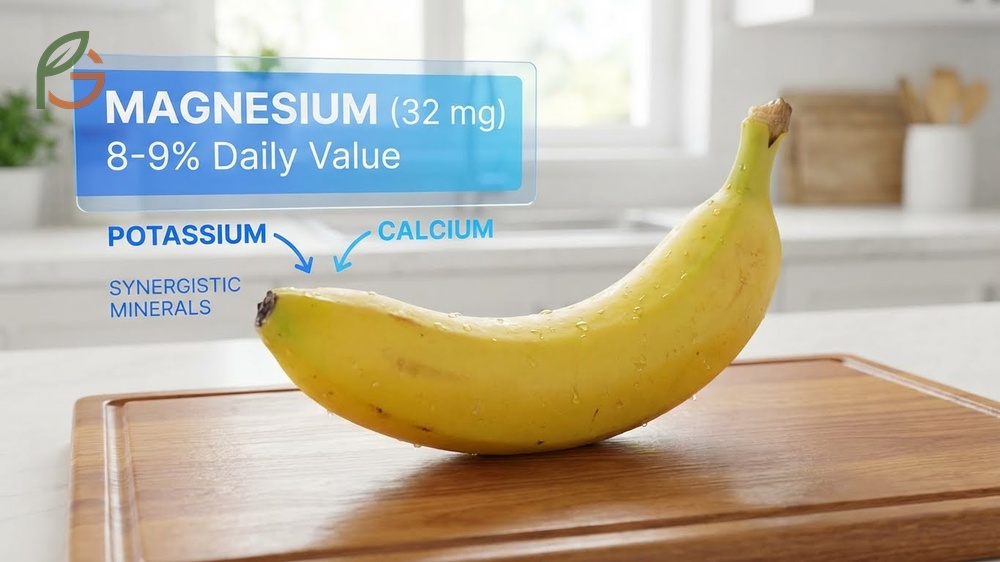
Studies demonstrate that bananas offer a moderate amount of magnesium compared to other fruits, but they’re not typically categorized as a high-magnesium food. A medium banana (about 118 grams) provides roughly 32 mg of magnesium[1]. This represents approximately 8-9% of the daily value for most adults.
What makes bananas particularly valuable isn’t just their magnesium content alone. Research shows they contain complementary minerals like potassium and calcium that work synergistically with magnesium to support cardiovascular function and electrolyte balance. When you’re planning your fruit garden, it’s worth noting that bananas deliver consistent mineral content year-round in tropical growing zones.
The magnesium you get from bananas is bound within the fruit’s fiber matrix. This natural food form may offer better absorption than isolated supplements for some people, though the overall magnesium content per serving remains modest compared to nuts, seeds, or leafy greens.
How Much Magnesium Per Banana
Current USDA data indicates that magnesium content varies slightly by banana size. A small banana (about 101 grams) contains roughly 27 mg of magnesium, while a large banana (136 grams) can provide up to 37 mg[1]. Most people consume medium-sized bananas, which sit right in the middle at 32 mg.
The ripeness of your banana doesn’t significantly change its magnesium content. However, ripe bananas do contain more accessible sugars and may be easier to digest, which could theoretically support better mineral absorption in the digestive tract.
Magnesium Absorption from Bananas
Evidence suggests that bananas contain fermentable fibers, including resistant starch, that promote gut health and may slightly enhance magnesium absorption[5]. While bananas do contain small amounts of phytates—compounds that can bind minerals—the effect on magnesium uptake is negligible in practical terms. You don’t need to worry about anti-nutrients interfering with the mineral content of your bananas.
For optimal magnesium absorption from any food source, it’s best to maintain adequate vitamin D levels and consume magnesium throughout the day rather than in one large dose. Pairing bananas with other magnesium-rich foods like nuts or whole grains can help you reach your daily targets more effectively.
Important Note: If you’re taking magnesium supplements, don’t rely on bananas alone to meet your daily needs. A medium banana provides less than 10% of your daily requirement, so you’ll need diverse food sources or supplementation if you’re addressing a deficiency.
Banana Magnesium Content
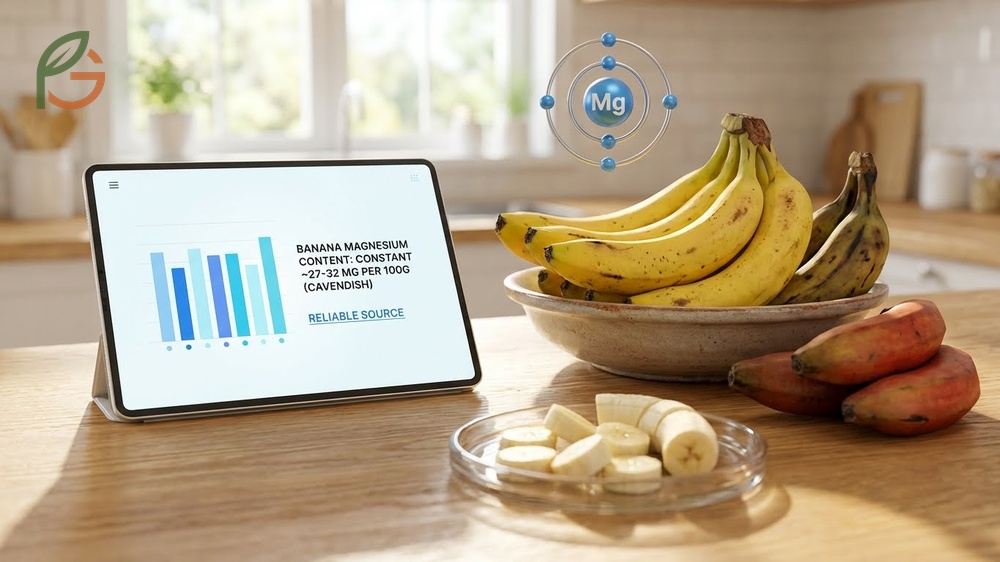
Agricultural data shows that banana magnesium content remains relatively stable across commercial varieties like Cavendish, though some heirloom and plantain varieties may show minor variations. The standard Cavendish banana—the type you’ll find in most U.S. grocery stores and home gardens—consistently delivers 27-32 mg per 100 grams of edible fruit. This consistency makes bananas a reliable, if modest, magnesium source for meal planning.
Growing conditions can subtly influence mineral content in any fruit crop. Bananas grown in magnesium-rich soils may accumulate slightly higher levels, though the difference is typically small enough that you won’t notice it nutritionally. If you’re growing bananas at home, standard organic fertilization practices will ensure adequate mineral content without requiring special amendments.
Magnesium by Banana Size
Understanding how banana size affects magnesium intake helps you track your daily mineral consumption more accurately. Here’s what current nutritional databases tell us about different banana sizes.
This table compares magnesium content, percentage of daily value, and total weight across five banana sizes from extra small to extra large
| Banana Size | Weight (grams) | Magnesium (mg) | % Daily Value |
|---|---|---|---|
| Extra Small | 81g | 22 mg[1] | 5-6% |
| Small | 101g | 27 mg[1] | 6-7% |
| Medium | 118g | 32 mg[1] | 8-9% |
| Large | 136g | 37 mg[1] | 9-10% |
| Extra Large | 152g | 41 mg[1] | 10-11% |
Most commercially sold bananas fall into the medium to large category. If you’re growing your own bananas, fruit size will depend on variety, growing conditions, and how many hands you allow to develop per bunch.
Comparing Fresh vs Dried Bananas
Dried banana chips concentrate nutrients as water is removed during processing. This means you’ll get roughly 3-4 times more magnesium per weight compared to fresh bananas. However, many commercial banana chips are deep-fried and contain added sugar or oil, which changes their nutritional profile significantly.
If you’re dehydrating your home-grown bananas, you’ll preserve most of the magnesium content while creating a more concentrated snack. Just remember that the calorie density also increases substantially—a small handful of dried banana chips contains as many calories as 2-3 fresh bananas.
Banana Mineral Content
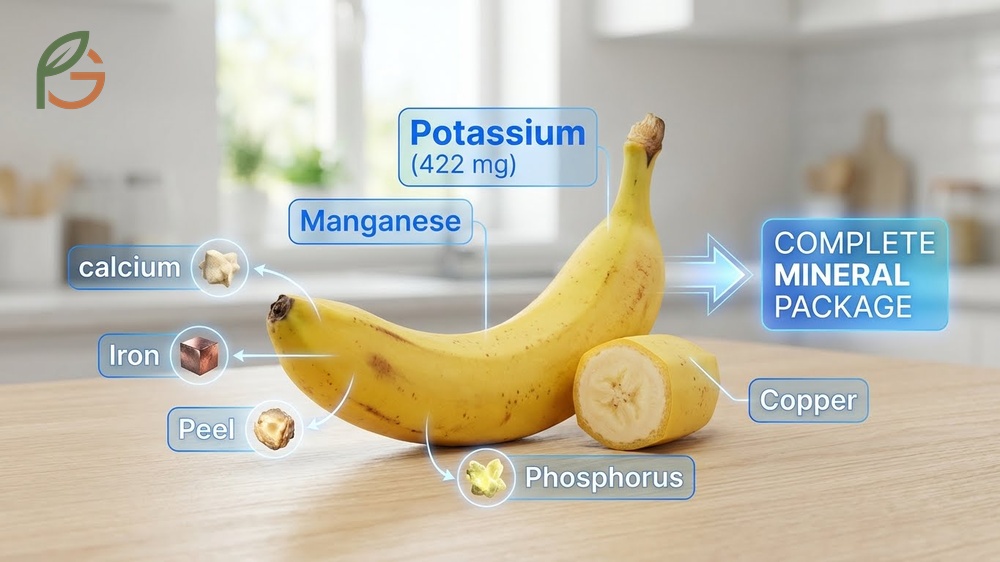
Current nutritional data reveals that bananas deliver a broader spectrum of essential minerals beyond just magnesium. A medium banana provides significant amounts of potassium, manganese, copper, and smaller quantities of calcium, iron, and phosphorus. This complete mineral package makes bananas a valuable addition to any diet focused on whole-food nutrition.
The most notable mineral in bananas is potassium, with a medium fruit delivering approximately 422 mg or 9% of the daily recommended intake[3]. This potassium content actually makes bananas more valuable for electrolyte balance than for magnesium supplementation. When you’re planning your fruit intake for mineral diversity, it’s worth considering bananas primarily as a potassium source with bonus magnesium on the side.
Research shows that the mineral content of bananas remains relatively stable during storage. Unlike some vitamins that degrade with time, minerals like magnesium and potassium don’t break down as bananas ripen or age. You can store bananas for several days without worrying about significant mineral loss.
- Potassium: 422 mg (9% DV) – supports heart function and blood pressure regulation[3]
- Magnesium: 32 mg (8% DV) – essential for energy metabolism and muscle function
- Manganese: 0.3 mg (13% DV) – important for bone formation and antioxidant activity
- Copper: 0.1 mg (11% DV) – supports iron absorption and immune function
- Calcium: 6 mg (less than 1% DV) – contributes to bone health
- Phosphorus: 26 mg (2% DV) – works with calcium for bone structure
- Iron: 0.3 mg (2% DV) – necessary for oxygen transport in blood
For home gardeners growing bananas in USDA zones 9-11, understanding this mineral profile helps you appreciate the full nutritional value of your harvest. While a single banana won’t meet all your daily mineral needs, incorporating them regularly contributes meaningfully to overall mineral intake alongside other nutrient-dense foods.
Gardening Tip: Banana plants are heavy feeders that require regular fertilization. If you’re growing bananas at home, apply a balanced fertilizer with micronutrients every 2-3 months during the growing season to ensure optimal fruit mineral content and plant health.
Daily Magnesium Intake
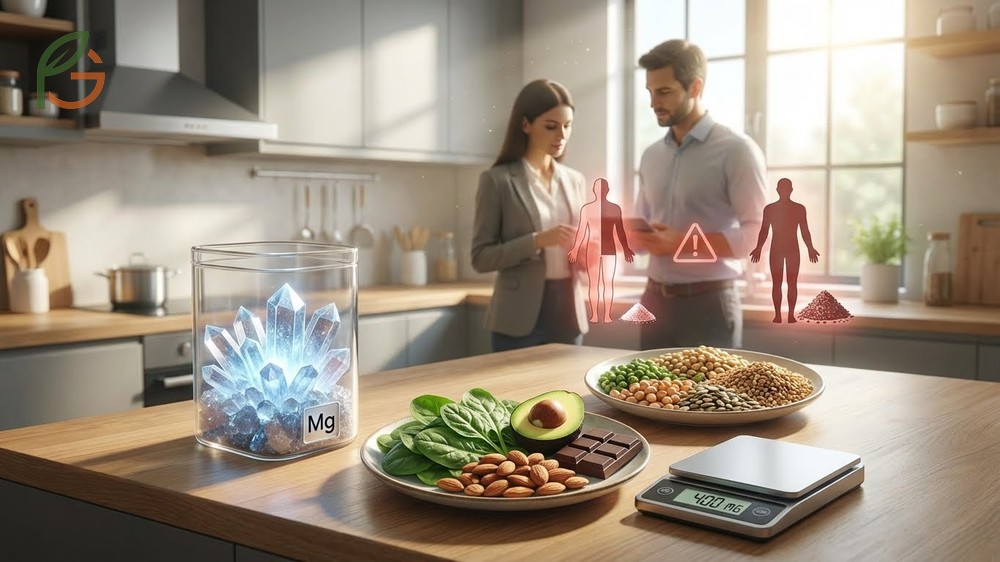
The recommended dietary allowance (RDA) for magnesium varies by age and sex. Adult men ages 19-51+ need 400-420 mg daily, while adult women in the same age range require 310-320 mg[2]. Pregnancy increases requirements to 350-360 mg daily, and lactation maintains similar elevated needs at 310-320 mg.
Current data indicates that approximately 50% of Americans don’t meet their daily magnesium requirements through diet alone[4]. This widespread deficiency stems from low intake of magnesium-rich foods like leafy greens, nuts, seeds, and whole grains. While bananas contribute to your daily intake, you’d need to eat 12-13 medium bananas to meet the full RDA—an impractical and nutritionally unbalanced approach.
For adolescents, magnesium needs increase during growth spurts. Teens ages 14-18 require 410 mg daily for boys and 360 mg for girls[4]. If you have teenagers at home who enjoy bananas as snacks, they’re getting a modest but meaningful contribution to their daily mineral needs with each fruit.
- Children 9-13 years: 240 mg daily for both boys and girls
- Teens 14-18 years: 410 mg (males), 360 mg (females)
- Adults 19-30 years: 400 mg (males), 310 mg (females)
- Adults 31-50 years: 420 mg (males), 320 mg (females)
- Adults 51+ years: 420 mg (males), 320 mg (females)
- Pregnant women: 350-360 mg daily
- Lactating women: 310-320 mg daily
Evidence suggests that certain health conditions increase magnesium requirements. People with diabetes, hypertension, or high physical activity levels may need additional magnesium beyond standard RDA levels[6]. If you’re managing a chronic condition, work with your healthcare provider to determine your optimal magnesium intake rather than relying solely on food estimates.
Banana Health Benefits
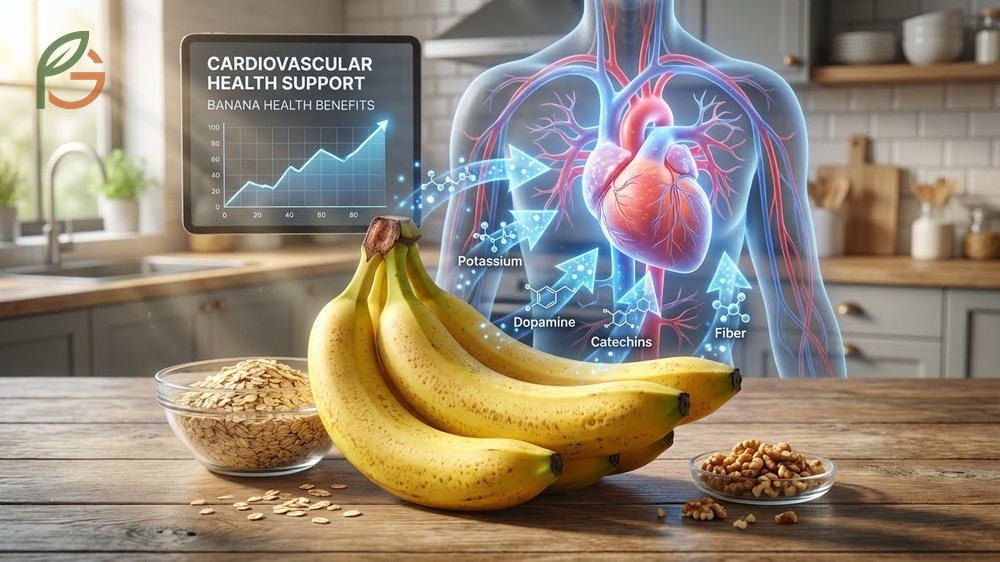
The health benefits of bananas extend well beyond their magnesium content. Studies demonstrate that regular banana consumption supports cardiovascular health through multiple mechanisms, including blood pressure regulation via potassium, improved endothelial function, and antioxidant protection from compounds like dopamine and catechins. The combination of minerals, fiber, and phytonutrients makes bananas particularly effective for supporting overall metabolic health.
Research shows that the magnesium in bananas—while modest in quantity—contributes to over 300 biochemical reactions in your body[4]. These include energy production from food, protein synthesis, muscle and nerve function, blood glucose control, and blood pressure regulation. When you eat a banana, you’re not just getting isolated magnesium; you’re getting a whole-food package that supports these functions synergistically.
The fiber content in bananas—approximately 3 grams per medium fruit—works alongside magnesium to support digestive health. This combination helps maintain regular bowel movements and feeds beneficial gut bacteria, which in turn can improve mineral absorption throughout your digestive tract.
- Cardiovascular support through potassium’s role in blood pressure regulation and heart rhythm stability
- Improved exercise recovery by replenishing electrolytes (potassium and magnesium) lost through sweat
- Better blood sugar management due to resistant starch and fiber that slow glucose absorption
- Enhanced bone health from the combined effects of magnesium, manganese, and vitamin K
- Digestive regularity supported by fiber content and prebiotic compounds that feed beneficial gut bacteria
- Natural energy provision through easily digestible carbohydrates paired with B vitamins
For home gardeners in tropical zones, growing your own bananas ensures you’re getting the freshest possible fruit with maximum nutrient retention. Bananas begin losing some nutritional value the moment they’re harvested, so homegrown fruit eaten at peak ripeness offers optimal health benefits.
Magnesium Rich Foods
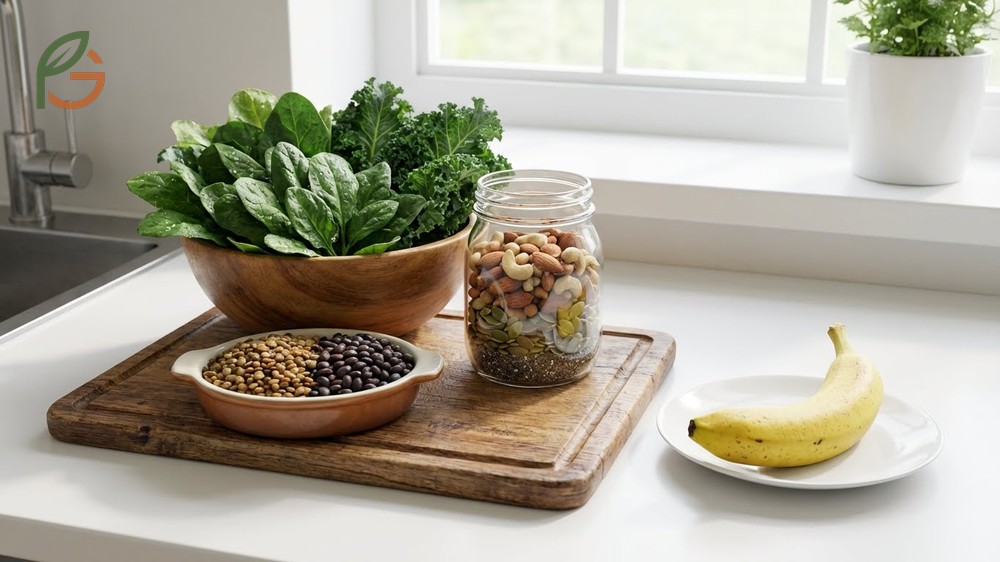
While bananas contribute to your magnesium intake, other foods deliver significantly higher amounts per serving. Agricultural data shows that nuts, seeds, legumes, and leafy greens top the list of magnesium-rich options. If you’re specifically trying to increase magnesium intake, these foods offer 2-5 times more magnesium than bananas in comparable serving sizes.
The advantage of bananas isn’t their magnesium density—it’s their convenience, taste, and accessibility. Most people won’t snack on a handful of pumpkin seeds or spinach, but they’ll gladly eat a banana. This makes bananas a practical way to add modest amounts of magnesium to your diet without requiring major dietary changes or acquired tastes.
| Food | Serving Size | Magnesium (mg) | % Daily Value |
|---|---|---|---|
| Pumpkin seeds | 30g (1 oz) | 159 mg[7] | 38-40% |
| Chia seeds | 30g (1 oz) | 114 mg[7] | 27-29% |
| Almonds | 30g (1 oz) | 80 mg[7] | 19-20% |
| Spinach (cooked) | ½ cup | 78 mg[7] | 19% |
| Cashews | 30g (1 oz) | 75 mg[7] | 18% |
| Brown rice (cooked) | ½ cup | 42 mg[8] | 10% |
| Banana (medium) | 118g (1 fruit) | 32 mg[1] | 8-9% |
| Avocado | ½ cup | 22 mg[7] | 5% |
For home gardeners, this comparison reveals an important strategy: grow a diverse range of edible plants to maximize your mineral intake. If you have space for fruit trees, bananas work wonderfully alongside avocado trees, which also provide healthy fats. In raised beds or vegetable gardens, spinach and other leafy greens complement your fruit harvest by filling nutritional gaps that fruit alone can’t address.
Don’t underestimate the value of nuts and seeds in your diet if you’re concerned about magnesium intake. A small handful of pumpkin seeds delivers as much magnesium as five medium bananas, making them an efficient way to boost your levels quickly.
Conclusion
The evidence is clear: magnesium in bananas provides a modest but meaningful contribution to your daily mineral needs, with each medium fruit delivering 32 mg or 8-9% of the recommended intake. While bananas aren’t the highest magnesium source available, they offer unmatched convenience, palatability, and a complete package of complementary nutrients including potassium, fiber, and B vitamins that support overall health.
Current nutritional guidance emphasizes eating a diverse range of whole foods rather than relying on any single source for essential minerals. FruitGarden encourages home gardeners to cultivate variety—pair your banana plants with leafy greens, grow trees that produce nuts or avocados, and incorporate seeds into your diet to achieve optimal magnesium intake through natural food sources rather than supplements alone.
Medical Disclaimer
Important Medical Disclaimer: This content is for informational and educational purposes only. It’s not intended as a substitute for professional medical advice, diagnosis, or treatment. Always consult a qualified healthcare professional before making any changes to your diet, supplement regimen, or health routine, especially if you have diabetes, kidney disease, heart conditions, or other medical concerns. Magnesium requirements vary by individual, and excessive supplementation can cause adverse effects.
Frequently Asked Questions
How Many Bananas Do I Need to Eat to Meet My Daily Magnesium Requirements?
You’d need to eat approximately 12-13 medium bananas daily to meet the full RDA of 400-420 mg for men or 310-320 mg for women. This isn’t practical or nutritionally balanced, which is why you should get magnesium from diverse sources including nuts, seeds, whole grains, and leafy greens alongside fruits like bananas.
Does Banana Ripeness Affect Magnesium Content?
No, ripeness doesn’t significantly change magnesium levels in bananas. Minerals like magnesium remain stable as bananas ripen, unlike some vitamins that can degrade. What does change is the sugar composition—ripe bananas contain more simple sugars and less resistant starch than green bananas, but the mineral content stays consistent.
Are Bananas Better Than Magnesium Supplements?
Bananas and supplements serve different purposes. Supplements provide concentrated magnesium doses (typically 200-400 mg per pill) that can quickly address deficiency, while bananas offer modest amounts packaged with fiber, potassium, and other nutrients that support overall health. For mild deficiency or maintenance, whole-food sources like bananas work well; for severe deficiency, supplements under medical supervision are more appropriate.
What’s the Best Time to Eat Bananas for Magnesium Absorption?
Research doesn’t support a specific optimal time for magnesium absorption from bananas. However, spreading magnesium intake throughout the day generally supports better absorption than consuming it all at once. Many people find bananas work well as a pre-workout snack (providing quick energy and minerals) or as part of breakfast paired with protein-rich foods.
Can Eating Too Many Bananas Cause Magnesium Toxicity?
No, it’s virtually impossible to develop magnesium toxicity from food sources like bananas. Your kidneys efficiently excrete excess magnesium from food. Toxicity typically only occurs from high-dose supplements (above 5,000 mg daily) or in people with kidney disease who can’t properly eliminate excess minerals. You’d experience digestive discomfort from eating too many bananas long before reaching concerning magnesium levels.
Do Organic Bananas Have More Magnesium Than Conventional Ones?
Studies show minimal difference in magnesium content between organic and conventional bananas. The primary factors affecting mineral content are soil quality and variety, not organic certification. If you’re growing bananas at home, maintaining healthy, minerally-balanced soil matters more than organic vs. conventional fertilizers for nutrient content.
Which Has More Magnesium: Bananas or Plantains?
Plantains contain slightly more magnesium than regular bananas, with approximately 37-55 mg per 100g depending on preparation method, compared to 27-32 mg in standard bananas. Cooked plantains retain most of their magnesium content, making them a good alternative if you’re looking to boost mineral intake while enjoying similar flavors and textures.