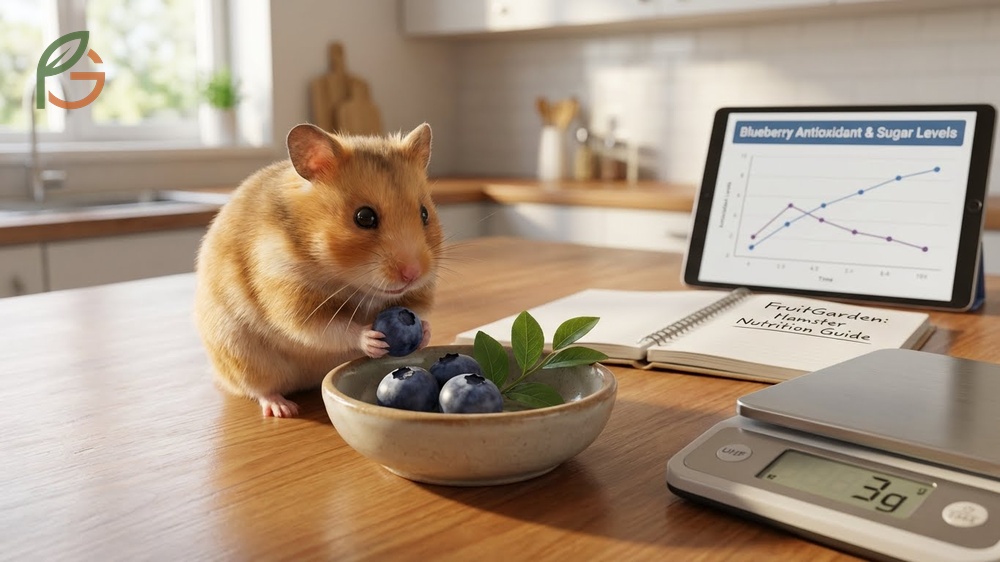
Can hamsters eat blueberries? Yes, hamsters can safely eat blueberries when offered in moderation. Research shows that blueberries provide antioxidants and vitamin C while containing relatively low sugar compared to other fruits[1]. FruitGarden synthesizes current pet nutrition research to help hamster owners make informed feeding decisions that support their pets’ health and well-being.
Quick Answer
- Hamsters can eat 1-2 blueberries per week safely as an occasional treat[2]
- Each blueberry contains approximately 0.6 calories and 10% natural sugars[1]
- Dwarf hamsters need smaller portions than Syrian hamsters due to higher diabetes risk[3]
- Never feed dried blueberries—the concentrated sugar content can cause digestive issues[4]
Can Hamsters Eat Blueberries
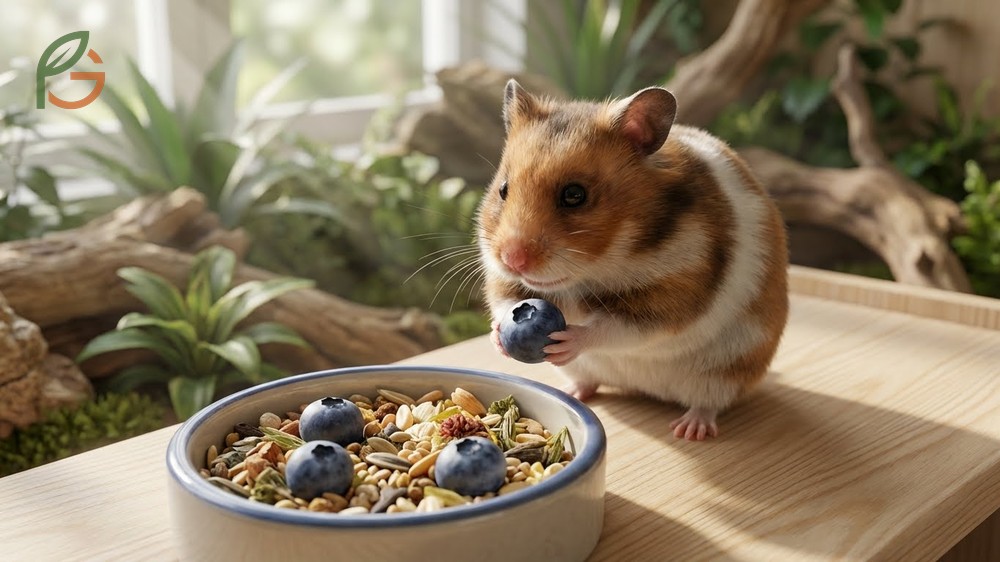
Hamsters are omnivores that naturally consume a mix of seeds, grains, plant matter, and occasional fruits in the wild. Blueberries fit safely into this dietary pattern when portioned correctly. Studies show that hamsters enjoy the natural sweetness of blueberries while benefiting from their nutritional content[5].
The key to safe blueberry feeding lies in understanding moderation. Most hamster owners don’t realize that timing and quantity matter more than the fruit itself. While blueberries are lower in sugar compared to grapes or bananas, they still contain enough natural sugars to require careful portion control.
Fresh organic blueberries are always preferable to conventional varieties. Washing thoroughly removes pesticide residue that can harm your hamster’s digestive system. Remove any stems or leaves before offering the fruit to prevent choking hazards.
Nutritional Value of Blueberries
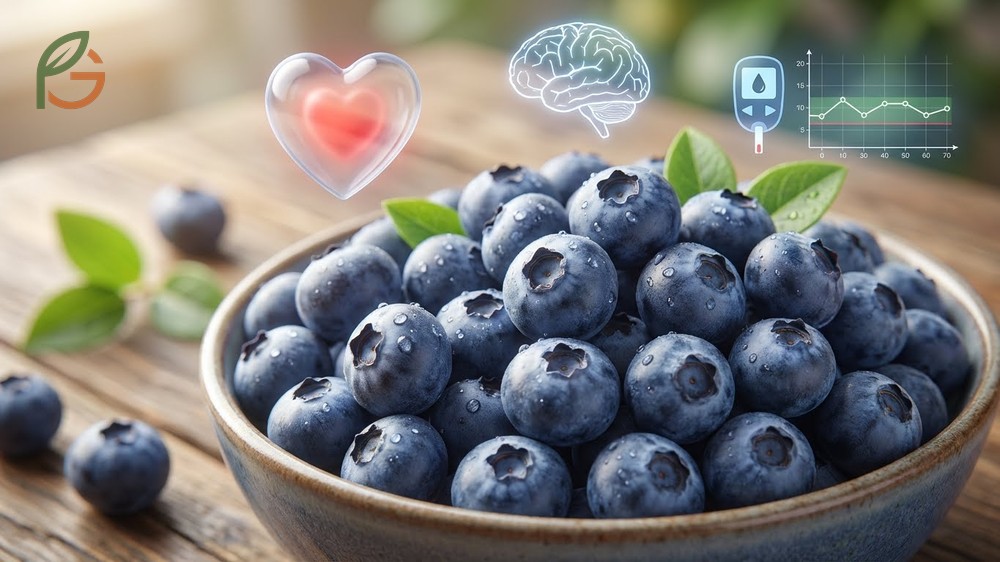
A single blueberry consists of approximately 84% water, making it a hydrating treat for hamsters[1]. The remaining composition includes carbohydrates, minimal protein, and trace amounts of fat. This water-rich profile explains why hamsters find blueberries refreshing during warmer months.
The carbohydrate content breaks down into 10% sugars and 2.4% fiber, with fiber supporting healthy digestion[1]. Protein accounts for roughly 0.75% while fat content stays minimal at 0.35%. Vitamins and minerals make up only 0.05% but include valuable antioxidants called anthocyanins.
Important Note: The high water content in blueberries means they spoil quickly. Remove any uneaten portions from your hamster’s cage within 2-3 hours to prevent bacterial growth and potential illness.
Benefits for Hamsters
Antioxidants in blueberries help combat oxidative stress at the cellular level. This potentially reduces disease risk in hamsters, though more research specific to rodent nutrition would strengthen these findings. The vitamin C content supports immune function and tissue repair throughout your hamster’s body.
The low-fat profile makes blueberries a smart treat choice that won’t contribute significantly to weight gain when portioned properly. Chewing on the fruit’s skin may help naturally clean hamster teeth by reducing tartar buildup. Many owners report that introducing blueberries provides sensory enrichment that keeps hamsters curious and engaged with their environment.
- Rich in anthocyanin antioxidants that protect cells from damage
- Contains vitamin C to boost immune system function
- Low in fat, reducing risk of obesity-related health issues
- Natural fiber content aids digestive regularity
- Provides mental enrichment through new textures and flavors
- Hydrating treat option with 84% water content
- May support dental health through natural chewing action
Portion Size for Hamsters
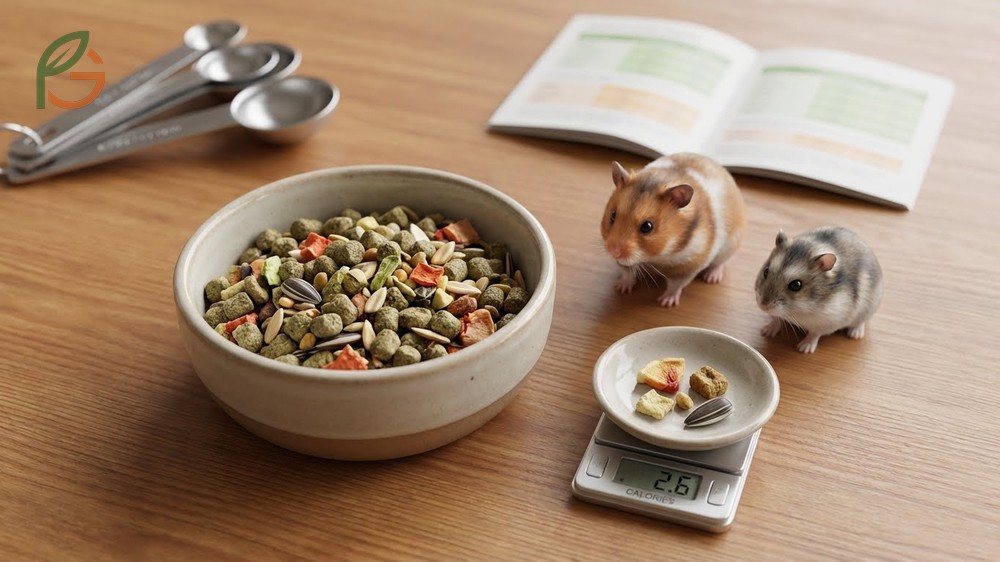
Understanding proper portions prevents overfeeding and associated health problems. Hamsters require approximately 26 calories per day regardless of their size, with metabolic differences accounting for the uniform calorie needs across Syrian and dwarf varieties[1]. Current dietary guidance recommends limiting treats to 10% of total daily caloric intake.
This 10% treat allowance translates to 2.6 calories per day from all treat sources combined. If you’re offering other treats like small pieces of carrot or commercial hamster snacks, you’ll need to reduce blueberry portions accordingly. Most people find it easiest to designate one or two days per week as “blueberry days” to simplify tracking.
Calculating Safe Portions
Since each blueberry contains roughly 0.6 calories, the math suggests a hamster could theoretically consume up to 4 blueberries if receiving no other treats that day[1]. However, veterinary experts recommend a more conservative approach of 1-2 blueberries per feeding. This conservative guideline accounts for the sugar concentration and potential digestive sensitivity.
Syrian hamsters can typically handle 1-2 whole blueberries per serving. Dwarf hamsters should receive half a blueberry to one whole berry maximum due to their increased diabetes susceptibility. For Roborovski hamsters—the smallest common pet species—cutting one blueberry into quarters provides appropriate portion sizing.
This table compares recommended blueberry portions across three hamster species based on size and diabetes risk factors
| Hamster Species | Average Weight | Recommended Portion | Frequency |
|---|---|---|---|
| Syrian (Golden) | 120-200g | 1-2 whole blueberries | 1-2 times per week |
| Dwarf (Campbell’s, Winter White) | 30-50g | ½-1 blueberry | Once per week |
| Roborovski | 20-25g | ¼-½ blueberry | Once per week |
Frequency Guidelines
Offering blueberries once or twice weekly strikes the right balance between nutritional benefit and sugar risk. This schedule allows your hamster to enjoy the treat without developing dependency or experiencing blood sugar spikes. Some owners prefer a fixed schedule—like every Wednesday—to maintain consistency and avoid overfeeding.
Monitor your hamster’s response after introducing blueberries for the first time. Watch for any signs of digestive upset including diarrhea or reduced appetite in the 24 hours following the treat. If you notice adverse reactions, discontinue blueberries and consult with an exotic veterinarian who specializes in small mammals.
Feeding Tip: Introduce blueberries gradually if your hamster hasn’t eaten them before. Start with a quarter of a berry and wait 48 hours to observe any digestive changes before offering a full portion.
Diabetes in Hamsters Symptoms
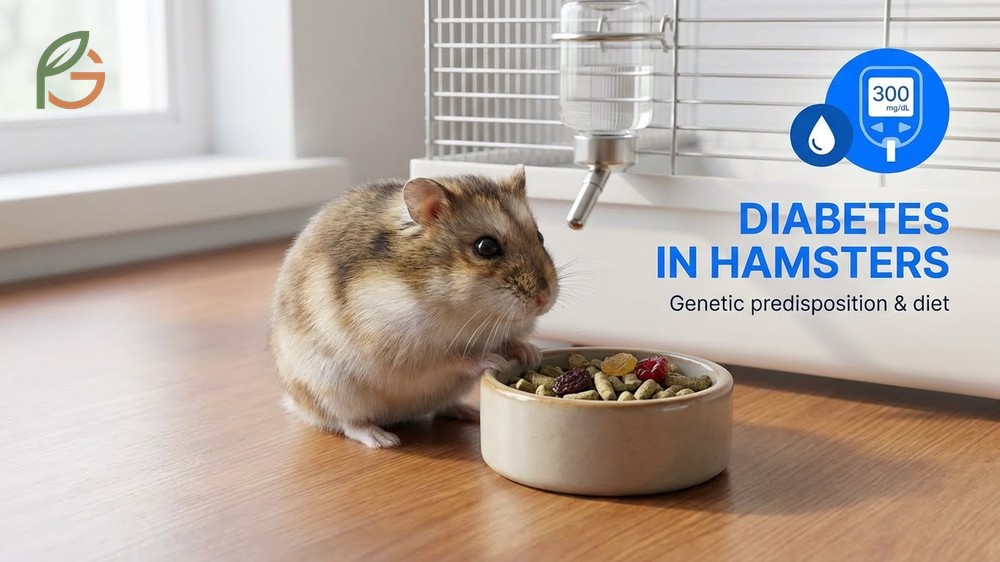
Diabetes occurs when a hamster’s body either doesn’t produce adequate insulin or can’t use insulin properly to regulate blood glucose. Dwarf hamster species show genetic predisposition to developing this condition, making sugar management crucial for these varieties[3]. Obesity often precedes diabetes development, which is why limiting high-sugar foods like excessive fruits remains critical.
The relationship between diet and diabetes in hamsters mirrors patterns seen in larger mammals. When hamster cells can’t access glucose for energy, the body mistakenly signals starvation. This triggers increased eating despite adequate caloric intake, creating a dangerous cycle of overconsumption without proper energy utilization.
Early Warning Signs
Excessive urination and thirst are the most common diabetes indicators, though these symptoms can also signal bladder infections or kidney disease[3]. Your hamster’s water bottle may need refilling more frequently than normal. You might notice wet bedding in areas away from the typical bathroom corner.
Increased appetite despite stable or declining weight suggests metabolic dysfunction. The body is breaking down fat and muscle tissue for energy since glucose can’t enter cells properly[6]. Some owners report a sweet or sugary scent to their hamster’s urine, caused by excess glucose passing through the kidneys.
- Excessive drinking—water bottle empties much faster than usual
- Increased urination with wet bedding throughout the cage
- Elevated appetite but continuing weight loss
- Sweet-smelling urine indicating glucose overflow
- Lethargy and reduced activity levels
- Unkempt coat appearance from decreased grooming
- Muscle wasting despite adequate food consumption
Prevention Strategies
Limiting high-sugar foods forms the foundation of diabetes prevention in hamsters. While blueberries are relatively low-sugar compared to other fruits, they still count toward your hamster’s total sugar intake. Balance fruit treats with plenty of fresh vegetables like broccoli, cucumber, and leafy greens that provide nutrients without significant sugar content.
Maintaining a healthy weight through proper diet and exercise prevents obesity-related diabetes. Provide a spacious enclosure with an appropriately sized exercise wheel—at least 8 inches diameter for dwarf hamsters and 11-12 inches for Syrians. Regular veterinary check-ups can catch early metabolic changes before diabetes fully develops.
Dwarf Hamster Diet vs Syrian
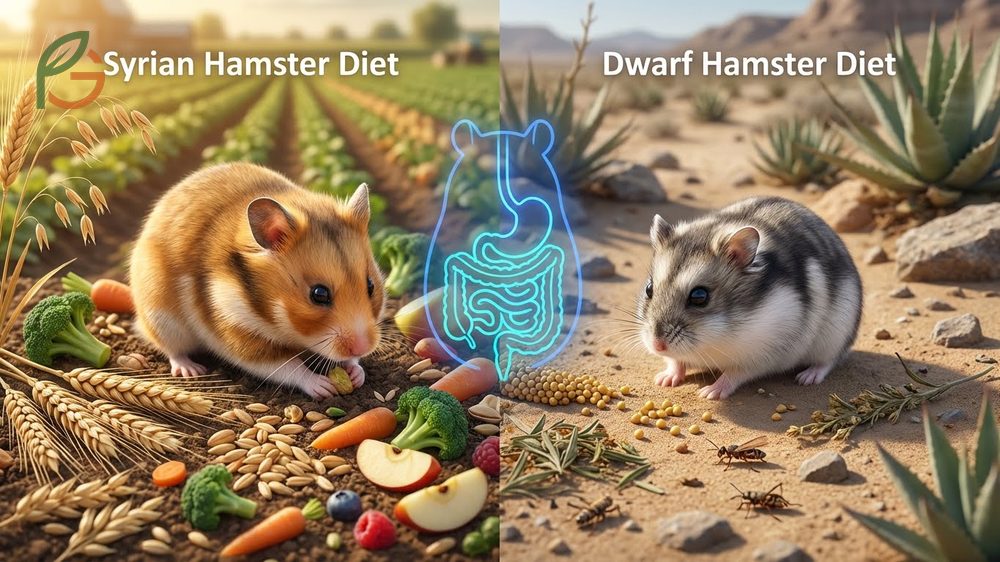
Wild Syrian hamsters inhabit rich agricultural fields where they encounter diverse grains, cereals, vegetables, and occasional fruits in their natural foraging behavior[7]. This evolutionary background means Syrians tolerate a wider variety of cereals and larger seeds in their domestic diet. Their digestive systems handle moderate amounts of fruit and vegetables without the same metabolic stress that affects dwarf species.
Dwarf hamsters evolved in different ecological niches with distinct nutritional requirements. Current research shows these smaller species prefer diets rich in tiny seeds like millet and grass seeds rather than large grains[8]. They consume fewer vegetables and fruits naturally, making them more sensitive to sugar concentration in treats.
You shouldn’t feed Syrian and dwarf hamsters the same commercial food mix. Syrian mixes typically contain 10-15% dried vegetables, while dwarf hamster mixes should limit dried vegetables to 5-10% due to concentrated sugars from the dehydration process. Many experienced keepers avoid dried vegetables entirely for dwarf varieties, relying instead on fresh vegetables for nutritional variety.
The protein and fat requirements remain similar across species, but the carbohydrate sources differ significantly. Syrians can handle more oats, wheat, and corn-based cereals. Dwarfs thrive on smaller seeds that reflect their natural foraging patterns—think spray millet, flax seeds, and various grass seeds rather than large corn kernels or wheat berries.
| Dietary Component | Syrian Hamster | Dwarf Hamster |
|---|---|---|
| Primary Grain Type | Larger cereals (oats, wheat, corn) | Tiny seeds (millet, grass seeds) |
| Fresh Vegetable Tolerance | Higher—can handle more variety | Moderate—limit high-water content |
| Fruit Frequency | 1-2 times per week | Once per week or less |
| Diabetes Risk | Lower | Higher—especially hybrids |
Species-Specific Feeding: Never assume a food mix labeled “for all hamsters” meets species-appropriate nutritional needs. Choose formulas specifically designed for either Syrian or dwarf hamsters based on your pet’s species.
Hamster Safe Fruits and Vegetables
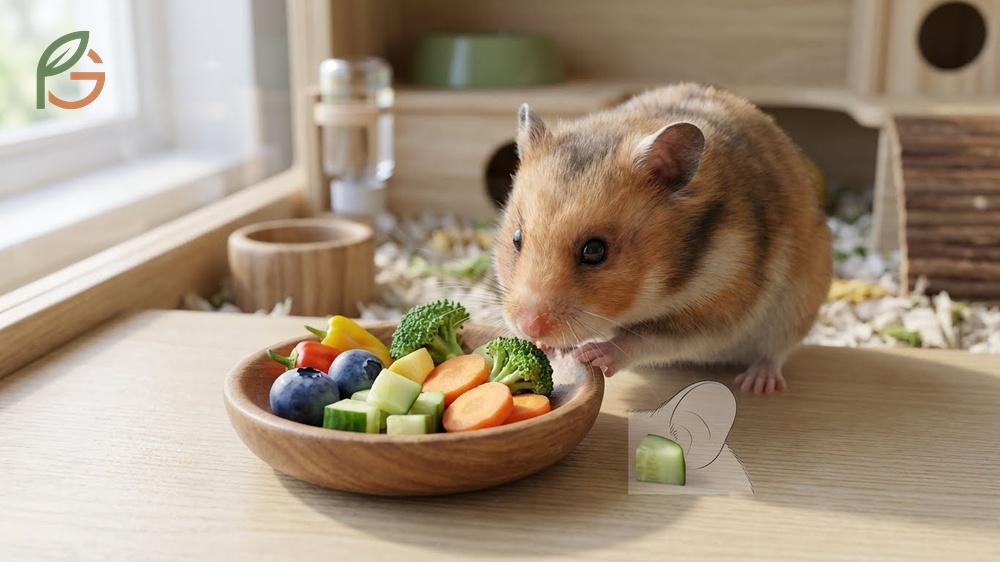
Beyond blueberries, hamsters can enjoy a variety of fresh produce that adds nutritional diversity to their diet. Vegetables generally provide safer options than fruits due to lower sugar concentrations and higher water content. Fresh vegetables also deliver essential vitamins and minerals that support immune function, digestion, and overall vitality.
When introducing any new food, start with tiny portions—roughly the size of your hamster’s ear. Wait 48 hours to monitor for digestive changes before increasing the amount. This gradual approach prevents overwhelming your hamster’s digestive system with unfamiliar foods that might cause diarrhea or bloating.
Organic produce eliminates pesticide exposure that can harm small animals more severely than larger pets. Always wash fruits and vegetables thoroughly under running water. Remove seeds from apples and pears since these contain trace amounts of cyanide compounds that are toxic to hamsters.
- Carrots—rich in beta-carotene, offer small slices 2-3 times weekly
- Broccoli—excellent calcium source, tiny florets once or twice per week
- Cucumber—highly hydrating, good for hot weather treats
- Bell peppers (sweet peppers)—vitamin C boost, remove seeds first
- Spinach—iron-rich leafy green, limit to small amounts due to oxalates
- Zucchini (courgette)—low-calorie option safe for frequent feeding
- Cauliflower—similar benefits to broccoli, small portions recommended
Safe fruits for hamsters include strawberries, raspberries, small apple pieces (seeds removed), and seedless grapes cut into quarters. All fruits should be treated as occasional treats rather than dietary staples. The natural sugar content in even healthy fruits can contribute to weight gain and metabolic issues when overfed.
- Strawberries—1-2 times monthly, cut into small pieces
- Raspberries—lower sugar than many fruits, once weekly acceptable
- Apples—seeds removed, small matchstick-sized pieces only
- Pears—similar to apples, always remove seeds and core
- Bananas—very small slice once or twice monthly due to high sugar
- Watermelon—seedless variety, tiny cube as summer hydration treat
- Cantaloupe—small portions, rinse rind thoroughly before cutting
Foods Poisonous to Hamsters
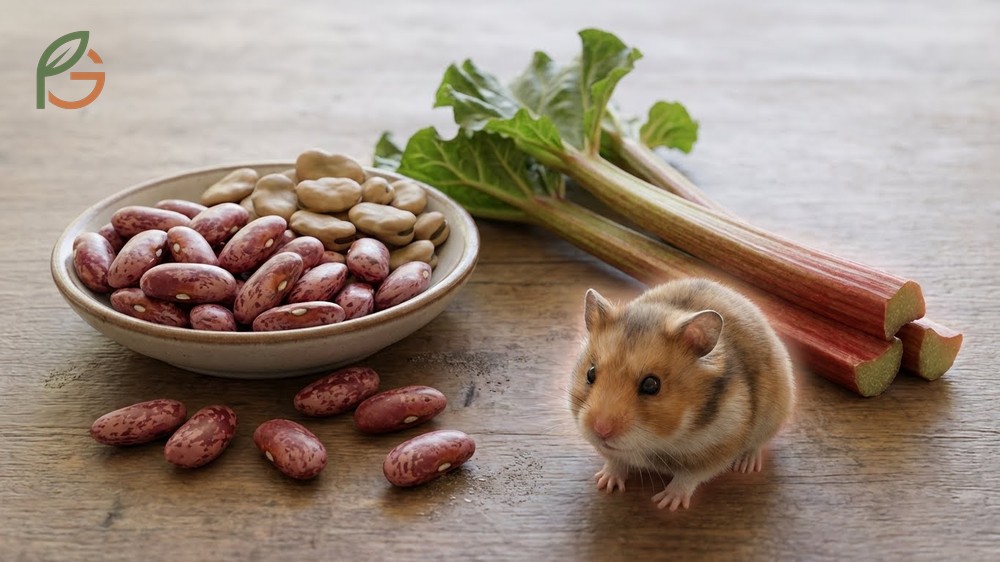
Several common household foods pose serious health risks or prove outright toxic to hamsters. Uncooked kidney beans and broad beans contain high levels of lectin, a protein that’s toxic to hamsters even in small amounts[9]. Even cooked beans can cause digestive distress including painful gas and bloating that hamsters can’t easily relieve.
Rhubarb contains dangerously high levels of oxalic acid that hamsters can’t metabolize properly. This compound causes vomiting, diarrhea, and potentially fatal kidney stones[9]. The leaves prove especially toxic with even higher oxalate concentrations than the stalks. Never offer any part of the rhubarb plant to your hamster.
Raw garlic and onions contain compounds that damage hamster red blood cells, potentially leading to anemia. Eggplant (aubergine) contains solanine, which causes organ damage in rodents. While small amounts might not immediately harm your hamster, regular consumption or larger portions can prove fatal over time.
- Chocolate and caffeine—contain theobromine and caffeine which are toxic to small animals
- Raw potatoes—solanine content causes digestive and neurological issues
- Tomato leaves and stems—contain toxic alkaloids, only ripe fruit flesh is safe
- Almonds (bitter variety)—contain cyanide compounds that can be lethal
- Apple seeds and pits from stone fruits—cyanide-releasing compounds
- Onions, garlic, and chives—damage red blood cells causing anemia
- Rhubarb (all parts)—extremely high oxalic acid levels cause kidney damage
- Raw beans (kidney, broad)—lectin toxicity causes severe digestive distress
- Processed human foods—salt, sugar, and preservatives harmful to hamsters
- Citrus fruits—too acidic for hamster digestive systems
- Mint—can cause digestive upset and respiratory issues
- Celery sticks—stringy fibers create choking hazard, especially for dwarf varieties
Emergency Warning: If your hamster accidentally consumes any toxic food, contact an exotic veterinarian immediately. Don’t wait for symptoms to appear—early intervention significantly improves outcomes for poisoning cases.
Conclusion
The evidence is clear: hamsters can eat blueberries safely when owners follow species-appropriate portion guidelines and frequency recommendations. Research demonstrates that 1-2 blueberries per week for Syrian hamsters and smaller portions for dwarf varieties provide nutritional benefits without excessive sugar risks. The key to successful blueberry feeding lies in treating them as occasional enrichment rather than dietary staples.
Current guidance emphasizes species-specific feeding approaches that account for metabolic differences between Syrian and dwarf hamsters. FruitGarden encourages hamster owners to prioritize fresh vegetables over fruits, maintain appropriate portion sizes, and monitor their pets for any signs of digestive upset or metabolic issues. When offered thoughtfully alongside a balanced diet, blueberries can be a safe and enjoyable treat that supports your hamster’s health and happiness.
Medical Disclaimer
Important Veterinary Disclaimer: This content is for informational and educational purposes only. It is not intended as a substitute for professional veterinary advice, diagnosis, or treatment. Always consult a qualified exotic animal veterinarian before making any changes to your hamster’s diet, especially if your pet has diabetes, obesity, or other medical conditions. Individual hamsters may have unique dietary needs or sensitivities that require personalized veterinary guidance.
Frequently Asked Questions
Can Hamsters Have Blueberries Every Day?
No, hamsters shouldn’t eat blueberries daily due to their natural sugar content. Current veterinary guidance recommends limiting blueberries to 1-2 times per week maximum. Daily fruit consumption can lead to obesity, diabetes risk, and digestive issues including diarrhea from excessive sugar intake.
Can Dwarf Hamsters Eat Blueberries?
Yes, dwarf hamsters can eat blueberries but require smaller portions than Syrian hamsters. Offer half a blueberry to one whole berry maximum once per week. Dwarf species have higher genetic predisposition to diabetes, making strict sugar management more critical for their long-term health.
Are Dried Blueberries Safe for Hamsters?
No, avoid feeding dried blueberries to hamsters. The dehydration process removes water and concentrates the natural sugars to dangerous levels. Fresh blueberries contain 84% water that helps dilute sugar content—dried versions lose this protective dilution effect and pose significantly higher metabolic risks.
What Happens If My Hamster Eats Too Many Blueberries?
Overfeeding blueberries typically causes diarrhea within 6-12 hours due to excessive sugar and water content. Your hamster may also show reduced appetite for regular food, lethargy, or bloating. Remove uneaten portions immediately, provide fresh water, and return to normal diet. Contact a veterinarian if symptoms persist beyond 24 hours.
Can Baby Hamsters Eat Blueberries?
Baby hamsters (under 8 weeks old) should not eat blueberries or any fresh produce. Their digestive systems aren’t fully developed to handle fresh fruits and vegetables. Wait until your hamster reaches 8-10 weeks of age before introducing any produce, starting with tiny portions of vegetables before progressing to fruits.
Do I Need to Remove Blueberry Skin Before Feeding?
No, hamsters can safely eat blueberry skin—it actually provides beneficial fiber and nutrients. The skin contains most of the antioxidant compounds that offer health benefits. Just wash the blueberries thoroughly to remove pesticide residue and ensure they’re at room temperature before offering to prevent digestive shock.
Can Hamsters Eat Frozen Blueberries?
Only after completely thawing to room temperature. Never feed frozen blueberries directly—the extreme cold can cause digestive distress and tooth damage. Thaw frozen blueberries for several hours at room temperature, drain excess liquid, and offer the same portions as fresh berries. Fresh organic blueberries remain the optimal choice when available.