Growing Watermelon in Pots: Container & Trellis Guide
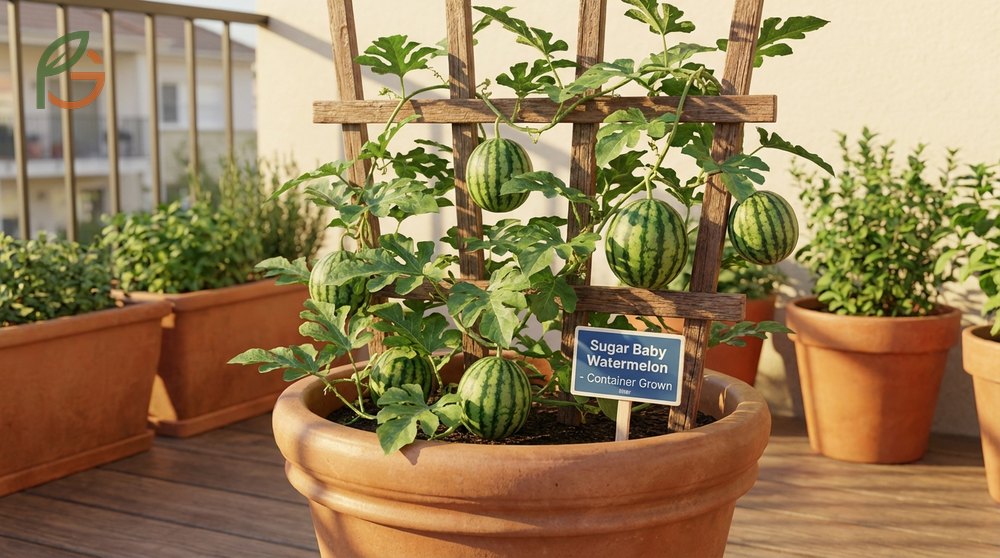
Growing Watermelon In Pots works with 5-10 gallon containers, compact varieties like Sugar Baby, and sturdy trellises. Learn container size, soil mix, and vertical growing tips.

 Taki Lockman
Growing Watermelon In Pots works with 5-10 gallon containers, compact varieties like Sugar Baby, and sturdy trellises. Learn container size, soil mix, and vertical growing tips.
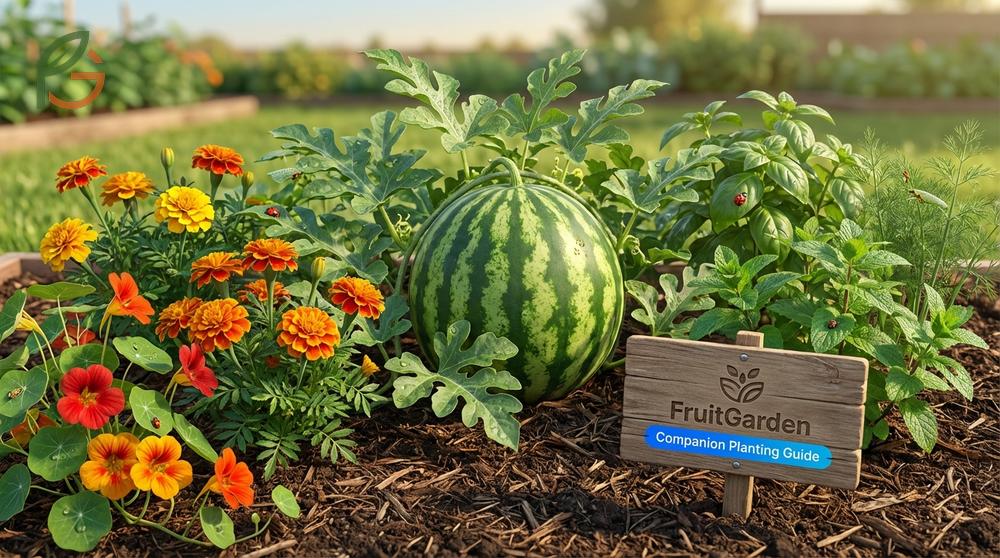
Companion plants for watermelon reduce aphids, cucumber beetles, and nematodes by 30-50%. Discover marigolds, nasturtiums, and herbs that protect your harvest.
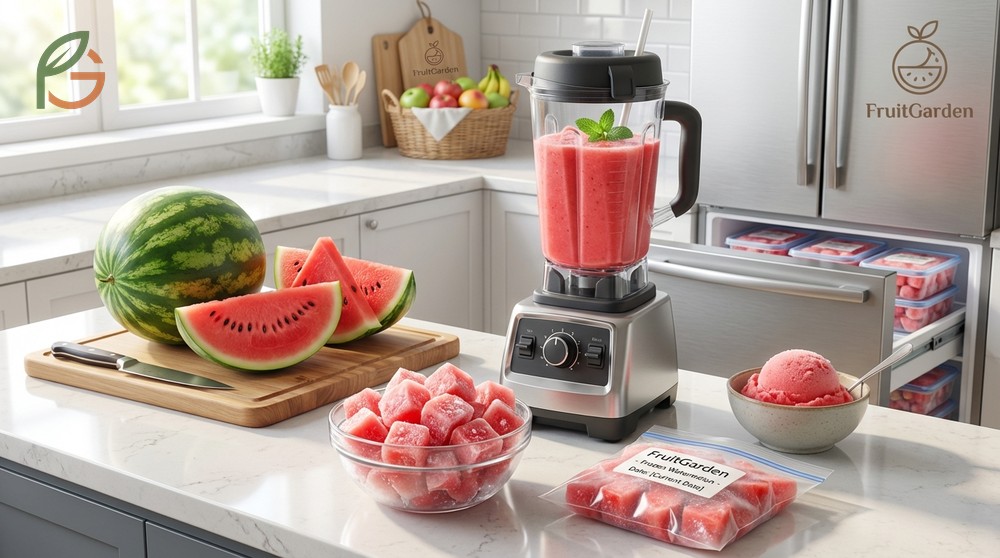
Can you freeze watermelon? Yes, frozen watermelon lasts 9-12 months and works perfectly for smoothies and sorbets. Learn proper freezing methods and uses.

Can you eat watermelon seeds? Yes, they’re safe and nutritious. Discover benefits, side effects, roasted recipes, and what happens if you swallow them.
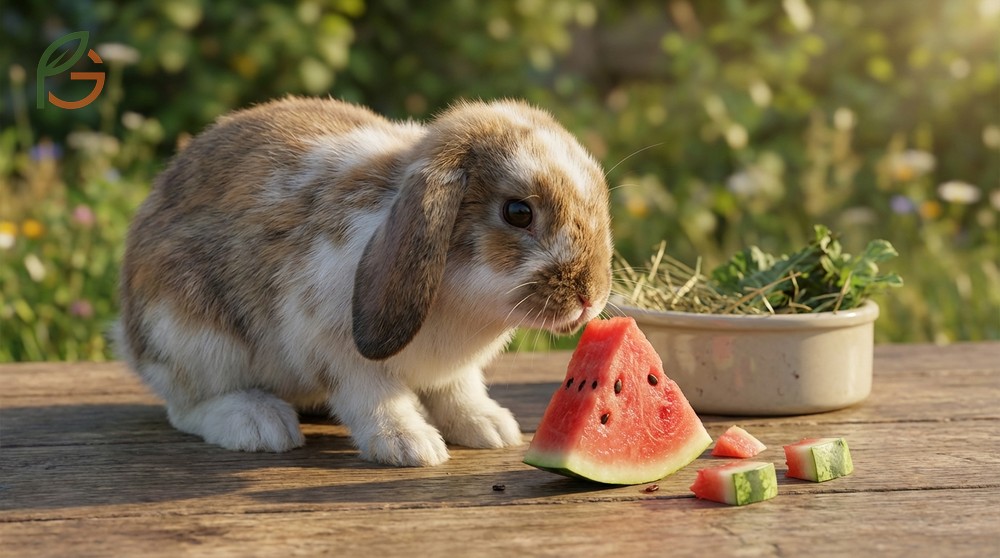
Can rabbits eat watermelon? Yes, but only as an occasional treat in small amounts. Learn safe portions, rind risks, and how watermelon affects rabbit digestion.
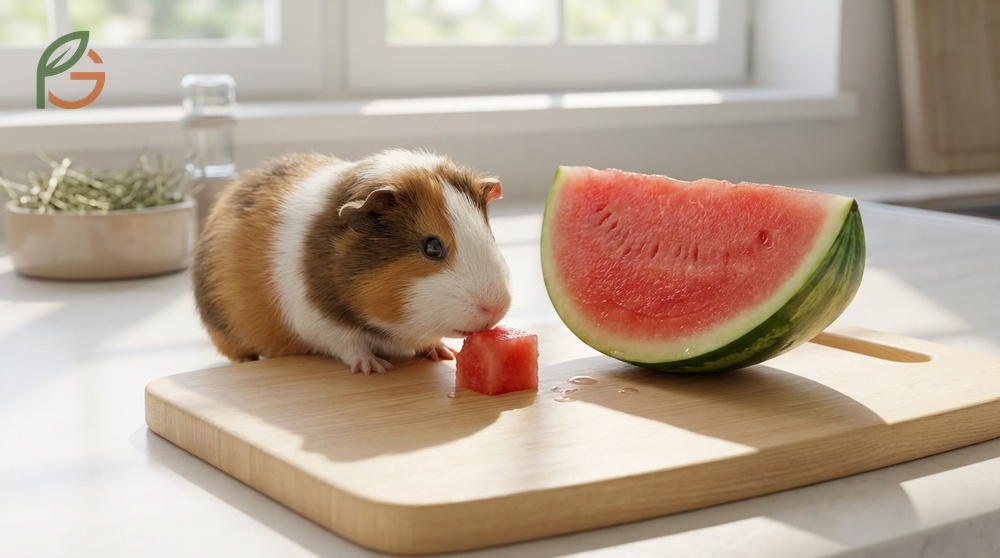
Can guinea pigs eat watermelon? Yes, but only 2-3 small cubes once weekly. Learn safe serving sizes, rind safety debate, and why sugar content matters for your piggy’s health.
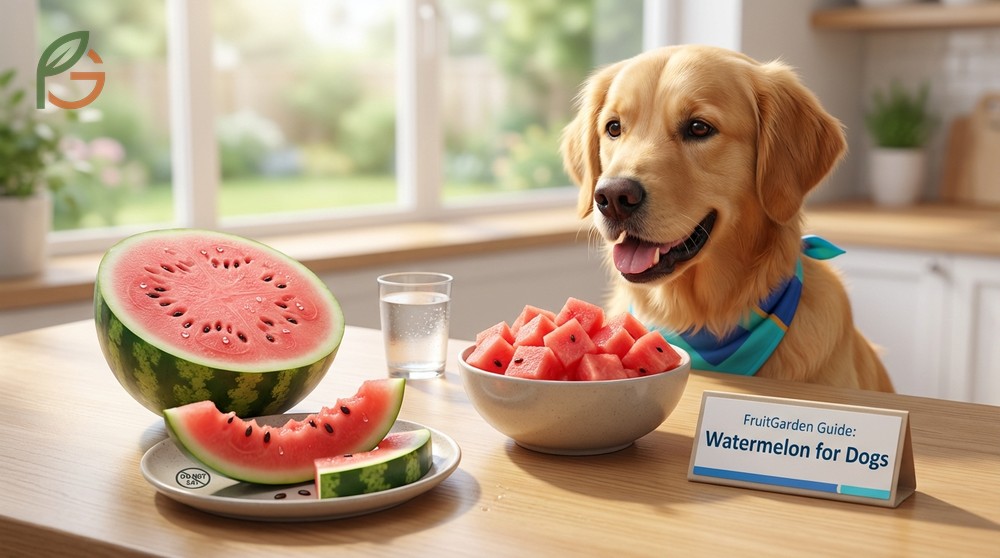
Can dogs eat watermelon? Yes, but only the flesh. Remove seeds and rind to prevent choking or blockages. Discover safe serving sizes and benefits for your dog.
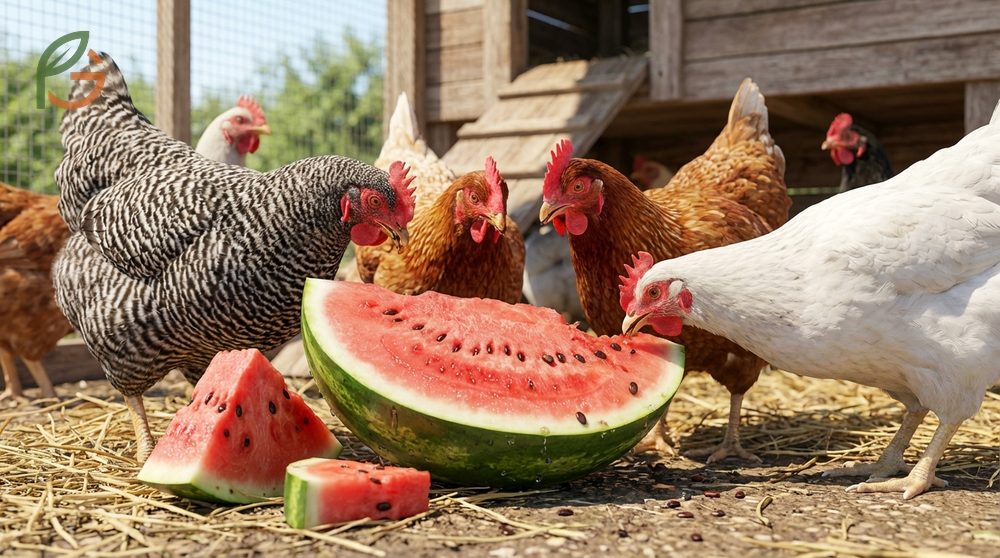
Can chickens eat watermelon? Yes! Discover how watermelon rinds, seeds, and flesh provide hydration and nutrients for your flock during hot summer months.
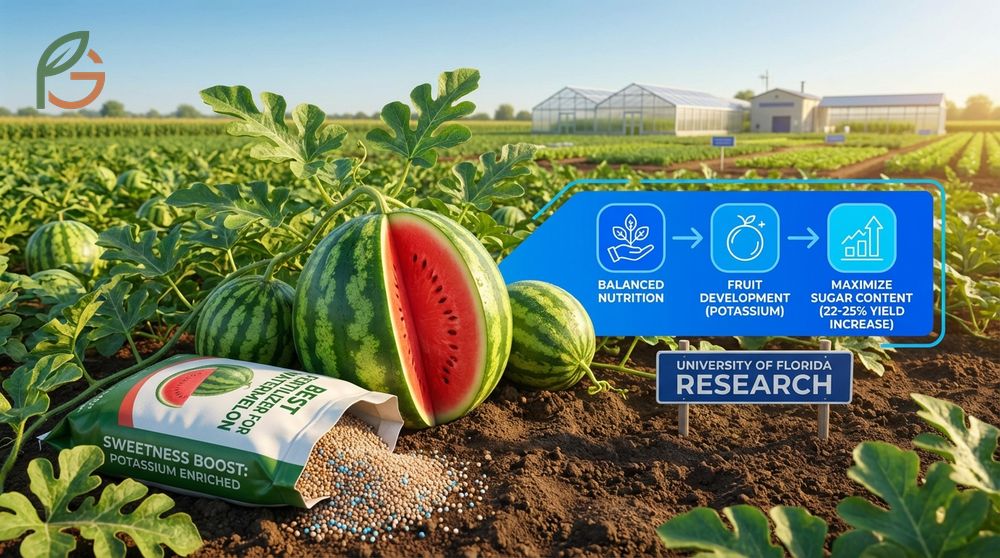
Best Fertilizer For Watermelon requires 5-10-10 NPK during fruiting. Potassium boosts sweetness 15-20% while nitrogen supports vine growth at 50-150 lbs/acre.
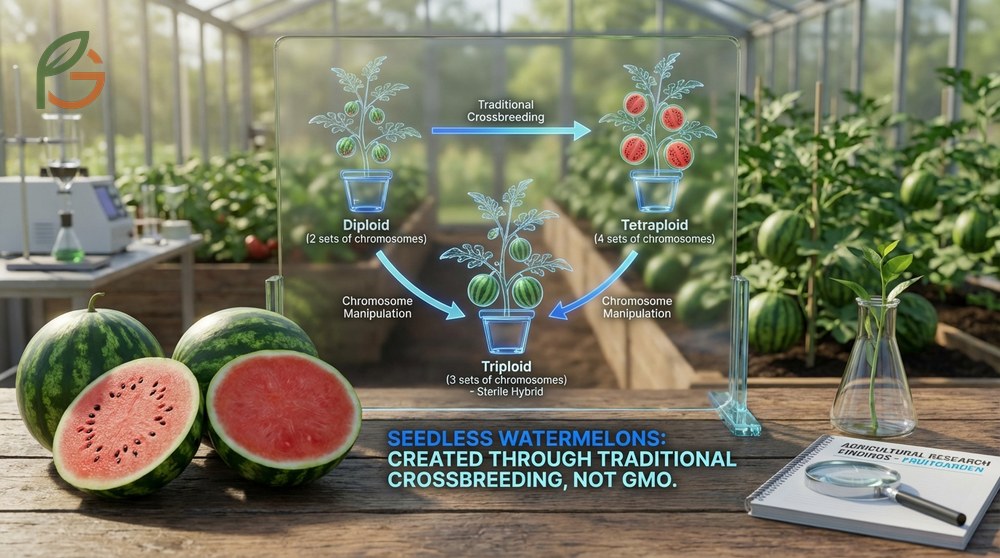
Are Seedless Watermelons GMO? No, they’re bred through chromosome doubling, not genetic engineering. Learn how triploid watermelons are created naturally.