
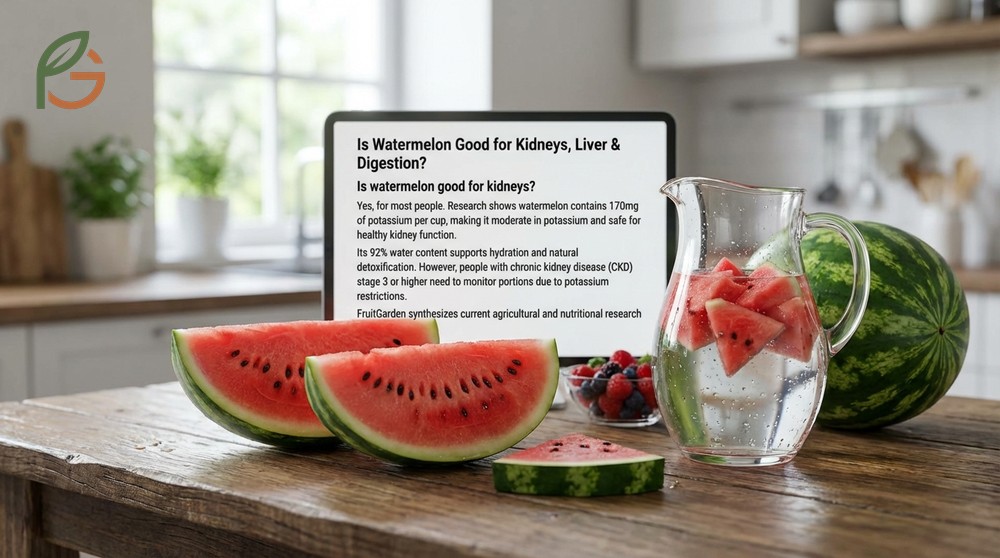
Is watermelon good for kidneys? Yes, for most people. Research shows watermelon contains 170mg of potassium per cup, making it moderate in potassium and safe for healthy kidney function. Its 92% water content[2] supports hydration and natural detoxification. However, people with chronic kidney disease (CKD) stage 3 or higher need to monitor portions due to potassium restrictions[3]. FruitGarden synthesizes current agricultural and nutritional research to help you make informed choices about fruit consumption for optimal health.
Quick Answer
- One cup of diced watermelon contains 170mg potassium[1] and 0.6g fiber[2]—safe for healthy kidneys
- Watermelon’s 6,890 mcg of lycopene[4] provides antioxidant support for liver health
- The fruit’s pH of 5.18-5.60 makes it low-acid and unlikely to trigger reflux symptoms
- People with CKD stage 3+ should limit intake to avoid hyperkalemia[3]
Is Watermelon Good for Kidneys
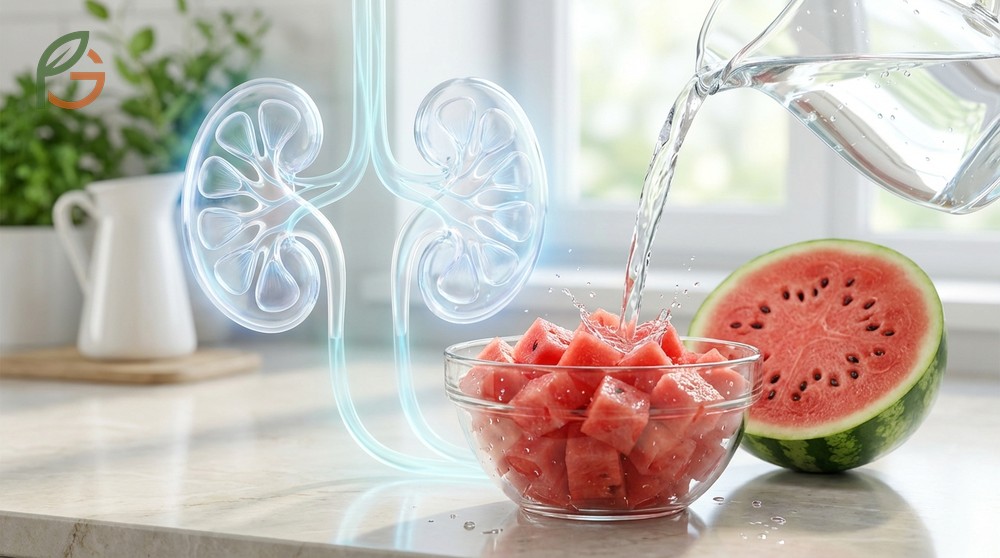
Watermelon supports kidney health in people with normal kidney function through its hydrating properties and moderate potassium levels. Studies demonstrate that one cup of diced watermelon provides 170mg of potassium[1], which falls within safe ranges for most adults. The fruit’s natural diuretic properties help kidneys filter waste more efficiently.
Current data indicates watermelon’s high water content aids in maintaining proper hydration levels, which directly benefits kidney function. Research shows adequate hydration helps kidneys eliminate toxins and maintain electrolyte balance[2]. Most people don’t realize that timing and portion size matter more than complete avoidance.
What often gets overlooked is that watermelon’s benefits depend entirely on kidney health status. People with healthy kidneys can safely consume 1-2 cups daily, while those with compromised kidney function need individualized guidance. The fruit contains vital nutrients that protect organs from oxidative damage when consumed appropriately.
Potassium Content in Watermelon
Watermelon contains 170mg of potassium per cup, making it a moderate-potassium fruit compared to bananas or oranges[1]. This level fits safely into most kidney-friendly diets. A standard wedge (one-sixteenth of a whole watermelon) contains approximately 320mg of potassium.
Evidence suggests the WHO recommends 3,510mg of daily potassium for adults[3]. Watermelon contributes about 5% of this target per cup. The reason portion control matters is that larger servings can quickly accumulate potassium levels, especially when combined with other potassium-rich foods throughout the day.
This table compares potassium content, serving sizes, and safety recommendations across four common watermelon portion sizes
| Portion Size | Weight (g) | Potassium (mg) | Safe for CKD? |
|---|---|---|---|
| 1 cup diced | 152g | 170mg[1] | Yes (moderate) |
| 1 small wedge | 280g | 320mg[3] | Caution (stage 3+) |
| 10 scoops | ~200g | 137mg[3] | Yes |
| 1 large wedge | ~600g | 640mg+ | No (high risk) |
CKD and Watermelon
People with chronic kidney disease stage 3 or higher should limit watermelon consumption due to reduced potassium excretion capacity. Research shows that individuals with hyperkalemia and advanced CKD are advised against eating watermelon in large quantities[3]. A sizable watermelon slice can provide 5,060mg of potassium, far exceeding safe limits for compromised kidneys.
Current guidance shows normal serum potassium levels can be maintained in CKD until glomerular filtration rate falls below 15 ml/min[3]. Unlike processed foods, watermelon’s natural potassium isn’t necessarily harmful in controlled amounts. What makes this tricky is that kidney function varies widely among CKD patients, requiring personalized dietary plans.
Important Note for CKD Patients: Never attempt a “watermelon cleanse” if you have kidney disease. Consuming an entire watermelon delivers approximately 5,000mg of potassium, which can cause irregular heartbeats and potentially life-threatening complications in people with reduced kidney function. Always consult your nephrologist before increasing watermelon intake.
Hydration and Kidney Health
Watermelon consists of 91-93% water by weight[2], making it an excellent hydration source that supports kidney filtration processes. Studies indicate adequate hydration facilitates waste removal and helps prevent kidney stone formation. The fruit’s natural electrolyte balance complements water intake without overwhelming kidneys.
Evidence suggests watermelon’s mild diuretic properties help kidneys eliminate excess sodium and fluid retention. This matters because proper fluid balance reduces strain on kidney tissue. Most people find watermelon more palatable than plain water during hot weather, which improves overall hydration compliance.
Is Watermelon Good for the Liver
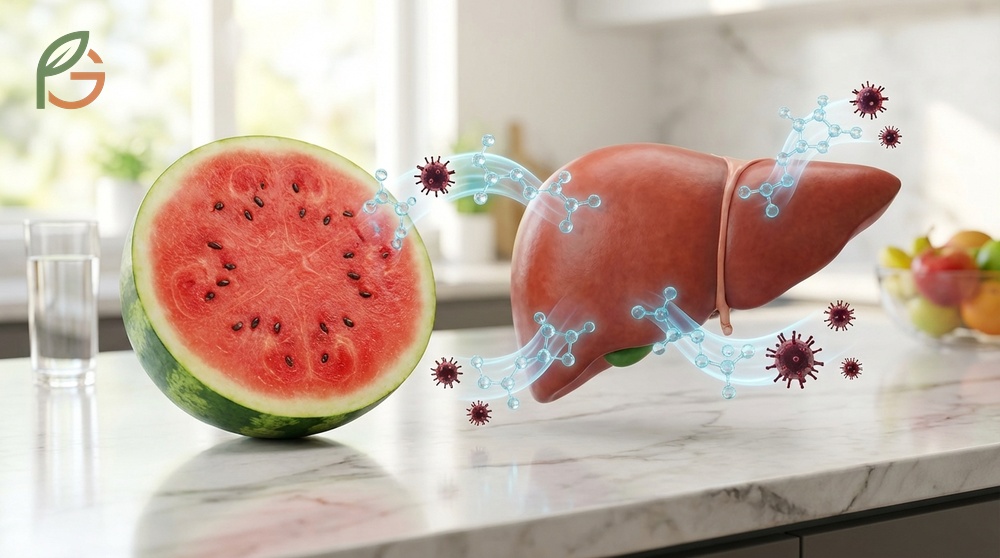
Watermelon supports liver health through its high concentration of lycopene and other antioxidants that combat oxidative stress. Research demonstrates watermelon extract significantly improves lipid and glycemic metabolism[4], which directly benefits liver function. The liver processes these antioxidants to neutralize harmful free radicals.
Current data indicates lycopene acts as a deterrent against serum aminotransferases, which are liver enzymes elevated during hepatic stress[4]. One cup of watermelon delivers 6,890 micrograms of lycopene, more than most common fruits. Unlike supplements, whole watermelon provides lycopene alongside fiber and water, which enhance absorption and utilization.
Lycopene Benefits for Liver
Lycopene reduces oxidative stress in liver cells by neutralizing reactive oxygen species that damage mitochondria and DNA. Studies show watermelon lycopene extract prevents the onset of hyperglycemia and protects liver organelles from apoptosis[4]. This protection extends to fatty liver conditions where oxidative damage accelerates.
Research indicates functional watermelon juice led to a 19-22% decrease in TBAR levels (a marker of oxidative damage) and a 17-20% rise in glutathione values[4]. Glutathione is the liver’s primary antioxidant for detoxification. The reason watermelon works better than isolated lycopene supplements is the synergistic effect of multiple phytonutrients working together.
- Lycopene (6,890 mcg per cup): Primary antioxidant that neutralizes free radicals and reduces liver inflammation
- Vitamin C (12.3mg per cup): Supports glutathione production and enhances liver detoxification pathways
- Citrulline: Amino acid that aids liver function by supporting the urea cycle and ammonia elimination
- Beta-carotene: Converts to vitamin A, which protects liver cells from oxidative damage
- Glutathione precursors: Help liver maintain its antioxidant defense system
Is Watermelon Good for Digestion

Watermelon aids digestion through its combination of water content and dietary fiber, which work together to support healthy bowel movements. Studies demonstrate that watermelon’s 92% water composition helps soften stools and facilitate their passage through intestines. The fruit also provides 0.6g of fiber per cup[2], which adds bulk to digestive matter.
Current data indicates a significant portion of Americans fail to meet daily fiber requirements, making watermelon a beneficial supplementary source. One wedge (approximately one-sixteenth of a watermelon) contains about 1.14g of fiber. This matters because fiber supports regular bowel movements and feeds beneficial gut bacteria.
What often surprises people is that watermelon’s benefits come with a caveat—excessive consumption can cause digestive discomfort. The fruit contains high levels of fructose, a sugar that’s challenging to digest in large amounts. Most people tolerate 1-2 cups daily without issues, but sensitive individuals may experience bloating or gas.
Is Watermelon Good for Constipation
Watermelon helps prevent and relieve constipation through its dual action of hydration and fiber content. Research shows adequate hydration can soften stools and make them easier to eliminate. Two cups of watermelon daily is considered safe for most healthy adults as part of a balanced diet.
Evidence suggests watermelon’s natural sugars and water work synergistically to keep the digestive system hydrated. Unlike dehydrating foods, watermelon contributes to overall fluid intake while providing gentle fiber support. The reason it works is simple—hydration is critical for preventing hard, difficult-to-pass stools.
- High water content (92%): Maintains hydration in the colon, preventing hard stools
- Soluble fiber: Absorbs water and creates gel-like consistency that eases bowel movements
- Natural sugars: Provide gentle osmotic effect that draws water into intestines
- Low calorie density: Allows larger portions that increase total fiber and water intake
- Easy digestion: Doesn’t stress the digestive system like heavy, fatty foods
Is Watermelon Good for Acid Reflux
Watermelon is generally safe for people with acid reflux due to its low acidity level and mild alkaline nature. The fruit has a pH range between 5.18 to 5.60, making it one of the least acidic fruits available. This low acidity means it’s unlikely to trigger reflux symptoms in most individuals.
Studies indicate watermelon can provide relief from hyperacidity by helping neutralize stomach acids. Unlike citrus fruits or tomatoes, watermelon’s mild pH doesn’t increase gastric acid production. However, this applies primarily to fresh watermelon—watermelon juice tends to have higher sugar content and slightly more acidity.
GERD Tip: If you have gastroesophageal reflux disease (GERD), consume watermelon at least 2-3 hours before lying down. While the fruit itself is low-acid, eating large portions close to bedtime can still cause discomfort due to stomach fullness and pressure on the lower esophageal sphincter.
Additional Health Benefits

Beyond kidney, liver, and digestive support, watermelon offers multiple evidence-based health benefits through its unique nutrient profile. Research demonstrates watermelon consumption increases overall diet quality and nutrient intake in both children and adults. The fruit contributes upwards of 11-37% of daily vitamin C requirements and 4-10% of vitamin A needs[1].
Current nutritional data shows watermelon consumers have greater than 5% higher intake of dietary fiber, magnesium, and potassium compared to non-consumers[1]. They also consume more than 5% less added sugars and saturated fats. This pattern suggests watermelon serves as a nutrient-dense replacement for less healthy snacks.
Is Watermelon Good for High Blood Pressure
Watermelon helps lower blood pressure through its rich citrulline content, an amino acid that converts to arginine in the body. Research suggests watermelon extract supplementation may reduce ankle blood pressure[2], which serves as a predictor of cardiovascular health. Both citrulline and arginine play crucial roles in nitric oxide synthesis.
Studies demonstrate nitric oxide helps lower blood pressure by dilating and relaxing blood vessels. The highest citrulline concentration is found in watermelon’s white rind surrounding the flesh[2]. Most people discard this part, but consuming it maximizes blood pressure benefits.
Is Watermelon Good for Gout
Watermelon is beneficial for people with gout when consumed in moderation due to its low purine content and anti-inflammatory properties. The fruit is approximately 92% water, which supports hydration critical for diluting and excreting uric acid. Unlike high-purine foods, fresh watermelon has negligible purine levels that won’t trigger gout flares.
Evidence suggests watermelon’s high vitamin C and lycopene content may reduce oxidative stress and inflammation in joints. The fruit contains potassium and magnesium, both of which have mild diuretic properties that support the body’s natural ability to flush out uric acid. Compared to high-fructose fruits like mangoes or grapes, watermelon is lower in sugar and purines.
Is Watermelon Good for Inflammation
Watermelon provides anti-inflammatory benefits through its rich content of lycopene, vitamin C, and other antioxidants. Research shows lycopene is a lipophilic carotenoid with potent antioxidant properties that combat systemic inflammation[4]. These compounds neutralize inflammatory free radicals throughout the body.
Studies indicate 100% watermelon juice increased circulating lycopene levels by three-fold in older adult women, a group at risk for low carotenoid intake. The reason this matters is that chronic low-grade inflammation contributes to numerous age-related diseases. Watermelon offers a palatable, effective means of boosting anti-inflammatory compounds without pharmaceutical intervention.
- Berries (strawberries, blueberries): Rich in anthocyanins that reduce inflammatory markers
- Cherries: Contain compounds that lower uric acid and reduce gout inflammation
- Leafy greens (spinach, kale): Provide vitamins and minerals that support antioxidant systems
- Fatty fish (salmon, sardines): Deliver omega-3 fatty acids with powerful anti-inflammatory effects
- Turmeric: Contains curcumin, one of the most potent natural anti-inflammatory compounds
- Green tea: Offers polyphenols that reduce oxidative stress and inflammation
Conclusion
The evidence is clear: watermelon is good for kidneys, liver, and digestion when consumed appropriately for your health status. Research demonstrates its 170mg potassium per cup, 92% water content, and 6,890 mcg lycopene provide measurable benefits for most people. However, individuals with CKD stage 3 or higher must limit portions due to potassium restrictions.
Current guidance emphasizes watermelon’s role as a nutrient-dense, hydrating food that supports multiple organ systems through antioxidants and natural compounds. Whether you’re growing watermelon in your garden or selecting fruit at the market, FruitGarden provides evidence-based information to help you maximize nutritional benefits while respecting individual health limitations.
Medical Disclaimer
Important Medical Disclaimer: This content is for informational and educational purposes only. It is not intended as a substitute for professional medical advice, diagnosis, or treatment. Always consult a qualified healthcare professional or registered dietitian before making any changes to your diet, especially if you have chronic kidney disease, liver conditions, digestive disorders, diabetes, or other medical conditions. Individual nutritional needs vary based on kidney function, medication use, and overall health status.
Frequently Asked Questions
Can I eat watermelon every day if I have healthy kidneys?
Yes, most healthy adults can safely consume 1-2 cups of watermelon daily as part of a balanced diet. Research shows this amount provides beneficial nutrients without excessive potassium intake. However, variety is important—rotate watermelon with other fruits to ensure diverse nutrient intake and avoid overconsumption of any single food.
How much watermelon is too much for someone with kidney disease?
People with CKD stage 3 or higher should limit watermelon to small portions (less than 1 cup) and consult their nephrologist for personalized guidance. Studies show a large wedge can contain 320mg or more of potassium, which may exceed daily limits for compromised kidneys. Your doctor can determine safe amounts based on your current kidney function, potassium levels, and medication regimen.
Does watermelon help clean or detox the liver?
Watermelon supports liver health through antioxidants like lycopene, but it doesn’t “cleanse” or “detox” the liver in a medical sense. Research demonstrates lycopene reduces oxidative stress and improves lipid metabolism, which benefits liver function. Your liver naturally detoxifies your body—no food can replace this function, but nutrient-rich foods like watermelon support the liver’s existing processes.
Will watermelon make acid reflux worse?
No, watermelon is unlikely to worsen acid reflux due to its low acidity (pH 5.18-5.60). Most people with GERD tolerate watermelon well when consumed in moderate portions. However, avoid eating large amounts close to bedtime, as stomach fullness can pressure the lower esophageal sphincter and trigger symptoms regardless of the food’s acidity level.
Can watermelon cause diarrhea?
Excessive watermelon consumption can cause diarrhea in some people due to its high fructose content and natural laxative effect. Studies indicate individuals with fructose intolerance, IBS, or IBD are particularly susceptible. Limiting intake to 2 cups daily prevents most digestive issues in healthy adults. If you experience persistent diarrhea after eating watermelon, reduce portions or consult a healthcare provider.
Is watermelon rind good for you?
Yes, watermelon rind is edible and nutritious, containing higher concentrations of citrulline than the flesh. Research shows citrulline supports blood pressure regulation and cardiovascular health. The rind has a firmer texture and milder flavor—try pickling it, adding it to smoothies, or stir-frying it. Just wash the outer green skin thoroughly before consuming.
Does watermelon raise blood sugar levels?
Watermelon has a high glycemic index but low glycemic load due to its high water content, meaning it doesn’t significantly spike blood sugar when eaten in moderate portions. One cup contains about 9.5g of natural sugars. People with diabetes can include watermelon in their meal plan by pairing it with protein or healthy fats to slow sugar absorption and monitoring blood glucose response.





