

How To Eat Starfruit? Wash the fruit thoroughly, trim the brown edges with a sharp knife, slice crosswise into quarter-inch star-shaped pieces, and eat the entire fruit including the waxy skin[1]. Research shows starfruit offers 31.3mg vitamin C per medium fruit, but contains caramboxin—a neurotoxin that can cause serious kidney complications even in healthy individuals[3]. FruitGarden synthesizes current agricultural research and medical data to help you safely enjoy this tropical fruit while understanding its unique risks.
Quick Answer
- Starfruit is completely edible including the thin waxy skin—no peeling required[4]
- One medium fruit contains just 28 calories and 2.6g fiber[2]
- Choose fruits with bright yellow color and slightly browned edges for peak sweetness[4]
- Never consume starfruit if you have any kidney condition—caramboxin can cause seizures and death in patients with renal disease[3]
How To Eat Starfruit
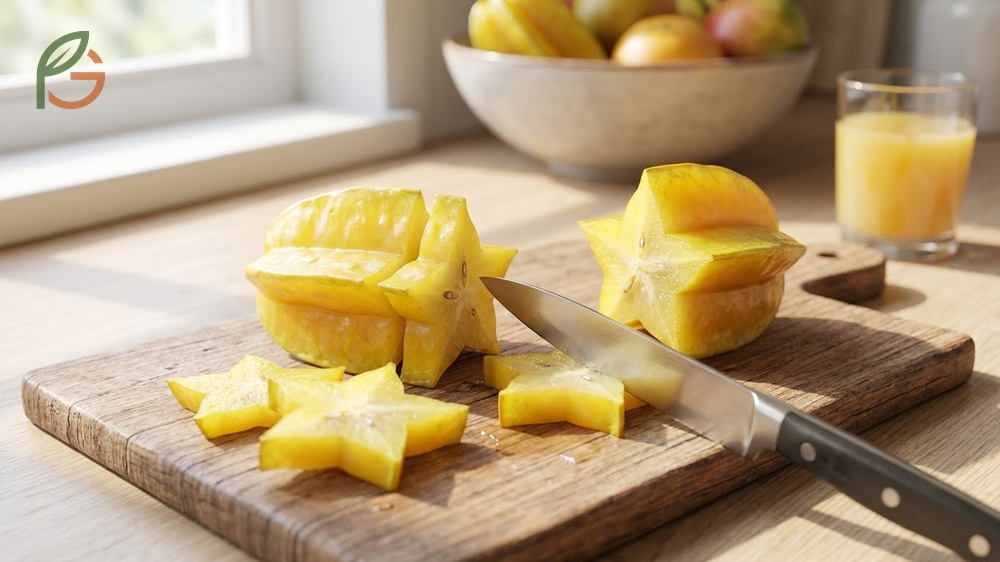
Starfruit requires minimal preparation compared to most tropical fruits. The entire fruit is edible—flesh, skin, and all—making it one of the simplest exotic fruits to enjoy[4]. You’ll get the best flavor when eating ripe, yellow starfruit that yields slightly to pressure.
Most people slice starfruit crosswise to create the distinctive star shape, but you can also bite into it whole like an apple. The crisp texture offers a sweet-tart juice that combines flavors reminiscent of plums, grapes, and citrus[1]. Each medium fruit provides 35% of your daily vitamin C needs in just 28 calories[2].
Current guidance emphasizes checking for kidney health before consuming starfruit. Even healthy individuals who eat excessive amounts can experience acute kidney injury from the fruit’s high oxalate content[3]. Stick to one or two fruits per serving to minimize risk.
Washing and Preparation
Rinse the starfruit under cool running water to remove surface dirt and any pesticide residue. The thin waxy skin doesn’t require scrubbing—a gentle rinse is sufficient. Pat the fruit dry with a clean towel before cutting.
Check for any deeply browned or soft spots on the ridges. You can trim these damaged areas without affecting the rest of the fruit. The five ridges should feel firm but not rock-hard when the fruit is properly ripe[4].
Cutting Technique
Place the starfruit horizontally on your cutting board with the ridges facing up. Use a sharp knife to slice crosswise into pieces about ¼ inch thick. Each slice automatically creates a perfect five-pointed star shape.
Remove any visible seeds from the center of each slice—they’re edible but slightly bitter. Most modern cultivars have minimal seeds, so you’ll typically find only 10-12 small seeds per whole fruit.
- Add to fruit salads for visual appeal and tropical flavor
- Float star-shaped slices in cocktails or punch bowls as edible garnish
- Layer on top of yogurt parfaits or acai bowls
- Blend into smoothies with mango and pineapple
- Eat plain as a refreshing low-calorie snack
- Grill briefly and serve with grilled fish or chicken
How To Cut Starfruit
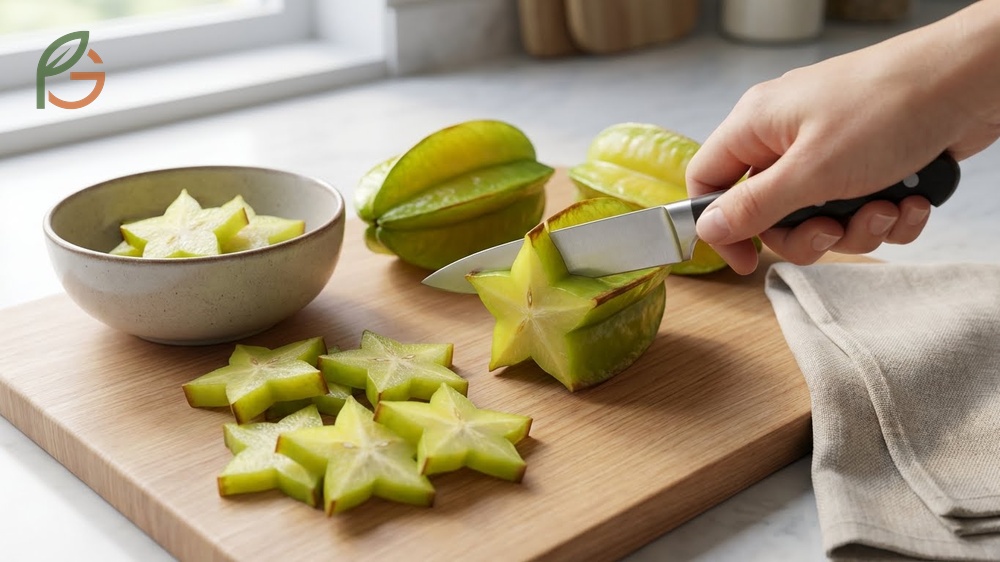
Cutting starfruit correctly preserves the iconic star shape while removing any fibrous or discolored edges. Professional chefs recommend using a sharp knife to ensure clean cuts through the crisp flesh[5]. The process takes less than two minutes once you understand the basic technique.
The key is trimming the brown edges along each ridge before slicing. These edges can taste slightly bitter and detract from the fruit’s natural sweet-tart balance. Removing them also creates more visually appealing star shapes.
Tools You Need
A sharp chef’s knife or paring knife works best for starfruit. Dull knives crush the delicate flesh instead of making clean cuts. You’ll also need a stable cutting board—preferably one with a juice groove to catch the fruit’s liquid.
Some cooks prefer a nakiri knife for its precision with thin slices. The straight edge allows you to create uniform ¼-inch slices that showcase the star pattern consistently[6].
Step-by-Step Slicing
Start by trimming both stem ends—about ¼ inch from each end. This removes the fibrous attachment points and creates flat surfaces. Next, run your knife along each of the five ridges to remove the thin brown edges.
Lay the fruit on its side and slice crosswise into even pieces. Aim for ¼-inch thickness for garnishes or ½-inch for eating fresh. Thicker slices work better if you’re grilling or cooking the fruit.
Pro Tip: For baby food, steam the starfruit slices for 5-7 minutes until soft, then mash or puree. Always remove seeds before serving to infants to prevent choking hazards.
- Wash and dry the starfruit thoroughly
- Trim ¼ inch from both stem ends
- Run knife along each ridge to remove brown edges
- Slice crosswise into ¼ to ½ inch pieces
- Remove any visible seeds from the center
- Arrange star-shaped slices on serving plate
What Does Starfruit Taste Like
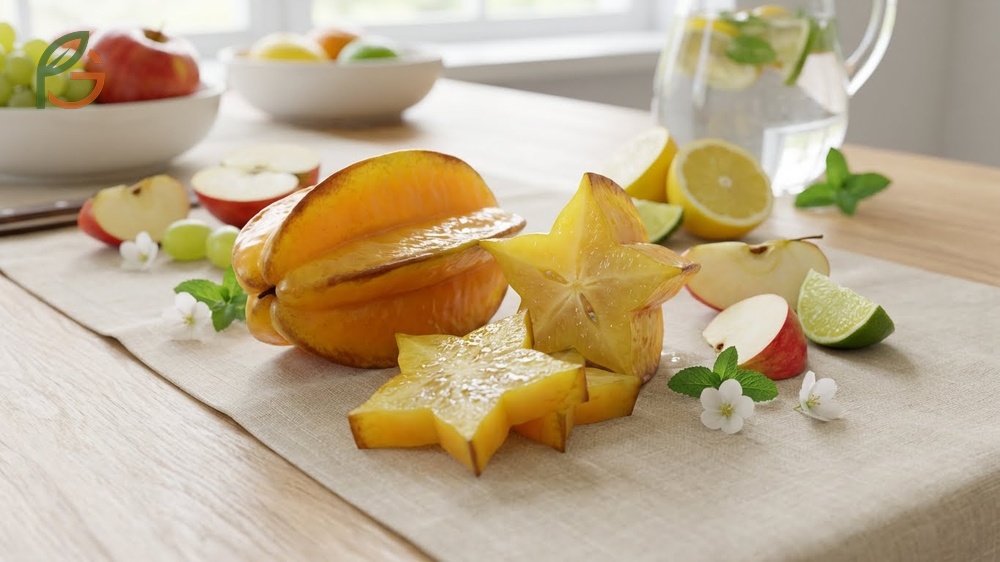
Starfruit delivers a complex flavor profile that combines sweet and tart notes in a crisp, juicy texture. Most people describe the taste as a blend of apple, grape, and citrus with subtle floral undertones[1]. The exact flavor varies based on ripeness—underripe fruits taste sharply sour while fully ripe ones offer balanced sweetness.
The texture resembles a cross between a grape and an apple. You’ll experience an initial crunch followed by a burst of refreshing juice. This makes starfruit particularly satisfying on hot days or as a palate cleanser between rich dishes.
Thin-ribbed starfruit varieties tend toward tartness, while those with thick, fleshy ribs deliver more sweetness[1]. If you’re trying starfruit for the first time, choose fruits with thick ribs for a milder, sweeter introduction.
Some consumers find the flavor mild or slightly bland, especially when eating starfruit shipped long distances. The fruit tastes best when tree-ripened in tropical regions where it grows naturally. Adding a sprinkle of salt, honey, or chili powder can enhance the natural flavors.
- Sprinkle with Tajin seasoning for spicy-tangy contrast
- Drizzle with honey to amplify natural sweetness
- Squeeze lime juice over slices for extra citrus brightness
- Dust with sea salt to intensify fruit flavors
- Pair with creamy cheeses like brie or goat cheese
Taste Variation: Starfruit flavor changes dramatically as it ripens. Green fruits taste extremely sour and should be avoided for fresh eating. Wait until the fruit turns bright yellow with brown-tipped ridges for optimal sweetness.
Can You Eat the Skin of Starfruit
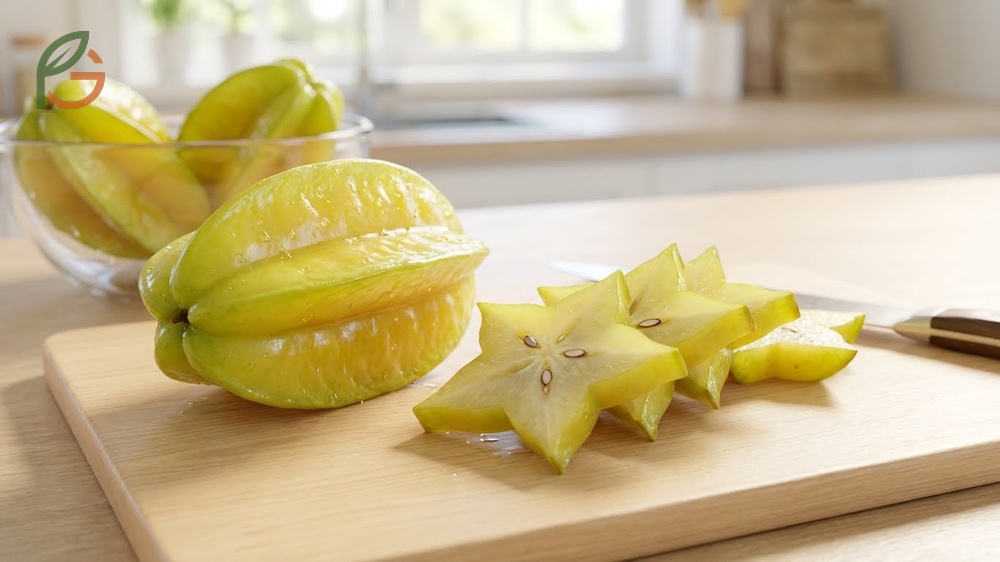
Yes, starfruit skin is completely edible and actually contains beneficial nutrients. The thin, waxy skin provides extra fiber and doesn’t require peeling[4]. Most people eat the entire fruit without any preparation beyond washing and slicing.
The skin texture is similar to apple or pear skin—slightly waxy but tender enough to bite through easily. It doesn’t have a strong flavor and blends seamlessly with the fruit’s flesh. You won’t notice a significant difference between the skin and the interior when eating.
Only the brown edges along the ridges warrant trimming. These areas can develop a slightly bitter taste and tougher texture as the fruit ripens. Removing them takes just 30 seconds and improves both flavor and appearance.
How To Choose Ripe Starfruit
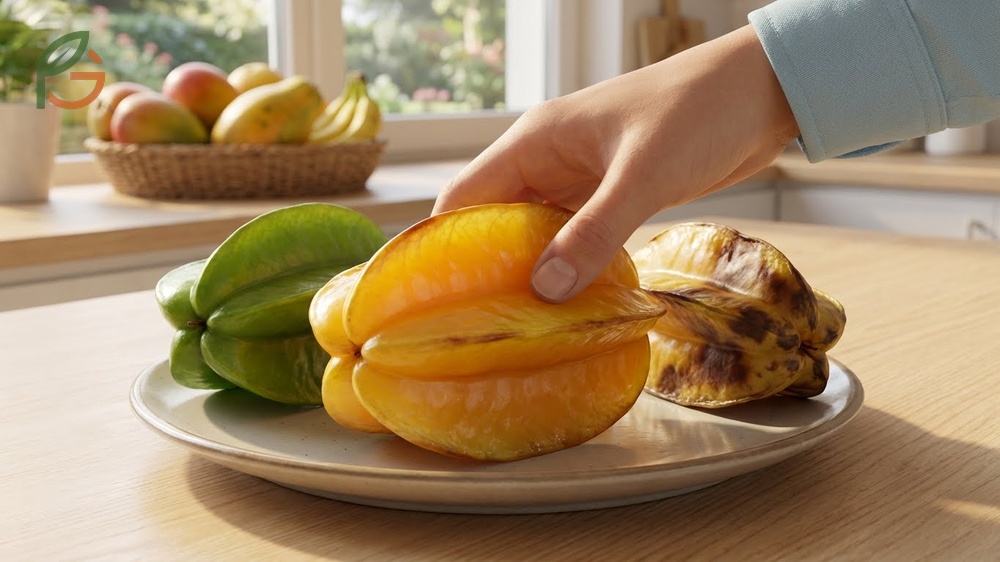
Select starfruit with bright yellow color and slightly browned edges along the ridges. This coloration indicates peak ripeness and optimal sugar development[4]. Avoid deep green fruits—they’re underripe and excessively sour. Also skip any with extensive dark brown areas, which signal overripeness.
Press the fruit gently with your thumb. A ripe starfruit should yield to slight pressure without feeling mushy. The surface should be smooth and glossy rather than rough or dull. Unripe fruits feel rock-hard, while overripe ones become soft and develop wrinkled skin.
Smell the stem end of the fruit. Ripe starfruit releases a subtle sweet fragrance with tropical notes. If you don’t detect any aroma, the fruit needs more time to ripen. An overly fermented smell indicates the fruit has passed its prime.
- Bright yellow color across most of the fruit surface
- Light brown coloring on ridge tips (not deep brown)
- Smooth, glossy skin texture without rough patches
- Slight give when pressed gently but still firm overall
- Sweet fragrance at the stem end
- No soft spots, wrinkles, or extensive bruising
Ripening at Home: If you buy slightly underripe starfruit, leave it at room temperature for 2-3 days. The fruit will continue developing sugars and turning yellow. Once fully ripe, refrigerate and use within 5 days.
Starfruit Kidney Toxicity Warning

Starfruit contains caramboxin—a neurotoxin that causes serious health complications in people with kidney disease. Studies show death occurs in 61% of kidney patients who experience seizures after starfruit consumption[3]. Anyone with chronic kidney disease, kidney stones, or impaired renal function must completely avoid this fruit.
Even healthy individuals can experience acute kidney injury from excessive starfruit intake. Medical literature documents cases where people with normal kidney function developed kidney damage and neurological symptoms after consuming more than 50 starfruits[7]. The fruit’s high oxalate content combined with caramboxin creates a dangerous combination for kidney health.
Symptoms of starfruit toxicity include persistent hiccups, mental confusion, seizures, muscle weakness, and vomiting. These signs typically appear within a few hours of consumption in vulnerable individuals. If you experience any of these symptoms after eating starfruit, seek immediate medical attention.
Research indicates that caramboxin has renal excretion, meaning kidneys must filter it from the bloodstream. When kidney function is compromised, the toxin accumulates and crosses the blood-brain barrier, causing severe neurological effects[3]. There’s no antidote—treatment focuses on supportive care and dialysis in severe cases.
- Anyone diagnosed with chronic kidney disease at any stage
- People undergoing dialysis treatment
- Individuals with history of kidney stones
- Those taking medications that affect kidney function
- People with acute kidney injury or reduced renal capacity
- Anyone experiencing unexplained changes in urination patterns
Critical Warning: If you’re unsure about your kidney health status, consult your doctor before eating starfruit. A simple blood test measuring creatinine levels can determine if your kidneys function properly enough to safely process this fruit.
Can Dogs Eat Starfruit
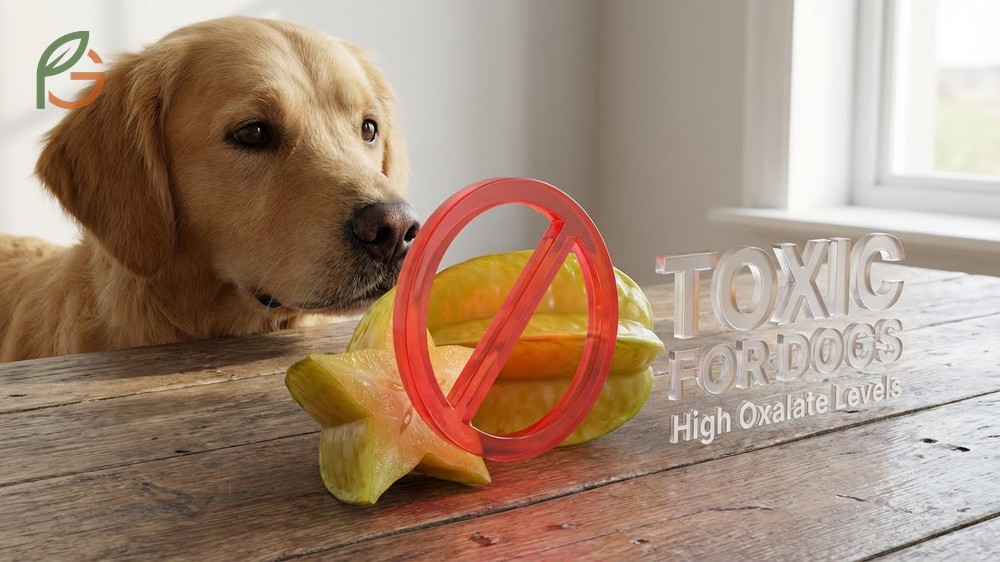
No, dogs should never eat starfruit. The fruit is toxic to dogs due to high oxalate levels that can cause kidney damage and serious health complications[8]. Even small amounts can trigger symptoms in canines, particularly those with pre-existing kidney issues.
Dogs who consume starfruit may exhibit vomiting, diarrhea, lethargy, excessive drooling, and muscle tremors within hours of ingestion. In severe cases, the oxalates can cause acute kidney failure, seizures, and painful urination. Veterinarians strongly advise keeping starfruit completely away from all dogs regardless of size or health status.
If your dog accidentally eats starfruit, contact your veterinarian immediately. Don’t wait for symptoms to appear—early intervention significantly improves outcomes. Your vet may induce vomiting or provide supportive care to protect kidney function.
- Vomiting within 2-4 hours of consumption
- Diarrhea or loss of appetite
- Lethargy and unusual weakness
- Excessive drooling or salivation
- Muscle tremors or unsteady gait
- Frequent urination or signs of painful urination
Starfruit Juice Recipe

Fresh starfruit juice offers a refreshing tropical beverage with natural vitamin C and minimal calories. The basic recipe requires just starfruit, water, and optional sweetener. You can make a single serving in under 5 minutes using a blender.
For best results, use fully ripe yellow starfruit. The natural sugars peak at full ripeness, requiring less added sweetener. Blending the entire fruit including skin maximizes fiber content and nutritional value.
Combine 3 medium starfruits (sliced, seeds removed) with 1 cup cold water and 1-2 tablespoons honey or agave syrup in a blender. Blend on high for 60 seconds until smooth. Strain through a fine-mesh sieve if you prefer pulp-free juice, or drink unstrained for extra fiber.
Add ice cubes and a squeeze of lime juice for enhanced refreshment. The juice stays fresh in the refrigerator for up to 2 days, though flavor is best when consumed within 12 hours of blending.
- Mix with pineapple and mango for tropical blend
- Add fresh ginger for spicy warmth
- Combine with coconut water instead of regular water
- Blend with cucumber for hydrating green juice
- Mix with sparkling water for fizzy refreshment
Conclusion
The evidence is clear: How To Eat Starfruit involves simple preparation—washing, trimming edges, and slicing crosswise—but requires serious attention to kidney health warnings. This tropical fruit delivers impressive vitamin C and fiber in a low-calorie package, yet the caramboxin content makes it dangerous for anyone with compromised kidney function. Current medical guidance emphasizes complete avoidance for kidney patients and moderation for healthy individuals.
When enjoyed responsibly, starfruit adds unique flavor and visual appeal to your fruit repertoire. FruitGarden continues monitoring emerging research on tropical fruit safety to provide evidence-based recommendations for home gardeners and fruit enthusiasts across the United States.
Medical Disclaimer
Important Medical Disclaimer: This content is for informational and educational purposes only. It is not intended as a substitute for professional medical advice, diagnosis, or treatment. Always consult a qualified healthcare professional before making any changes to your diet, especially if you have kidney disease, kidney stones, or other medical conditions. Never disregard professional medical advice or delay seeking it because of information you read here. Starfruit can cause serious health complications including seizures and death in people with kidney disease.
Frequently Asked Questions
How do you know when starfruit is ripe enough to eat?
Ripe starfruit displays bright yellow color with slightly browned ridge tips and yields to gentle pressure while maintaining overall firmness. The fruit should release a subtle sweet fragrance at the stem end. Avoid green fruits (underripe) or those with extensive dark brown areas (overripe).
Do you need to peel starfruit before eating?
No, starfruit doesn’t require peeling. The thin waxy skin is completely edible and contains beneficial fiber. Simply wash the fruit, trim the brown edges along the ridges, slice crosswise, and eat the entire piece including the skin.
Can starfruit make you sick if you eat too much?
Yes, excessive starfruit consumption can cause acute kidney injury even in healthy individuals. Medical cases document kidney damage in people who consumed more than 50 starfruits in a short period. Stick to one or two fruits per serving to minimize risk from oxalates and caramboxin.
What’s the best way to use starfruit as garnish?
Slice starfruit crosswise into thin ¼-inch pieces to create perfect star shapes. Float the slices in cocktails, punch bowls, or water pitchers. You can also place them on the rim of glasses, arrange them on dessert plates, or use them to top salads and grilled dishes.
Does starfruit need to be refrigerated?
Store unripe starfruit at room temperature until it turns bright yellow. Once ripe, refrigerate the fruit and use within 5 days for best quality. Cut starfruit should be stored in an airtight container in the refrigerator and consumed within 2 days.
Can you cook with starfruit or is it only for eating raw?
You can cook starfruit in various ways beyond eating it raw. Grill slices briefly for caramelized sweetness, simmer them into jams and chutneys, blend into smoothies, or add to stir-fries. Cooking doesn’t eliminate the caramboxin toxin, so kidney patients must still avoid cooked starfruit.
Why does my starfruit taste bland or flavorless?
Starfruit loses flavor intensity during long-distance shipping. Fruits picked underripe for transport never develop full sweetness. Try enhancing bland starfruit by sprinkling with salt, drizzling with honey, or squeezing lime juice over slices. Tree-ripened fruit from tropical regions offers significantly better flavor.





