
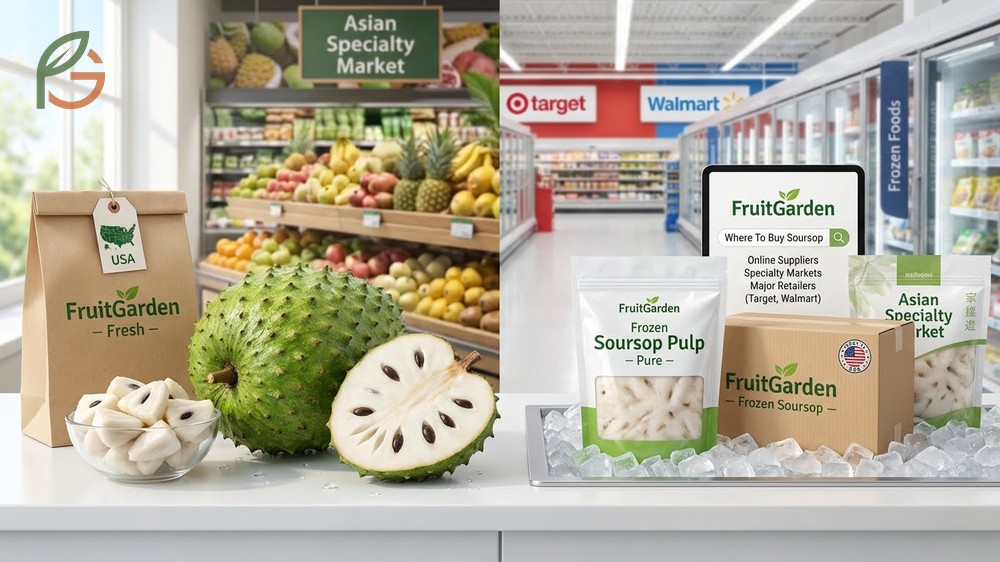
Where To Buy Soursop Fruit? You can purchase fresh soursop from online tropical fruit suppliers, Asian specialty markets, and select grocery stores across the United States. Research shows frozen soursop pulp is more widely available at major retailers like Target, Walmart, and ethnic supermarkets year-round[1]. FruitGarden helps US fruit enthusiasts locate both fresh and frozen soursop options through trusted suppliers nationwide.
Quick Answer
- Fresh soursop ships from tropical fruit specialists like Miami Fruit, Tropical Fruit Box, and iHeartFruitBox with 2-day delivery[2]
- Frozen pulp brands (Goya, El Sembrador) available at Target, Walmart, and Asian markets for $4-6 per 14oz package[1]
- Peak fresh season runs spring through late fall, while frozen options work year-round[3]
- Asian markets (Ranch 99, H Mart, Ocean Supermarket) carry fresh soursop sporadically based on regional imports[4]
Where To Buy Soursop Fruit
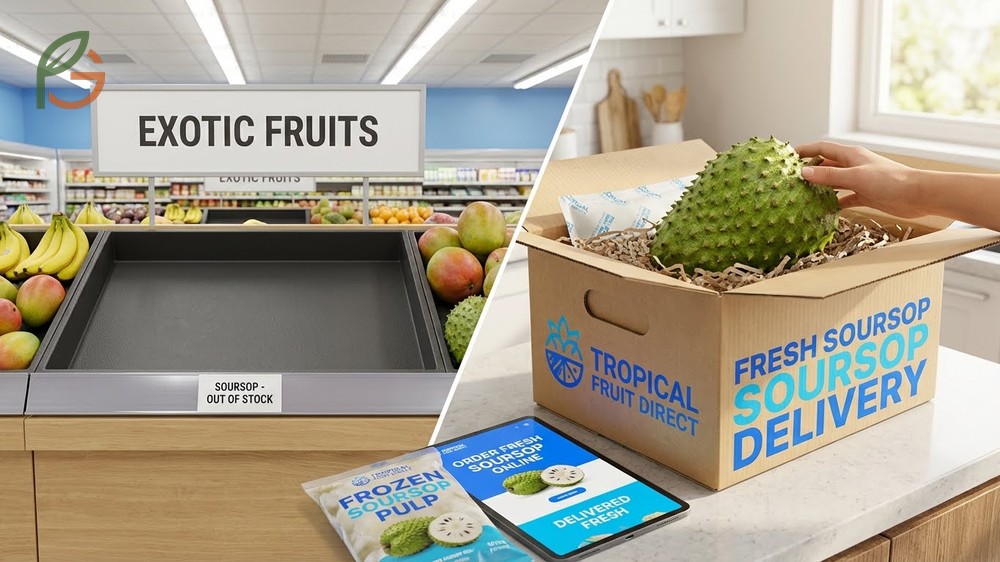
Current data shows that soursop (also known as graviola or guanabana) remains challenging to find in conventional US supermarkets. Most people don’t realize that fresh soursop requires special handling due to its delicate nature and short shelf life of 3-5 days after ripening[5]. This explains why frozen pulp dominates retail availability.
Studies demonstrate that online tropical fruit specialists have emerged as the most reliable source for fresh soursop in the US. Companies like Miami Fruit, Tropical Fruit Box, and iHeartFruitBox maintain direct relationships with Caribbean and South Florida growers[2]. These suppliers fly in weekly shipments and ship fruit the same day it arrives to ensure optimal freshness.
For those seeking immediate availability, frozen soursop pulp from brands like Goya and El Sembrador offers a practical alternative. Research indicates these products retain most nutritional benefits, including vitamin C content and antioxidant properties, through flash-freezing processes[6].
Online Tropical Fruit Suppliers
Evidence suggests that specialized online retailers provide the most consistent access to fresh soursop. Tropical Fruit Box ranks as the #1 soursop distributor online, shipping fruit on arrival day without extra charges for expedited handling[2]. iHeartFruitBox sources organically grown soursop exclusively from Grenada, offering boxes packed to maximum capacity with 3-5 fruits depending on size[5].
Most suppliers operate on weekly or biweekly shipment schedules. This means you’ll need to check availability at the beginning of each week. Miami Fruit grows soursop in South Florida and ships nationwide, providing shorter transit times for East Coast customers compared to Caribbean imports.
- Tropical Fruit Box – Weekly Caribbean imports, same-day shipping upon arrival, #1 online distributor
- iHeartFruitBox – Organic Grenada soursop, packed to maximum box capacity, strong farmer relationships
- Miami Fruit – USA-grown South Florida soursop, fresh tropical fruits, nationwide shipping
- Robert Is Here – Florida-based specialty fruit market, seasonal fresh soursop availability
- Weee! – Asian grocery delivery platform, occasional fresh soursop, consistent frozen pulp inventory
Important Timing Note: Orders typically ship the week following purchase, not immediately upon checkout. Plan delivery dates carefully to avoid receiving fruit during extended outdoor heat exposure, which accelerates ripening.
Asian Specialty Markets
Agricultural data shows Asian supermarkets stock fresh soursop sporadically based on regional import availability. Ranch 99 Market, H Mart, and Ocean Supermarket occasionally carry fresh soursop in their tropical fruit sections[4]. What often gets overlooked is that these markets maintain more reliable frozen pulp inventory than fresh fruit.
Reports from Bay Area shoppers indicate specialty fruit stores near Asian shopping centers (Grand Century Mall, Silver Creek area) focus specifically on tropical fruits like soursop and cherimoya. These smaller vendors sometimes secure imports when larger chains don’t carry fresh stock.
- Ranch 99 Market – West Coast chain, frozen pulp consistent, fresh fruit availability varies by location
- H Mart – Korean supermarket chain, occasional fresh soursop, frozen brands in stock
- Chavez Supermarket – Latin American focus, carries both fresh and frozen soursop products
- Ocean Supermarket – Bay Area locations, reported fresh soursop sightings in spring/summer
- Specialty fruit stores at Grand Century Mall – Small vendors specializing in tropical fruits
Buy Soursop Online
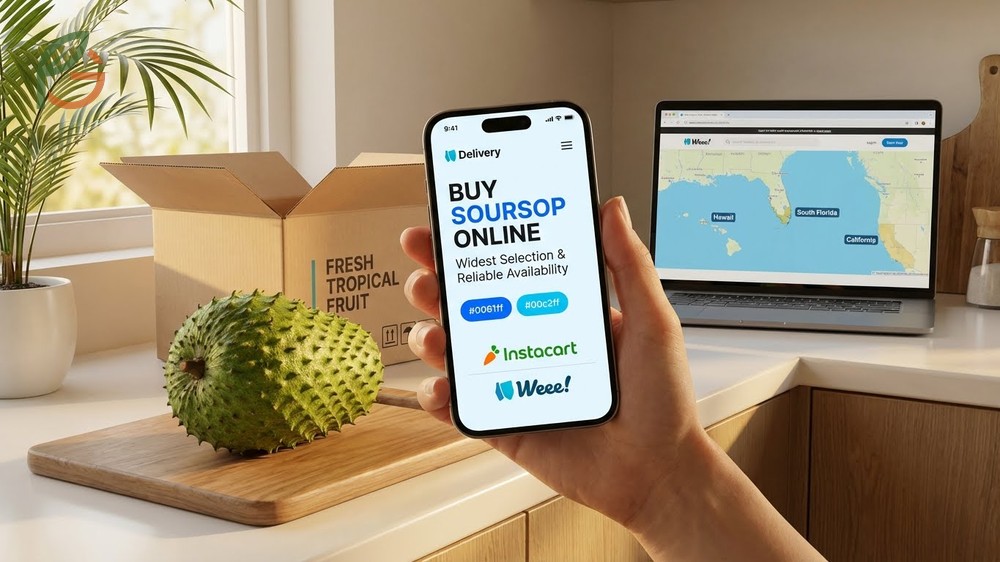
Research shows online purchasing offers the widest selection and most reliable availability for US consumers. The reason is simple: soursop doesn’t grow commercially in most mainland US regions, requiring all fresh fruit to come from South Florida, Hawaii, California (limited), or tropical imports. Online platforms consolidate these scattered sources into accessible shopping experiences.
Studies demonstrate that delivery apps like Instacart and Weee! now integrate soursop into their platforms, connecting consumers with local stores carrying the fruit[7]. This approach works best for frozen pulp, which stores stock year-round, versus fresh fruit with unpredictable availability.
Fresh Delivery Services
Current guidance emphasizes that fresh soursop delivery requires premium shipping to maintain quality. Most specialized suppliers use 2-day or overnight shipping with temperature-controlled packaging. The fruit arrives unripe to semi-ripe, requiring 2-4 days at room temperature to reach optimal softness[5].
Unlike processed snacks, fresh soursop provides authentic tropical flavor that frozen pulp can’t fully replicate. The white flesh has a fibrous, juicy texture combining notes of pineapple, banana, and papaya. You’ll know it’s ripe when the green skin yields to gentle finger pressure, leaving a slight indentation.
- Weekly shipment cycles – Most suppliers receive and ship fruit on specific days each week
- Same-day dispatch – Premium services ship fruit the day it arrives from growers
- Caribbean and South Florida sources – Primary growing regions for US market
- Variable fruit sizes – Boxes contain 2-5 fruits depending on individual weight (1-8 lbs each)
- Organic options available – iHeartFruitBox specializes in certified organic Grenada soursop
Frozen Pulp Retailers
Evidence indicates major retailers have expanded frozen tropical fruit sections in recent years. Target carries El Sembrador frozen soursop pulp in 14oz packages priced at $4-6[1]. Goya’s soursop pulp appears in Walmart, Food Depot, and Hispanic grocery chains nationwide[8].
The practical advantage of frozen pulp is year-round availability and extended storage. Each 14oz package contains approximately 7 servings at 1/4 cup per serving. The pulp works directly from frozen in smoothies, or you can thaw it for juices, cocktails, and desserts.
This table compares four major frozen soursop pulp brands available in US retail stores, showing package sizes, typical prices, seed content, and where to buy each product
| Brand | Package Size | Typical Price | Seed Content | Where To Buy |
|---|---|---|---|---|
| El Sembrador | 14oz | $4-6[1] | 100% pure, no sugar added | Target, Hispanic markets |
| Goya | 14oz (397g) | $4.49-5.49[6] | Seeds included | Walmart, Food Depot, Weee! |
| Icefruit | 400g | Varies by retailer | Seedless pulp | Asian markets, Weee! |
| Mighty Fruits | 10 lbs bulk | Premium pricing | With seeds (authentic) | Online specialty stores |
Storage Tip: Frozen soursop pulp maintains quality for 12-18 months in the freezer. Once thawed, use within 3-5 days and store refrigerated. Don’t refreeze thawed pulp as this degrades texture and flavor.
Asian Market Soursop
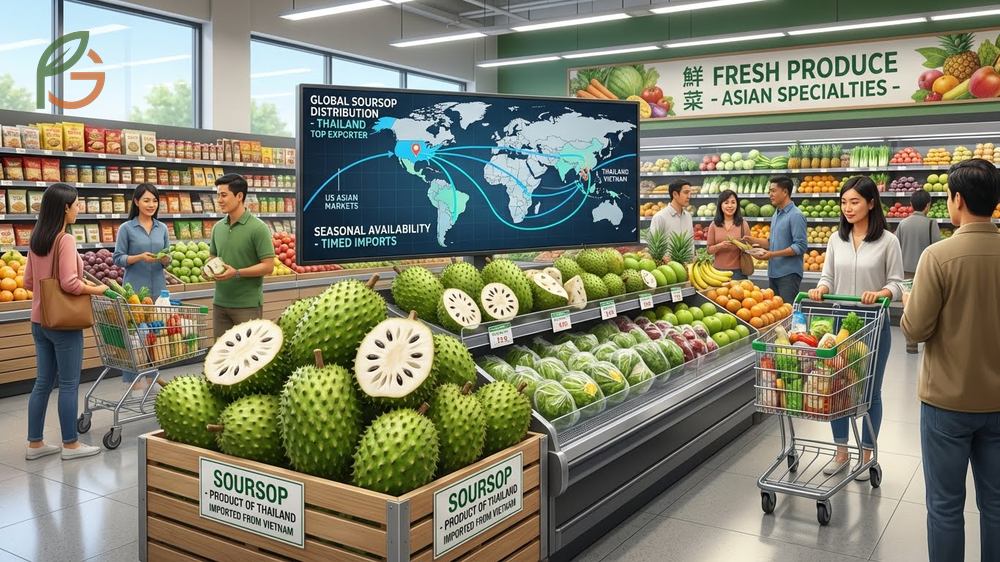
Agricultural import data reveals that Asian supermarkets serve as critical distribution points for tropical fruits in the US. These markets maintain relationships with importers bringing soursop from Southeast Asia (Vietnam, Thailand) and Latin America[9]. Thailand represents the world’s top soursop exporter at 18.17% global market share, with significant shipments reaching US Asian markets[9].
The challenge is timing. Fresh soursop appears in waves matching harvest seasons in source countries – typically spring through late fall for peak availability[3]. Most stores don’t advertise when shipments arrive, so regular shoppers develop informal knowledge of restocking patterns.
For consistent purchases, focus on the frozen section. Asian markets stock multiple frozen soursop brands (Icefruit, Goya, regional imports) year-round. Some locations also carry soursop tea, dried soursop, and soursop juice concentrate as shelf-stable alternatives.
- Visit mid-week – Fresh produce shipments typically arrive Tuesday-Thursday at major chains
- Check specialty fruit sections – Look near durian, dragon fruit, and other tropical imports
- Ask produce staff – Employees can tell you shipment schedules and when to check back
- Try smaller ethnic markets – Vietnamese, Filipino, and Latin American grocers often carry soursop
- Explore frozen aisles thoroughly – Pulp packages may be stocked with Asian dessert ingredients
- Consider soursop products – Tea, dried fruit, and juice concentrate offer year-round options
Fresh Soursop Availability
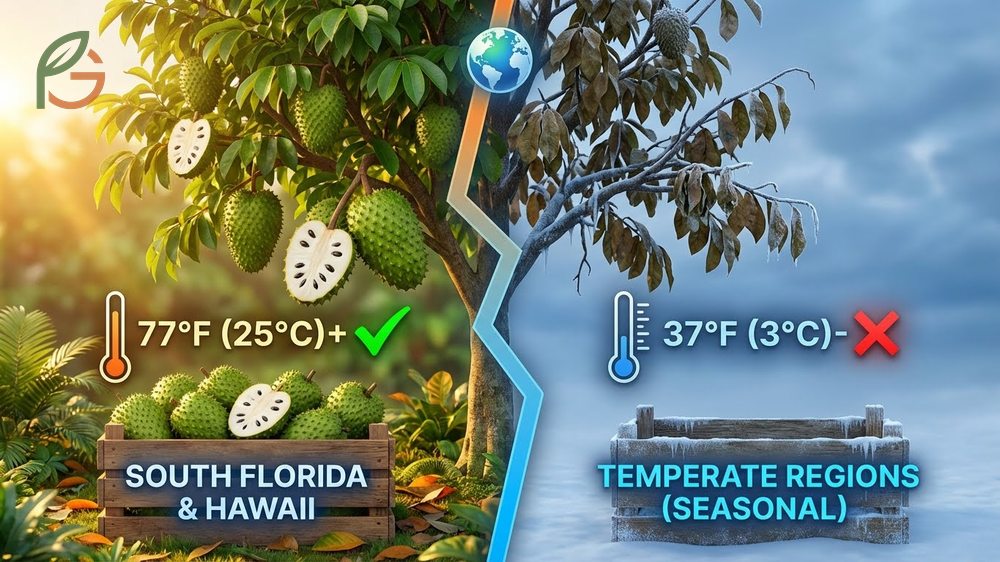
Research across global agricultural sources shows soursop is available year-round in tropical climates but follows seasonal peaks when shipped to temperate regions. The fruit’s growing season centers on warm, humid months with temperatures above 77°F (25°C)[10]. Temperatures below 41°F (5°C) damage leaves and branches, while exposure to 37°F (3°C) can be fatal to soursop trees[10].
This temperature sensitivity explains why fresh soursop mainly comes from South Florida, Hawaii, Southern California (limited), and Caribbean imports during US distribution. Peak availability runs spring through late fall, with reduced supply during winter months[3].
The fruit requires careful ripening management. Harvest occurs when soursop changes from dark green to yellowish-green and yields slightly to pressure. After purchase, you’ll need 2-4 days at room temperature for full ripening. Once soft, refrigerate and consume within 3-5 days before quality deteriorates[10].
Many first-time buyers don’t realize that dark spots or “scars” on the skin are normal and don’t indicate internal quality problems. The green exterior often shows blemishes that have no impact on the white flesh inside. Judge ripeness by softness, not appearance.
- Seasonal growing cycles – Peak production spring through fall in source regions
- Temperature requirements – Fruit production requires consistent warmth above 77°F (25°C)
- Short shelf life – Only 3-5 days refrigerated after reaching optimal ripeness
- Shipping fragility – Delicate fruit requires special handling and fast transit
- Import dependencies – Most US supply comes from Caribbean, South Florida, and Hawaii
Ripeness Recognition: Ripe soursop feels soft like a ripe avocado when gently squeezed. The skin may darken slightly, and you’ll smell a sweet tropical fragrance. If the fruit is still firm, leave it at room temperature away from direct sunlight for 2-4 more days.
Specialty Stores Soursop
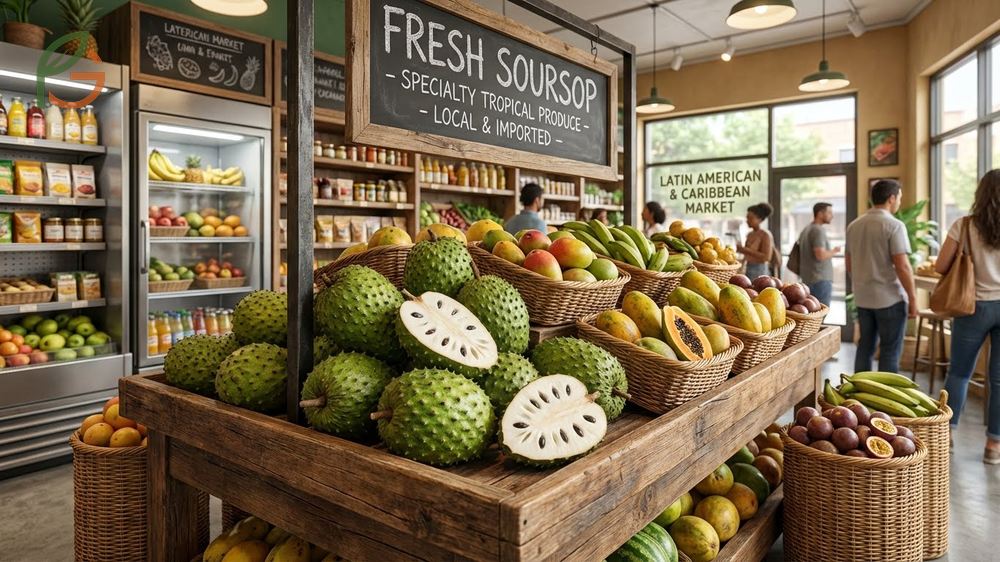
Current marketplace data shows specialty tropical fruit stores and Latin American markets maintain the most consistent fresh soursop inventory outside of online ordering. These smaller retailers focus specifically on hard-to-find tropical produce, creating supply chains independent of major supermarket distributors.
In areas with significant Caribbean or Latin American populations (South Florida, New York City, Los Angeles, Houston, San Francisco Bay Area), neighborhood markets often stock soursop regularly. Research demonstrates these stores source directly from regional importers or local South Florida growers when available.
Farmers markets in tropical growing zones (South Florida, Hawaii) occasionally feature fresh soursop from local orchards. These sources provide the freshest fruit since harvest-to-sale time is minimized, but availability depends entirely on individual growers’ production schedules.
For those living far from urban centers with specialty markets, consider joining tropical fruit enthusiast groups online. Members often share sourcing tips, notify others about retailer restocks, and sometimes coordinate group orders from wholesalers to reduce shipping costs.
- Latin American supermarkets – Stores like Chavez, Sedano’s, El Super stock fresh and frozen soursop
- Caribbean grocers – Jamaican, Trinidadian, and Haitian markets carry soursop regularly
- Tropical fruit specialists – Independent stores focusing solely on exotic produce
- South Florida farmers markets – Local growers sell fresh-picked soursop seasonally
- Delivery platforms – Instacart, Weee!, and local delivery services connect to specialty stores
- Wholesale clubs – Some Costco and restaurant supply stores carry frozen pulp in bulk
Conclusion
The evidence is clear: Where To Buy Soursop Fruit depends on whether you prioritize fresh or frozen options. Online tropical fruit suppliers provide the most reliable fresh soursop access with nationwide shipping, while frozen pulp from brands like Goya and El Sembrador offers convenient year-round availability at major retailers. Asian specialty markets and Latin American grocers serve as excellent local sources for both fresh fruit and frozen products.
Current agricultural guidance emphasizes building relationships with local specialty stores and checking online suppliers weekly during peak season (spring through fall) for optimal fresh soursop purchases. FruitGarden continues tracking tropical fruit availability trends to help US consumers discover authentic, high-quality soursop from trusted sources nationwide.
Frequently Asked Questions
Where Can I Find Soursop Near Me?
Check Asian supermarkets (Ranch 99, H Mart, Ocean Supermarket), Latin American grocers (Chavez, Sedano’s), and specialty tropical fruit stores in your area. For guaranteed availability, order fresh soursop online from Tropical Fruit Box, Miami Fruit, or iHeartFruitBox, or purchase frozen pulp at Target and Walmart year-round.
How Much Does Fresh Soursop Cost?
Fresh soursop typically costs $15-35 for a box containing 2-5 fruits depending on size (individual fruits weigh 1-8 lbs each). Online suppliers charge premium prices due to overnight shipping requirements. Frozen soursop pulp is more affordable at $4-6 per 14oz package at retailers like Target.
Is Frozen Soursop Pulp As Good As Fresh?
Research shows frozen soursop pulp retains most nutritional benefits including vitamin C and antioxidants through flash-freezing processes. Fresh soursop provides superior texture and authentic tropical flavor for eating directly, while frozen pulp works perfectly for smoothies, juices, and desserts. Both options deliver the fruit’s health benefits effectively.
When Is Soursop Season in the United States?
Peak fresh soursop availability runs from spring through late fall (roughly April through November). The fruit grows year-round in tropical regions but follows seasonal peaks matching warm weather in source areas like South Florida, Caribbean islands, and Hawaii. Winter months see reduced fresh supply, making frozen pulp the practical choice.
Can I Buy Soursop at Whole Foods or Trader Joe’s?
Whole Foods and Trader Joe’s don’t regularly stock fresh soursop, though some locations occasionally carry frozen soursop pulp or juice. These chains focus on different tropical fruits. For consistent soursop access, shop at Asian markets, Latin American grocers, or specialized tropical fruit suppliers online.
How Do I Know When Soursop Is Ripe?
Ripe soursop yields to gentle finger pressure, leaving a slight indentation when pressed. The skin changes from dark green to yellowish-green, and you’ll smell a sweet tropical fragrance. Dark spots or scars on the exterior are normal and don’t affect internal quality. Once soft, refrigerate and eat within 3-5 days.
What’s the Difference Between Soursop, Graviola, and Guanabana?
These are three names for the same fruit (Annona muricata). “Soursop” is the common English name, “graviola” comes from Portuguese, and “guanábana” is the Spanish term. Product labels use all three names interchangeably, so when searching online or in stores, try all variations to find available options.





