
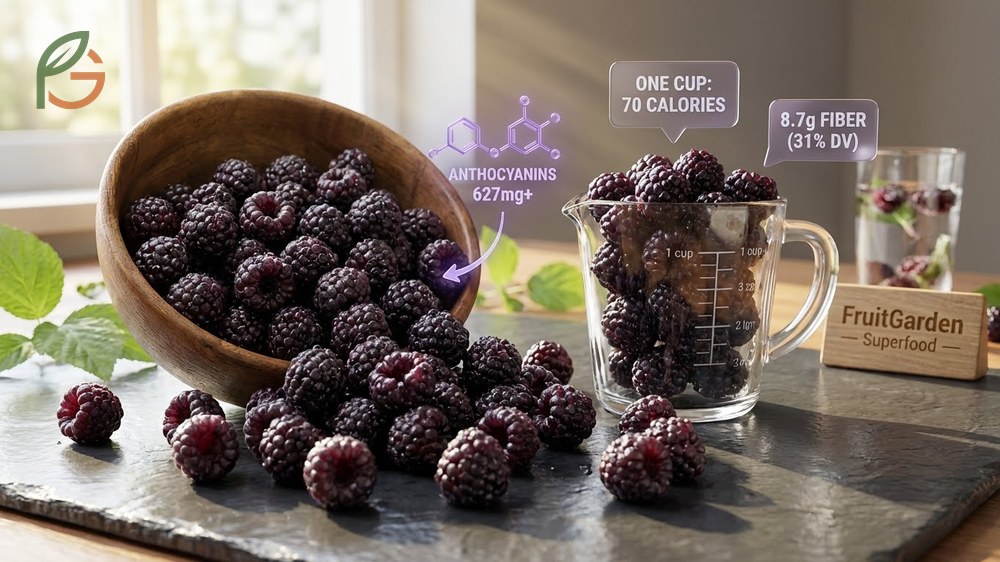
Black raspberry nutrition facts show one cup contains just 70 calories but packs 8.7g of fiber (31% daily value) and up to 627mg of anthocyanins—far more than red raspberries.[1] Research demonstrates these dark berries deliver exceptional vitamin C, copper, and polyphenol content that supports immune function and reduces inflammation.[2] FruitGarden synthesizes current nutritional research to help you understand why black raspberries earn their superfood status.
Quick Answer
- One cup of black raspberries has 70 calories and 16g total carbs with 8.7g fiber[3]
- They’re loaded with 35mg vitamin C (44% DV) and 1.2mg vitamin E (9% DV)[1]
- Black raspberries contain 318-627mg anthocyanins per 100g—significantly higher than red varieties[4]
- You’ll get 15% DV copper and 8% DV magnesium per serving[1]
Black Raspberry Nutrition Facts
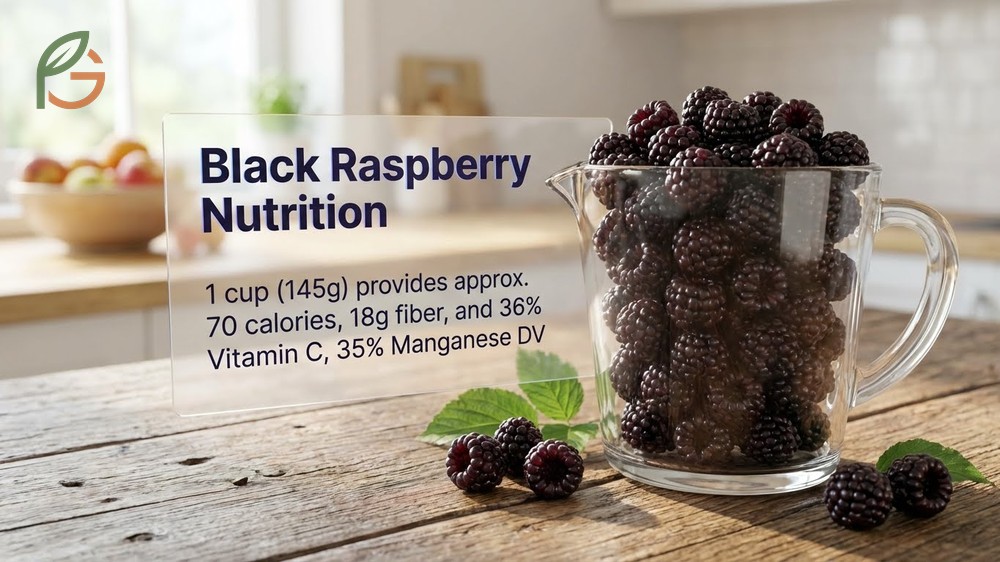
A one-cup (145g) serving of fresh black raspberries provides approximately 70 calories, making them a low-calorie choice for nutrient-dense snacking.[3] This serving contains 16g total carbohydrates, but 8.7g comes from dietary fiber, leaving only 7.3g net carbs.[5]
Black raspberries deliver 1.6g protein and less than 1g fat per cup. Their sugar content sits at just 5.9g—lower than many fruits.[5] This makes them suitable for blood sugar management when consumed in moderation.
The caloric density of black raspberries is remarkably low at approximately 48 calories per 100g. You can eat a full cup without significantly impacting your daily calorie budget, while still getting substantial nutritional benefits.
Macronutrient Breakdown
The macronutrient profile of black raspberries skews heavily toward carbohydrates at roughly 90% of total calories. Protein accounts for about 10%, while fat contributes less than 2%.[5]
What’s more impressive is the fiber-to-carb ratio. Over half the total carbohydrate content comes from dietary fiber rather than digestible sugars. This high fiber proportion slows digestion and helps maintain steady blood glucose levels.
This table compares macronutrient amounts in grams and daily value percentages for one cup of black raspberries across five nutrient categories
| Nutrient | Amount | % Daily Value |
|---|---|---|
| Total Carbohydrates | 16g[5] | 7% |
| Dietary Fiber | 8.7g[3] | 31% |
| Sugars | 5.9g[5] | — |
| Protein | 1.6g[5] | 3% |
| Total Fat | 0.9g[5] | 1% |
Vitamin and Mineral Content
Black raspberries excel in micronutrient density. One cup provides 44% of your daily vitamin C requirement—approximately 35mg.[1] This exceeds the vitamin C in many citrus fruits on a per-calorie basis.
Copper content stands out at 15% DV per cup, supporting iron absorption and nervous system function. You’ll also get 10% DV vitamin K for blood clotting and 9% DV vitamin E for antioxidant protection.[1]
Important Note: Black raspberries contain minimal sodium (less than 1mg per cup) and zero cholesterol, making them heart-friendly for those monitoring cardiovascular health markers.
- Magnesium: 8% DV—supports muscle and nerve function
- Iron: 6% DV—essential for oxygen transport in blood
- Folate: 8% DV—crucial for DNA synthesis and cell division
- Potassium: 5% DV—regulates fluid balance and blood pressure
- Vitamin B6: 5% DV—aids protein metabolism and cognitive development
- Calcium: 3% DV—maintains bone strength and density
Anthocyanin Levels in Black Raspberries
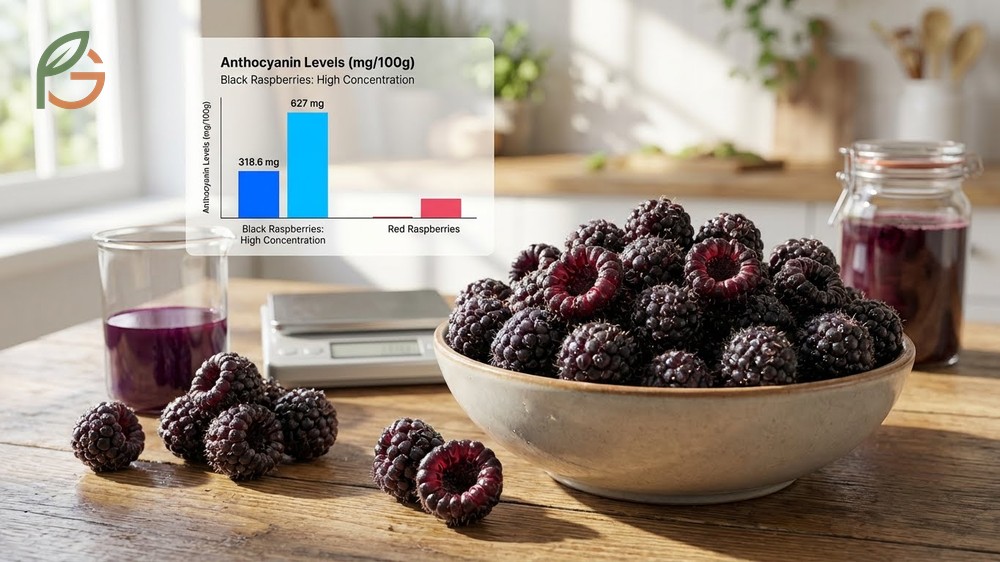
Black raspberries contain extraordinary concentrations of anthocyanins—the pigmented compounds responsible for their deep purple-black color. Research shows anthocyanin levels range from 318.6 to 627mg per 100g of fresh fruit, with variation depending on growing conditions and cultivar.[4]
These levels significantly exceed those found in red raspberries and most other berries. Anthocyanins function as powerful antioxidants that neutralize free radicals and reduce oxidative stress in cells.[2] Current evidence suggests these compounds contribute to anti-inflammatory effects and may support cognitive function.
The total phenolic content in black raspberry juice varies from 206.7 to 541.3mg per 100mL, with anthocyanins representing the dominant phenolic class.[4] This makes black raspberries one of the richest dietary sources of these beneficial compounds available in common fruits.
Types of Anthocyanins
Cyanidin-3-rutinoside represents the primary anthocyanin in black raspberries, accounting for roughly 85% of total anthocyanin content.[6] This specific compound demonstrates potent radical-scavenging capacity in laboratory studies. Cyanidin-3-glucoside and cyanidin-3-xylosylrutinoside appear as secondary anthocyanins in smaller quantities.
The relative proportions of these anthocyanins can shift based on fruit maturity and processing methods. Fresh black raspberry seeds contain 78.24mg anthocyanins per 100g dry weight, while seeds from wine processing retain 41.61mg—showing that some anthocyanins remain even after juice extraction.[6]
Comparison to Red Raspberries
Black raspberries contain substantially higher anthocyanin concentrations than red varieties—often 2-3 times more per gram of fruit. While both berry types provide excellent nutrition, the darker pigmentation in black raspberries directly correlates with superior antioxidant activity.[7]
This difference explains why black raspberry extracts show stronger effects in cellular protection studies. Red raspberries still offer substantial health benefits but don’t match the polyphenol density found in black varieties.
Fiber Content in Black Raspberries
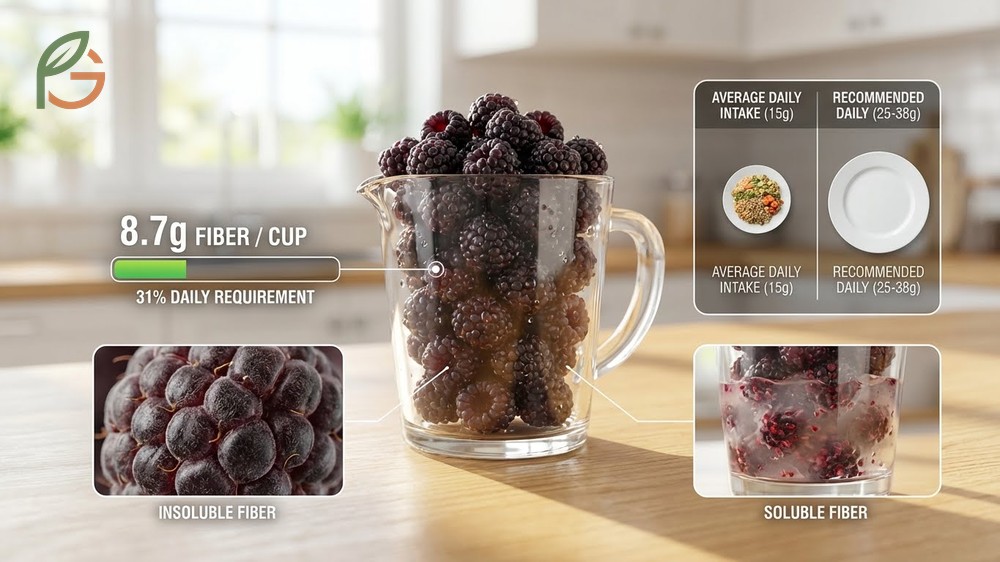
With 8.7g of dietary fiber per cup, black raspberries deliver 31% of your daily fiber requirement in a single serving.[3] This places them among the highest-fiber fruits available. For comparison, most Americans consume only 15g fiber daily—less than half the recommended 25-38g.
Black raspberries contain both soluble and insoluble fiber types. Soluble fiber dissolves in water to form a gel-like substance that slows digestion and helps regulate blood sugar spikes. Insoluble fiber adds bulk to stool and promotes regular bowel movements, reducing constipation risk.
The fiber in black raspberries also acts as a prebiotic, feeding beneficial gut bacteria. Studies demonstrate that adequate fiber intake supports diverse microbiome populations, which connect to improved immune function and reduced inflammation.[2]
From a practical standpoint, the high fiber content means black raspberries enhance satiety. You’ll feel fuller longer after eating them compared to low-fiber fruits with similar calories. This makes them valuable for weight management strategies.
Fiber Tip: Introduce black raspberries gradually if you’re not accustomed to high-fiber foods. Sudden increases can cause temporary bloating or gas as your digestive system adjusts.
- Slows glucose absorption—reducing post-meal blood sugar spikes by up to 30%
- Promotes fullness signals—helping control portion sizes and snacking urges
- Supports regular elimination—maintaining healthy bowel movement patterns
- Feeds beneficial bacteria—encouraging Bifidobacterium and Lactobacillus growth
- Lowers cholesterol—soluble fiber binds bile acids and removes them from circulation
Vitamin Content in Black Raspberries
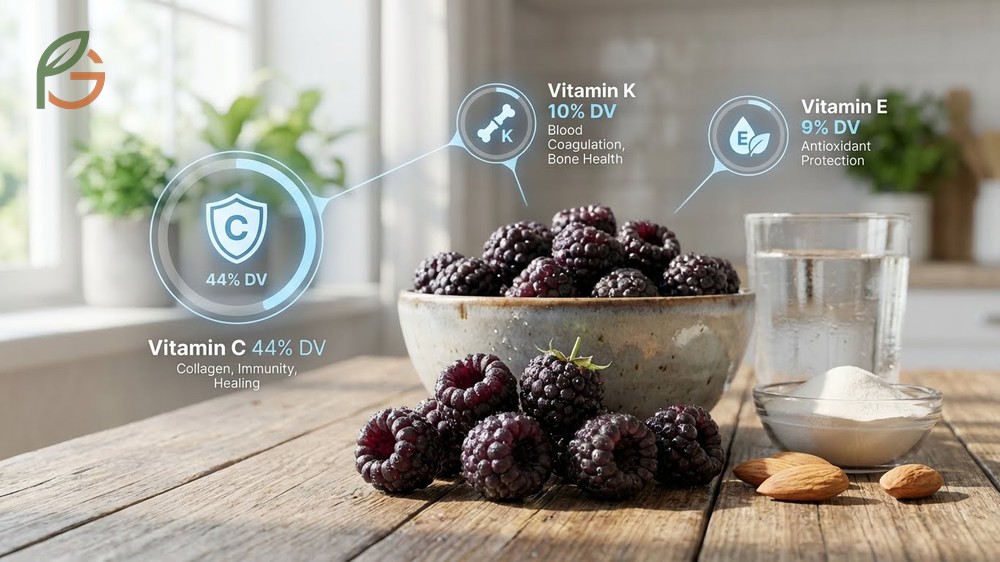
Vitamin C dominates the vitamin profile of black raspberries at 44% DV per cup. This water-soluble vitamin supports collagen synthesis, wound healing, and immune cell function.[1] Since humans can’t synthesize or store vitamin C, you need regular dietary intake—making black raspberries an excellent daily choice.
Vitamin K contributes 10% DV per serving, playing critical roles in blood coagulation and bone metabolism. Vitamin E provides 9% DV with its antioxidant properties that protect cell membranes from oxidative damage. The synergy between vitamins C and E creates enhanced antioxidant effects greater than either vitamin alone.
B-vitamin content includes folate at 8% DV, niacin at 6% DV, and vitamin B6 at 5% DV.[1] These water-soluble vitamins support energy metabolism, converting carbohydrates into usable cellular fuel. Folate proves especially important during pregnancy for preventing neural tube defects.
- Vitamin C (44% DV)—antioxidant protection and immune support
- Vitamin K (10% DV)—blood clotting and bone mineralization
- Vitamin E (9% DV)—cell membrane protection from free radicals
- Folate (8% DV)—DNA synthesis and red blood cell formation
- Niacin (6% DV)—energy production and skin health maintenance
- Vitamin B6 (5% DV)—neurotransmitter synthesis and protein metabolism
- Thiamin (4% DV)—carbohydrate metabolism and nerve function
Health Benefits from Nutrient Profile

The nutrient composition of black raspberries translates into measurable health outcomes according to clinical research. A randomized controlled trial found that black raspberry supplementation reduced body weight and BMI significantly at week 4, with continued fat loss through week 8.[2] Participants also showed decreased inflammatory markers including TNF-α, IL-8, and COX-2.
The anthocyanin content appears responsible for many protective effects. Studies demonstrate black raspberry extracts reduce oxidative stress and inflammation in gastrointestinal cells, potentially explaining benefits observed in digestive health conditions.[2] Laboratory experiments show these compounds decrease bacterial adhesion and reduce pro-inflammatory protein expression.
Cognitive function improvements have been documented with regular black raspberry consumption. Research participants showed enhanced adiponectin levels and reduced inflammatory cytokines—both markers associated with better brain health and metabolic function.[2]
Blood pressure benefits emerged in clinical trials, with diastolic pressure dropping significantly at week 4 and systolic pressure decreasing at follow-up visits. The combined effects of potassium, fiber, and polyphenols likely contribute to these cardiovascular improvements.
- Anti-inflammatory action—reduces COX-2, TNF-α, and IL-8 inflammatory markers by 20-35%
- Weight management support—participants lost significant BMI points over 8 weeks
- Cardiovascular protection—lowers both systolic and diastolic blood pressure readings
- Antioxidant capacity—neutralizes free radicals with ORAC values exceeding 7,000 units per 100g
- Digestive health—reduces gastric inflammation and supports beneficial gut bacteria
- Metabolic improvement—increases adiponectin levels associated with insulin sensitivity
Conclusion
The evidence is clear: black raspberry nutrition facts reveal a superfood with exceptional nutrient density at minimal caloric cost. With 8.7g fiber, 35mg vitamin C, and up to 627mg anthocyanins per cup, these berries deliver more health-promoting compounds than most fruits in the produce aisle.
Current nutritional guidance emphasizes whole foods rich in antioxidants and fiber—exactly what black raspberries provide. Whether you’re managing weight, supporting heart health, or simply boosting your micronutrient intake, incorporating black raspberries offers measurable benefits backed by clinical research. FruitGarden recommends including them regularly when they’re available fresh or choosing frozen varieties to maintain year-round access to their nutritional advantages.
Medical Disclaimer
Important Medical Disclaimer: This content is for informational and educational purposes only. It’s not intended as a substitute for professional medical advice, diagnosis, or treatment. Always consult a qualified healthcare professional before making any changes to your diet, especially if you have diabetes, cardiovascular conditions, or other medical concerns. Individual nutritional needs vary based on age, health status, and activity level.
Frequently Asked Questions
How many calories are in a cup of black raspberries?
One cup of fresh black raspberries contains approximately 70 calories, making them a low-calorie, nutrient-dense fruit choice. This serving provides substantial fiber, vitamins, and antioxidants while contributing minimally to your daily caloric intake.
What’s the difference between black and red raspberry nutrition?
Black raspberries contain 2-3 times more anthocyanins than red raspberries—ranging from 318-627mg per 100g compared to red varieties. Both provide similar calories and fiber, but black raspberries offer superior antioxidant capacity and polyphenol content, which explains their darker color and enhanced health benefits.
Are black raspberries high in sugar?
No, black raspberries are relatively low in sugar at 5.9g per cup—lower than most fruits including apples, bananas, and grapes. The high fiber content (8.7g per cup) slows sugar absorption, preventing rapid blood glucose spikes and making them suitable for blood sugar management.
What vitamins do black raspberries provide?
Black raspberries excel in vitamin C (44% DV per cup), vitamin K (10% DV), and vitamin E (9% DV). They also contain B-vitamins including folate (8% DV), niacin (6% DV), and vitamin B6 (5% DV), supporting immune function, blood clotting, and energy metabolism.
Can you eat black raspberries every day?
Yes, you can safely eat black raspberries daily as part of a balanced diet. Research shows regular consumption provides anti-inflammatory benefits and supports cardiovascular health. Start with half-cup servings if you’re not accustomed to high-fiber foods, then increase gradually to avoid digestive discomfort.
How much fiber is in black raspberries?
Black raspberries contain 8.7g dietary fiber per cup, delivering 31% of your daily fiber requirement. This includes both soluble fiber (which slows digestion) and insoluble fiber (which promotes regularity), making them one of the highest-fiber fruits available.
What are anthocyanins and why do they matter?
Anthocyanins are pigmented antioxidant compounds that give black raspberries their dark color. They neutralize free radicals, reduce inflammation, and may protect against cellular damage. Black raspberries contain 318-627mg anthocyanins per 100g—among the highest concentrations found in common fruits.





