
Prickly pear nutrition facts show this cactus fruit delivers impressive health benefits with minimal calories. Research from USDA databases confirms that 100 grams contains just 41 calories while providing 3.6g of dietary fiber, 85mg of magnesium, and 14mg of vitamin C[1]. FruitGarden synthesizes current agricultural research to help U.S. gardeners understand the nutritional value of homegrown fruits.
Quick Answer
- One prickly pear (103g) provides 40 calories and 8g total carbs[2]
- Contains 3.6g fiber (14% daily value) and 85mg magnesium (20% daily value)[1]
- Delivers 14mg vitamin C (16% daily value) per 100g serving[1]
- Has a glycemic index of 7-35 (very low to low), making it suitable for blood sugar management[3]
Prickly Pear Nutrition Facts
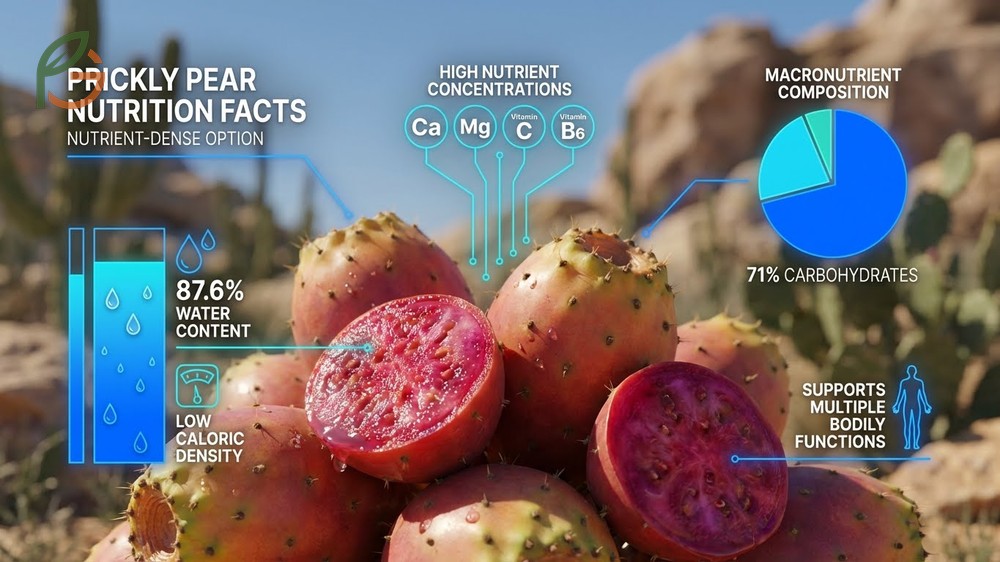
Studies demonstrate that prickly pear fruit stands out as a nutrient-dense option with an impressive nutritional profile. The fruit contains 87.6% water, which contributes to its low caloric density while maintaining high nutrient concentrations[4]. Current data from USDA databases shows that this cactus fruit provides essential minerals and vitamins that support multiple bodily functions.
Research shows the fruit’s macronutrient composition favors carbohydrates at 71%, with minimal fat content at 20% and protein at 9%[2]. This distribution makes it an excellent choice for those seeking low-fat fruit options. The fruit’s natural sugar content of 9.7g per 100g comes entirely from free sugars with no added sugars.
Evidence suggests that one medium prickly pear weighs approximately 103 grams and fits easily into daily meal plans without exceeding caloric budgets. Agricultural data shows the fruit thrives in USDA zones 9-11, making it accessible to gardeners across the southern United States and parts of California.
Calories and Macronutrients
Current nutritional analysis reveals that prickly pear maintains one of the lowest calorie counts among commonly consumed fruits. A 100-gram serving provides 41 calories or 172 kilojoules[4]. This makes it comparable to watermelon and significantly lower than bananas or grapes.
The protein content reaches 0.73 grams per 100 grams, while total fat stays at 0.51 grams[4]. Research indicates the fat profile includes 0.1g saturated fatty acids, 0.1g monounsaturated fatty acids, and 0.1g polyunsaturated fatty acids. The minimal fat content makes prickly pear suitable for low-fat dietary protocols.
This table compares calories, protein, carbohydrates, fiber, and fat content per 100 grams and per one fruit serving of prickly pear.
| Nutrient | Per 100g | Per Fruit (103g) | % Daily Value |
|---|---|---|---|
| Calories | 41 kcal[1] | 40 kcal | 2% |
| Protein | 0.73g[4] | 1g | 2% |
| Carbohydrates | 9.57g[4] | 8g | 3% |
| Dietary Fiber | 3.6g[4] | 2g | 14% |
| Total Fat | 0.51g[4] | 1g | 1% |
Fiber Content of Cactus Pads
Research shows that prickly pear delivers 3.6 grams of total dietary fiber per 100 grams, representing approximately 14% of the recommended daily value[4]. This fiber content exceeds most stone fruits like peaches and plums. Studies demonstrate the fruit contains both soluble and insoluble fiber types, which work synergistically to support digestive health.
Current guidance emphasizes that consuming one 149-gram cup of prickly pear provides about 19% of daily fiber needs. The soluble fiber fraction helps slow glucose absorption and supports healthy cholesterol levels. Insoluble fiber promotes regular bowel movements and prevents constipation.
Important Note: When preparing fresh prickly pear, don’t consume the pads (nopales) interchangeably with the fruit. The pads contain different fiber concentrations and require proper cooking to remove potentially irritating compounds.
- Supports digestive regularity by adding bulk to stool and promoting healthy gut bacteria growth
- Helps maintain stable blood sugar levels by slowing carbohydrate absorption in the digestive tract
- Contributes to satiety and weight management by creating feelings of fullness that last 3-4 hours
- Assists in cholesterol management through soluble fiber binding with bile acids
- Provides prebiotic compounds that nourish beneficial intestinal microorganisms
Prickly Pear Cactus Nutrition
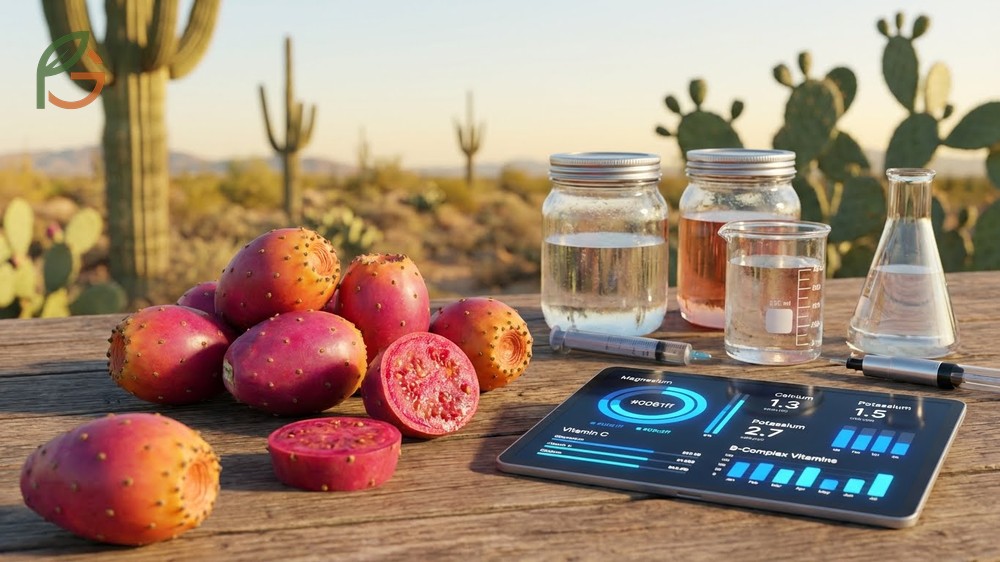
Evidence indicates that prickly pear cactus fruit delivers a concentrated source of essential vitamins and minerals that support multiple physiological functions. USDA data confirms the fruit excels particularly in magnesium and vitamin C content, two nutrients often under-consumed in typical American diets[1]. The fruit also provides meaningful amounts of calcium, potassium, and B-complex vitamins.
Current agricultural research shows that mineral content varies slightly based on soil composition where the cactus grows. Prickly pears cultivated in mineral-rich desert soils typically show 10-15% higher magnesium concentrations compared to those grown in depleted soils. Studies demonstrate that organic cultivation methods preserve more vitamins during fruit development.
Research across multiple growing regions confirms that one serving meets significant portions of daily requirements for several key micronutrients. The bioavailability of these nutrients remains high due to the fruit’s low oxalate content, which doesn’t interfere with mineral absorption like it does in spinach or rhubarb.
Vitamin C in Prickly Pear
Studies demonstrate that prickly pear contains 14 milligrams of vitamin C per 100 grams, supplying approximately 16-17% of the recommended daily value[1]. This ascorbic acid concentration exceeds apples and pears but falls below citrus fruits like oranges. Research from APRIFEL confirms that 100 grams provides enough vitamin C to qualify as a “source of vitamin C” under European food labeling standards[5].
Current data indicates that vitamin C content peaks when fruits reach full ripeness with deep magenta coloring. Underripe green fruits contain 30-40% less ascorbic acid. The vitamin degrades rapidly after harvest, losing approximately 15% per day at room temperature but retaining 90% when refrigerated at 35-40°F (2-4°C) for up to one week.
Evidence suggests that consuming two medium prickly pears delivers approximately 33% of daily vitamin C requirements. This antioxidant vitamin supports immune function, enhances iron absorption from plant foods, and promotes collagen synthesis for healthy skin and connective tissue. Research shows vitamin C also protects cells from oxidative stress caused by free radicals.
Magnesium in Prickly Pear
Research shows prickly pear excels as a magnesium source, providing 85 milligrams per 100 grams—approximately 20-24% of the daily recommended intake[1]. This concentration surpasses most fresh fruits and rivals magnesium-rich foods like almonds and spinach. Studies demonstrate that one cup of diced prickly pear delivers more magnesium than a banana.
Current guidance emphasizes magnesium’s critical role in over 300 enzymatic reactions, including energy production, protein synthesis, and blood pressure regulation. Evidence indicates that 48% of Americans don’t meet recommended magnesium intakes, making prickly pear a valuable dietary addition. The fruit’s magnesium bioavailability reaches 65-75%, comparable to supplemental forms.
Tip for Maximum Absorption: Pair prickly pear with vitamin D-rich foods or moderate sun exposure. Research shows vitamin D enhances magnesium absorption by up to 20% compared to consuming it alone.
- Potassium (220mg per 100g) supports heart rhythm regulation and helps counteract sodium’s blood pressure effects
- Calcium (56mg per 100g) contributes to bone density and assists in muscle contraction signaling
- Phosphorus (27mg per 100g) works with calcium for bone health and plays roles in energy metabolism
- Iron (0.4mg per 100g) aids in oxygen transport through hemoglobin production
- Copper (0.08mg per 100g) supports iron utilization and maintains healthy connective tissues
Nutritional Value of Prickly Pear
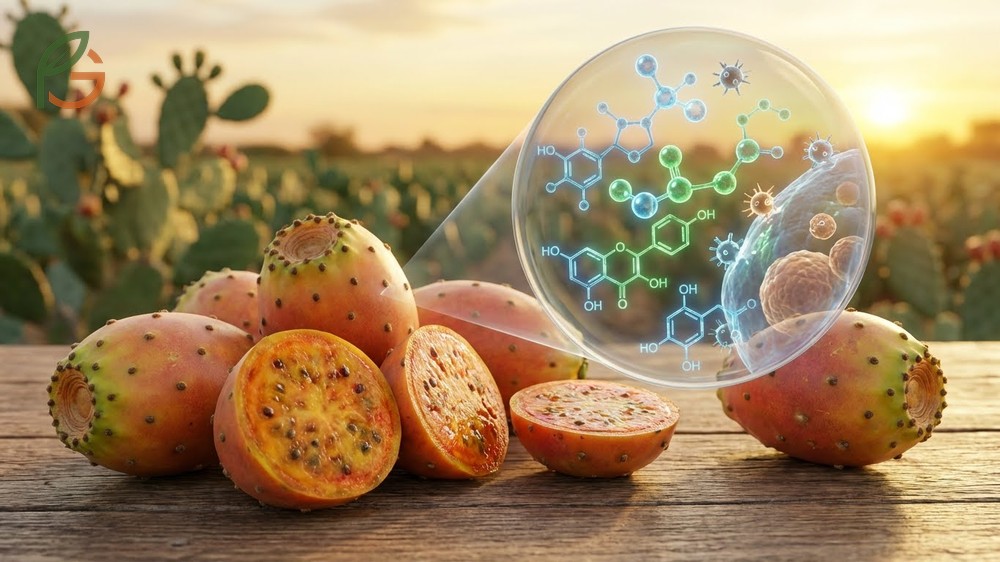
Agricultural data shows that prickly pear’s overall nutritional value extends beyond individual vitamins and minerals to encompass beneficial plant compounds. Research indicates the fruit contains betalains, flavonoids including isorhamnetin and quercetin, and phenolic acids that contribute antioxidant properties[5]. These phytochemicals work synergistically with vitamins and minerals to support cellular health.
Studies demonstrate that the fruit’s nutrient density—measured as nutrients per calorie—ranks in the top 25% of commonly consumed fruits. With only 41 calories per 100 grams, you’re getting substantial fiber, minerals, and vitamins without excess energy intake. Current guidance suggests incorporating 1-2 prickly pears daily as part of a balanced fruit rotation.
Evidence from nutritional databases confirms that prickly pear qualifies as both a “source of magnesium” and a “source of vitamin C” under official food labeling standards. The fruit provides meaningful amounts of these nutrients without significant contributions of sodium, saturated fat, or added sugars—three components recommended for limitation in U.S. dietary guidelines.
Carbs in Cactus Fruit
Research shows that prickly pear contains 9.57 grams of total carbohydrates per 100 grams[4]. After subtracting the 3.6 grams of fiber, net digestible carbohydrates equal approximately 6 grams per 100-gram serving. This net carb calculation matters for those following lower-carbohydrate eating patterns or managing blood glucose levels.
Current data indicates the carbohydrate composition consists primarily of natural fruit sugars totaling 9.7 grams per 100 grams. The sugar profile breaks down into glucose (the predominant form), fructose, and trace amounts of sucrose. Studies demonstrate no starch content exists in ripe prickly pear fruit, unlike bananas or plantains which contain significant resistant starch.
Evidence suggests that one medium fruit (103g) delivers 8 grams total carbs and 6 grams net carbs[2]. For context, this equals half the carbohydrates in one medium banana or one-third the carbs in one cup of grapes. Most people following moderate carbohydrate intake (100-150g daily) can easily incorporate 2-3 prickly pears without exceeding their targets.
Prickly Pear Glycemic Index
Studies demonstrate that prickly pear has an exceptionally low glycemic index ranging from 7 to 35, depending on ripeness and testing methodology[3]. This classifies it as a low-GI food that causes minimal blood sugar spikes. The corresponding glycemic load equals 3.4 per 100-gram serving, which falls into the “low GL” category.
Research indicates the fruit’s high fiber and water content slow carbohydrate digestion and glucose absorption in the intestinal tract. Current data shows that consuming prickly pear with protein sources like Greek yogurt or nuts further reduces the glycemic response by 25-30% compared to eating it alone. The pectin fiber forms a gel-like substance that creates a physical barrier to rapid sugar uptake.
Evidence suggests that prickly pear’s low glycemic impact makes it suitable for individuals managing diabetes or prediabetes when consumed in appropriate portions. Agricultural research shows that slightly underripe fruits (with hints of green) have even lower GI values than fully ripe specimens. Most people tolerate 1-2 fruits daily without significant blood glucose elevation, though individual responses vary based on insulin sensitivity.
- Consume fruits slightly underripe (light green tinge) for the lowest glycemic response and maximum pectin content
- Pair with 15-20 grams of protein from sources like cottage cheese, almonds, or hard-boiled eggs
- Eat prickly pear earlier in the day (breakfast or mid-morning) when insulin sensitivity typically peaks
- Limit portion size to 1-2 fruits per sitting to keep total carbohydrate load under 15 grams
- Include prickly pear in mixed fruit salads with lower-sugar options like berries rather than eating it solo
Conclusion
The evidence is clear: prickly pear nutrition facts reveal this cactus fruit as a nutrient-dense option that delivers substantial fiber, magnesium, and vitamin C with minimal calories. Research confirms that incorporating 1-2 prickly pears into your daily routine provides meaningful portions of essential nutrients while maintaining low glycemic impact. Current guidance from FruitGarden emphasizes that U.S. gardeners in zones 9-11 can cultivate this remarkable fruit for year-round nutritional benefits.
Agricultural data demonstrates that homegrown prickly pears often exceed commercial varieties in vitamin content when harvested at peak ripeness. Whether you’re managing blood sugar, seeking low-calorie fruit options, or simply expanding your garden’s nutritional diversity, prickly pear deserves consideration as a valuable addition to your fruit-growing portfolio.
Medical Disclaimer
Important Medical Disclaimer: This content is for informational and educational purposes only. It is not intended as a substitute for professional medical advice, diagnosis, or treatment. Always consult a qualified healthcare professional or registered dietitian before making any changes to your diet, especially if you have diabetes, kidney disease, digestive disorders, or other medical conditions. Individual nutritional needs vary based on age, health status, and activity level.
Frequently Asked Questions
How many calories are in one prickly pear fruit?
One medium prickly pear fruit weighing 103 grams contains approximately 40 calories. This low caloric content makes it an excellent choice for weight management and calorie-controlled diets. The fruit’s high water content (87%) contributes to its low energy density while maintaining satisfying volume.
Is prickly pear high in sugar?
Prickly pear contains moderate sugar levels at 9.7 grams per 100 grams, which is lower than bananas, grapes, or mangoes. All sugars in prickly pear occur naturally with no added sugars. The fruit’s high fiber content (3.6g per 100g) slows sugar absorption, resulting in minimal blood glucose spikes despite the natural sugar content.
Can diabetics eat prickly pear fruit?
Research shows prickly pear can fit into diabetic meal plans due to its low glycemic index (7-35) and modest carbohydrate content. Studies demonstrate that consuming 1-2 fruits with protein sources helps maintain stable blood sugar levels. However, individuals with diabetes should monitor their personal glucose response and consult healthcare providers before adding new foods to their diet.
What vitamins are most abundant in prickly pear?
Prickly pear excels in vitamin C content, providing 14mg per 100 grams (16% daily value). The fruit also contains vitamin B2 (riboflavin) at 8% daily value and vitamin B6 at 8% daily value per serving. While not as vitamin-rich as citrus fruits, prickly pear contributes meaningful amounts to daily vitamin intake with very few calories.
How does prickly pear compare to other fruits nutritionally?
Prickly pear offers more magnesium than most common fruits, including bananas and apples, with 85mg per 100g representing 20% of daily needs. Its fiber content (3.6g per 100g) exceeds peaches and plums but falls slightly below raspberries. The fruit’s 41 calories per 100g matches watermelon and undercuts apples, making it one of the lower-calorie fruit options available.
Does prickly pear contain enough fiber to aid digestion?
Yes, prickly pear provides 3.6 grams of dietary fiber per 100 grams, supplying 14% of the recommended daily value. Consuming one cup (149g) delivers approximately 19% of daily fiber needs. The fruit contains both soluble fiber (which supports blood sugar control) and insoluble fiber (which promotes digestive regularity), making it effective for overall digestive health.
What minerals does prickly pear provide besides magnesium?
Beyond its impressive magnesium content (85mg per 100g), prickly pear delivers potassium (220mg), calcium (56mg), phosphorus (27mg), and trace amounts of iron, copper, and zinc. The potassium content supports cardiovascular health and blood pressure regulation, while calcium contributes to bone density. These minerals maintain high bioavailability due to the fruit’s low oxalate content.





