
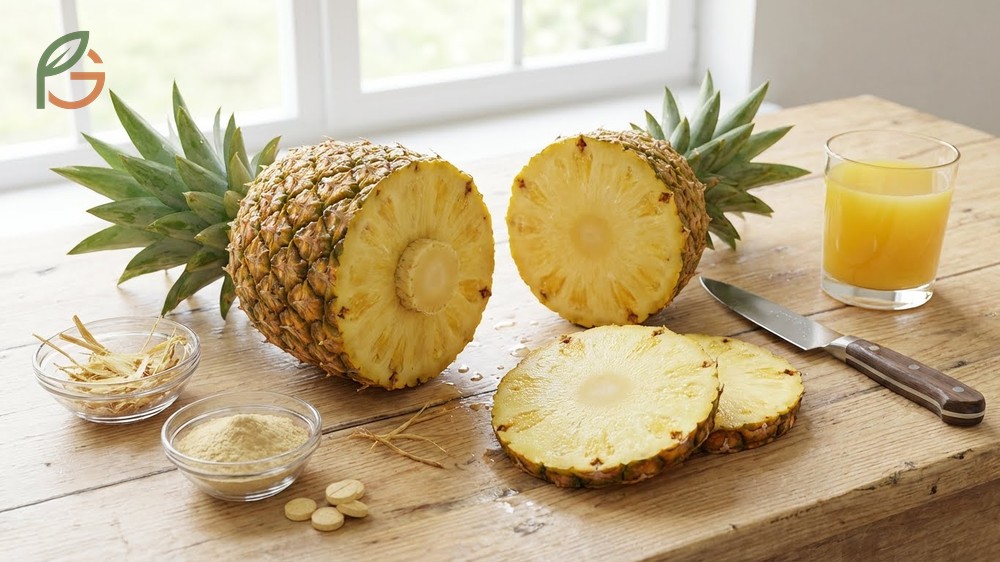
Eating pineapple core is safe and nutritious for most healthy adults. The core contains the same beneficial nutrients as the flesh—including high concentrations of bromelain, fiber, and vitamin C—but with a tougher, more fibrous texture[1][2]. Research shows that pineapple’s core actually contains the most concentrated amounts of bromelain, a protein-digesting enzyme with proven anti-inflammatory effects. FruitGarden synthesizes current nutritional research and horticultural data to help home gardeners and fruit enthusiasts understand the full value of their pineapple harvest.
Quick Answer
- Pineapple core is 100% edible and contains the same nutrients as the fruit flesh[2]
- The core provides 3.3g fiber per serving (140g), supporting digestive health and cholesterol management[4]
- Bromelain concentration is highest in the core, offering anti-inflammatory and digestive benefits[3]
- Only unripe pineapple core is toxic—ripe cores are completely safe when prepared properly[5]
Eating Pineapple Core
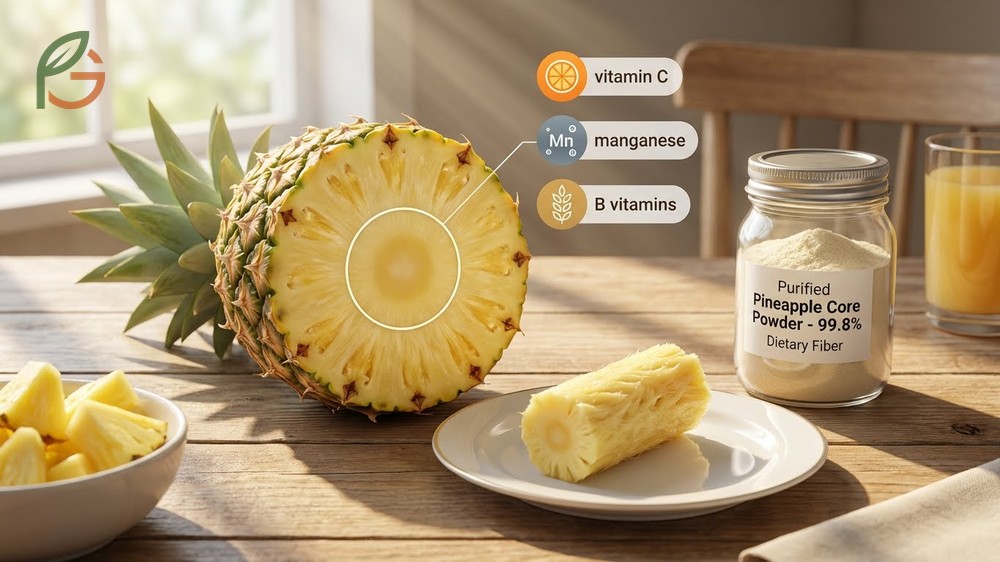
The pineapple core is simply the central fibrous column that runs through the fruit’s center. Unlike the surrounding flesh, it’s denser and contains more structural fiber. Studies demonstrate that purified pineapple core powder contains 99.8% total dietary fiber, making it one of the most fiber-rich parts of any fruit[2].
The core provides the same essential nutrients as the flesh—vitamin C, manganese, and B vitamins—but in slightly different concentrations. Per 140g serving, you’ll get approximately 45 calories, 18g carbohydrates, and 3.3g fiber[4]. This means it’s actually lower in calories and sugar than the outer flesh while delivering more fiber per gram.
What Makes the Core Different
The core’s texture comes from its higher concentration of cellulose and lignin—structural plant fibers that don’t break down easily during chewing. This is why most people find it tough and woody when eaten raw. The core also has a milder, less sweet taste because it contains fewer simple sugars than the outer flesh.
What the core lacks in sweetness, it makes up for in enzyme concentration. Bromelain exists throughout the pineapple plant, but it’s most concentrated in the stem and core[3]. This makes the core particularly valuable for anyone seeking bromelain’s digestive and anti-inflammatory benefits.
Ripeness Matters for Safety
According to Purdue University’s horticulture department, eating unripe pineapple core or drinking unripe pineapple juice is dangerous and can lead to severe diarrhea and vomiting[5]. The toxicity comes from high concentrations of proteolytic enzymes and acids that irritate the digestive tract.
A ripe pineapple has golden-yellow skin (not green), gives slightly when pressed, and smells sweet at the base. If you’re growing pineapples at home, wait until the fruit develops its characteristic golden color and the leaves pull out easily from the crown. Only ripe pineapple cores are safe for consumption.
Important Safety Note: Never eat pineapple core from an unripe fruit. The high enzyme and acid content can cause mouth irritation, stomach upset, and digestive distress. Always verify ripeness before consuming any part of the pineapple.
Pineapple Core Edible: Texture and Taste
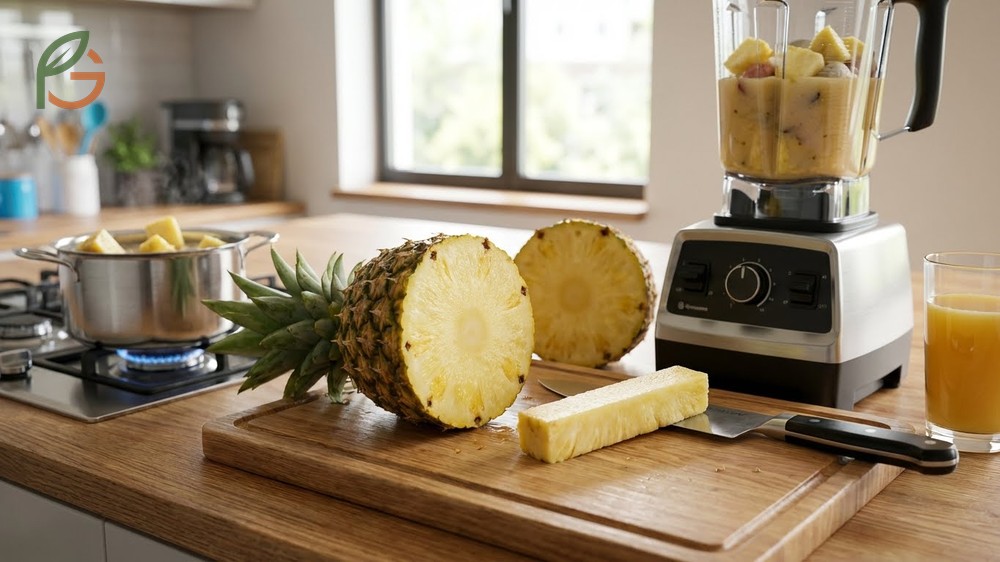
Most people discard the core because they don’t know how to prepare it properly. Raw pineapple core is edible but requires strong jaw muscles and patience. The fibrous texture can be off-putting, which is why preparation method matters more than whether you should eat it at all.
The core’s mild, slightly tangy flavor works well in smoothies, juices, and cooked dishes. It won’t overpower other ingredients, making it a versatile addition to both sweet and savory recipes. When blended or cooked, the tough fibers break down into a more palatable consistency.
Texture Challenges
The core’s fibrous structure creates two main challenges. First, it’s difficult to chew thoroughly, which can make digestion less efficient. Second, large chunks can feel stringy or woody in your mouth, creating an unpleasant eating experience that discourages consumption.
These texture issues aren’t dangerous—they’re simply less enjoyable. If you’re committed to eating the core raw, cut it into very thin slices or small cubes. Smaller pieces are easier to chew and break down more effectively in your digestive system.
Best Preparation Methods
Blending transforms the core completely. In a high-powered blender, the tough fibers break down into a smooth consistency that’s indistinguishable from regular pineapple. This is the easiest way to consume the core and access its full nutritional value without texture concerns.
Cooking methods also work well. Grilling or roasting pineapple core for 10-15 minutes at 400°F (204°C) softens the fibers and caramelizes the natural sugars. Juicing extracts the liquid nutrients and bromelain while separating out the toughest fibers. Fermenting breaks down cellulose over time, making the core more digestible.
- Smoothies: Blend core pieces with banana, yogurt, and ice for a protein-rich breakfast that masks any texture issues
- Fresh juice: Run core chunks through a cold-press juicer to extract concentrated bromelain and nutrients without fiber
- Grilled skewers: Thread core cubes on skewers, brush with honey, and grill for 12-15 minutes until caramelized
- Frozen treats: Freeze core pieces and blend into sorbet or use as ice cubes in tropical drinks
- Marinades: Puree raw core with soy sauce and ginger to create a meat tenderizer rich in natural enzymes
Core Health Benefits
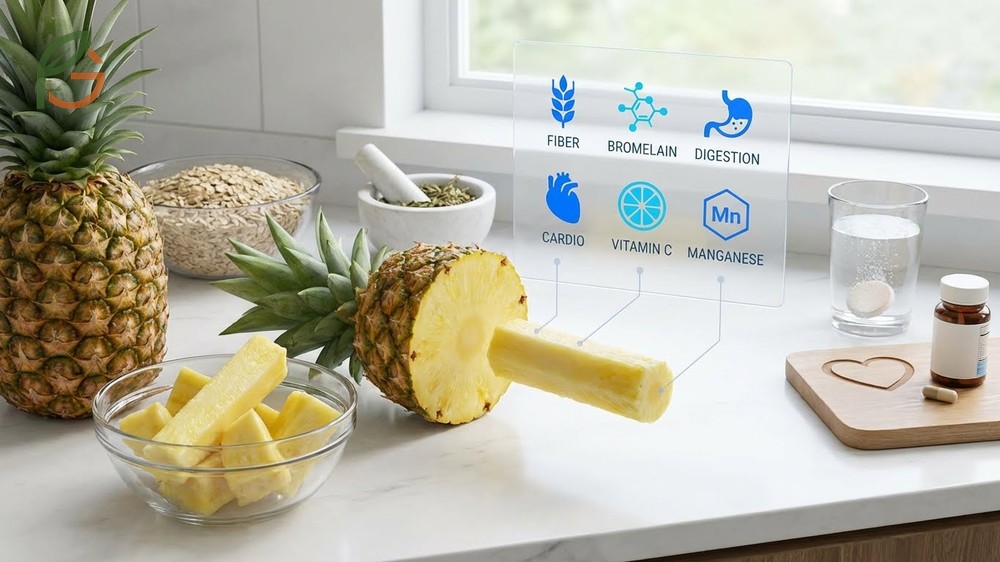
Research demonstrates that pineapple core delivers multiple health advantages beyond basic nutrition. The combination of high fiber content and concentrated bromelain makes the core particularly valuable for digestive health and inflammation management[1].
Current data indicates that regularly consuming pineapple core can support cardiovascular health by lowering cholesterol levels through its fiber content. The core also provides vitamin C and manganese at levels comparable to the outer flesh, supporting immune function and bone health.
Bromelain’s Anti-Inflammatory Power
Clinical studies show that bromelain reduces inflammatory markers in human cell lines after simulated gastrointestinal digestion. Specifically, bromelain achieves approximately 100% inhibition of IL-8 expression in intestinal cells—matching the effectiveness of dexamethasone, a pharmaceutical anti-inflammatory drug[1].
The enzyme works by modulating multiple inflammatory pathways. It inhibits COX-2 activity (the enzyme targeted by ibuprofen), reduces TNF-α production, and decreases expression of inducible nitric oxide synthase (iNOS). These mechanisms explain why bromelain supplements are used for osteoarthritis, sports injuries, and post-surgical swelling.
What’s particularly interesting is that bromelain maintains its anti-inflammatory properties even after gastric acid exposure. Studies using simulated stomach fluid demonstrate that digested bromelain retains 80% of its COX-2 inhibitory activity[1]. This means you don’t need enteric-coated supplements—eating fresh pineapple core delivers active enzymes that survive digestion.
Fiber for Digestive Health
The core’s high fiber content supports healthy bowel movements and feeds beneficial gut bacteria. At 3.3g fiber per 140g serving, the core provides approximately 12% of the daily recommended fiber intake[4].
This fiber is primarily insoluble, meaning it adds bulk to stool and promotes regularity. For people struggling with constipation, blended pineapple core in morning smoothies can provide gentle relief without the harsh effects of laxatives. The combination of fiber and bromelain also aids protein digestion when eaten with meals.
This table compares nutritional content between pineapple core and flesh per 140 gram serving, showing calories, carbohydrates, fiber, and sugar values for each part
| Component | Pineapple Core | Pineapple Flesh | Difference |
|---|---|---|---|
| Calories | 45 kcal[4] | 70 kcal | 36% fewer calories |
| Carbohydrates | 18g[4] | 18.2g | Similar |
| Dietary Fiber | 3.3g[4] | 2.0g | 65% more fiber |
| Sugar | 13g[4] | 13.9g | 7% less sugar |
| Bromelain Concentration | Highest[3] | Moderate | Core contains most |
- Reduces inflammation: Bromelain inhibits COX-2 and reduces inflammatory cytokines at levels comparable to pharmaceutical drugs[1]
- Aids protein digestion: Proteolytic enzymes break down meat proteins, reducing bloating after high-protein meals
- Supports weight management: High fiber content promotes satiety and reduces overall calorie intake at 36% fewer calories than flesh
- Lowers cholesterol: Dietary fiber binds to cholesterol in the digestive tract, preventing absorption and reducing blood levels
- Prevents constipation: Insoluble fiber adds bulk to stool and promotes regular bowel movements within 24-48 hours
- Boosts immune function: Vitamin C and bromelain work synergistically to support white blood cell activity and reduce infection duration
Core Bromelain Content
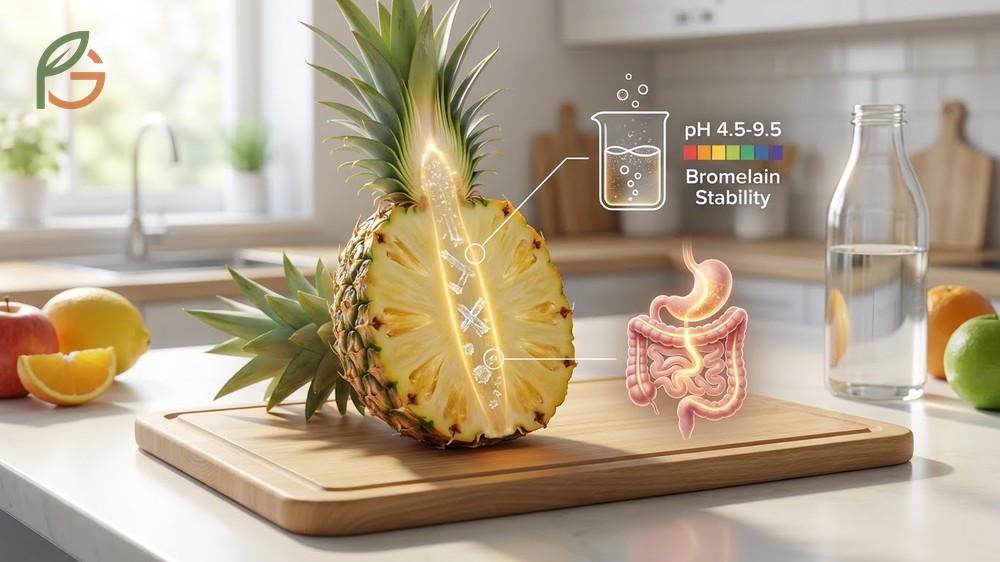
Bromelain concentration varies throughout the pineapple plant, but the core and stem contain the highest levels. Commercial bromelain supplements are typically extracted from pineapple stems because they offer the most concentrated source[1]. When you eat fresh core, you’re accessing this same concentrated enzyme mix.
Studies show that bromelain activity remains stable across a pH range of 4.5-9.5, meaning it works effectively throughout your digestive tract[1]. Even stomach acid at pH 1.2 doesn’t completely destroy the enzyme. After simulated gastric digestion, bromelain retains significant proteolytic activity and anti-inflammatory effects.
Fresh pineapple core provides approximately 200-500mg of bromelain per cup, depending on variety and ripeness. This compares to typical supplement doses of 500-800mg per day for therapeutic effects. Eating 1-2 cups of core daily (blended in smoothies or juiced) can deliver supplement-level bromelain intake without pills.
The enzyme concentration decreases dramatically in canned pineapple. Heat processing at temperatures above 140°F (60°C) denatures bromelain’s protein structure and eliminates its enzymatic activity. If you’re seeking bromelain’s benefits, you must consume fresh or frozen pineapple core—canned versions provide fiber but no active enzymes.
Maximizing Bromelain Intake: Eat pineapple core on an empty stomach (at least 1 hour before meals) for anti-inflammatory effects. Take it with meals to aid protein digestion. Bromelain’s benefits depend on timing and your specific health goals.
Eating Whole Pineapple: Practical Tips
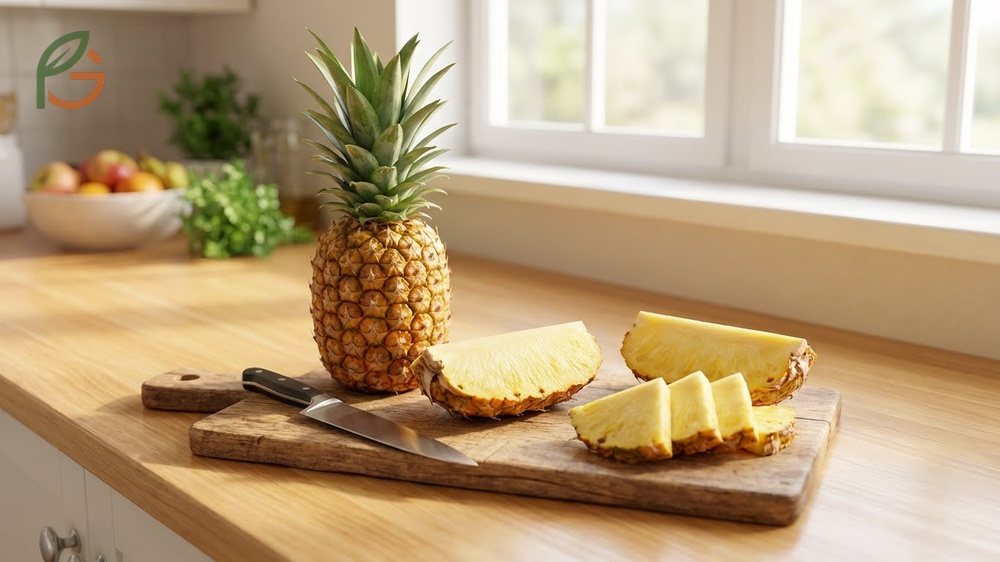
Eating the whole pineapple—crown excluded—reduces food waste and maximizes nutritional value. The average pineapple contains 15-20% core by weight, meaning most people discard a significant portion of edible, nutrient-rich fruit. Learning to use the core transforms one pineapple from 4-5 servings into 6-7 servings.
Start by cutting the pineapple lengthwise into quarters, keeping the core attached to each wedge. Slice each quarter into thin triangular pieces that include both flesh and core. This method distributes the fibrous core throughout your serving, making it less noticeable. You can eat these pieces fresh, add them to fruit salads, or use them in cooking.
For smoothies, cut the core into 1-inch chunks and freeze them in airtight containers for up to 6 months. Frozen core pieces blend easily and add thickness to drinks without diluting flavor. Add 3-4 frozen core chunks to any smoothie recipe—you won’t taste the difference from regular pineapple.
- Morning anti-inflammatory shot: Juice 2 inches of core with ginger and turmeric, drink on an empty stomach for joint pain relief
- Tropical smoothie bowl: Blend frozen core with mango, coconut milk, and spinach, top with granola and fresh fruit
- Meat tenderizer marinade: Puree raw core with lime juice and cilantro, marinate tough cuts of beef or pork for 2-3 hours before grilling
- Digestive aid after meals: Eat 2-3 small raw core pieces after high-protein dinners to reduce bloating and improve digestion
- Fermented pineapple core drink: Submerge core pieces in sugar water for 3-5 days at room temperature to create probiotic-rich tepache
If you grow pineapples at home, harvest when at least 50% of the skin has turned golden yellow and the fruit smells sweet at the base. Homegrown pineapples often have smaller, more tender cores than commercial varieties because they’re allowed to ripen fully on the plant. These cores are easier to eat raw and contain peak bromelain levels.
Conclusion
The evidence is clear: eating pineapple core delivers concentrated fiber, bromelain, and essential nutrients without the added calories and sugar found in the outer flesh. Studies confirm that the core’s anti-inflammatory properties match pharmaceutical-grade drugs while providing natural digestive support[1]. The key is proper preparation—blending, juicing, or cooking transforms the tough texture into an enjoyable, versatile ingredient.
Current nutritional guidance emphasizes whole-food consumption and minimal waste. FruitGarden encourages home gardeners to harvest ripe fruit and utilize every edible part, maximizing both nutrition and sustainability. Whether you’re growing your own pineapples or buying from local markets, don’t discard that fibrous core—your body will thank you for the extra fiber and enzymes.
Medical Disclaimer
Important Medical Disclaimer: This content is for informational and educational purposes only. It is not intended as a substitute for professional medical advice, diagnosis, or treatment. Always consult a qualified healthcare professional before making any changes to your diet, especially if you have allergies, digestive disorders, are pregnant, take blood-thinning medications, or have scheduled surgery. Bromelain can interact with certain medications and may not be appropriate for everyone.
Frequently Asked Questions
Can you eat pineapple core raw?
Yes, you can eat ripe pineapple core raw, but it’s tough and fibrous. Cut it into very small pieces or thin slices for easier chewing. Most people prefer blending or cooking the core to break down the fibrous texture while maintaining full nutritional value.
Is pineapple core toxic?
Ripe pineapple core is not toxic. However, unripe pineapple core contains high levels of enzymes and acids that can cause severe diarrhea and vomiting[5]. Always verify that your pineapple is fully ripe—with golden-yellow skin and sweet smell—before consuming any part of it.
What are the benefits of eating pineapple core?
Pineapple core provides concentrated bromelain (anti-inflammatory enzyme), high dietary fiber (3.3g per 140g serving), and fewer calories than the flesh[4]. Research shows bromelain reduces inflammatory markers at levels comparable to pharmaceutical drugs[1]. The fiber supports digestive health, cholesterol management, and weight control.
How much bromelain is in pineapple core?
Fresh pineapple core contains approximately 200-500mg of bromelain per cup, depending on variety and ripeness. The core and stem have the highest bromelain concentrations in the entire plant[3]. This matches typical supplement doses of 500-800mg per day, making 1-2 cups of core equivalent to therapeutic supplementation.
What’s the best way to eat pineapple core?
Blending is the best method for consuming pineapple core. Add 3-4 frozen core chunks to smoothies with banana, yogurt, and ice. Juicing extracts bromelain and nutrients without fiber. Grilling or roasting at 400°F (204°C) for 10-15 minutes softens the texture and caramelizes natural sugars. All methods preserve nutritional value better than discarding the core.
Does cooking destroy bromelain in pineapple core?
Yes, heat above 140°F (60°C) denatures bromelain and eliminates its enzymatic activity. Canned pineapple contains no active bromelain due to heat processing. However, the fiber and vitamins remain intact after cooking. For anti-inflammatory benefits, eat fresh or frozen core raw or in smoothies. For fiber benefits, grilled or roasted core works perfectly.
Can pineapple core help with digestion?
Yes, pineapple core aids digestion in two ways. First, bromelain breaks down protein molecules, reducing bloating after high-protein meals. Second, the high fiber content (3.3g per 140g) promotes regular bowel movements and feeds beneficial gut bacteria[4]. Eat 2-3 small raw pieces after meals or blend into morning smoothies for best results.





