
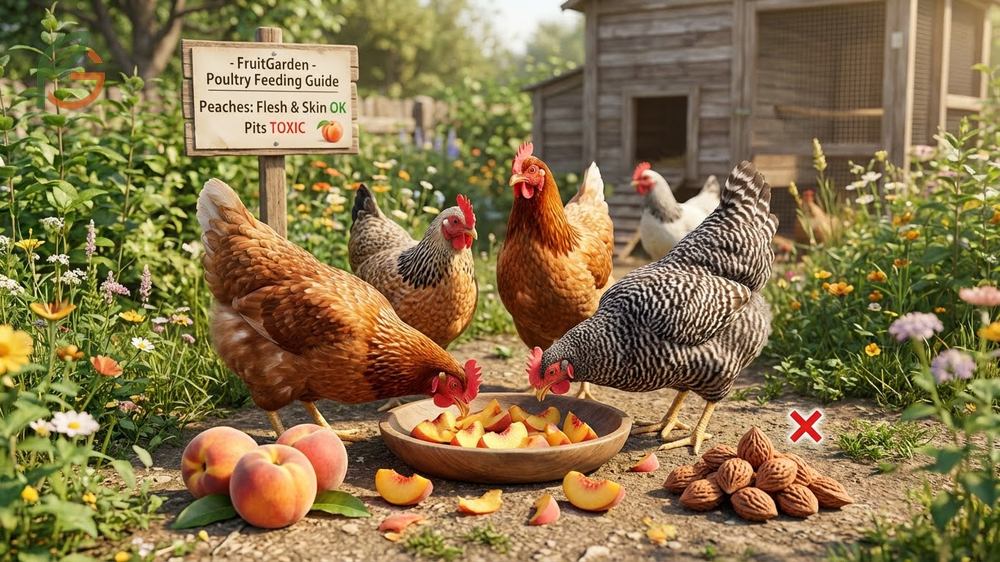
Can chickens eat peaches? Yes, chickens can safely eat peaches as a nutritious treat. Research shows that peach flesh and skin provide valuable vitamins, minerals, and hydration for backyard flocks[1]. The peach pit must always be removed before feeding, as it contains amygdalin that converts to toxic cyanide. FruitGarden synthesizes current poultry nutrition research to help backyard chicken keepers make informed feeding decisions.
Quick Answer
- Peaches are safe for chickens when pits are removed to prevent cyanide exposure[3]
- A medium peach provides 58 calories, 11mg vitamin C, and 290mg potassium per 100g[4]
- Treats should comprise no more than 10% of daily diet (approximately 2 tablespoons for laying hens)[5]
- Both peach flesh and skin are nutritious; only the pit and leaves contain toxins[6]
Can Chickens Eat Peaches
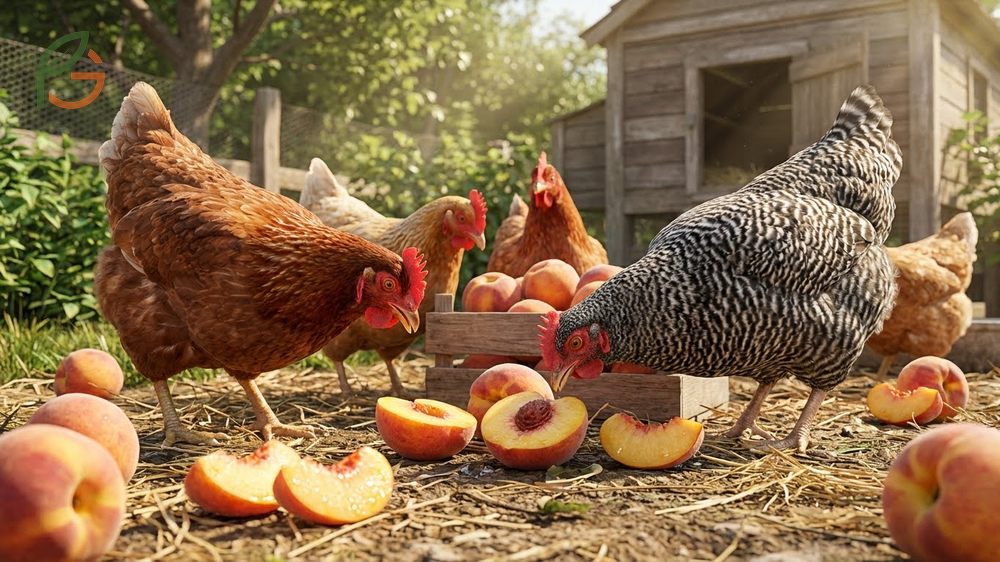
Chickens can safely consume peaches as part of a balanced diet. Studies demonstrate that the sweet, juicy flesh appeals to chickens’ natural preference for brightly colored fruits[7]. The fruit provides hydration during hot weather and delivers essential nutrients that support overall flock health.
Most backyard chickens enthusiastically eat peaches without hesitation. Their enhanced daytime vision helps them identify ripe peaches, and the aromatic scent attracts them to the treat. You don’t need to cut peaches into small pieces—chickens will peck at larger chunks naturally.
Current poultry nutrition guidance emphasizes moderation when offering any treat, including peaches. A medium-sized peach contains approximately 58 calories and 13 grams of natural sugars[4]. While chickens metabolize fruit sugars efficiently, excess treats can dilute the nutritional balance provided by complete layer feed.
Peaches work best as an occasional supplement rather than a daily staple. Offering peaches 2-3 times per week maintains nutritional variety without compromising the core diet. This frequency allows chickens to benefit from the vitamins and minerals while ensuring they consume adequate protein and calcium from their primary feed.
From My Experience: My cousin in Guadalajara, Mexico feeds her backyard flock peach scraps from her orchard in July. Her 12 laying hens consume about 3-4 medium peaches weekly—roughly matching the recommended 10% treat guideline—with no digestive issues observed over three seasons.
Nutritional Benefits for Chickens
Peaches deliver multiple health advantages for poultry. Vitamin C supports immune function and helps chickens recover from stress or illness[1]. This antioxidant also aids collagen production, which promotes wound healing and maintains healthy skin tissue.
The fiber content in peaches supports digestive health and helps prevent obesity in backyard flocks. Dietary fiber strengthens the colon and assists with weight management, reducing risks associated with overfeeding. A medium peach provides approximately 2 grams of dietary fiber[8].
Antioxidants found in peaches protect chicken cells from free radical damage. These compounds support long-term health and may improve egg quality in laying hens. The combination of vitamins, minerals, and phytonutrients creates a comprehensive nutritional profile that complements commercial feed formulations.
Vitamins and Minerals in Peaches
Vitamin A in peaches supports growth, cell repair, and maintains proper vision in chickens. This fat-soluble vitamin proves essential for developing young birds and maintaining adult flock health. A 100-gram serving of peaches contains 150 micrograms of vitamin A[8].
B-complex vitamins present in peaches facilitate numerous bodily processes. These include energy metabolism, feather development, and cellular function. Thiamin, riboflavin, and niacin work together to convert feed into usable energy for daily activities and egg production.
Mineral content contributes significantly to chicken health. Potassium supports electrolyte balance and cellular function, with peaches providing 290mg per 100 grams[8]. Phosphorus strengthens bones, while magnesium aids tissue growth. These minerals complement the calcium-rich layer feed essential for strong eggshells.
Can Chickens Eat Peach Skins
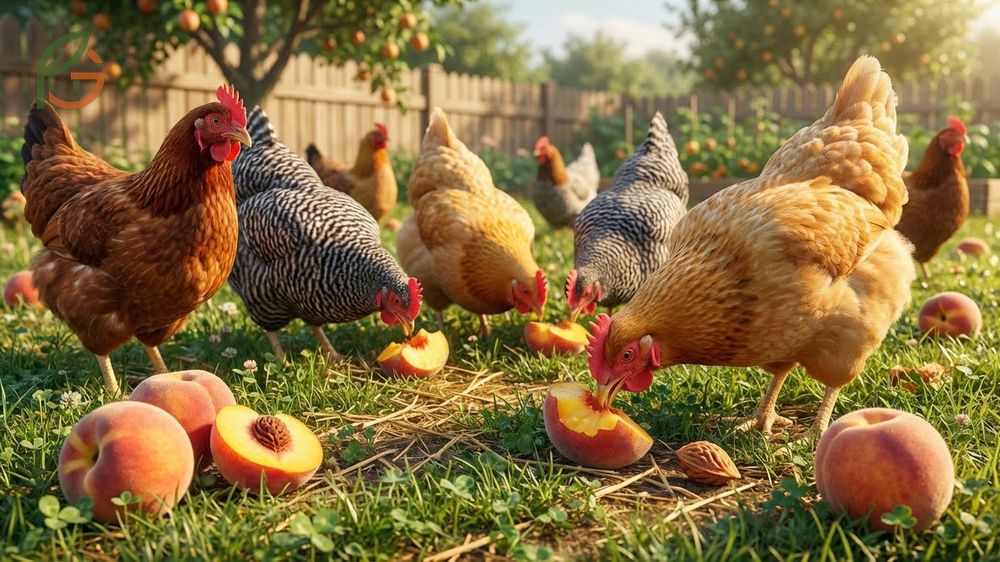
Peach skins are completely safe and nutritious for chickens to consume. Research confirms that the fuzzy outer layer contains no toxic compounds and provides additional fiber content[3]. You don’t need to peel peaches before offering them to your flock—chickens readily eat the entire fruit except the pit.
The skin actually concentrates certain nutrients and antioxidants. Many beneficial compounds accumulate near the surface of fruits, making the peel a valuable nutritional component. Chickens naturally peck at the skin without difficulty, and the texture poses no choking hazard.
Some chicken keepers worry about pesticide residues on fruit skins. If this concerns you, rinse peaches thoroughly under running water before feeding, or choose organic peaches when available. Agricultural data shows that washing removes most surface pesticides effectively.
Important Note: Always remove stickers and any wax coating from store-bought peaches. While the natural skin is safe, adhesive labels and commercial waxes aren’t suitable for chicken consumption. Fresh orchard peaches or home-grown varieties eliminate this concern entirely.
Can Chickens Eat Peach Pits
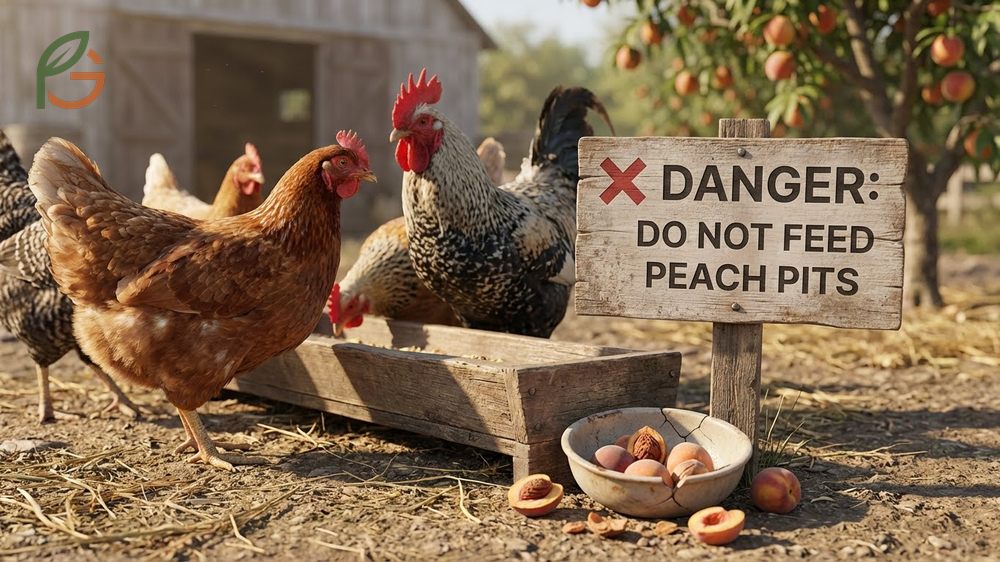
Peach pits are dangerous and must never be fed to chickens. The hard seed inside a peach contains amygdalin, a cyanogenic glycoside that breaks down into hydrogen cyanide when digested[2]. This toxic compound prevents cells from using oxygen, which can prove fatal to poultry.
Even small amounts of cyanide pose serious risks. While chickens typically can’t crack whole peach pits with their beaks, broken or cracked pits increase exposure risk significantly. Evidence suggests that fragments of the inner seed material release more toxins than intact pits[6].
Peach tree leaves also contain amygdalin and should be kept away from chickens. If peach trees grow in your chicken run, monitor fallen leaves and remove them regularly. The same precaution applies to other stone fruits like cherries, plums, and apricots—all contain similar toxic compounds in their pits and foliage.
Always inspect peaches carefully before feeding them to your flock. Cut the fruit in half and remove the entire pit, ensuring no fragments remain attached to the flesh. This simple step eliminates all risk while allowing chickens to enjoy the nutritious peach flesh safely.
Cyanide Poisoning Symptoms
Recognizing cyanide poisoning symptoms can save your chickens’ lives. Early signs include difficulty breathing, weakness, and unusual lethargy. Affected birds may stumble or show coordination problems as cyanide disrupts cellular oxygen use[2].
Visual indicators often appear in the comb and wattles. A pale or bluish-tinged comb signals oxygen deprivation, which occurs as cyanide blocks cellular respiration. Chickens may also experience gastrointestinal distress, tremors, or seizures in severe cases.
If you suspect cyanide poisoning, contact a veterinarian immediately. Time-sensitive intervention significantly improves survival chances. While waiting for veterinary care, move affected birds to a quiet, stress-free environment with access to fresh water.
Emergency Action: Don’t attempt home remedies for suspected cyanide poisoning. Professional veterinary treatment offers the best chance of recovery. Prevention through careful pit removal remains far more effective than treating toxicity after exposure.
What Fruits Are Toxic to Chickens
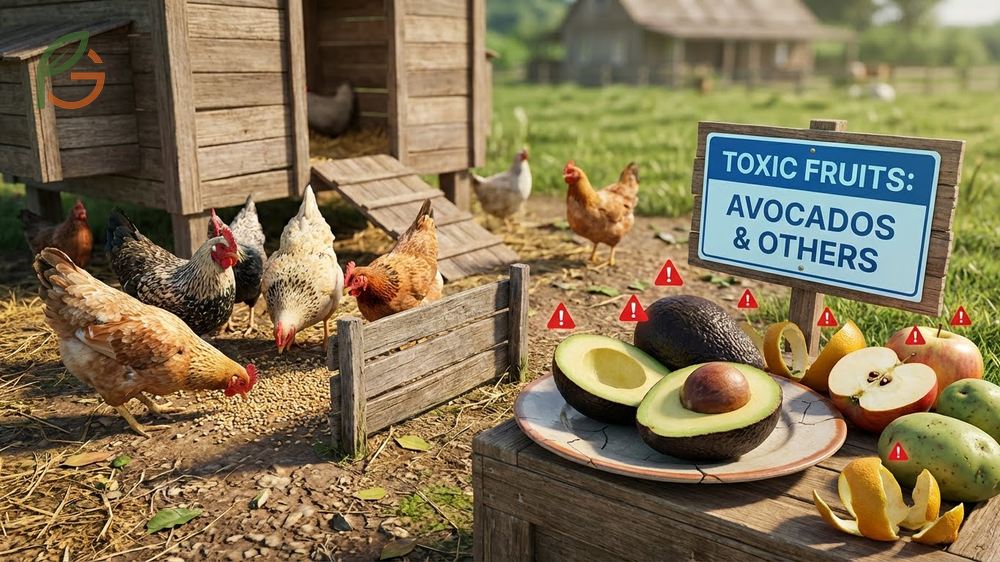
Several common fruits contain compounds that harm chickens and should be avoided. Understanding which fruits pose risks helps protect your flock from accidental poisoning. Current poultry safety guidelines identify specific fruits that require caution or complete avoidance[7].
Avocados top the list of dangerous fruits for chickens. Both the skin and pit contain persin, a fungicidal toxin that’s highly dangerous to birds. Even small amounts can cause heart damage, respiratory distress, and death in poultry[9]. Never feed any part of an avocado to chickens, and keep avocado plants away from chicken areas.
Rhubarb leaves contain oxalic acid, another compound toxic to poultry. While rhubarb stalks are sometimes considered safe in minimal amounts, most experts recommend avoiding the entire plant. The concentration of oxalic acid in leaves makes them one of the most dangerous garden plants for chickens.
- Avocado (all parts contain persin, which is fatal to birds)
- Stone fruit pits including peach, cherry, plum, and apricot (contain amygdalin/cyanide)
- Rhubarb leaves (high oxalic acid content causes kidney damage)
- Apple seeds (contain small amounts of cyanide compounds)
- Citrus fruits in excess (may cause digestive issues and reduced calcium absorption)
Citrus fruits deserve special mention. While not acutely toxic, excessive citrus consumption may interfere with calcium absorption and cause digestive upset. Most chickens naturally avoid citrus due to the strong acidic taste. If you do offer citrus, limit quantities to very small amounts and monitor your flock’s response.
Feeding Chickens Fruit Scraps
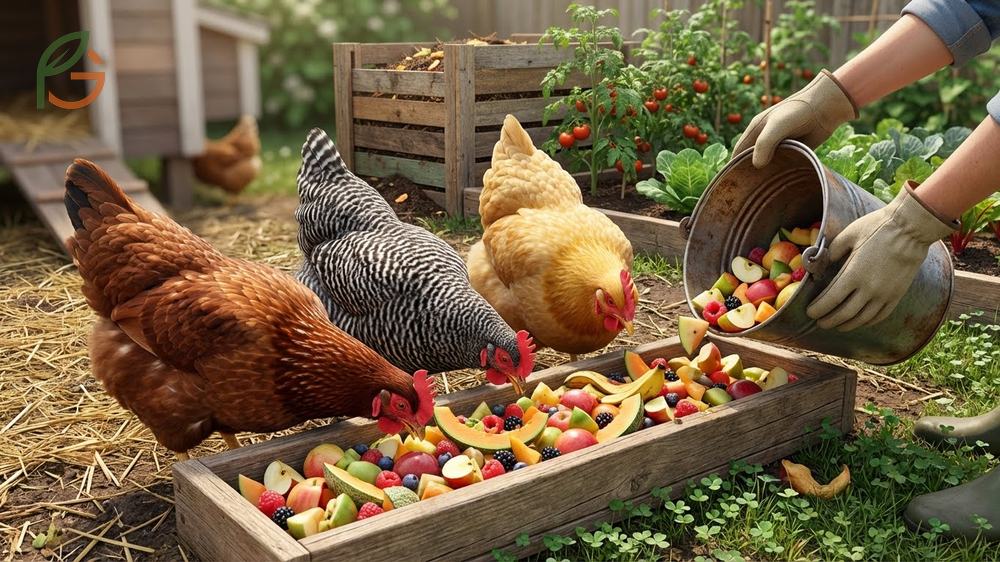
Fruit scraps make excellent treats for backyard chickens when handled properly. Kitchen waste reduction benefits the environment while providing nutritious variety for your flock. Research shows that chickens effectively convert fruit scraps into energy and nutrients, reducing overall feed costs[10].
Fresh fruit scraps work better than spoiled or moldy pieces. While chickens have robust digestive systems, moldy fruit can contain mycotoxins that harm poultry health. Discard any fruit showing significant mold growth, soft rot, or fermentation odors rather than feeding it to chickens.
Proper preparation ensures maximum safety and nutrition. Wash all fruit scraps to remove dirt and potential pesticides. Remove seeds, pits, and any inedible parts before offering scraps to your flock. Cut larger pieces into manageable sizes that chickens can easily peck and consume.
- Remove all pits, seeds, and toxic components before feeding
- Wash fruit scraps thoroughly to eliminate pesticide residues
- Discard moldy, fermented, or rotting fruit pieces
- Offer fruit scraps in the morning so chickens have daylight hours to digest
- Collect and remove uneaten scraps within 2-4 hours to prevent spoilage
- Store fruit scraps in a refrigerator if you’re not feeding them immediately
Timing matters when feeding fruit scraps. Offer treats in the morning or early afternoon, giving chickens sufficient daylight to forage and digest. This schedule prevents treats from sitting overnight, which attracts pests and encourages bacterial growth. Remove uneaten fruit after a few hours to maintain coop hygiene.
Food Safety Tip: Don’t let fruit scraps accumulate in the coop or run. Decomposing fruit attracts flies, rodents, and wild birds that can spread disease. A clean feeding environment protects flock health more effectively than any supplement.
Treats for Laying Hens
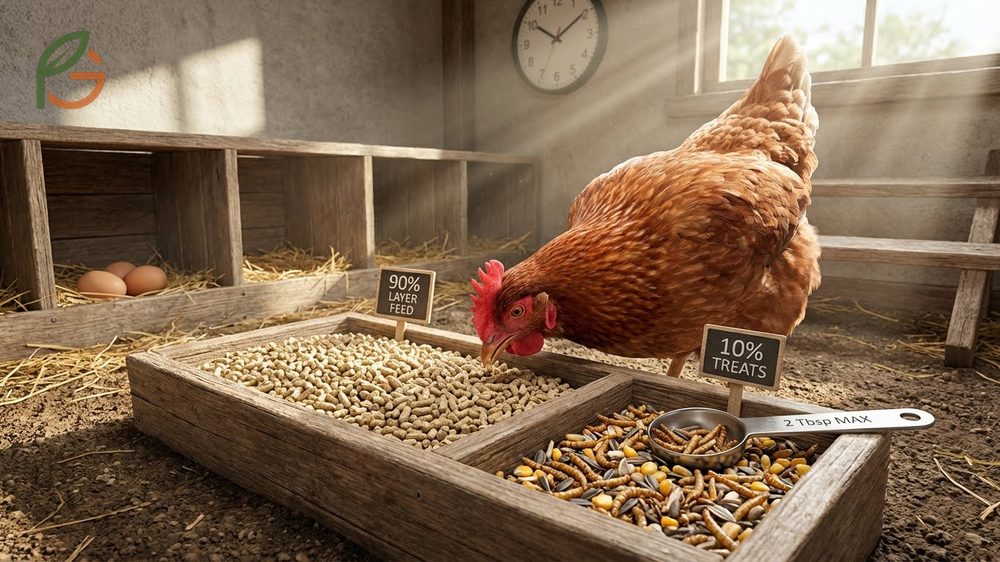
Laying hens require specific nutritional support to maintain consistent egg production. The 90/10 feeding rule provides a reliable framework—90% complete layer feed ensures adequate protein and calcium, while 10% treats add variety without compromising nutrition[5]. Most laying hens consume approximately 0.25 pounds of feed daily, meaning treats shouldn’t exceed 2 tablespoons per bird.
Treat timing influences egg production quality. Offering treats after hens finish laying (typically by early afternoon) prevents treats from displacing essential nutrients needed for egg formation. This schedule ensures calcium and protein intake remain adequate for strong shells and healthy yolks.
Seasonal considerations affect treat choices for laying hens. During summer months, hydrating fruits like peaches, watermelon, and cucumber help prevent heat stress. Winter treats benefit from higher calorie density—sunflower seeds and cracked corn provide extra energy for maintaining body temperature while continuing to lay eggs.
This table compares nutritional benefits, feeding frequency, and preparation requirements for five popular chicken treats suitable for laying hens
| Treat Type | Primary Benefits | Recommended Frequency | Preparation Notes |
|---|---|---|---|
| Peaches | Vitamins A, C; hydration; fiber | 2-3 times weekly | Remove pits; rinse thoroughly |
| Leafy Greens | Calcium; vitamins K, A; minerals | Daily in small amounts | Fresh or slightly wilted; chop large leaves |
| Mealworms | Protein boost; encourages foraging | 2-3 times weekly | Dried or live; limit to 1 tablespoon per bird |
| Plain Yogurt | Probiotics; calcium; protein | Once weekly | Unsweetened only; serve in shallow dish |
| Scratch Grains | Energy; entertainment; warmth (winter) | Daily in evening (small amounts) | Scatter for foraging behavior |
Variety prevents nutritional imbalances and keeps chickens interested in their treats. Rotating between fruits, vegetables, protein sources, and grains mimics natural foraging diversity. This approach supports immune health, digestive function, and behavioral enrichment better than repetitive treat choices.
- Maintain the 90/10 ratio strictly during peak laying season (spring through fall)
- Choose calcium-rich treats like leafy greens to support shell production
- Avoid high-fat treats that can lead to obesity and reduced laying
- Provide treats in different locations to encourage natural foraging behavior
- Monitor body condition and adjust treat quantities if hens gain excess weight
Conclusion
The evidence is clear: chickens can eat peaches safely and benefit from their nutritional content when pits are removed. Peaches provide vitamins A and C, dietary fiber, potassium, and hydration that complement complete layer feed formulations. Following the 90/10 feeding guideline ensures treats enhance rather than compromise your flock’s core nutrition.
Current poultry nutrition guidance emphasizes pit removal as the only critical precaution for feeding peaches. Both the flesh and skin offer nutritional value, while proper preparation—washing, removing pits, and offering fresh fruit—maximizes safety and appeal. FruitGarden continues monitoring agricultural research to provide backyard chicken keepers with evidence-based feeding recommendations that support flock health and productivity.
Frequently Asked Questions
How many peaches can I safely feed my chickens?
Follow the 90/10 rule by limiting all treats to 10% of daily intake, which equals about 2 tablespoons per hen[5]. For a small flock of 6 hens, one medium peach 2-3 times weekly provides variety without overfeeding. Always prioritize complete layer feed for essential protein and calcium.
Can baby chicks eat peaches?
Baby chicks under 4 weeks old should eat only starter feed to ensure proper growth and development. After 4 weeks, you can introduce tiny amounts of soft peach flesh (no skin or pit) as an occasional treat. Focus on complete chick starter until birds reach 8-10 weeks, when their digestive systems mature enough for regular treat variety.
What should I do if my chicken ate a peach pit?
Monitor your chicken closely for symptoms of cyanide poisoning including difficulty breathing, weakness, pale or bluish comb, and lethargy[2]. Contact a veterinarian immediately if any symptoms appear. Most chickens can’t crack intact pits, but broken pits pose higher risk. Prevention through careful preparation remains the safest approach.
Are canned or frozen peaches safe for chickens?
Fresh peaches are always preferable to processed versions. Canned peaches often contain added sugars and preservatives that aren’t ideal for chickens. If using canned peaches, choose varieties packed in water without added sweeteners, and rinse thoroughly before feeding. Frozen peaches work well as summer treats—thaw completely and remove any remaining pit fragments.
Can chickens eat overripe or bruised peaches?
Slightly overripe peaches are safe and often more appealing to chickens due to increased sweetness. Remove any moldy sections before feeding, as mycotoxins can harm poultry health. Bruised areas without mold are fine. Avoid feeding fermented or rotting peaches that smell alcoholic or show extensive decay.
Do peaches affect egg taste or quality?
Peaches fed in appropriate amounts don’t negatively impact egg flavor or quality. The 10% treat limit ensures that layer feed remains the primary nutritional source, maintaining consistent egg characteristics. Excessive fruit treats could potentially dilute essential nutrients needed for strong shells and rich yolks, but moderate peach feeding poses no such risk.
Can chickens eat wild or ornamental peach varieties?
Wild and ornamental peach varieties follow the same safety rules as cultivated peaches—flesh and skin are safe, while pits contain cyanide compounds[6]. Some ornamental varieties produce smaller, less palatable fruit that chickens may ignore. Always remove pits regardless of peach variety, and ensure trees haven’t been treated with pesticides harmful to poultry.





