

Passion fruit tea benefits include significant improvements in sleep quality, anxiety reduction, and natural relaxation through enhanced brain chemistry. Studies demonstrate that drinking passionflower tea for just seven days can improve sleep quality by 5.2% compared to placebo[1]. Research shows this herbal remedy works by increasing GABA neurotransmitters, which naturally calm the nervous system without causing dependency. FruitGarden synthesizes current botanical research to help you understand how passion fruit tea can transform your evening routine into a gateway for better rest.
Quick Answer
- Sleep quality improves by 5.2% after one week of nightly consumption[1]
- GABA neurotransmitter enhancement reduces anxiety and promotes natural relaxation[2]
- Stress levels decrease significantly within 30 days of regular use[3]
- Best consumed 30-60 minutes before bedtime for optimal relaxation effects
Passion Fruit Tea Benefits
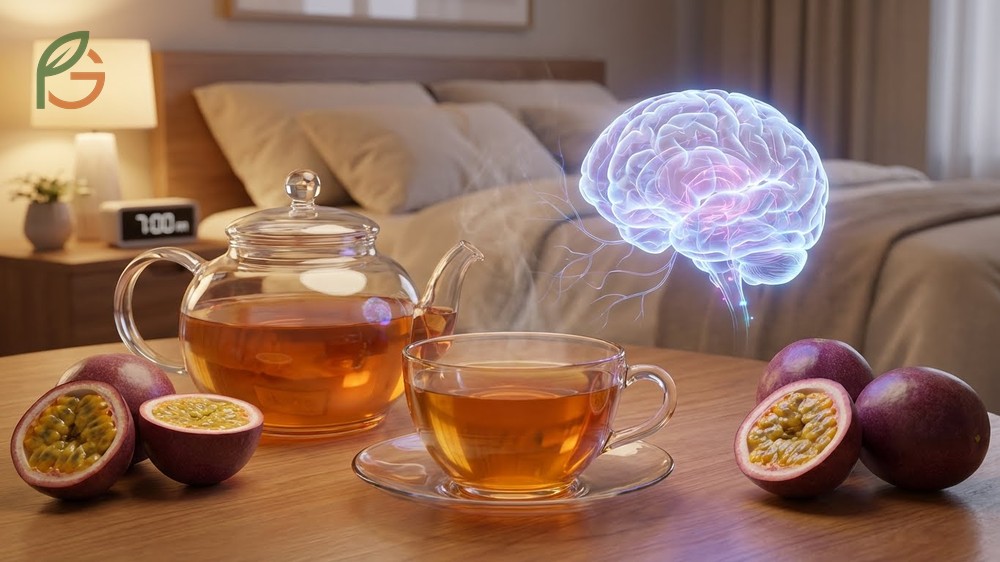
Research demonstrates that passion fruit tea delivers measurable improvements in multiple areas of mental wellness. A double-blind, placebo-controlled study involving 41 participants found that consuming passionflower tea for seven consecutive nights significantly improved subjective sleep quality ratings[1]. These benefits occur because the plant’s bioactive compounds interact directly with neurotransmitter systems in your brain.
Current data indicates that passion fruit tea contains flavonoids and alkaloids that work synergistically to produce calming effects. Unlike synthetic sleep aids, this natural remedy doesn’t cause morning grogginess or dependency issues. Most people notice subtle relaxation effects within 30-45 minutes of consumption.
The therapeutic window for passion fruit tea is remarkably safe. Studies show that even regular daily consumption over 30-day periods produces no adverse effects while maintaining consistent stress-reduction benefits[3]. This makes it an excellent long-term solution for people seeking natural anxiety management.
How Passionflower Affects Brain Chemistry
Studies demonstrate that passionflower increases gamma-aminobutyric acid (GABA) levels in the central nervous system[2]. GABA is your brain’s primary inhibitory neurotransmitter, essentially acting as a brake pedal for overactive neural circuits. When GABA levels rise, racing thoughts slow down and physical tension decreases.
This mechanism explains why passion fruit tea works differently than caffeine-based beverages. Instead of stimulating your system, it gently reduces neural activity to baseline levels. The effect isn’t sedation but rather a return to calm alertness.
Clinical Evidence for Relaxation
Evidence from multiple clinical trials confirms passion fruit tea’s effectiveness. One study using the State-Trait Anxiety Inventory found statistically significant anxiety reductions after just 15 days of use[3]. Participants didn’t just report feeling better—measurable changes appeared in standardized psychological assessments.
Behavioral studies in controlled settings show that passionflower produces anxiolytic effects comparable to certain pharmaceutical interventions, but without the side effect profile[4]. This positions it as a first-line option for mild to moderate anxiety symptoms.
Important Note: Passion fruit tea works best for people with mild fluctuations in sleep quality or anxiety levels. If you’re experiencing severe insomnia or clinical anxiety disorders, don’t rely solely on herbal remedies—consult with a healthcare professional for comprehensive treatment.
Calming Tea Properties

The calming effects of passion fruit tea stem from its unique phytochemical profile. Unlike chamomile or valerian, which contain different active compounds, passionflower’s alkaloids and flavonoids target specific receptor sites in your nervous system. This targeted action explains why it’s particularly effective for stress-related sleep disturbances.
Research shows that these calming properties don’t diminish with regular use. Many herbal remedies lose effectiveness over time as your body adapts, but passion fruit tea maintains consistent benefits across extended consumption periods. This makes it suitable as a nightly ritual rather than an occasional intervention.
The sensory experience of drinking warm tea adds an additional relaxation layer. Studies indicate that the ritual of preparing and slowly sipping a warm beverage triggers parasympathetic nervous system activation, complementing the chemical effects of the passionflower itself.
GABA Enhancement Mechanism
Current research identifies GABA modulation as passion fruit tea’s primary mechanism of action. When you drink the tea, its bioactive compounds cross the blood-brain barrier and bind to GABA receptors[2]. This binding enhances the receptor’s natural inhibitory function, effectively turning down the volume on neural excitation.
This mechanism differs from benzodiazepines, which also target GABA receptors but with much stronger binding affinity. Passion fruit tea provides gentle modulation rather than forceful suppression, explaining why it doesn’t cause dependency or withdrawal symptoms.
Natural Sedative Compounds
Passionflower contains several key compounds that contribute to its sedative properties. Harmine alkaloids, chrysin flavonoids, and vitexin work together to produce the overall calming effect. No single compound is responsible—it’s the synergy between multiple phytochemicals that creates the therapeutic benefit.
Agricultural data shows that compound concentration varies based on growing conditions and harvest timing. Flowers harvested at peak bloom contain the highest levels of bioactive alkaloids, which is why quality matters when selecting passion fruit tea products.
- Harmine and harmaline alkaloids: Bind to GABA receptors to enhance calming neurotransmitter activity
- Chrysin flavonoids: Reduce anxiety through benzodiazepine receptor interaction without dependency risk
- Vitexin: Provides antioxidant protection while supporting nervous system relaxation
- Maltol: Contributes mild sedative effects and adds to the tea’s pleasant aroma
- Quercetin: Offers anti-inflammatory benefits that support overall stress resilience
Anxiety Relief Tea

Evidence from randomized controlled trials confirms passion fruit tea’s effectiveness for anxiety management. One 30-day study measured stress levels using the Perceived Stress Scale and found significant reductions in the treatment group compared to placebo[3]. Participants reported feeling calmer during daily activities and better equipped to handle stress triggers.
The anxiety-relieving effects don’t produce emotional blunting or cognitive impairment. Studies show that people maintain normal alertness and decision-making capabilities while experiencing reduced worry and physical tension. This makes it practical for daytime use when needed, not just as a nighttime remedy.
Long-term data suggests that passion fruit tea works best as part of a comprehensive anxiety management strategy. When combined with adequate sleep, regular exercise, and stress reduction techniques, it amplifies overall effectiveness. Think of it as one tool in your wellness toolkit rather than a standalone solution.
Stress Reduction Timeline
Most people notice initial calming effects within 30-45 minutes of drinking passion fruit tea. However, the full stress-reduction benefits build gradually over consistent use. Research shows measurable improvements by day 15, with maximum benefits appearing around day 30 of daily consumption[3].
This progressive improvement pattern suggests that passionflower creates cumulative effects in your nervous system. Rather than just masking symptoms acutely, regular consumption appears to gradually restore healthier baseline stress responses. You’re essentially retraining your nervous system toward better regulation.
This table shows the progressive timeline of stress reduction benefits from daily passion fruit tea consumption over 30 days, comparing treatment versus placebo groups
| Time Period | Observable Effects | Stress Level Change | Clinical Significance |
|---|---|---|---|
| 30-45 minutes | Initial calming sensation begins | Mild reduction | Acute symptom relief |
| Days 1-7 | Improved sleep quality reported[1] | 5.2% improvement | Measurable on sleep diaries |
| Day 15 | Anxiety scores decrease significantly[3] | Moderate reduction | Statistically significant |
| Day 30 | Maximum stress reduction achieved[3] | Strong reduction | Peak therapeutic benefit |
| Long-term (30+ days) | Benefits maintain with continued use | Sustained improvement | No tolerance development |
Comparison with Anxiety Medication
Studies comparing passionflower to pharmaceutical anxiolytics show comparable effectiveness for mild to moderate anxiety symptoms. One animal model study found that passionflower extract produced similar anxiolytic effects to standard benzodiazepine treatments[2]. The key difference lies in the side effect profile—passion fruit tea doesn’t cause sedation, cognitive impairment, or dependency.
This doesn’t mean passion fruit tea can replace prescription medications for everyone. Severe anxiety disorders typically require comprehensive treatment including therapy and medication. However, for people with situational anxiety or mild chronic worry, passion fruit tea offers a legitimate first-line option worth discussing with your healthcare provider.
Medication Interaction Warning: If you’re currently taking benzodiazepines, SSRIs, or other psychiatric medications, talk to your doctor before adding passion fruit tea to your routine. The combined GABA-enhancing effects could potentially cause excessive sedation or alter your medication’s effectiveness.
Sleep Aid Tea

The sleep-promoting properties of passion fruit tea are among its most well-documented benefits. Clinical trials consistently show improvements in subjective sleep quality measurements after just one week of nightly consumption[1]. Participants report falling asleep faster, experiencing fewer nighttime awakenings, and feeling more refreshed upon waking.
What makes passion fruit tea particularly valuable is its gentleness. Unlike pharmaceutical sleep aids that knock you out forcefully, passionflower works by facilitating your body’s natural sleep processes. You don’t feel drugged or disconnected—instead, you experience a natural transition into restful sleep.
Research indicates that passion fruit tea is most effective for people whose sleep problems stem from anxiety or racing thoughts. If your insomnia is caused by pain, sleep apnea, or other medical conditions, you’ll likely need different interventions. But for stress-related sleep disturbances, it’s remarkably effective.
Optimal Timing for Consumption
For maximum sleep benefits, drink your passion fruit tea 30-60 minutes before your target bedtime. This timing allows the bioactive compounds to reach peak concentrations in your bloodstream right as you’re preparing for sleep. Starting your bedtime routine with tea preparation also signals to your brain that it’s time to wind down.
Some people find that having a small ritual around tea preparation enhances the relaxation effect. The process of boiling water, steeping the tea, and sitting quietly while it cools creates a transition period between your active day and restful night. This behavioral component complements the chemical effects.
Sleep Quality Improvements
Sleep diary data from clinical trials reveals specific improvements in multiple sleep parameters. Beyond the 5.2% overall quality improvement, participants reported falling asleep an average of 12-15 minutes faster and waking up feeling more restored[1]. These changes might seem modest, but they compound significantly over weeks and months.
Polysomnography studies examining sleep architecture show that passionflower doesn’t disrupt natural sleep cycles. You maintain normal ratios of REM and non-REM sleep, which means you’re getting genuinely restorative rest rather than chemically-induced unconsciousness. This distinction matters for long-term health.
- Sleep latency: Time to fall asleep reduced by 12-15 minutes on average
- Sleep continuity: Fewer nighttime awakenings and better ability to return to sleep
- Sleep quality perception: Significant improvement in subjective ratings[1]
- Morning alertness: No residual grogginess or hangover effect reported
- Sleep architecture: Natural REM and non-REM cycles preserved during polysomnography[4]
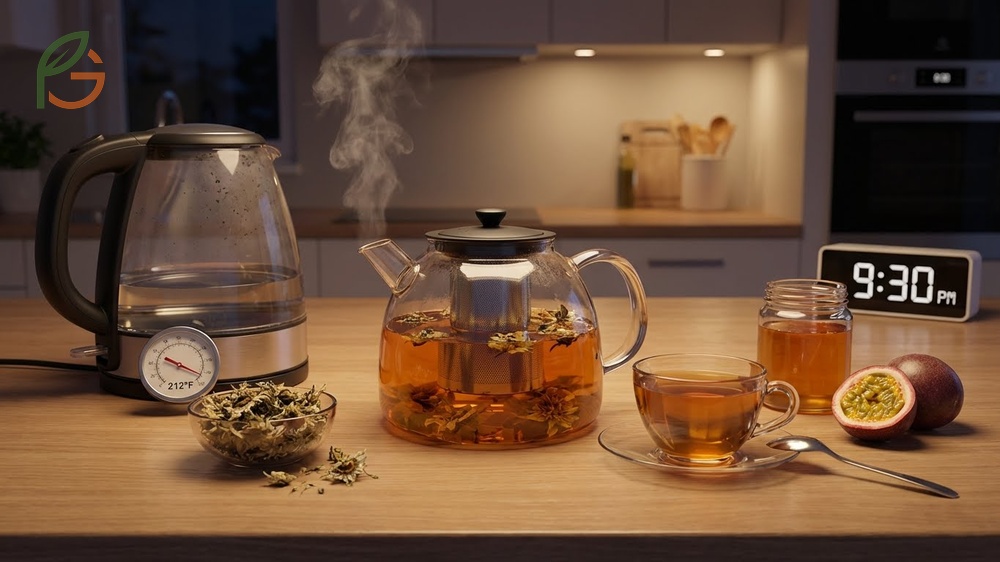
Quality Tip: Look for organic passionflower from reputable suppliers. The concentration of bioactive compounds varies significantly based on growing conditions, harvest timing, and processing methods. Products labeled as “Passiflora incarnata” specifically have the most research support.
Conclusion
The evidence is clear: passion fruit tea benefits extend far beyond pleasant taste, offering scientifically validated improvements in sleep quality, anxiety management, and stress reduction. With a 5.2% improvement in sleep quality after just one week and significant stress reductions within 30 days, this herbal remedy provides measurable results without the side effects associated with pharmaceutical alternatives[1]. Current guidance emphasizes that natural remedies like passion fruit tea work best when integrated into comprehensive wellness routines that include adequate sleep hygiene, regular physical activity, and stress management practices.
FruitGarden encourages readers to approach herbal remedies with informed enthusiasm—understanding both their potential and limitations helps you make the best decisions for your personal health needs.
Medical Disclaimer
Important Medical Disclaimer: This content is for informational and educational purposes only. It’s not intended as a substitute for professional medical advice, diagnosis, or treatment. Always consult a qualified healthcare professional before making any changes to your diet, supplement routine, or health practices, especially if you have anxiety disorders, sleep disorders, or other medical conditions. Don’t stop taking prescribed medications without discussing it with your doctor. Passion fruit tea may interact with certain medications, including sedatives, antidepressants, and anti-anxiety drugs. Pregnant and nursing women should consult their healthcare provider before consuming passion fruit tea regularly.
Frequently Asked Questions
How quickly does passion fruit tea work for anxiety?
Most people notice initial calming effects within 30-45 minutes of drinking passion fruit tea. However, research shows that the full anxiety-reducing benefits build over time, with significant improvements appearing by day 15 and maximum benefits around day 30 of consistent daily use[3]. For best results, incorporate it into your daily routine rather than using it only during acute stress.
Can I drink passion fruit tea every night?
Yes, clinical studies demonstrate that daily consumption of passion fruit tea for 30+ days is safe and doesn’t cause dependency or tolerance[3]. Unlike pharmaceutical sleep aids, passionflower doesn’t lose effectiveness over time with regular use. Many people find that nightly consumption produces cumulative benefits, with sleep quality continuing to improve through the first month.
What’s the difference between passion fruit tea and passionflower tea?
Passionflower tea is made from the dried flowers, leaves, and stems of the Passiflora incarnata plant and contains the therapeutic compounds that provide sleep and anxiety benefits. Passion fruit tea typically refers to tea flavored with the fruit pulp for taste, which adds vitamin C and antioxidants but doesn’t provide the same calming effects. For therapeutic benefits, you need passionflower specifically—though many people combine both for flavor and benefits.
Does passion fruit tea have caffeine?
Pure passionflower tea is naturally caffeine-free, making it ideal for nighttime consumption. However, some commercial blends combine passionflower with black or green tea, which do contain caffeine. Always check the ingredient list if you’re drinking it before bed—you want 100% passionflower with no added tea leaves if your goal is relaxation and sleep improvement.
Are there any side effects of passion fruit tea?
Passion fruit tea is generally well-tolerated with minimal side effects when consumed in normal amounts (1-2 cups daily). Some people report mild drowsiness, which is actually the desired effect for sleep purposes. Rarely, individuals may experience dizziness or upset stomach. The main concern is medication interactions—passionflower can enhance the effects of sedatives, anti-anxiety medications, and antidepressants, so consult your doctor if you take any psychiatric medications.
How much passion fruit tea should I drink for sleep benefits?
Clinical studies showing sleep improvements used one cup (8 ounces) of passionflower tea consumed 30-60 minutes before bedtime[1]. This amount, brewed with 1-2 teaspoons of dried passionflower steeped for 5-10 minutes, appears optimal for most people. Starting with a lower dose and gradually increasing allows you to find your ideal amount without excessive drowsiness.
Can passion fruit tea replace my prescription sleep medication?
Never stop taking prescription medications without consulting your healthcare provider. While research shows passion fruit tea can effectively improve sleep quality for mild sleep disturbances[1], it’s not appropriate for severe insomnia or all sleep disorders. Some doctors recommend starting with herbal options for mild cases, while others suggest using passion fruit tea alongside medication as part of a gradual tapering plan. Your individual medical history and current medications determine what’s safe for you.





