
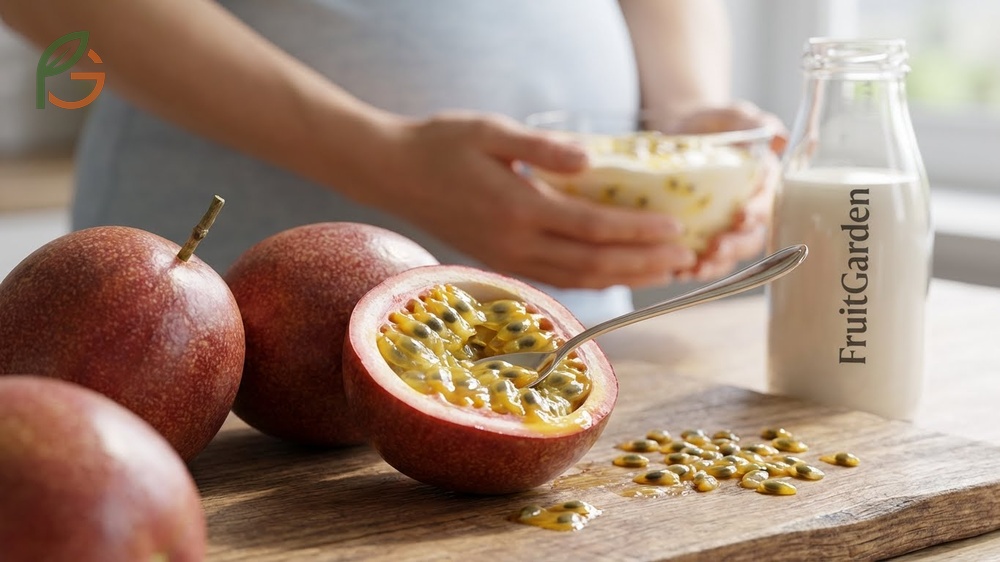
Are passion fruit seeds edible? Yes, they’re completely safe to eat and packed with nutrition. Research shows passion fruit seeds contain 2g protein, 1g fiber, and heart-healthy fats per tablespoon[1], making them a valuable addition to your diet. FruitGarden synthesizes current nutritional research and agricultural data to help you understand which parts of tropical fruits deliver the most health benefits.
Quick Answer
- Passion fruit seeds are 100% edible and contain 24.5g fiber per cup[1]
- Seeds provide 65% linoleic acid[2], a heart-healthy omega-6 fatty acid
- Safe during pregnancy with folate and vitamin C for fetal development[3]
- Low glycemic index of 11-19 makes passion fruit seeds diabetes-friendly[4]
Passion Fruit Seeds Are Edible
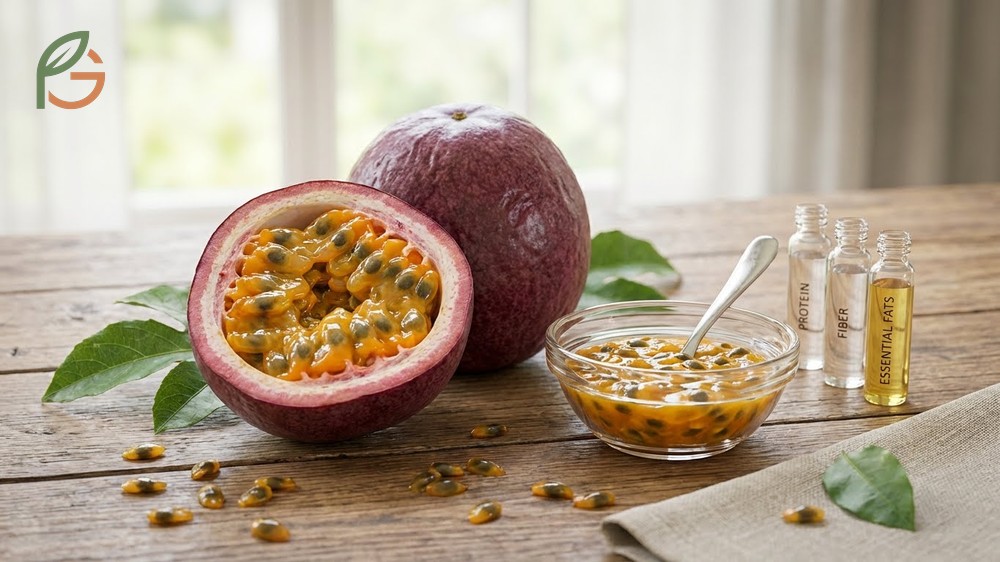
Passion fruit seeds are completely safe to consume and deliver substantial nutritional benefits. Studies demonstrate that these black, crunchy seeds contain valuable nutrients including protein, fiber, and essential fatty acids[1]. Unlike some fruit seeds that require removal, passion fruit seeds enhance both the texture and nutritional profile of the fruit.
Current nutritional data shows one tablespoon of passion fruit seeds provides 2g protein, 1g fiber, and 1g fat[1]. The fat content consists primarily of heart-healthy polyunsaturated fats. Most people find the seeds add a pleasant crunch to smoothies, yogurt, and desserts.
Research indicates passion fruit seeds are rich in linoleic acid, comprising 65% of their fatty acid profile[2]. This omega-6 fatty acid supports cardiovascular health when consumed as part of a balanced diet. The seeds also contain pectin, a soluble fiber that aids digestion.
Nutritional Value of Passion Fruit Seeds
The nutritional composition of passion fruit with seeds makes it a superfood for health-conscious individuals. One cup of purple passion fruit contains 229 calories, 24.5g fiber, 5.2g protein, and only 1.7g fat[1]. This fiber content represents 88% of your daily value, making it one of the highest-fiber fruits available.
Vitamin content in passion fruit seeds and pulp is equally impressive. You’ll get 9% of daily vitamin C and 8% of vitamin A from a single fruit[1]. The seeds contribute to this nutritional density while adding a satisfying texture that many people prefer over seedless varieties.
Important Note: Don’t strain out passion fruit seeds when making juices or smoothies. You’ll lose most of the fiber and protein benefits that make this fruit so nutritious.
Crunchy Texture and Taste
Passion fruit seeds deliver a distinctive crunch that contrasts beautifully with the soft, gelatinous pulp. The seeds themselves have a mild, slightly bitter taste that balances the fruit’s intense sweetness. This textural combination is what makes passion fruit unique among tropical fruits.
Evidence suggests the crunchy seeds enhance satiety compared to consuming only the pulp. The fiber in the seeds slows digestion, helping you feel fuller longer. Many chefs prize this quality when designing desserts or breakfast dishes that need sustained energy release.
Passion Fruit Is Good for Pregnancy
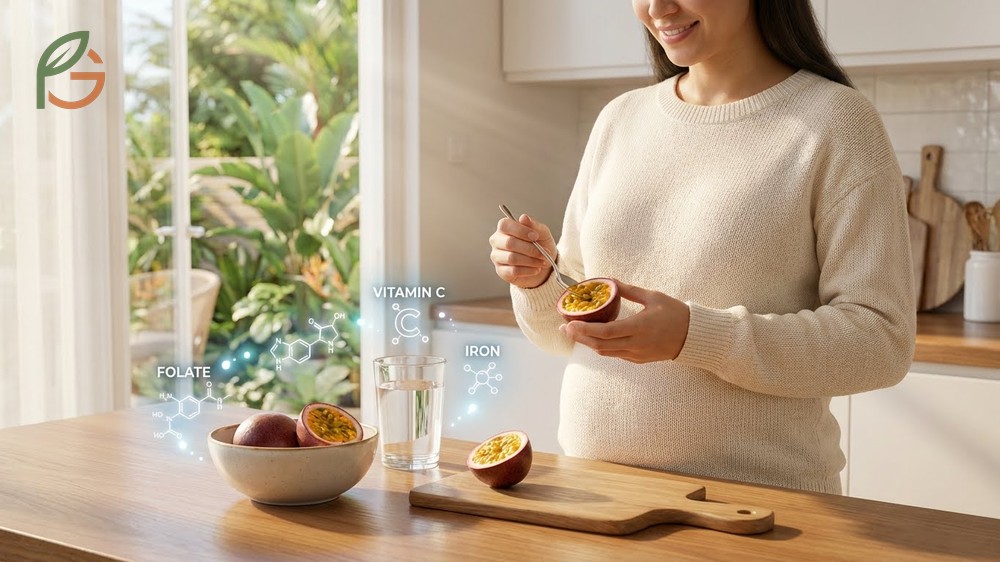
Passion fruit is safe during pregnancy and offers multiple benefits for both mother and developing baby. Research shows this tropical fruit provides essential nutrients including folate, vitamin C, and iron that support healthy fetal development[3]. The antioxidants and minerals in passion fruit seeds contribute to these pregnancy benefits.
Current guidance emphasizes the importance of fiber during pregnancy to prevent constipation, a common complaint among pregnant women. With 24.5g fiber per cup[1], passion fruit with seeds helps maintain digestive health throughout pregnancy. The natural sugars provide energy without the blood sugar spikes associated with processed sweets.
Studies demonstrate that the vitamin C content in passion fruit enhances iron absorption, addressing two nutritional needs simultaneously. Most pregnant women need 1.6mg iron per 100g serving[3], which passion fruit helps deliver. This combination makes passion fruit seeds particularly valuable during the second and third trimesters when iron requirements increase.
Folate for Fetal Development
Folate is critical during early pregnancy to prevent neural tube defects in developing babies. Agricultural data shows passion fruit ranks high in vitamin B9 content, providing essential folate that works alongside prenatal vitamins. The seeds don’t interfere with folate absorption and may enhance it through improved gut health.
Evidence indicates that natural food sources of folate are more easily absorbed than synthetic supplements alone. Combining passion fruit with other folate-rich foods creates a nutritional foundation for healthy pregnancy outcomes. The fiber in passion fruit seeds also supports the gut bacteria that help synthesize additional B vitamins.
Iron and Immune Support
Pregnant women face increased blood volume that requires additional iron intake. Passion fruit seeds contain iron alongside vitamin C, creating optimal conditions for iron absorption in the digestive tract. This natural pairing is more effective than consuming iron supplements alone.
The immune-boosting properties of passion fruit become especially important during pregnancy when immune systems naturally weaken. The antioxidants in both the pulp and seeds help protect against oxidative stress. Research shows regular consumption supports overall maternal health and reduces the risk of pregnancy complications.
Pregnancy Tip: If you have gestational diabetes, consult your healthcare provider before adding passion fruit to your diet. The natural sugars are lower than many fruits, but portion control matters.
Passion Fruit Seeds Are Good for You
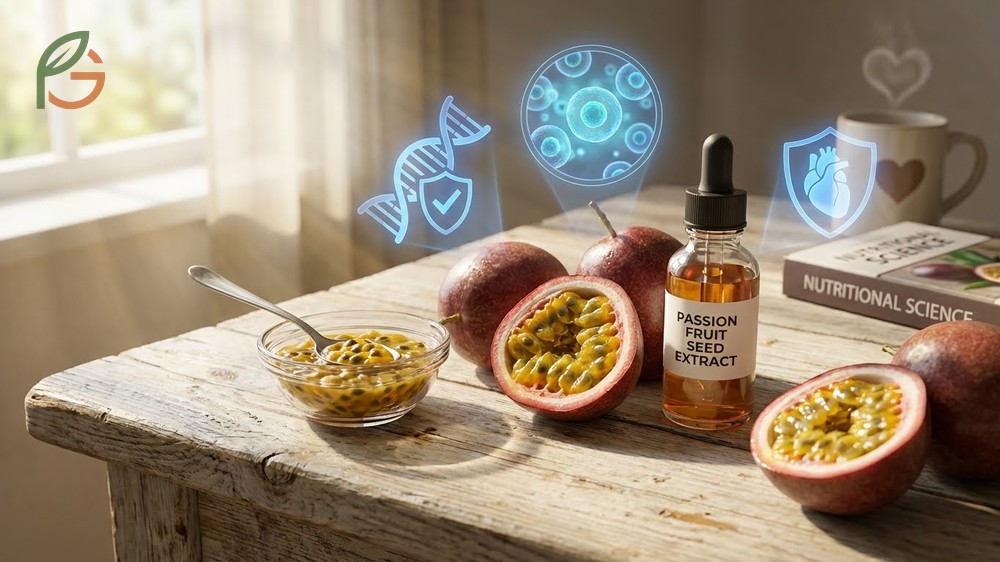
Passion fruit seeds deliver comprehensive health benefits that extend beyond basic nutrition. Research shows the antioxidant content in passion fruit ranks among the highest of all tropical fruits, with polyphenols reaching 286.60 mg gallic acid equivalent per 100g[2]. These compounds protect cells from damage and may reduce inflammation throughout the body.
Current data indicates passion fruit seeds support cardiovascular health through multiple mechanisms. The potassium content of 228-348mg per 100g[5] helps regulate blood pressure, while the fiber reduces cholesterol absorption. The linoleic acid in the seeds contributes to healthy cell membrane function.
Studies demonstrate that the fiber content promotes beneficial gut bacteria growth. This prebiotic effect supports digestive health, immune function, and even mental well-being through the gut-brain connection. Most people notice improved regularity within days of adding passion fruit seeds to their regular diet.
Evidence suggests the low sodium content makes passion fruit seeds suitable for heart-healthy eating patterns. Combined with the fruit’s natural sweetness, you can satisfy cravings without consuming processed foods high in salt and unhealthy fats. The seeds add satisfying crunch that helps with portion control.
- Heart Health: Linoleic acid and potassium support cardiovascular function and blood pressure regulation
- Digestive Wellness: High fiber content promotes regular bowel movements and feeds beneficial gut bacteria
- Immune Support: Vitamin C and antioxidants strengthen immune response and reduce oxidative stress
- Weight Management: Low calorie density with high fiber helps control appetite and reduce overall calorie intake
- Skin Health: Antioxidants and vitamin A support collagen production and protect against UV damage
- Eye Protection: Vitamin A content supports retinal health and may reduce age-related vision decline
Passion Fruit Is Good for Diabetes
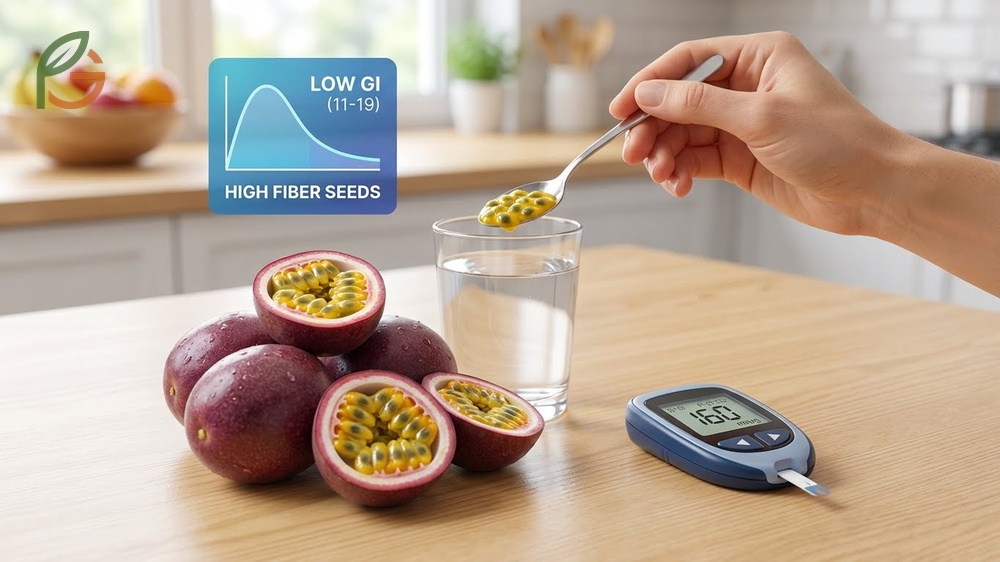
Passion fruit seeds are an excellent choice for people managing diabetes due to the fruit’s exceptionally low glycemic index. Research shows passion fruit ranks between 11-19 on the glycemic index[4], meaning it causes minimal blood sugar spikes compared to most fruits. This makes it one of the safest fruit options for diabetic individuals.
The high fiber content in passion fruit seeds plays a crucial role in blood sugar management. Studies demonstrate that 5.4g fiber per 18g fruit[4] slows the digestion and absorption of sugars into the bloodstream. This creates a steady energy release rather than the rapid spikes and crashes associated with high-glycemic foods.
Current data indicates that regular passion fruit consumption may improve insulin sensitivity over time. The seeds contribute to this effect through their fiber and healthy fat content, which help regulate glucose metabolism. Most diabetic individuals can safely enjoy passion fruit seeds as part of a balanced meal plan.
Evidence suggests timing matters when consuming passion fruit for diabetes management. Eating the fruit with seeds as part of a meal that includes protein and healthy fats further moderates blood sugar response. The seeds’ crunchy texture also slows eating speed, giving your body time to register fullness.
Diabetes Management: While passion fruit has a low glycemic index, portion control remains important. Stick to one medium fruit (about 18g) per serving and monitor your blood sugar response.
This table compares glycemic index values, fiber content per serving, and blood sugar impact recommendations for passion fruit versus other common fruits consumed by people with diabetes
| Fruit | Glycemic Index | Fiber per Serving | Recommendation |
|---|---|---|---|
| Passion Fruit (with seeds) | 11-19[4] | 5.4g[4] | Excellent choice |
| Banana | 42-62 | 3.1g | Moderate portions |
| Watermelon | 72-80 | 0.4g | Small portions only |
| Apple (with skin) | 36-40 | 4.4g | Good choice |
| Orange | 40-45 | 3.1g | Good choice |
Fiber in Passion Fruit Seeds
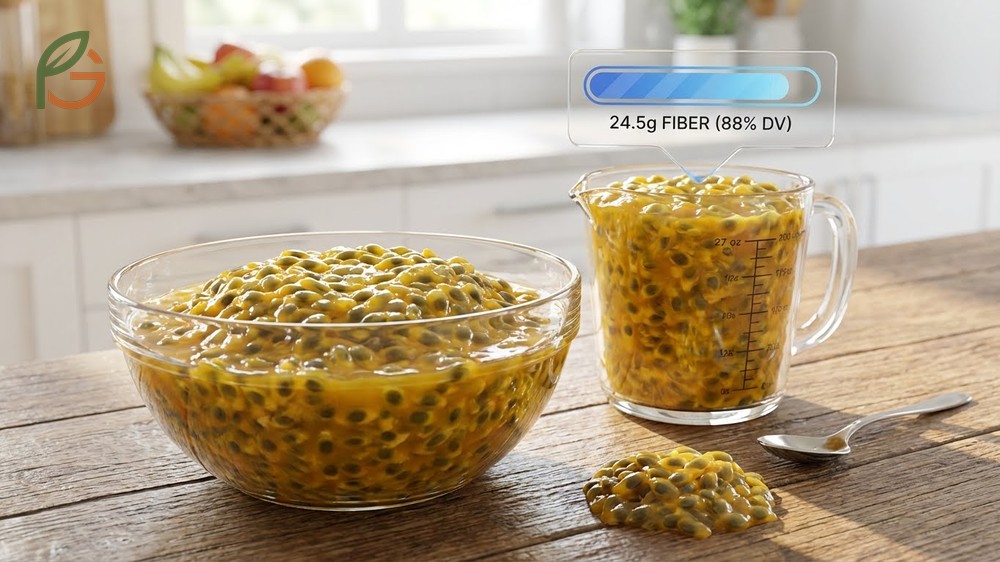
The fiber content in passion fruit seeds is remarkable compared to other fruits and vegetables. Research shows one cup of passion fruit with seeds delivers 24.5g fiber, representing 88% of your daily recommended intake[1]. This makes it one of the most concentrated sources of dietary fiber available in whole foods.
The seeds contain both soluble and insoluble fiber types, each serving different digestive functions. Soluble fiber, including pectin, forms a gel-like substance that slows digestion and helps regulate blood sugar and cholesterol levels[2]. Insoluble fiber adds bulk to stool and promotes regular bowel movements.
Current data indicates that the fiber in passion fruit seeds supports weight management by increasing satiety. Studies demonstrate that high-fiber foods help you feel fuller on fewer calories, making it easier to maintain a healthy weight. The seeds’ crunchy texture further enhances this satiety effect through increased chewing time.
Evidence suggests that consuming fiber-rich foods like passion fruit seeds may reduce the risk of colon cancer, heart disease, and type 2 diabetes. The beneficial bacteria in your gut ferment the fiber, producing short-chain fatty acids that protect intestinal cells. Most Americans consume only 15g fiber daily, making passion fruit seeds a valuable addition to bridge this nutritional gap.
- Digestive Regularity: Prevents constipation and promotes daily bowel movements without laxatives
- Blood Sugar Control: Slows glucose absorption, preventing spikes after meals
- Cholesterol Reduction: Binds to cholesterol in the digestive tract and removes it from the body
- Weight Management: Increases fullness signals and reduces overall calorie consumption
- Gut Health: Feeds beneficial bacteria that support immune function and nutrient absorption
Magnesium in Passion Fruit Seeds
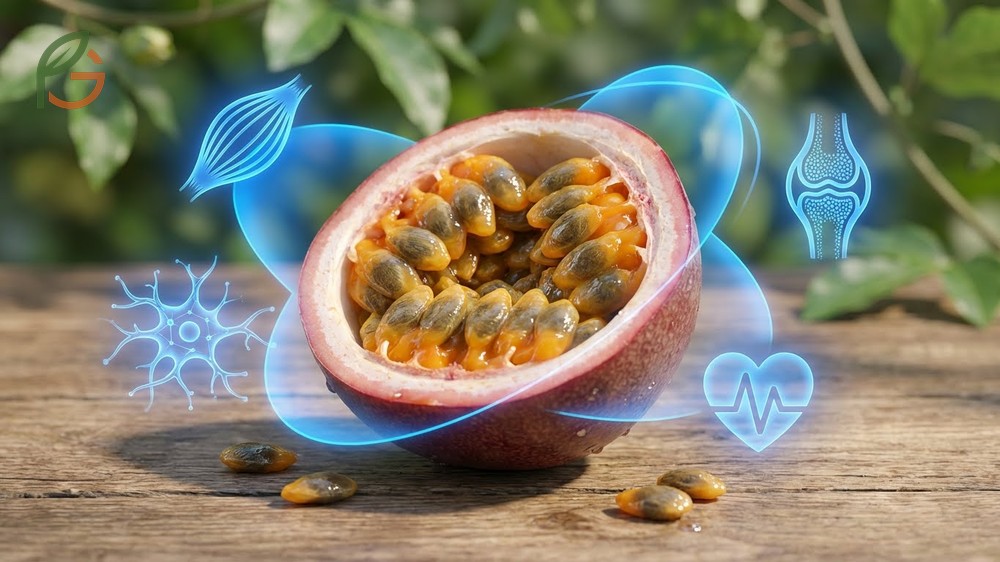
Passion fruit seeds contain valuable magnesium that supports hundreds of biochemical reactions in your body. Research shows passion fruit pulp and seeds provide 10mg magnesium per 100g[5], contributing to your daily mineral requirements. This mineral is essential for muscle function, nerve signaling, and bone health.
Studies demonstrate that magnesium plays a crucial role in blood pressure regulation and cardiovascular health. The magnesium in passion fruit seeds works synergistically with potassium to maintain healthy blood pressure levels. Most people don’t consume enough magnesium from their diet, making every natural source valuable.
Current data indicates magnesium deficiency affects nearly 50% of Americans, leading to symptoms like muscle cramps, fatigue, and irregular heartbeat. Adding passion fruit seeds to your diet helps address this widespread nutritional gap. The seeds’ magnesium is easily absorbed when consumed with the fruit’s natural vitamin C content.
Evidence suggests adequate magnesium intake supports better sleep quality through its role in neurotransmitter regulation. The seeds also provide this mineral in a form that’s gentle on the digestive system, unlike some magnesium supplements that can cause discomfort. Many people find that regular consumption of magnesium-rich foods improves their overall energy levels.
Magnesium Absorption: Don’t consume passion fruit seeds with calcium-rich dairy at the same meal. Calcium can compete with magnesium for absorption. Space these foods at least 2 hours apart for optimal mineral uptake.
Smoothie Recipes with Passion Fruit Seeds
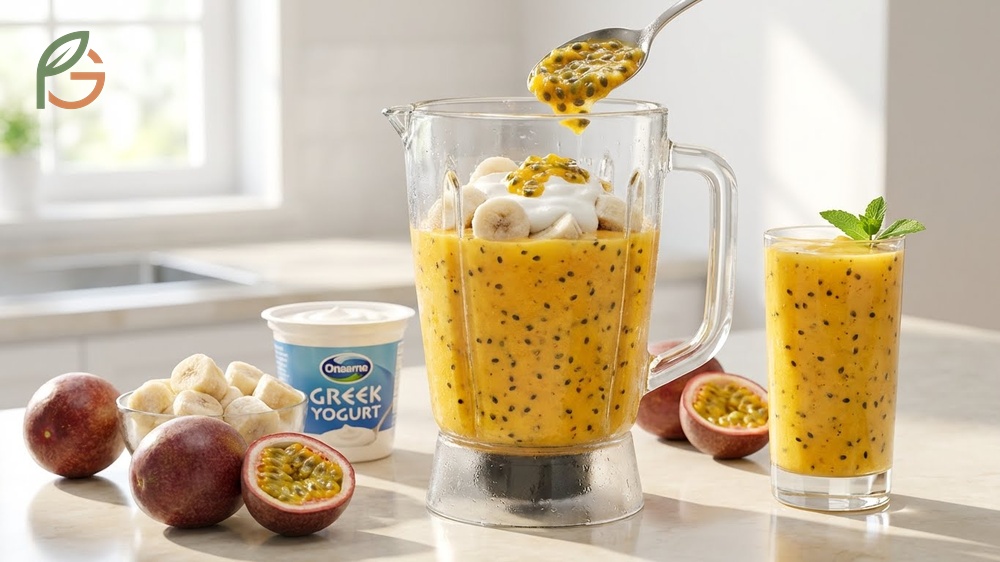
Passion fruit seeds add nutrition and texture to smoothies without requiring any special preparation. Simply scoop the pulp and seeds directly into your blender with other ingredients. The seeds blend partially, creating a pleasant speckled appearance and subtle crunch that makes your smoothie more satisfying.
For a tropical breakfast smoothie, combine the pulp and seeds from two passion fruits with one frozen banana, half a cup of Greek yogurt, and one cup of coconut water. This combination provides over 15g fiber and 20g protein to start your day. The banana’s creaminess balances the passion fruit’s tartness while adding natural sweetness.
A green smoothie variation works well for those seeking extra vegetables. Blend passion fruit seeds and pulp with one cup spinach, half an avocado, one tablespoon chia seeds, and one cup almond milk. The passion fruit’s intense flavor masks the spinach taste while the seeds contribute additional fiber. This recipe delivers sustained energy for 3-4 hours without blood sugar crashes.
For post-workout recovery, try a protein-rich smoothie with passion fruit seeds. Mix the pulp and seeds from three passion fruits with one scoop vanilla protein powder, one cup frozen mango, and one cup unsweetened almond milk. The natural sugars help replenish glycogen stores while the protein supports muscle recovery. The seeds’ omega-6 fats reduce post-exercise inflammation.
- Don’t Over-Blend: Pulse only 5-10 seconds to maintain seed texture and prevent bitter flavor from crushed seeds
- Freeze for Later: Scoop pulp and seeds into ice cube trays for convenient smoothie additions year-round
- Balance Tartness: Add honey or dates if the passion fruit flavor is too intense for your taste preference
- Combine with Citrus: Orange or pineapple juice enhances passion fruit’s tropical notes and adds vitamin C
- Add Healthy Fats: Include avocado, nut butter, or coconut to improve nutrient absorption from the seeds
Conclusion
The evidence is clear: passion fruit seeds are edible and deliver exceptional nutritional benefits that justify including them in your regular diet. From pregnancy support to diabetes management, these crunchy seeds provide fiber, protein, healthy fats, and essential minerals that most people need more of. Research demonstrates that consuming the whole fruit, seeds included, maximizes the health advantages this tropical treasure offers.
Current nutritional guidance emphasizes whole food sources over processed alternatives, and passion fruit seeds exemplify this principle perfectly. FruitGarden continues to analyze emerging research on tropical fruits to help you make informed decisions about which parts of each fruit deliver the most value for your specific health goals.
Medical Disclaimer
Important Medical Disclaimer: This content is for informational and educational purposes only. It is not intended as a substitute for professional medical advice, diagnosis, or treatment. Always consult a qualified healthcare professional before making any changes to your diet, especially if you’re pregnant, have diabetes, or other medical conditions. Individual nutritional needs vary, and what works for most people may not be appropriate for your specific health situation.
Frequently Asked Questions
Can You Swallow Passion Fruit Seeds Whole?
Yes, you can swallow passion fruit seeds whole without chewing them. The seeds will pass through your digestive system intact and still provide some fiber benefits. However, chewing the seeds releases more nutrients and healthy fats, making them more nutritionally valuable. Most people find the crunchy texture enjoyable and prefer to chew the seeds for better flavor.
Are Passion Fruit Seeds Hard to Digest?
Passion fruit seeds are generally easy to digest for most people due to their small size and high fiber content. The seeds contain both soluble and insoluble fiber that actually aids digestion rather than hindering it. If you’re not used to high-fiber foods, start with a small amount and gradually increase to avoid temporary bloating or gas as your digestive system adjusts.
Do Passion Fruit Seeds Have Side Effects?
Side effects from passion fruit seeds are rare but can occur in people with latex allergies due to cross-reactivity between plant proteins. Some individuals may experience mild digestive discomfort if they consume large quantities without being accustomed to high-fiber foods. Unripe passion fruit should be avoided as it can cause stomach upset, but ripe fruit with seeds is safe for most people.
How Many Passion Fruits Should You Eat Per Day?
Most people can safely consume 2-3 passion fruits per day as part of a balanced diet. This provides approximately 15-24g of fiber and significant amounts of vitamins and minerals without excessive sugar intake. People with diabetes should monitor their individual blood sugar response and may want to limit consumption to 1-2 fruits daily. Always consider passion fruit as part of your total daily fruit intake rather than an unlimited addition.
Should You Remove Passion Fruit Seeds for Babies?
Remove passion fruit seeds for babies under 12 months due to choking risk and their developing digestive systems. After one year, you can introduce small amounts of passion fruit pulp with seeds, monitoring for any allergic reactions or digestive issues. The seeds are small enough for toddlers to handle safely once they’ve mastered chewing, typically around 18-24 months. Always supervise young children when eating foods with seeds.
Can You Plant Passion Fruit Seeds After Eating Them?
Yes, you can plant fresh passion fruit seeds immediately after removing them from the fruit. Rinse the seeds thoroughly to remove pulp, then plant them about half an inch deep in moist potting soil. Seeds typically germinate within 2-4 weeks when kept at temperatures between 68-85°F (20-29°C). Fresh seeds have higher germination rates than dried seeds, so plant them as soon as possible after extraction.
What Is the Best Way to Extract Passion Fruit Seeds?
The best method is to cut the passion fruit in half and scoop out the pulp and seeds together with a spoon. There’s no need to separate seeds from pulp for eating purposes since both are edible and nutritious. If you need seeds for planting, rinse the pulp-covered seeds in a fine mesh strainer under running water, gently rubbing to remove the gelatinous coating. The cleaned seeds can then be planted or dried for storage.





