
Health benefits of passion fruit include exceptional fiber content, sleep quality improvement, and antioxidant protection. Research shows a single purple passion fruit delivers 2 grams of fiber[1] while 100 grams provides 10 grams of dietary fiber[2]—that’s 42% of your daily value. Clinical trials demonstrate that passion fruit extract significantly increases total sleep time and improves sleep efficiency to 86.61%[3] after 30 days of use. FruitGarden synthesizes current nutritional research to help you understand how this tropical fruit supports digestive health, immune function, and restorative sleep.
Quick Answer
- Delivers 10g fiber per 100g[2]—42% of daily needs for optimal digestive health
- Contains 30mg vitamin C[2] (33% DV) plus powerful polyphenol antioxidants that protect cells
- Improves sleep efficiency to 86.61%[3] and reduces time to fall asleep by 41%[3]
- Provides only 17 calories[1] per fruit with 8% DV vitamin A for vision support
Health Benefits of Passion Fruit
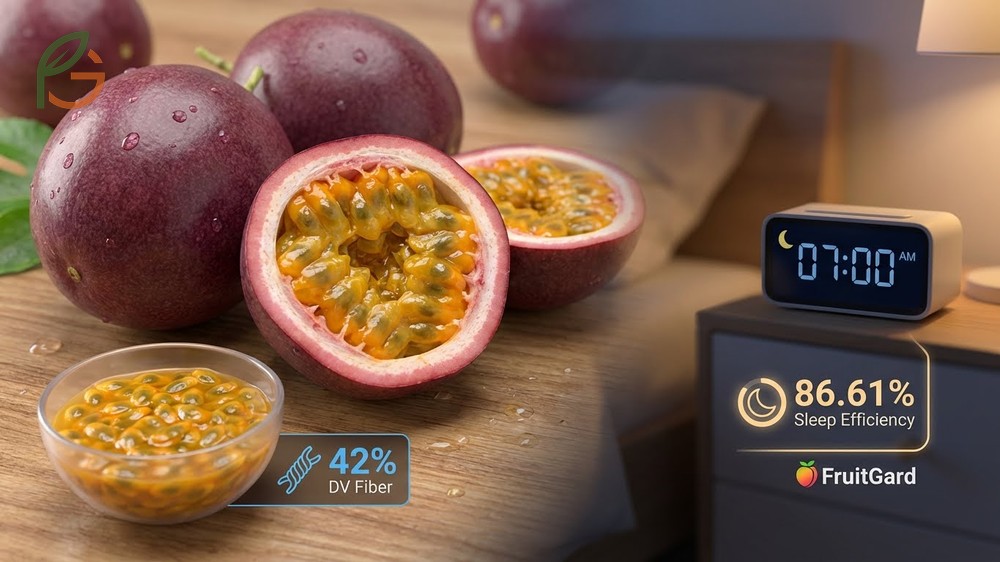
Studies demonstrate that passion fruit ranks among the most nutrient-dense tropical fruits available. Research comparing passion fruit to banana, lychee, mango, papaya, and pineapple found it contains significantly higher polyphenol concentrations[1]. These plant compounds protect your cells from oxidative damage and reduce inflammation throughout your body.
The fruit’s unique nutritional profile delivers multiple health advantages simultaneously. You’re getting substantial fiber for digestive health, vitamin C for immune function, and specialized compounds that improve sleep quality. What makes passion fruit stand out is how it packs these benefits into such a low-calorie package—just 97 calories per 100 grams.
Current data indicates passion fruit works through several biological mechanisms. The soluble fiber slows digestion and prevents blood sugar spikes, while antioxidants like beta carotene and vitamin C neutralize harmful free radicals. Meanwhile, compounds in the plant modulate neurotransmitter systems to promote relaxation and better sleep patterns.
Exceptional Fiber Content
Passion fruit delivers an impressive fiber payload relative to its size. A single small fruit contains 2 grams[1], while 100 grams provides 10 grams of dietary fiber[2]—that’s 42% of the recommended daily intake. Most Americans don’t consume enough fiber, making this fruit particularly valuable for meeting nutritional targets.
The fiber in passion fruit includes both soluble and insoluble types. Soluble fiber forms a gel-like substance in your digestive tract that slows nutrient absorption and helps stabilize blood sugar levels[1]. This mechanism explains why high-fiber diets reduce diabetes risk by preventing glucose spikes after meals.
Important Note: You’ll need to eat the seeds to get passion fruit’s full fiber benefits. The edible seeds and white membrane between the flesh and rind contain most of the dietary fiber, though the membrane tastes quite bitter.
Powerful Antioxidant Protection
Antioxidants in passion fruit work by neutralizing free radicals—unstable molecules that damage cells when present in high numbers. The fruit’s antioxidant arsenal includes vitamin C, beta carotene, and various polyphenols that provide complementary protective effects[1]. Research links these compounds to reduced risk of chronic diseases including heart disease and certain cancers.
Beta carotene deserves special attention because your body converts it into vitamin A, which supports eye health and immune function. Population studies show that diets rich in plant-based beta carotene correlate with lower rates of prostate, colon, stomach, and breast cancers[1]. A single passion fruit provides 8% of your daily vitamin A needs in this beneficial plant form.
Passion fruit seeds contain piceatannol, a resveratrol-related polyphenol that shows promise for metabolic health. Research on men with excess weight found that piceatannol supplements improved insulin sensitivity, potentially reducing type 2 diabetes risk[1]. Additional studies indicate piceatannol improves skin moisture and reduces fatigue[4].
Sleep Quality Enhancement
Clinical trials reveal significant sleep improvements from passion fruit extract. A randomized, double-blind, placebo-controlled study found that participants taking 600mg of Passiflora incarnata extract daily experienced remarkable changes[3]. After 30 days, their sleep efficiency jumped from 75.53% to 86.61%—a substantial improvement that translates to more restorative rest.
The same study documented that time to fall asleep decreased from 72.19 minutes to just 42.50 minutes[3]. That’s a 41% reduction in the time you spend lying awake. Participants also experienced fewer nighttime awakenings and reduced wake time after initially falling asleep. These effects appear to work through modulation of GABA neurotransmitter systems in the brain[5].
Research shows passion fruit extract increases slow-wave sleep—the deepest, most restorative sleep phase—while reducing REM sleep duration[5]. Beyond sleep metrics, participants reported improvements in daytime mood, work performance, concentration, and memory. None of the study participants required rescue medication like sedatives, and no adverse effects were reported.
Passion Fruit Nutrition
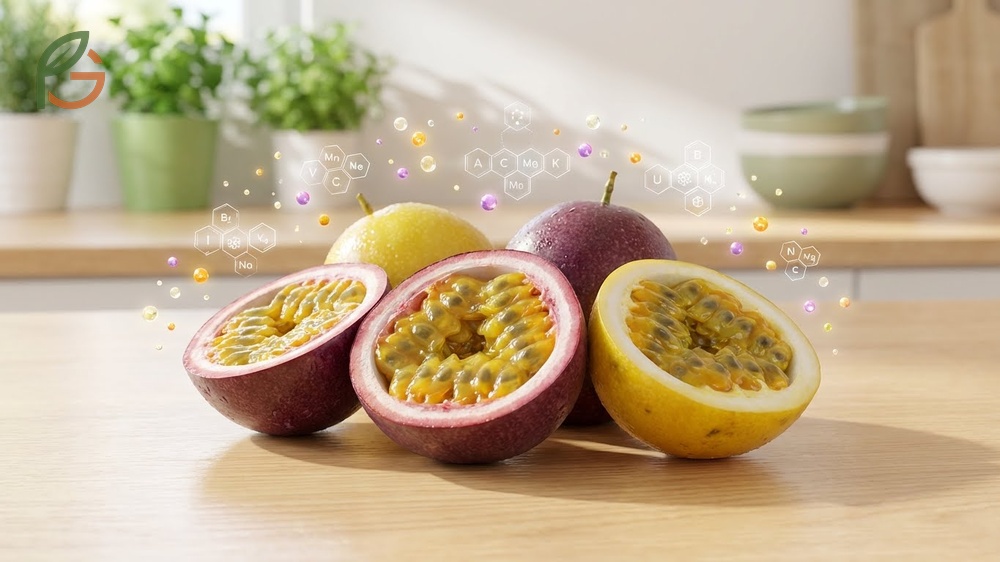
Understanding passion fruit’s nutritional breakdown helps you see why it’s considered a superfood. The fruit punches well above its weight class in terms of nutrient density. When you eat passion fruit, you’re consuming a concentrated source of vitamins, minerals, and beneficial plant compounds without taking in excessive calories or sugar.
The nutritional profile varies slightly between purple and yellow passion fruit varieties, but both deliver similar health benefits. Purple passion fruit (Passiflora edulis) tends to be smaller and more aromatic, while yellow varieties (Passiflora flavicarpa) grow larger but contain comparable nutrient levels. You can use either type to access the fiber, vitamin, and antioxidant benefits.
Vitamin and Mineral Profile
A single purple passion fruit provides 9% of your daily vitamin C requirement[1], while 100 grams delivers a full 33% of the daily value with 30 milligrams[2]. This water-soluble vitamin supports immune function, collagen synthesis, and acts as a powerful antioxidant. Your body can’t produce or store vitamin C, so you need to consume it regularly through foods like passion fruit.
The iron content deserves attention because passion fruit contains factors that enhance absorption. While plant-based iron typically isn’t absorbed well, the high vitamin C levels in passion fruit significantly improve iron uptake[1]. This makes passion fruit particularly valuable for people who don’t eat meat but need to maintain healthy iron levels.
- Vitamin C: 30mg (33% DV) – supports immune function and collagen production
- Vitamin A: 8% DV per fruit – essential for vision health and immune response
- Potassium: 348mg (10% DV) – regulates blood pressure and heart function
- Iron: 1.6mg (20% DV) – carries oxygen in blood, enhanced by vitamin C
- Magnesium: Supports muscle function, nerve transmission, and bone health
- Phosphorus: Contributes to bone formation and energy metabolism
Calorie and Macronutrient Breakdown
Passion fruit’s calorie content makes it ideal for weight management. A single fruit contains just 17 calories[1], while 100 grams provides 97 calories[2]. This low calorie density means you can eat a satisfying portion without consuming excessive energy, especially important when you’re trying to maintain or lose weight.
The macronutrient distribution favors carbohydrates, but the high fiber content moderates their impact. Most people find that passion fruit doesn’t cause the blood sugar rollercoaster associated with low-fiber fruits. The protein content sits at approximately 2.2 grams per 100 grams, while fat content remains minimal at less than 1 gram.
This table compares nutritional values between a single passion fruit and 100 grams, showing calories, fiber, vitamins, and minerals with their respective daily value percentages.
| Nutrient | Per Single Fruit (~18g) | Per 100g | % Daily Value (100g) |
|---|---|---|---|
| Calories | 17 kcal[1] | 97 kcal[2] | 5% |
| Fiber | 2g[1] | 10g[2] | 42% |
| Vitamin C | 9% DV[1] | 30mg[2] | 33% |
| Vitamin A | 8% DV[1] | 125 µg-RE | 16% |
| Iron | 2% DV[1] | 1.6mg[2] | 20% |
| Potassium | 2% DV[1] | 348mg[2] | 10% |
Digestive Health Benefits
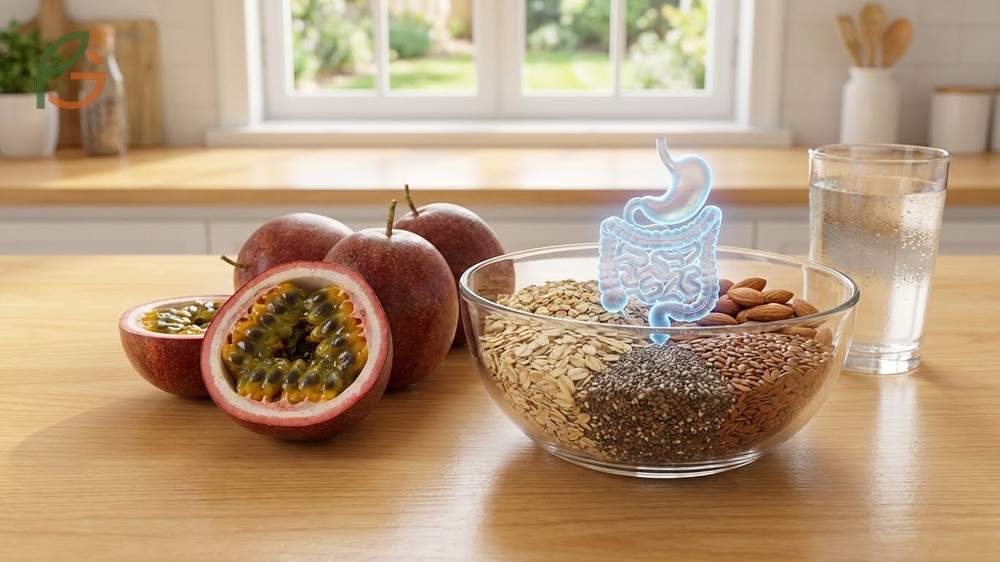
Digestive health represents one of passion fruit’s most significant contributions to overall wellness. The exceptional fiber content directly impacts gut function, regularity, and the composition of your intestinal microbiome. Evidence suggests that eating passion fruit regularly prevents constipation and improves overall digestive efficiency[6].
Most Americans consume far less fiber than recommended. The USDA dietary guidelines suggest 25-34 grams daily depending on age and gender, but average intake falls significantly short. A 100-gram serving of passion fruit provides 10 grams[2]—nearly 40% of your daily target in one modest portion.
The fiber in passion fruit also supports beneficial gut bacteria. These microorganisms ferment dietary fiber into short-chain fatty acids that nourish colon cells and reduce inflammation. A healthy gut microbiome influences everything from immune function to mood regulation, making fiber intake crucial for whole-body health.
Soluble vs. Insoluble Fiber
Passion fruit contains both soluble and insoluble fiber types, each serving distinct functions. Soluble fiber dissolves in water to form a gel-like substance that slows digestion and nutrient absorption[1]. This mechanism prevents rapid glucose spikes after meals and helps you feel full longer, supporting both blood sugar control and weight management.
Insoluble fiber adds bulk to stool and speeds its passage through the digestive tract. This type prevents constipation and reduces the time that potential toxins remain in contact with intestinal walls. The combination of both fiber types explains why passion fruit effectively promotes regular bowel movements without causing digestive discomfort.
Blood Sugar Regulation
Passion fruit’s low glycemic index makes it suitable for people managing diabetes or prediabetes. The fruit doesn’t cause steep blood sugar increases after consumption because the fiber content moderates carbohydrate absorption[6]. This gradual release provides sustained energy without the crash associated with high-GI foods.
Research demonstrates that high-fiber diets significantly reduce diabetes risk. The soluble fiber in passion fruit binds to sugar molecules, slowing their absorption into the bloodstream. This effect becomes particularly important when you’re trying to maintain stable energy levels throughout the day or prevent insulin resistance over time.
Blood Sugar Tip: For optimal blood sugar control, eat passion fruit with a protein source like Greek yogurt or nuts. This combination further slows digestion and extends the release of energy from the fruit’s carbohydrates.
Immune System Support
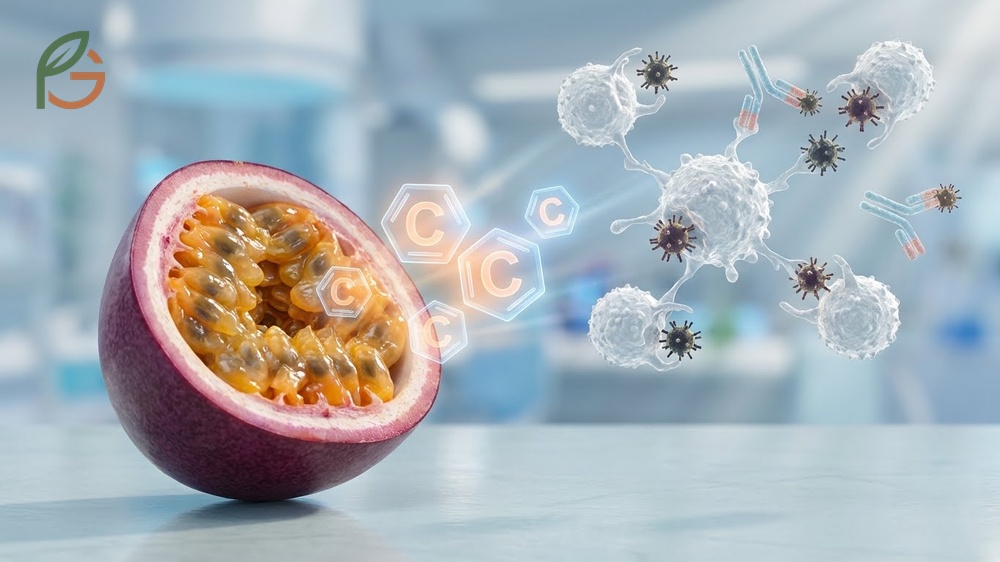
Vitamin C stands at the forefront of passion fruit’s immune-boosting properties. A 100-gram serving provides 30 milligrams[2]—that’s one-third of your daily requirement from a single fruit portion. This water-soluble vitamin supports multiple aspects of immune function including white blood cell production and antibody formation.
The antioxidants in passion fruit work synergistically to protect immune cells from oxidative damage. When your immune system fights infections, it generates free radicals as part of the inflammatory response. Antioxidants like vitamin C, beta carotene, and polyphenols neutralize these reactive molecules[1], preventing collateral damage to healthy tissue.
Beta-cryptoxanthin and alpha-carotene—both present in passion fruit—convert to vitamin A in your body. This vitamin maintains the integrity of mucous membranes in your respiratory and digestive tracts, which serve as your first line of defense against pathogens. Research links adequate vitamin A intake with reduced susceptibility to common infections.
- Vitamin C production: Stimulates white blood cell formation and enhances their pathogen-fighting ability
- Antioxidant protection: Shields immune cells from oxidative stress during inflammatory responses
- Barrier function: Vitamin A maintains healthy mucous membranes that block pathogen entry
- Anti-inflammatory effects: Polyphenols reduce chronic inflammation that weakens immune response
- Iron absorption: Enhanced iron uptake supports oxygen transport to immune cells
- Prebiotic fiber: Feeds beneficial gut bacteria that train and regulate immune function
Current data indicates that polyphenol-rich diets reduce markers of chronic inflammation. Since persistent low-grade inflammation impairs immune function and increases disease risk, the anti-inflammatory compounds in passion fruit provide both immediate and long-term protection. Regular consumption may help maintain immune resilience as you age.
Conclusion
The evidence is clear: health benefits of passion fruit extend from digestive support to sleep enhancement and immune protection. With 10 grams of fiber per 100 grams, 30 milligrams of vitamin C, and clinically-proven sleep improvements, this tropical fruit delivers measurable health outcomes. You’re getting exceptional nutritional density at just 97 calories per 100-gram serving.
Current guidance emphasizes whole food sources of fiber, antioxidants, and vitamins over supplements whenever possible. Passion fruit exemplifies this approach by providing these nutrients in a bioavailable form alongside beneficial plant compounds like polyphenols and piceatannol. Whether you’re eating the fruit fresh, adding it to smoothies, or using it in recipes, you’re accessing a powerful combination of health-promoting nutrients that work synergistically to support multiple body systems.
Medical Disclaimer
Important Medical Disclaimer: This content is for informational and educational purposes only. It is not intended as a substitute for professional medical advice, diagnosis, or treatment. Always consult a qualified healthcare professional before making any changes to your diet, supplement routine, or health practices, especially if you have diabetes, allergies, sleep disorders, or other medical conditions. If you have a latex allergy, you may be at increased risk of passion fruit allergy—discuss with your doctor before consuming.
Frequently Asked Questions
How much fiber is in one passion fruit?
A single purple passion fruit contains 2 grams of dietary fiber, while 100 grams provides 10 grams—that’s 42% of your daily fiber needs. The fiber is found primarily in the edible seeds and the white membrane between the flesh and outer rind, so you’ll need to consume these parts to access the full fiber benefits.
Does passion fruit really help you sleep better?
Yes, clinical research demonstrates that Passiflora incarnata extract significantly improves sleep quality. Studies show it increases sleep efficiency to 86.61%, reduces time to fall asleep by 41% (from 72 minutes to 42 minutes), and enhances slow-wave sleep phases. These effects work through modulation of GABA neurotransmitter systems in the brain.
Can I eat passion fruit seeds?
You should definitely eat passion fruit seeds because they contain most of the fruit’s fiber and beneficial compounds like piceatannol. The seeds are completely edible and crunchy, adding texture to the fruit. Don’t remove them—eating seeds plus flesh gives you the full nutritional benefit including the 2 grams of fiber per fruit.
Is passion fruit good for people with diabetes?
Passion fruit has a low glycemic index and doesn’t cause steep blood sugar spikes, making it a suitable option for most people with diabetes. The high fiber content (10g per 100g) slows carbohydrate absorption and helps stabilize glucose levels. However, portion size matters—consult your healthcare provider about incorporating it into your specific meal plan.
What antioxidants are in passion fruit?
Passion fruit contains multiple antioxidants including vitamin C (30mg per 100g), beta carotene (which converts to vitamin A), polyphenols, and piceatannol. Research shows it has higher polyphenol concentrations than many tropical fruits including banana, mango, and pineapple. These compounds protect cells from oxidative damage and reduce inflammation.
How many passion fruits should I eat per day?
Most people can safely eat 2-4 passion fruits daily as part of a balanced diet. This provides approximately 4-8 grams of fiber and substantial vitamin C without excessive calories (only 34-68 calories). If you’re using passion fruit extract for sleep support, clinical studies used 600mg daily—consult a healthcare professional for supplement dosing guidance.
What’s the difference between purple and yellow passion fruit?
Purple passion fruit (Passiflora edulis) is smaller, more aromatic, and slightly sweeter, while yellow passion fruit (Passiflora flavicarpa) grows larger with a more tart flavor. Both varieties provide similar nutritional benefits including fiber, vitamin C, and antioxidants. Choose based on availability and taste preference—you’ll get health benefits from either type.





