
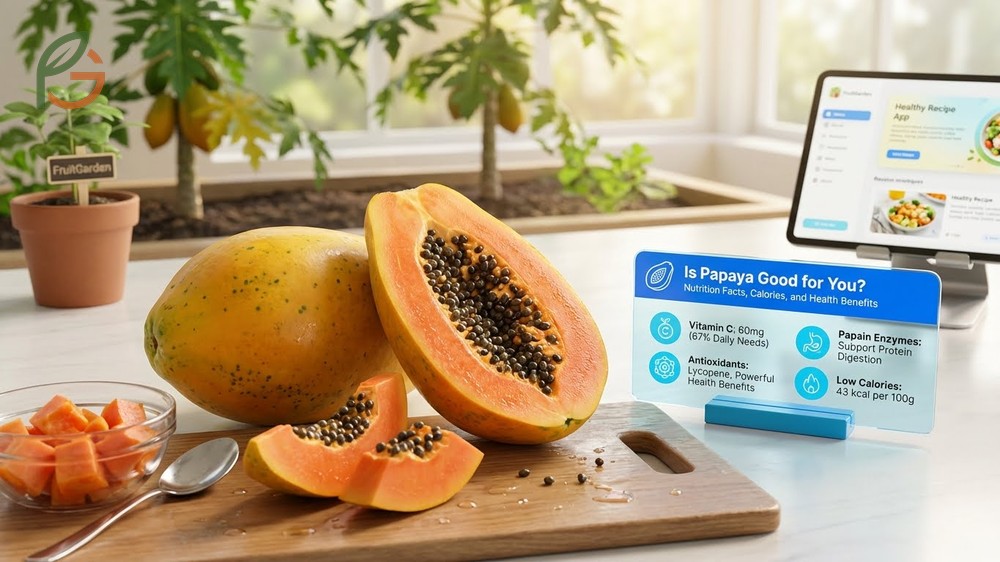
Is papaya good for you? Yes, absolutely. Research shows papaya delivers exceptional nutritional value with 60mg vitamin C per 100g (67% of your daily needs)[1], papain enzymes that support protein digestion, and powerful antioxidants like lycopene—all packed into a low-calorie fruit at just 43 calories per 100g[2]. FruitGarden synthesizes current nutritional research and agricultural data to help home gardeners and health-conscious Americans understand tropical fruits’ true benefits. What often gets overlooked is that papaya’s nutrient profile changes dramatically based on ripeness, with fully ripe fruits offering peak vitamin content and digestive benefits.
Quick Answer
- One cup (150g) provides 90mg vitamin C[1]—that’s 225% of your daily value
- Contains 2.3g fiber per 100g[1], supporting digestive health and gut microbiome balance
- Low glycemic index of 55-60 with glycemic load of just 5.5, making it diabetes-friendly in moderation
- Rich in lycopene (1.8-3.4mg per 100g[4])—comparable to tomatoes for antioxidant protection
Is Papaya Good for You
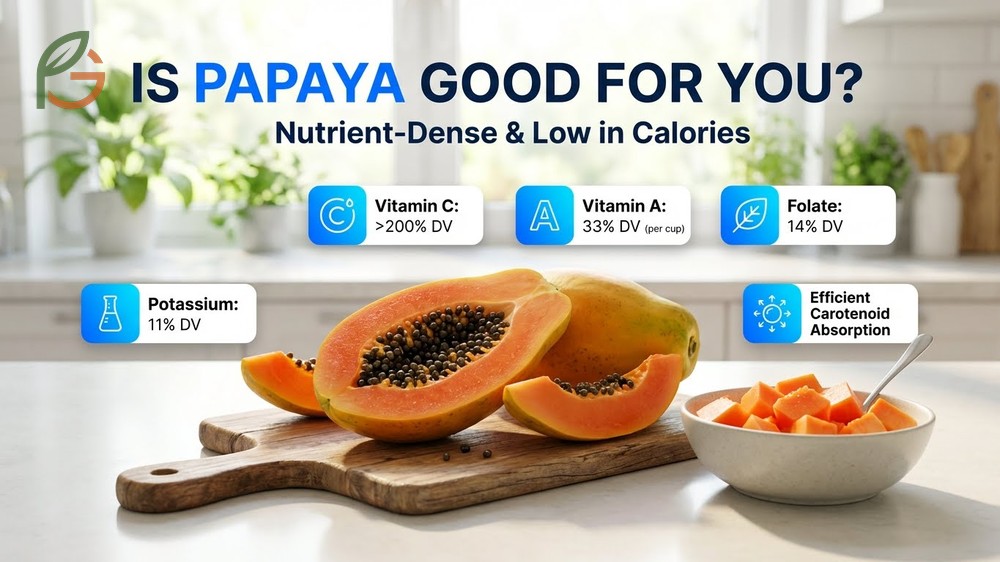
Studies demonstrate that papaya ranks among the most nutrient-dense tropical fruits available to American consumers. A single serving delivers more than double your daily vitamin C needs while remaining remarkably low in calories. The fruit’s nutritional profile includes significant amounts of vitamin A (33% DV per cup), folate (14% DV), and potassium (11% DV)[5].
Research indicates that your body absorbs carotenoid antioxidants from papaya more efficiently than from most other fruits and vegetables. This enhanced bioavailability means you’re getting maximum benefit from nutrients like beta-carotene, cryptoxanthin (1,350mcg per 100g), and lycopene[1]. These compounds work together to neutralize free radicals that can damage cells over time.
The fruit’s unique enzyme content sets it apart from typical produce options. Unlike apples or oranges, papaya contains specialized proteolytic enzymes that actively support your body’s digestive processes. This makes it particularly valuable for people who consume high-protein diets or experience occasional digestive discomfort.
Nutritional Powerhouse
Current data shows papaya provides concentrated nutrition without excess calories. At 89% water content[1], it keeps you hydrated while delivering essential vitamins and minerals. The fruit’s vitamin C content actually exceeds that of oranges gram-for-gram, making it an excellent choice for immune support.
Evidence suggests that papaya’s antioxidant combination offers unique health advantages. The fruit contains four major carotenoids—beta-carotene, cryptoxanthin, lycopene, and lutein/zeaxanthin—each serving different protective functions in your body. This diverse antioxidant profile isn’t commonly found in single food sources.
- Vitamin C: 60mg provides 67% of daily needs, supporting collagen production and immune function
- Fiber: 2.3g aids digestive health and promotes feelings of fullness
- Folate: 37mcg (28% DV) supports cell division and DNA synthesis
- Potassium: 140mg helps regulate blood pressure and fluid balance
- Vitamin A: 152mcg (30% DV) maintains eye health and immune function
- Magnesium: 14mg contributes to muscle and nerve function
Digestive Enzyme Benefits
Papain, the signature enzyme in papaya, works similarly to pepsin produced naturally in your stomach. Research shows this enzyme helps break down proteins efficiently, preventing undigested food from clogging intestinal villi[6]. This explains why tropical cultures have traditionally used papaya as a remedy for digestive complaints.
Studies on concentrated papaya preparations found that participants taking 20mL daily for 40 days reported significant improvements in constipation and bloating symptoms[5]. While these studies used supplements rather than whole fruit, the results suggest papain’s potential digestive benefits. The enzyme also stimulates production of other digestive enzymes, creating a cascade effect that improves overall gut function.
Important Note: People with latex allergies should avoid papaya, as the fruit contains proteins similar to those found in latex. If you take blood-thinning medications or have diabetes, consult your healthcare provider before adding significant amounts of papaya to your diet.
Health Benefits of Papaya
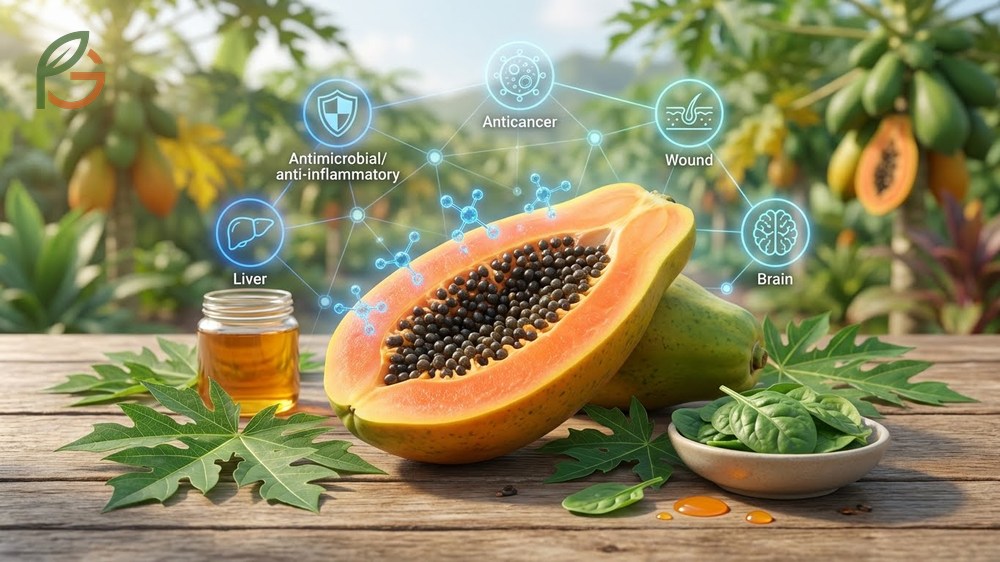
Evidence from in vivo and in vitro studies demonstrates that papaya exhibits multiple pharmacological properties. Research documents antimicrobial, anti-inflammatory, anticancer, wound healing, hepatoprotective, and neuroprotective activities[7]. These diverse benefits stem from the fruit’s complex phytochemical profile.
The synergistic action of papaya’s nutrients creates health effects greater than any single compound alone. Vitamin C enhances iron absorption, carotenoids protect cell membranes, and fiber supports beneficial gut bacteria. This nutritional teamwork explains why whole fruit consumption often proves more beneficial than isolated supplements.
Agricultural data shows that papaya varieties differ in nutrient content based on growing conditions and ripeness at harvest. Fruits allowed to ripen fully on the tree typically contain higher antioxidant levels than those picked green and ripened artificially. This matters for home gardeners who can optimize harvest timing for maximum nutritional value.
Immune System Support
Your immune system relies heavily on vitamin C for proper function. A single cup of papaya provides 225% of your daily vitamin C requirement[1], making it one of the most concentrated sources available. This water-soluble vitamin supports white blood cell production and helps your body fight infections.
The vitamin A content in papaya further strengthens immune defenses. This fat-soluble vitamin maintains the integrity of mucous membranes in your respiratory and digestive tracts—your body’s first line of defense against pathogens. Combined with papaya’s other antioxidants, these nutrients create a comprehensive immune support system.
Anti-Inflammatory Properties
Studies suggest papain and other compounds in papaya can help reduce inflammation markers in the body. People with inflammatory conditions such as arthritis and asthma have reported symptom relief after regular papaya consumption[8]. The fruit’s antioxidants neutralize inflammatory free radicals that contribute to chronic disease.
Research on papain combined with bromelain (from pineapple) shows potential for reducing stomach inflammation. While most published studies involve animal models, the results indicate promising directions for human applications. The enzyme’s protein-breaking action may also help reduce inflammatory proteins circulating in your bloodstream.
Heart Health Benefits
Papaya’s fiber, potassium, and antioxidant content work together to support cardiovascular health. The fiber helps reduce cholesterol absorption in your intestines. Potassium helps regulate blood pressure by counteracting sodium’s effects. Meanwhile, lycopene and other carotenoids protect LDL cholesterol from oxidation—a key step in arterial plaque formation.
Agricultural research indicates that papaya’s lycopene content rivals that of tomatoes, ranging from 1.44 to 3.39mg per 100g[4]. This matters because higher blood lycopene levels have been associated with reduced risk of several chronic diseases, including heart disease. The fruit’s zero cholesterol and minimal saturated fat content make it an ideal heart-healthy snack.
- Blood pressure regulation: Potassium helps maintain healthy blood pressure levels
- Cholesterol management: Fiber and antioxidants support healthy cholesterol profiles
- Arterial protection: Lycopene prevents LDL oxidation and arterial damage
- Reduced inflammation: Antioxidants lower inflammatory markers linked to heart disease
- Improved circulation: Vitamin C supports blood vessel integrity and flexibility
Nutrition Facts in Papaya

A comprehensive nutritional analysis reveals papaya’s impressive vitamin and mineral profile. The fruit provides substantial amounts of vitamins A, C, E, K, and several B vitamins including folate, B1, B3, and B5[5]. This diversity makes papaya a valuable addition to any balanced diet.
The mineral content includes not just potassium and magnesium, but also calcium and trace minerals essential for various bodily functions. What’s particularly noteworthy is the fruit’s low sodium content—just 7mg per 100g[1]. This makes papaya an excellent choice for people monitoring sodium intake for blood pressure management.
This table compares key nutrients in papaya per 100g serving versus per standard 150g cup serving with percentage of daily values
| Nutrient | Per 100g | Per Cup (150g) | % Daily Value |
|---|---|---|---|
| Calories | 43[2] | 62 | 2.4% |
| Carbohydrates | 9.8g | 15.7g | 5.1% |
| Fiber | 2.3g[1] | 3.5g | 12% |
| Protein | 0.6g | 0.9g | 1.2% |
| Vitamin C | 60mg[1] | 90mg | 225% |
| Vitamin A | 152mcg | 228mcg | 30% |
| Folate | 37mcg | 56mcg | 28% |
| Potassium | 140mg | 210mg | 11% |
Storage Tip: Papaya’s vitamin C content degrades with prolonged exposure to air and light. Store cut papaya in an airtight container in the refrigerator and consume within 2-3 days for optimal nutrient retention.
How Many Calories in Papaya
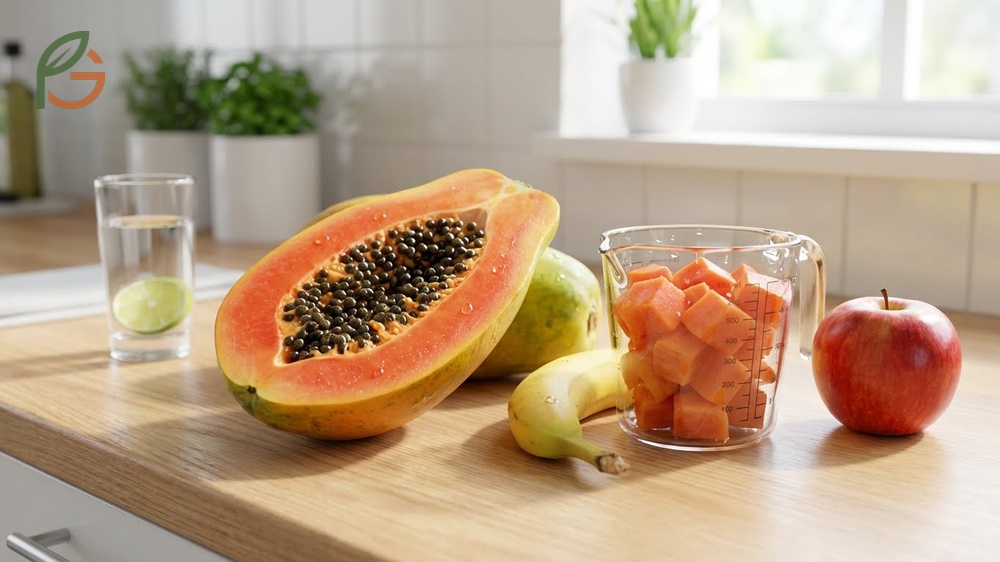
At just 43 calories per 100g (about 3.5 ounces), papaya ranks as one of the lowest-calorie tropical fruits[2]. A typical one-cup serving (150g) contains only 62 calories—less than a small banana or apple. This makes papaya an excellent choice for people managing their calorie intake while still wanting nutrient-dense foods.
The fruit’s high water content (89%) contributes to its low calorie density. You can eat a substantial portion that feels satisfying without consuming many calories. This characteristic makes papaya particularly valuable for weight management strategies. The fiber content further enhances satiety, helping you feel full longer after eating.
Research on glycemic response shows papaya doesn’t cause rapid blood sugar spikes despite containing natural sugars. The fruit’s glycemic index of 55-60 falls in the low-to-medium range[3], while its glycemic load of 5.5 is considered low. This means typical serving sizes have minimal impact on blood glucose levels, making papaya suitable for people with diabetes when consumed in moderation.
- Small papaya (157g): Approximately 68 calories with 2.7g fiber
- Medium papaya (275g): Approximately 119 calories with 4.7g fiber
- Large papaya (500g): Approximately 215 calories with 11.5g fiber
- One cup diced (140g): Approximately 60 calories, perfect for breakfast bowls
- Half cup serving (70g): Approximately 30 calories, ideal for snacking
Benefits of Eating Papaya
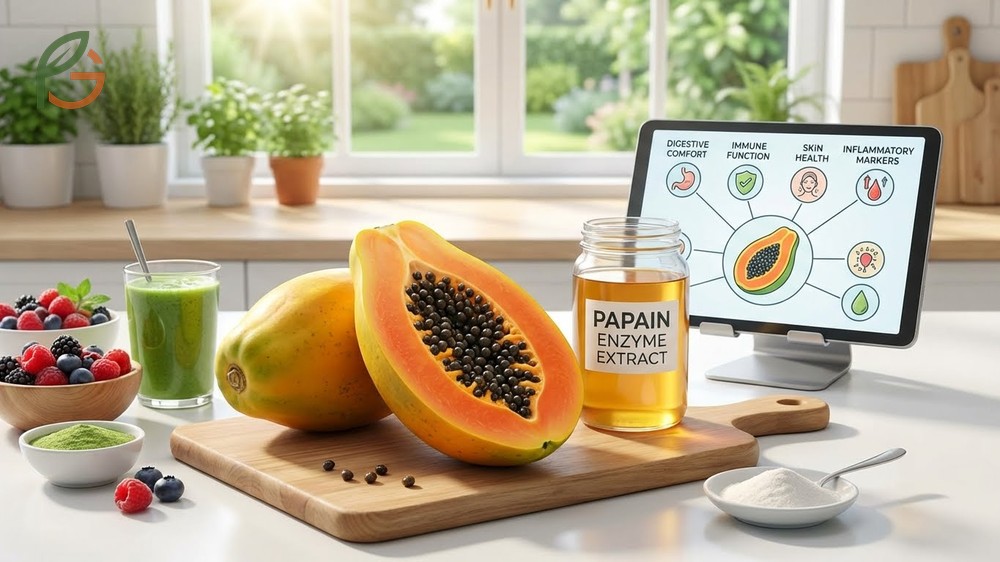
Current evidence supports multiple health advantages from regular papaya consumption. The fruit’s unique combination of enzymes, antioxidants, and essential nutrients creates benefits that extend beyond basic nutrition. Studies document improvements in digestive comfort, immune function, skin health, and inflammatory markers.
For digestive health specifically, papain leads to increased production of other digestive enzymes, particularly those that break down proteins. This reduces overall digestion time and facilitates digestive comfort[6]. The enzyme also promotes favorable modifications in intestinal microbiota composition, supporting the development of beneficial probiotic organisms.
The antioxidant benefits can’t be overstated. Papaya’s diverse carotenoid profile provides protection across multiple body systems. Beta-carotene converts to vitamin A for eye health, cryptoxanthin supports bone health, lycopene protects cardiovascular tissue, and lutein/zeaxanthin guard against age-related macular degeneration. Few single foods offer such comprehensive antioxidant coverage.
Research also suggests potential benefits for blood sugar management. While papaya contains natural sugars (about 6.9g per 100g), its medium glycemic index and low glycemic load mean it doesn’t cause problematic blood glucose spikes. Doctors typically recommend one cup (150g) per day for people with diabetes who want to include papaya in their meal plans[3].
Papaya for Skin and Digestion
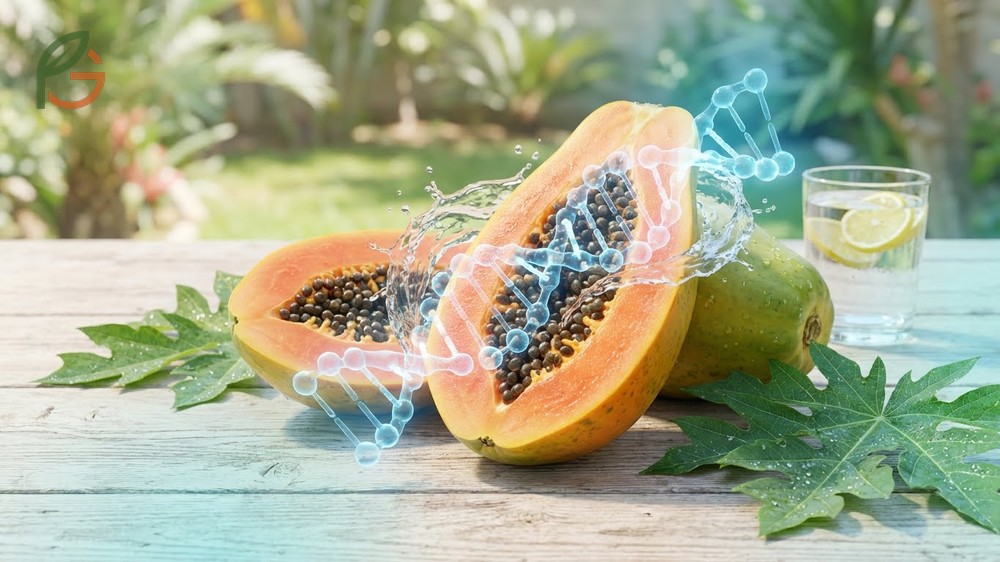
The connection between papaya and skin health stems from multiple nutritional factors. Vitamin C serves as a cofactor for collagen synthesis—the protein that provides skin structure and elasticity. At 60mg per 100g, papaya delivers more than enough vitamin C to support daily collagen production needs. The fruit’s high water content (89%) also contributes to skin hydration from within.
Beta-carotene and other carotenoids in papaya act as natural sunscreen compounds. While they don’t replace topical sun protection, these antioxidants provide additional defense against UV-induced free radical damage. Studies suggest that people with higher dietary carotenoid intake show better skin resilience and fewer signs of photoaging.
For digestive applications, timing matters. Many people find eating papaya after protein-rich meals particularly beneficial, as papain can help break down the proteins consumed. The enzyme works optimally at body temperature and in the slightly acidic to neutral pH range found in your stomach and small intestine. This makes fresh papaya more effective than cooked versions, since heat denatures the papain enzyme.
Traditional medicine systems have long recognized papaya’s digestive benefits. People in tropical regions use papaya as a remedy for constipation and other symptoms of irritable bowel syndrome[5]. The seeds, leaves, and roots have also been studied for treating ulcers in both animals and humans, though the ripe fruit alone provides the most accessible benefits for most people.
- Morning consumption: Eat papaya on an empty stomach for maximum enzyme activity and nutrient absorption
- Post-meal aid: Consume 30-60 minutes after heavy protein meals to support digestion
- Skin applications: Mashed papaya face masks provide direct antioxidant and enzyme benefits to skin
- Pairing strategies: Combine with Greek yogurt or nuts to slow sugar absorption and add protein
- Ripeness matters: Choose fully ripe, yellow-orange papayas for peak enzyme and antioxidant content
Conclusion
The evidence is clear: papaya is good for you and deserves a regular place in your diet. With 225% of your daily vitamin C needs in just one cup, powerful digestive enzymes, heart-protective lycopene, and only 43 calories per 100g, papaya delivers exceptional nutritional value. The fruit’s low glycemic load makes it suitable even for people managing blood sugar, while its diverse antioxidant profile supports multiple body systems from skin to cardiovascular health.
Current dietary guidance emphasizes whole fruits like papaya for their synergistic nutrient combinations that supplements can’t replicate. FruitGarden encourages home gardeners and health-conscious Americans to explore growing papaya in suitable climates (zones 10-11) or selecting the freshest imported varieties at local markets. Whether you’re seeking better digestion, immune support, or simply delicious nutrition, papaya proves that tropical fruits can be both flavorful and functionally beneficial.
Medical Disclaimer
Important Medical Disclaimer: This content is for informational and educational purposes only. It isn’t intended as a substitute for professional medical advice, diagnosis, or treatment. Always consult a qualified healthcare professional before making any changes to your diet, medication, or health routine, especially if you have diabetes, digestive disorders, latex allergies, or take blood-thinning medications. Pregnant or nursing women should seek medical guidance before consuming significant amounts of papaya or papaya supplements.
Frequently Asked Questions
What are the nutritional benefits of green papaya versus ripe papaya?
Green (unripe) papaya contains significantly higher papain enzyme concentrations than ripe fruit, making it more effective for digestive support. However, ripe papaya provides more vitamin C, beta-carotene, and lycopene—plus it’s sweeter and easier to digest. Green papaya works better for savory dishes and enzyme applications, while ripe papaya offers superior antioxidant and vitamin benefits.
Can eating papaya at night cause digestive issues?
Most people tolerate papaya well at night without digestive problems. In fact, the fruit’s papain enzyme can actually aid overnight digestion, especially if you’ve eaten a protein-rich dinner. However, if you’re prone to acid reflux, the fruit’s natural sugars might trigger symptoms when eaten right before lying down. Try consuming papaya at least 2 hours before bedtime for best results.
How much papaya should you eat daily for health benefits?
Research suggests one cup (150g) of papaya daily provides optimal benefits for most adults, delivering 225% of vitamin C needs and substantial fiber and antioxidants. People with diabetes should limit intake to this amount due to natural sugar content. You can safely eat up to 2 cups daily, but more isn’t necessarily better—nutritional variety matters more than overconsuming any single fruit.
Does papaya lose nutritional value when refrigerated?
Refrigeration slows but doesn’t completely prevent nutrient degradation in papaya. Vitamin C content decreases by approximately 10-15% after 3-4 days of refrigerated storage in cut fruit. Whole, uncut ripe papayas maintain nutrients better for up to 5-7 days when refrigerated. For maximum nutritional value, buy papaya when you plan to eat it within 2-3 days and store cut portions in airtight containers.
Are papaya seeds healthy to eat or should they be discarded?
Papaya seeds are edible and contain beneficial compounds including fatty acids and proteolytic enzymes. Traditional medicine uses them for anti-parasitic and digestive benefits. However, they taste quite bitter and peppery, which most people find unpleasant. If you want to try them, start with just 1-2 teaspoons daily ground into smoothies. Pregnant women should avoid papaya seeds entirely due to potential anti-fertility effects.
Does papaya interact with medications?
Papaya can interact with certain medications. The fruit contains vitamin K, which may interfere with blood thinners like warfarin. Papain might also slow blood clotting, increasing bleeding risk when combined with anticoagulants. If you take diabetes medications, papaya’s potential blood-sugar-lowering effects could cause hypoglycemia when combined with your medication. Always consult your healthcare provider about potential interactions.
What’s the best time to eat papaya for maximum benefits?
Morning consumption on an empty stomach maximizes papain enzyme activity and nutrient absorption, making it ideal for digestive benefits. Alternatively, eating papaya 30-60 minutes after heavy meals helps break down proteins and reduces bloating. Avoid eating papaya immediately before meals, as it might interfere with stomach acid production needed for initial digestion. For skin and antioxidant benefits, timing matters less than consistency.





