
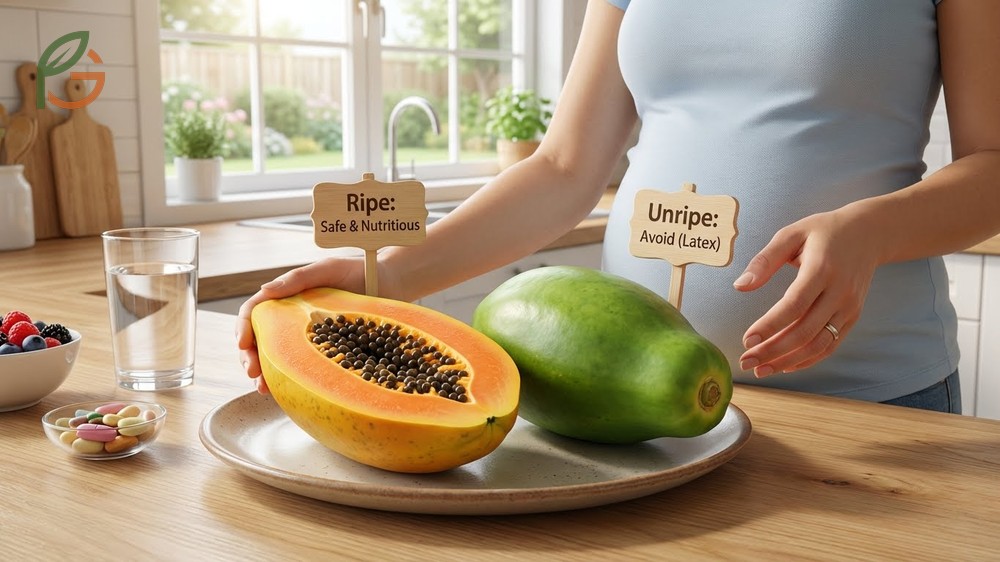
Is papaya good for pregnancy? Yes, fully ripe papaya is safe and nutritious when eaten in moderation. Research shows ripe papaya provides essential vitamin C, folate, and fiber for expectant mothers[1]. However, unripe or semi-ripe papaya contains latex with enzymes that trigger uterine contractions and should be strictly avoided throughout pregnancy[2]. What often gets overlooked is that ripeness—not the fruit itself—determines safety during pregnancy. FruitGarden synthesizes current obstetric research and nutritional data to help you make informed dietary choices.
Quick Answer
- Ripe papaya is safe during pregnancy and provides 60mg vitamin C per 100g[3] and 37μg folate[3]
- Unripe papaya contains latex that triggers contractions similar to 0.23 micromolar prostaglandin[1]
- Pregnant women need 600mcg folate daily[4]—ripe papaya helps meet this requirement
- Choose soft, yellow-orange papaya without green patches or white latex
Is Papaya Good for Pregnancy
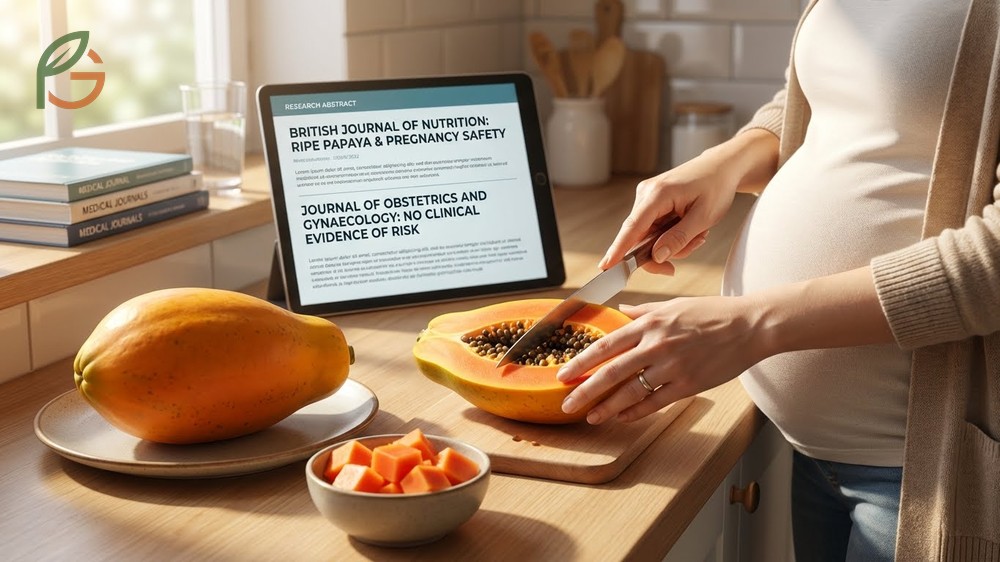
Research demonstrates that ripe papaya offers significant nutritional benefits for pregnant women when consumed in appropriate amounts. Studies published in the British Journal of Nutrition confirm that fully ripe papaya doesn’t induce uterine contractions and poses no documented risk to pregnancy[5]. The Journal of Obstetrics and Gynaecology found no clinical evidence linking ripe papaya consumption to pregnancy loss[5].
The distinction between ripe and unripe forms matters critically for maternal safety. Current obstetric guidance emphasizes that the latex concentration drops dramatically as papaya ripens. Animal studies show unripe papaya latex produces effects comparable to oxytocin, while ripe fruit contains negligible latex levels[1].
Ripe Papaya Nutritional Benefits
Ripe papaya delivers concentrated micronutrients essential for fetal development. A 150g serving provides more than double the daily vitamin C requirement for adults[3]. This water-soluble antioxidant supports immune function and collagen synthesis for both mother and developing baby.
The fruit’s fiber content—2.3g per 100g[3]—helps manage pregnancy-related constipation without causing excessive bowel pressure. Most people don’t realize that papaya’s 89% water content[3] aids hydration, which becomes increasingly important during pregnancy when blood volume expands by up to 50%.
- Vitamin A equivalents (152μg per 100g) supporting fetal eye development
- Folate (37μg per 100g) preventing neural tube defects
- Potassium (140mg per 100g) regulating fluid balance
- Beta-carotene (240μg per 100g) acting as antioxidant
- Lycopene (1,828μg per 100g) offering cellular protection
- Lutein and zeaxanthin (89μg per 100g) supporting eye health
Folate and Pregnancy Support
Evidence from the National Institutes of Health shows pregnant women require 600mcg dietary folate equivalents daily[4]. This increased demand reflects folate’s role in nucleic acid synthesis during rapid fetal cell division. Ripe papaya contributes meaningful amounts toward this requirement.
The American College of Obstetricians and Gynecologists recommends prenatal supplements for most pregnant women because achieving adequate folate through diet alone can be challenging[4]. Adding folate-rich foods like ripe papaya complements supplementation and provides additional beneficial compounds not found in pills.
Important Note: Papaya shouldn’t replace prenatal vitamins. It works best as part of a varied diet that includes multiple folate sources such as leafy greens, fortified grains, and legumes.
Raw Papaya in Pregnancy Dangers
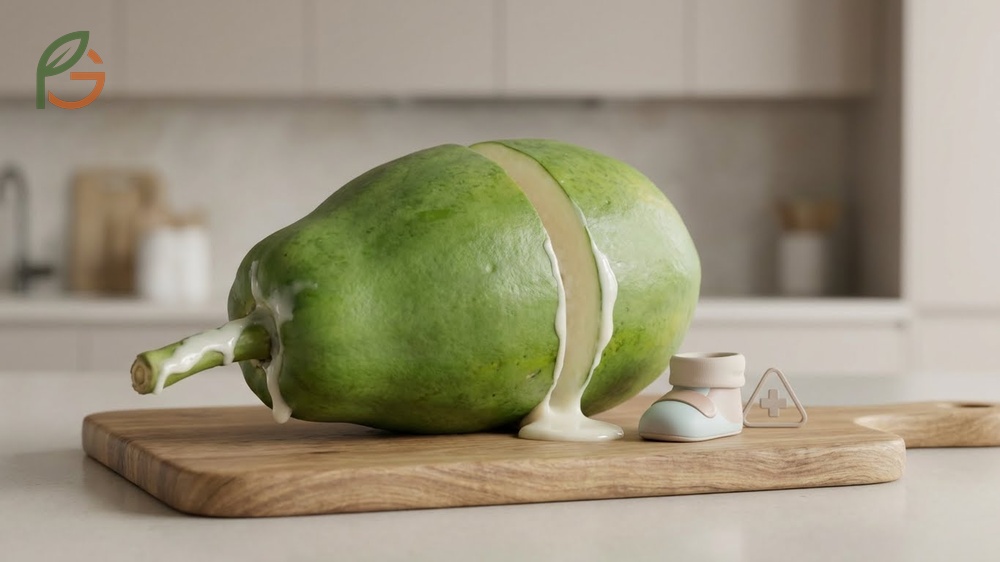
Unripe and semi-ripe papaya pose documented risks throughout pregnancy due to their biochemical composition. Medical literature consistently identifies latex as the primary hazardous component. This milky white substance concentrates in green or partially ripened fruits and contains enzymes that interact with pregnancy hormones[2].
Research shows unripe papaya acts as a potent emmenagogue—meaning it stimulates menstrual flow. This property makes it particularly dangerous during early pregnancy when implantation is occurring and the placenta is forming. Even small amounts of latex can affect the uterine environment during this critical developmental window[2].
Latex Content and Mechanism
Studies demonstrate that latex from unripe papaya stimulates prostaglandin and oxytocin production—two hormones that trigger labor. Laboratory analysis found the contractile effect equals 0.23 micromolar prostaglandin F2-alpha and 32 milliunits of oxytocin per milliliter[1]. These concentrations are sufficient to cause tetanic uterine spasms in pregnant rats.
The greener the papaya, the higher its latex concentration and enzymatic activity. Research on papaya varieties shows unripe fruits demonstrate “full activity” toward both proteins and peptones, while almost-ripe fruits only affect proteins[6]. This gradient explains why semi-ripe papaya remains risky even when it’s starting to turn yellow.
- Stimulates prostaglandin synthesis, triggering premature contractions
- Mimics oxytocin effects on uterine smooth muscle
- Causes irregular contractions that can lead to miscarriage
- Triggers potential bleeding from placental edges in later pregnancy
- Creates allergic reactions in latex-sensitive individuals
Papain Enzyme Effects
Papain, the primary proteolytic enzyme in unripe papaya, poses multiple threats to pregnancy. This protein-digesting enzyme weakens vital fetal membranes that protect the developing baby. Medical research identifies papain as both teratogenic (harmful to fetal development) and abortifacient (capable of inducing abortion)[2].
The body may mistake papain for naturally occurring prostaglandins used medically to induce labor. This biochemical similarity explains why consuming unripe papaya can trigger premature labor responses. Additionally, papain is commonly used in laboratories for cell dissociation, demonstrating its ability to slow cell growth and hamper tissue development—effects that pose clear risks to the fetus[2].
Trimester-Specific Risks
Current medical guidance emphasizes that unripe papaya must be strictly avoided during the first trimester. This early stage involves implantation and placental formation—processes easily disrupted by latex exposure. Studies report that eating papaya during early pregnancy might hinder implantation and increase miscarriage risk after implantation occurs[2].
During the third trimester, unripe papaya can induce premature labor by causing uterine contractions through papain enzyme activity. Reports document bleeding or hemorrhaging from the placental edge caused by consuming raw papaya in later pregnancy[2]. The excessive bowel movement triggered by high fiber content can create pressure around the uterus, compounding these risks.
Warning: Don’t consume papaya with visible green patches or any white milky substance (latex). These indicate insufficient ripeness and potentially dangerous enzyme levels.
Ripe vs Unripe Papaya Safety Profile
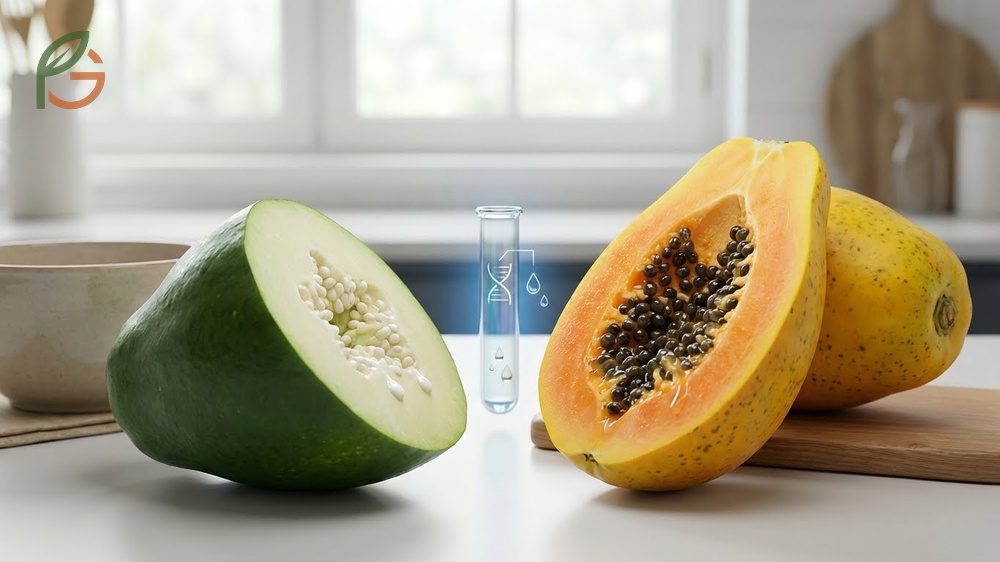
Understanding the differences between ripe and unripe papaya helps pregnant women make safe dietary choices. The transformation from green to yellow involves dramatic biochemical changes that affect safety. Research confirms these aren’t just visual differences—they represent fundamental shifts in enzyme activity and latex concentration.
This table compares latex content, enzyme activity, safety status, and visual indicators between unripe and fully ripe papaya for pregnancy safety
| Characteristic | Unripe/Semi-Ripe Papaya | Fully Ripe Papaya |
|---|---|---|
| Latex Content | High concentration[6]—visible white milky substance | Negligible to none[1]—no visible latex |
| Papain Enzyme Activity | Full activity toward proteins and peptones[6] | Minimal to no proteolytic activity |
| Pregnancy Safety | Unsafe—avoid completely throughout all trimesters[2] | Safe when eaten in moderation[1] |
| Skin Color | Green or yellow-green with firm texture | Yellow-orange with minimal to no green patches |
| Flesh Texture | Hard and firm when pressed | Soft and yields to gentle pressure |
| Uterine Effects | Triggers contractions similar to 0.23μM prostaglandin[1] | No contraction-inducing effects documented[5] |
Safe Papaya Consumption Guidelines
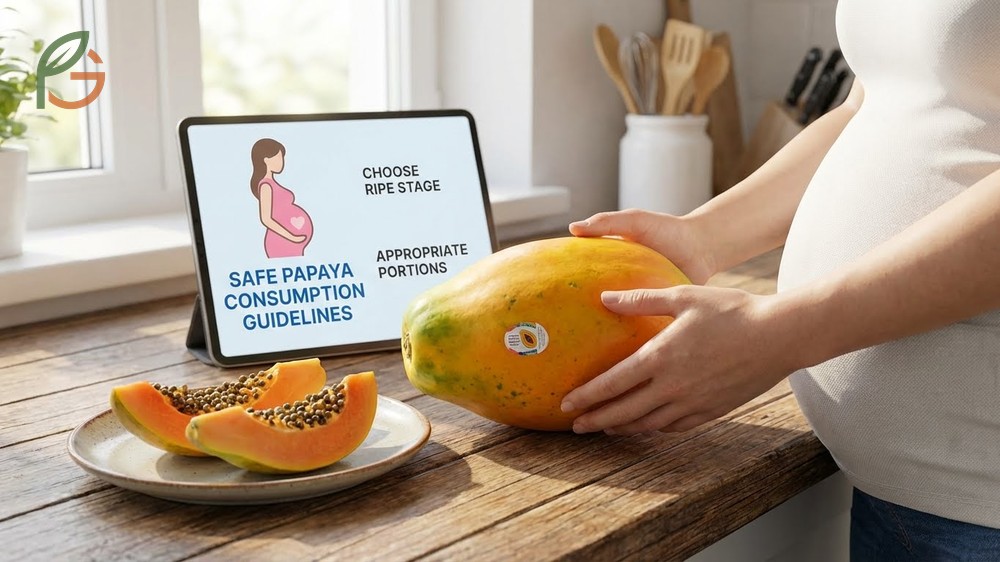
Current nutritional guidance recommends specific protocols for pregnant women who want to include papaya in their diets. The key is choosing the right ripeness stage and consuming appropriate portions. Research-backed recommendations help maximize benefits while eliminating risks.
Identifying Ripe Papaya
Visual and tactile cues reliably indicate safe ripeness levels. Look for predominantly yellow-orange skin color with less than 10% green surface area. The fruit should yield slightly to gentle thumb pressure without feeling mushy. When cut open, ripe papaya shows deep orange or coral-colored flesh with a sweet aroma.
Check the stem end for any white latex seepage. Fully ripe papaya produces no visible latex when the skin is pierced or cut. If you see milky white fluid, don’t consume the fruit regardless of its external appearance. The seeds should be black or dark brown—gray or white seeds indicate insufficient ripening.
- Skin color is 90% or more yellow-orange without green patches
- Flesh yields to gentle pressure but isn’t overly soft
- No white latex visible when skin is cut or pierced
- Seeds appear black or dark brown, not gray or white
- Sweet tropical aroma when fruit is cut open
- Orange or coral flesh color throughout, not pale yellow
Recommended Portion Sizes
Nutrition experts suggest pregnant women limit papaya intake to one medium serving (150g) per day. This amount provides significant vitamin C and folate without excessive fruit sugar intake. Women with gestational diabetes should monitor their total daily fruit consumption and may need to reduce portion sizes further.
The best time to eat papaya is with meals that include protein and healthy fats. This combination slows sugar absorption and enhances nutrient uptake. For example, pairing papaya with Greek yogurt at breakfast or adding it to a salad with nuts provides balanced nutrition.
Practical Tip: If you’re uncertain about ripeness, wait an extra 1-2 days. Overripe papaya is safe during pregnancy, while under-ripe fruit poses risks. When in doubt, choose caution.
Papaya Benefits for Breastfeeding
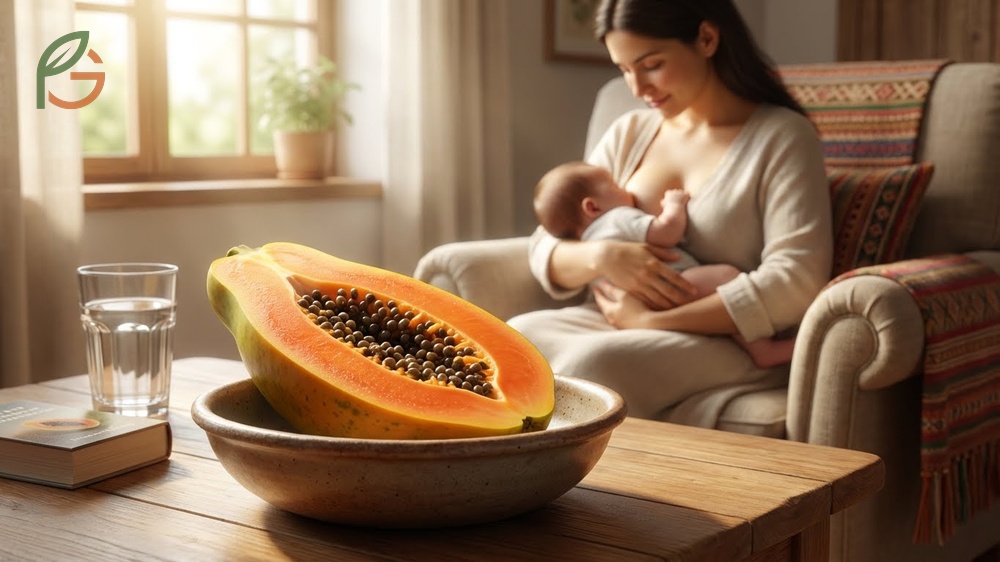
After delivery, ripe papaya offers additional advantages for breastfeeding mothers. Traditional practices across Southeast Asia have long recognized papaya’s potential to support lactation. While scientific evidence remains limited, some studies suggest that the fruit’s enzyme content and nutritional profile may support milk production.
The high vitamin C content—90mg per 150g serving[3]—transfers into breast milk and supports infant immune development. Vitamin A and beta-carotene from papaya similarly contribute to the nutritional quality of breast milk. Unlike during pregnancy, concerns about latex diminish during breastfeeding since enzymes don’t transfer significantly into milk.
Postpartum women often experience constipation from hormonal changes and pain medications. Papaya’s fiber content helps restore regular bowel function without harsh laxatives. The fruit’s digestive enzymes may also help new mothers process nutrients more efficiently during recovery.
- Vitamin C transfers to breast milk supporting infant immunity
- Natural enzymes aid maternal digestion during postpartum recovery
- Fiber content helps prevent postpartum constipation
- Hydration from 89% water content supports milk production
- Folate continues supporting maternal nutritional status
Conclusion
The evidence is clear: papaya good for pregnancy applies specifically to fully ripe, yellow-orange fruit consumed in moderation. Research consistently demonstrates that ripe papaya provides valuable vitamin C, folate, and fiber for expectant mothers while posing no documented pregnancy risks. Conversely, unripe and semi-ripe papaya must be strictly avoided due to latex content that triggers uterine contractions.
Current obstetric guidance emphasizes ripeness as the critical factor determining safety. Choose soft, yellow-orange papaya without green patches or visible latex, limit intake to 150g daily, and always consult your healthcare provider about dietary choices during pregnancy. FruitGarden synthesizes peer-reviewed research to help you make evidence-based decisions about fruit consumption throughout your pregnancy journey.
Medical Disclaimer
Important Medical Disclaimer: This content is for informational and educational purposes only. It is not intended as a substitute for professional medical advice, diagnosis, or treatment. Always consult a qualified healthcare professional or registered dietitian before making any changes to your diet during pregnancy, especially if you have gestational diabetes, food allergies, or other medical conditions. Individual nutritional needs vary based on health status, trimester, and personal medical history.
Frequently Asked Questions
Can Papaya Cause Miscarriage in Early Pregnancy?
Unripe papaya can increase miscarriage risk due to latex content that triggers uterine contractions. Research shows the latex produces effects comparable to prostaglandin and oxytocin—hormones used to induce labor. However, fully ripe papaya with no green patches or visible latex poses no documented miscarriage risk when consumed in normal amounts.
Is It Safe to Eat Papaya in the First Trimester?
Yes, fully ripe papaya is safe during the first trimester when consumed in moderation. Studies confirm ripe papaya doesn’t trigger contractions or harm implantation. Avoid any papaya showing green coloration or latex, as the first trimester is particularly vulnerable to these compounds during placental formation and embryonic development.
How Much Papaya Can I Eat While Pregnant?
Nutrition experts recommend limiting intake to one medium serving (150g or about one cup) of ripe papaya daily during pregnancy. This amount provides significant vitamin C and folate without excessive fruit sugar. Women with gestational diabetes should consult their healthcare provider about appropriate portion sizes based on their blood sugar management plan.
What’s the Difference Between Papaya Enzymes and Papaya Latex?
Papaya latex is the milky white fluid containing concentrated papain enzymes found in unripe papaya. Papain is the specific proteolytic enzyme within latex that breaks down proteins. As papaya ripens, both latex quantity and papain activity decrease dramatically. Ripe papaya contains minimal enzyme activity and no visible latex, making it safe for pregnancy.
Can I Eat Green Papaya Salad During Pregnancy?
No, avoid green papaya salad throughout pregnancy. This Southeast Asian dish uses shredded unripe papaya that retains high latex and papain concentrations even when thinly sliced. The latex content can trigger uterine contractions regardless of preparation method. Wait until after delivery to enjoy green papaya salad safely.
Does Ripe Papaya Help With Pregnancy Constipation?
Yes, ripe papaya’s fiber content (2.3g per 100g) helps relieve pregnancy-related constipation naturally. The fruit also contains 89% water, supporting hydration and digestive function. Unlike harsh laxatives, papaya provides gentle relief without creating excessive bowel pressure that could affect the uterus. Eat one serving daily with adequate water intake for best results.
Is the Myth About Papaya Generating Body Heat True?
No, the belief that papaya generates excess body heat during pregnancy isn’t supported by scientific evidence. This myth likely originated from traditional medicine systems that classify foods by thermal properties. Research shows fully ripe papaya doesn’t affect body temperature or harm pregnancy through heat generation. The real concern is latex in unripe fruit, not thermal effects.





