
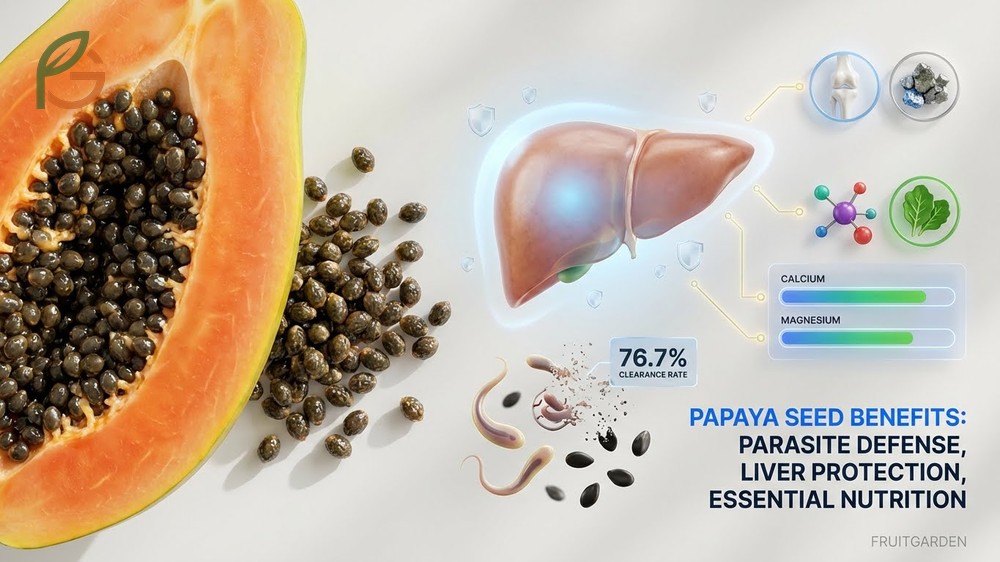
Benefits of papaya seeds include powerful antiparasitic properties with a 76.7% clearance rate in clinical studies[1], liver protection through reduced inflammation, and rich nutritional content with essential minerals like calcium and magnesium. Research shows these tiny black seeds contain benzyl isothiocyanate, a compound that fights parasites without harmful side effects[1]. FruitGarden synthesizes current nutritional research and clinical data to help you understand what papaya seeds can do for your health.
Quick Answer
- Papaya seeds eliminated intestinal parasites in 76.7% of participants in clinical trials without adverse effects[1]
- They contain benzyl isothiocyanate, a natural antiparasitic compound that targets intestinal worms and amoebas[1]
- Studies demonstrate liver protection by reducing inflammation markers like TNF-α and IL-6[2]
- Seeds provide essential minerals including calcium (681 mg/100g), magnesium (424 mg/100g), and phosphorus (2,116 mg/100g)[3]
Benefits of Papaya Seeds
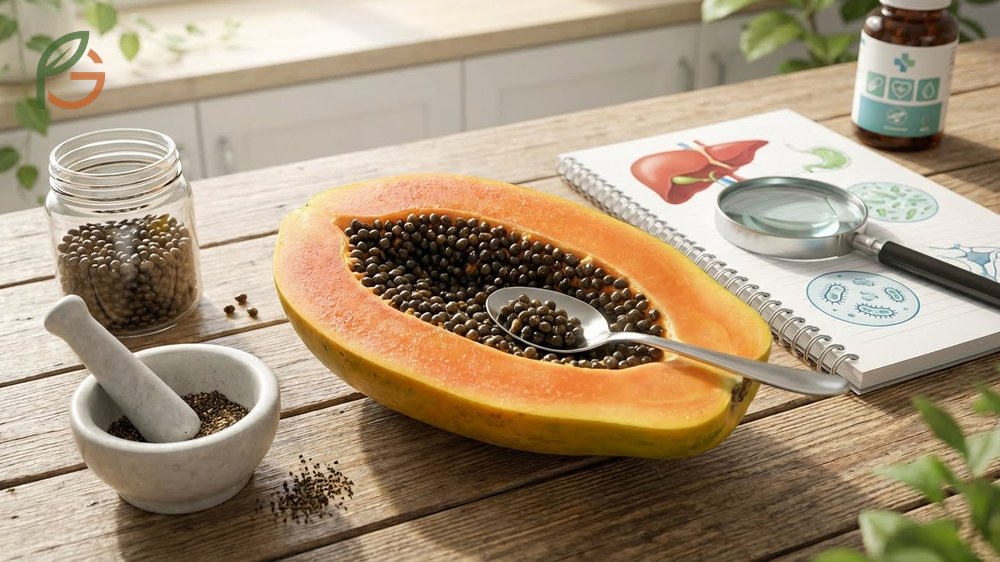
Research shows papaya seeds pack powerful health benefits that most people overlook when eating the fruit. These small black seeds contain bioactive compounds that can fight parasites, protect your liver, and provide essential nutrients your body needs[3]. Unlike the sweet flesh, the seeds have a strong, peppery taste that signals their concentrated medicinal properties.
Studies demonstrate that papaya seeds work through multiple mechanisms to support health. The seeds exhibit antimicrobial, antiparasitic, and anti-inflammatory properties that can address digestive issues and systemic health concerns[3]. What makes them particularly valuable is their safety profile—clinical trials show they’re effective without causing the side effects common with pharmaceutical alternatives.
Current data indicates that consuming just a small amount of papaya seeds daily can deliver measurable health improvements. You don’t need to eat large quantities to experience benefits, which is helpful given their strong flavor. Most research uses doses ranging from a few seeds to one teaspoon of ground seeds mixed with honey or juice.
Antiparasitic Compounds in Papaya Seeds
The primary antiparasitic compound in papaya seeds is benzyl isothiocyanate (BITC), which forms when you crush or chew the seeds[4]. This compound works by disrupting the cellular membranes of parasites, making it effective against intestinal worms, amoebas, and other pathogens. The enzyme myrosinase converts benzyl glucosinolate into BITC when the seeds are damaged.
Research demonstrates that BITC targets parasites specifically without harming beneficial gut bacteria. The compound’s selectivity makes it safer than broad-spectrum antimicrobials that can damage your digestive microbiome. This targeted action explains why papaya seeds clear parasites while maintaining overall gut health.
Nutrient Profile and Bioactive Components
Papaya seeds are nutrient-dense, containing substantial amounts of minerals that support various body functions. Analysis reveals they’re rich in calcium, magnesium, phosphorus, and iron—all essential for bone health, muscle function, and energy production[3]. The seeds also provide vitamins A, C, and E, which act as antioxidants to protect cells from damage.
Studies show the seeds contain high levels of protein and healthy fats, making them more than just a medicinal supplement[5]. Their fat content includes beneficial fatty acids that can reduce parasite loads in both blood and tissue stages. The combination of nutrients and bioactive compounds makes papaya seeds a functional food with therapeutic potential.
Important Note: Because papaya seeds are high in fat and bioactive compounds, it’s best to consume them in moderation. Start with 1-2 seeds per day and gradually increase to avoid digestive discomfort.
Papaya Seeds for Parasites
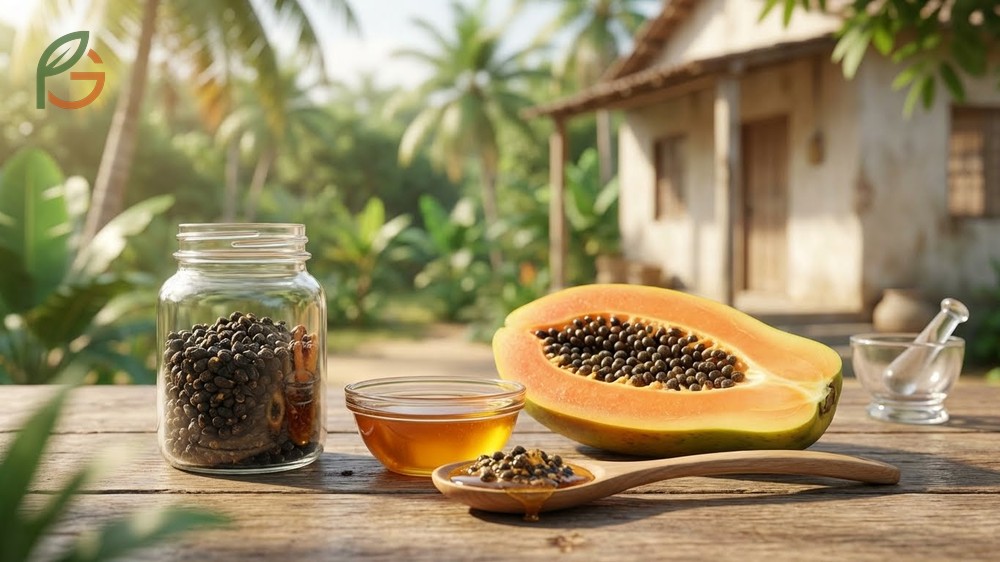
Evidence shows papaya seeds are highly effective against human intestinal parasites, particularly in tropical regions where parasitic infections are common. A clinical trial with 60 Nigerian children demonstrated that a single 20 mL dose of air-dried papaya seeds mixed with honey cleared parasites in 76.7% of cases[1]. The control group receiving only honey showed just 0-15.4% clearance, proving the seeds’ specific antiparasitic action.
Research indicates papaya seeds work against multiple parasite types, including roundworms, tapeworms, and protozoan parasites like Giardia and Entamoeba. The stool clearance rate varied by parasite type, ranging from 71.4% to 100% effectiveness[1]. This broad-spectrum activity makes papaya seeds valuable for general parasite cleansing without needing to identify the specific organism first.
What’s particularly noteworthy is the safety profile—participants experienced no harmful side effects during treatment[1]. This contrasts sharply with pharmaceutical antiparasitic drugs that often cause nausea, dizziness, or liver stress. The natural compounds in papaya seeds provide therapeutic benefits without the toxic burden of synthetic medications.
Clinical Evidence and Effectiveness
The landmark study on papaya seeds’ antiparasitic effects used air-dried seeds mixed with honey as an elixir. Researchers chose asymptomatic children who tested positive for intestinal parasites through stool microscopy. The immediate single-dose treatment produced results within days, with follow-up testing confirming parasite elimination.
Studies demonstrate that crushing or grinding the seeds before consumption is essential for releasing benzyl isothiocyanate[4]. Swallowing whole seeds won’t produce the same antiparasitic effect because the active compounds remain locked inside. You need to break down the seed structure to activate the enzyme conversion process that creates BITC.
- Ascaris lumbricoides (roundworms) – large intestinal parasites common in tropical regions
- Trichuris trichiura (whipworms) – parasites that attach to the colon wall
- Entamoeba histolytica (amoebas) – single-celled organisms causing dysentery
- Giardia lamblia – protozoan parasites affecting the small intestine
- Hookworms – parasites that can cause anemia and malnutrition
Parasite Cleanse Protocol
For parasite cleansing, research suggests using 1-2 teaspoons of crushed air-dried papaya seeds mixed with honey or juice. The honey serves dual purposes—it makes the bitter seeds more palatable and may enhance their antiparasitic activity through its own antimicrobial properties. Take this mixture on an empty stomach in the morning for best absorption.
Most protocols recommend continuing treatment for 7-14 days to ensure complete parasite elimination. This duration accounts for different parasite life cycles and ensures you catch newly hatched organisms before they mature. Some practitioners suggest doing a cleanse twice per year, especially if you travel to areas where parasitic infections are endemic.
Safety Tip: If you’re pregnant, nursing, or taking medications, consult a healthcare professional before using papaya seeds for parasite cleansing. The seeds may interact with certain drugs or aren’t recommended during pregnancy.
Health Benefits of Papaya Seeds
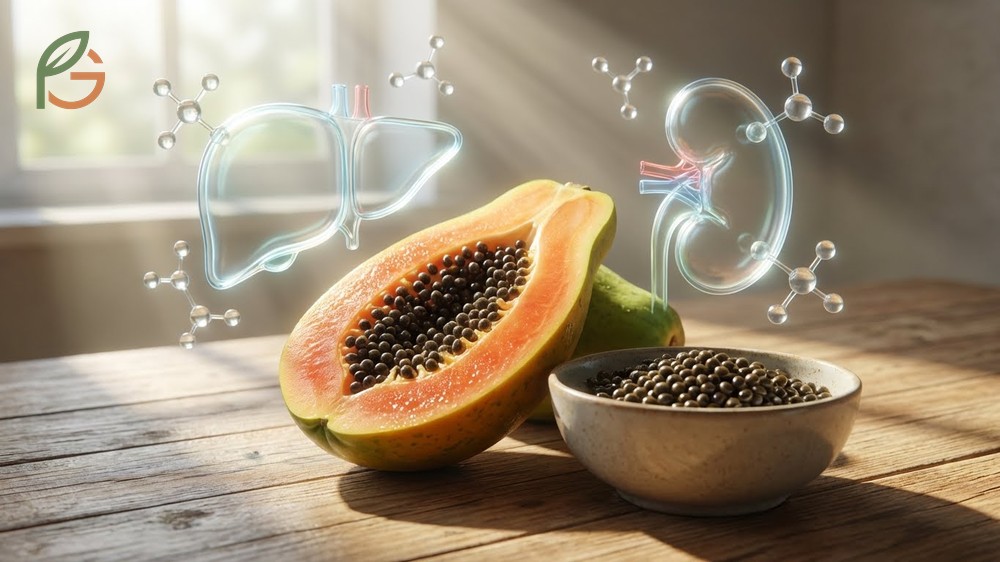
Beyond fighting parasites, papaya seeds offer impressive benefits for organ health and disease prevention. Studies show they can protect your liver from damage, reduce inflammation throughout your body, and support kidney function through their antioxidant properties[3]. These effects come from the seeds’ high concentration of polyphenols, flavonoids, and other plant compounds that neutralize harmful free radicals.
Research demonstrates that papaya seeds improve antioxidant status in the body by increasing levels of superoxide dismutase (SOD) and catalase while decreasing malondialdehyde (MDA), a marker of oxidative stress[3]. This shift in oxidative balance helps prevent cellular damage that leads to chronic diseases. The antioxidant activity of papaya seeds rivals that of the fruit flesh, despite their much smaller size.
Current evidence indicates the seeds may help manage blood sugar levels, protect heart health by lowering blood pressure and cholesterol, and even exhibit anti-cancer properties through their isothiocyanate content. While more human studies are needed to confirm optimal dosing, existing research provides strong support for including papaya seeds as part of a health-promoting diet.
Liver Health Support
Studies on papaya’s effects on liver health show remarkable protective benefits against non-alcoholic fatty liver disease (NAFLD). Research with obese rats fed a high-fat diet demonstrated that papaya administration significantly reduced liver inflammation markers TNF-α and IL-6[2]. These cytokines drive inflammatory processes that can lead to cirrhosis and liver failure if left unchecked.
The liver-protective mechanisms involve reducing fat accumulation and improving the organ’s ability to process and eliminate toxins. Papaya components decreased hepatic triglyceride and cholesterol content while lowering liver enzyme levels (AST, ALT, ALP) that indicate tissue damage[2]. This combination of anti-inflammatory and metabolic effects makes papaya seeds potentially valuable for people with fatty liver disease or cirrhosis.
Traditional medicine has long recommended papaya seeds for liver cirrhosis, typically suggesting 3-4 crushed seeds mixed with lime juice daily. While large-scale human trials are still needed, the animal research provides compelling evidence for papaya’s hepatoprotective properties. The seeds may work by regulating genes involved in fat synthesis and enhancing the liver’s antioxidant defenses.
Kidney Function
Evidence suggests papaya seeds may protect kidney health by reducing inflammation and oxidative stress in these vital organs[3]. The kidneys are particularly vulnerable to oxidative damage because they process large volumes of blood and metabolic waste products. Antioxidants from papaya seeds can help neutralize the reactive oxygen species that accumulate during normal kidney function.
The mineral content in papaya seeds, especially magnesium and potassium, supports proper kidney operation and fluid balance. These minerals help regulate blood pressure, which is crucial for preventing kidney disease progression. However, people with existing kidney problems should consult their doctor before consuming papaya seeds, as the high mineral content might need to be monitored depending on their specific condition.
- Anti-inflammatory effects reduce chronic disease risk through decreased cytokine production
- Cardiovascular protection by lowering blood pressure and improving cholesterol profiles
- Immune system support from vitamins A and C that enhance white blood cell function
- Digestive enzyme papain aids protein breakdown and reduces bloating
- Antimicrobial action against bacteria like E. coli, Salmonella, and Staphylococcus
- Blood sugar regulation through improved insulin sensitivity and glucose metabolism
Papaya Seeds and Honey
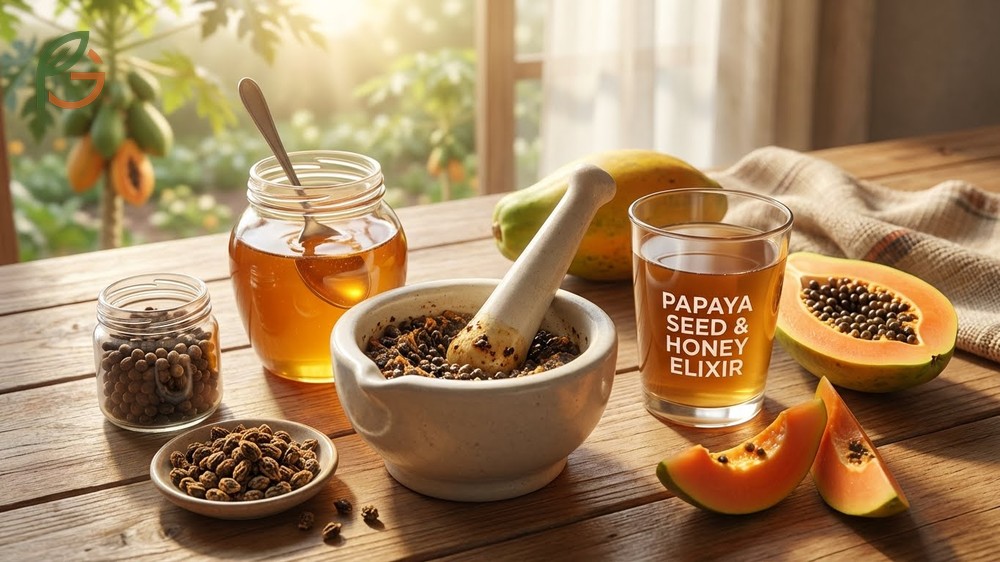
The combination of papaya seeds and honey isn’t just about taste—it’s a synergistic pairing that may enhance therapeutic effects. Clinical research used this specific combination because honey has its own antimicrobial properties that complement the antiparasitic action of papaya seeds[1]. The honey also helps mask the seeds’ bitter, peppery flavor, making the remedy more palatable, especially for children.
To make a papaya seed and honey elixir, you’ll need to air-dry the seeds first. Scoop fresh seeds from a ripe papaya, rinse them to remove the gelatinous coating, and spread them on a tray to dry for several days until they’re hard and brittle. Once dried, grind 1-2 teaspoons of seeds in a mortar and pestle or spice grinder, then mix thoroughly with raw honey at a 1:2 ratio (one part seeds to two parts honey).
This preparation method preserves the bioactive compounds while creating a shelf-stable remedy you can store at room temperature. Use raw, unprocessed honey for maximum benefits, as heat-treated honey loses some of its enzymatic and antimicrobial properties. Take one tablespoon of the mixture daily on an empty stomach, preferably 30 minutes before breakfast.
This table compares three preparation methods for papaya seeds including drying time, storage duration, potency level, and best uses for each method
| Method | Drying Time | Storage Duration | Potency | Best Use |
|---|---|---|---|---|
| Air-dried | 5-7 days | 6-12 months in airtight container | High – preserves all active compounds | Grinding into powder for honey mixture |
| Oven-dried (120°F/49°C) | 4-6 hours | 4-6 months | Medium – some enzyme degradation | Quick preparation for immediate use |
| Fresh (no drying) | None | Use immediately | Highest – all enzymes intact | Direct consumption or smoothies |
| Dehydrator (105°F/41°C) | 8-12 hours | 8-12 months | High – low heat preserves nutrients | Bulk preparation for long-term storage |
- Parasite cleanse: 1-2 teaspoons crushed dried seeds with honey, daily for 7-14 days
- Liver support: 3-4 crushed seeds mixed with lime juice, taken daily for several weeks
- General health maintenance: 5-10 fresh seeds chewed with breakfast, 3-4 times per week
- Digestive support: 1/2 teaspoon ground seeds in smoothies or yogurt, daily
- Children’s dose: 1/4 to 1/2 adult dose depending on age and weight
Conclusion
The evidence is clear: benefits of papaya seeds extend far beyond what most people realize when they toss these nutritious seeds in the trash. Research demonstrates they’re powerful antiparasitic agents with 76.7% effectiveness, liver protectors that reduce inflammation, and nutrient-dense functional foods providing essential minerals your body needs. You don’t need expensive supplements when this natural remedy sits inside every papaya you buy.
Current guidance emphasizes sustainable approaches to health that combine traditional wisdom with modern scientific validation. Papaya seeds represent exactly this kind of evidence-based natural remedy—used for generations in folk medicine and now proven effective through clinical trials. FruitGarden encourages you to save those seeds next time you slice open a papaya and experience their remarkable health benefits firsthand.
Medical Disclaimer
Important Medical Disclaimer: This content is for informational and educational purposes only. It’s not intended as a substitute for professional medical advice, diagnosis, or treatment. Always consult a qualified healthcare professional before making any changes to your diet, medication, or health routine, especially if you’re pregnant, nursing, have existing medical conditions, or are taking prescription medications. Papaya seeds may interact with certain drugs and aren’t recommended for everyone. Don’t use this information to self-diagnose or treat parasitic infections—seek proper medical testing and treatment when needed.
Frequently Asked Questions
Do Papaya Seeds Kill Parasites?
Yes, research shows papaya seeds kill intestinal parasites with remarkable effectiveness. A clinical study demonstrated 76.7% clearance of parasites including roundworms, whipworms, and amoebas in children treated with air-dried papaya seeds mixed with honey[1]. The active compound benzyl isothiocyanate disrupts parasite cell membranes without harming beneficial gut bacteria or causing side effects.
What Are Papaya Seeds Good For?
Papaya seeds are good for fighting intestinal parasites, protecting liver health, supporting kidney function, and providing essential minerals like calcium, magnesium, and phosphorus. They contain powerful antioxidants that reduce inflammation and oxidative stress throughout your body. Studies show they can help with digestive issues, lower blood pressure, manage cholesterol levels, and exhibit antimicrobial activity against harmful bacteria like E. coli and Salmonella.
Can I Eat Papaya Seeds Every Day?
You can eat papaya seeds daily in moderation, but it’s best to start small and monitor how your body responds. Most research uses doses of 5-10 fresh seeds or 1-2 teaspoons of ground dried seeds per day. Because they’re high in bioactive compounds and fats, consuming too many might cause digestive discomfort. For general health maintenance, eating them 3-4 times per week is sufficient, while therapeutic protocols for parasite cleansing might recommend daily use for 1-2 weeks.
Are Papaya Seeds Safe During Pregnancy?
Papaya seeds aren’t recommended during pregnancy because they may affect fertility and fetal development. Traditional medicine has historically used papaya seeds as a natural birth control method, and animal studies suggest they can reduce fertility in males. Pregnant women should avoid consuming papaya seeds and consult their healthcare provider before using any herbal remedies. The ripe papaya fruit itself is generally safe during pregnancy, but the seeds contain concentrated compounds that haven’t been proven safe for developing babies.
How Do You Prepare Papaya Seeds for Deworming?
To prepare papaya seeds for deworming, first air-dry fresh seeds for 5-7 days until they’re hard and brittle. Grind 1-2 teaspoons of dried seeds into a fine powder using a mortar and pestle or spice grinder. Mix the powder thoroughly with raw honey at a 1:2 ratio (one part seeds to two parts honey). Take one tablespoon of this mixture on an empty stomach each morning for 7-14 days. The crushing process is essential because it activates the antiparasitic compound benzyl isothiocyanate.
What Are the Benefits of Swallowing Papaya Seeds Whole?
Swallowing papaya seeds whole provides minimal benefits compared to crushing or chewing them. Research shows the antiparasitic compound benzyl isothiocyanate only forms when you break down the seed structure, allowing the enzyme myrosinase to convert benzyl glucosinolate into its active form[4]. If you swallow them whole, they’ll likely pass through your digestive system intact without releasing their beneficial compounds. For maximum health benefits, always crush, grind, or thoroughly chew papaya seeds before swallowing.
Can Papaya Seeds Help With Liver Cirrhosis?
Traditional medicine recommends papaya seeds for liver cirrhosis, and research supports their hepatoprotective effects. Studies show papaya reduces liver inflammation by decreasing TNF-α and IL-6 cytokines, lowers liver enzyme levels indicating tissue damage, and improves fat metabolism in the liver[2]. The typical recommendation is 3-4 crushed seeds mixed with lime juice daily. However, liver cirrhosis is a serious condition requiring professional medical care—papaya seeds may support liver health but shouldn’t replace prescribed treatments or medical supervision.





