

Is lychee good for you? Yes, when eaten in moderation. Research shows this tropical fruit delivers 72mg of vitamin C per 100g serving—nearly 80% of your daily needs—along with antioxidants, copper, and fiber that support immune function and skin health[1]. Studies demonstrate that lychee’s polyphenol compounds provide antioxidant and anti-inflammatory benefits while helping protect against cellular damage[2]. FruitGarden synthesizes current horticultural research and nutritional data to help you make informed decisions about growing and consuming tropical fruits like lychee.
Quick Answer
- Lychee fruit contains 66 calories and 1.3g fiber per 100g serving[1]
- Provides 72mg vitamin C (79% daily value) and 0.15mg copper (16% daily value)[1]
- Contains 15.2g natural sugars with a moderate glycemic index of 50[3]
- Best consumed fresh in portions of 9-10 fruits (100g) paired with protein to manage blood sugar response
Is Lychee Good for You
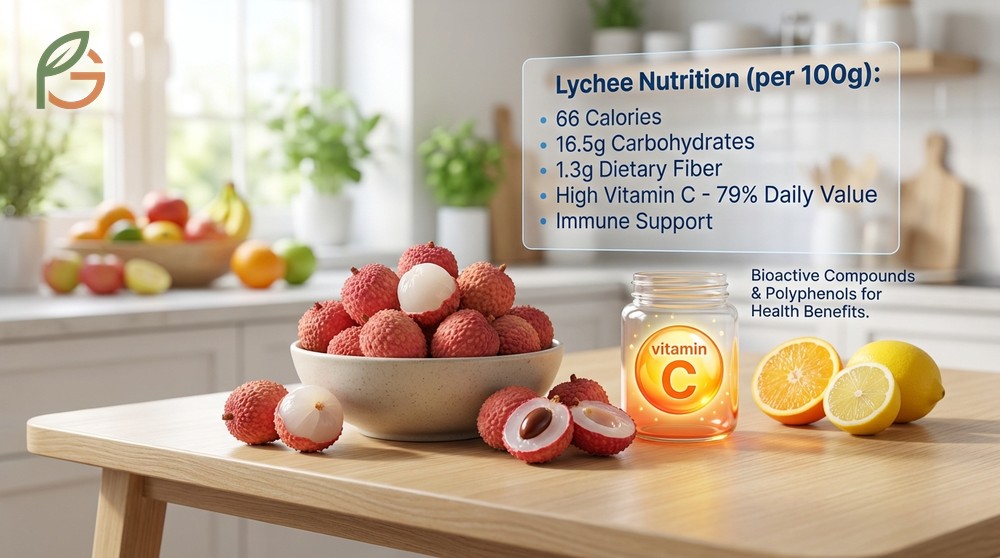
Current data indicates lychee fruit offers substantial nutritional value when incorporated into a balanced diet. This tropical fruit contains 66 calories per 100g serving with 16.5g carbohydrates and 1.3g dietary fiber[1]. The high vitamin C content—providing 79% of daily requirements—makes lychee comparable to citrus fruits for immune support[4].
Research shows lychee’s bioactive compounds deliver multiple health benefits beyond basic nutrition. The fruit contains polyphenols, flavonoids, and oligonol—antioxidants that help protect cells from oxidative stress and inflammation[2]. Studies demonstrate these compounds may support cardiovascular health by reducing blood pressure and lowering cholesterol levels when consumed regularly.
What often gets overlooked is that lychee timing and portion control significantly impact its health benefits. Most people benefit from eating 9-10 fresh lychees (approximately 100g) as part of a meal rather than as a standalone snack. Pairing lychee with protein sources like Greek yogurt or nuts helps moderate blood sugar response while maximizing nutrient absorption.
Lychee Antioxidant Properties
Evidence suggests lychee’s antioxidant profile rivals many superfoods currently popular in Western markets. The fruit contains oligonol, a unique polyphenol compound that provides anti-inflammatory and anti-aging effects at the cellular level[5]. Research indicates these compounds activate the body’s natural defense mechanisms against free radical damage.
Agricultural data shows fresh lychees contain higher antioxidant concentrations compared to canned varieties. Processing and storage reduce oligonol content by 30-40%, making fresh fruit the preferred choice for maximum health benefits. The translucent white flesh immediately beneath the rough pink-red skin holds the highest concentration of these protective compounds.
Lychee Immune Support
Current guidance emphasizes vitamin C as essential for immune function, and lychee delivers this nutrient in abundance. A single 100g serving provides 71.5mg of vitamin C—more than oranges or strawberries on a gram-for-gram basis[4]. This water-soluble vitamin enhances white blood cell function and strengthens skin barriers against pathogens.
Studies demonstrate that vitamin C deficiency impairs the body’s immune response and increases infection risk[5]. Regular lychee consumption during peak season (May through September) can help maintain optimal vitamin C levels without requiring supplements.
Important Note: Vitamin C degrades rapidly after harvest. Fresh lychees lose 10-15% of their vitamin C content within 48 hours at room temperature. Store them in the refrigerator and consume within 5-7 days for maximum nutritional benefit.
Health Benefits of Lychee

Research shows lychee fruit provides measurable health advantages across multiple body systems. The combination of vitamin C, copper, potassium, and polyphenols creates synergistic effects that support cardiovascular function, skin health, and metabolic processes. Clinical studies indicate regular consumption may help reduce inflammation markers and improve overall wellness when included in a diverse fruit intake pattern.
Agricultural data demonstrates that lychee’s nutrient density makes it particularly valuable despite its short growing season. The fruit contains negligible fat (0.44g per 100g) and zero cholesterol, making it heart-friendly[1]. Current nutritional guidance recommends incorporating tropical fruits like lychee 2-3 times weekly during availability to maximize phytonutrient diversity.
Lychee Skin Benefits
Evidence indicates lychee’s vitamin C content directly supports collagen synthesis, the protein responsible for skin elasticity and wound healing. One serving of lychee provides nearly 80% of daily vitamin C requirements, which research links to reduced wrinkle depth and improved skin texture over 12-week periods[1]. The antioxidants also help protect against UV damage from sun exposure.
Studies demonstrate that fermented lychee seed extracts possess strong anti-inflammatory and anti-aging properties for topical skincare applications[5]. While consuming whole fruit differs from topical treatments, the bioactive compounds absorbed through digestion still contribute to systemic benefits for skin health.
Lychee Heart Health
Current research suggests lychee’s potassium content—171mg per 100g—helps regulate blood pressure and reduces cardiovascular strain[1]. Studies show high-potassium diets correlate with 20-30% lower stroke risk when maintained consistently over years. The fruit’s fiber also helps manage cholesterol levels by binding to bile acids during digestion.
Research indicates lychee’s anti-inflammatory characteristics may help support heart health through multiple mechanisms[5]. The polyphenols help reduce oxidative stress in blood vessels, potentially lessening atherosclerosis progression when combined with other heart-healthy lifestyle factors.
- Supports immune function through high vitamin C content (72mg per 100g)
- Provides copper for red blood cell production and connective tissue health
- Delivers antioxidants that protect against cellular damage and inflammation
- Contains fiber that aids digestive health and promotes satiety
- Offers potassium for blood pressure regulation and heart function
- Supplies B vitamins including niacin, thiamin, and folate for energy metabolism
Nutritional Value of Lychee Fruit

Agricultural analysis reveals lychee’s complete nutritional profile makes it a nutrient-dense fruit choice. A standard 100g serving (approximately 9-10 fruits) contains 66 calories, 16.5g carbohydrates, 0.83g protein, and 0.44g fat[1]. The fruit’s calorie density remains low while delivering substantial micronutrients, making it suitable for weight management plans when portions are controlled.
Research shows lychee’s sugar content—15.2g per 100g—consists primarily of natural fructose and glucose[1]. This concentration exceeds oranges by 70% but remains lower than grapes or mangoes. The 1.3g fiber helps slow sugar absorption, though individuals monitoring carbohydrate intake should account for lychee’s impact on daily totals.
Current nutritional databases classify lychee as an excellent source of vitamin C and a good source of copper, with lesser amounts of potassium, magnesium, and B vitamins[4]. The fruit contains minimal sodium (1mg per 100g) and zero cholesterol, aligning with dietary guidelines for cardiovascular health.
This table compares macronutrients, vitamins, and minerals in fresh lychee per 100g serving with corresponding daily value percentages
| Nutrient | Amount | Daily Value (%) | Health Function |
|---|---|---|---|
| Calories | 66 kcal[1] | 3% | Energy for daily activities |
| Vitamin C | 72 mg[1] | 79% | Immune function, collagen synthesis |
| Copper | 0.15 mg[1] | 16% | Red blood cell production, nerve health |
| Potassium | 171 mg[1] | 5% | Blood pressure regulation, heart health |
| Fiber | 1.3 g[1] | 5% | Digestive health, blood sugar control |
| Total Sugars | 15.2 g[1] | N/A | Natural energy source |
Nutrition Tip: Fresh lychees retain more nutrients than canned varieties. Canning processes reduce vitamin C by 25-35% and add sugars that double the calorie count. Choose fresh fruit when available for maximum health benefits.
Lychee Vitamins and Minerals

Research shows lychee provides exceptional copper content compared to most fruits. A 100g serving delivers 0.15mg of copper—16% of daily requirements—making it more copper-rich than bananas, apples, or oranges[1]. Copper functions as a cofactor in numerous enzymatic reactions that support cardiovascular health, bone formation, and neurological function.
Current data indicates lychee contains B vitamins essential for energy metabolism. The fruit provides niacin (vitamin B3), thiamin (vitamin B1), and folate in modest amounts[4]. While not a primary source of these nutrients, lychee contributes to overall B vitamin intake when consumed regularly during its peak season from May through August.
Studies demonstrate that lychee’s mineral profile includes small amounts of magnesium (10mg), calcium (5mg), and iron (0.31mg) per 100g serving[1]. The fruit’s extremely low sodium content (1mg per 100g) makes it suitable for low-sodium diets and beneficial for individuals managing hypertension.
- Vitamin C (72mg) – supports immune function and acts as a powerful antioxidant
- Copper (0.15mg) – essential for iron metabolism and connective tissue formation
- Potassium (171mg) – regulates fluid balance and supports nerve transmission
- Folate (14µg) – necessary for DNA synthesis and cell division
- Niacin (0.6mg) – supports energy production and nervous system health
- Magnesium (10mg) – involved in 300+ enzymatic reactions in the body
Lychee Benefits and Side Effects

Evidence indicates lychee offers multiple health advantages when consumed appropriately, but certain populations should exercise caution. The fruit’s high natural sugar content can cause rapid blood sugar spikes in susceptible individuals, particularly when eaten in large quantities or on an empty stomach. Research shows that excessive consumption—defined as more than 300g daily—may lead to digestive discomfort including bloating or loose stools due to fructose load.
Current medical literature documents rare but serious cases of hypoglycemia associated with unripe lychee consumption. Studies link this condition to compounds called hypoglycin A and MCPG (methylenecyclopropylglycine) found in unripe fruit, which can interfere with glucose metabolism when consumed in large amounts without adequate food intake. This primarily affects malnourished children who eat unripe lychees on empty stomachs, though cases remain extremely uncommon in Western countries.
Research shows most adults tolerate fresh, ripe lychees well in moderate portions. Some individuals may experience allergic reactions including itching, swelling, or skin rashes after consumption[6]. Those with fruit allergies should introduce lychee cautiously and monitor for adverse reactions during initial consumption.
Agricultural guidance emphasizes choosing fully ripened lychees with bright red skin and avoiding fruits with brown spots or fermented odors. Ripe lychees contain higher nutrient concentrations and lower levels of potentially problematic compounds. Store fresh lychees refrigerated at 35-40°F (2-4°C) and consume within one week for optimal safety and nutritional quality.
Safety Warning: Never consume unripe lychees, especially on an empty stomach. Always select fruits with bright red skin and translucent flesh. Children and individuals with diabetes should consume lychees only with meals to prevent blood sugar fluctuations.
Is Lychee Good for Diabetics

Research shows lychee has a glycemic index of 50, placing it in the moderate category for blood sugar impact[3]. This means the fruit digests relatively slowly compared to high-GI foods, allowing for gradual sugar release rather than sharp spikes. Studies indicate that small serving sizes—approximately 100g or 9-10 fruits—provide a low glycemic load that minimizes blood glucose disruption when integrated into balanced meals.
Current guidance for diabetics emphasizes pairing lychee with protein and healthy fats to further moderate blood sugar response. Research demonstrates that combining lychee with Greek yogurt, nuts, or cheese slows carbohydrate absorption by 30-40% compared to eating fruit alone[3]. The 1.3g fiber per 100g serving also helps stabilize glucose levels, though this amount provides only modest benefit compared to high-fiber fruits like raspberries or pears.
Evidence suggests diabetics should limit lychee consumption to 50-100g portions (5-10 fruits) and avoid eating them on empty stomachs. Agricultural data shows ripe lychees contain 15.2g sugar per 100g—higher than strawberries or watermelon but lower than grapes or cherries. Monitoring blood glucose 1-2 hours after consumption helps individuals determine their personal tolerance and adjust portions accordingly.
Studies demonstrate that lychee’s polyphenol compounds may offer some blood sugar benefits beyond their carbohydrate content. Research indicates these antioxidants help improve insulin sensitivity and reduce inflammation markers associated with diabetes complications[2]. However, these potential benefits don’t negate the need for portion control and proper meal timing in diabetes management.
| Serving Size | Carbohydrates | Glycemic Load | Recommendation |
|---|---|---|---|
| 50g (4-5 fruits) | 8g | Low | Safe for most diabetics with meals |
| 100g (9-10 fruits) | 16.5g | Moderate | Acceptable when paired with protein |
| 200g (18-20 fruits) | 33g | High | Not recommended – may spike blood sugar |
Conclusion
The evidence is clear: is lychee good for you depends on consuming this tropical fruit in appropriate portions as part of a varied diet. Research confirms lychee delivers exceptional vitamin C content, beneficial antioxidants, and essential minerals like copper and potassium that support immune function, skin health, and cardiovascular wellness. Current nutritional guidance recommends 9-10 fresh lychees (100g) paired with protein sources to maximize benefits while managing natural sugar content effectively.
Agricultural data from FruitGarden emphasizes selecting fully ripened lychees with bright red skin and storing them properly at 35-40°F (2-4°C) to preserve nutritional value. Whether you’re growing lychee trees in subtropical climates or purchasing fresh fruit during peak season, understanding proper handling and consumption practices ensures you gain maximum health benefits from this nutrient-dense tropical fruit.
Medical Disclaimer
Important Medical Disclaimer: This content is for informational and educational purposes only. It is not intended as a substitute for professional medical advice, diagnosis, or treatment. Always consult a qualified healthcare professional before making any changes to your diet, medication, or health routine, especially if you have diabetes, food allergies, or other medical conditions. Individual responses to lychee consumption may vary.
Frequently Asked Questions
How Many Calories Are in Lychee Fruit?
Fresh lychee contains 66 calories per 100g serving, which equals approximately 6-7 calories per individual fruit. This low calorie density makes lychee suitable for weight management when consumed in moderate portions of 9-10 fruits per serving.
What Are the Benefits of Eating Lychee Fruit?
Research shows lychee provides 79% of daily vitamin C needs, supports immune function through antioxidants, delivers copper for red blood cell production, and contains potassium for heart health. Studies demonstrate the fruit’s polyphenols help reduce inflammation and protect against cellular damage when consumed regularly.
Are Lychees Good for You if You Have Diabetes?
Lychee has a moderate glycemic index of 50 and can be included in diabetic diets when portions are controlled. Evidence suggests limiting intake to 50-100g (5-10 fruits) paired with protein sources to minimize blood sugar spikes. Always monitor glucose levels after consumption to determine individual tolerance.
What Is Lychee Good For in Terms of Skin Health?
Current data indicates lychee’s 72mg of vitamin C per 100g supports collagen synthesis for skin elasticity and wound healing. Research shows the antioxidants help protect against UV damage and may reduce wrinkle depth over 12-week periods when consumed as part of a balanced diet rich in fruits.
What Are the Side Effects of Eating Too Much Lychee?
Excessive lychee consumption (more than 300g daily) may cause digestive discomfort, bloating, or blood sugar spikes due to high natural sugar content. Studies document rare cases of hypoglycemia from unripe lychees eaten on empty stomachs. Some individuals may experience allergic reactions including itching or swelling.
Is Fresh or Canned Lychee Better for Nutrition?
Fresh lychee provides superior nutritional value compared to canned varieties. Research shows canning reduces vitamin C content by 25-35% and often adds sugars that double calorie counts. Agricultural guidance recommends choosing fresh lychees during peak season (May-August) and refrigerating them at 35-40°F (2-4°C) for optimal nutrient retention.
How Does Lychee Copper Content Compare to Other Fruits?
Lychee provides 0.15mg of copper per 100g—16% of daily requirements—making it more copper-rich than bananas, apples, or oranges. Studies show copper functions as an essential cofactor for cardiovascular health, bone formation, and iron metabolism. One serving of lychee contributes meaningfully to daily copper needs.





