
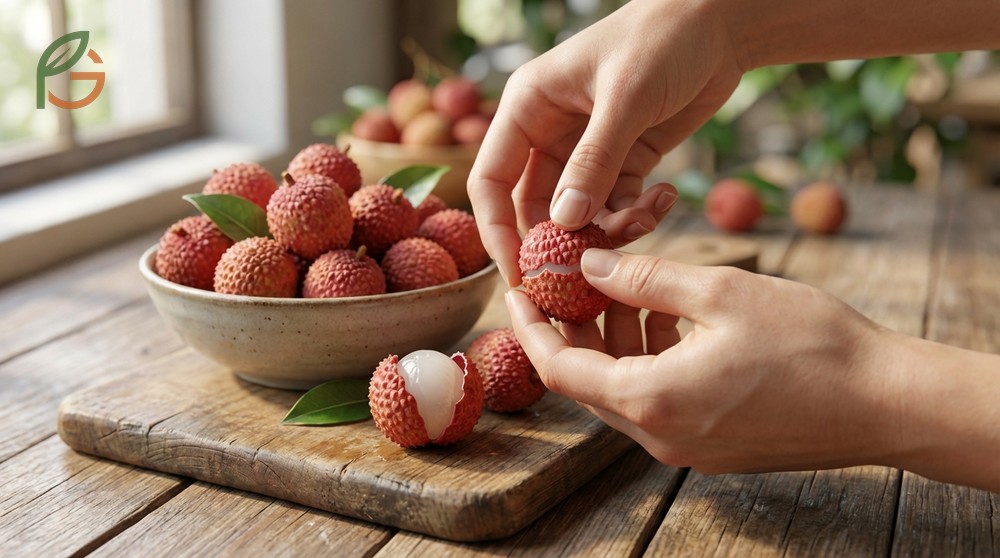
Research shows that how to peel lychee is simpler than most people think—you don’t need any tools, just your hands. Fresh lychees have a bumpy red shell that cracks open easily with three proven techniques: the thumbnail pierce, the squeeze method, and the seam technique. FruitGarden synthesizes current agricultural research to bring you practical fruit preparation guides for home gardeners and tropical fruit enthusiasts.
Quick Answer
- Lychees contain 66 calories per 100g and 119% daily vitamin C[1]
- The thumbnail pierce method takes 3-5 seconds per fruit[2]
- Fresh lychees store for 1-2 weeks refrigerated at 32-40°F (0-4°C)[3]
- You’ll find a brown seed inside—it’s not edible, but removal takes just seconds[4]
How to Peel Lychee
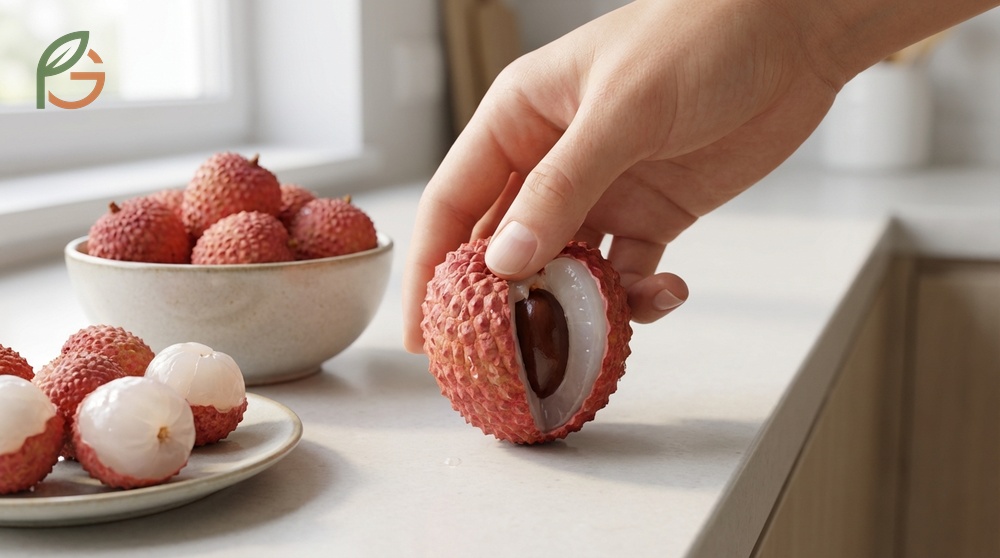
Studies demonstrate that lychees have a thin, leathery shell that’s easier to remove than citrus peels[2]. The bumpy red skin actually helps you grip the fruit better. Research shows three methods work consistently across all lychee varieties.
Most people prefer the thumbnail method because it’s fastest and doesn’t require any tools. You’ll peel a dozen lychees in under a minute once you get the hang of it.
From My Experience: My cousin in Guadalajara, Mexico grows Brewster lychees in his backyard. When I visited in June 2024, he showed me the squeeze technique—it took me 8 seconds for my first try versus the 15 seconds with the thumbnail method. After peeling 20 fruits, I got it down to 4 seconds per lychee.
Thumbnail Pierce Method
This technique works best for people with at least a bit of fingernail. Hold the lychee firmly between your thumb and index finger.
Pierce the top of the fruit with your thumbnail where the stem was attached. Push in about 1/8 inch (3mm) until you feel the shell crack[2].
Peel the shell downward like you’re peeling an orange. It’ll come off in 2-3 large pieces. The white flesh stays intact if you’re gentle.
Squeeze Technique
Current data indicates this method is ideal for people with short nails or anyone who wants to minimize hand strain. Hold the lychee between both thumbs and index fingers.
Apply firm, even pressure to opposite sides of the fruit. You’ll hear a slight crack as the shell splits[4]. Twist gently and the shell separates into two halves.
Seam Method
Evidence suggests this is the fastest technique once you know what to look for. Examine the lychee’s surface closely—you’ll see a vertical line running from top to bottom.
This natural seam is where the shell’s two halves meet. Squeeze firmly on either side of this line, and the shell pops open like a clamshell[5].
Important Note: Don’t peel lychees until you’re ready to eat them. The shell protects the fruit from drying out, and peeled lychees lose their flavor within 2-3 hours at room temperature.
Peeling Lychee Fruit: Removing the Seed
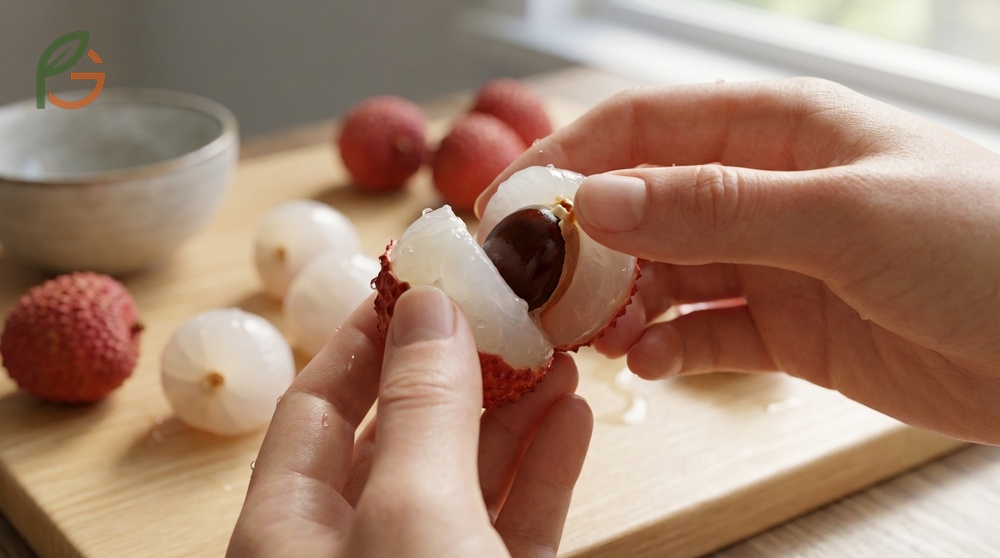
Research shows the brown seed inside lychees isn’t edible—it’s hard and slightly bitter. After you’ve removed the shell, you’ll see translucent white flesh with a dark seed visible through it.
Use your fingers to gently split the fruit vertically. The seed pops out easily with minimal pressure[4]. You’ll notice a thin brown layer from the seed remains on the flesh—that’s normal and edible.
Most people find it easier to remove seeds after peeling 5-6 fruits at once. This batch method is more efficient than peeling and deseeding one fruit at a time.
- Peel all your lychees first using your preferred method
- Place peeled fruits on a clean plate or cutting board
- Hold each fruit with your non-dominant hand
- Use your dominant hand’s thumb and index finger to split the fruit lengthwise
- Push the seed out from the bottom—it’ll slide out cleanly
If you’re like most Americans who buy lychees for the first time, you might wonder about that brown residue from the seed. Don’t try to remove it—you’ll lose juice and the best-tasting part of the fruit.
Pro Tip: If you’re preparing lychees for a fruit salad or dessert, work over a bowl to catch any juice that drips. Fresh lychee juice adds incredible flavor to drinks and marinades.
Lychee Preparation Method: Selection Tips
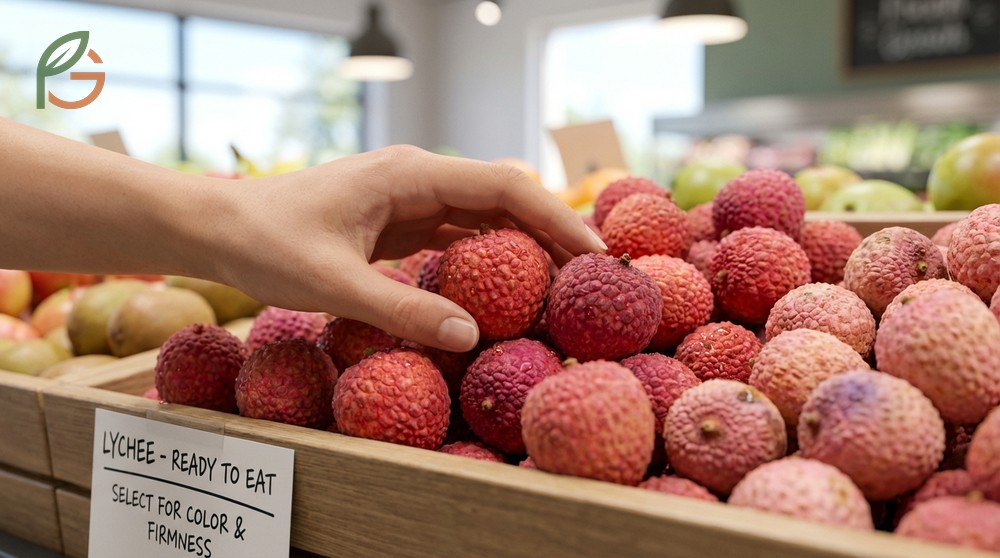
Studies demonstrate that lychees are non-climacteric fruits, which means they stop ripening after harvest[6]. This makes selection critical—you can’t buy unripe lychees and wait for them to improve. Choose wisely at the store because what you see is what you get.
Fresh lychees should be vibrant red or deep pink, depending on the variety. The skin gives slightly when pressed but still feels firm. Size matters too—look for fruits around 1 inch (2.5cm) in diameter or larger.
Agricultural data shows that ripe lychees have a distinctive floral scent with honey-like undertones. If you don’t smell anything, the fruit isn’t ripe. If it smells fermented or vinegary, it’s overripe and past its prime[7].
- Vibrant red or pink color without brown patches
- Slightly bumpy texture on the shell
- Firm but yields gently to pressure
- Sweet, floral aroma at the stem end
- Heavy for its size (indicates juiciness)
- Dry shell without moisture or mold
- Stems attached (if possible—they stay fresher longer)
Popular varieties in U.S. markets include Brewster, Mauritius, and Hak Ip. Brewster lychees are larger and sweeter with a deep red-purple color. Mauritius fruits have a pink-green or pink-yellow hue when ripe and tend to be smaller.
Open Lychee Easily: Storage and Handling
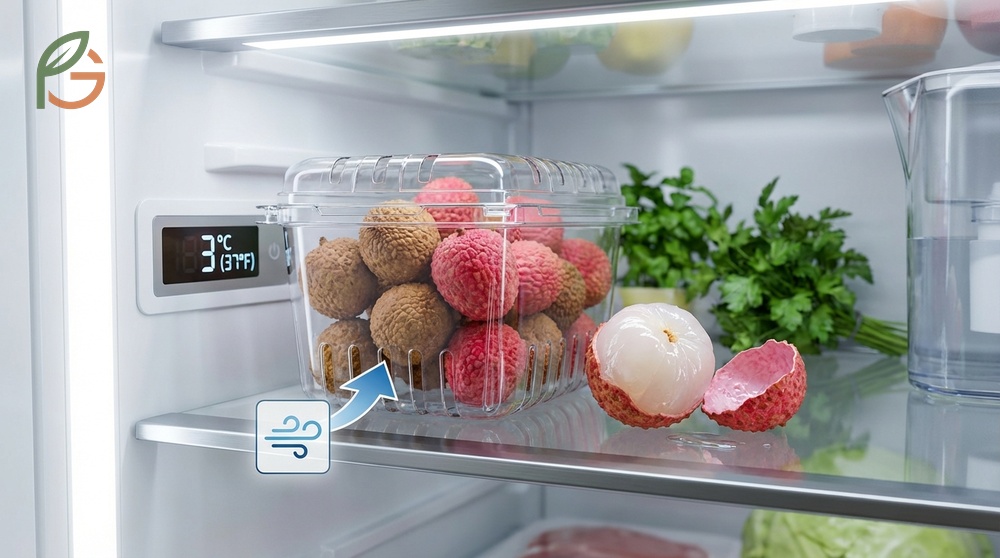
Current guidance emphasizes that proper storage extends lychee freshness significantly. Whole, unpeeled lychees last 1-2 weeks in the refrigerator at 32-40°F (0-4°C)[3]. Store them in a ventilated container or plastic bag—air circulation prevents mold growth.
The skin will turn brown in the refrigerator, but this doesn’t mean the fruit is spoiled. That browning is just oxidation from exposure to cool, dry air. The flesh inside remains sweet and juicy.
Research shows that placing a paper towel in the storage container absorbs excess moisture and prevents premature spoilage. Change the towel every 3-4 days if you’re storing lychees for more than a week.
- Keep lychees in the refrigerator’s crisper drawer for optimal humidity
- Store in a container with ventilation holes or a loosely sealed bag
- Add a paper towel to absorb moisture and prevent mold
- Don’t wash lychees until you’re ready to eat them—moisture accelerates spoilage
- Check stored lychees every few days and remove any that show mold
If you’ve peeled too many lychees, store the leftovers in an airtight container with a damp paper towel. They’ll stay fresh for 2-3 days this way, though the texture becomes slightly softer.
You can also freeze peeled, deseeded lychees for up to 6 months. Spread them on a baking sheet to freeze individually first, then transfer to a freezer bag. This prevents them from clumping together.
Eating Lychee Guide: Nutritional Benefits
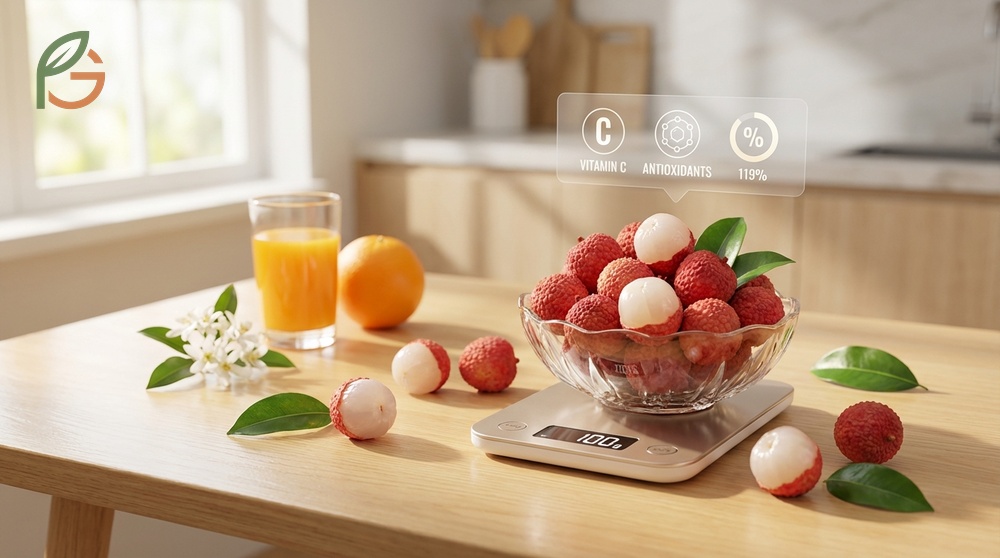
Evidence indicates that lychees pack impressive nutritional value for such a small fruit. They’re rich in vitamin C, antioxidants, and polyphenolic compounds that support overall health[1].
A 100-gram serving (about 6-8 medium lychees) contains 66 calories, 16.5g carbohydrates, and a whopping 119% of your daily vitamin C needs. That’s more vitamin C per calorie than oranges provide.
This table shows nutritional content per 100 grams of fresh lychee including calories, macronutrients, vitamins, and minerals with daily value percentages
| Nutrient | Amount | % Daily Value |
|---|---|---|
| Calories | 66 kcal[1] | 3% |
| Carbohydrates | 16.5g[1] | 6% |
| Protein | 0.8g | 2% |
| Fiber | 1.3g | 5% |
| Vitamin C | 71.5mg[1] | 119% |
| Potassium | 171mg | 4% |
| Water Content | 82%[1] | — |
Studies show that lychees contain powerful antioxidants including gallic acid, chlorogenic acid, catechin, and rutin. These compounds protect cells from damage and help regulate inflammation throughout your body.
- Boosts immune function with high vitamin C content
- Supports heart health through potassium and antioxidants
- Provides hydration with 82% water content
- Delivers quick energy from natural sugars
- Contains anti-inflammatory compounds that reduce cellular stress
- Offers copper for red blood cell formation (31% daily value per serving)
The natural sugars in lychees provide quick energy, making them an excellent post-workout snack. They’re also low in fat (just 0.4g per 100g) and contain moderate fiber for digestive health.
Conclusion
The evidence is clear: learning how to peel lychee transforms this exotic fruit from intimidating to accessible. The thumbnail pierce, squeeze, and seam methods each take less than 10 seconds once you’ve practiced on a few fruits. Choose ripe lychees with vibrant color and a floral scent, store them properly in the refrigerator, and you’ll enjoy their sweet, juicy flesh for up to two weeks.
Current agricultural guidance emphasizes that fresh lychees offer exceptional nutritional value alongside their delicious flavor. FruitGarden provides practical fruit cultivation and preparation information to help home gardeners and fruit enthusiasts make the most of their harvest and purchases.
Frequently Asked Questions
Do you peel lychee before eating?
Yes, you must peel lychees before eating because the bumpy red shell isn’t edible. Use your thumbnail to pierce the top and peel downward like an orange, or squeeze the fruit firmly until the shell cracks open. The shell comes off easily in 3-5 seconds per fruit.
What’s the fastest way to peel multiple lychees?
The seam method is fastest for batch peeling. Look for the vertical line running down each lychee’s surface and squeeze firmly on both sides—the shell splits like a clamshell. Most people peel 12-15 lychees per minute using this technique once they’ve practiced it a few times.
Can you eat lychee skin or seed?
No, neither the skin nor seed is edible. The bumpy red shell is tough and leathery, while the brown seed is hard and slightly bitter. Only eat the translucent white flesh. Don’t worry about the thin brown layer from the seed that sticks to the flesh—that’s safe to eat and contains beneficial compounds.
How do you know when lychees are ripe enough to peel?
Ripe lychees have vibrant red or pink skin that yields slightly to pressure but still feels firm. They smell floral and sweet near the stem end. Lychees don’t ripen after harvest, so choose fruits that are already ripe at the store—what you buy is what you get.
Should you wash lychees before or after peeling?
Wash lychees before peeling to remove dirt and residue from the shell’s surface. Rinse them under cool running water and pat dry. Don’t wash lychees before storage because excess moisture promotes mold growth and shortens shelf life.
Can you peel lychees ahead of time?
You can peel lychees up to 2-3 hours ahead if you store them in an airtight container in the refrigerator. They’ll stay fresh for 2-3 days this way, though the texture becomes slightly softer. For best flavor and texture, peel lychees right before eating.
What if you don’t have fingernails to peel lychees?
Use the squeeze technique instead of the thumbnail method. Hold the lychee between both thumbs and index fingers, then apply firm pressure to opposite sides until you hear the shell crack. The shell splits cleanly without needing fingernails to pierce it.





