

Benefits of lime water range from enhanced hydration to metabolism support, making it a simple yet powerful daily habit. Research shows that adding fresh lime juice to water delivers 13.2mg of vitamin C[1] per lime along with citric acid that aids digestion and prevents kidney stones. Most people don’t realize that timing matters—drinking lime water on an empty stomach provides different benefits than consuming it with meals. FruitGarden synthesizes current nutritional research to help you maximize the health advantages of citrus fruits in your daily routine.
Quick Answer
- Provides 22% of daily vitamin C[2] needs per lime (about 32% for a 2-inch diameter lime)
- Supports weight loss—citrus supplementation reduced body weight by 1.28kg[3] in clinical trials
- Prevents kidney stones through citrate content that binds calcium and inhibits crystallization[4]
- Best consumed morning (empty stomach) or 30 minutes before meals for optimal digestion benefits
Benefits of Lime Water
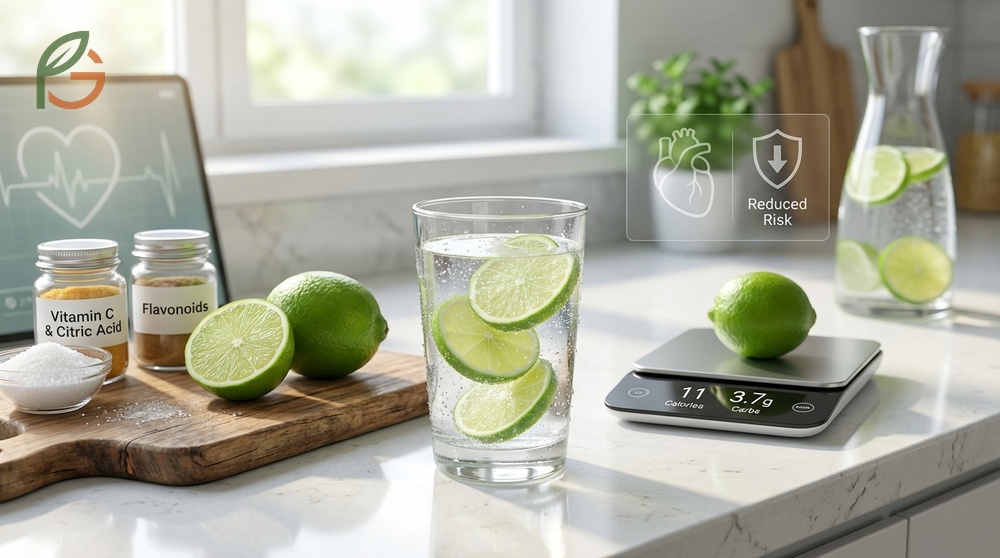
Research shows that lime water delivers multiple health advantages through its vitamin C, citric acid, and flavonoid content. One lime (approximately 67g) contains 11 calories and 3.7g of carbohydrates, making it a low-calorie addition to your hydration routine. The citric acid helps your body absorb minerals and supports various metabolic processes.
Studies demonstrate that regular consumption can reduce the risk of certain cancers and heart disease. A 2015 meta-analysis found that people with the highest citrus fruit intake experienced lower cancer rates compared to those with minimal consumption[6]. The flavonoids in limes provide antioxidant effects that protect cells from oxidative damage.
Current data indicates that lime water’s mineral content—including calcium, magnesium, and potassium—contributes to cardiovascular health. Limes contain higher levels of certain minerals than lemons, including calcium, iron, zinc, and phosphorus[1]. These minerals work together to support bone health, nerve function, and muscle contraction.
Vitamin C and Immune Support
The vitamin C in lime water strengthens your immune system by supporting white blood cell production and function. One lime provides approximately 32% of the daily recommended vitamin C intake[5] for a 2-inch diameter fruit. This water-soluble vitamin acts as a powerful antioxidant that neutralizes harmful free radicals.
Evidence suggests that regular vitamin C intake can shorten the duration of common colds and reduce symptom severity. The vitamin also promotes collagen synthesis, which supports skin health and wound healing. For people experiencing oxidative stress, the antioxidants in lime water offer protective benefits.
Hydration Enhancement
Adding lime to water makes hydration more appealing, helping you meet daily fluid requirements more easily. The Centers for Disease Control emphasizes that adequate hydration supports every bodily function, from temperature regulation to nutrient transport. Many people find plain water boring and don’t drink enough—lime provides natural flavor without added sugars or calories.
The electrolytes in lime juice, particularly potassium, enhance hydration effectiveness. Research indicates that flavored water increases consumption rates by 30-40% compared to unflavored water among people who struggle to meet hydration goals.
Antioxidant Protection
Citrus flavonoids in limes—primarily naringin and hesperidin—provide strong antioxidant activity. Studies confirm that citrus extracts rich in flavonoids reduced reactive oxygen species (ROS) by 50-70%[7] in cellular studies. These compounds protect against DNA damage and lipid peroxidation.
The antioxidant effects extend to cardiovascular protection by reducing inflammation and oxidative stress on blood vessels. This mechanism explains why higher citrus intake correlates with lower heart disease risk in population studies.
Important Note: While lime water offers antioxidant benefits, it can’t replace a varied diet rich in fruits and vegetables. Aim for diverse antioxidant sources throughout the day.
Lime Water for Weight Loss

Studies demonstrate that citrus consumption supports weight management through multiple mechanisms. A systematic review and meta-analysis of 13 randomized clinical trials found that citrus supplementation significantly reduced body weight by 1.28kg[3] compared to control groups. The vitamin C and bioactive compounds in limes may influence fat metabolism and energy expenditure.
Research also shows that people with obesity often have vitamin C deficiency. Correcting this deficiency through citrus intake can improve metabolic function and support healthier body composition. The low glycemic index of lime juice (32) means it won’t spike blood sugar levels, making it suitable for weight management plans.
Metabolism Boost
The citric acid in lime juice may increase metabolic rate, helping your body burn more calories throughout the day. Animal studies revealed that lime components decreased hunger and improved weight reduction in overweight mice[1]. While human studies are still limited, the preliminary data suggests potential metabolic benefits.
Drinking lime water in the morning on an empty stomach may kickstart your digestive system and metabolism. The warmth of warm lime water (40-50°C or 104-122°F) can enhance this effect by gently stimulating digestive secretions after sleep.
Appetite Control
Staying hydrated with lime water helps prevent mistaking thirst for hunger, a common cause of unnecessary calorie intake. Research indicates that drinking water before meals can reduce calorie consumption by promoting earlier satiety. The slight acidity of lime water may also slow gastric emptying, keeping you fuller longer.
Drinking a glass of warm lime water 30 minutes before meals may help you eat less without feeling deprived. This simple timing strategy works by partially filling your stomach and triggering stretch receptors that signal fullness to your brain.
- Start your day with 8-12oz warm lime water (juice of half a lime) before breakfast
- Drink a glass 30 minutes before lunch and dinner to reduce portion sizes naturally
- Replace sugary beverages with lime water—save 150-300 calories per serving
- Add a pinch of cayenne pepper to boost thermogenic effects
- Track your water intake—aim for 8-10 glasses daily with lime added to 2-3 servings
Health Benefits of Lime Water

Beyond weight management, lime water provides targeted health benefits for specific body systems. The combination of vitamin C, flavonoids, and citric acid creates synergistic effects that support multiple aspects of wellness. Current guidance emphasizes whole foods and natural beverages like lime water over supplements for nutrient intake.
A 2020 systematic review found that higher total fruit intake links with lower heart disease risk, with citrus fruits showing particularly strong protective effects[6]. The magnesium and potassium in limes contribute to this cardiovascular benefit by supporting healthy blood pressure levels.
Digestive Health
Lime water stimulates digestive secretions and enhances enzyme production in the stomach. The acidity helps break down food particles, making nutrients more accessible for absorption. Flavonoids in limes trigger the release of digestive juices that improve overall digestion efficiency.
For people experiencing constipation, the acid in lime juice can stimulate bowel activity by promoting peristalsis—the wave-like muscle contractions that move food through the digestive tract. Drinking lime water regularly may establish more consistent bowel movements.
Some people find that drinking warm lime water 30 minutes before meals prevents acid reflux symptoms. The mechanism isn’t fully understood, but it may involve neutralizing stomach acid or strengthening the lower esophageal sphincter. If you have chronic heartburn, consult a healthcare provider before trying this approach.
Digestive Tip: Start with diluted lime water (juice of one-quarter lime per 8oz water) if you have a sensitive stomach. Gradually increase concentration as your system adapts.
Kidney Stone Prevention
The citric acid in lime juice offers powerful protection against calcium-containing kidney stones. Citrate binds with calcium in urine and inhibits crystal formation, the first step in stone development. A Cochrane review found that citrate therapy reduced new stone formation by 74%[4] compared to placebo or no intervention.
The National Kidney Foundation identifies insufficient fluid intake as a major risk factor for kidney stones. Lime water addresses both issues simultaneously—providing citrate protection while increasing hydration. Research shows that consuming lemon or lime juice daily can significantly raise urinary citrate levels.
For people with a history of kidney stones, drinking lime water throughout the day maintains consistent citrate levels. Aim for juice from one to two limes distributed across multiple glasses of water rather than consuming it all at once. This approach keeps citrate levels elevated throughout the 24-hour period.
- Reduces inflammation through vitamin C and flavonoid content[6]
- Supports healthy skin by promoting collagen production and reducing oxidative damage
- May lower blood sugar fluctuations in people managing diabetes[1]
- Strengthens bones through calcium, phosphorus, and vitamin C content
- Protects cardiovascular health via magnesium and potassium
- May reduce cancer risk through antioxidant and anti-inflammatory mechanisms[2]
Best Time to Drink Lime Water

Timing your lime water consumption optimizes its benefits for specific health goals. Drinking it on an empty stomach in the morning offers different advantages than consuming it with or between meals. Most experts recommend starting your day with warm lime water (40-50°C or 104-122°F) to gently stimulate your digestive system after the overnight fast.
Morning consumption on an empty stomach allows the vitamin C to be absorbed efficiently without competition from other foods. This timing also kickstarts your metabolism and provides hydration after 7-9 hours without fluids. The gentle acidity helps clear your excretory system and may promote bowel regularity.
For weight loss goals, drink lime water 30 minutes before main meals. This timing reduces appetite and helps control portion sizes naturally. Research on pre-meal water consumption shows it can decrease calorie intake by promoting earlier satiety signals.
If you’re focused on digestion support, drink lime water both before meals (30 minutes) and between meals. The before-meal serving prepares your digestive system, while between-meal hydration maintains enzyme function and nutrient absorption efficiency. Avoid drinking large amounts during meals, as this may dilute digestive juices.
For kidney stone prevention, spread lime water consumption throughout the day rather than concentrating it in one sitting. Aim for 3-4 servings spaced evenly from morning to evening to maintain consistent urinary citrate levels. This approach provides continuous protection against crystal formation.
Some people drink warm lime water before bed to support overnight detoxification processes. However, if you’re prone to nighttime bathroom trips, limit fluid intake 2-3 hours before sleep. The vitamin C and antioxidants still benefit your system even when consumed earlier in the evening.
Timing Warning: Don’t drink lime water immediately after brushing your teeth. The citric acid can weaken temporarily softened enamel. Wait 30-60 minutes or drink it before your morning oral care routine.
Lime Water vs Lemon Water
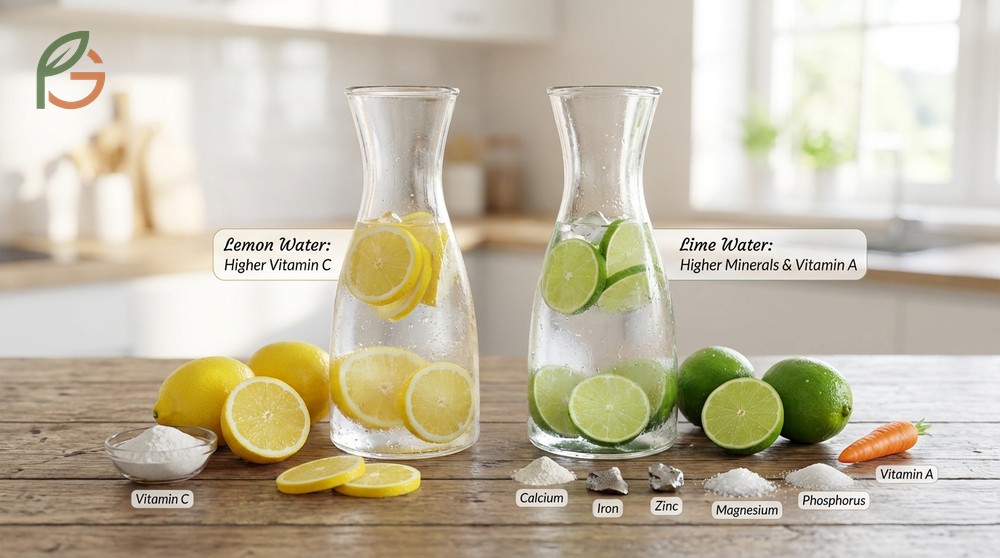
Both limes and lemons offer similar health benefits, but nutritional differences make each better suited for specific needs. Lemons contain approximately 18.6mg[1] of vitamin C per fruit compared to lime’s 13.2mg[1]. This makes lemons slightly better for vitamin C intake goals.
However, limes provide higher levels of several minerals. They contain more calcium, iron, zinc, magnesium, and phosphorus than lemons[1]. Limes also contain vitamin A, which lemons lack entirely. These mineral advantages make lime water particularly beneficial for bone health and metabolic function.
The citric acid content is similar between both fruits, meaning they offer equivalent kidney stone prevention benefits. Both increase urinary citrate levels effectively, so choose based on taste preference for this application. The flavor profiles differ—limes taste more bitter and aromatic, while lemons are purely sour.
For weight loss, both citrus fruits show comparable results in research studies. The meta-analysis that found 1.28kg weight reduction[3] included various citrus types without significant differences between them. The metabolism-boosting effects come from similar bioactive compounds present in both.
In practice, alternating between lime and lemon water provides the broadest nutritional spectrum. Use limes when you want higher mineral intake and vitamin A, and lemons when maximizing vitamin C is the priority. Both integrate seamlessly into daily hydration routines and offer nearly identical health benefits.
This table compares nutritional content per fruit between limes and lemons including calories, vitamin C, minerals, and key differences
| Nutrient | Lime (67g) | Lemon (58g) | Winner |
|---|---|---|---|
| Calories | 20 kcal | 17 kcal | Lemon (lower) |
| Vitamin C | 13.2mg[1] | 18.6mg[1] | Lemon (higher) |
| Calcium | Higher[1] | Lower | Lime |
| Iron & Zinc | Higher[1] | Lower | Lime |
| Vitamin A | Present[1] | Absent | Lime |
| Citric Acid | Similar levels | Similar levels | Tie |
Conclusion
The evidence is clear: benefits of lime water extend from basic hydration to targeted health improvements including weight management, kidney stone prevention, and immune support. Research demonstrates that this simple beverage delivers measurable results when consumed consistently—whether you’re aiming for the 1.28kg weight loss[3] seen in clinical trials or the 74% reduction[4] in kidney stone formation documented in systematic reviews.
Current nutritional guidance emphasizes whole food sources of vitamins and minerals over supplements, making lime water an ideal choice for daily wellness. FruitGarden continues tracking emerging research on citrus fruits and their role in preventive health strategies, helping home gardeners and health-conscious readers make informed decisions about their fruit consumption and cultivation choices.
Medical Disclaimer
Important Medical Disclaimer: This content is for informational and educational purposes only. It is not intended as a substitute for professional medical advice, diagnosis, or treatment. Always consult a qualified healthcare professional before making any changes to your diet, hydration practices, or health routine, especially if you have diabetes, kidney disease, digestive disorders, or other medical conditions. Individual results may vary, and lime water should complement—not replace—a balanced diet and appropriate medical care.
Frequently Asked Questions
Is drinking lime water every day good for you?
Yes, daily lime water consumption is beneficial for most people. Research shows it provides vitamin C, supports hydration, aids digestion, and may prevent kidney stones through citrate content. Start with one lime per day distributed across 2-3 glasses of water. If you have sensitive teeth, use a straw to minimize enamel exposure to citric acid.
Does lime water actually help with weight loss?
Studies demonstrate that citrus supplementation can support weight loss, with participants losing an average of 1.28kg in clinical trials. Lime water helps by boosting metabolism, increasing hydration, and reducing appetite when consumed before meals. However, it works best as part of a comprehensive approach including balanced nutrition and regular physical activity—it’s not a standalone solution.
What’s the best time to drink lime water for maximum benefits?
Morning consumption on an empty stomach offers the most comprehensive benefits—it kickstarts metabolism, promotes hydration after sleep, and prepares your digestive system for the day. For weight loss specifically, drink it 30 minutes before meals. For kidney stone prevention, spread consumption throughout the day to maintain consistent urinary citrate levels.
Can lime water damage tooth enamel?
The citric acid in lime water can weaken tooth enamel if consumed excessively or improperly. Protect your teeth by drinking through a straw, rinsing your mouth with plain water afterward, and waiting 30-60 minutes before brushing. Dilute lime juice properly (one lime per 16-24oz water) rather than drinking it concentrated.
How much lime water should I drink daily?
Most people benefit from the juice of one to two limes daily, distributed across 32-48oz of water. This provides adequate vitamin C and citrate without excessive acid exposure. Start with half a lime per day if you’re new to citrus water, then gradually increase based on tolerance. Listen to your body—some people experience digestive sensitivity with higher amounts.
Is lime water as good as lemon water?
Both offer similar health benefits with slight nutritional differences. Lemons contain more vitamin C (18.6mg vs 13.2mg), while limes provide higher levels of calcium, iron, zinc, and contain vitamin A that lemons lack. For kidney stone prevention and weight loss, they’re equally effective. Choose based on taste preference or alternate between both for broader nutritional coverage.
Can people with acid reflux drink lime water?
Responses vary among individuals with acid reflux. Some people find that warm lime water 30 minutes before meals prevents reflux symptoms, while others experience worsening. The key is timing and dilution—highly diluted warm (not hot) lime water may help, but never drink it concentrated or on a full stomach. Consult your gastroenterologist before trying this approach if you have chronic GERD.





