
Lemon water vs apple cider vinegar—both are popular morning drinks, but which one’s actually better for your health? Research shows apple cider vinegar delivers stronger weight loss results and better blood sugar control, while lemon water provides a solid vitamin C boost and gentler digestive support[1][2]. Studies demonstrate that 30 mL of ACV daily can reduce body weight by approximately 7.5 kg over 12 weeks[3]. FruitGarden synthesizes current nutritional research to help you choose the right morning ritual for your health goals.
Quick Answer
- ACV contains 5-6% acetic acid[4] that suppresses appetite and boosts fat burning
- Lemon water provides 53mg vitamin C per 100g[5] for immune support and antioxidant benefits
- Both lower blood sugar levels, but there’s more clinical evidence supporting ACV’s effectiveness[2]
- Lemon water is gentler on your stomach and works better if you’re just starting out with morning health drinks[6]
Lemon Water vs Apple Cider Vinegar

Both drinks offer distinct health advantages based on their active compounds. Apple cider vinegar’s power comes from acetic acid, which research shows delays gastric emptying and enhances cellular glucose utilization[7]. This creates a fuller feeling for longer periods and helps control blood sugar spikes after meals.
Lemon water works differently—it relies on citric acid and vitamin C to support your body. Studies demonstrate that drinking lemon water at breakfast stimulates gastric secretions and speeds up gastric emptying compared to plain water[2]. This means your digestive system wakes up faster and processes your morning meal more efficiently.
Current data indicates that ACV delivers more research-backed metabolic benefits for weight management. A 12-week randomized trial found participants consuming 30 mL of ACV daily experienced significant reductions in body weight, BMI, and hip circumference[8]. These results came from combining ACV with a calorie-restricted diet, showing it works best as part of an overall healthy eating plan.
What Makes Each Drink Unique
ACV’s fermentation process creates beneficial bacteria and enzymes in the “mother”—the cloudy strands you’ll see in unfiltered versions. These probiotics support your gut microbiome differently than lemon’s prebiotic fiber. The acetic acid in ACV also provides antimicrobial, antiviral, and anti-fungal benefits that help maintain microbiome balance[6].
Lemon’s citric acid and flavonoids work as antioxidants that combat oxidative stress. Research shows this can reduce inflammation markers and support long-term cellular health. The vitamin C content strengthens your immune response, with one medium lemon providing roughly 30-40% of your daily needs.
Nutritional Profiles Compared
This table compares the key nutritional components and active compounds between apple cider vinegar and lemon water per standard serving
| Component | Apple Cider Vinegar (1 tbsp) | Lemon Water (1 lemon in 8oz) | Primary Benefit |
|---|---|---|---|
| Active Acid | 5-6% acetic acid[4] | Citric acid | Metabolism & satiety |
| Vitamin C | Trace amounts | ~34mg[5] | Immune function |
| Probiotics | Present in “mother” | None | Gut microbiome |
| Calories | ~3 per tbsp | ~11 per lemon | Weight management |
| Prebiotic Fiber | None | Trace from pulp | Digestive health |
Important Note: Both drinks are highly acidic (pH 2-3) and should be diluted before consumption. Never drink undiluted ACV or pure lemon juice, as this can damage tooth enamel and irritate your esophagus.
Health Benefits Comparison

Evidence suggests both drinks offer metabolic advantages, but they work through different mechanisms. ACV activates AMPK (AMP-activated protein kinase), an enzyme that stimulates fat burning at the cellular level[9]. This process also reduces lipid production and accumulation in your liver, which matters for long-term metabolic health.
Lemon water’s benefits center on hydration enhancement and vitamin delivery. Starting your day with lemon water provides faster rehydration than plain water alone, supporting cognitive function and mood throughout the morning. The citrus flavonoids in lemon also promote healthy gut bacteria populations.
Research demonstrates that ACV supplementation combined with calorie restriction led to decreased plasma triglycerides and total cholesterol, while increasing HDL (good) cholesterol levels[8]. These cardiovascular benefits appeared most significant in participants with type 2 diabetes or obesity.
Digestive Support Mechanisms
Your digestive system responds differently to each drink’s acid profile. ACV slows gastric emptying—the rate at which food leaves your stomach—which extends feelings of fullness and helps prevent overeating. This delayed emptying happens because acetic acid stimulates sensors in your small intestine that regulate digestive speed.
Lemon water takes the opposite approach by accelerating gastric activity. It increases stomach acid production, which helps break down your breakfast more efficiently. This makes lemon water especially useful if you struggle with sluggish digestion or morning bloating.
- ACV extends satiety for 3-4 hours after consumption by delaying stomach emptying
- Lemon water stimulates bile production, improving fat digestion during breakfast
- ACV’s probiotics colonize your gut, supporting long-term microbiome diversity
- Lemon’s prebiotic fiber feeds existing beneficial bacteria without introducing new strains
- Both drinks help maintain healthy stomach pH for optimal nutrient absorption
Immune and Antioxidant Effects
Lemon water wins the vitamin C competition by a wide margin. A single glass delivers roughly 40% of your recommended daily intake, supporting white blood cell production and antibody function. This matters most during cold and flu season when your immune system faces constant challenges.
ACV contributes through its antimicrobial properties rather than direct immune nutrition. Studies show it can inhibit pathogenic bacteria growth, including strains that cause food poisoning and skin infections. The mother in unfiltered ACV also contains polyphenols—plant compounds with anti-inflammatory effects that reduce chronic disease risk over time.
Weight Loss Effectiveness
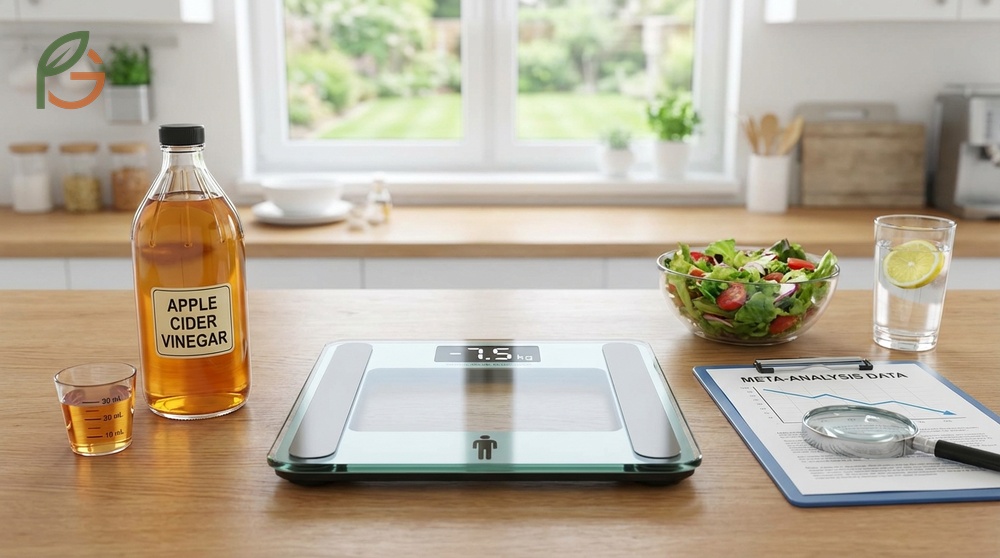
Meta-analysis data reveals that ACV supplementation significantly reduces body weight, with participants losing an average of 7.5 kg and experiencing a 2.0 kg/m² BMI reduction over 12 weeks[3]. The optimal dose appears to be 30 mL daily, taken with meals to maximize fat-burning effects. These results held up even after researchers excluded lower-quality studies, confirming the consistency of ACV’s weight loss impact.
Lemon water supports weight management indirectly through improved hydration and metabolism. People often mistake thirst for hunger, leading to unnecessary snacking. Starting your morning with lemon water addresses this by ensuring adequate fluid intake from the start. The vitamin C also plays a role in carnitine synthesis—a compound your body needs to convert fat into energy during exercise.
Current guidance emphasizes that neither drink works as a standalone weight loss solution. Research shows both function best when combined with calorie restriction and regular physical activity. Most people find success using ACV if they can tolerate the strong taste, or lemon water if they prefer a gentler introduction to morning health rituals.
How ACV Promotes Fat Loss
ACV triggers multiple fat-burning pathways simultaneously. The acetic acid reduces hepatic lipogenesis—your liver’s production of new fat cells—while simultaneously increasing the breakdown of existing fat stores. This dual action creates a more favorable environment for weight loss than diet or exercise alone.
Appetite suppression represents ACV’s most noticeable effect for most users. Studies indicate that consuming ACV before meals reduces subsequent food intake by 200-275 calories on average. This happens because the delayed gastric emptying keeps you feeling satisfied longer, reducing the urge to snack between meals.
- Activates genes that boost fat oxidation by 30-40% during fasting periods
- Reduces visceral adiposity index (VAI)—dangerous belly fat surrounding organs[8]
- Improves insulin sensitivity, preventing excess glucose from converting to fat
- Decreases lipid accumulation in liver tissue by up to 40% in animal studies
- Enhances thermogenesis—your body’s heat production that burns calories at rest
Lemon Water for Metabolism
While lemon water can’t match ACV’s direct fat-burning effects, it supports metabolic health through hydration optimization. Even mild dehydration of 1-2% body weight can slow your metabolic rate by 3-5%. Starting your day properly hydrated ensures your metabolism runs at full capacity from morning onward.
The citric acid in lemon water may influence metabolism through the citric acid cycle—a series of chemical reactions your cells use to generate energy from food. Some research suggests supplemental citric acid can improve glucose metabolism and reduce insulin resistance, though these effects appear less pronounced than ACV’s impact[10].
Realistic Expectations: Neither drink will “melt fat” or produce dramatic weight loss without dietary changes. Research shows both work best as part of a 250-500 calorie daily deficit combined with 150+ minutes of weekly exercise.
Morning Drink Options
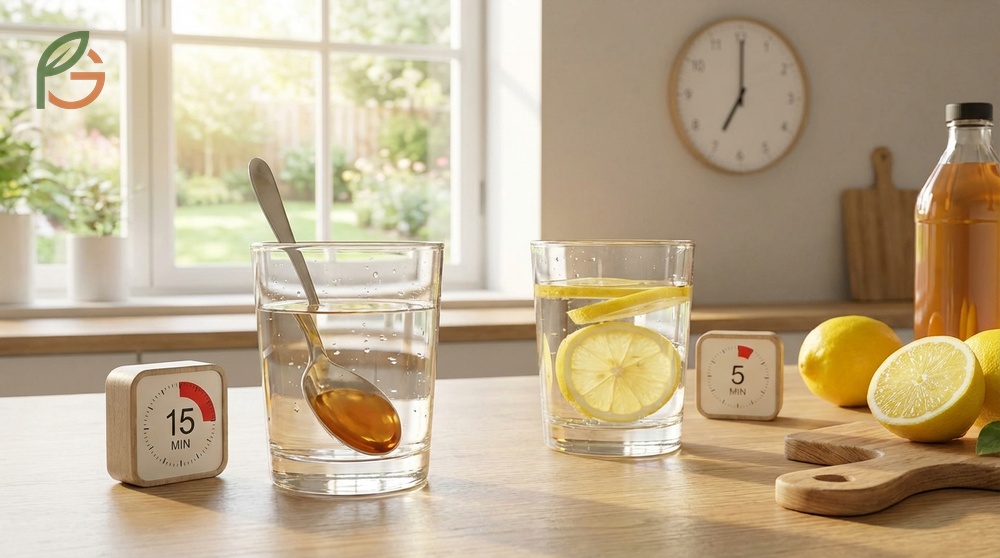
Timing and preparation method significantly influence each drink’s effectiveness. Research shows consuming ACV 15-30 minutes before breakfast maximizes its blood sugar-lowering effects. This gives the acetic acid time to prime your digestive system before food arrives. Most people dilute 1-2 tablespoons in 8 ounces of water to make the taste more palatable.
Lemon water works best immediately upon waking, consumed 5-10 minutes before any food or coffee. This approach jumpstarts hydration after 7-8 hours without fluids overnight. Use half to one whole lemon in 8-12 ounces of warm (not hot) water—heat above 140°F (60°C) degrades vitamin C content by up to 50%.
You don’t have to choose just one option. Some people alternate between drinks throughout the week, or even combine them for complementary benefits. If mixing both, use 1 tablespoon ACV plus half a lemon in 12 ounces of water. This combination provides acetic acid’s metabolic benefits alongside lemon’s vitamin C boost.
- Always drink through a straw to minimize acid contact with tooth enamel
- Rinse your mouth with plain water immediately after finishing either drink
- Start with smaller amounts (1 teaspoon ACV or quarter lemon) if you have a sensitive stomach
- Room temperature water works better than cold for faster absorption and gentler digestion
- Add a pinch of Ceylon cinnamon to ACV for additional blood sugar control benefits
- Include lemon pulp when possible to maximize prebiotic fiber intake
- Wait at least 30 minutes before brushing teeth—acid temporarily softens enamel
pH Balance Effects
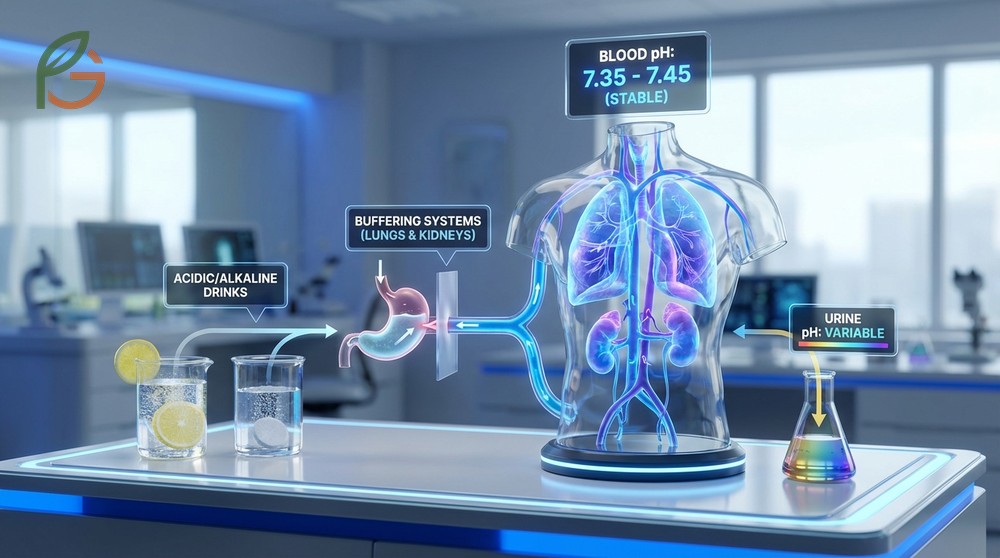
Despite popular claims, neither drink meaningfully alters your body’s pH balance. Your blood maintains a tightly regulated pH of 7.35-7.45 through sophisticated buffering systems involving your lungs and kidneys. Drinking acidic beverages can’t override these mechanisms—if they could, you’d face life-threatening metabolic acidosis or alkalosis within hours.
What these drinks can change is your urine pH, which has limited health implications. Small studies show lemon water consumption increases urine pH by 1-1.5 units over 6 weeks[11]. This alkalization might help reduce uric acid crystal formation in people prone to gout, but it doesn’t affect your systemic acid-base balance.
The “alkalizing effect” some people attribute to lemon water stems from a misunderstanding of metabolism. While lemons taste acidic, their mineral content leaves alkaline ash after digestion. However, this ash production doesn’t translate to meaningful pH changes in your bloodstream or tissues. Your body’s homeostatic mechanisms maintain pH regardless of dietary acid or alkaline intake.
Detox Properties Comparison
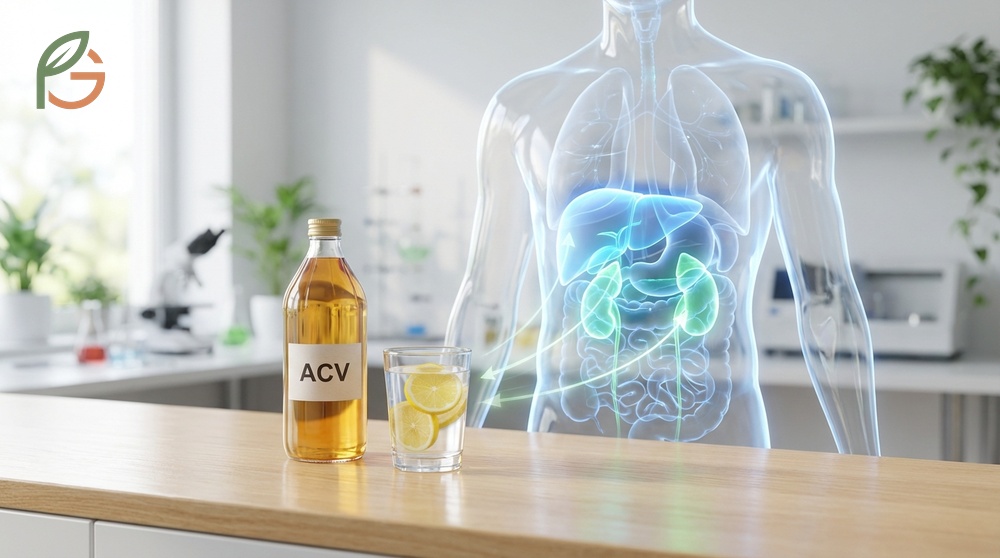
Neither ACV nor lemon water provides scientifically proven “detoxification” beyond what your liver and kidneys already accomplish. Medical research confirms that your body’s built-in detox systems work continuously without requiring special drinks or supplements[12]. Claims about removing “toxins” typically lack specific details about which compounds these drinks supposedly eliminate.
What these drinks do offer is support for your existing detoxification organs. ACV’s antioxidants reduce oxidative stress on liver cells, potentially improving their function over time. The citric acid in lemon water increases citrate levels in urine, which can help prevent kidney stone formation in susceptible individuals. These represent genuine health benefits without the misleading “detox” marketing language.
Both drinks promote better hydration, which indirectly supports detoxification by helping your kidneys filter waste products more efficiently. Adequate fluid intake ensures optimal blood flow through liver and kidney tissues, allowing these organs to process and eliminate metabolic waste at normal rates. This represents the extent of any legitimate detoxifying effects.
Conclusion
The evidence is clear: lemon water vs apple cider vinegar isn’t about finding a single winner—it’s about matching the right drink to your specific health goals. ACV delivers superior results for weight loss, blood sugar control, and appetite management, backed by multiple clinical trials showing significant reductions in body weight and metabolic markers. Lemon water excels at providing immune-supporting vitamin C, gentle digestive stimulation, and easier palatability for beginners.
Current guidance emphasizes using either drink as part of a comprehensive healthy lifestyle rather than expecting miraculous standalone results. FruitGarden recommends starting with lemon water if you’re new to morning health rituals, then potentially transitioning to ACV once your digestive system adapts. You can’t go wrong with either choice when consumed correctly—just remember to dilute properly, protect your tooth enamel, and maintain realistic expectations about their effects.
Medical Disclaimer
Important Medical Disclaimer: This content is for informational and educational purposes only. It’s not intended as a substitute for professional medical advice, diagnosis, or treatment. Always consult a qualified healthcare professional before making any changes to your diet, medication, or health routine, especially if you have diabetes, gastrointestinal conditions, tooth enamel erosion, or other medical concerns. If you’re taking medications—particularly diabetes drugs, diuretics, or laxatives—discuss ACV consumption with your doctor, as it can interact with certain prescriptions.
Frequently Asked Questions
Which is better for weight loss—lemon water or ACV?
Apple cider vinegar demonstrates stronger weight loss effects in clinical studies, with participants losing an average of 7.5 kg over 12 weeks when consuming 30 mL daily with calorie restriction. ACV works by suppressing appetite, increasing fat oxidation, and improving metabolism. Lemon water supports weight loss indirectly through improved hydration and metabolism, but lacks the direct fat-burning mechanisms that make ACV more effective for weight management.
Can I drink both lemon water and apple cider vinegar in the same morning?
Yes, you can combine them or drink separately. Many people mix 1 tablespoon of ACV with half a lemon in 12 ounces of water for complementary benefits. Alternatively, drink lemon water immediately upon waking for hydration, then consume diluted ACV 15-30 minutes before breakfast for blood sugar control. Both approaches work—choose based on taste preference and stomach sensitivity.
How long does it take to see results from drinking ACV or lemon water?
Most studies show measurable weight loss and metabolic improvements within 4-6 weeks of daily consumption. Blood sugar benefits from ACV can appear within 1-2 weeks. Digestive improvements from lemon water often manifest within 3-7 days. However, results require consistent daily intake combined with healthy eating and regular exercise—neither drink produces overnight transformation.
What’s the best time to drink apple cider vinegar—morning or night?
Research supports morning consumption 15-30 minutes before breakfast for optimal blood sugar control and appetite suppression throughout the day. Some people also benefit from a second dose before dinner. Avoid drinking ACV right before bed, as lying down after consuming acidic liquids can increase reflux risk and potentially damage esophageal tissue overnight.
Does lemon water actually alkalize your body?
No, lemon water doesn’t meaningfully change your blood pH, which your body tightly regulates at 7.35-7.45 regardless of diet. While lemon water can increase urine pH by 1-1.5 units, this doesn’t affect your systemic acid-base balance. The “alkalizing” claims stem from confusion about metabolic ash versus actual pH changes in blood and tissues.
How much apple cider vinegar should I drink daily for health benefits?
Studies show 15-30 mL (1-2 tablespoons) daily provides optimal benefits for weight loss and blood sugar control. Start with 1 teaspoon diluted in 8 ounces of water if you’re new to ACV, gradually increasing to 1-2 tablespoons as your digestive system adapts. Never exceed 2 tablespoons daily, as higher amounts increase risks of tooth enamel erosion, throat irritation, and potential drug interactions.
Will lemon water or ACV damage my tooth enamel?
Both drinks can erode enamel if consumed improperly due to their acidity (pH 2-3). Always dilute ACV or lemon juice in at least 8 ounces of water, drink through a straw to minimize tooth contact, and rinse your mouth with plain water immediately after. Wait 30-60 minutes before brushing teeth, as acid temporarily softens enamel. These precautions dramatically reduce enamel damage risk while preserving health benefits.





