
Is lemon water good for your liver? Yes, research shows that lemon water can support liver health through its antioxidant properties and hydration benefits.[1] Studies demonstrate that compounds in lemons, particularly vitamin C and flavonoids, help reduce oxidative stress and support the liver’s natural detoxification processes. FruitGarden synthesizes current research to help you understand how citrus fruits support overall health and wellness.
Quick Answer
- Lemon juice significantly reduces liver injury markers in research studies[1]
- Vitamin C intake correlates with improved liver function and reduced ferritin levels[2]
- Hydration supports the liver’s natural ability to flush toxins through optimal kidney function
- Lemon’s antioxidants provide supplementary support, but can’t replace a healthy diet and lifestyle
Is Lemon Water Good for Your Liver
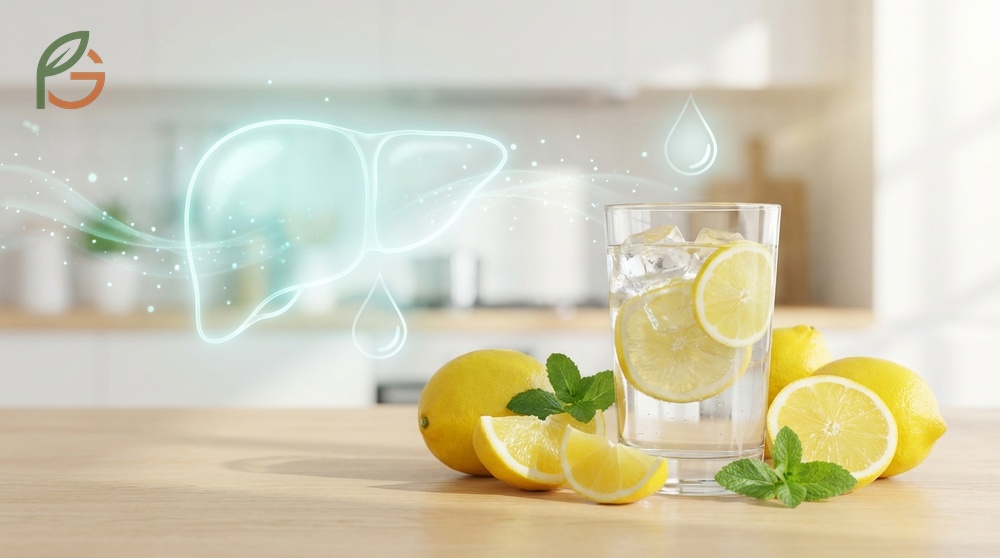
Research demonstrates that lemon water provides measurable benefits for liver health. Studies show that lemon juice significantly reduces liver injury markers like alanine transaminase (ALT) and aspartate transaminase (AST) in laboratory settings.[1]
The protective effects stem from lemon’s antioxidant capacity and its ability to reduce oxidative stress. Current data indicates that compounds in citrus fruits work through multiple pathways to support liver function. Most people find that incorporating lemon water into their daily routine makes hydration more appealing, which directly benefits liver and kidney function.
How Lemon Water Supports Liver Function
Evidence suggests three primary mechanisms through which lemon water supports the liver. First, adequate hydration helps kidneys eliminate waste products that the liver has processed. Second, vitamin C and flavonoids provide antioxidant defense against cellular damage.
Third, some research indicates that citrus compounds may stimulate bile production, which aids digestion and fat metabolism. These effects work together rather than in isolation, creating a cumulative benefit for liver health.
- Hydration enhancement: Water intake increases by 20-40% when flavored with lemon
- Antioxidant delivery: One lemon provides approximately 30-40 mg of vitamin C
- Reduced inflammation: Flavonoids in lemon peel and juice combat oxidative stress
- Bile production support: Citric acid may stimulate digestive enzyme secretion
- Toxin elimination: Improved hydration accelerates waste removal through urine
Antioxidant Protection
Higher dietary vitamin C intake correlates with improved liver function markers. Research involving over 8,000 participants found that increased vitamin C consumption associated with lower plasma ferritin concentrations and higher albumin levels.[2]
The antioxidant effects work by neutralizing free radicals that cause cellular damage. This reduction in oxidative stress allows the liver to function more efficiently in its natural detoxification role.
Important Note: While lemon water supports liver health, it can’t reverse serious liver damage or replace medical treatment. Think of it as a helpful addition to a healthy lifestyle, not a standalone cure.
Lemon Water for Liver Repair
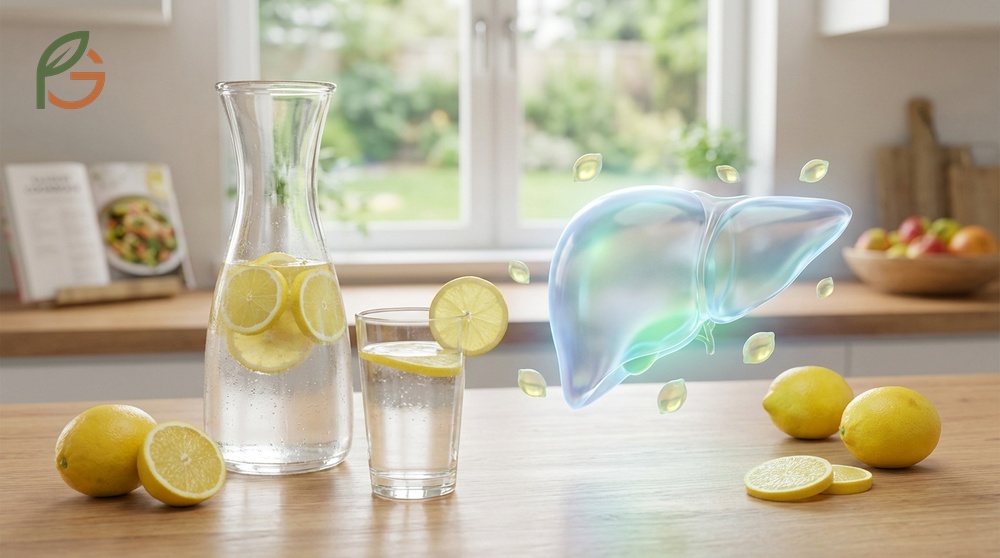
Studies demonstrate that lemon juice can help protect against liver injury, but the term “repair” requires careful interpretation. Animal research shows that lemon juice treatment significantly improved histopathological changes induced by alcohol in liver tissue.[1]
These protective effects appear most pronounced when lemon is consumed regularly as part of an overall healthy diet. The liver’s remarkable regenerative capacity means that supporting its function through nutrition can facilitate natural healing processes.
Evidence from Clinical Studies
Clinical evidence shows measurable improvements in liver enzyme levels with citrus consumption. Research found that lemon juice reduced hepatic triglycerides and lipid peroxidation in a dose-dependent manner. This means higher consumption correlated with greater protective effects, up to a certain threshold.
The antioxidant capacity of lemon juice relates directly to its vitamin C and flavonoid content. These compounds work synergistically to enhance the liver’s natural defense mechanisms against oxidative damage.
- Reduced liver enzyme levels (ALT and AST) indicating decreased inflammation
- Lower hepatic triglyceride accumulation in fatty liver conditions
- Decreased lipid peroxidation markers showing reduced oxidative stress
- Improved antioxidant enzyme activities including superoxide dismutase (SOD)
- Enhanced glutathione content supporting natural detoxification pathways
Realistic Expectations
Current guidance emphasizes that lemon water can’t “detox” or “cleanse” the liver in the way marketing claims suggest. The liver already performs its own detoxification continuously. What lemon water does provide is nutritional support for these ongoing processes.
For individuals with fatty liver disease or other liver conditions, lemon water should complement—not replace—medical treatment and dietary changes. The evidence supports its role as one component of a comprehensive approach to liver health.
Reality Check: Don’t expect lemon water alone to reverse liver damage. It’s most effective when combined with weight management, reduced alcohol intake, and a nutrient-dense diet.
Fatty Liver Diet Essentials
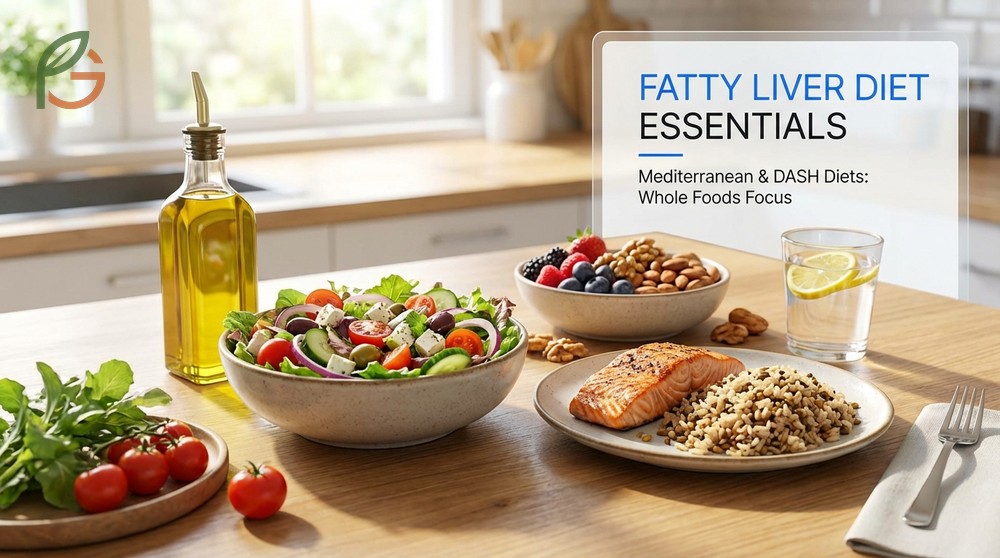
Research across multiple institutions identifies key dietary patterns that benefit fatty liver disease. The Mediterranean diet and DASH (Dietary Approaches to Stop Hypertension) diet both show effectiveness in reducing insulin resistance, a primary driver of non-alcoholic fatty liver disease.[3]
These eating patterns emphasize whole foods over processed options. Studies demonstrate that diets high in refined carbohydrates and added sugars worsen insulin resistance, leading to increased fat accumulation in the liver. The key isn’t restriction but rather choosing nutrient-dense foods that support metabolic health.
Experts recommend focusing on fiber-rich plants, lean proteins, and healthy fats. Leafy greens, legumes, whole grains, and omega-3-rich fish consistently appear in research as beneficial for liver health. This matters because these foods reduce inflammation and support the liver’s natural fat-processing capabilities.
This table compares recommended foods and foods to limit for fatty liver disease management, organized by food category with specific examples and benefits.
| Food Category | Recommended Choices | Foods to Limit | Key Benefits |
|---|---|---|---|
| Proteins | Fatty fish, lean poultry, legumes, eggs | Red meat, processed meats, fried foods | Omega-3s reduce inflammation[4] |
| Vegetables | Leafy greens, cruciferous vegetables, colorful produce | Canned vegetables with added salt | High fiber aids weight management |
| Grains | Oats, quinoa, brown rice, whole wheat | White bread, pastries, sugary cereals | Complex carbs stabilize blood sugar |
| Fats | Olive oil, avocados, nuts, seeds | Trans fats, excessive saturated fats | Unsaturated fats improve lipid profiles |
| Beverages | Water, herbal tea, lemon water, black coffee | Sugary drinks, excessive alcohol, fruit juice | Hydration without added sugars |
- Increase fiber intake to 25-35 grams daily through vegetables, fruits, and whole grains
- Choose omega-3-rich fish like salmon, sardines, and mackerel at least twice weekly
- Limit added sugars to less than 25 grams per day for optimal liver health
- Reduce saturated fat intake while increasing monounsaturated and polyunsaturated fats
- Maintain consistent meal timing to stabilize insulin response throughout the day
Liver Detox Foods Beyond Lemon
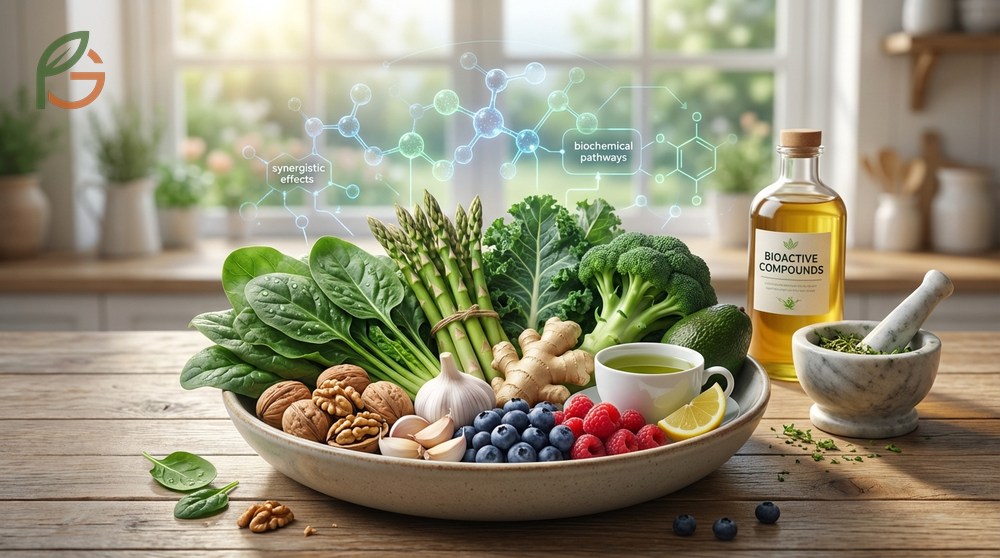
Evidence indicates that several foods beyond lemon provide significant liver support. Research consistently identifies certain plant compounds that enhance the liver’s natural detoxification enzymes and reduce oxidative damage. The reason is simple: these foods contain bioactive compounds that work through specific biochemical pathways.
Most people don’t realize that combining multiple liver-supportive foods creates synergistic effects. Rather than relying on a single “superfood,” current nutritional guidance emphasizes variety and consistent consumption of protective compounds.
Turmeric for Liver Health
Turmeric extract demonstrates significant protective effects against liver damage in multiple studies. Research shows that curcumin, turmeric’s active compound, reduces liver injury markers and improves hepatic glutathione content.[5]
The protective mechanism works through suppressing hepatic oxidative stress and reducing lipid peroxidation. Clinical trials involving patients with non-alcoholic fatty liver disease found that curcumin supplementation improved liver enzyme levels and reduced liver fat accumulation.
What often gets overlooked is that turmeric’s absorption increases significantly when combined with black pepper. The piperine in black pepper enhances curcumin bioavailability by up to 2,000%, making the combination far more effective than turmeric alone.
Dandelion Root Tea Benefits
Dandelion root has been used traditionally as a “liver tonic” for centuries, and recent research validates some of these traditional uses. Studies suggest that water-soluble polysaccharides from dandelion root may protect the liver from hepatic injury.[6]
The primary mechanism appears to involve increasing bile flow, which aids in fat digestion and toxin elimination. Naturopathic practitioners recommend dandelion root tea as part of liver support protocols, typically consumed three to four times daily for optimal effects.
- Garlic: Contains sulfur compounds that activate liver detoxification enzymes
- Walnuts: High in omega-3 fatty acids and arginine that support liver cleansing
- Leafy greens: Chlorophyll neutralizes heavy metals and environmental toxins
- Green tea: Catechins improve liver function and reduce fat accumulation
- Beets: Betaine and betalains protect liver cells and support bile flow
- Cruciferous vegetables: Glucosinolates enhance Phase II detoxification enzymes
Supplement Caution: While whole foods containing these compounds are safe, concentrated supplements can cause liver injury in some cases. The NIH reports that certain turmeric products have been linked to acute liver damage. Always choose whole foods first and consult healthcare providers before taking concentrated supplements.
Foods to Avoid for Liver Health
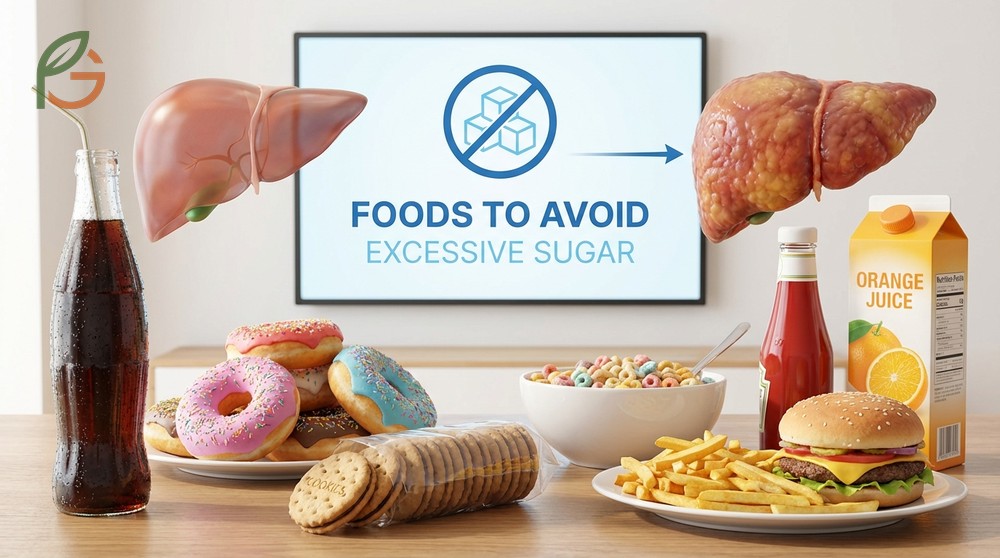
Current data identifies specific dietary patterns that accelerate liver damage and should be minimized or eliminated. Research demonstrates that certain foods directly interfere with liver function by promoting inflammation, insulin resistance, and fat accumulation.
The most damaging dietary factor for liver health is excessive added sugar, particularly fructose from sweetened beverages and processed foods. Studies show that high fructose intake overwhelms the liver’s processing capacity, leading directly to non-alcoholic fatty liver disease development.
Alcohol consumption poses significant risk for liver health, even at moderate levels for susceptible individuals. For those with existing liver conditions, complete alcohol avoidance becomes critical. The liver prioritizes alcohol metabolism over other functions, which can accelerate damage when combined with poor dietary habits.
- Sugary beverages: Soda, sweetened coffee drinks, and fruit juices concentrate fructose that stresses the liver
- Trans fats: Found in fried foods, margarine, and commercial baked goods—promote inflammation and insulin resistance
- Excessive alcohol: Even moderate intake can worsen existing liver conditions and prevent healing
- Processed meats: High sodium and preservatives increase oxidative stress and inflammation
- White flour products: Refined carbohydrates spike blood sugar and promote fat storage in the liver
- High-sodium foods: Excess salt can worsen fluid retention and increase blood pressure, stressing the liver
- Saturated fats: Large amounts from red meat and full-fat dairy may contribute to fatty liver progression
Studies indicate that the combination of high sugar and high fat intake creates particularly severe metabolic stress on the liver. This combination—common in Western diets—accelerates the progression from simple fatty liver to inflammatory liver disease.
What matters most isn’t perfection but rather consistent patterns. Evidence suggests that replacing processed foods with whole foods and limiting added sugars to less than 25 grams daily significantly improves liver health markers within weeks to months.
Conclusion
The evidence is clear: lemon water is good for your liver when incorporated into a comprehensive approach to health. Research demonstrates measurable benefits through hydration support, antioxidant delivery, and reduced oxidative stress, but it can’t reverse serious liver damage on its own.
Current guidance emphasizes that liver health depends on multiple factors working together—balanced nutrition, adequate hydration, limited alcohol intake, regular physical activity, and weight management. Lemon water serves as a beneficial component within this framework, making hydration more appealing while delivering protective compounds. For readers interested in growing their own citrus fruits for optimal freshness, FruitGarden provides evidence-based guidance on fruit cultivation and nutrition.
Medical Disclaimer
Important Medical Disclaimer: This content is for informational and educational purposes only. It is not intended as a substitute for professional medical advice, diagnosis, or treatment. Always consult a qualified healthcare professional before making any changes to your diet, medication, or health routine, especially if you have liver disease, fatty liver, diabetes, or other medical conditions. Individual results may vary, and what works for one person may not be appropriate for another.
Frequently Asked Questions
How Much Lemon Water Should I Drink Daily for Liver Health?
Research doesn’t specify an exact amount, but most studies showing benefits used the juice of one to two lemons daily mixed with water. Start with one lemon’s juice (about 2-3 tablespoons) in 8-16 ounces of water each morning, and adjust based on your tolerance. The total daily water intake of 64-96 ounces matters more than the lemon concentration.
Can Lemon Water Cure Fatty Liver Disease?
No, lemon water can’t cure fatty liver disease on its own. While research shows lemon’s antioxidants support liver function, reversing fatty liver requires comprehensive lifestyle changes including weight loss, improved diet quality, increased physical activity, and reduced alcohol intake. Think of lemon water as one helpful tool in a larger treatment approach, not a standalone cure.
When Is the Best Time to Drink Lemon Water for Liver Benefits?
Many people drink lemon water first thing in the morning on an empty stomach, which may help with hydration after overnight fasting. However, no research proves one timing is superior to another. What matters most is consistency—drinking lemon water at the same time daily, whether morning, midday, or evening, helps establish a sustainable habit.
Does Warm or Cold Lemon Water Work Better for the Liver?
Studies don’t show significant differences between warm and cold lemon water for liver benefits. Both temperatures preserve the vitamin C and flavonoid content that provide antioxidant effects. Choose based on personal preference—some people find warm lemon water more soothing, while others prefer it cold for hydration. The temperature won’t affect the liver-supportive compounds.
Are There Any Side Effects of Drinking Lemon Water for Liver Health?
Lemon water is generally safe, but excessive consumption can erode tooth enamel due to citric acid. Dentists recommend drinking through a straw and rinsing your mouth afterward. Some people experience heartburn or acid reflux from citrus, especially on an empty stomach. If you have kidney stones or take certain medications, consult your healthcare provider before increasing lemon intake, as citrus can interact with some drugs.
Can I Use Bottled Lemon Juice Instead of Fresh Lemons?
Fresh lemon juice is preferable because it contains higher levels of vitamin C and beneficial flavonoids compared to bottled versions. Processing and storage degrade these compounds over time. If fresh lemons aren’t available, choose 100% lemon juice without added sugars or preservatives, but expect somewhat reduced antioxidant benefits compared to freshly squeezed juice.
Should I Add Anything Else to Lemon Water for Better Liver Support?
Some combinations may enhance benefits: adding a pinch of turmeric provides additional antioxidant support, while a small amount of black pepper increases curcumin absorption. Fresh ginger adds anti-inflammatory compounds. However, avoid adding sugar or honey, as excess sugar intake counteracts liver health benefits. Keep additions minimal to maintain focus on hydration and lemon’s natural compounds.





