
Is lemon water good for your kidneys? Yes, research demonstrates that lemon water supports kidney health primarily through its citrate content, which prevents kidney stone formation. Studies show that drinking lemon juice increases urinary citrate levels, reducing calcium oxalate crystallization by up to 87%[1]. FruitGarden synthesizes current agricultural and nutritional research to help you understand how citrus fruits, particularly lemons, support urinary health through natural compounds.
Quick Answer
- Lemon juice contains 1.44 grams of citric acid per ounce[2], the highest concentration among all fruits
- Daily consumption reduces kidney stone recurrence rates from 1.00 to 0.13 stones per patient per year[1]
- Mix 4 ounces of fresh lemon juice with 2 liters of water daily for optimal kidney stone prevention[3]
- Your kidneys don’t need “detoxing”—they’re self-cleaning organs that filter waste naturally without special products[4]
Is Lemon Water Good for Your Kidneys
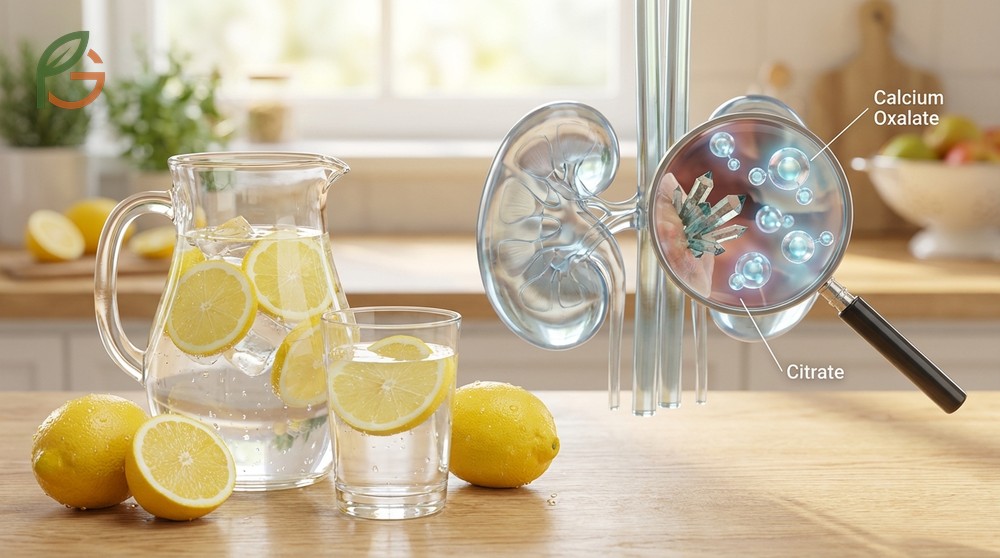
Research shows that lemon water provides measurable benefits for kidney health through its naturally high citrate content. Citrate binds to calcium in urine, preventing the formation of calcium oxalate crystals that lead to kidney stones. Clinical studies demonstrate that patients who consumed lemon juice daily experienced significant reductions in stone recurrence rates[1].
The mechanism works by increasing urinary pH and citrate concentration simultaneously. Higher citrate levels create an environment where calcium can’t easily bind with oxalates or uric acid. Studies indicate that about 50% of kidney disease patients have low citrate levels even with normal kidney function, making dietary citrate supplementation particularly valuable[3].
Evidence suggests that lemon water’s benefits extend beyond stone prevention. The increased fluid intake helps dilute urine, reducing the concentration of stone-forming substances. Most people don’t realize that proper hydration combined with citrate creates a dual protective effect for kidney health.
How Citrate Prevents Kidney Stones
Citrate functions as a natural inhibitor of stone crystallization through chemical bonding. When citrate molecules encounter calcium in urine, they bind together before calcium can attach to oxalates. This prevents the initial crystal formation that eventually grows into kidney stones.
Current data indicates that urinary citrate levels below 320 mg per day significantly increase stone risk. Lemon juice supplementation can raise these levels by 30-40% within weeks. The effect persists as long as you maintain consistent intake.
- Binds with calcium ions in urine, making them unavailable for crystal formation
- Increases urine pH from acidic to neutral, reducing stone-friendly conditions
- Inhibits the aggregation of existing small crystals into larger stones
- Blocks crystal attachment to kidney tissue surfaces
- Reduces urinary sodium excretion by 8.60 mEq per 24 hours on average[1]
Important Note: If you’re currently taking potassium citrate medication for kidney stones, don’t stop your prescription. Lemon water can complement medical treatment but shouldn’t replace medications prescribed by your doctor.
Citric Acid Concentration in Lemons
Lemons contain the highest citric acid concentration of any common fruit. Fresh lemon juice provides 1.44 grams of citric acid per ounce, while lime juice contains 1.38 grams per ounce[2]. This concentration exceeds oranges, grapefruits, and all other citrus fruits.
Commercial lemonade products contain far less citric acid—ranging from just 0.03 to 0.22 grams per ounce. That’s why fresh lemon juice diluted in water delivers better results than store-bought lemonade for kidney health.
Lemon Water for Kidney Stones
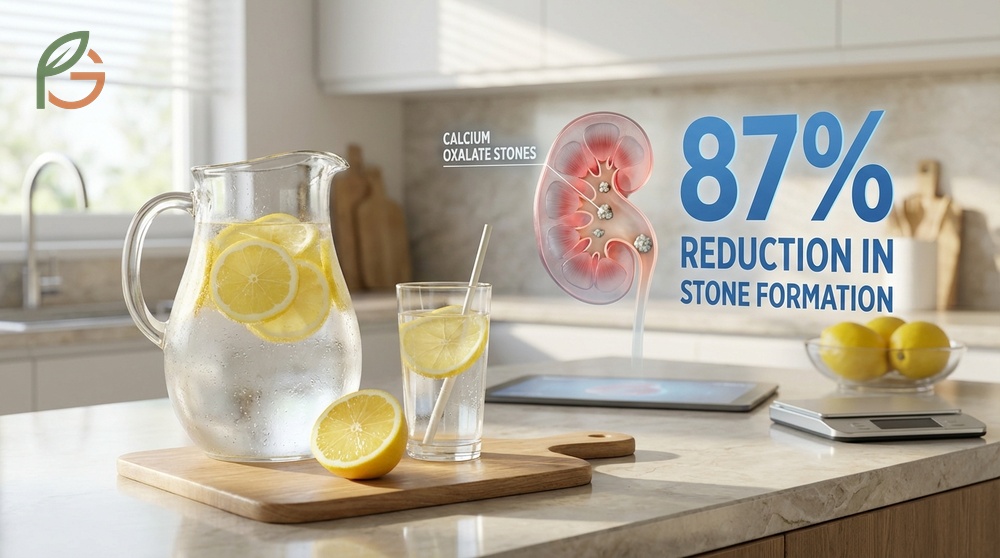
Studies demonstrate that lemon water significantly reduces both the formation of new kidney stones and the recurrence of existing ones. Patients who incorporated lemon juice into their daily routine saw stone formation rates drop by 87%[1]. The effect applies specifically to calcium oxalate stones, which account for 80% of all kidney stones.
The treatment works best when started early, ideally after your first kidney stone episode. Research indicates that consistent use prevents the need for surgical intervention in most cases. What often gets overlooked is that lemon juice quality matters—fresh-squeezed produces better outcomes than bottled juice.
Evidence suggests combining lemon water with adequate daily hydration amplifies the protective effect. Drinking at least 2 liters of fluid daily, with half containing lemon juice, creates optimal conditions for stone prevention.
Optimal Dosage and Preparation
Current guidance recommends mixing 4 ounces of fresh lemon juice with 2 liters of water throughout the day. This provides approximately 5.9 grams of citric acid, the amount shown effective in clinical trials[3]. Divide this into 4-5 servings rather than consuming all at once.
Most people find that squeezing 2-3 medium lemons yields the required 4 ounces. Drink the mixture cold or at room temperature—heat doesn’t affect citrate content but may reduce vitamin C levels slightly.
- Choose fresh lemons over bottled juice for maximum citrate concentration
- Roll lemons firmly on your counter before cutting to release more juice
- Squeeze juice through a strainer to remove seeds and pulp if desired
- Mix 4 ounces of fresh juice into a 2-liter container of water
- Drink throughout the day rather than consuming large amounts at once
- Use a straw when drinking to protect tooth enamel from acid exposure
- Store prepared lemon water in the refrigerator for up to 24 hours
Clinical Evidence for Stone Prevention
A major clinical trial tracked patients with recurrent calcium oxalate kidney stones over multiple years. Those receiving lemon juice supplementation reduced their stone formation rate from 1.00 stones per patient per year to just 0.13—a reduction of 87%[1]. None of the patients in the lemon juice group required surgical intervention during the study period.
Animal studies provide additional confirmation of the mechanism. Rats given lemon juice solutions showed 40% lower calcium levels in kidney tissue and 61% lower urea concentrations compared to control groups. Tissue analysis revealed zero calcification in animals receiving 100% lemon juice treatment.
Timing Matters: Start lemon water therapy after your first kidney stone rather than waiting for recurrence. Prevention works better than treatment for kidney stones since each stone causes kidney damage and increases future risk.
Kidney Detox Cleanse Reality
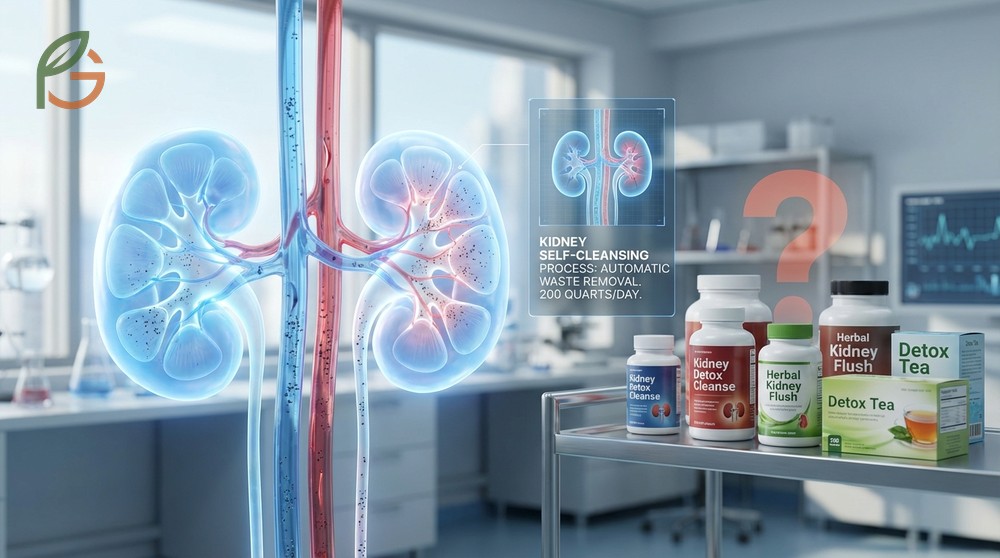
Medical evidence contradicts the popular notion that kidneys need detoxification or cleansing. Your kidneys are self-cleaning organs that continuously filter blood and remove waste products without requiring special supplements or treatments[4]. They process approximately 200 quarts of blood daily, extracting toxins and excess substances automatically.
Research shows that most commercial detox products lack scientific validation. Some detox teas and supplements contain herbs that can actually stress kidneys rather than help them. The concept of “flushing” kidneys with special drinks has no physiological basis in how kidney filtration actually works.
What lemon water does provide is support for normal kidney function through hydration and citrate—not detoxification. The distinction matters because focusing on proven benefits prevents wasting money on ineffective products while supporting genuine kidney health.
- Healthy kidneys filter waste continuously without needing external cleansing interventions
- No scientific studies demonstrate that detox products improve kidney filtration rates
- Sodium phosphate “cleanses” can damage kidneys and are designed for colon preparation only[4]
- Proper hydration and balanced nutrition support kidney health more effectively than any detox
- Commercial detox products remain unregulated and may contain kidney-harmful substances
The best way to support your kidneys involves maintaining adequate hydration, limiting sodium intake, consuming appropriate amounts of protein, and avoiding kidney-toxic medications when possible. Lemon water fits into this framework as a hydration strategy with the added benefit of stone prevention—not as a “detox” treatment.
Calcium Oxalate Stones Diet
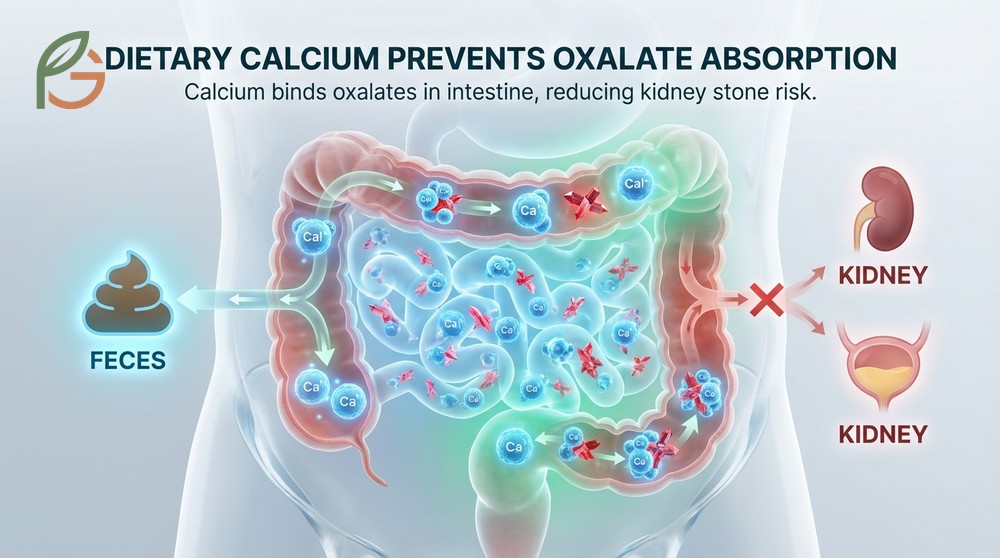
Dietary modifications prevent calcium oxalate kidney stones more effectively than medications for many patients. Current guidance emphasizes consuming adequate calcium through food rather than restricting it[5]. This counterintuitive approach works because dietary calcium binds with oxalates in your intestines, forcing them into feces instead of urine.
Studies indicate that adequate calcium intake between 800-1,200 mg per day reduces intestinal oxalate absorption and consequently lowers urinary oxalate excretion[6]. This mechanism reduces stone formation risk significantly when combined with proper hydration and citrate supplementation.
The approach works best when you consume calcium-rich foods with meals containing oxalates. Pair spinach or nuts with dairy products, beans, or fortified plant milks. This timing ensures calcium and oxalate meet in your digestive tract rather than your kidneys.
This table compares oxalate levels across common foods and provides dietary recommendations for patients managing calcium oxalate kidney stones
| Food Category | High-Oxalate Foods (Limit) | Low-Oxalate Alternatives | Recommended Pairing |
|---|---|---|---|
| Leafy Greens | Spinach, Swiss chard, beet greens | Kale, arugula, romaine lettuce | Serve with yogurt-based dressing |
| Nuts & Seeds | Almonds, cashews, peanuts | Pumpkin seeds, sunflower seeds | Add to milk-based smoothies |
| Beverages | Black tea, hot chocolate | Herbal tea, lemon water | Drink with calcium-fortified foods |
| Grains | Wheat bran, wheat germ | White rice, oats, corn | Cook in milk instead of water |
| Vegetables | Beets, okra, sweet potatoes | Cauliflower, cabbage, peas | Serve with cheese or cream sauce |
- Consume 1,000-1,200 mg of calcium daily from food sources, not supplements[5]
- Limit sodium intake to 2,300 mg per day since excess sodium increases urinary calcium
- Drink at least 2.5 liters of fluid daily to dilute urine and prevent crystal formation
- Moderate animal protein intake to 6-8 ounces daily as excess increases stone risk
- Avoid vitamin C supplements exceeding 1,000 mg as the body converts excess to oxalate
- Time calcium-rich foods with oxalate-containing meals for optimal binding in intestines
Foods for Kidney Health

Beyond lemon water, several food categories provide specific benefits for kidney function. Citrus fruits generally support kidney health through citrate and potassium content. Orange juice increases urine pH and citrate while reducing calcium oxalate supersaturation, though lemons remain the most concentrated citrate source.
Research indicates that a plant-forward diet rich in fruits and vegetables creates a less acidic body environment. This dietary pattern naturally increases urinary citrate levels since kidneys don’t need to reabsorb citrate to neutralize acid from animal protein metabolism.
Current nutritional guidance for kidney health emphasizes whole foods over supplements. Natural food sources provide beneficial compounds in balanced combinations that isolated supplements can’t replicate.
- Citrus fruits (lemons, limes, oranges, grapefruits) for natural citrate and hydration
- Berries (strawberries, blueberries, cranberries) for antioxidants that reduce kidney inflammation
- Leafy greens (kale, arugula) that are low in oxalates but high in beneficial nutrients
- Cruciferous vegetables (cauliflower, cabbage) that support detoxification pathways
- Whole grains (oats, quinoa, brown rice) providing fiber without excess phosphorus
- Fatty fish (salmon, sardines) offering anti-inflammatory omega-3 fatty acids
- Garlic and onions containing sulfur compounds that support kidney filtration
- Apples providing pectin fiber that helps eliminate waste products efficiently
The Mediterranean dietary pattern demonstrates particular benefits for kidney health in long-term studies. This approach emphasizes fruits, vegetables, whole grains, legumes, nuts, olive oil, and moderate fish consumption while limiting red meat and processed foods.
Hydration Strategy: Don’t rely on thirst alone to guide fluid intake. Check your urine color—pale yellow indicates adequate hydration while dark yellow or amber suggests you need more fluids. Aim for 2.5-3 liters daily, with at least 2 liters containing lemon juice for stone prevention.
Conclusion
The evidence is clear: lemon water good for your kidneys through measurable mechanisms rather than vague “detox” claims. Its high citrate content prevents kidney stones by binding calcium and increasing urine pH, while proper hydration dilutes stone-forming substances. Clinical trials demonstrate 87% reductions in stone recurrence rates with consistent daily use.
Current guidance emphasizes that healthy kidneys don’t need detoxification—they continuously self-clean through normal filtration. Focus your efforts on proven strategies: adequate hydration, balanced calcium intake, sodium restriction, and citrate supplementation through fresh lemon juice. FruitGarden recommends growing your own lemon trees when climate permits, ensuring access to fresh fruit for daily kidney-healthy lemon water while enjoying the broader benefits of home fruit cultivation.
Medical Disclaimer
Important Medical Disclaimer: This content is for informational and educational purposes only. It is not intended as a substitute for professional medical advice, diagnosis, or treatment. Always consult a qualified healthcare professional before making any changes to your diet, medication, or health routine, especially if you have kidney disease, kidney stones, or other medical conditions. Individual responses to dietary citrate vary, and some people require prescription medications for kidney stone prevention. Never stop taking prescribed medications without consulting your doctor first.
Frequently Asked Questions
How Much Lemon Water Should I Drink Daily for Kidney Health?
Research recommends mixing 4 ounces of fresh lemon juice with 2 liters of water consumed throughout the day. This provides approximately 5.9 grams of citric acid, the amount shown effective in clinical trials for preventing kidney stones. Divide this into 4-5 servings rather than drinking all at once for optimal absorption and consistent urinary citrate levels.
Can Lemon Water Dissolve Existing Kidney Stones?
Studies show that lemon water prevents new stones from forming and may slow the growth of very small existing stones, but it doesn’t dissolve stones that have already formed. The citric acid in lemon juice blocks crystal formation and can break up tiny crystals before they aggregate into stones. For existing stones causing symptoms, you’ll need medical treatment—lemon water works best as a preventive strategy after stone removal.
Is Bottled Lemon Juice as Effective as Fresh Lemons?
Fresh lemon juice contains higher citrate concentrations than most bottled products. Fresh juice provides 1.44 grams of citric acid per ounce, while commercial lemonade ranges from just 0.03 to 0.22 grams per ounce. If fresh lemons aren’t available, choose bottled lemon juice without added sugars or preservatives rather than commercial lemonade, but expect slightly reduced effectiveness.
Does Lemon Water Help With Kidney Detox?
No, healthy kidneys don’t need detoxification—they continuously filter waste automatically. Medical research confirms that detox claims lack scientific support. What lemon water does provide is hydration plus citrate for stone prevention, not “cleansing.” The National Kidney Foundation states that kidneys are self-cleaning organs that don’t require special products to function properly when healthy.
Can I Use Lime Juice Instead of Lemon Juice?
Yes, lime juice works nearly as well as lemon juice for kidney health. Limes contain 1.38 grams of citric acid per ounce compared to lemons’ 1.44 grams—a minimal difference. Both citrus fruits effectively increase urinary citrate levels and prevent calcium oxalate kidney stones. Choose whichever fruit you prefer or is more readily available in your area.
Are There Any Side Effects of Drinking Lemon Water Daily?
Clinical trials report that lemon water is generally safe, though some people experience mild gastrointestinal discomfort initially. The citric acid can erode tooth enamel over time, so use a straw and rinse your mouth with plain water after drinking. If you have gastroesophageal reflux disease or stomach ulcers, acidic beverages may worsen symptoms—consult your doctor before starting lemon water therapy.
Does Lemon Water Help With Gout and Uric Acid Stones?
Evidence suggests that lemon water may help prevent uric acid kidney stones by increasing urine pH, making urine less acidic. Uric acid stones form more readily in acidic urine, so the alkalizing effect of citrate provides protection. However, gout management requires comprehensive medical treatment including medications and dietary changes beyond lemon water—don’t rely solely on lemon juice for gout control.





