

Figs for constipation work remarkably well—research shows eating 2-4 dried figs daily provides significant relief within 24-48 hours by delivering soluble and insoluble fiber that softens stools and speeds transit time[1]. Clinical trials demonstrate that consuming 45 grams of dried figs twice daily reduces constipation symptoms including pain, bloating, and irregular bowel movements compared to control groups[2]. FruitGarden synthesizes current nutritional research to help you understand how this ancient fruit delivers modern digestive relief.
Quick Answer
- Dried figs contain 3.7g fiber per 1/4 cup[3] while fresh figs provide 1.2g fiber per medium fruit[4]
- Eat 2-4 figs daily for constipation relief—soaking overnight enhances effectiveness[5]
- Relief typically occurs within 24-48 hours as fiber increases stool bulk and accelerates colon transit[1]
- Figs contain pectin that acts as a prebiotic, feeding beneficial gut bacteria and improving long-term digestive health[6]
Figs for Constipation
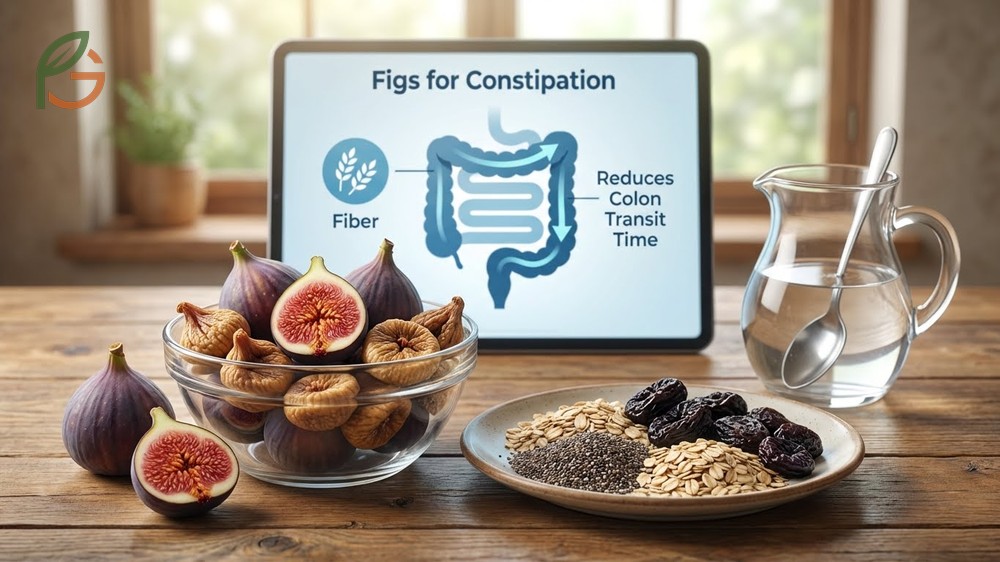
Research shows figs rank among the most effective natural remedies for constipation due to their unique combination of soluble and insoluble fiber. Studies demonstrate that fig consumption significantly reduces colon transit time—the duration food takes to move through your digestive system—by up to 30% compared to baseline measurements[7]. This acceleration happens because fiber adds bulk to stools while simultaneously retaining water, creating softer, easier-to-pass bowel movements.
Unlike harsh chemical laxatives that can cause dependency, figs work with your body’s natural processes. The fruit’s fiber ferments in your colon, producing short-chain fatty acids that increase osmotic load and further speed up transit[1]. Most people notice improvement within 1-2 days of starting regular fig consumption, though consistent daily intake produces the best long-term results.
How Figs Work as Natural Laxatives
The laxative effect of figs operates through four distinct mechanisms that complement each other. First, dietary fiber increases stool bulk directly, triggering stretch receptors in your intestinal walls that stimulate peristalsis. Second, fermenting fiber generates short-chain fatty acids like butyrate, propionate, and acetate, which create an osmotic gradient that draws water into your colon[1].
Third, these fatty acids lower luminal pH, which shifts the composition of your gut microbiome toward beneficial species that enhance motility. Fourth, fiber itself contains and retains significant amounts of water, keeping stools hydrated throughout the digestive process. This multi-pronged approach explains why figs often work when single-mechanism remedies fail.
- Soluble fiber forms a gel-like substance that softens hard stools and eases passage through the intestinal tract
- Insoluble fiber adds bulk and stimulates intestinal contractions that move waste more efficiently
- Pectin acts as a prebiotic, feeding Bacteroides and other beneficial bacteria that support regular bowel function
- Natural sugars and organic acids in figs create a mild osmotic effect that draws fluid into the bowel
- The combination of nutrients supports overall gut health rather than just treating isolated symptoms
Fiber Content Comparison
Dried figs contain significantly more fiber per serving than their fresh counterparts due to water removal during the drying process. A quarter-cup serving of dried figs delivers 3.7 grams of dietary fiber[3], representing about 13% of the daily recommended intake for adults. Fresh figs provide 1.2 grams per medium fruit[4], making them a lighter option for those new to increasing dietary fiber.
This concentration makes dried figs particularly effective for constipation relief when you need faster results. However, dried varieties also contain higher sugar content—approximately 4 grams per fig versus 6.5 grams in a fresh medium fig—so individuals managing blood sugar should factor this into their daily intake calculations.
Important Note: When increasing fiber intake with figs, you’ll need to drink plenty of water—aim for at least 8 glasses daily. Fiber without adequate hydration can actually worsen constipation by creating dry, hard stools that are difficult to pass.
Figs Digestive Health
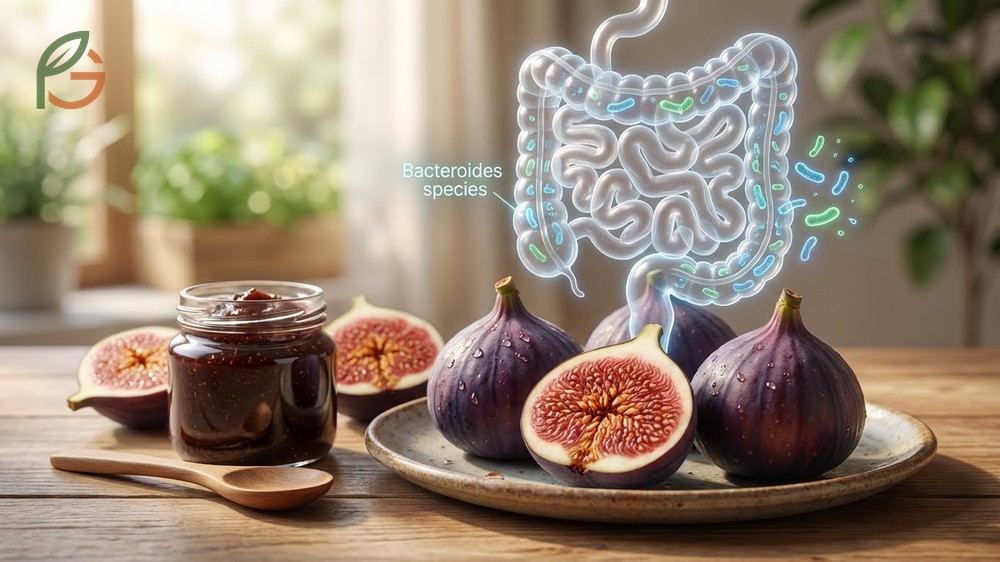
Beyond constipation relief, figs support comprehensive digestive health through their prebiotic properties and beneficial nutrient profile. Research demonstrates that regular fig consumption promotes the growth of beneficial gut bacteria, particularly Bacteroides species that play crucial roles in maintaining intestinal barrier function and producing anti-inflammatory compounds. A clinical trial found that fig paste supplementation significantly improved stool type and reduced abdominal discomfort over an 8-week period[6].
The pectin in figs doesn’t just move things along—it fundamentally shifts your gut microbiome composition toward healthier bacterial populations. Studies show pectin supplementation increases Bacteroides abundance to 45-60% of total gut bacteria within just 4 days of consistent intake. These changes correlate with improved immune responses and reduced intestinal inflammation markers.
Prebiotic Benefits
Prebiotics are non-digestible food components that selectively stimulate the growth and activity of beneficial microorganisms in your colon. Figs contain pectin, a complex polysaccharide that ferments slowly as it passes through your digestive tract. This fermentation process feeds specific bacterial strains that produce butyrate, the primary energy source for colonocytes—the cells lining your colon.
Higher butyrate levels strengthen your intestinal barrier, reduce inflammation, and may even lower your risk of colon cancer. The prebiotic effect complements the mechanical benefits of fiber, creating sustained improvements in digestive function rather than temporary symptom relief.
- Reduces bloating and gas by promoting balanced bacterial fermentation patterns in the gut
- Supports gut barrier integrity, preventing inflammatory compounds from entering your bloodstream
- Enhances nutrient absorption by maintaining optimal intestinal pH and healthy villi structure
- Provides potassium (93mg per fresh fig) that supports smooth muscle contractions in the intestinal wall
- Contains magnesium (7mg per fig) which relaxes digestive tract muscles and eases cramping
- Delivers antioxidants that protect gut cells from oxidative stress and inflammatory damage
- Supports long-term regularity by establishing sustainable changes in microbiome composition
Clinical Evidence
A randomized, double-blind, placebo-controlled trial examined 80 subjects with functional constipation over 8 weeks. Participants receiving fig paste experienced significantly reduced colon transit time and improved stool consistency compared to the placebo group, with no adverse effects on blood parameters or clinical markers[6]. Blood tests confirmed the safety profile, showing fig consumption doesn’t negatively impact organ function even with regular use.
Another study involving 150 people with irritable bowel syndrome with constipation (IBS-C) found that consuming 45 grams of dried figs twice daily produced significant symptom reduction. Participants reported less pain, reduced bloating, and more regular bowel movements compared to the control group[2]. These results suggest figs work not just for occasional constipation but also for chronic digestive conditions.
Research Insight: Animal studies show fig paste increases fecal weight in constipated subjects by up to 40% while reducing segmental colon transit time, particularly in the left colon where waste often stalls[7]. These effects occurred without changes in water content, indicating the mechanism involves true bulk increase rather than simple hydration.
How Many Figs for Constipation
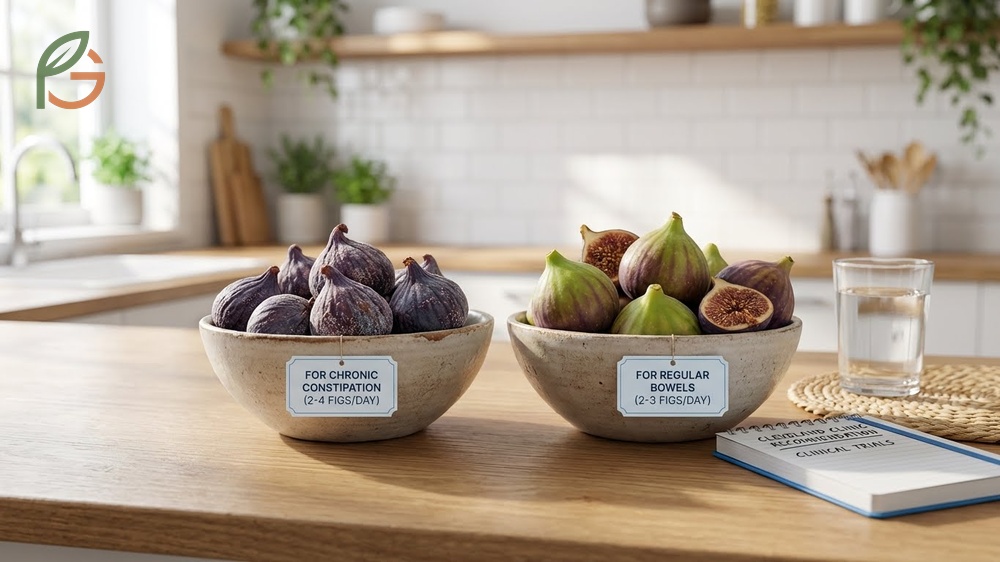
The optimal number of figs depends on whether you’re experiencing occasional constipation or chronic irregularity. Cleveland Clinic experts recommend 2-4 figs daily for people who frequently deal with constipation, while those with regular bowel movements should limit intake to 2-3 figs to avoid potential diarrhea[5]. Starting with 2 figs per day allows you to assess your body’s response before increasing the amount.
Clinical trials typically used 3-4 dried figs twice daily (approximately 45 grams per serving) to achieve therapeutic effects. This translates to 6-8 figs total throughout the day, divided into morning and evening doses. Most people find 3-4 figs daily provides sufficient relief without causing digestive upset or excessive bowel movements.
Daily Recommendations
For constipation relief, consume figs on an empty stomach for maximum effectiveness—your digestive system can process the fiber more efficiently without competing with other foods. Morning intake works well because it jumpstarts your gut motility at the beginning of the day when colon activity naturally peaks. Evening consumption can also be effective, allowing the fiber to work overnight while you sleep.
Don’t exceed 4 figs daily if you’re prone to constipation, as excessive intake can flip from helpful to problematic. Too much fiber too quickly can cause bloating, gas, cramping, and even loose stools—particularly if you’re not accustomed to high-fiber diets.
- Start with 2 dried figs or 2-3 fresh figs daily for the first week to let your digestive system adjust
- Increase to 3-4 figs daily if needed after the initial adjustment period shows good tolerance
- Divide doses between morning and evening for sustained effects throughout the day
- Pair figs with 8 ounces of water to enhance fiber’s hydrating and bulking effects
- Track your bowel movements to identify your personal effective dose and avoid overconsumption
- Reduce intake if you experience cramping, bloating, or more than 2-3 bowel movements daily
Best Preparation Methods
Soaking dried figs overnight amplifies their constipation-relieving properties by pre-hydrating the fiber and making it easier to digest. Place 3-4 dried figs in half a cup of water before bed, then eat the softened figs and drink the liquid first thing in the morning. This method creates a gentle, fiber-rich tonic that works within hours for many people.
Fresh figs can be eaten directly or blended into smoothies for easier consumption. Chopping figs and adding them to oatmeal or yogurt provides additional fiber and creates a synergistic effect—the probiotics in yogurt complement the prebiotics in figs. Some people prefer making fig paste by blending soaked figs into a smooth consistency that’s easier to measure and incorporate into various dishes.
Fiber in Figs
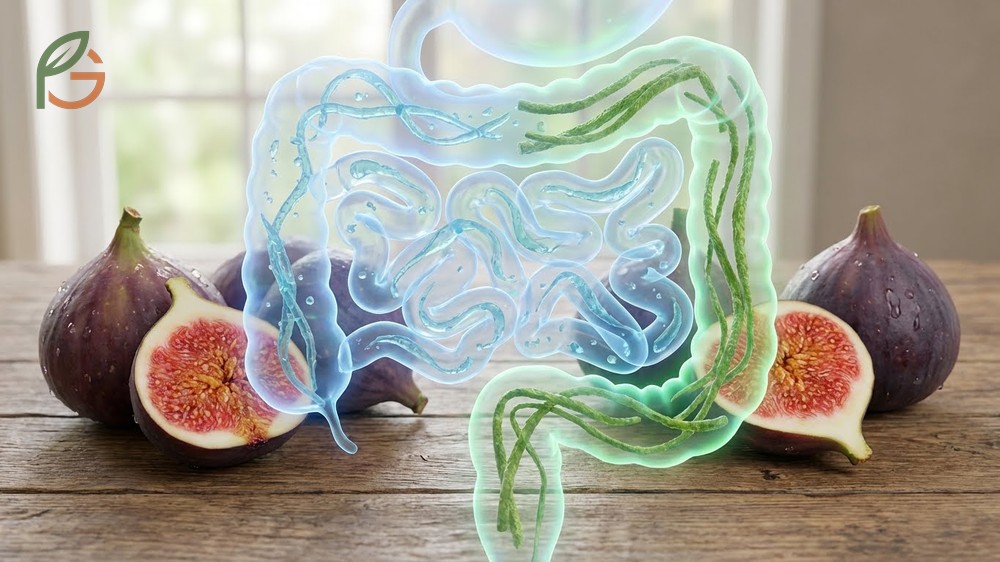
The fiber composition of figs includes both soluble and insoluble types, each contributing distinct benefits for digestive health. Soluble fiber dissolves in water to form a gel-like substance that slows digestion and helps regulate blood sugar levels. Insoluble fiber doesn’t dissolve but adds bulk to stools and speeds their passage through the intestines. This dual-action approach makes figs more effective than foods containing predominantly one fiber type.
A medium fresh fig provides 1.2 grams of total dietary fiber[4], while dried figs concentrate this to 3.7 grams per quarter-cup serving[3]. For context, adults need 25-38 grams of fiber daily depending on age and sex, meaning 3-4 dried figs contribute roughly 15-20% of daily requirements.
The pectin content in figs represents a particularly valuable form of soluble fiber that acts as a powerful prebiotic. Pectin resists digestion in the upper gastrointestinal tract, arriving intact in the colon where beneficial bacteria ferment it into short-chain fatty acids. These compounds don’t just improve bowel movements—they reduce inflammation, strengthen gut barrier function, and may protect against colorectal diseases.
This table compares nutritional content between fresh and dried figs across four categories including serving size, calories, fiber content, and sugar content
| Fig Type | Serving Size | Calories | Fiber | Sugar |
|---|---|---|---|---|
| Fresh Fig | 1 medium (40g) | 30[4] | 1.2g[4] | 6.5g[4] |
| Dried Figs | 1/4 cup (40g) | 93[3] | 3.7g[3] | 16g[3] |
When comparing figs to other high-fiber fruits, they hold their own but aren’t necessarily superior across all metrics. Prunes contain sorbitol that adds an osmotic laxative effect figs lack, while kiwis deliver 5.4 grams of fiber per cup. However, figs offer a unique advantage: their prebiotic pectin content supports long-term gut health improvements rather than just providing temporary relief.
- Increases short-chain fatty acid production by up to 30%, nourishing colon cells and reducing inflammation
- Improves stool consistency from hard or lumpy to soft and formed within 24-48 hours of consumption
- Supports microbiome diversity by feeding multiple beneficial bacterial species simultaneously
- Reduces dependence on stimulant laxatives that can damage intestinal nerves with long-term use
- Provides sustained relief rather than the boom-bust cycle of quick-acting chemical treatments
Conclusion
The evidence is clear: figs for constipation deliver reliable, research-backed relief through a combination of soluble fiber, insoluble fiber, and prebiotic pectin that work together to soften stools, speed transit time, and support beneficial gut bacteria. Starting with 2-4 dried figs daily provides most people with noticeable improvement within 1-2 days, with the added benefit of long-term digestive health improvements from sustained use.
Current guidance emphasizes whole-food approaches over synthetic laxatives whenever possible, and figs represent one of the most effective natural options available. FruitGarden encourages readers to track their individual response, adjust intake based on results, and maintain adequate hydration for optimal fiber effectiveness—nature’s remedy works best when combined with mindful attention to your body’s signals.
Medical Disclaimer
Important Medical Disclaimer: This content is for informational and educational purposes only. It’s not intended as a substitute for professional medical advice, diagnosis, or treatment. Always consult a qualified healthcare professional before making any changes to your diet, medication, or health routine, especially if you have chronic constipation, digestive disorders, diabetes, or other medical conditions. Persistent constipation lasting more than two weeks requires medical evaluation to rule out underlying health issues.
Frequently Asked Questions
How Quickly Do Figs Relieve Constipation?
Most people experience relief within 24-48 hours of eating figs regularly. The timeline depends on your baseline fiber intake, hydration levels, and severity of constipation. Soaking dried figs overnight and eating them first thing in the morning often produces results within 12-24 hours, as the pre-hydrated fiber works more quickly through your digestive system.
Are Fresh or Dried Figs Better for Constipation?
Dried figs contain about three times more fiber per serving than fresh figs—3.7 grams versus 1.2 grams—making them more effective for constipation relief[3]. However, fresh figs work well if you prefer lower sugar content or want a gentler introduction to increased fiber intake.
Can I Eat Too Many Figs?
Yes, consuming more than 4 figs daily can cause digestive upset including bloating, gas, cramping, and diarrhea. Excessive fiber intake without adequate water can actually worsen constipation. Diabetics should also monitor intake carefully since dried figs contain concentrated natural sugars—about 16 grams per quarter-cup serving.
Should I Soak Figs Before Eating Them?
Soaking dried figs overnight enhances their effectiveness by pre-hydrating the fiber and making it easier to digest. Place 3-4 figs in half a cup of water before bed, then eat the softened figs and drink the liquid in the morning. This method often produces faster results than eating dry figs.
What Time of Day Should I Eat Figs for Constipation?
Morning consumption on an empty stomach works best because your digestive system can process the fiber without competing with other foods. Colon motility naturally peaks in the morning, so eating figs early jumpstarts this process. Evening intake can also be effective, allowing the fiber to work overnight while you sleep.
Do Figs Work Better Than Prunes for Constipation?
Both fruits work effectively but through slightly different mechanisms. Prunes contain sorbitol, a sugar alcohol that adds osmotic laxative effects figs don’t have. However, figs offer superior prebiotic benefits from pectin that support long-term gut health. Many people find figs gentler and more tolerable than prunes.
Can Children Eat Figs for Constipation?
Yes, figs are safe for children when consumed in appropriate amounts. Start with 1-2 figs daily for young children, adjusting based on their response. Mashing or pureeing figs makes them easier for small children to eat. Always increase fiber gradually and ensure children drink plenty of water—consult your pediatrician for specific guidance based on your child’s age and health status.





