
What is elderberry good for? Research shows elderberry supports immune function, reduces cold and flu duration by up to 4 days, and delivers powerful antioxidants that protect against cellular damage[1]. This dark purple berry from the Sambucus nigra plant has been used medicinally for centuries, and modern science confirms what traditional healers knew. FruitGarden explores the evidence-based benefits of this remarkable fruit that’s gaining attention among health-conscious gardeners and home growers.
Quick Answer
- Elderberry reduces cold and flu symptoms by 3-4 days when taken at onset[2]
- Contains 36mg vitamin C per 100g (40% daily value) and 7g fiber[3]
- Provides potent antioxidants called anthocyanins that fight inflammation and support heart health[4]
- Best consumed as syrup, extract, or tea—raw berries can cause nausea and must be cooked first
What Is Elderberry Good For
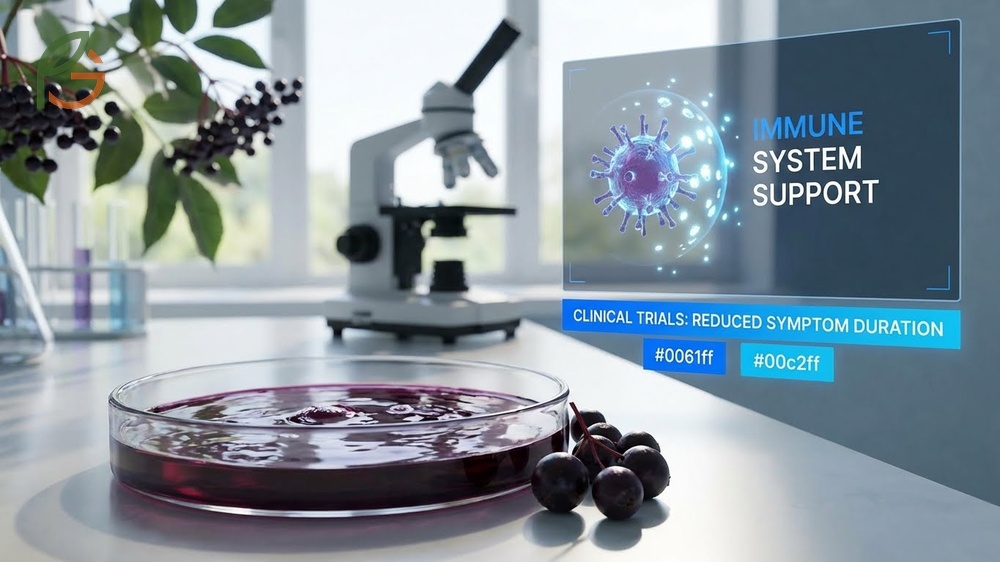
Elderberry’s most well-documented benefit is immune system support, particularly against viral respiratory infections. Studies demonstrate that elderberry extract contains compounds that directly inhibit viral replication and enhance your body’s natural defense mechanisms[4]. This isn’t just folklore—clinical trials show measurable improvements in symptom duration and severity.
The berries pack an impressive nutritional profile with 73 calories per 100g, plus substantial amounts of vitamin C, fiber, and potassium[3]. What makes elderberry unique is its high concentration of anthocyanins—the same purple pigments that give the berries their distinctive color. These plant compounds act as powerful antioxidants that protect cells from damage caused by free radicals.
Current research focuses on elderberry’s ability to reduce inflammation throughout the body. Chronic inflammation contributes to heart disease, diabetes, and other serious conditions. Evidence suggests that regular elderberry consumption may help lower inflammatory markers in the bloodstream, though you shouldn’t view it as a replacement for medical treatment.
Most people use elderberry during cold and flu season, but emerging research explores benefits for heart health, digestive function, and skin conditions. The key is understanding that elderberry works best as part of an overall healthy lifestyle, not as a magic cure.
Immune System Powerhouse
Elderberry enhances immune function by increasing production of cytokines—proteins that regulate immune response. Research shows elderberry extract stimulates monocytes to produce higher levels of these signaling molecules, which coordinate your body’s defense against pathogens[4]. This boost happens within hours of consumption.
A comprehensive review of clinical trials found that elderberry supplementation doesn’t overstimulate the immune system—a concern some people raise. Studies measuring inflammatory cytokine levels show elderberry actually helps balance immune response rather than creating excessive inflammation[1]. It’s more like fine-tuning your defenses than turning them up to maximum.
For everyday immune support, elderberry provides vitamin C and other nutrients that keep immune cells functioning properly. One cup of fresh elderberries delivers 52.2mg of vitamin C[3]—that’s about 58% of your daily requirement. The fiber content also supports gut health, which plays a crucial role in immunity.
Antiviral Properties Explained
Elderberry compounds bind to viral proteins and prevent viruses from entering healthy cells. Laboratory studies show elderberry extract blocks the H1N1 influenza virus by inhibiting its hemagglutinin—the surface protein that allows flu viruses to attach to cells[4]. This mechanism works against multiple viral strains.
Recent research tested elderberry extract against SARS-CoV-2 (the virus that causes COVID-19) and found it inhibited viral replication at very low concentrations. The extract worked against the original strain plus Alpha and Beta variants. While this doesn’t mean elderberry prevents or cures COVID-19, it demonstrates the broad-spectrum antiviral potential scientists continue to investigate.
Important Note: Elderberry may shorten illness duration, but it doesn’t replace vaccines or medical treatment. Always consult healthcare providers for serious respiratory infections or if you’re taking immunosuppressant medications.
Health Benefits of Elderberry
Beyond immune support, elderberry offers a range of health benefits backed by clinical research. The antioxidant content rivals other superfruits, with anthocyanin levels higher than cranberries or blueberries. These compounds protect cardiovascular tissue, support brain function, and may reduce cancer risk through multiple mechanisms.
The whole fruit provides benefits you can’t get from isolated supplements. Fresh or properly prepared elderberries contain fiber that supports digestive health and helps regulate blood sugar. The polyphenols work synergistically—meaning they’re more effective together than separately.
Most research uses concentrated extracts or syrups standardized to contain specific amounts of anthocyanins. This allows scientists to measure dose-response relationships. For home gardeners growing elderberry bushes, the fresh berries offer similar benefits when prepared correctly through cooking or fermenting.
Respiratory and Sinus Relief
Meta-analysis of four randomized controlled trials found elderberry supplementation reduced upper respiratory symptom duration in people with flu or cold-like illness[2]. Participants who took elderberry experienced shorter illness periods regardless of flu vaccination status. The effect was consistent across different study populations.
Specific symptoms that improved include cough, nasal congestion, nasal discharge, and sore throat. One study of long-haul travelers showed elderberry extract reduced cold duration by approximately 2 days compared to placebo[5]. Another trial found influenza A symptoms decreased by 3-4 days with elderberry supplementation.
The anti-inflammatory properties help reduce sinus swelling and mucus production. This makes breathing easier and speeds recovery. For best results, start taking elderberry at the first sign of symptoms rather than waiting until you’re fully sick.
- Reduced symptom duration: Cuts cold and flu illness time by 2-4 days when started early
- Less nasal congestion: Decreases inflammation in nasal passages and sinuses
- Milder cough: Soothes throat irritation and reduces cough frequency
- Lower fever: Helps regulate body temperature during viral infections
- Faster recovery: Supports immune system to clear infections more efficiently
Heart Health Support
Elderberry anthocyanins protect cardiovascular tissue from oxidative damage. Laboratory studies show these compounds shield endothelial cells (which line blood vessels) from free radical stress[6]. Healthy endothelial function is essential for proper blood pressure regulation and preventing atherosclerosis.
Animal studies demonstrate elderberry extract reduces blood pressure in rats with hypertension. Human research shows similar trends, though more large-scale trials are needed. The mechanisms include improved nitric oxide production, which relaxes blood vessel walls, and reduced inflammatory signaling that damages arteries.
Cholesterol management represents another potential benefit. Some studies report that elderberry extract lowers LDL (bad cholesterol) and total cholesterol levels. The fiber content contributes by binding to cholesterol in the digestive tract and removing it from your body before absorption.
This table compares key nutrients in elderberry per 100g serving with their daily value percentages and primary health benefits for cardiovascular and immune function
| Nutrient | Amount per 100g | % Daily Value | Primary Benefit |
|---|---|---|---|
| Vitamin C | 36mg[3] | 40% | Immune support, antioxidant protection |
| Dietary Fiber | 7g[3] | 28% | Digestive health, cholesterol reduction |
| Potassium | 280mg | 8% | Blood pressure regulation, heart function |
| Iron | 1.6mg | 20% | Oxygen transport, energy production |
| Anthocyanins | High concentration | N/A | Antioxidant, anti-inflammatory, antiviral |
Elderberry Benefits for Skin
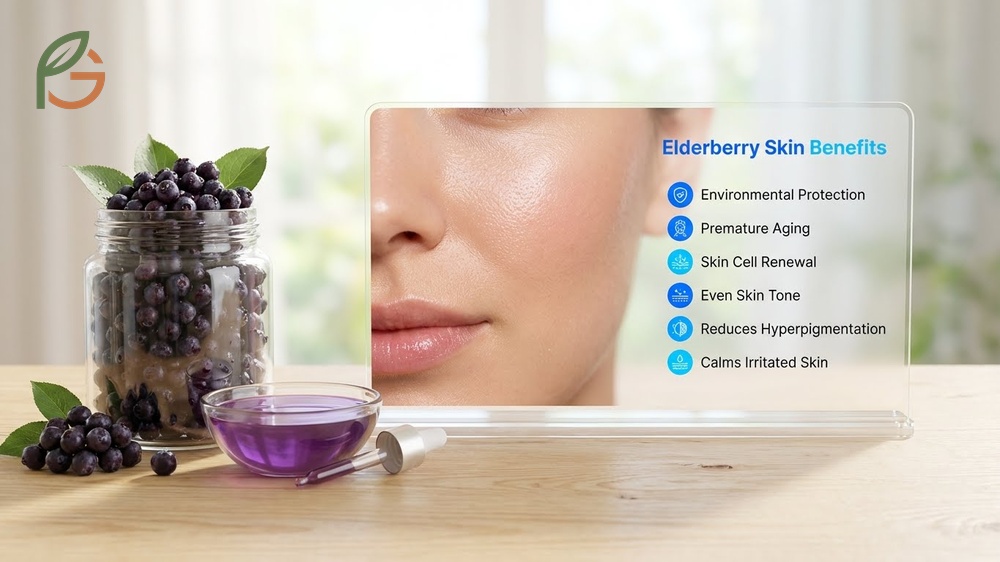
The antioxidants in elderberry protect skin from environmental damage and premature aging. Vitamin A and anthocyanins promote skin cell renewal and help even out skin tone by reducing hyperpigmentation. These compounds inhibit melanin production in areas where dark spots form, gradually lightening discoloration with consistent use.
Elderberry’s anti-inflammatory properties calm irritated and sensitive skin. Studies show the flavonoids and vitamin A reduce redness associated with conditions like rosacea, eczema, and acne. The soothing effect helps restore balance to reactive skin types that flare up easily.
Collagen production gets a boost from elderberry antioxidants. Collagen is the structural protein that keeps skin firm and elastic. As you age, collagen breaks down faster than your body produces it, leading to wrinkles and sagging. Elderberry compounds help protect existing collagen from oxidative damage while supporting the synthesis of new collagen fibers.
UV protection is another skin benefit worth noting. While elderberry doesn’t replace sunscreen, the anthocyanins help defend against free radical damage caused by sun exposure. This reduces your risk of photoaging (sun-induced wrinkles and age spots) and may lower skin cancer risk when combined with proper sun protection habits.
- Anti-aging effects: Neutralizes free radicals that break down collagen and elastin
- Reduced inflammation: Calms redness, irritation, and inflammatory skin conditions
- Even skin tone: Fades dark spots and hyperpigmentation over time
- Improved hydration: Supports skin barrier function to retain moisture
- Enhanced radiance: Promotes cell turnover for brighter, healthier-looking skin
Skincare Tip: Look for elderberry in serums and creams for topical benefits. You can also consume elderberry internally—the antioxidants work from the inside out to support overall skin health.
Black Elderberry Health Benefits
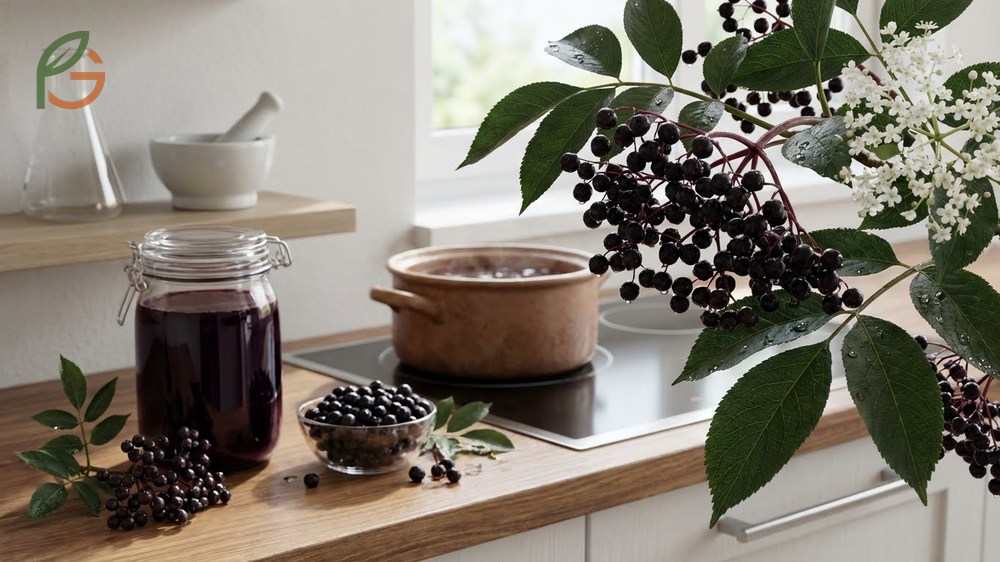
Black elderberry (Sambucus nigra) is the specific species used in most scientific research and commercial supplements. This variety contains higher anthocyanin concentrations than other elderberry species, making it more potent for health applications. The dark purple-black berries are the only part of the plant that’s safe to consume after cooking—flowers can be used for tea, but leaves, stems, and roots are toxic.
The “Haschberg” cultivar is considered the gold standard for medicinal use. Research studies typically use extracts from this variety because of its consistent chemical composition and high bioactive compound levels. If you’re growing elderberry at home, choosing named cultivars like Haschberg, York, or Nova ensures you get berries with proven health benefits.
Black elderberry’s effects extend beyond what we’ve already discussed. Recent research explores potential benefits for diabetes management, with some studies showing improved blood sugar metabolism. The fiber and anthocyanins may help regulate glucose absorption and enhance insulin sensitivity, though these effects need more human trials to confirm.
Digestive Wellness
Elderberry’s fiber content supports regular bowel movements and prevents constipation. The 7g of fiber per 100g adds bulk to stool and helps food move smoothly through your digestive tract[3]. This natural laxative effect is gentle compared to harsh stimulant laxatives.
The antimicrobial properties help balance gut bacteria by inhibiting harmful microbes while promoting beneficial species. Research suggests elderberry acts like a prebiotic—feeding the good bacteria in your intestines. A healthy gut microbiome improves digestion, boosts immunity, and may even affect mood through the gut-brain connection.
Elderberry extracts strengthen the intestinal barrier, which prevents toxins and bacteria from leaking into the bloodstream. Studies show elderberry reduces production of inflammatory molecules that increase intestinal permeability (often called “leaky gut”). This protective effect may benefit people with inflammatory bowel conditions like Crohn’s disease or ulcerative colitis, though it doesn’t replace medical treatment.
Anti-Inflammatory Effects
Chronic inflammation underlies many serious diseases, from arthritis to heart disease to cancer. Elderberry anthocyanins inhibit COX-2 enzymes—the same targets that anti-inflammatory drugs like ibuprofen block[6]. This natural COX-2 inhibition reduces inflammatory signaling throughout your body.
Studies measuring inflammatory markers show elderberry supplementation lowers C-reactive protein (CRP) and interleukin-1 beta levels in the bloodstream. These are key indicators doctors use to assess inflammation. The effect appears dose-dependent—higher anthocyanin intake produces greater anti-inflammatory benefits.
Unlike some anti-inflammatory compounds that can irritate the stomach, elderberry actually soothes digestive tissue. The combination of anti-inflammatory and gut-protective effects makes it a promising option for people who can’t tolerate NSAIDs (non-steroidal anti-inflammatory drugs).
How to Use Elderberry
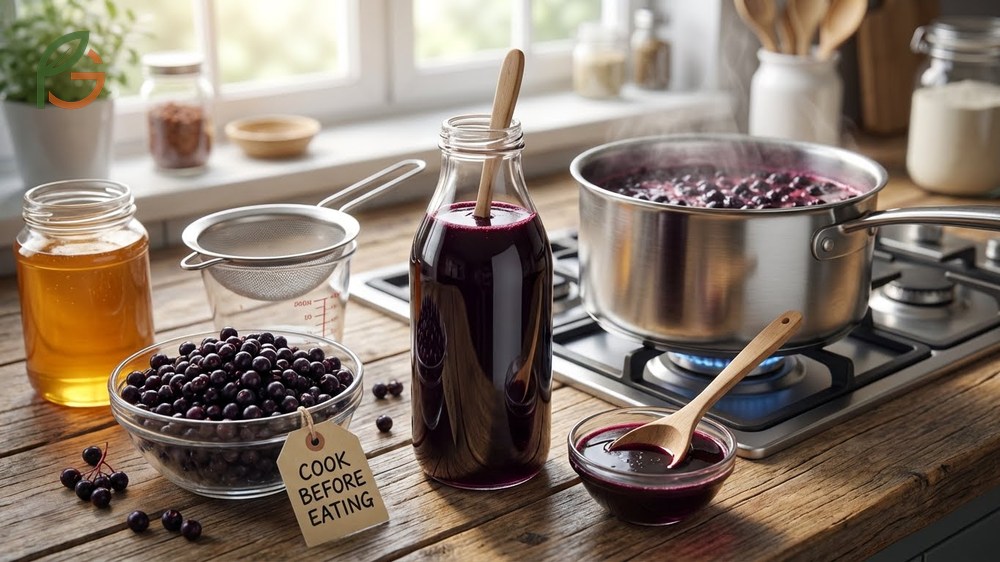
The most important rule: never eat raw elderberries. They contain lectins and cyanogenic glycosides that cause nausea, vomiting, and diarrhea. Cooking destroys these compounds and makes the berries safe to consume. Most people use elderberries in syrup, extract, tea, or baked goods.
Elderberry syrup is the most popular preparation. You’ll simmer fresh or dried berries with water, strain out the solids, and add honey. Typical dosage during illness is 1-2 tablespoons for adults (1-2 teaspoons for children) taken 3-4 times daily. Start at the first sign of symptoms for best results.
Commercial elderberry supplements come standardized to specific anthocyanin levels, usually around 3-5% anthocyanins by weight. Read labels carefully and choose products that specify “black elderberry” or “Sambucus nigra.” Avoid supplements that combine elderberry with unnecessary fillers or untested herb blends.
For general wellness, you can make elderberry tea from dried flowers or berries. Steep 1-2 tablespoons in hot water for 10-15 minutes. This provides a lower dose of active compounds—suitable for daily immune support rather than treating active illness.
If you’re growing elderberries at home, harvest the clusters when berries are fully purple-black. Process them within a few days of picking. You can freeze fresh berries for later use—freezing doesn’t significantly reduce anthocyanin content.
- Elderberry syrup: Take 1-2 tablespoons at first cold symptoms, continue 3-4 times daily until recovered
- Gummies or lozenges: Convenient option for kids or people who dislike syrup taste
- Elderberry tea: Brew dried flowers or berries for gentle daily immune support
- Tinctures or extracts: Concentrated liquid form, typically 1-2 dropperfuls as needed
- Elderberry jam or preserves: Spread on toast for antioxidant-rich breakfast
- Added to smoothies: Mix cooked elderberry puree or syrup into fruit smoothies
Conclusion
The evidence is clear: elderberry offers legitimate health benefits, particularly for immune support and viral respiratory illness. Research confirms it reduces cold and flu duration, delivers powerful antioxidants, and supports heart health when used appropriately. Current guidance emphasizes elderberry as a complementary approach—it works best alongside healthy lifestyle habits, not as a standalone cure.
For home gardeners interested in growing elderberry, you’ll get the freshest berries with the highest antioxidant content. Choose black elderberry cultivars, harvest at peak ripeness, and always cook berries before consuming. FruitGarden recommends elderberry as a valuable addition to any edible landscape, providing both ornamental beauty and functional health benefits for your family.
Medical Disclaimer
Important Medical Disclaimer: This content is for informational and educational purposes only. It’s not intended as a substitute for professional medical advice, diagnosis, or treatment. Always consult a qualified healthcare professional before making any changes to your health routine, especially if you have existing medical conditions, take medications, or are pregnant or breastfeeding. Elderberry may interact with immunosuppressant drugs or diabetes medications. Don’t use elderberry to prevent or treat serious illnesses like COVID-19, pneumonia, or other conditions requiring medical attention. Raw elderberries and other plant parts are toxic—only consume properly prepared berries or flowers.
Frequently Asked Questions
What does elderberry do for the body?
Elderberry supports your immune system by increasing cytokine production, which helps coordinate your body’s defense against viral infections. It also provides powerful antioxidants called anthocyanins that protect cells from free radical damage, reduce inflammation throughout the body, and support cardiovascular health. The high vitamin C and fiber content further contribute to overall wellness.
Is elderberry good for you every day?
Daily elderberry consumption appears safe for most people when used in moderate amounts as tea, small servings of syrup, or standardized supplements. Research studies haven’t identified serious side effects from regular use. However, you don’t necessarily need elderberry daily unless you’re fighting frequent infections or want consistent antioxidant support. It’s most effective when started at the first sign of cold or flu symptoms.
What is black elderberry good for specifically?
Black elderberry (Sambucus nigra) is the species with the strongest research backing for health benefits. It’s particularly effective against influenza viruses, reducing symptom duration by 3-4 days in clinical trials. Black elderberry contains higher anthocyanin levels than other elderberry species, making it more potent for immune support, antiviral effects, and antioxidant protection. Most commercial supplements use black elderberry extracts.
What are elderberry benefits for women?
Women may particularly benefit from elderberry’s skin health properties, as the antioxidants protect against premature aging and support collagen production. The anti-inflammatory effects can help with conditions like PCOS or endometriosis, though research in these areas is preliminary. Pregnant and breastfeeding women should consult healthcare providers before using elderberry supplements, as safety data for these populations is limited.
Can elderberry help with sinus infections and allergies?
Elderberry’s anti-inflammatory properties may reduce sinus swelling and congestion associated with infections or allergies. Research shows it decreases nasal discharge and improves breathing during upper respiratory illness. However, if you suspect a bacterial sinus infection rather than viral, you’ll need antibiotics—elderberry won’t treat bacterial infections. For allergies, elderberry may offer modest symptom relief but typically isn’t as effective as antihistamines.
What is elderberry used for in traditional medicine?
Traditional European and Native American medicine used elderberry for fever, flu, respiratory infections, and inflammatory conditions. Herbalists made syrups, teas, and poultices from the berries and flowers. Modern research validates many traditional uses, particularly for cold and flu treatment. However, some historical applications (like cancer treatment) lack scientific evidence and shouldn’t replace conventional medical care for serious conditions.
Does elderberry work better with zinc for immune support?
Some research suggests combining elderberry with zinc may provide enhanced immune benefits, as both support different aspects of immune function. Zinc helps immune cells develop and communicate, while elderberry provides antiviral compounds and boosts cytokine production. However, direct studies comparing elderberry alone versus elderberry plus zinc are limited. If you try this combination, don’t exceed recommended zinc doses (8-11mg daily for adults), as excess zinc can actually impair immunity.





